Home » Diesel engine fire pump » The core of diesel engine fire pump: the working principle of diesel engine

The core of diesel engine fire pump: the working principle of diesel engine

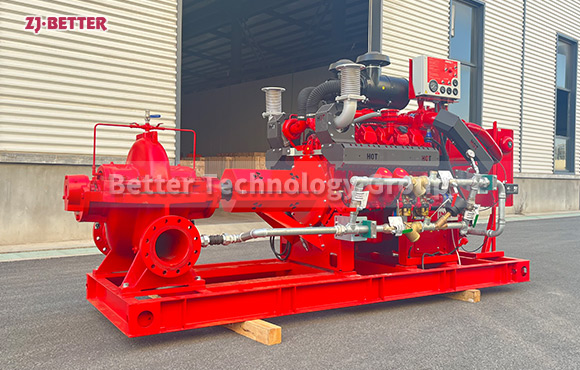
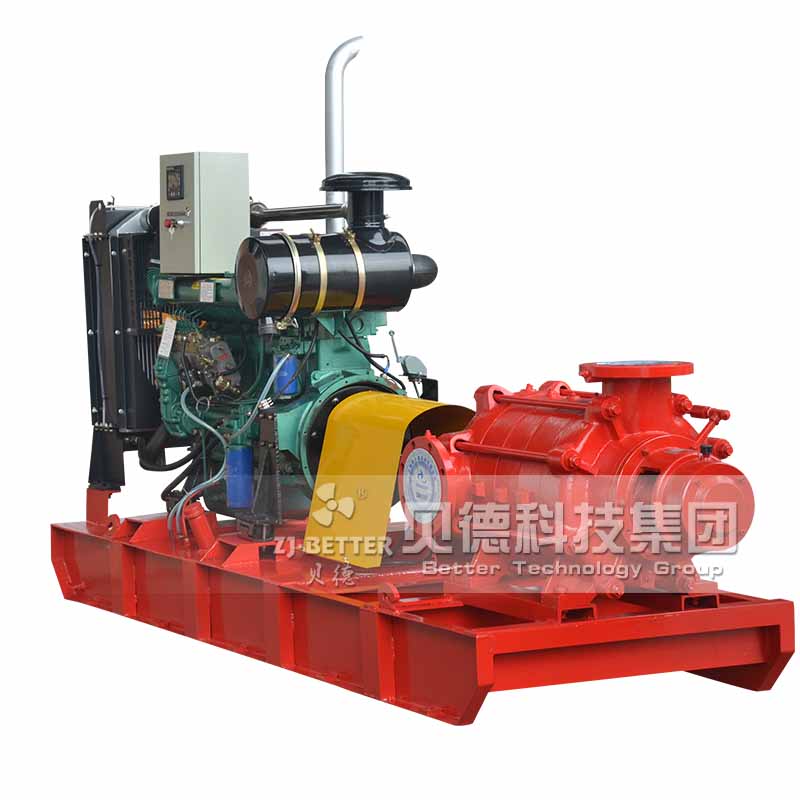
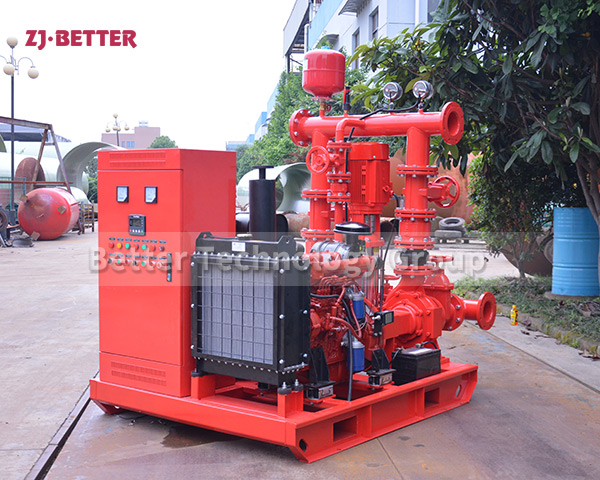
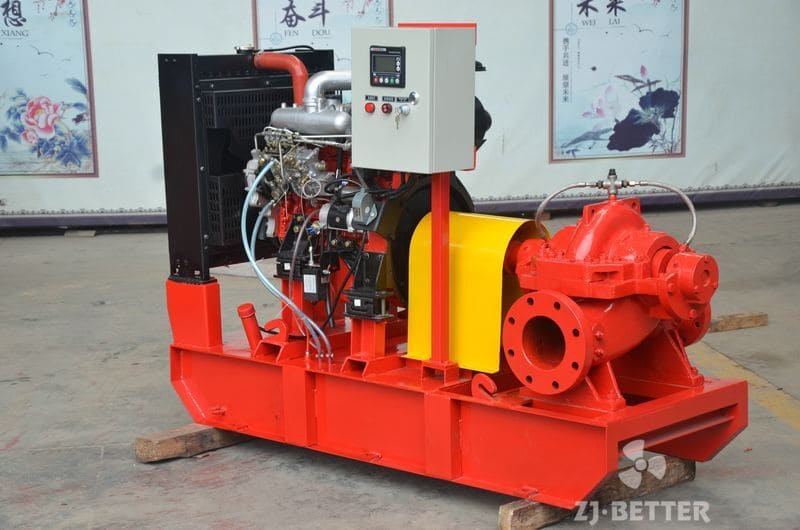
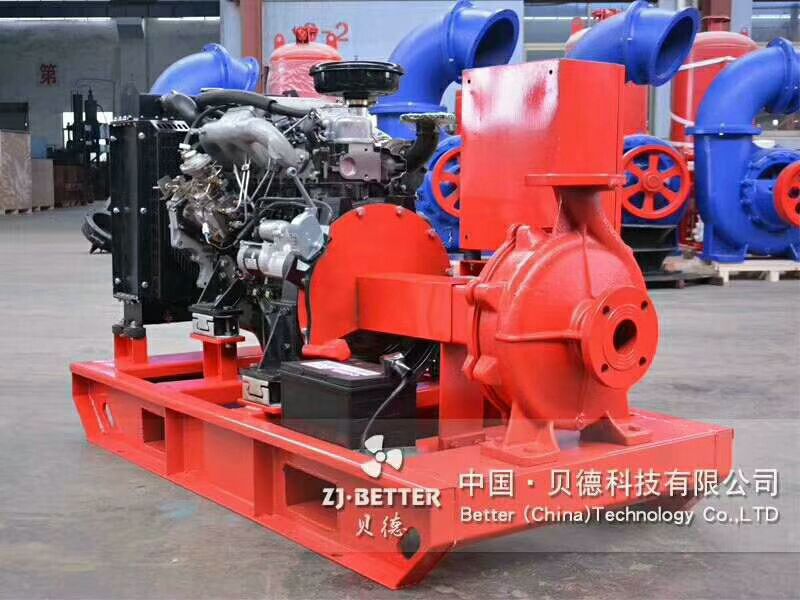
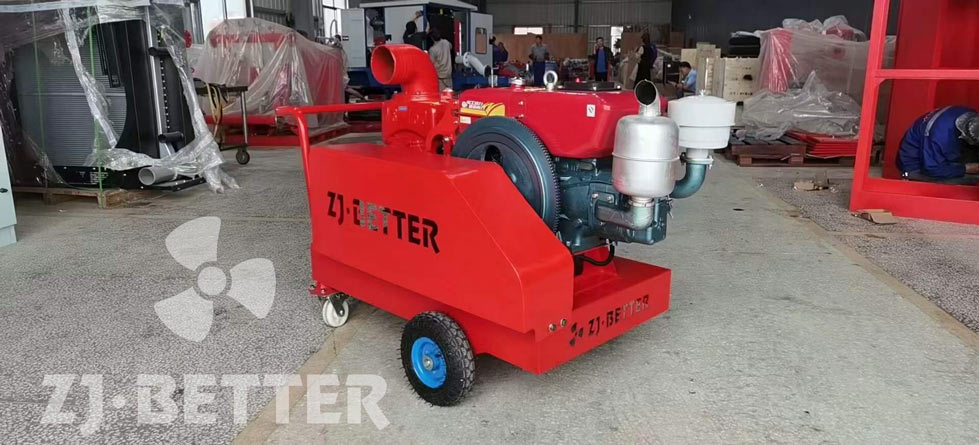
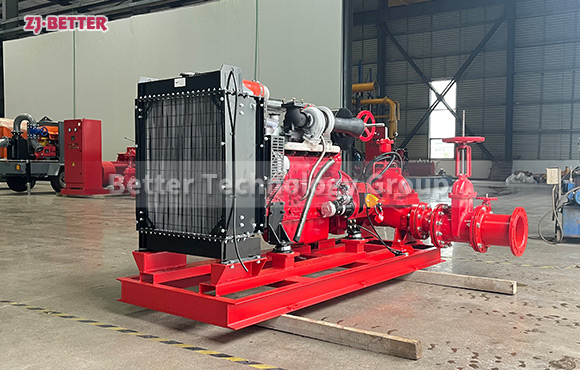
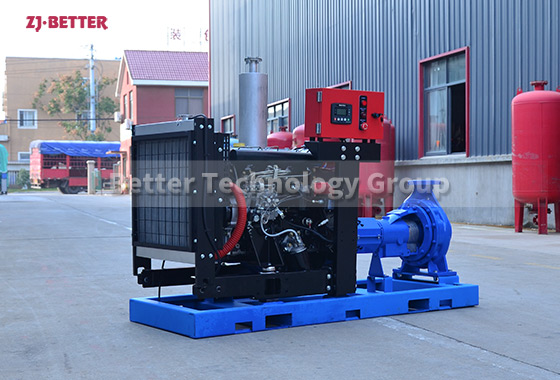
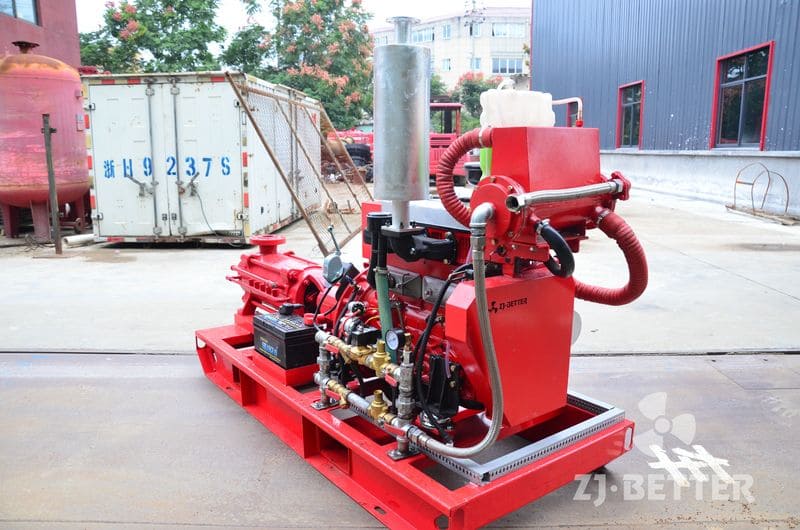
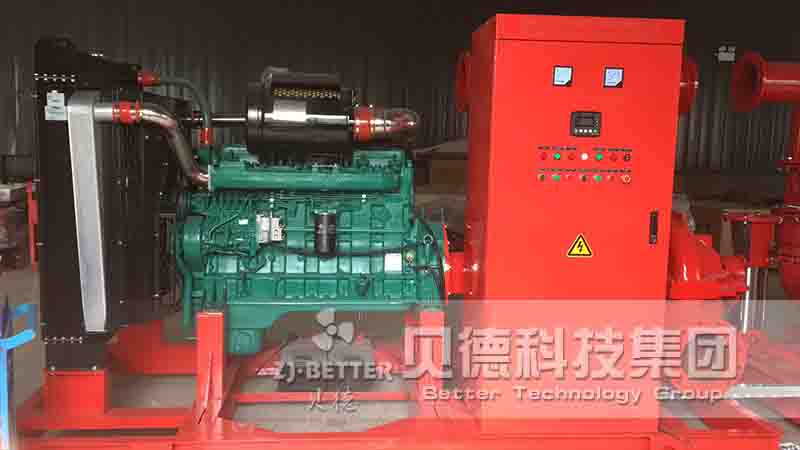
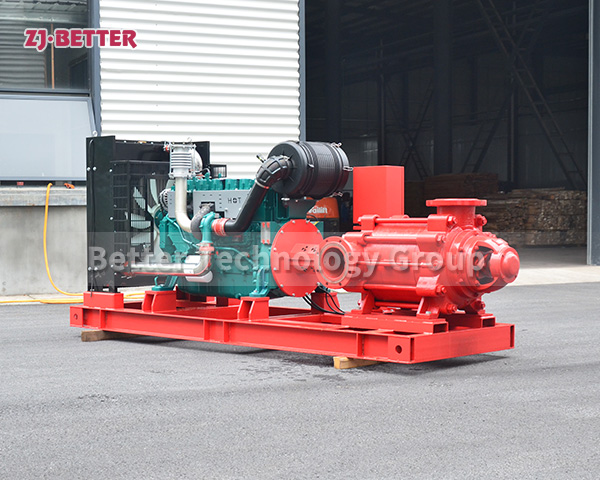
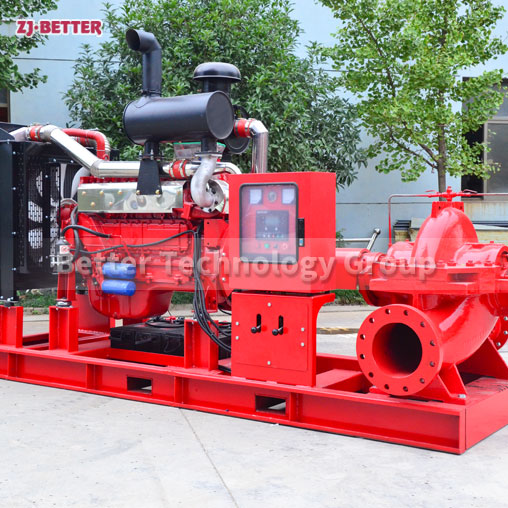
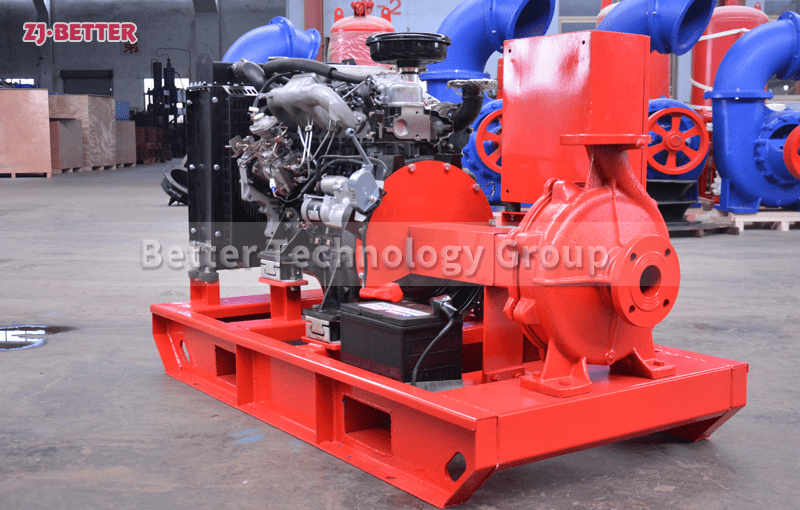
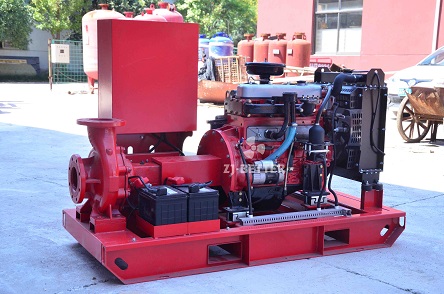
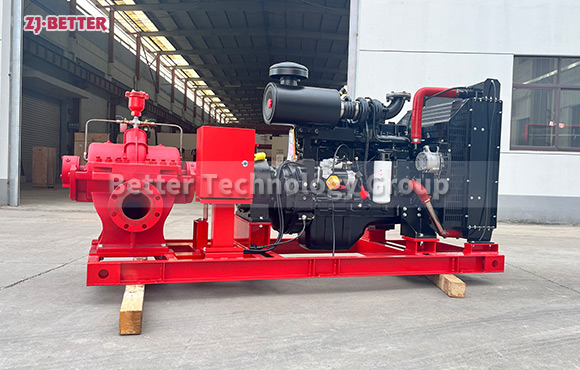
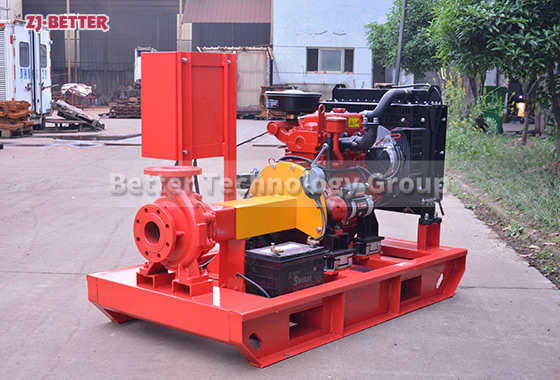
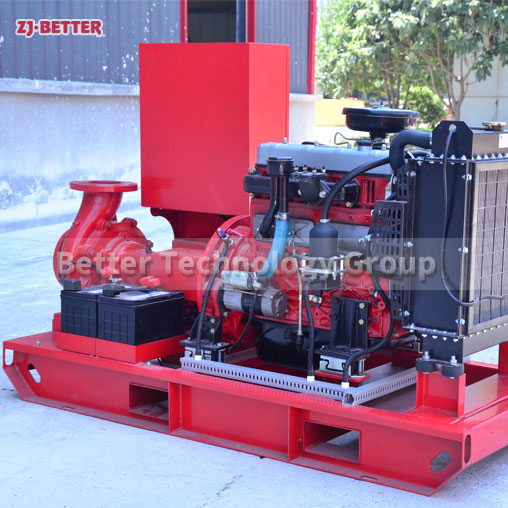
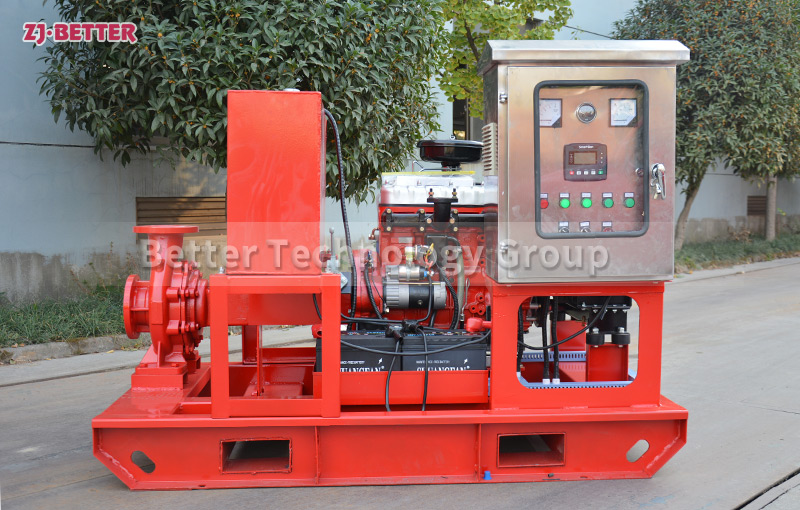
Diesel engine fire pumps are different from traditional fire pumps in that they cover a wide area and have a large spray force. Naturally, the equipment and technology must be more prominent. At present, there are not many manufacturers who can apply the working principle of diesel engine to the design of diesel engine fire pump, adhere to the principle concept, and can perfectly integrate the assembly of other parts of diesel engine fire pump.
Better Technology Co., Ltd., a joint-stock enterprise specializing in the design, development, manufacture and sales of general fluid equipment, has introduced a high-level design,development and enterprise management mode, and has hired foreign experts to provide technical guidance for the company for a long time. The products are competitive.

Rated 4.7/5 based on 438 customer reviews
Share:
Content

Working principle of diesel engine

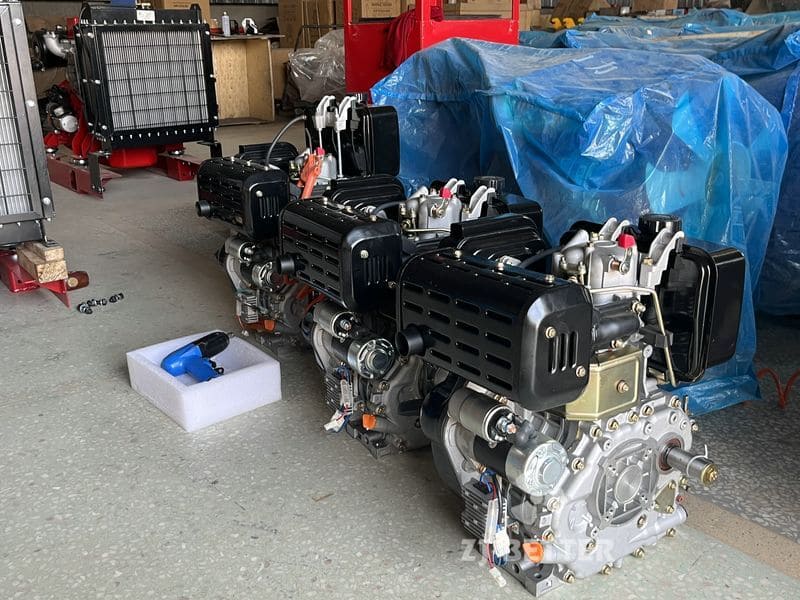
During the working process of a diesel engine, each working cycle also undergoes four strokes of intake, compression, power, and exhaust. However, since the fuel used in the diesel engine is diesel oil, its viscosity is higher than that of gasoline, it is not easy to evaporate, and its auto-ignition temperature is lower than that of gasoline, so the formation and ignition of combustible mixtures are different from those of gasoline engines.

The diesel engine inhales pure air during the intake stroke, and uses the air to change the pressure to generate power. When the compression stroke is near the end, the diesel fire pump will increase the oil pressure to above 10MPa, spray it into the cylinder through the injector, and mix it with the compressed high-temperature air in a short time to form a combustible mixture. Due to the high compression ratio of the diesel engine (generally 16-22), the air pressure in the cylinder can reach 3.5-4.5MPa at the end of the compression, and the temperature can reach as high as 750-1000K (while the gas mixture pressure of the gasoline engine at this time will be 0.6-1.2MPa , the temperature reaches 600-700K), which greatly exceeds the self-ignition temperature of diesel. For this reason, after the diesel fuel is injected into the cylinder, it will ignite and burn by itself immediately after mixing with the air in a very short time. The air pressure in the cylinder rises rapidly to 6-9MPa, and the temperature also rises to 2000-2500K. Pushed by the high-pressure gas, the piston moves downward and drives the crankshaft to rotate to do work, and the exhaust gas is also discharged into the atmosphere through the exhaust pipe.
Inquiry


    More Diesel engine fire pump

    Operating a diesel engine fire pump efficiently can help save energy and reduce fuel consumption. Here are some practices to consider for energy-saving operation of a diesel engine fire pump:

    Proper Sizing: Ensure that the fire pump is appropriately sized for the specific application. An oversized pump can lead to excessive energy consumption. Consult with fire protection experts or engineers to determine the correct pump size based on the required flow rate and pressure for your specific needs.

    Regular Maintenance: Perform regular maintenance on the diesel engine fire pump to ensure it operates at its optimal efficiency. This includes regular inspection and cleaning of filters, lubrication of moving parts, checking and adjusting belt tension, and monitoring fuel and oil quality. Proper maintenance helps keep the engine running smoothly, reducing energy waste due to inefficiencies or malfunctions.

    Optimal Operating Speed: Operate the diesel engine fire pump at its optimal speed. Running the pump at the highest necessary speed while still meeting the required flow and pressure will minimize energy consumption. Avoid unnecessarily high engine RPMs that can result in energy wastage.

    Variable Speed Control: Consider using a pump control system with variable speed capabilities. This allows the engine to operate at different speeds based on the required demand. The system adjusts the engine speed to match the required flow and pressure, saving energy by avoiding constant operation at maximum speed.

    Automatic Shutdown: Utilize automatic shutdown features when the fire pump is not in use. This prevents unnecessary idling and reduces fuel consumption. Programmable shutdown systems can be set to turn off the engine after a specific period of inactivity.

    Efficient Water Management: Implement efficient water management practices to reduce unnecessary water usage. Properly design the fire protection system, including the layout of sprinklers and fire hydrants, to ensure water is effectively distributed only where needed. This helps minimize the demand on the fire pump, reducing energy consumption.

    Training and Awareness: Provide training to operators and firefighters on energy-saving practices and the efficient operation of the diesel engine fire pump. Promote awareness of energy conservation and encourage responsible use of the equipment. Properly trained operators can make informed decisions and take actions to optimize energy efficiency during firefighting operations.

    Energy Monitoring: Install energy monitoring systems to track and analyze the energy consumption of the diesel engine fire pump. This allows for better understanding of energy usage patterns and identifies areas for improvement. Energy monitoring systems provide valuable data to optimize operations, identify inefficiencies, and implement energy-saving strategies.

    By implementing these energy-saving practices, you can reduce fuel consumption, minimize energy waste, and operate the diesel engine fire pump in an efficient and environmentally responsible manner. Energy efficiency not only reduces operational costs but also contributes to sustainable firefighting practices.