Home » Diesel engine fire pump » The Versatile Single-Cylinder Diesel Engine Self-Priming Fire Pump

The Versatile Single-Cylinder Diesel Engine Self-Priming Fire Pump

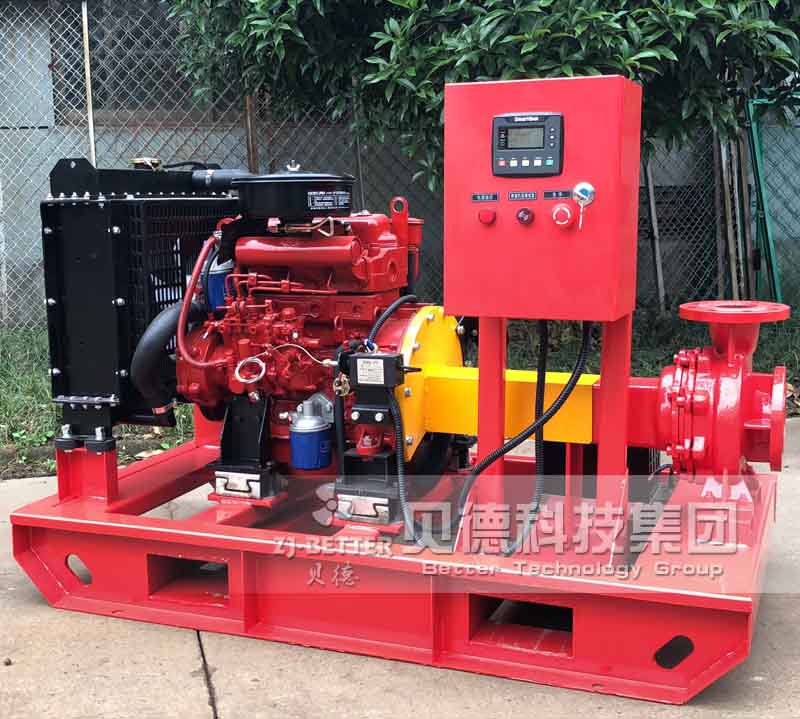
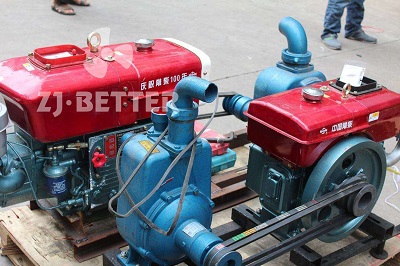
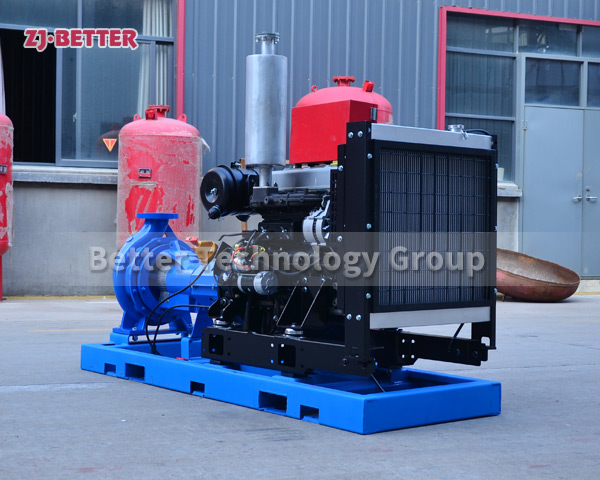
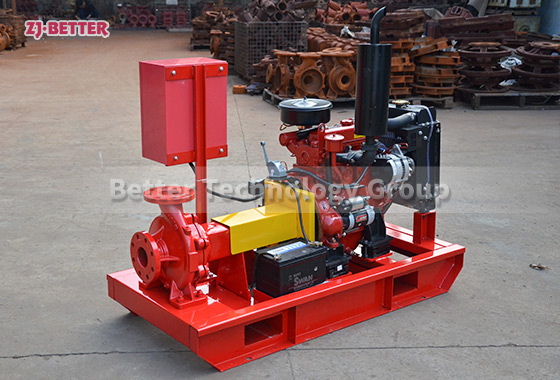
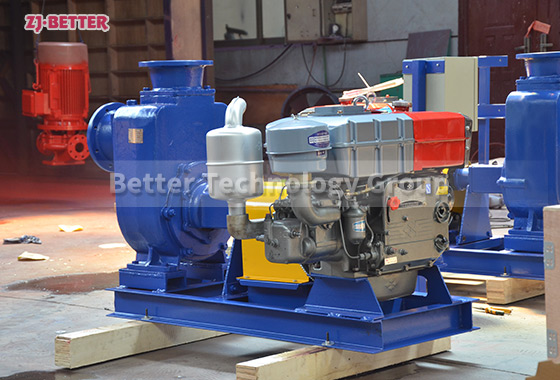
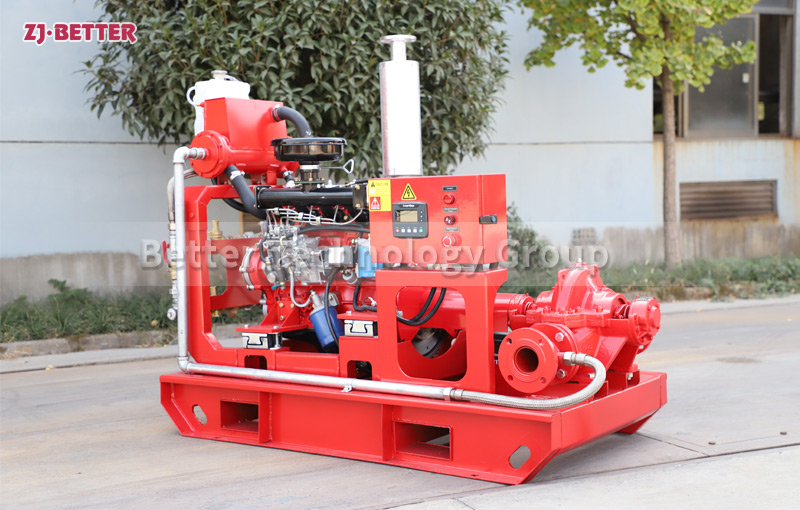
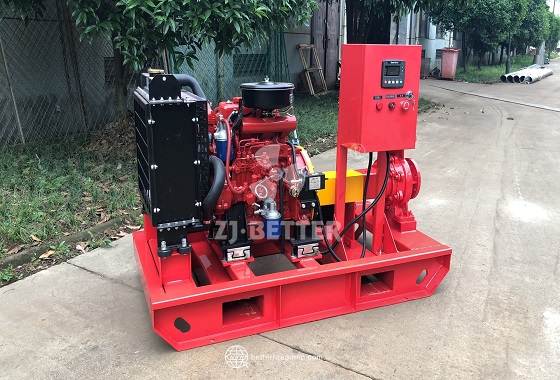
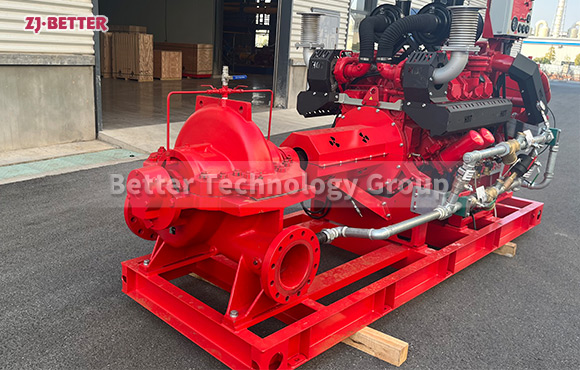
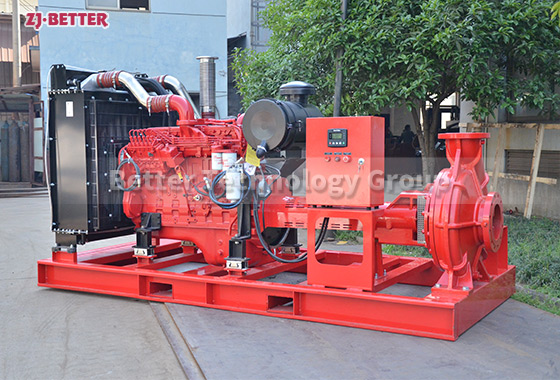
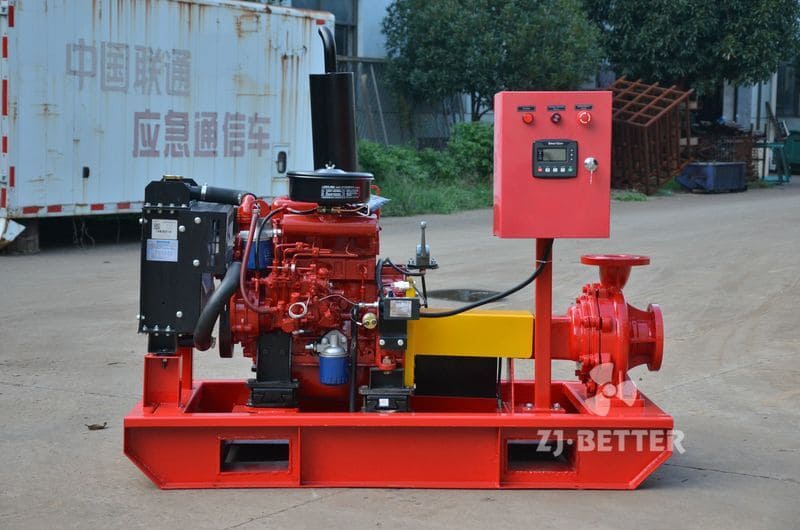
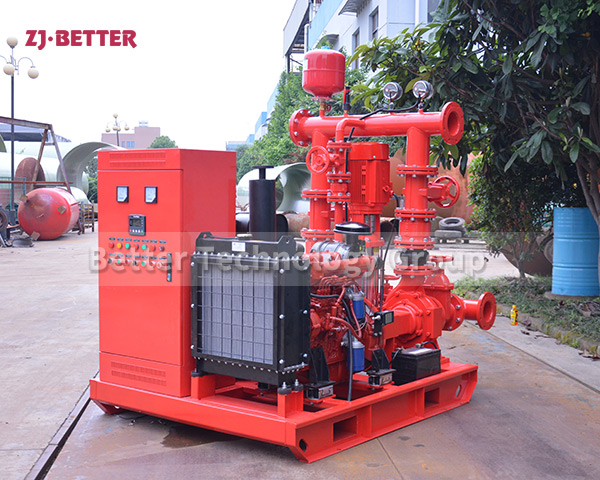
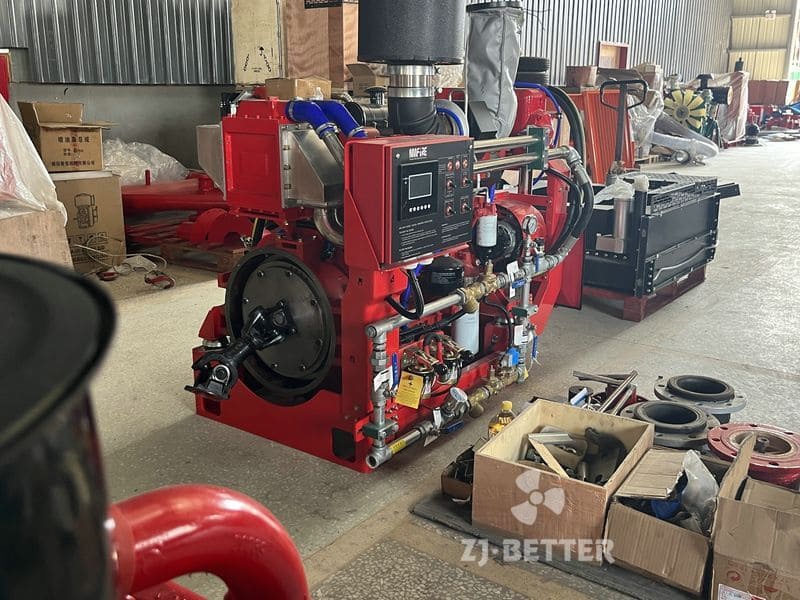
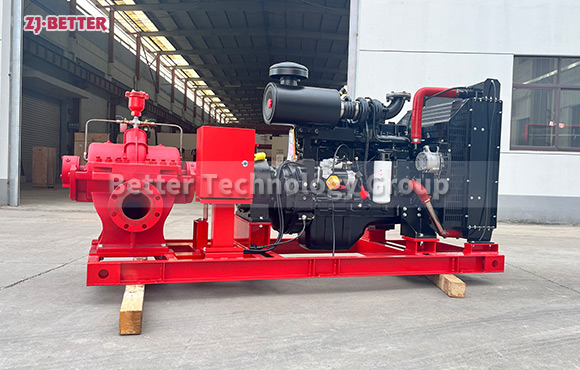
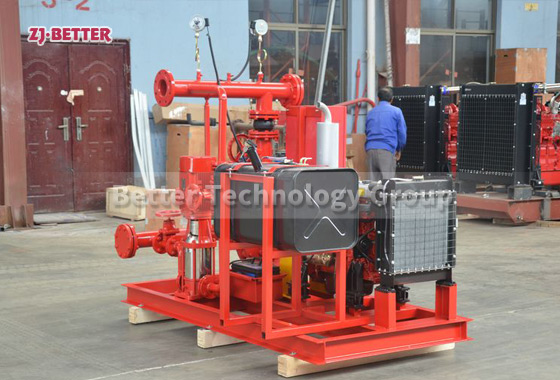
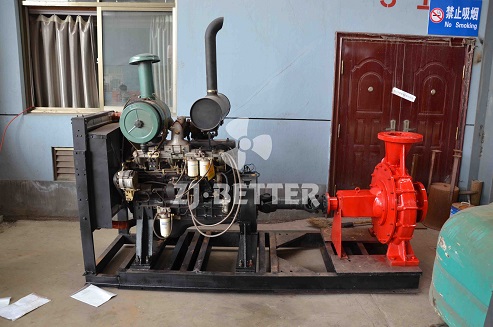
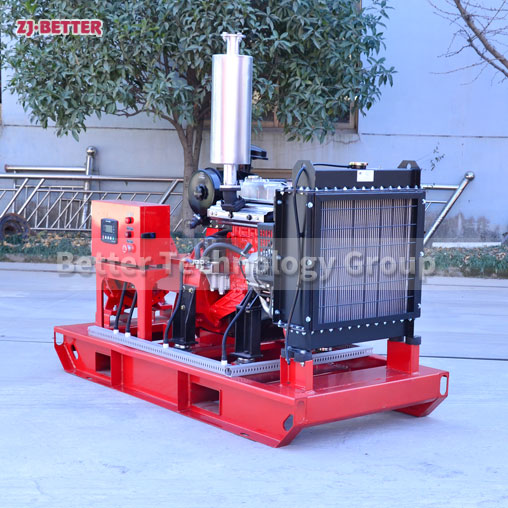
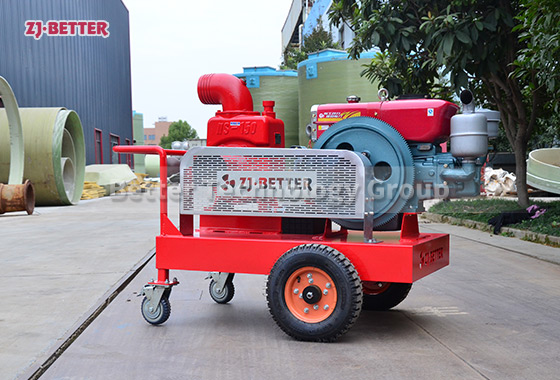
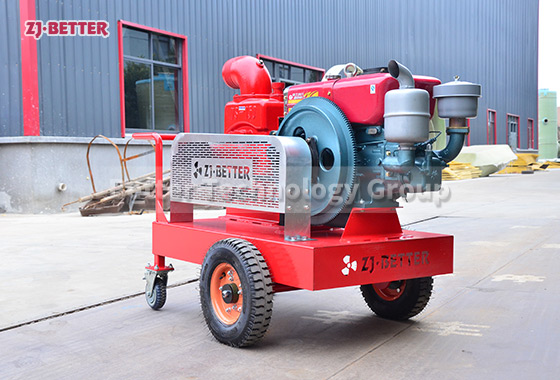
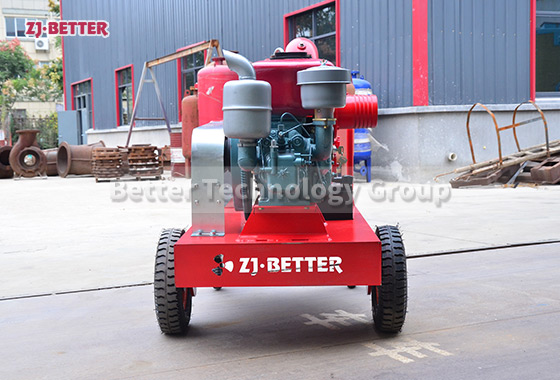
The XBC-ZWC Diesel Engine Self-priming Pump is a powerful and versatile solution for various water transfer applications. Designed with reliability and efficiency in mind, this self-priming pump is specifically engineered to handle water transfer tasks with ease. Whether you need to move water from one location to another, drain flooded areas, or supply water for irrigation, the XBC-ZWC Diesel Engine Self-priming Pump is your trusted companion.

Rated 4.5/5 based on 416 customer reviews
Share:
Content

Key Features:

1.Self-Priming Capability: With its advanced self-priming design, the XBC-ZWC Diesel Pump can quickly and effectively remove air from the suction pipe, allowing for effortless priming and ensuring a continuous flow of water.

2.Efficient Diesel Engine: Powered by a high-performance diesel engine, this pump delivers reliable and efficient operation. The diesel engine provides a stable power source, allowing the pump to operate in various environments and challenging conditions.

4.Robust Construction: Built to withstand tough working conditions, the XBC-ZWC Diesel Self-priming Pump features a rugged construction that ensures durability and longevity. It can handle abrasive and corrosive materials, making it suitable for a wide range of applications.

4.Easy to Operate: Equipped with user-friendly controls and a simple interface, this pump is easy to operate even for those with minimal technical expertise. Its intuitive design allows for quick setup and hassle-free operation, saving you time and effort.5.

5.Versatile Applications: The XBC-ZWC Diesel Self-priming Pump is suitable for a variety of applications, including agricultural irrigation, construction sites, dewatering flooded areas, water transfer for firefighting operations, and more. It provides a reliable and efficient solution for your water transfer needs.

Trust the XBC-ZWC Diesel Self-priming Pump to deliver exceptional performance and reliable water transfer capabilities. Whether you’re tackling water transfer tasks in remote locations or responding to emergency situations, this pump is engineered to meet your demands. Experience the power and efficiency of the XBC-ZWC Diesel Self-priming Pump and ensure seamless water transfer operations every time.
Inquiry


    More Diesel engine fire pump

    Operating a diesel engine fire pump efficiently can help save energy and reduce fuel consumption. Here are some practices to consider for energy-saving operation of a diesel engine fire pump:

    Proper Sizing: Ensure that the fire pump is appropriately sized for the specific application. An oversized pump can lead to excessive energy consumption. Consult with fire protection experts or engineers to determine the correct pump size based on the required flow rate and pressure for your specific needs.

    Regular Maintenance: Perform regular maintenance on the diesel engine fire pump to ensure it operates at its optimal efficiency. This includes regular inspection and cleaning of filters, lubrication of moving parts, checking and adjusting belt tension, and monitoring fuel and oil quality. Proper maintenance helps keep the engine running smoothly, reducing energy waste due to inefficiencies or malfunctions.

    Optimal Operating Speed: Operate the diesel engine fire pump at its optimal speed. Running the pump at the highest necessary speed while still meeting the required flow and pressure will minimize energy consumption. Avoid unnecessarily high engine RPMs that can result in energy wastage.

    Variable Speed Control: Consider using a pump control system with variable speed capabilities. This allows the engine to operate at different speeds based on the required demand. The system adjusts the engine speed to match the required flow and pressure, saving energy by avoiding constant operation at maximum speed.

    Automatic Shutdown: Utilize automatic shutdown features when the fire pump is not in use. This prevents unnecessary idling and reduces fuel consumption. Programmable shutdown systems can be set to turn off the engine after a specific period of inactivity.

    Efficient Water Management: Implement efficient water management practices to reduce unnecessary water usage. Properly design the fire protection system, including the layout of sprinklers and fire hydrants, to ensure water is effectively distributed only where needed. This helps minimize the demand on the fire pump, reducing energy consumption.

    Training and Awareness: Provide training to operators and firefighters on energy-saving practices and the efficient operation of the diesel engine fire pump. Promote awareness of energy conservation and encourage responsible use of the equipment. Properly trained operators can make informed decisions and take actions to optimize energy efficiency during firefighting operations.

    Energy Monitoring: Install energy monitoring systems to track and analyze the energy consumption of the diesel engine fire pump. This allows for better understanding of energy usage patterns and identifies areas for improvement. Energy monitoring systems provide valuable data to optimize operations, identify inefficiencies, and implement energy-saving strategies.

    By implementing these energy-saving practices, you can reduce fuel consumption, minimize energy waste, and operate the diesel engine fire pump in an efficient and environmentally responsible manner. Energy efficiency not only reduces operational costs but also contributes to sustainable firefighting practices.

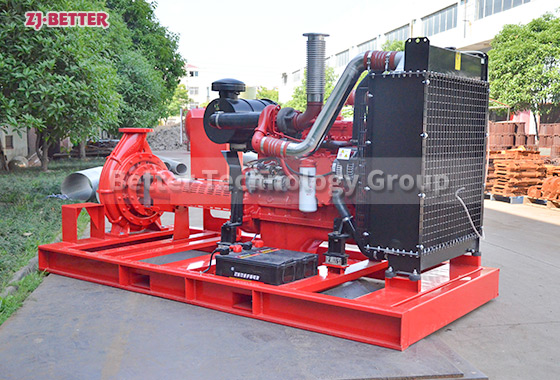
    1. Automatic start: After the diesel engine pump unit receives a fire alarm/pipe network pressure/power failure/or other start-up signals, it can start automatically within 15 seconds and be put into full-load operation;
    2. Automatic charging: the battery can be automatically charged by the mains or diesel engine charging motor to ensure the smooth start of the unit;
    3. Automatic alarm: automatic alarm protection for diesel engine low oil pressure, high water temperature and other faults, and alarm and stop when the speed is exceeded again;
    4. Automatic preheating: keep the diesel engine in a hot standby state to ensure emergency work;
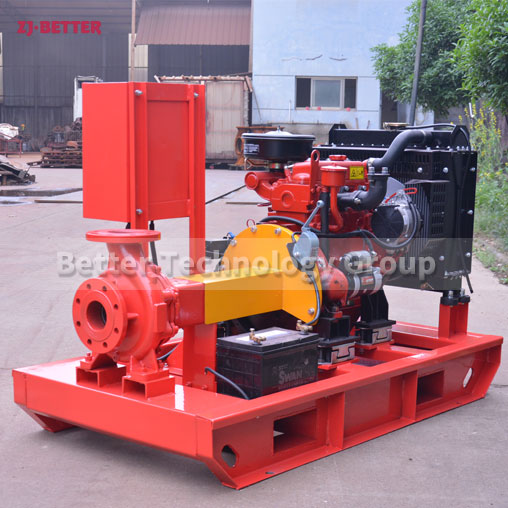
    5. Direct connection type: The diesel engine pump unit below 360kw adopts the first domestic direct connection technology between the diesel engine and the water pump through the elastic coupling, which reduces the failure points, greatly shortens the starting time of the unit, and increases the reliability and emergency performance of the unit ;
    6. Users can also request to set other alarm outputs (non-standard supply);
    7. With telemetry, remote signaling and remote control functions (non-standard supply);
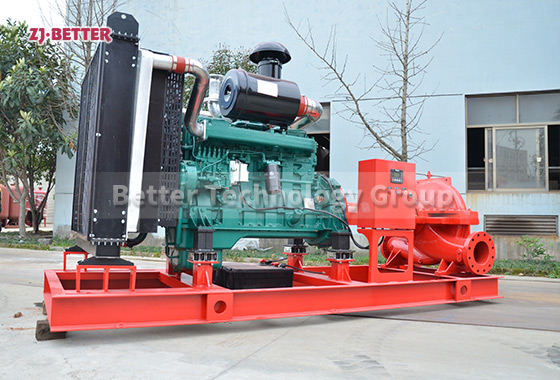
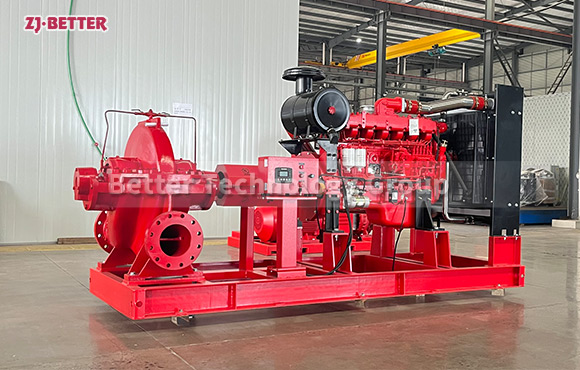
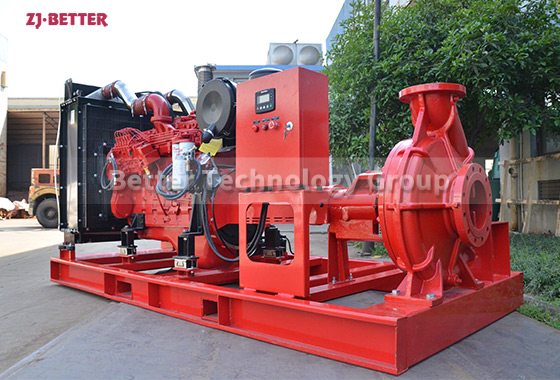
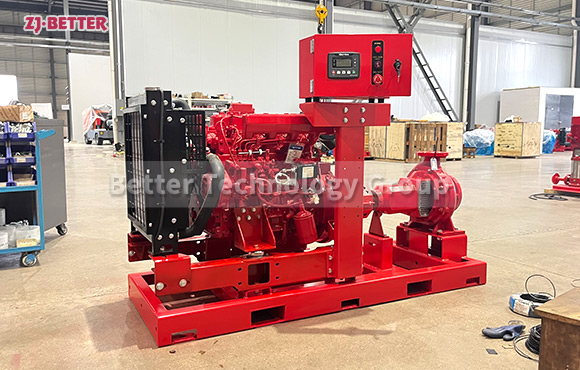
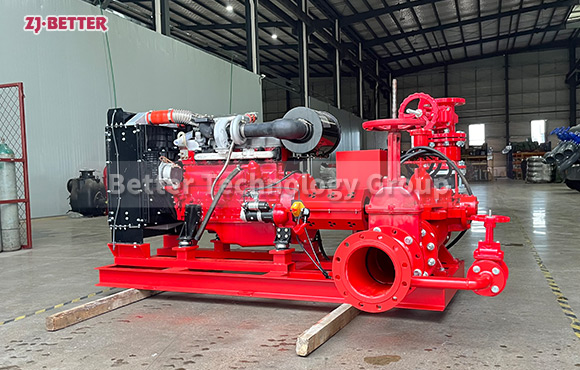
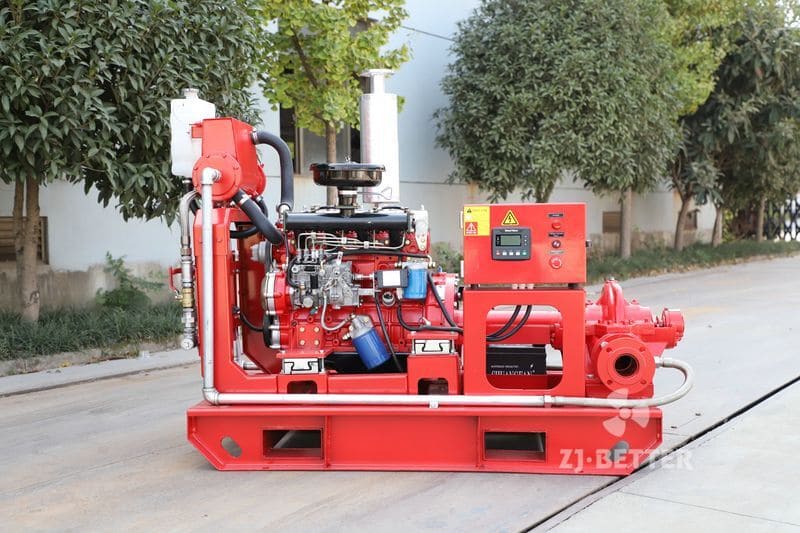
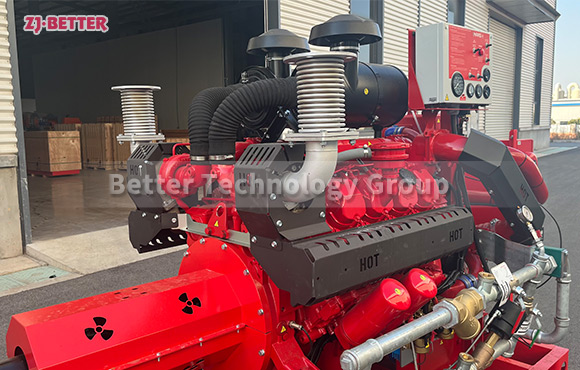
    8. The equipment is powered by X6135, 12V135, 4102, 4105, 6102 and other series diesel engines. The diesel engine (with clutch) is connected with the fire pump through a highly elastic coupling to form a fire pump group. Fans, control panels (for automatic units) and other components.
    9. When it is an automatic control unit, the split diesel engine automatic control cabinet (programmable) realizes the automatic start, input and automatic switching of the system (the electric pump group is switched to the diesel engine pump group or the diesel engine pump group of this group is switched to another group. Diesel unit), automatic protection (diesel engine overspeed, low oil pressure, high water temperature, three start failures, low oil level, low battery voltage and other alarm shutdown protection) and other functions, and can also interface with the user’s fire center or automatic fire alarm device, Realize remote monitoring.
    10. In order to ensure the normal operation of the unit in an environment below 5°C, the unit can be equipped with an AC220V cooling water preheating heating device.
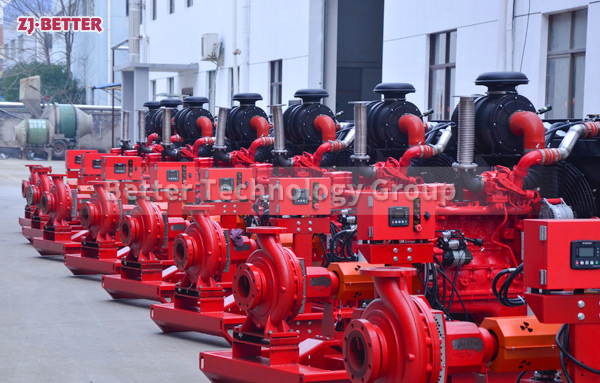
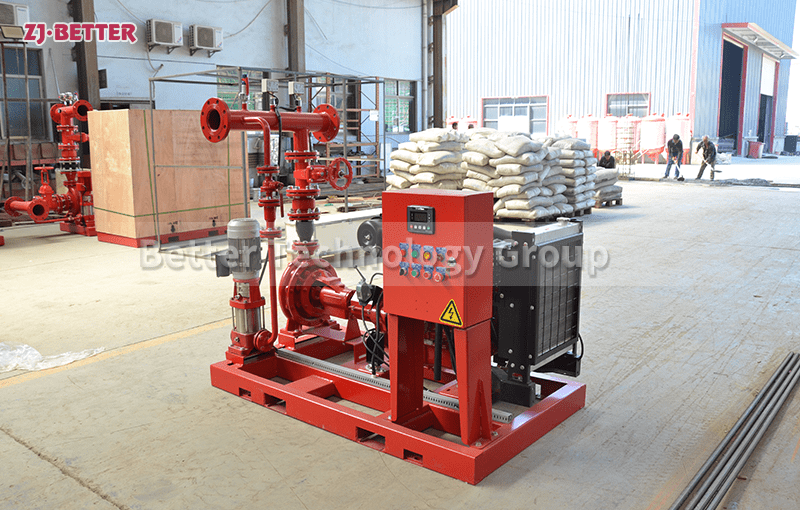
    11. Diesel engine fire pump can form an automatic fire water supply system with electric pump group, stabilized pump, etc.
    There are two water inlet methods for fire pumps: self-irrigation and suction. According to the requirements of fire protection regulations, it is generally self-irrigation. If the user needs to absorb two kinds of water, according to the requirements of fire protection regulations, it is generally the method of self-irrigation and water diversion. If the user needs to suck up the water inlet system, special instructions are required so that the company can provide an automatic vacuum water diversion device, but the size of the pump set has changed.