Home » Diesel engine fire pump » Diesel Multistage Fire pumps for industry fire fighting

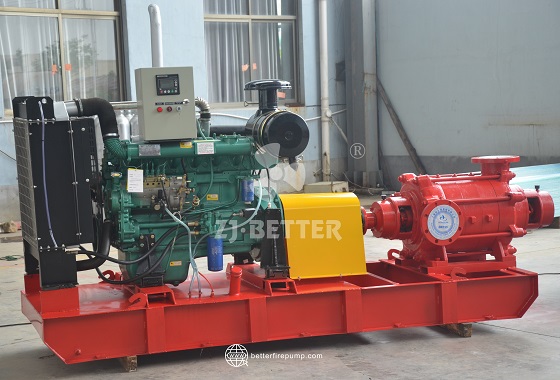
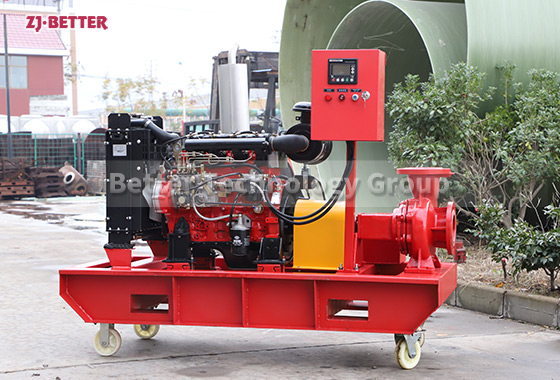
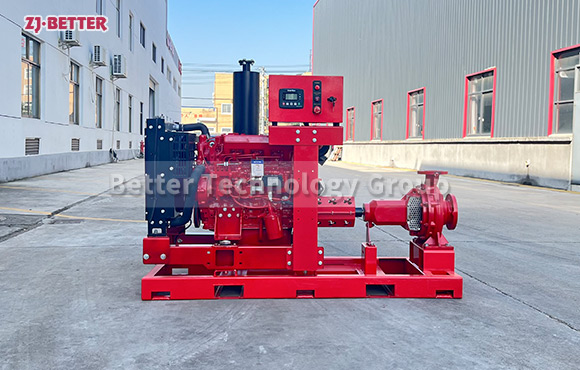
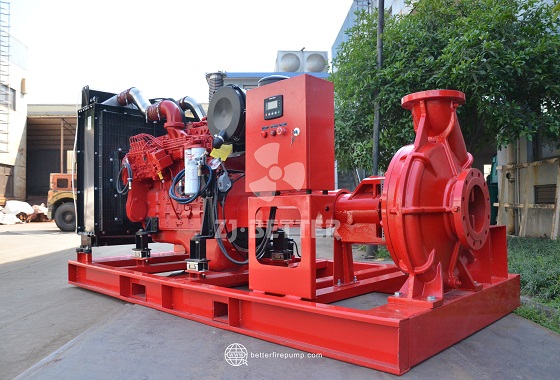
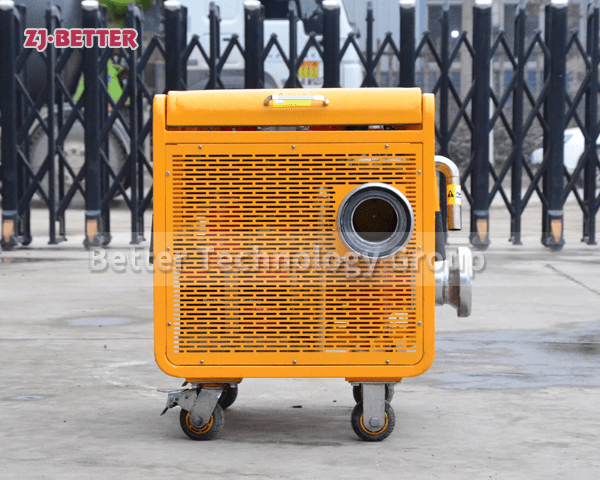
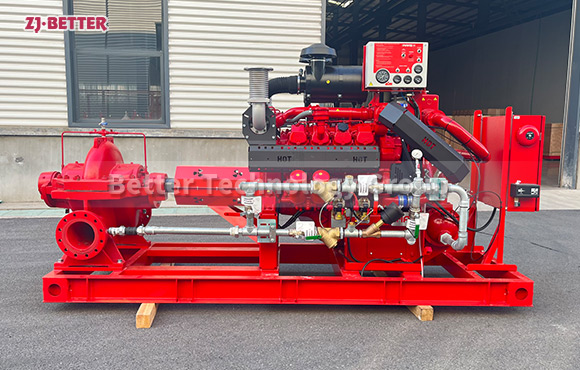
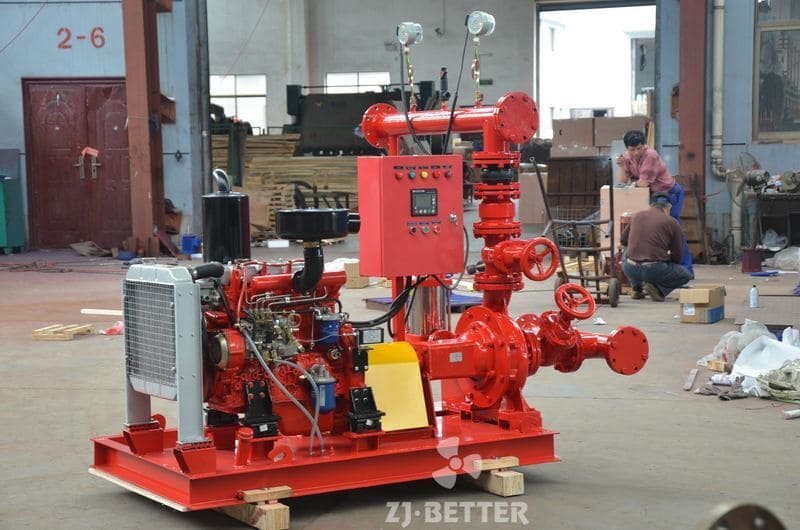
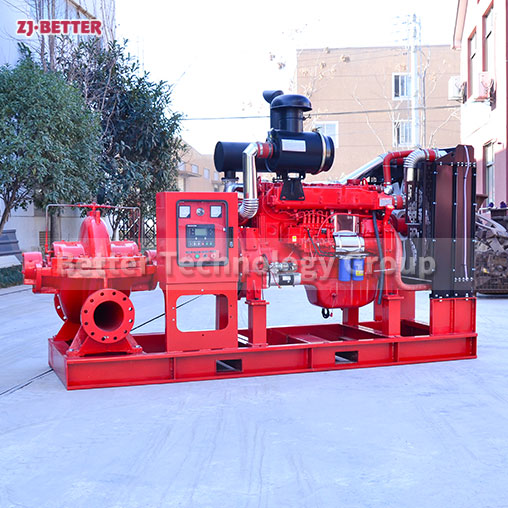
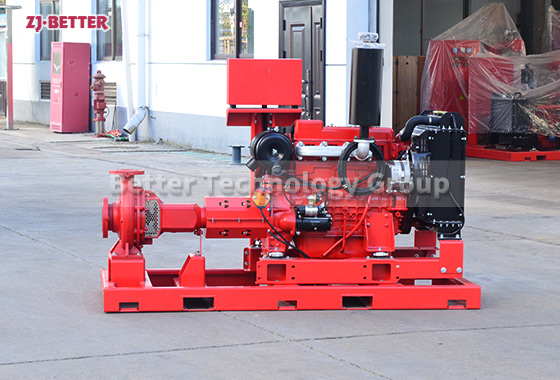
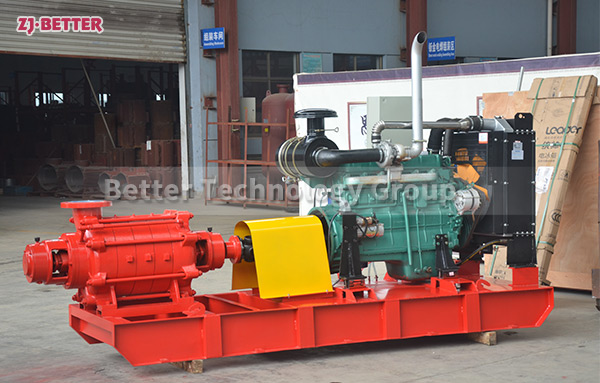
Diesel Multistage Fire pumps for industry fire fighting

Flow:80-2700 GPM
Head:10-24 Bar
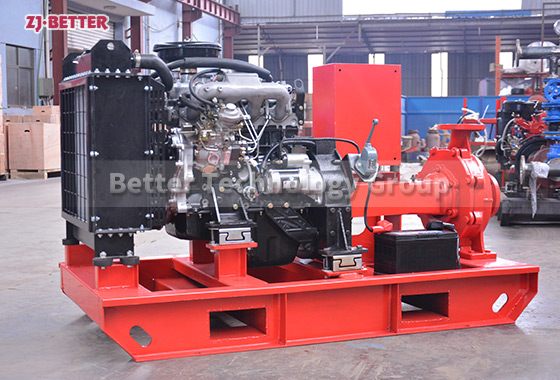
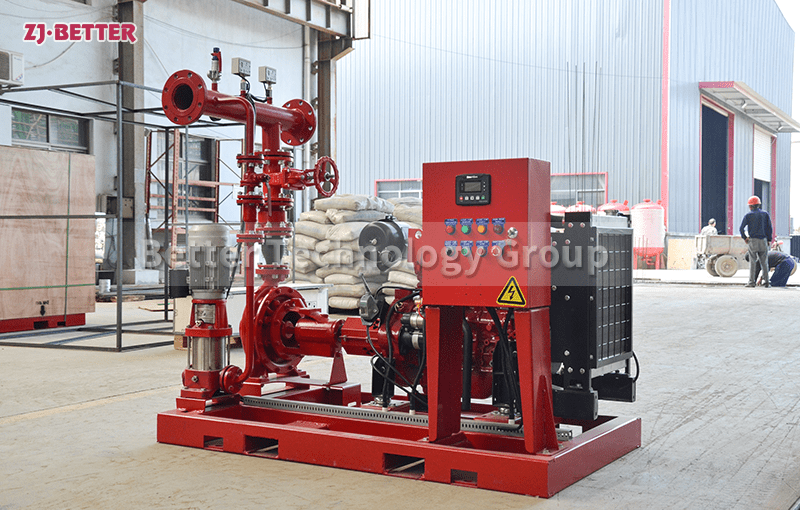
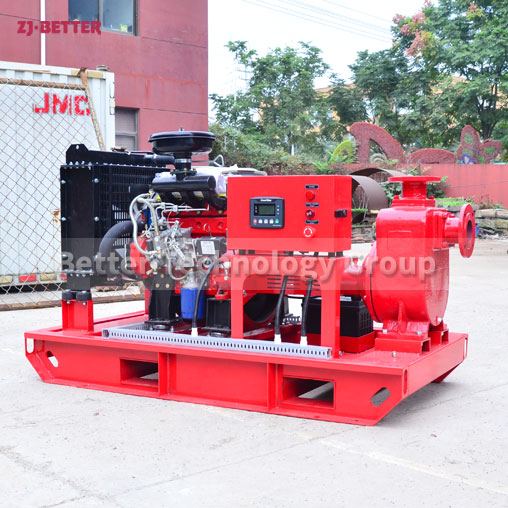
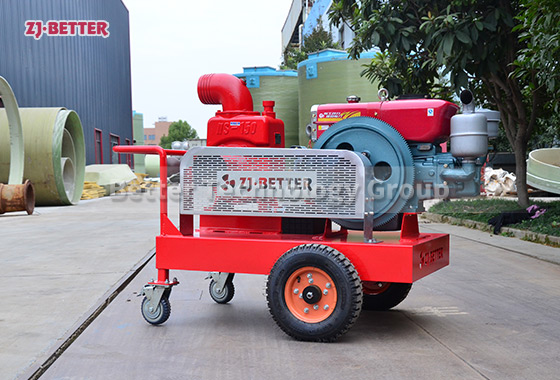
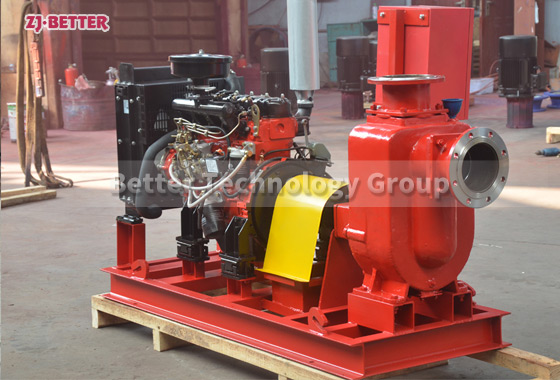
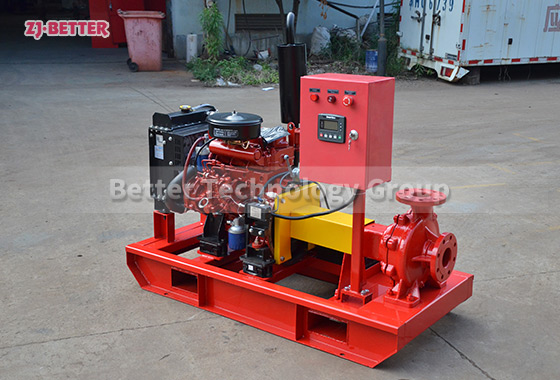
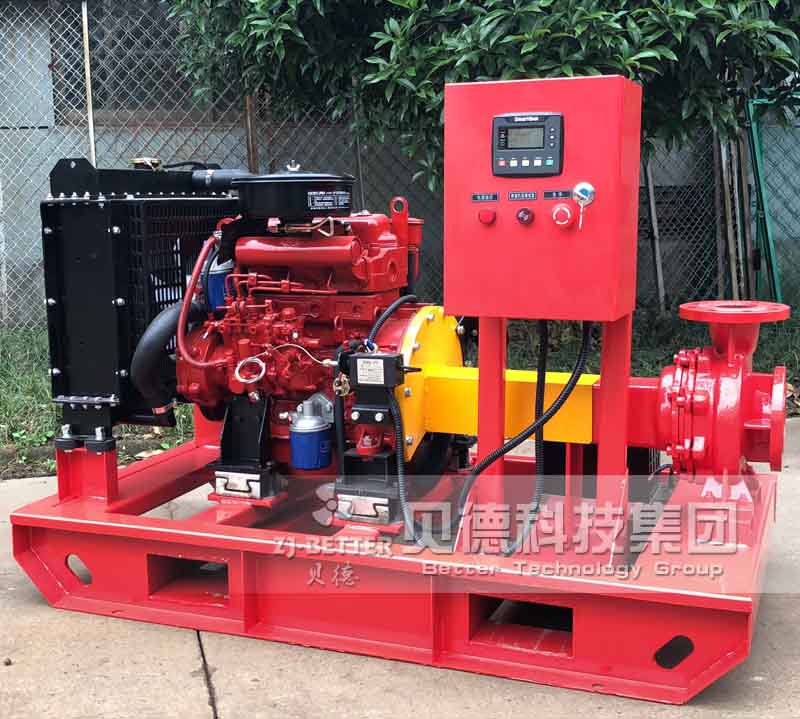
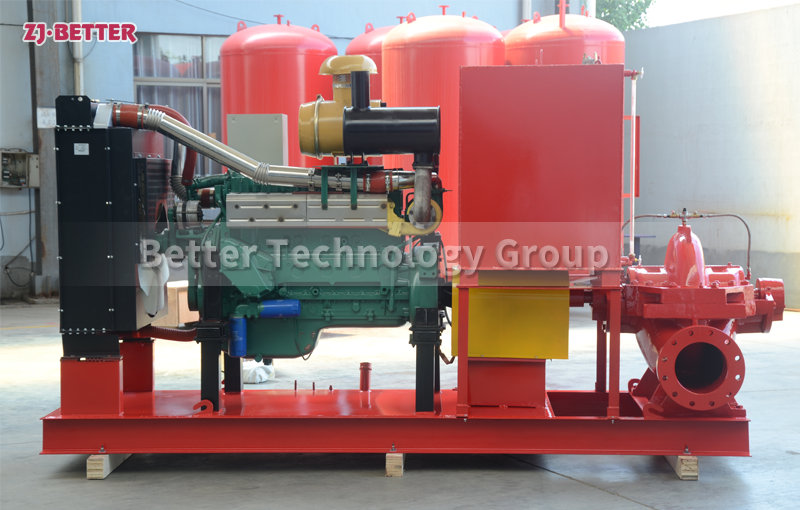
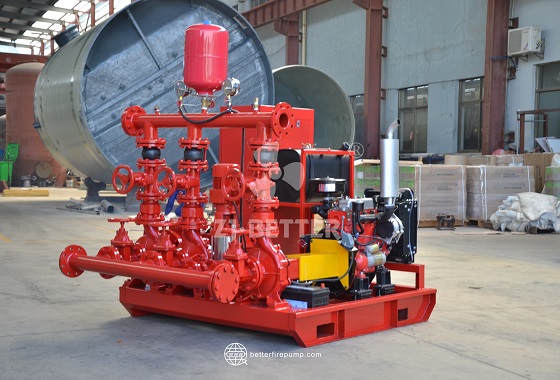
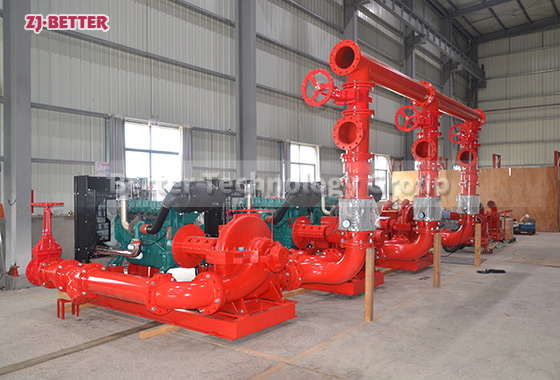
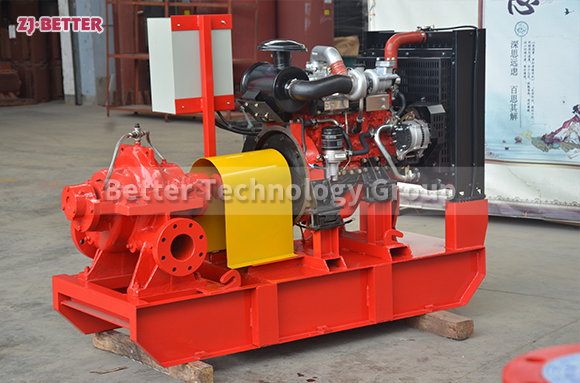
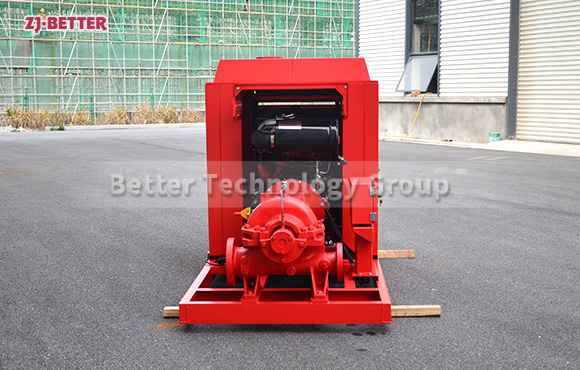
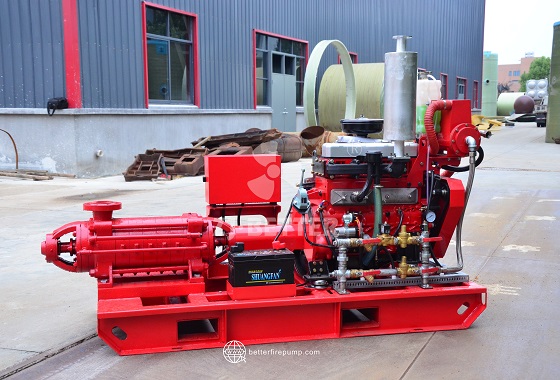
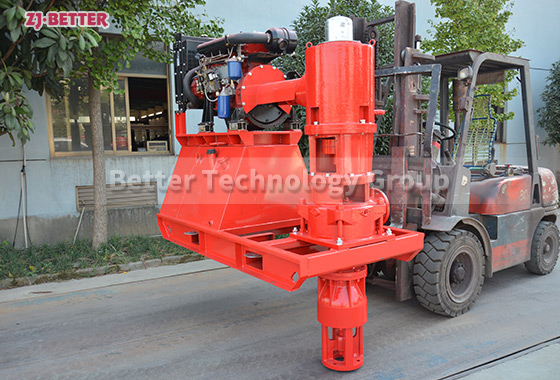
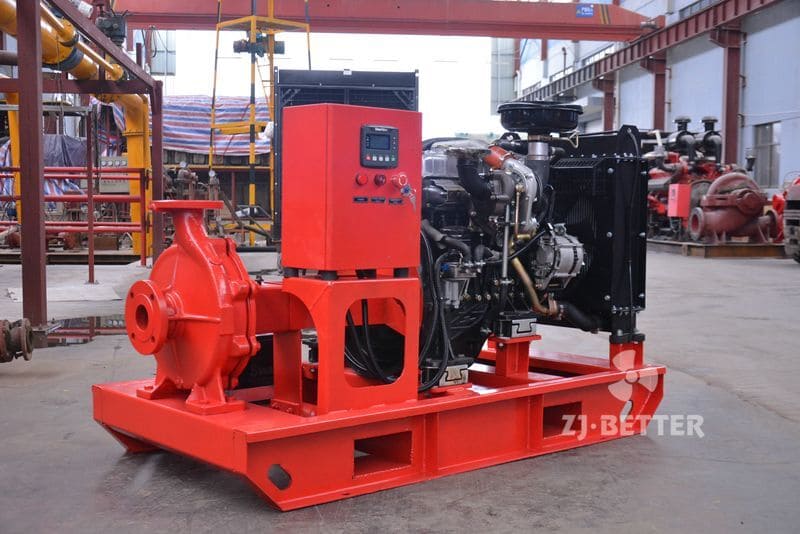
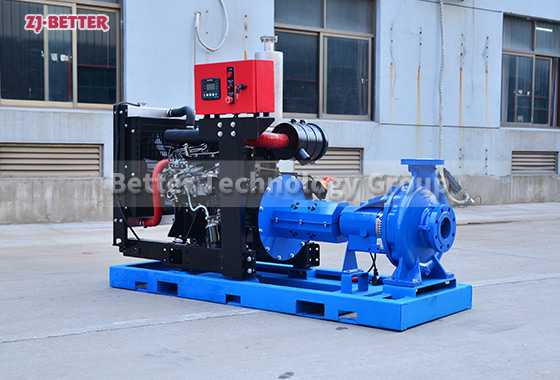
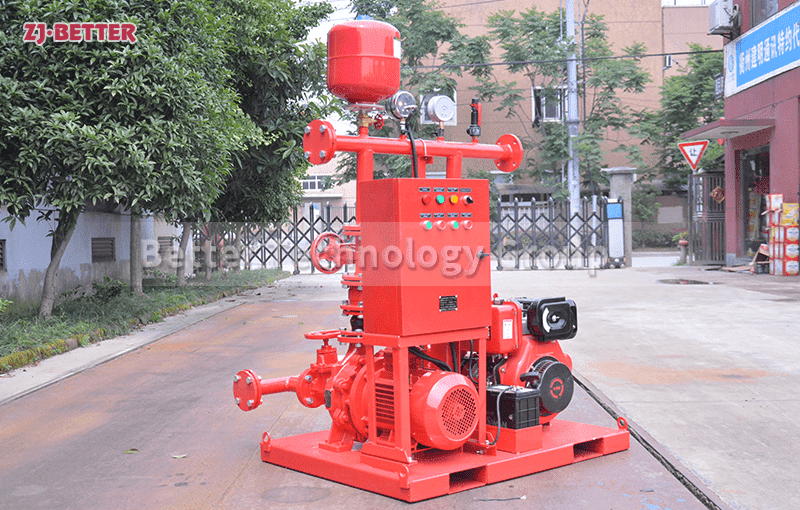
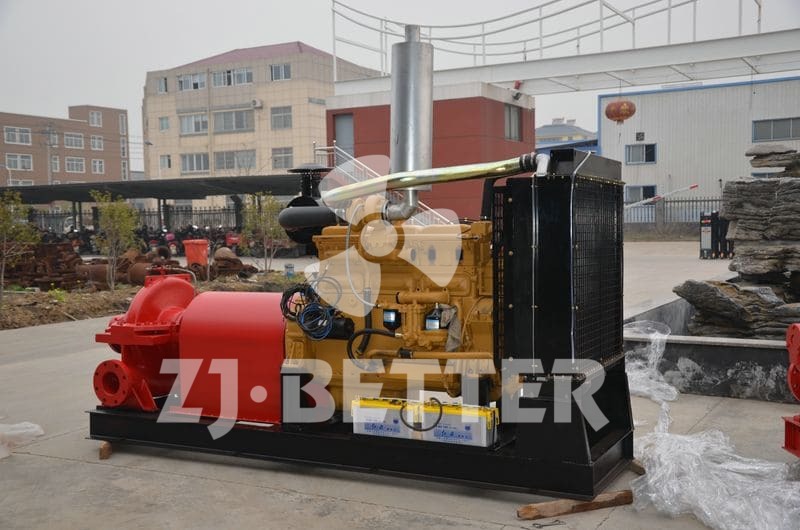
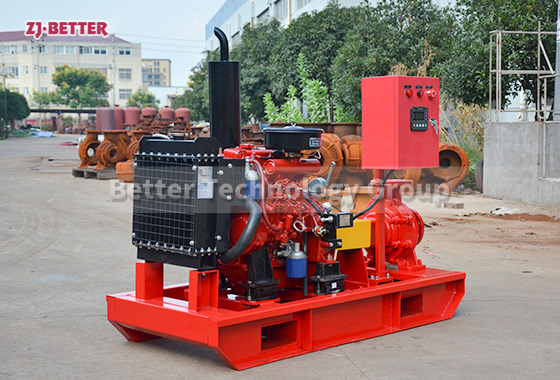
Diesel Engine Multistage Fire Pump is a versatile and reliable firefighting solution designed for a wide range of applications. Whether it’s industrial facilities, commercial buildings, residential complexes, or public infrastructure, Diesel Engine Multistage Fire Pump ensures effective fire protection. With its robust design and advanced features, this pump set is ready to tackle emergencies and safeguard lives and properties in various firefighting scenarios.

Rated 4.6/5 based on 535 customer reviews
Share:
Content

Application: Suitable for various fire booster and pressure stabilization scenarios; various villas, residential communities, and fire systems; industrial and civil building firewater systems; places with high fire protection requirements such as oil depots and docks.


Permissible Media: Potable water, chilled water, firewater, and other media without abrasive impurities or long fiber impurities that cause chemical or mechanical corrosion to the pump. The permissible maximum medium temperature is 70 degrees Celsius, and the maximum ambient temperature is 40 degrees Celsius.
Inquiry


    More Diesel engine fire pump

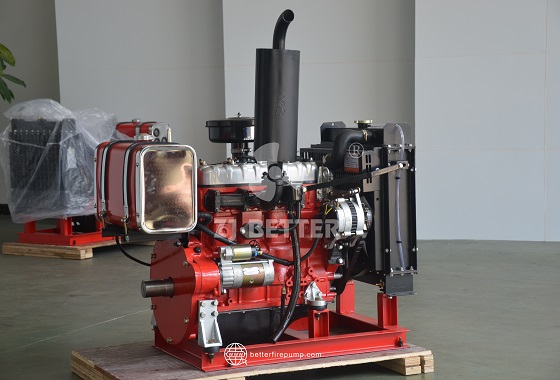
    Maintaining a diesel engine fire pump is crucial to ensure its reliable operation in case of emergencies. Below are some essential maintenance tips for a diesel engine fire pump:

    Regular Inspections: Schedule periodic inspections by a certified technician to assess the condition of the fire pump. Inspect the engine, fuel system, cooling system, electrical connections, and other critical components.
    Battery and Electrical System: Inspect and maintain the battery and electrical connections to ensure reliable engine starting. Clean any corrosion from terminals and replace weak batteries promptly.

    Run Regular Tests: Perform routine tests of the diesel engine fire pump to verify its functionality. Regular testing will help identify potential issues and ensure the pump is ready for operation during emergencies.

    Follow Manufacturer’s Guidelines: Always adhere to the maintenance guidelines provided by the fire pump manufacturer. These guidelines are tailored to the specific model and will help extend the life of the equipment.

    Train Personnel: Ensure that the personnel responsible for maintaining and operating the diesel engine fire pump are well-trained and knowledgeable about its components and maintenance requirements.

    Emergency Plan: Have a contingency plan in place in case the fire pump fails during an emergency. This plan should include alternative water sources or backup fire suppression systems.

    Remember, regular maintenance is essential to keep the diesel engine fire pump in optimal working condition and ready to protect lives and property during critical situations. Always prioritize safety and follow best practices when handling and maintaining fire protection equipment.

    Our fire pump is renowned for its outstanding performance and reliability, specifically designed to respond to fire emergencies efficiently. It can start quickly in critical situations, ensuring a stable and efficient water supply. Whether in commercial buildings, industrial facilities, or public places, our fire pump delivers powerful performance and high head, swiftly transporting water to designated areas to ensure efficient firefighting operations.

    The product features advanced hydraulic design and an energy-efficient motor, which not only ensures smooth operation but also effectively reduces energy consumption and operating costs. Its low-noise characteristic makes it particularly suitable for environments with strict noise control requirements, maintaining quiet and reliable operation even during 24/7 use. High-quality materials and meticulous manufacturing processes provide excellent durability, enabling the pump to work stably for long periods in high-temperature, high-pressure, and corrosive environments.

    Equipped with an intelligent control system, the fire pump offers real-time monitoring, remote control, and fault alarm functions. Through a high-definition display, operators can easily monitor the operational status and quickly access parameters such as flow rate, pressure, and temperature. The built-in alarm system promptly issues warnings in case of abnormal operation, minimizing safety risks. The user-friendly maintenance design makes routine servicing simpler, prolonging the pump’s lifespan.

    We are committed to providing customers with reliable fire pump solutions, combining superior performance with user-friendly design to ensure comprehensive fire safety. Whether for new construction projects or equipment upgrades, our products are always your top choice.

    Starting and operating a diesel engine fire pump in a low-temperature environment requires special attention to ensure proper functionality and prevent potential issues. Here are some key considerations for starting and operating a diesel engine fire pump in cold weather:

    Preheating: Preheating the diesel engine is crucial in cold temperatures to facilitate easier starting. Use the engine’s preheating system, if available, to warm up the engine block and aid in combustion. Follow the manufacturer’s guidelines for the recommended preheating duration and procedures.

    Fuel Quality: Ensure that the diesel fuel used in the fire pump is suitable for low-temperature conditions. Diesel fuel can gel or become thicker in cold temperatures, which can impede fuel flow and affect engine performance. Use a winter-grade diesel fuel or a fuel additive designed to prevent fuel gelling. Regularly monitor fuel quality and maintain fuel tanks in insulated areas, if possible.

    Battery Maintenance: Cold temperatures can reduce battery performance and make it more challenging to start the engine. Ensure the batteries are fully charged and in good condition. Consider using cold-weather batteries or battery blankets to maintain optimal battery temperature. Regularly check and clean battery terminals to prevent corrosion, which can hinder electrical connections.

    Engine Lubrication: Use an appropriate low-temperature engine oil with a winter viscosity rating that meets the manufacturer’s specifications. Cold temperatures can cause oil to thicken, making it difficult for the engine to start and for proper lubrication to occur. Follow the manufacturer’s recommendations for oil type and viscosity grade based on the expected ambient temperature.

    Block Heater: If available, use a block heater to keep the engine block warm. This device keeps the coolant and engine components at a suitable temperature, making it easier to start the engine in cold weather. Ensure the block heater is properly installed and functioning correctly.

    Regular Maintenance: Perform regular maintenance tasks specific to cold weather conditions. This includes checking and replacing fuel and oil filters, inspecting and cleaning air intake systems, and ensuring proper coolant levels and antifreeze concentration. Regularly inspect the engine components for any signs of wear or damage that may affect cold-weather performance.

    Protection from the Elements: Protect the diesel engine fire pump from harsh weather conditions by housing it in a climate-controlled enclosure or installing insulation around critical components. This helps maintain the engine’s temperature and prevent freezing of fluids and components.

    Operating Practices: During operation, allow the engine to warm up before applying heavy loads or demanding high RPMs. This allows the engine and its components to reach the optimal operating temperature gradually. Avoid sudden and aggressive acceleration or deceleration, as it can stress the engine and lead to potential damage in cold conditions.

    Remember to consult the manufacturer’s recommendations and follow their specific instructions for starting and operating the diesel engine fire pump in low-temperature environments. Additionally, regular training and familiarization with the fire pump system are crucial for firefighters and operators to handle and operate the equipment effectively and safely in all weather conditions.