Home » Diesel engine fire pump » Diesel engine fire pump has good starting characteristics

Diesel engine fire pump has good starting characteristics

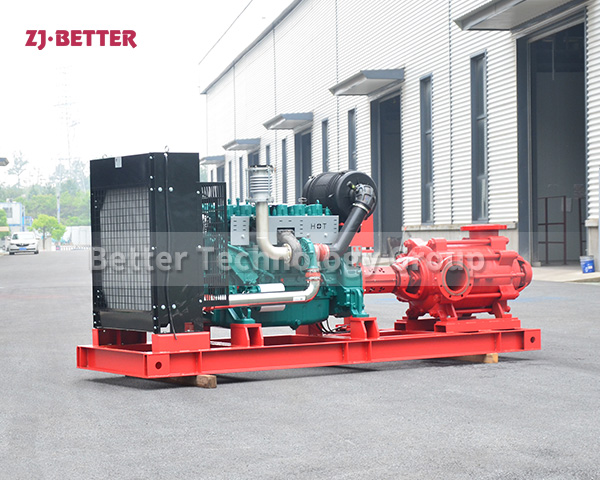
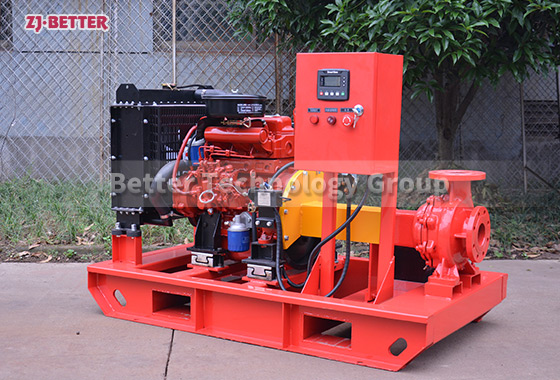
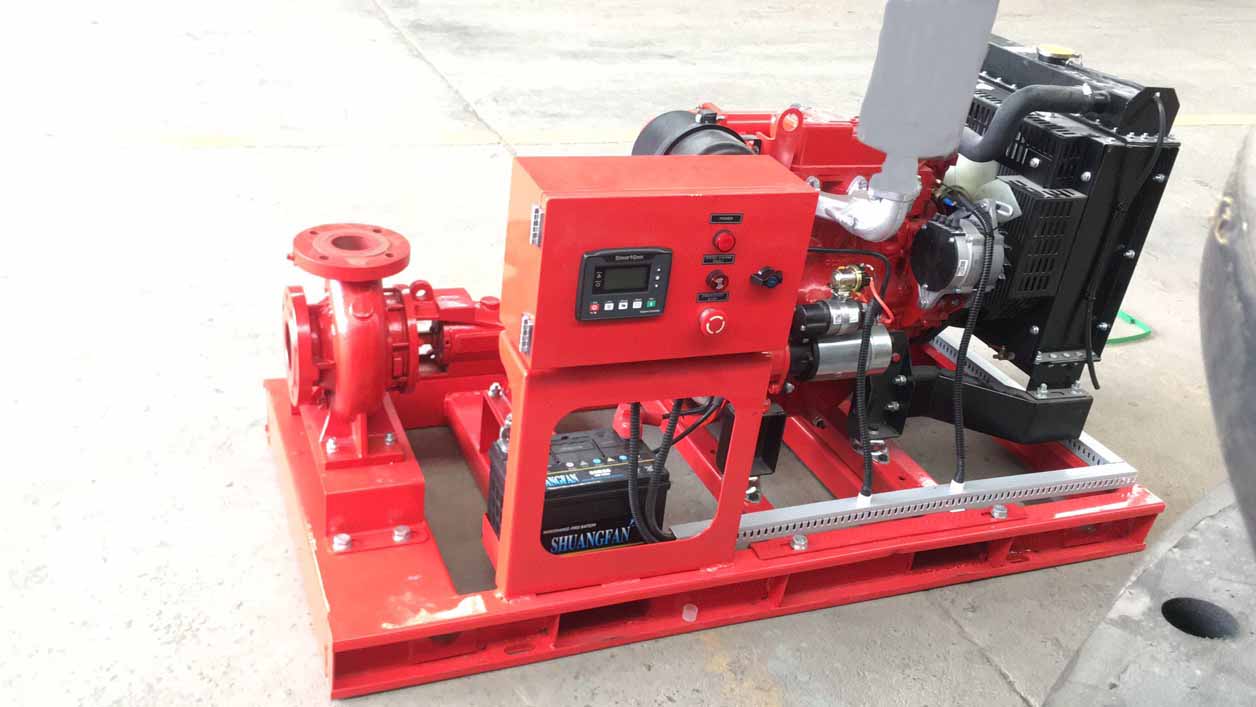
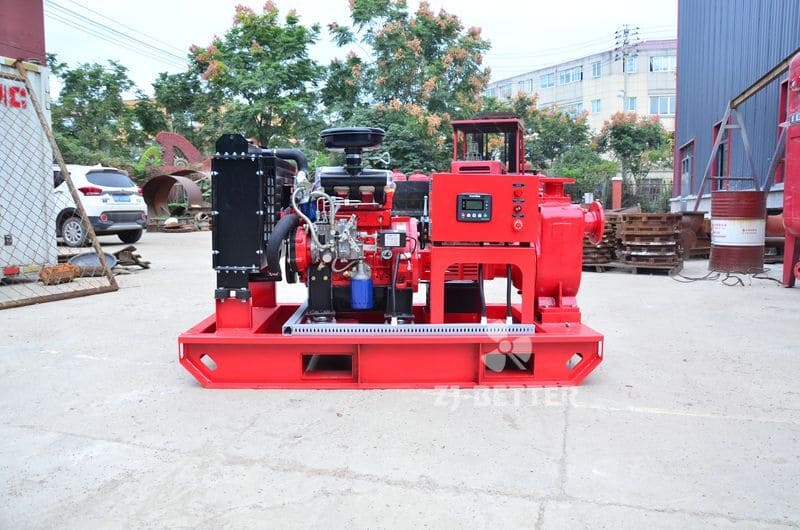
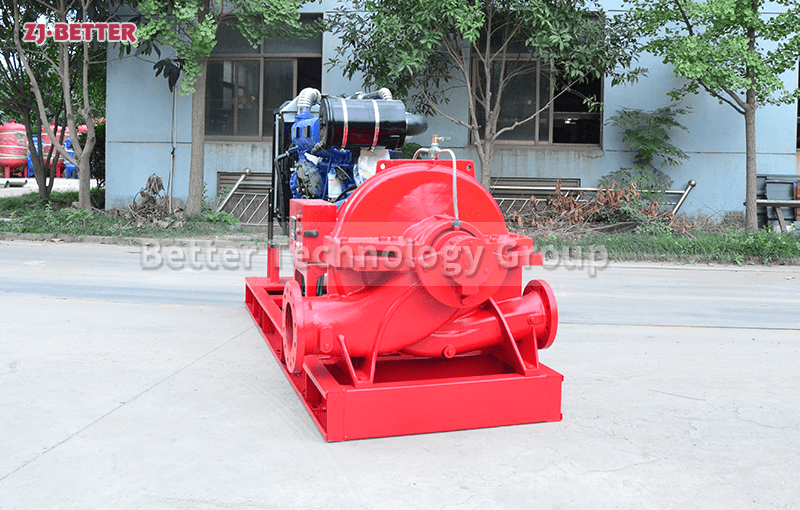
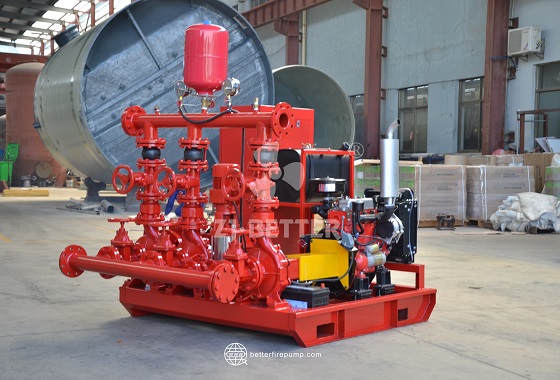
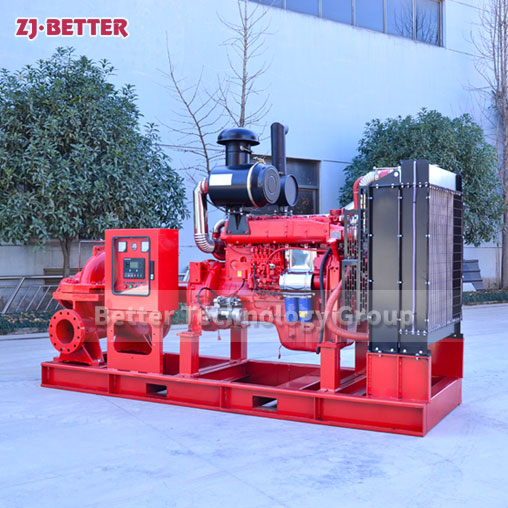
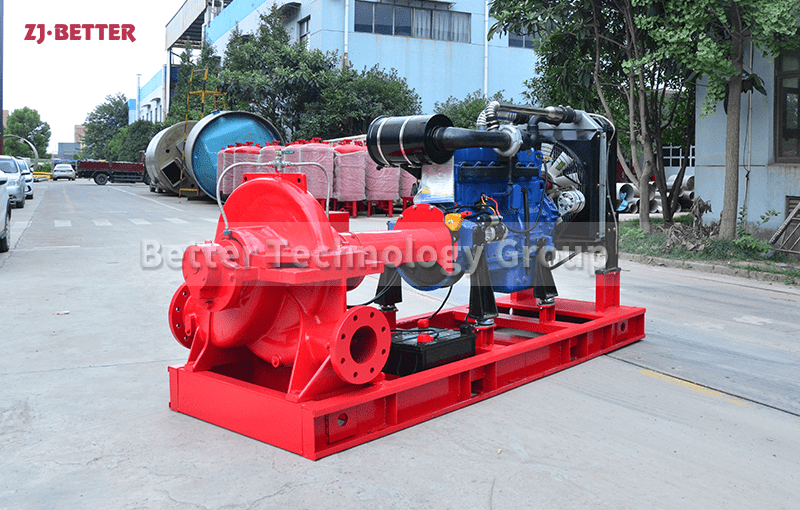
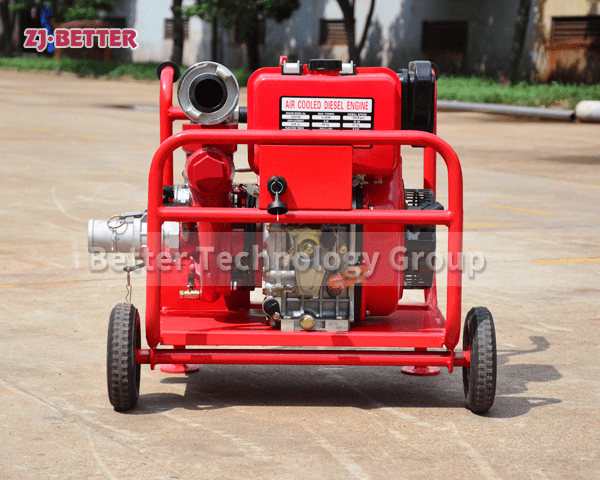
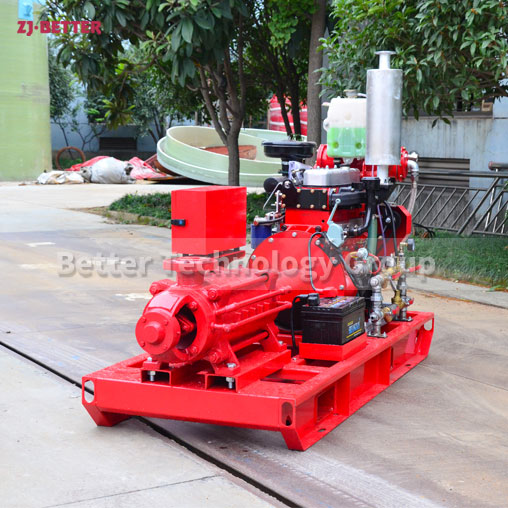
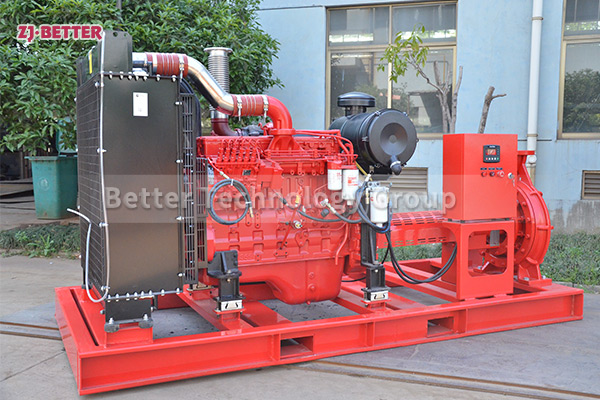
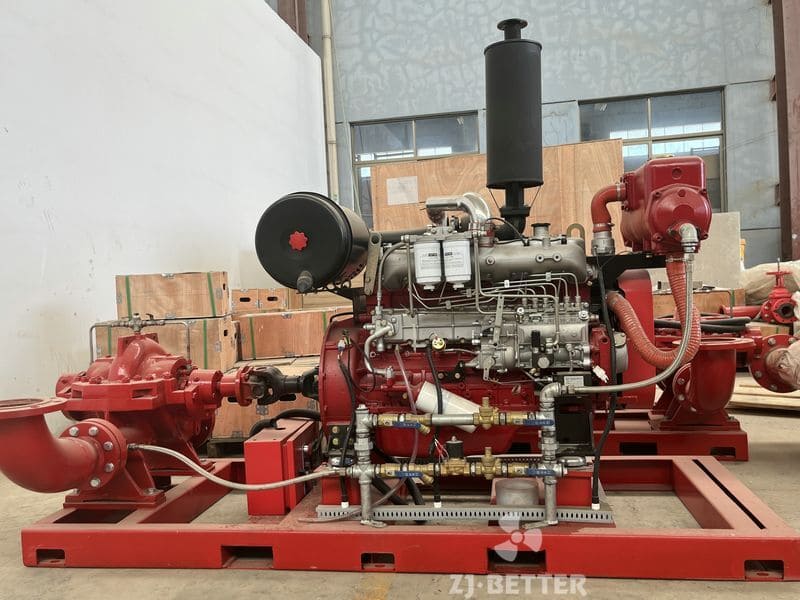
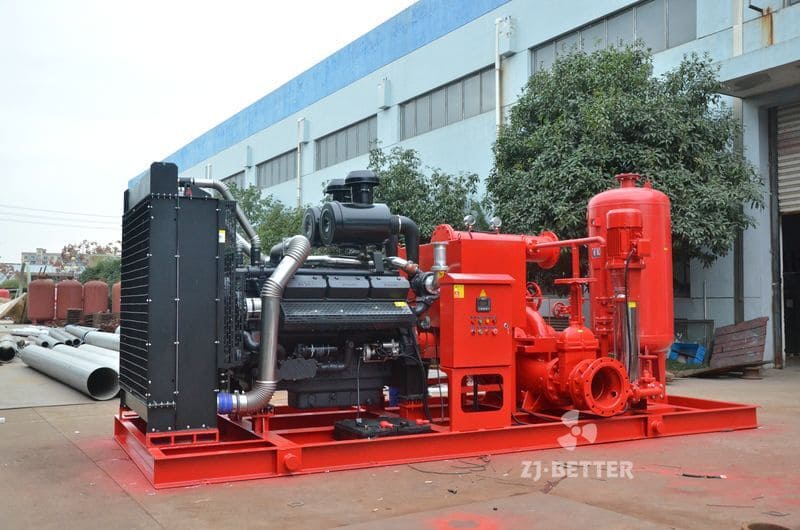
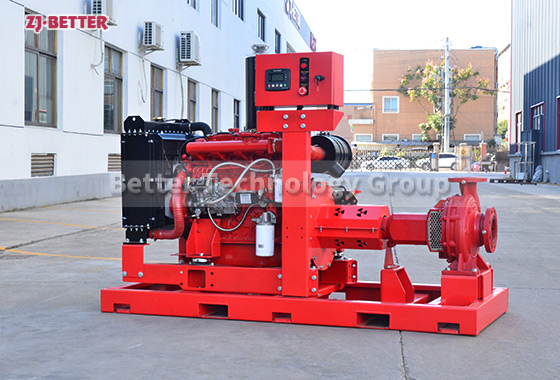
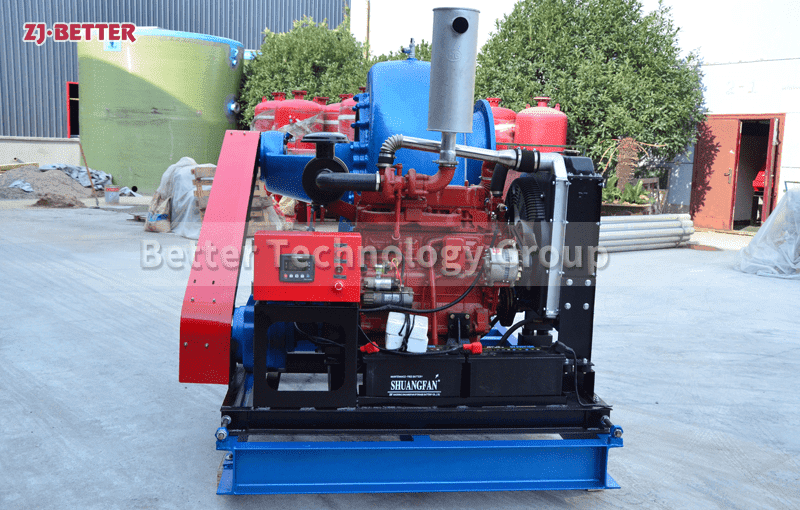
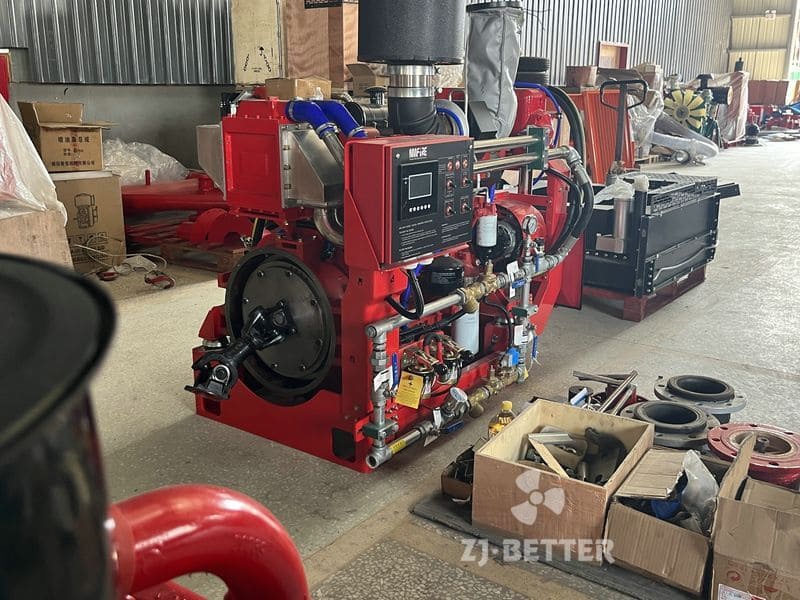
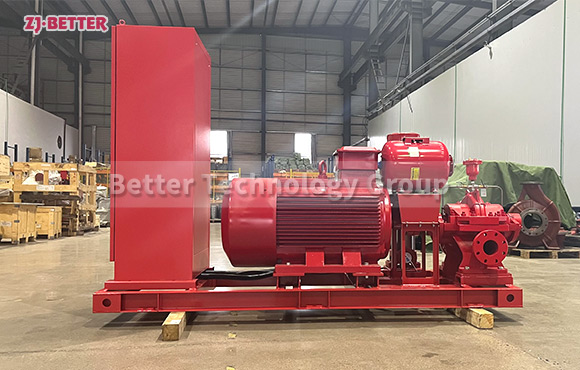
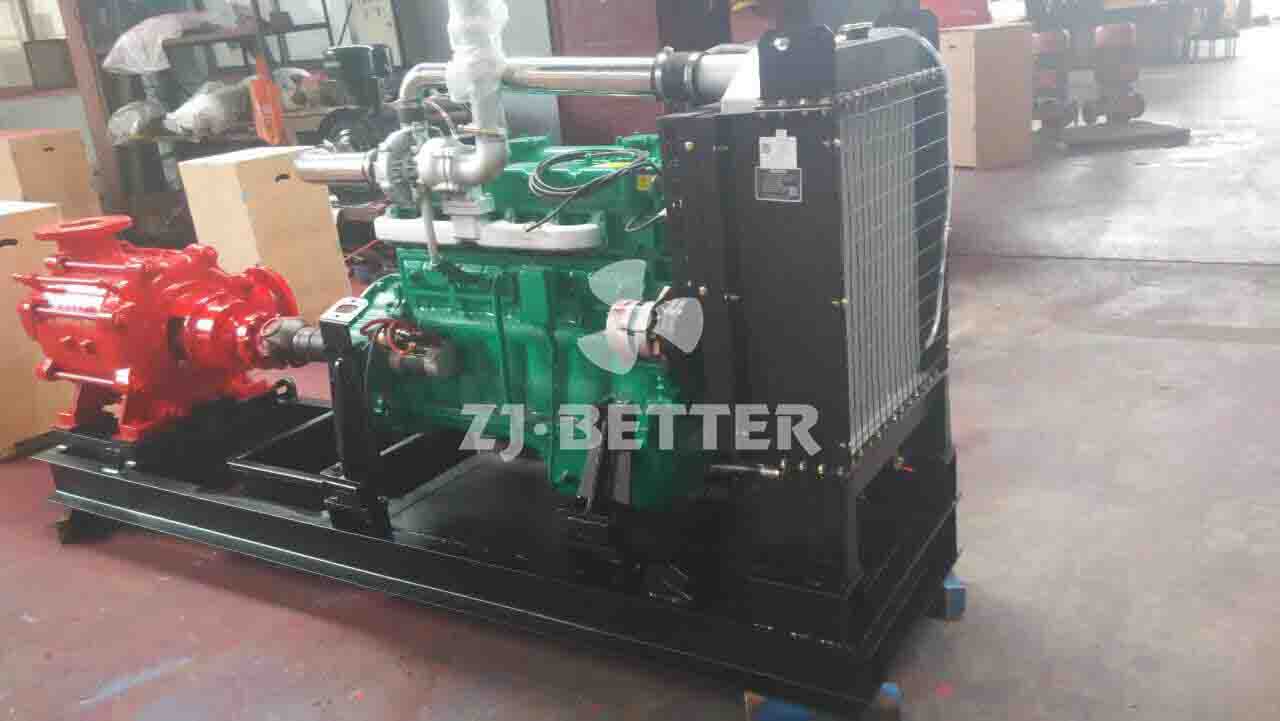
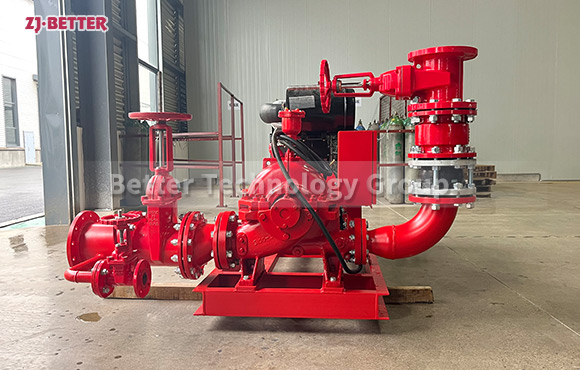
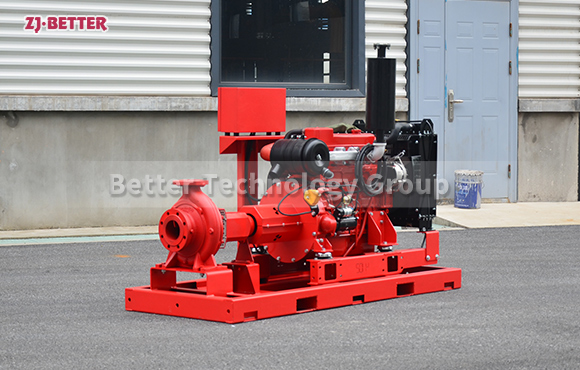
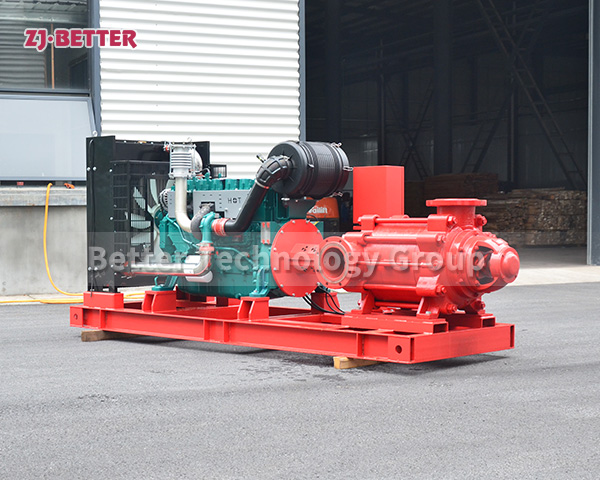
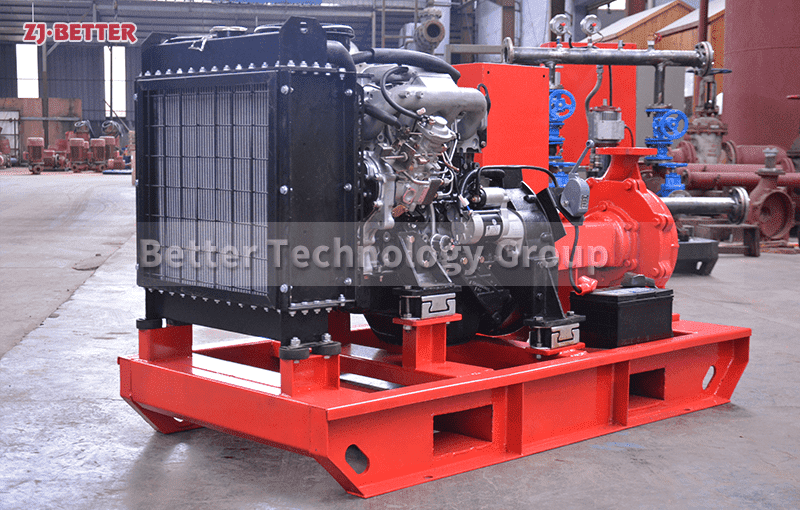
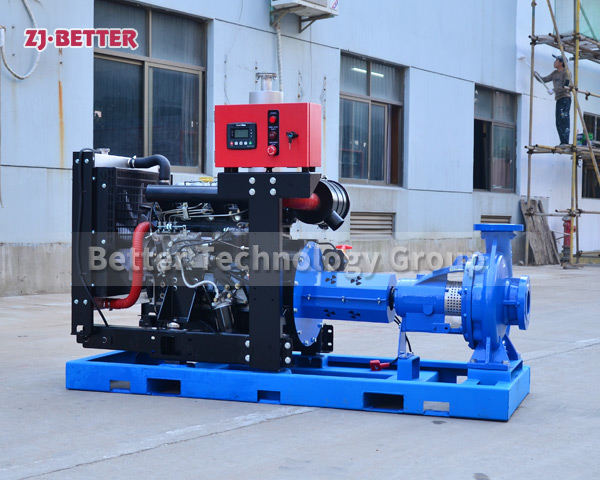
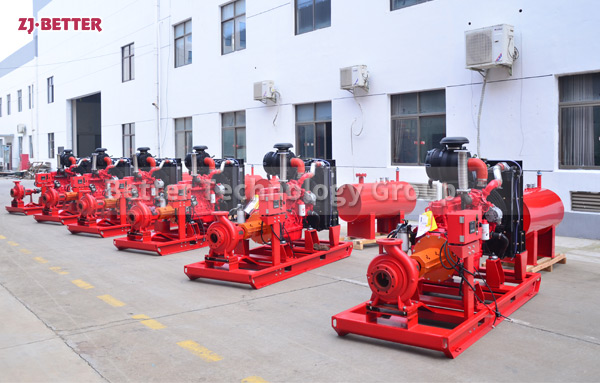
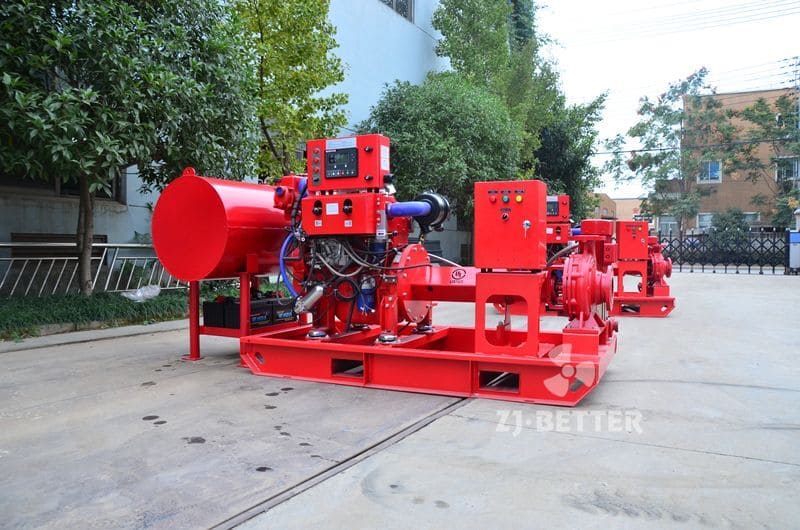
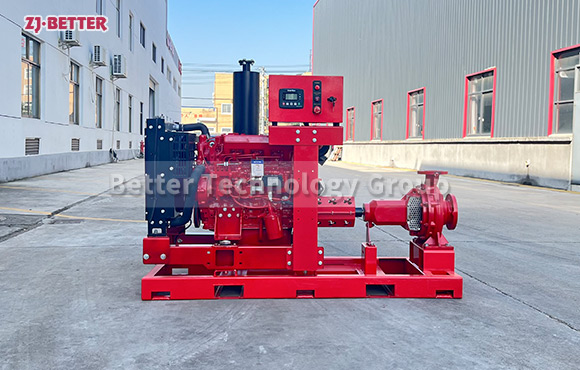
The diesel engine fire pump has the characteristics of good starting characteristics, strong overload capacity, compact and reasonable structure, convenient maintenance, simple and reliable use, etc. The unit is equipped with protection functions such as overspeed, low oil pressure, three start failures, high water temperature, low oil level, and low battery voltage. Diesel engine fire pump is composed of diesel engine, chassis, cooling water tank and fan, high elastic coupling, water pump, diesel tank and control panel and other equipment. The diesel engine fire pump is directly connected with the diesel engine through a highly elastic coupling or a diaphragm coupling, and is installed on a common channel steel chassis.

Rated 4.5/5 based on 582 customer reviews
Share:
Content

Diesel engine fire pump is simple in structure, reliable in use, convenient in installation, high in efficiency, small in size, light in weight, and has direct drive and variable speed drive. When ordering, the model (power, speed) of the power machine should be specified in order to determine the specifications of the coupling or pulley. Seen from the diesel engine pump to the water pump inlet, the impeller generally rotates counterclockwise. Diesel engine fire pumps adopt advanced air-cooled four-stroke direct-injection diesel engine as the power system, with compact structure, lighter weight and strong power. The main application of diesel engine pump: agricultural drainage and irrigation, industrial drainage and other devices. The diesel engine pump can be selected according to the specific requirements of the head, flow rate and conveying liquid of the place of use.
Inquiry


    More Diesel engine fire pump

    Generally speaking, we recommend that where natural ventilation is used to install diesel engine fire pumps, there must be vents and exhaust ports of sufficient size, and the position of the vents ensures that there is enough fresh air to supply the diesel engine for combustion within the temperature limit. Of course, the water supply radiator can also be used to take away the heat of the circulating cooling water and the heat emitted from the surface of the unit. If the space cannot meet the requirements of natural ventilation and cannot effectively dissipate heat, it is recommended that you adopt forced ventilation, install an intake fan and an exhaust fan at the vent, and choose a location that can provide enough cold air for the diesel engine and take away the machine room hot air inside. Generally speaking, the air intake of the unit should be 6-7 times that of the diesel engine. Only in this way can normal ventilation be ensured and the operating efficiency of the equipment can be improved.

    In addition, it must be fixed firmly so that the entire unit can be supported to ensure that the unit is in a horizontal state and absorb vibration. Generally speaking, the foundation of the unit adopts a concrete structure. The length and width are 150-250mm on one side of the length and width of the unit chassis, and the depth is 300-600mm. The height of the anchor bolts should be about twice the bolt diameter. And there should be a 750mm channel on both sides and front of the unit to facilitate the operator’s inspection and general maintenance.