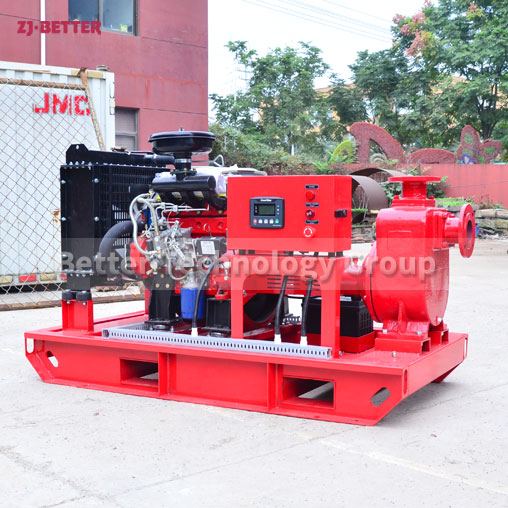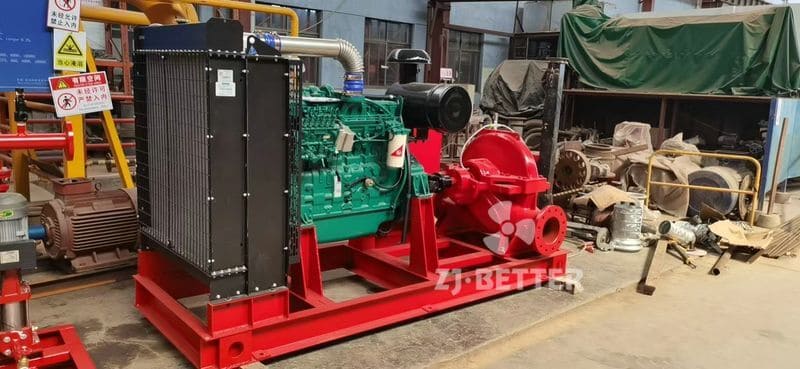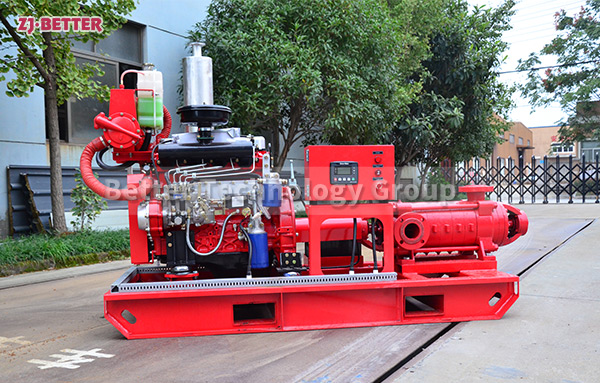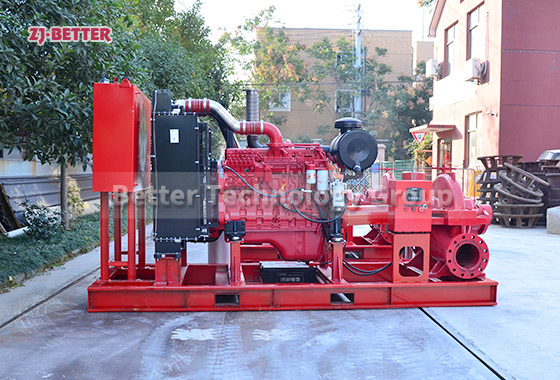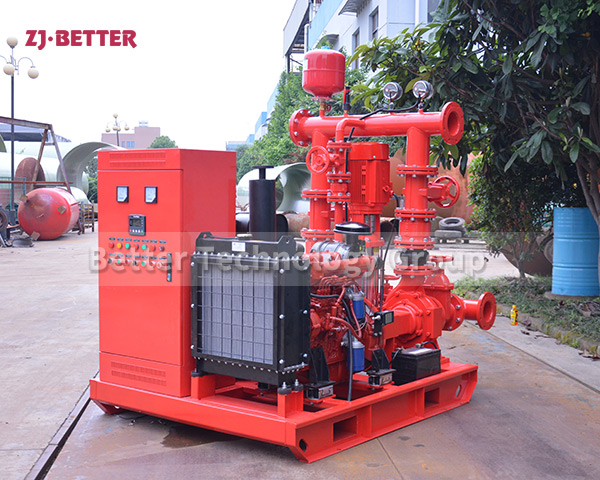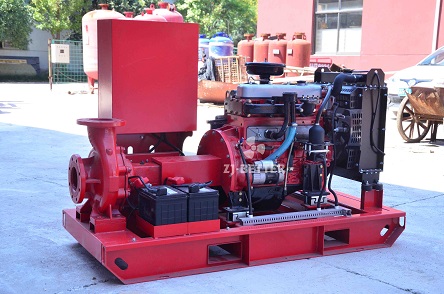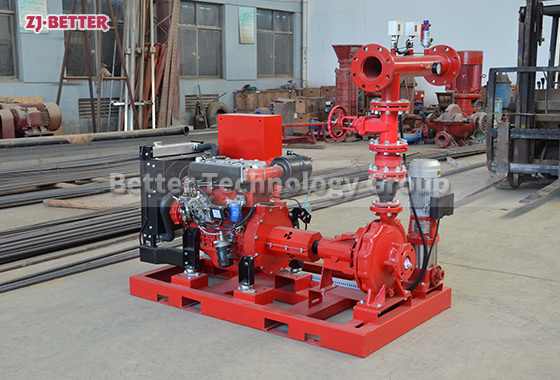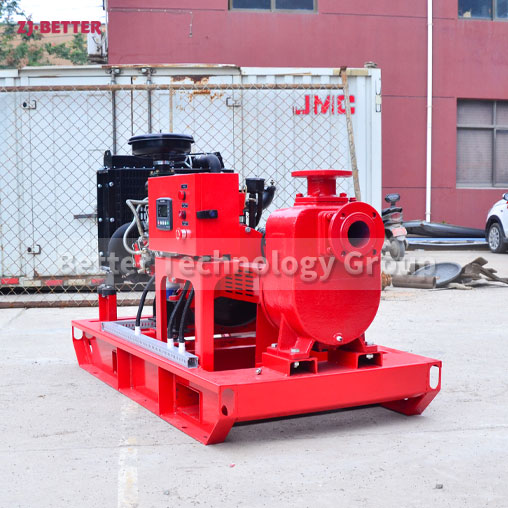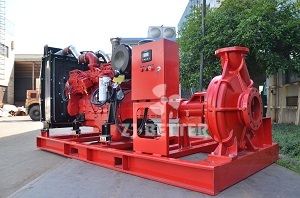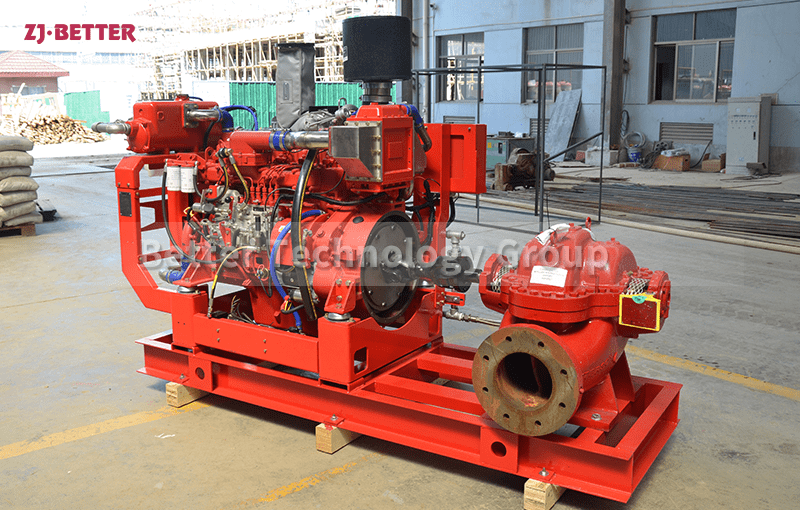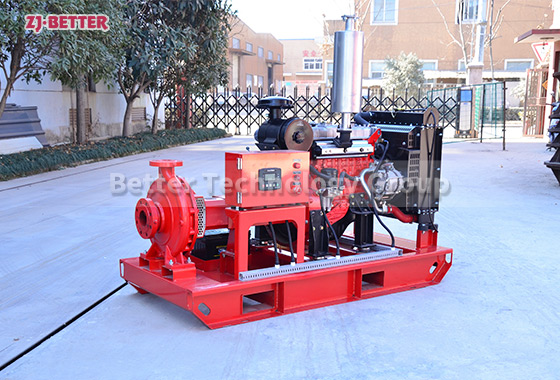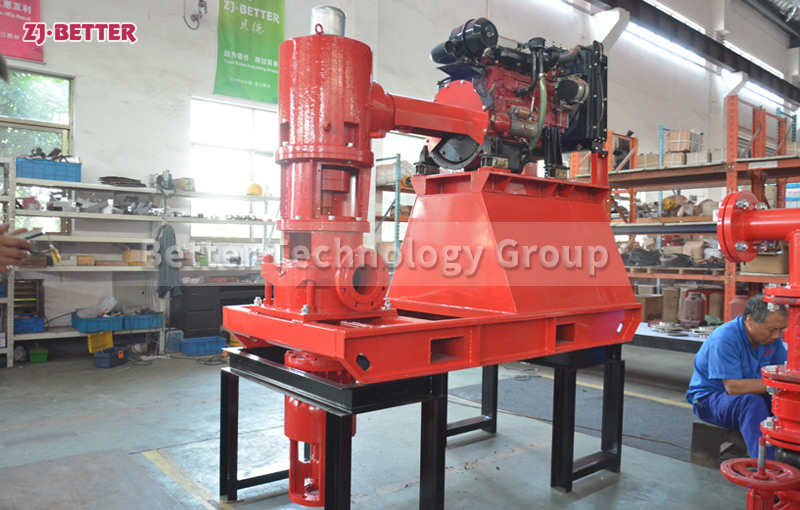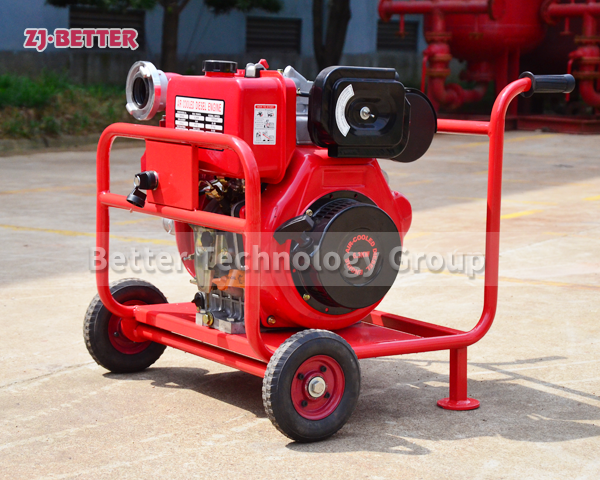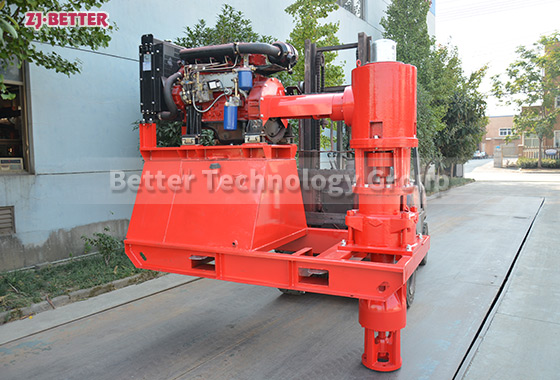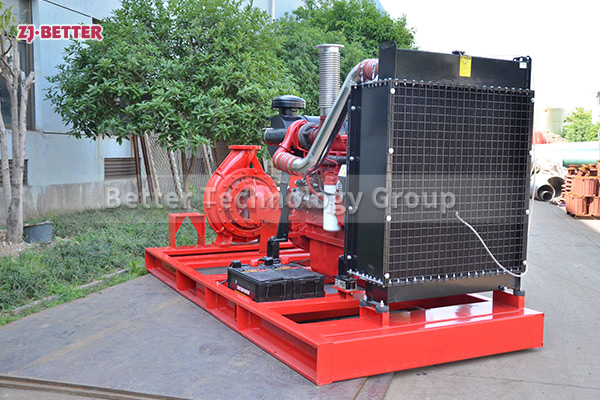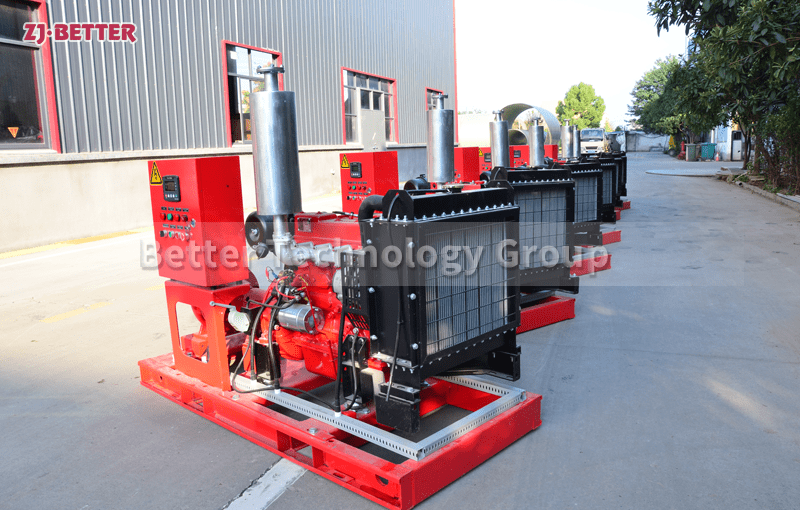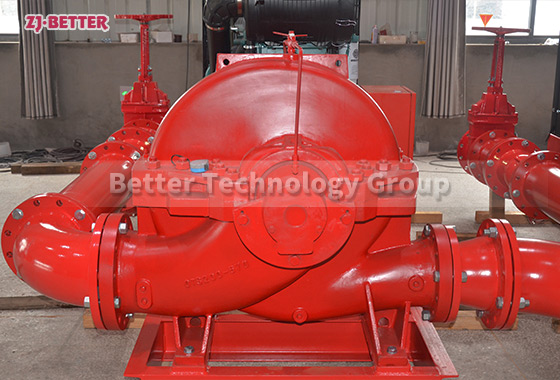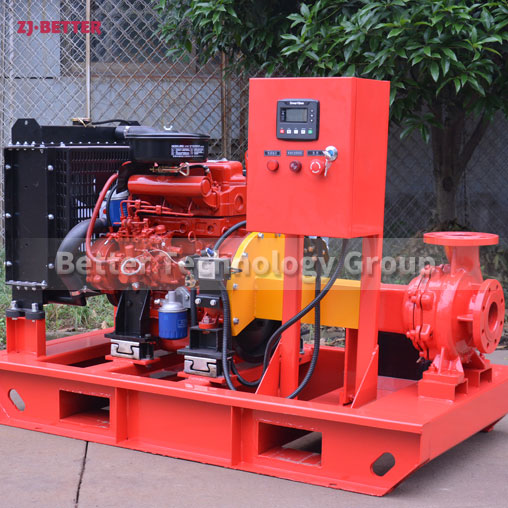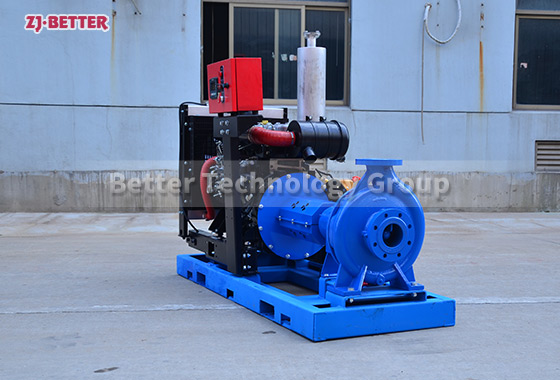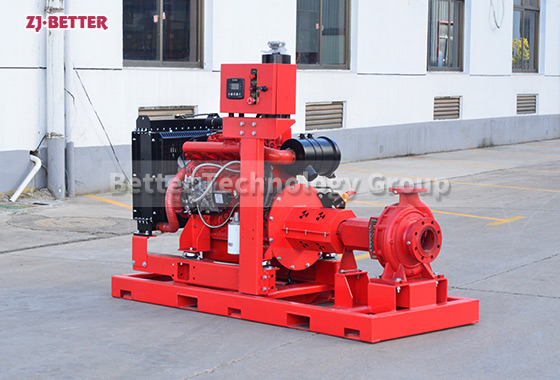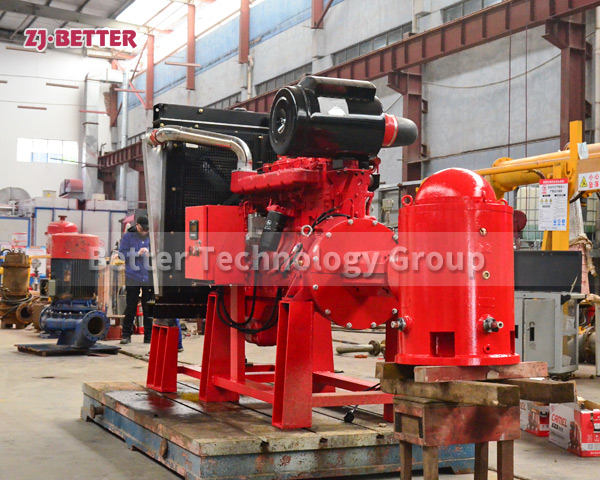
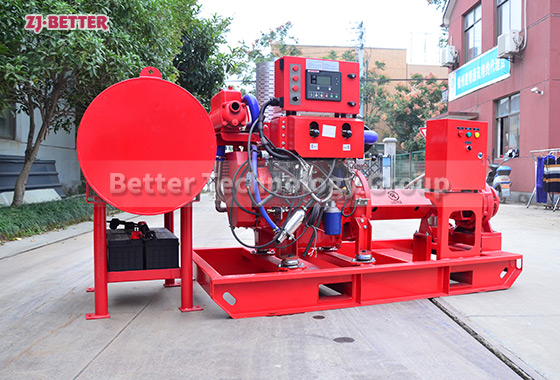
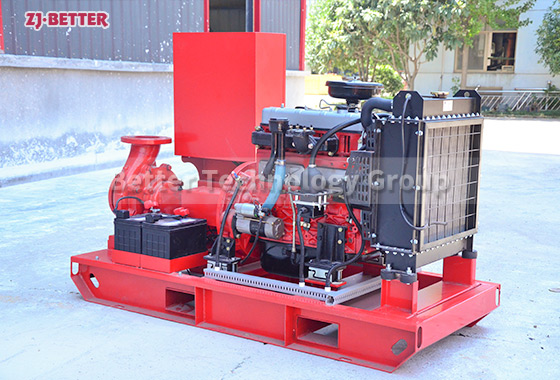
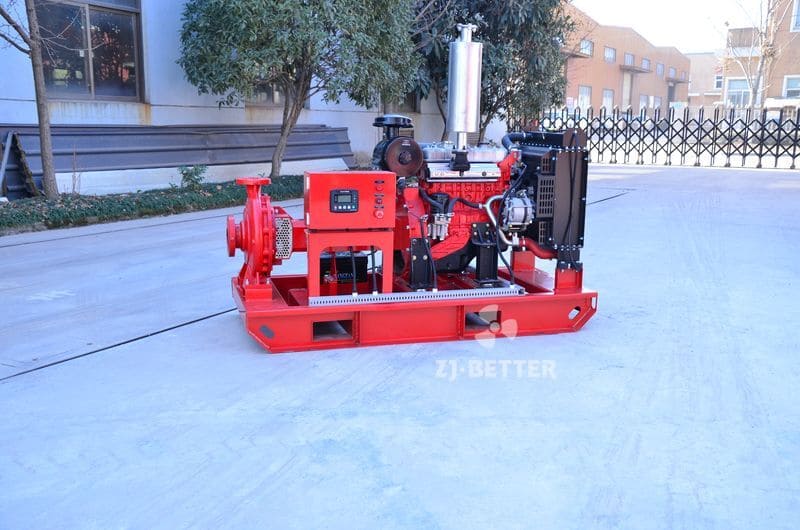
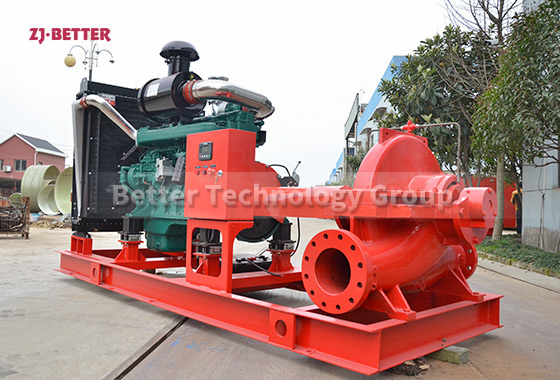
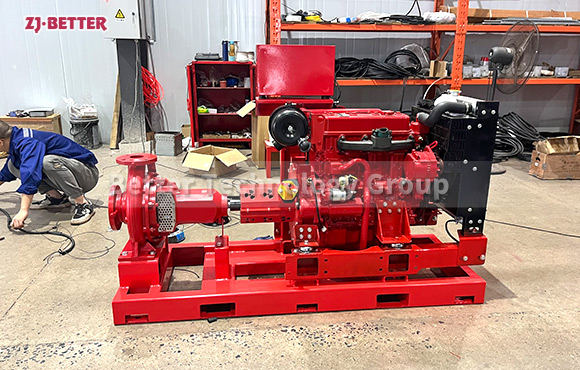
Diesel engine fire pump is equipment with high efficiency and overload capacity
Indeed, diesel engine fire pumps are designed to offer high efficiency and overload capacity to meet the demanding requirements of firefighting applications. Here’s a closer look at these features:
Indeed, diesel engine fire pumps are designed to offer high efficiency and overload capacity to meet the demanding requirements of firefighting applications. Here’s a closer look at these features:
1. High Efficiency:
- Diesel engines used in fire pumps are engineered to be highly efficient in converting fuel energy into mechanical power. This efficiency ensures that the pump can deliver the required water flow and pressure efficiently, minimizing fuel consumption and operational costs.
- High efficiency also means that the pump generates less waste heat, resulting in reduced wear and tear on components and a longer operational lifespan.
2. Overload Capacity:
- Firefighting scenarios often involve rapidly changing water demands due to the unpredictable nature of fires. A fire pump with overload capacity can handle temporary spikes in water flow and pressure requirements without overheating or suffering damage.
- Overload capacity is particularly important during firefighting operations, as the pump might need to adapt quickly to address varying fire conditions and changing water supply conditions.
3. Robust Construction:
- Diesel engine fire pumps are typically built with robust materials and precision engineering to withstand the stress and pressures of firefighting tasks. The components are designed to handle high loads and provide reliable performance under demanding conditions.
- Overload capacity is achieved through careful design and the use of durable materials, ensuring that the pump can handle short-term stress without compromising its long-term integrity.
4. Safety Considerations:
- The overload capacity is designed with safety in mind. While the pump can handle temporary overloads, its design ensures that it won’t reach a critical point where it risks damage or failure.
- Safety features such as pressure relief valves and temperature sensors help protect the pump from excessive stress and overheating during operation.
5. Regulatory Compliance:
- Many firefighting standards and regulations require fire pumps to have overload capacity to ensure they can handle emergencies effectively.
- Compliance with these standards ensures that the pump is capable of providing adequate water flow and pressure to control fires in various scenarios.
It is important to note that while diesel engine fire pumps are designed with overload capacity, they should still be used and maintained according to the manufacturer’s guidelines and industry best practices. Regular maintenance, performance testing, and checks are essential to ensure that the pump remains in optimal condition and ready to respond effectively in firefighting situations.
.jpg)