Industrial Horizontal Multistage Centrifugal Fire Pump – Designed for High-Pressure Fire Water Supply
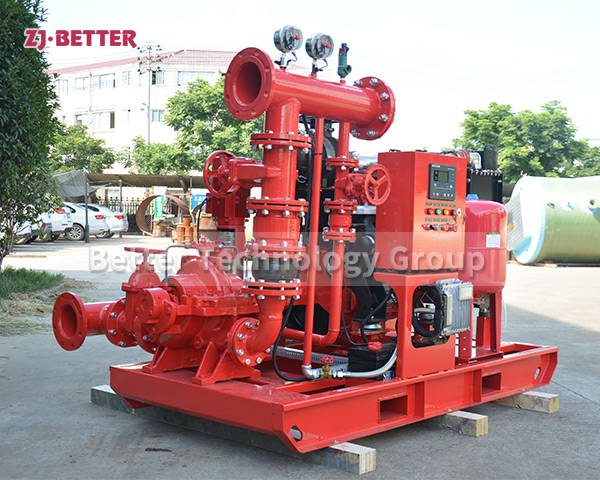
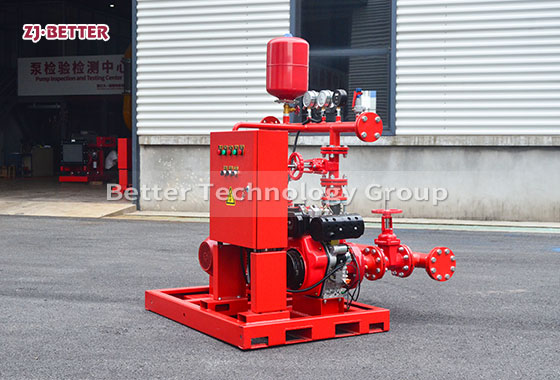
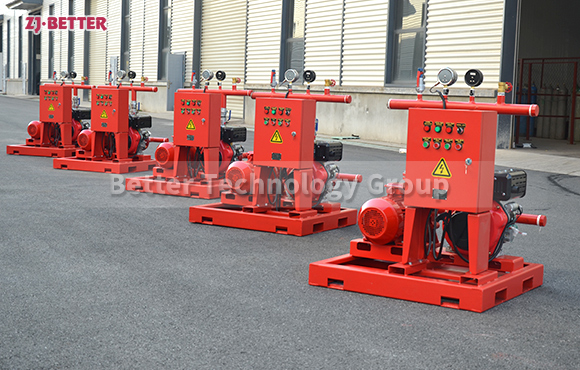
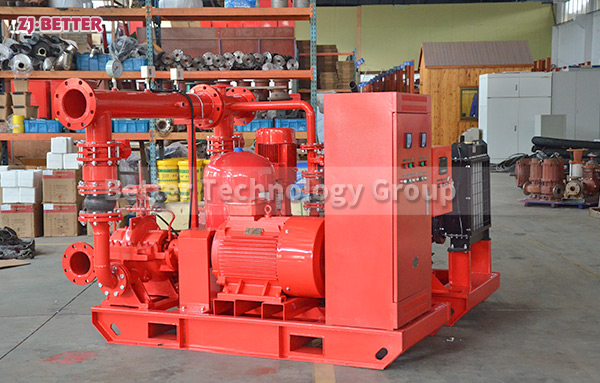
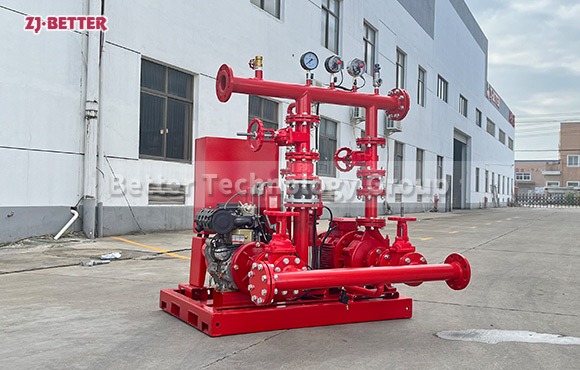
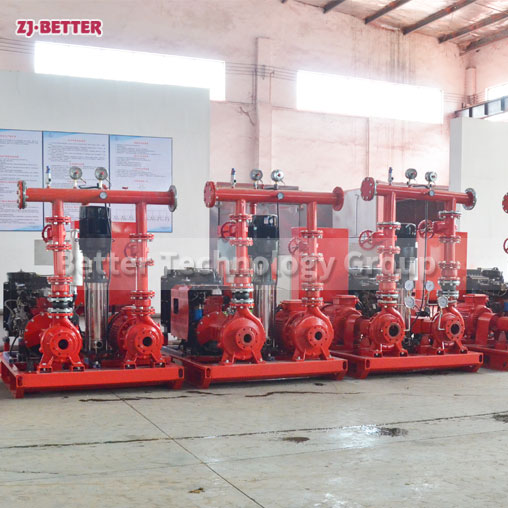
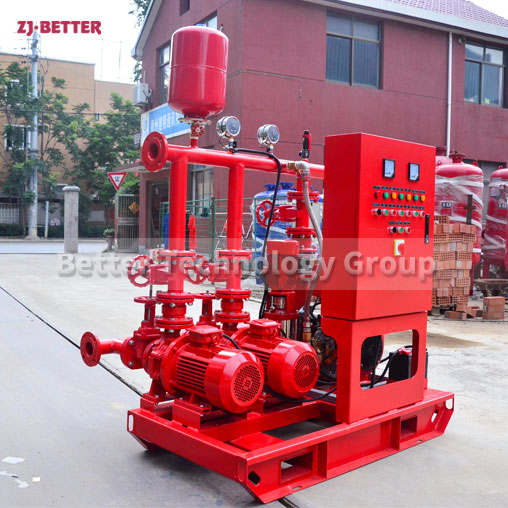
Industrial horizontal multistage centrifugal fire pumps utilize a multistage impeller design to achieve incremental pressure boosting, making them well-suited for fire-fighting water supply applications requiring high head and high pressure. Their horizontal configuration facilitates equipment integration and maintenance, with specifications that can be customized based on project-specific requirements for flow rate, head, and operating conditions.
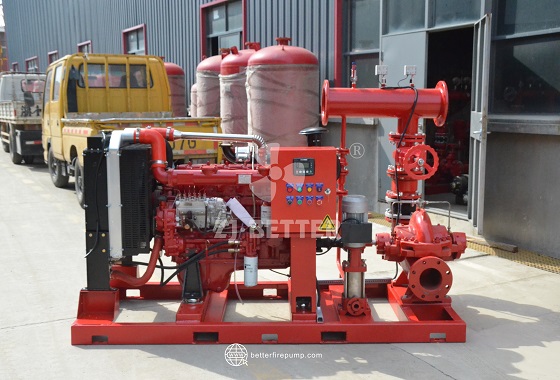
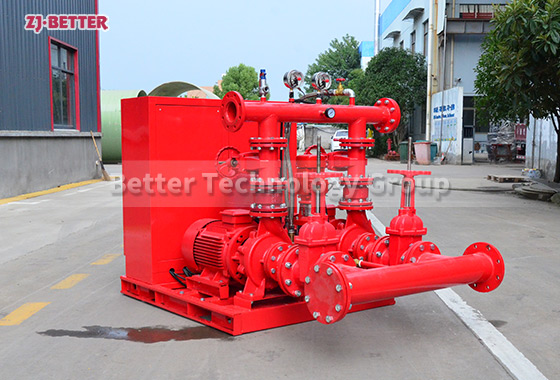
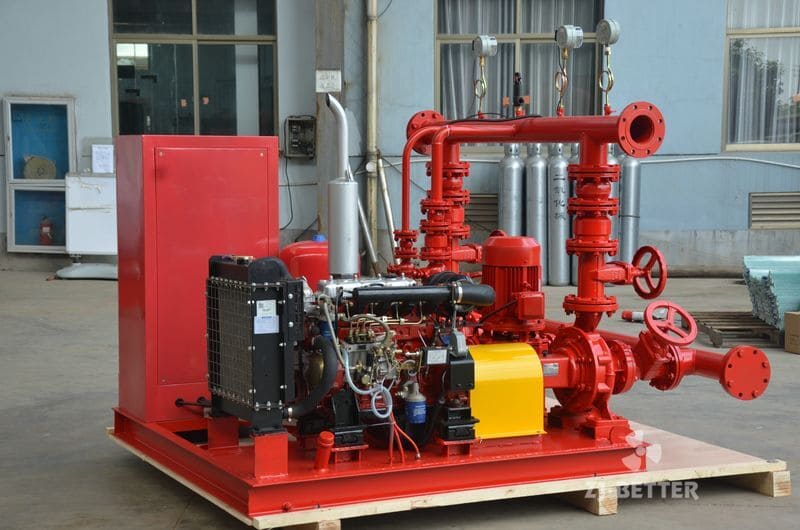
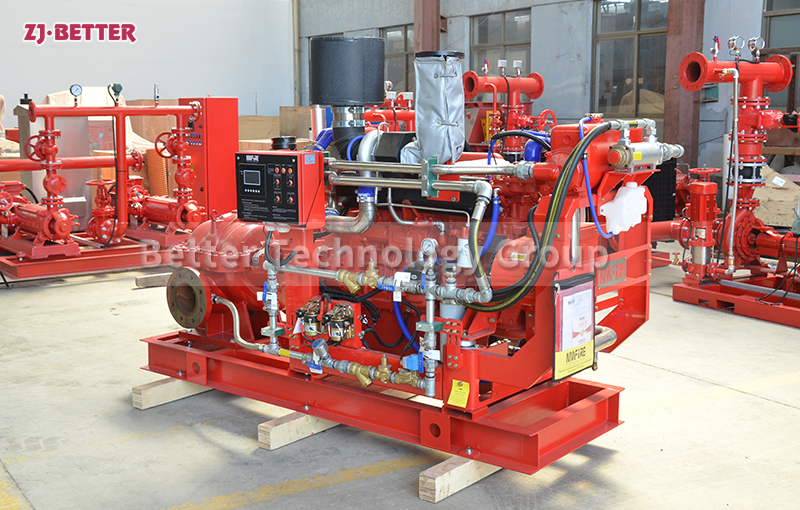
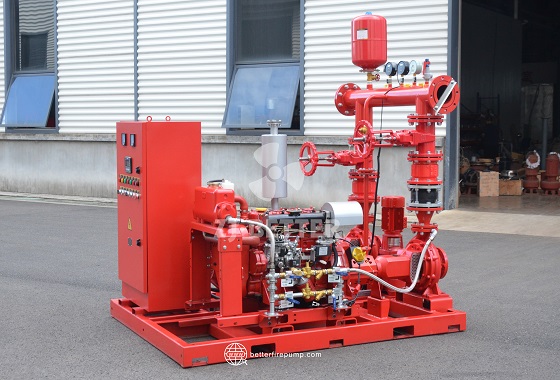
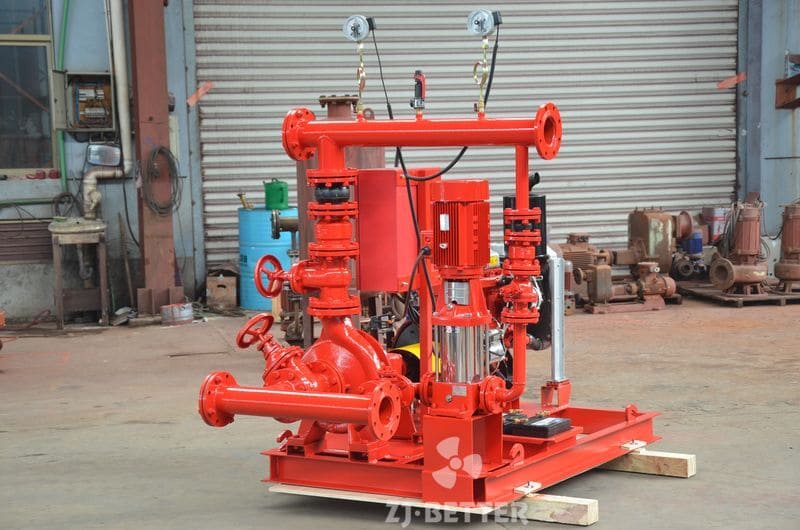
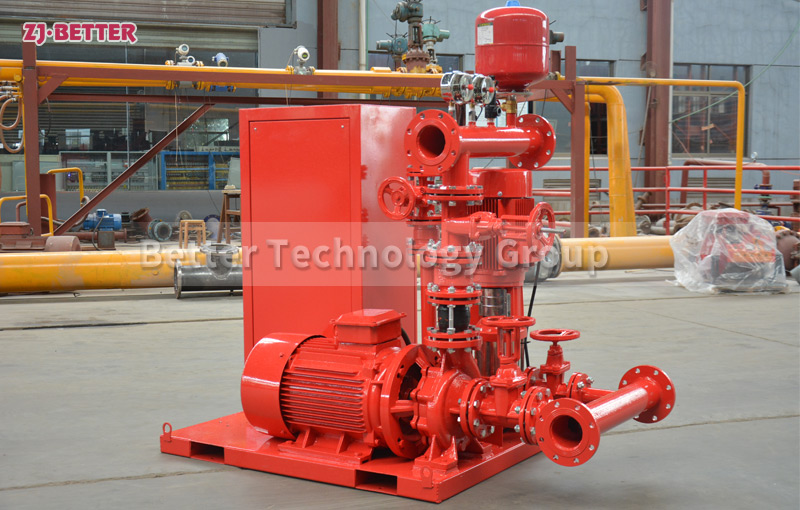
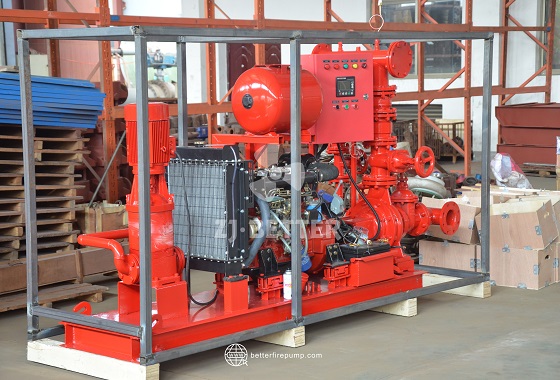
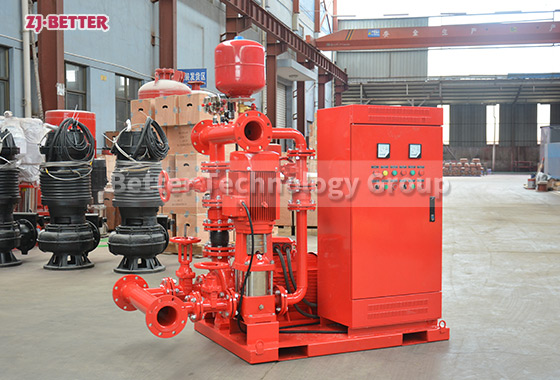
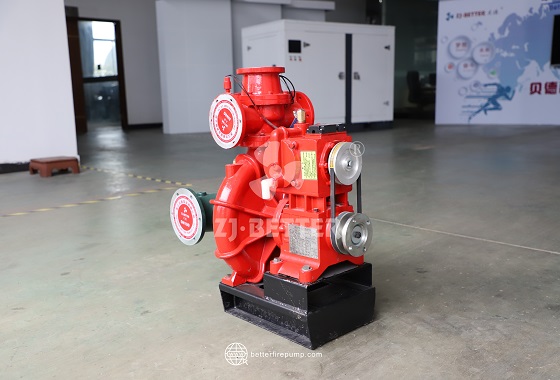
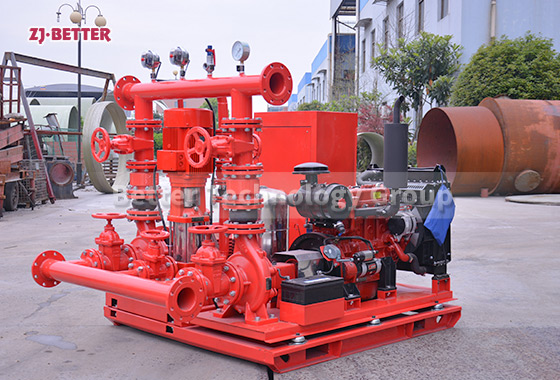
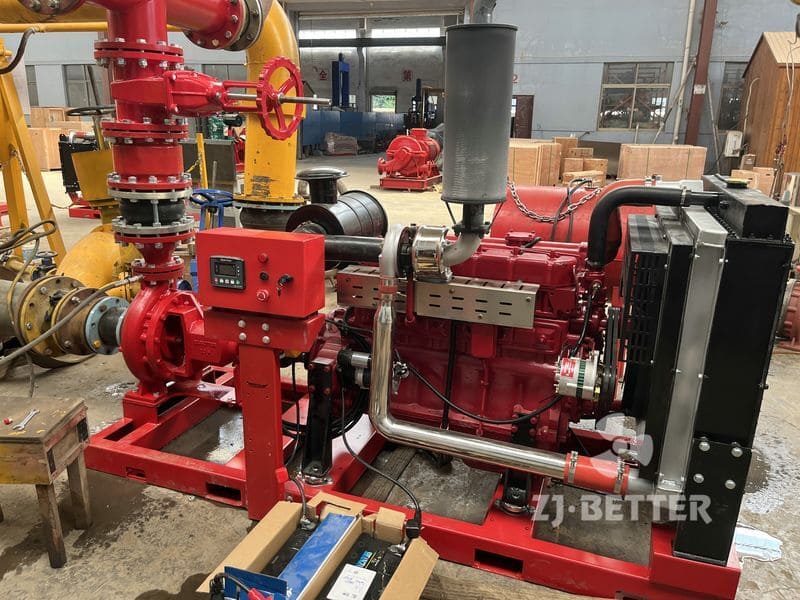
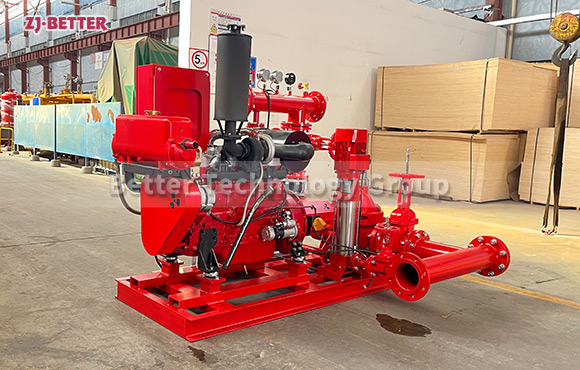
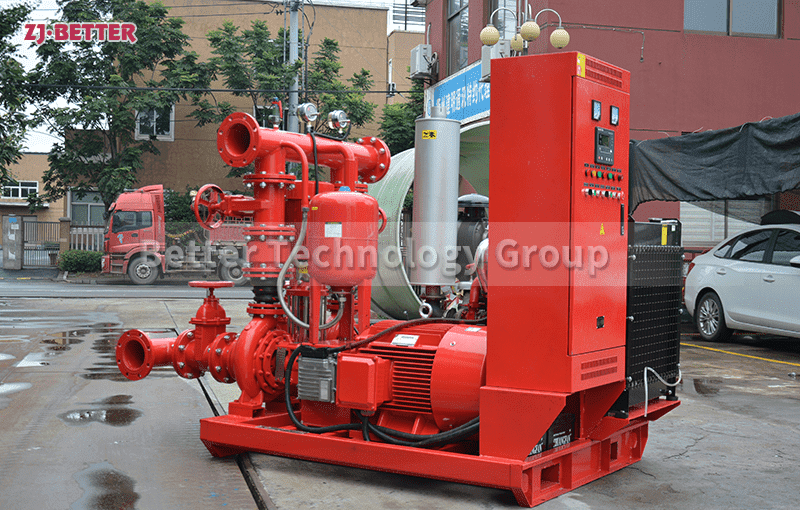
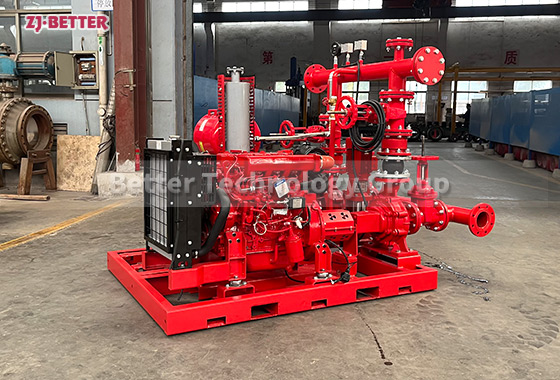
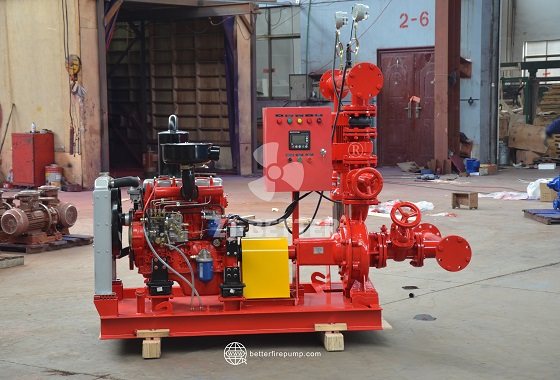
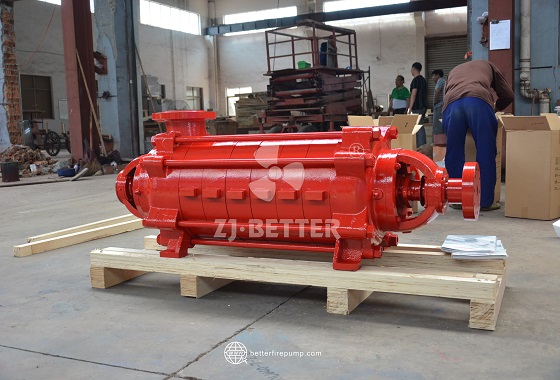
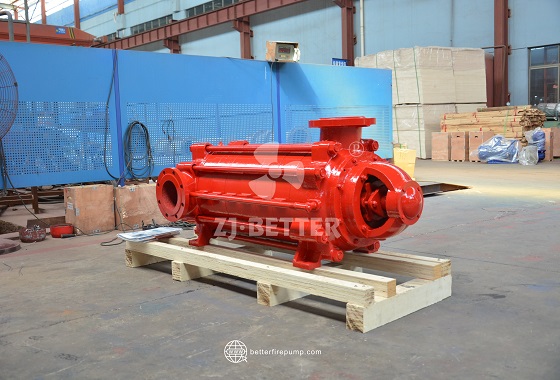
An industrial horizontal multistage centrifugal fire pump is a type of centrifugal pump that utilizes a multistage impeller configuration. It is primarily designed for industrial and building fire-suppression water supply systems that require high delivery heads and elevated pressure. Unlike single-stage centrifugal pumps, multistage pumps employ multiple impellers to transfer energy to the water flow sequentially, increasing the pressure stage by stage within the pump casing. This configuration enables the generation of a high delivery head, making it well-suited for projects involving long transport distances, high pipeline resistance, or stringent pressure requirements. The pump features a horizontal orientation with an axially arranged casing, offering excellent structural stability and facilitating easy connection to an electric motor or other compatible prime movers. The multistage casing incorporates a segmented hydraulic design, where impellers and flow-guiding components work in tandem to ensure the water moves continuously along the intended flow path, thereby enhancing operational stability. The metal casing provides a housing for the internal impellers, flow-guiding components, and other hydraulic parts; the specific material used can be selected based on the pumped medium, operating pressure, and project-specific requirements. The horizontal design simplifies installation on a fixed foundation and allows maintenance personnel convenient access to inspect bearings, seals, couplings, and connection points. For fire-suppression applications requiring a high delivery head, the multistage impeller design provides the necessary pressure boost; furthermore, the pump’s performance can be tailored to specific engineering parameters by adjusting the number of impeller stages, rotational speed, and casing specifications. The actual flow rate, delivery head, efficiency, and operating power of a given pump must be determined based on its specific model and performance curve—the multistage configuration alone is not sufficient to define its ultimate water-delivery capacity. In industrial fire-suppression systems, these pumps can serve as primary fire-water supply units or fulfill other roles as dictated by the system design, meeting the requirements for high-pressure water supply equipment in industrial facilities, energy infrastructure, warehouses, and large-scale projects. When selecting such equipment, one must comprehensively evaluate factors including the design flow rate of the fire-suppression system, required delivery head, pipeline losses, suction conditions, operating pressure, and the power of the associated motor to ensure the pump operates within an optimal performance range. During installation, ensure that the foundation is level and that the pump shaft is properly aligned with the drive equipment. Furthermore, complete the piping connections, seal inspections, and operational commissioning in accordance with the product specifications. Routine maintenance should focus on bearing lubrication, the condition of mechanical seals, the tightness of fasteners, and any changes in operational vibration or noise, ensuring that any anomalies are identified and addressed promptly. Featuring a multi-stage centrifugal pressure-boosting design, a horizontal installation configuration, and customizable hydraulic performance, industrial horizontal multi-stage centrifugal fire pumps offer a professional pumping solution for high-head fire-fighting water supply projects—balancing structural suitability, ease of operational management, and the flexibility to meet the specific configuration requirements of individual projects.