Home » Other Products » Large Flow Sewage Pump

Large Flow Sewage Pump

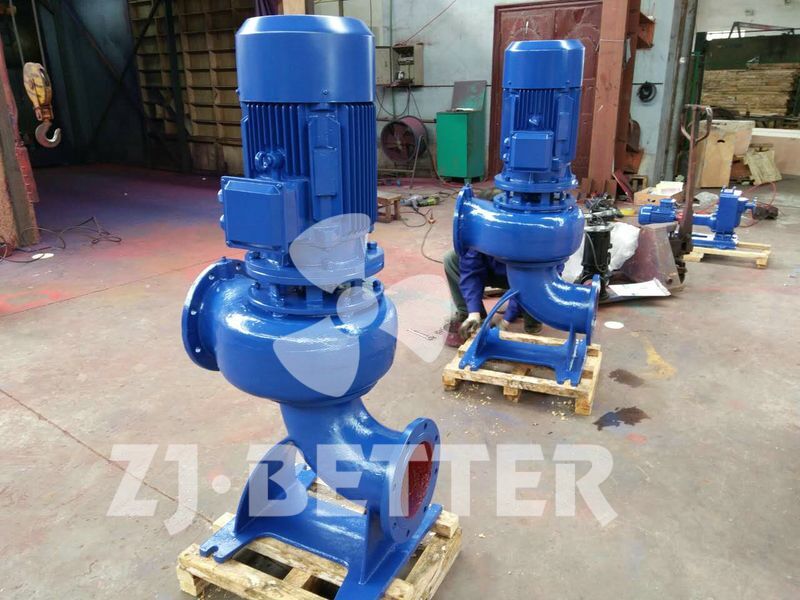
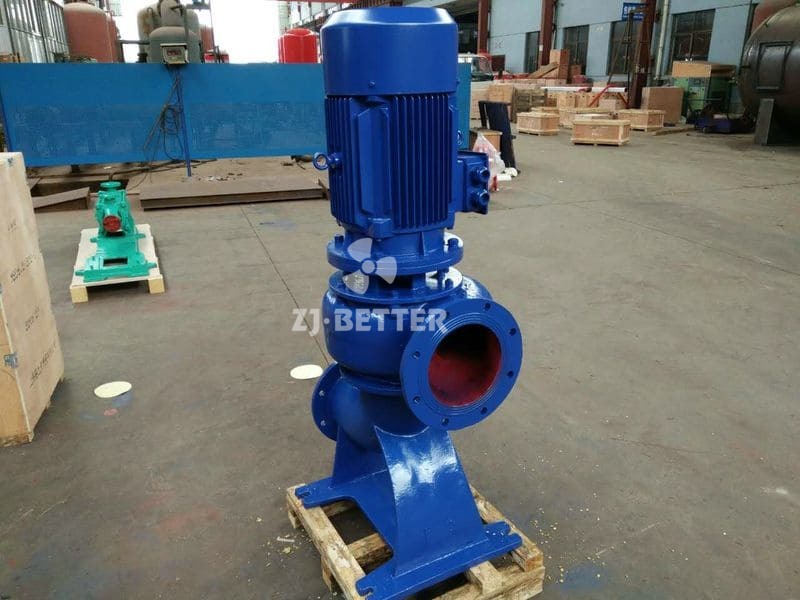
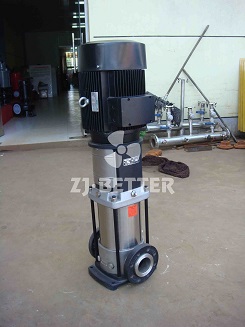
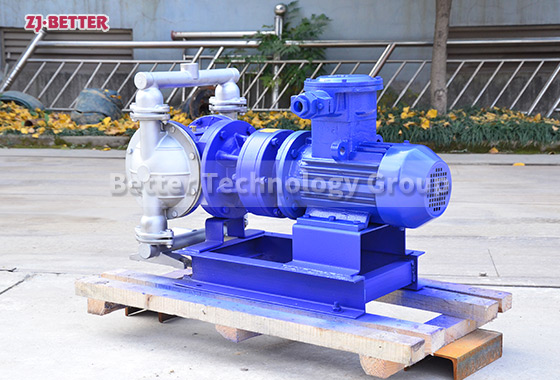
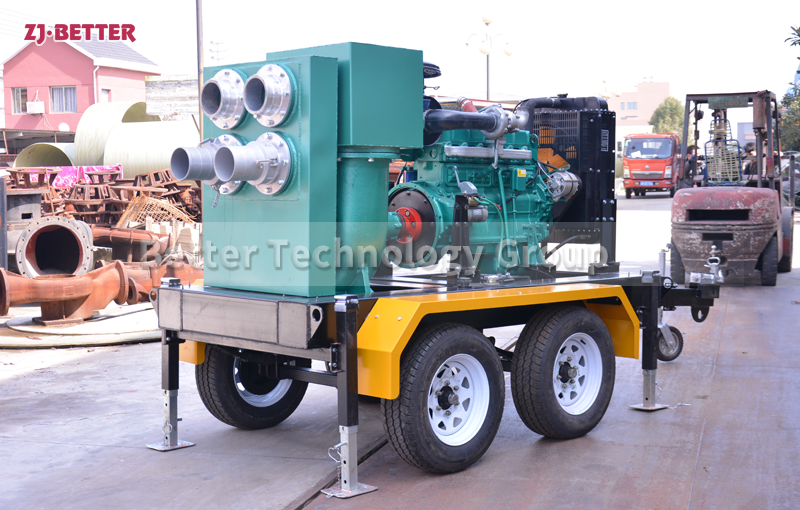
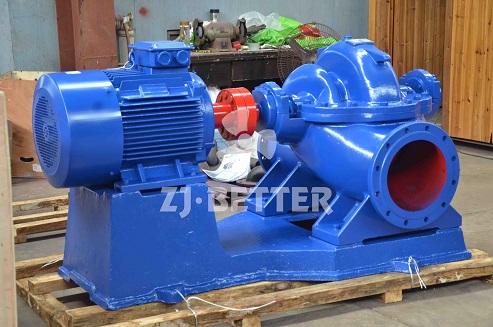
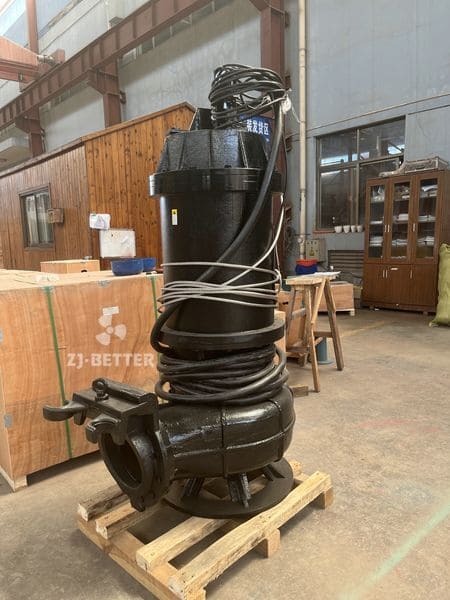
The sewage pump is a kind of centrifugal impurity and has many forms: such as submersible type and dry type. At present, the most common submersible type is the WQ type submersible sewage pump, and the most common dry type sewage pump is the W type horizontal sewage pump. And two types of WL vertical sewage pump. Mainly used to transport urban sewage, manure or liquid containing fiber. For the medium of solid particles such as paper scraps, the temperature of the conveyed medium is usually not greater than 80¡ãC.

Rated 4.9/5 based on 451 customer reviews
Share:
Content

1. Compact structure and small footprint. Because the pump works submerged in the liquid, it can be directly installed in the sewage pool, and there is no need to build a special pump room to install the pump and motor, saving a lot of land and infrastructure costs.
2. Easy installation and maintenance. Small submersible sewage pumps can be placed freely, and large sewage pumps are generally equipped with automatic coupling devices for automatic installation, which is very convenient for installation and maintenance.
3. Long continuous operation time. Because the pump and the motor are coaxial, the shaft of the submersible sewage pump is short, and the rotating parts are light in weight, so the load (radial) on the bearing is relatively small, and the service life is much longer than that of the general pump.
4. Low vibration and noise, low temperature rise of the motor, and no pollution to the environment.
Inquiry


    More Other Products

    Fire pumps are a type of pump used in fire fighting. Compared to ordinary pumps, fire pumps have higher standards and requirements in terms of sealing, corrosion resistance and operational efficiency. Before running the fire pump equipment, we need to discharge the gas inside the pump, do you know what is the significance of doing so? The following is the answer from Shanghai Xizhiquan.

    1. If there is gas inside the fire pump, then the equipment cannot form a sufficient vacuum during operation, resulting in the liquid not being able to be sucked up. This phenomenon is called gas binding, and is a phenomenon that often results from many operators not understanding this operation.
    2, understand the formation of gas binding causes, we will understand how to avoid this problem occurs. Before the fire pump equipment is started, the pump casing needs to be filled with liquid. In the pump suction pipe mouth need to be equipped with a non-return valve, can effectively avoid the pump in the liquid due to gravity into the low tank, if the pump position is low, there is no need to carry out filling the pump.
    3. The compressed gas inside the fire pump will occupy a certain space in the fire pump, making it impossible to seal it.

    Therefore, the operation of deflating the fire pump before putting it into use can increase the vacuum of the equipment and increase the pumping capacity of the pump, thus effectively improving the efficiency of the equipment and reducing the waste of resources.