Optimizing Fluid Control: The Key Role of High-Efficiency Check Valves in Fire Protection Systems
High-efficiency check valves play a key role in fire pump systems. Through precise fluid control, corrosion-resistant design, water hammer mitigation, energy saving and high efficiency, they ensure stable system operation, extend equipment life and ensure fire safety.
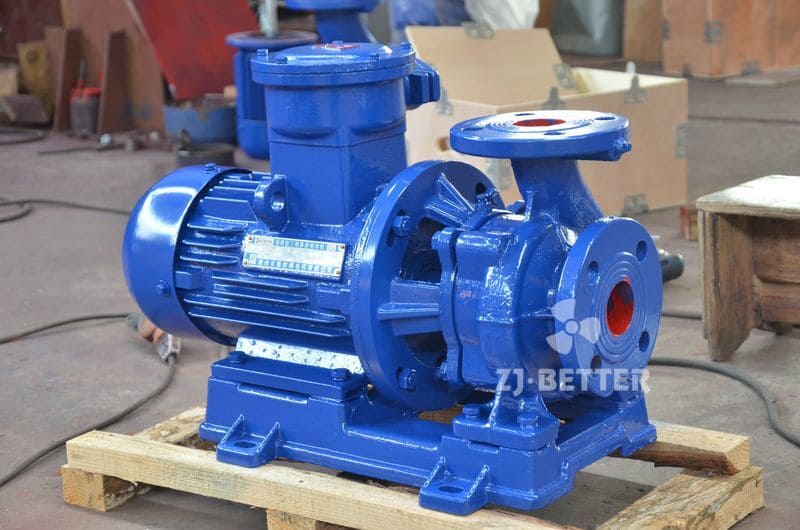
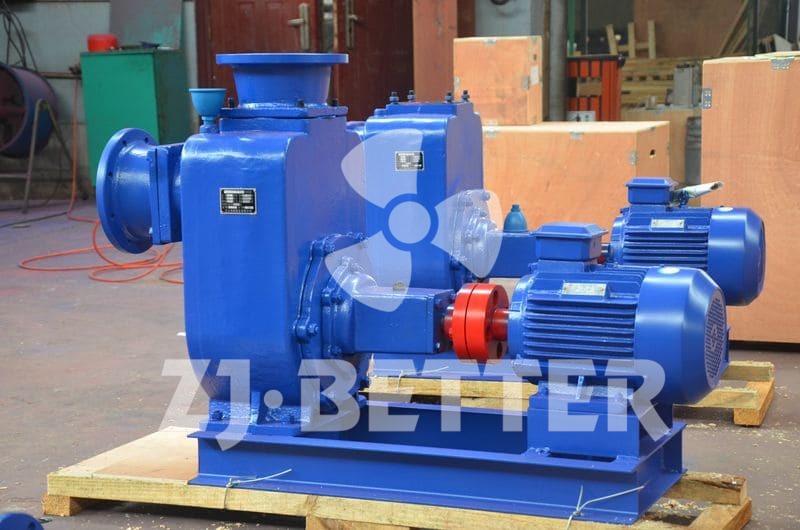
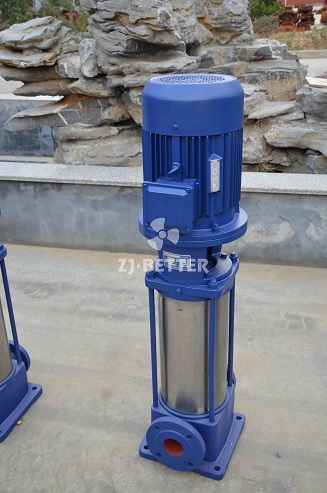
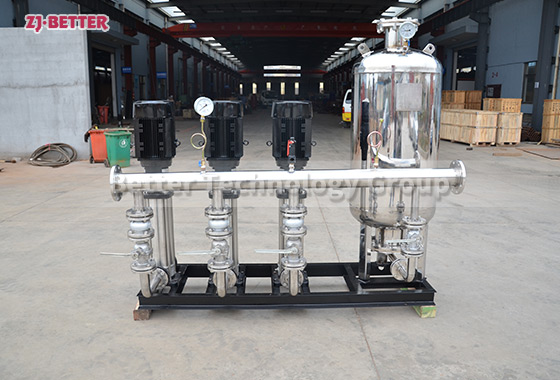
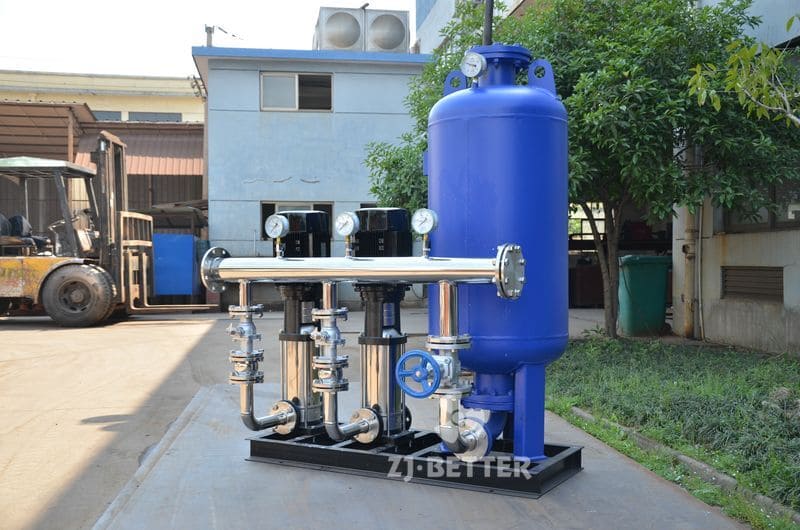
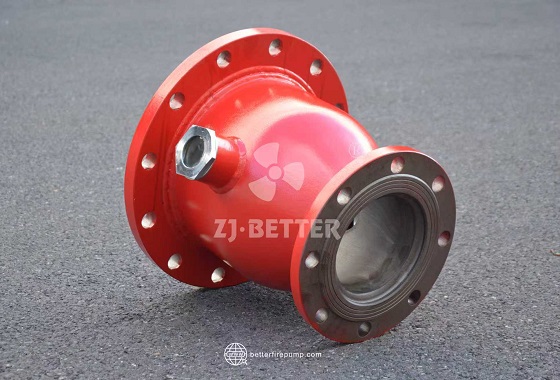
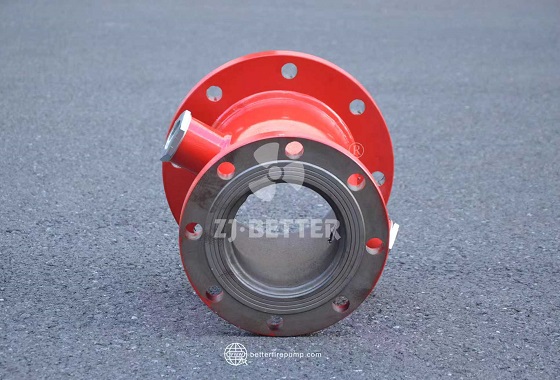
In firefighting systems, the performance of the pump assembly and its associated accessories directly impacts system stability and efficiency. Especially in fire emergencies requiring large volumes of water, every link in the system is crucial. As a key component in fire pump systems, check valves perform more than just fluid control. By effectively regulating the flow, check valves prevent backflow, reduce pressure fluctuations, and protect the pump and piping, thereby improving overall system efficiency and safety. In fire water systems, check valves are typically used between the pump outlet and the water supply pipe. Their unidirectional flow channel design restricts water flow to a single direction, preventing potential risks and malfunctions caused by reverse flow. Due to their critical protective role, check valves not only ensure smooth and stable water flow, but also reduce mechanical wear within the system, extending the life of the equipment.
A significant advantage of high-efficiency check valves is their high-precision fluid control capabilities. Fire pumps often need to cope with transient water pressure fluctuations. Especially in firefighting systems, pump startups and shutdowns, as well as rapid pressure changes, can cause dramatic fluctuations in water flow. Without a check valve’s prompt response, backflow can not only impact the pump but also cause pipe ruptures or leaks, potentially disrupting the entire system’s operation. High-efficiency check valves quickly respond to changes in water pressure, ensuring water flows in the intended direction and preventing the negative impact of backflow on the system. Their sophisticated design not only effectively prevents backflow but also ensures a continuous and stable water flow in the system, providing a continuous water supply during emergency firefighting operations.
Durability and corrosion resistance of check valves are particularly important in harsh environments. Fire pump systems often operate in demanding environments, particularly in industrial parks, warehouses, logistics facilities, and underground garages, where water quality is poor, humidity is high, and even traces of impurities and corrosive components may be present. High-efficiency check valves, designed with corrosion-resistant materials and special coatings, withstand these challenging conditions and maintain efficient operation for extended periods. Whether operating in high humidity, low temperatures, dusty environments, or chemically aggressive environments, check valves ensure a tight seal and durability, preventing leaks or blockages caused by corrosion. Enhanced corrosion resistance effectively extends the service life of check valves and reduces operating costs associated with maintenance and replacement.
High-efficiency check valves also offer flexibility and adaptability in installation. They are typically designed with a compact structure to accommodate various pipe sizes and installation locations. Installation and commissioning are simple and quick, making them easy even in areas with limited space. Furthermore, check valves are designed for ease of maintenance, with most models featuring removable components, allowing for cleaning and inspection without extensive disassembly during routine maintenance. This user-friendly design significantly reduces maintenance effort and improves overall equipment efficiency.
From an energy efficiency perspective, high-efficiency check valves can effectively reduce system energy consumption. Their precise flow control reduces the frequency of pump system starts and stops, eliminating unnecessary pressure surges on the pump and piping. This optimized design reduces the load on the pump unit and avoids excessive energy consumption. By reducing backflow and overpressure, the entire fire water system becomes more energy-efficient and energy-efficient, reducing electricity consumption during system operation and significantly saving energy costs for businesses or fire departments.
Furthermore, check valves are not limited to flow control; they also mitigate water hammer during pump startup and shutdown. Water hammer refers to the rapid pressure fluctuations caused by fluid changes when a pump system starts or stops. This phenomenon often leads to pipe vibration, equipment damage, noise pollution, and, in severe cases, pipe rupture or pump failure. High-efficiency check valves can effectively mitigate water flow fluctuations and smooth the stopping and starting of water flow, thereby preventing damage to system equipment caused by water hammer, extending equipment life, and reducing pipe wear.
In some high-pressure firefighting systems, check valves can be customized to meet different pressure requirements to suit various operating conditions. Customized check valves can adjust operating parameters to meet specific user needs, ensuring optimal performance in specific operating environments. Whether in high-rise buildings, industrial areas, or mobile equipment such as fire trucks and ships, check valves, through precise design and adjustment, ensure efficient and stable operation of fire water supply systems.
High-efficiency check valves not only improve the performance of fire pump systems but also enhance system safety. By preventing backflow and reducing pressure fluctuations, check valves effectively prevent problems such as pump damage, pipe leaks, and system failures caused by backflow, fundamentally ensuring the safe operation of fire protection systems. For users, choosing a high-efficiency check valve means opting for more reliable and safe fire protection, especially in fire emergencies, ensuring the system’s immediate response and normal operation.
Overall, high-efficiency check valves play a vital role in fire pump systems. They not only optimize fluid control and enhance system operational stability, but also effectively reduce energy consumption, lower maintenance costs, and enhance equipment durability and adaptability. Whether facing extreme climates and complex environments or for daily efficient operation, check valves ensure system reliability and safety. In the future, as the fire protection industry’s demand for efficient, safe, and intelligent systems increases, check valves will play an increasingly important role, becoming a crucial component in ensuring the stable operation of fire water systems.