Home » Diesel engine fire pump » Small Diesel Fire Pump Set

Small Diesel Fire Pump Set

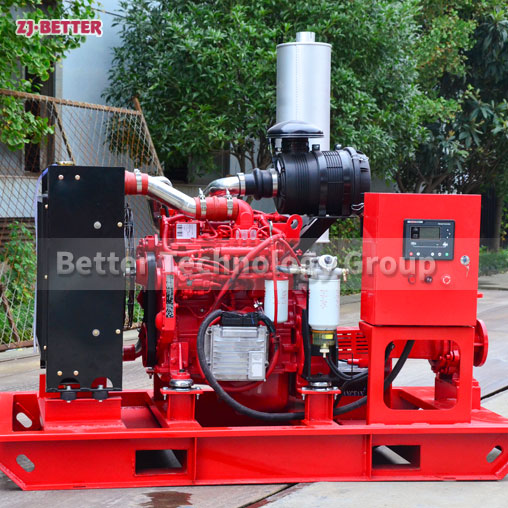
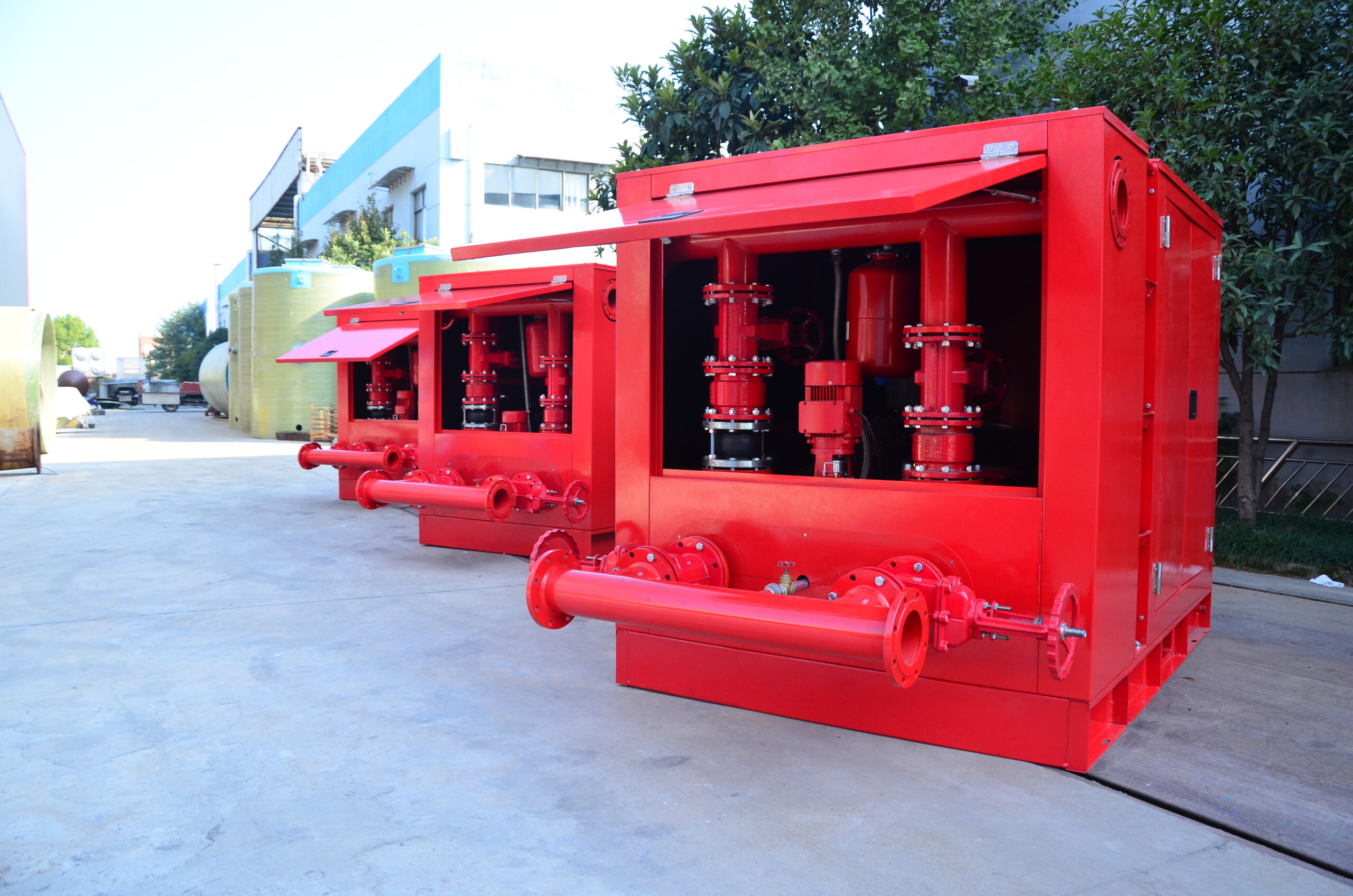
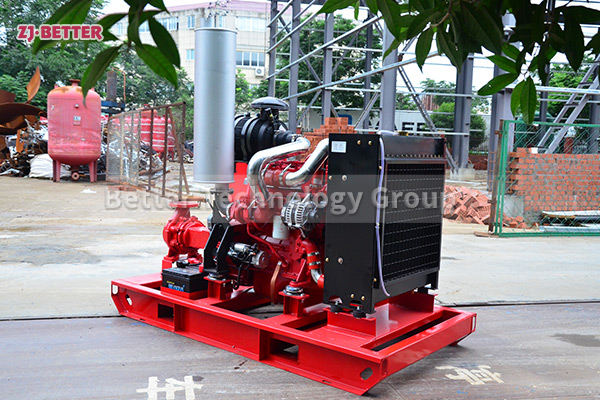
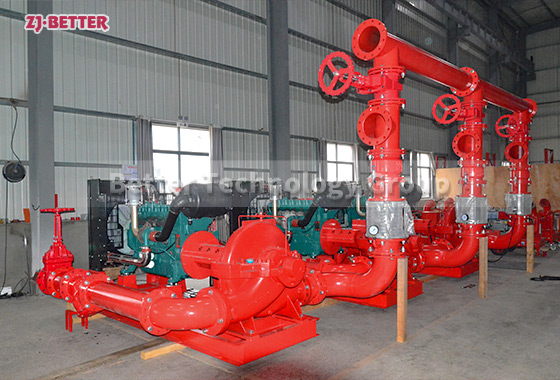
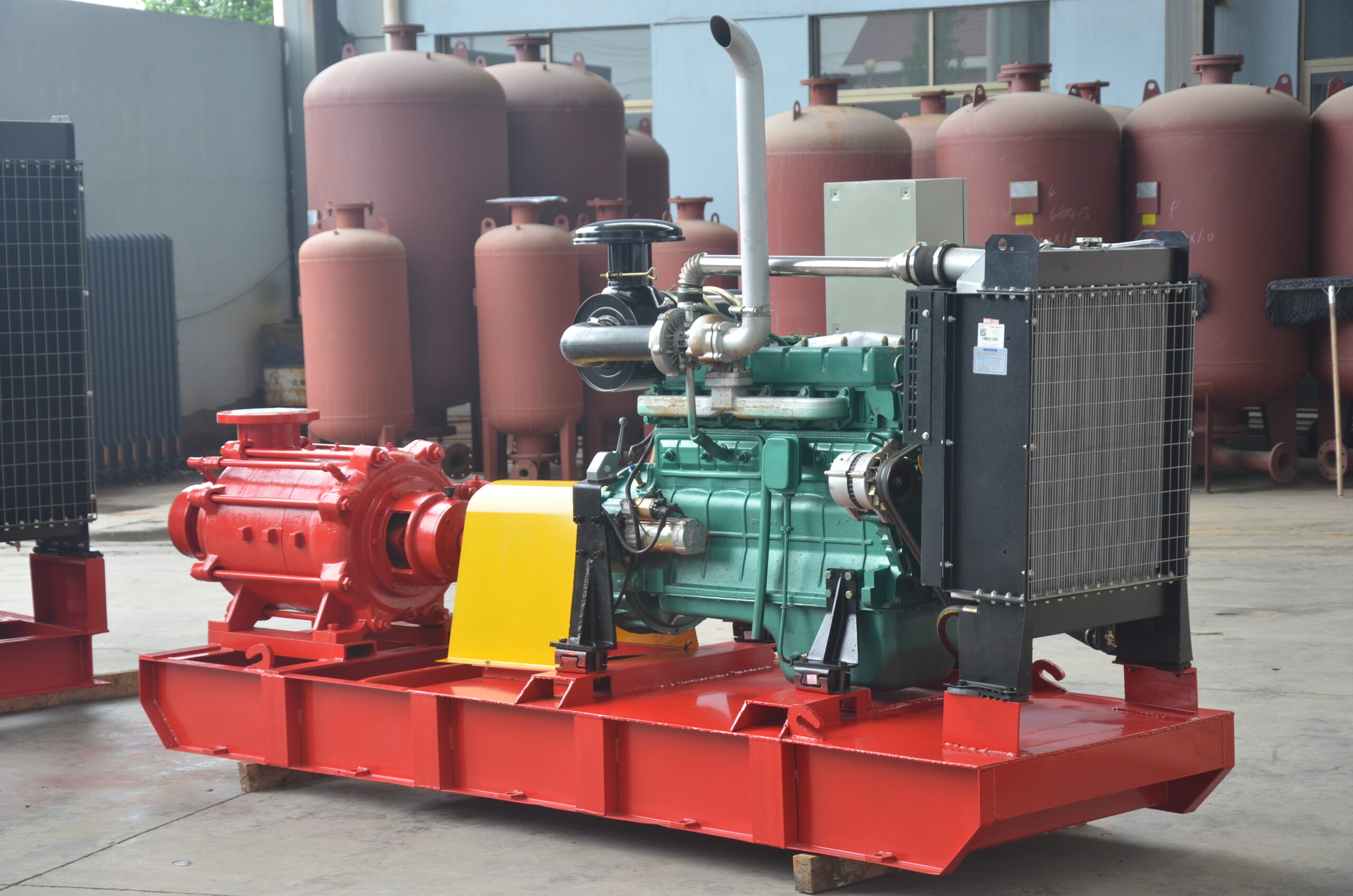
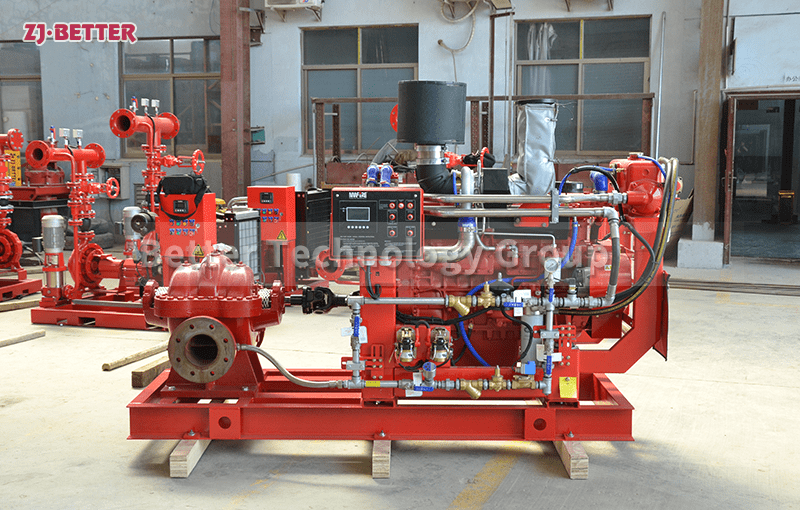
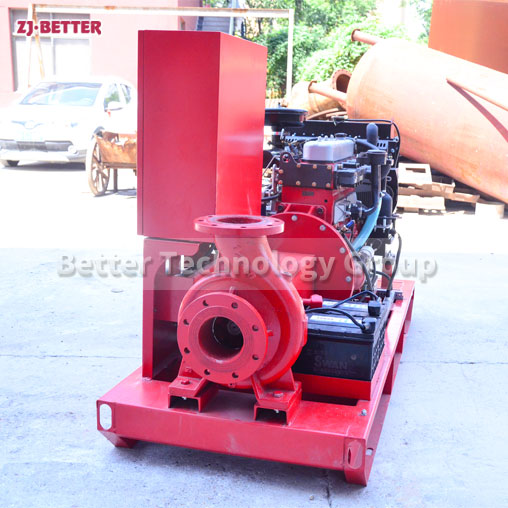
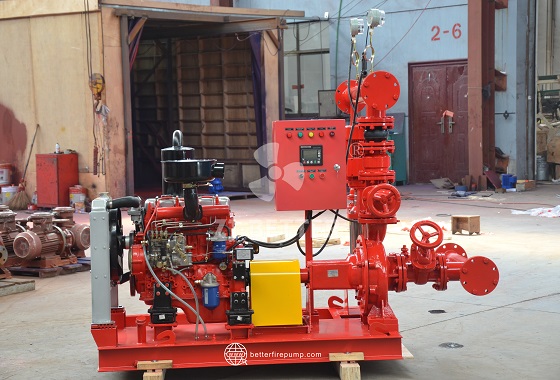
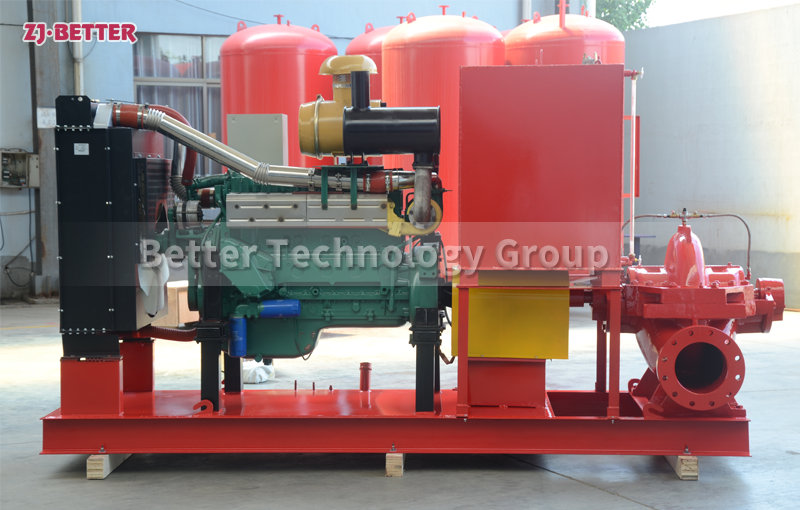
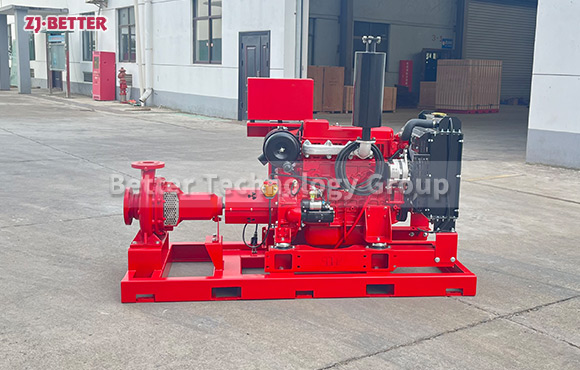
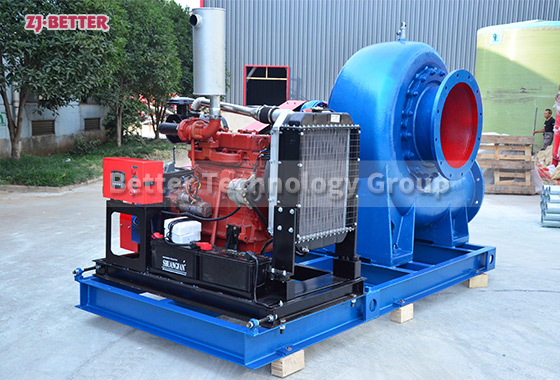
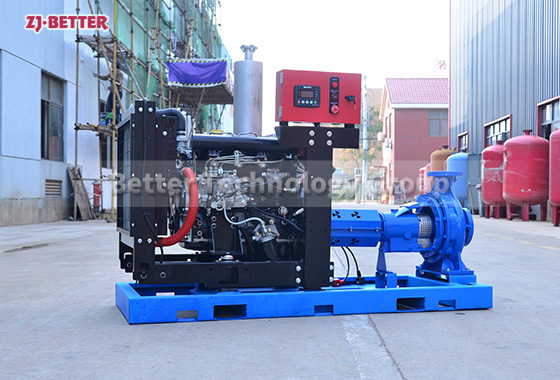
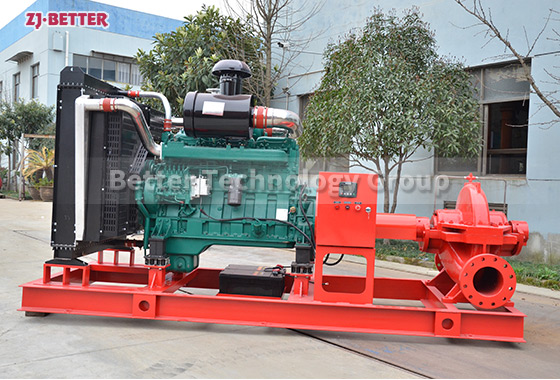
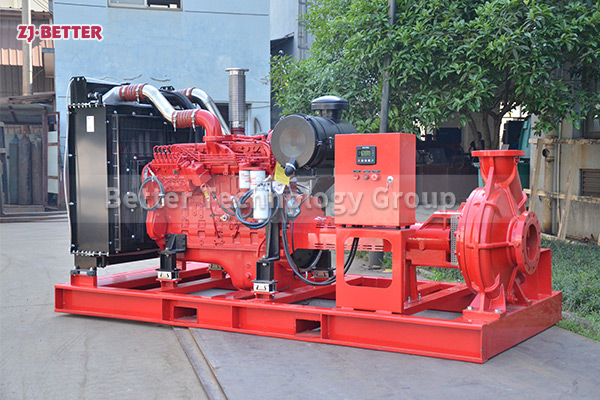
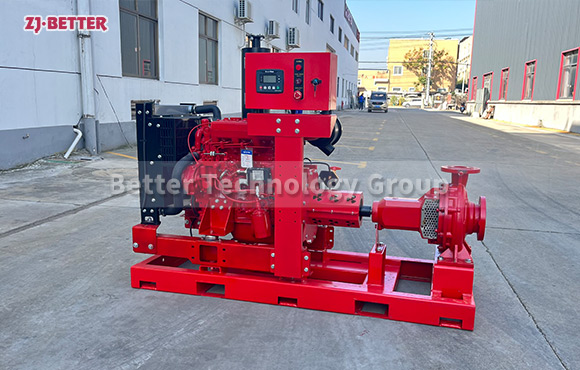
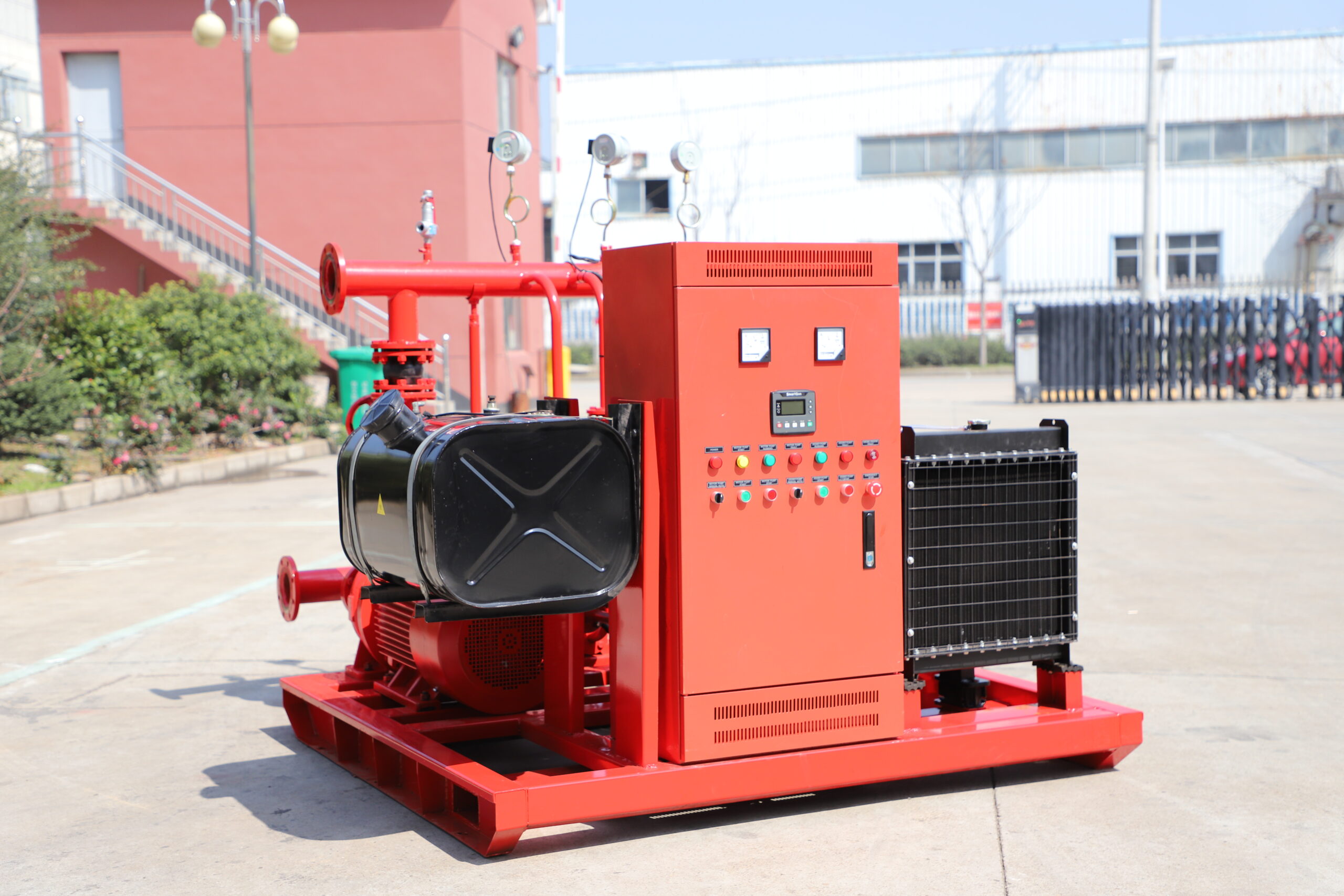
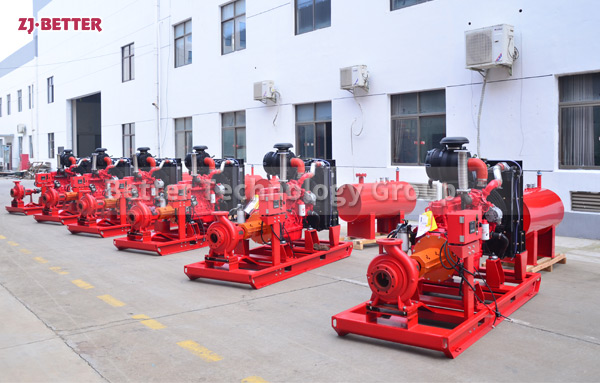
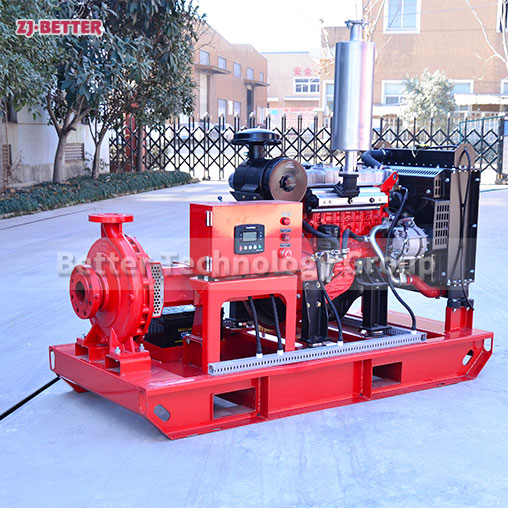
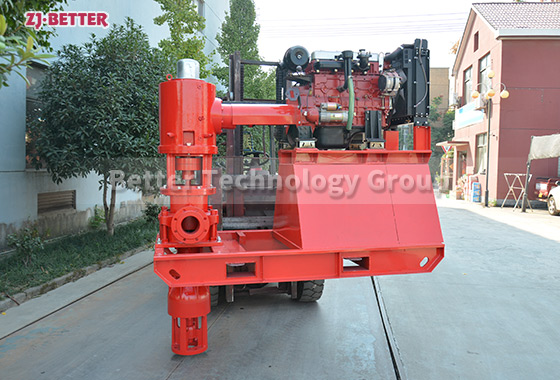
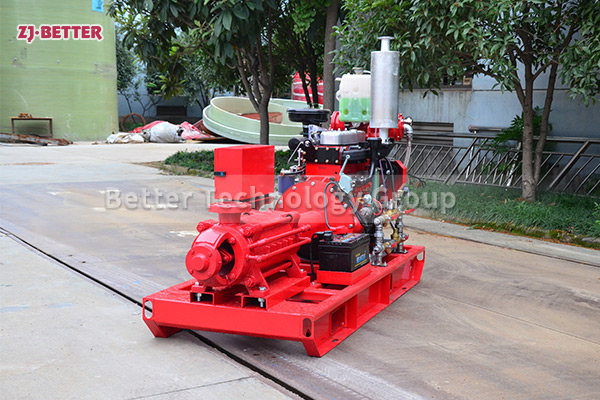
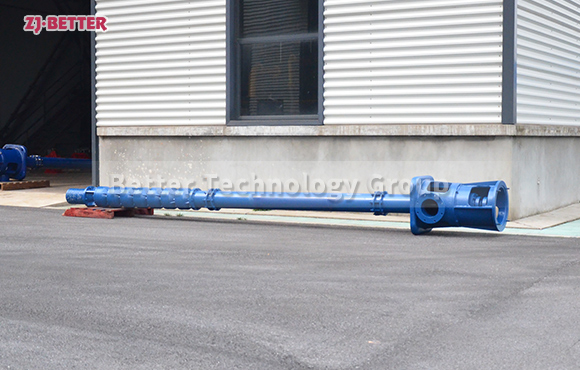
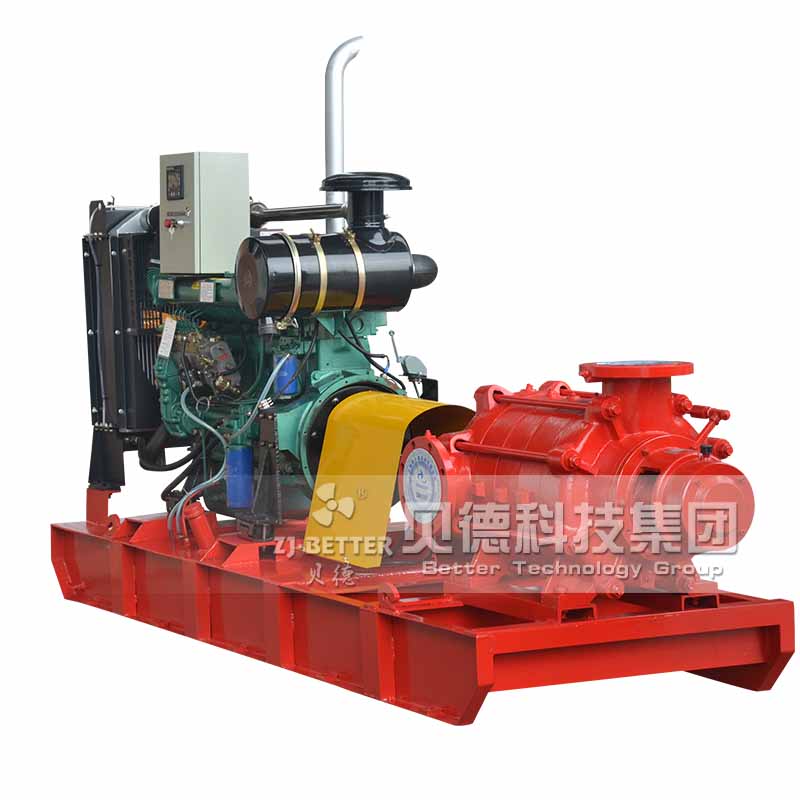
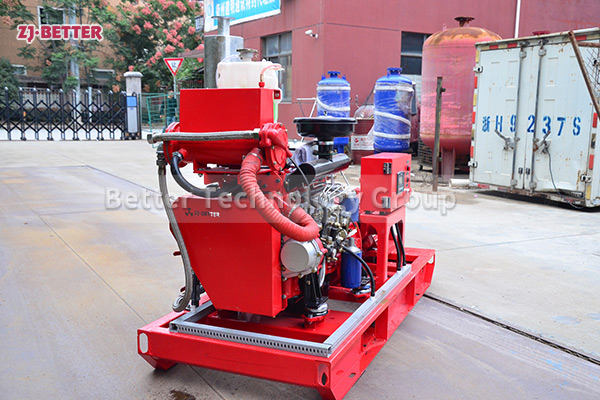
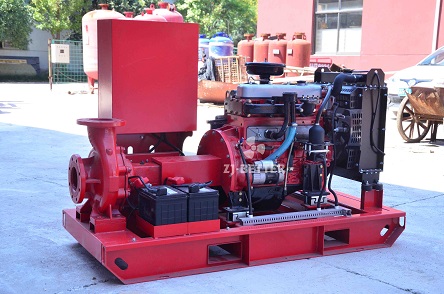
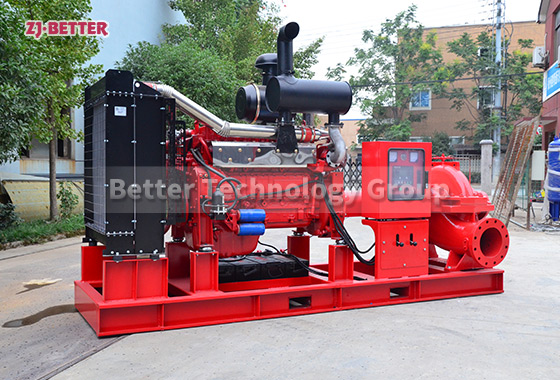
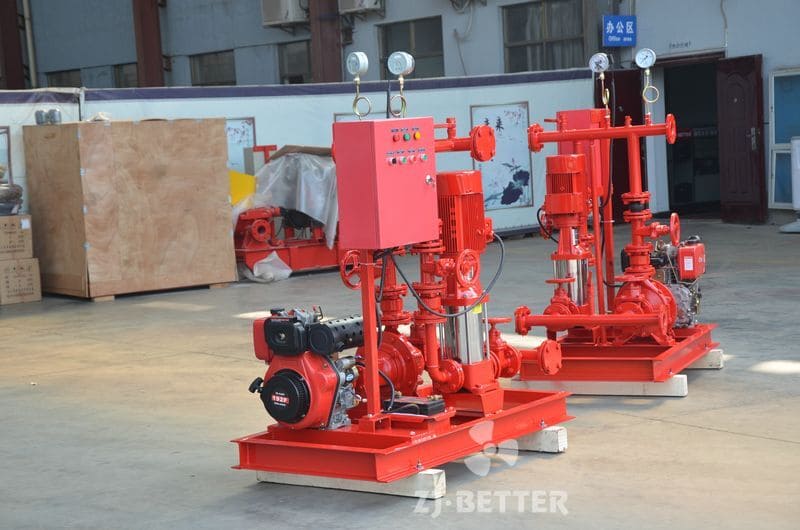
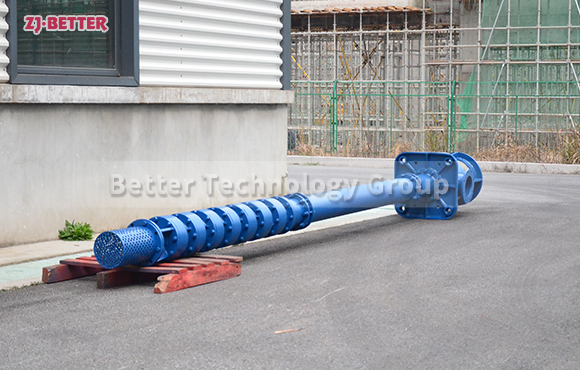
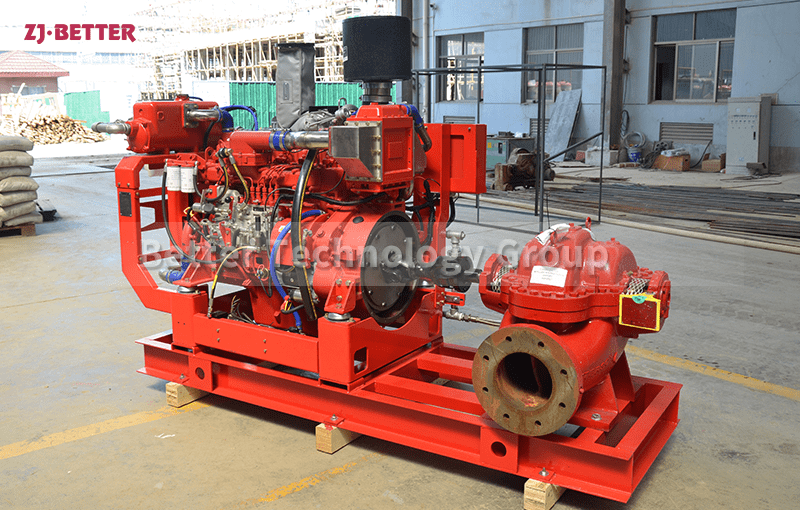
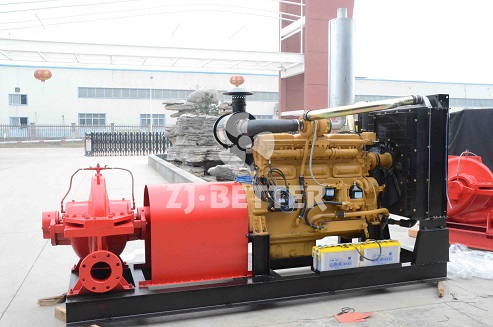
This is a group of small fire-fighting pump sets, consisting of diesel pumps and jockey pumps, suitable for emergency fire-fighting occasions such as warehouses, docks, airports, petrochemicals, power plants, liquefied gas, textiles, ships, and oil tankers.

Rated 4.8/5 based on 331 customer reviews
Share:
Content

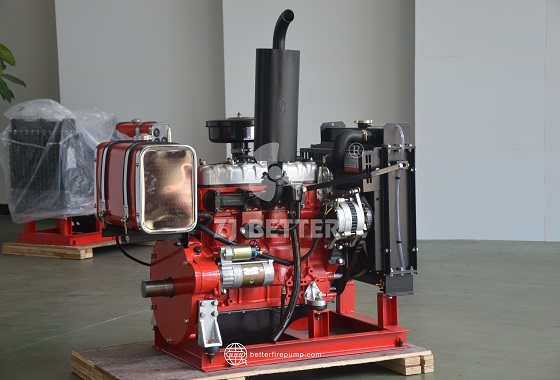
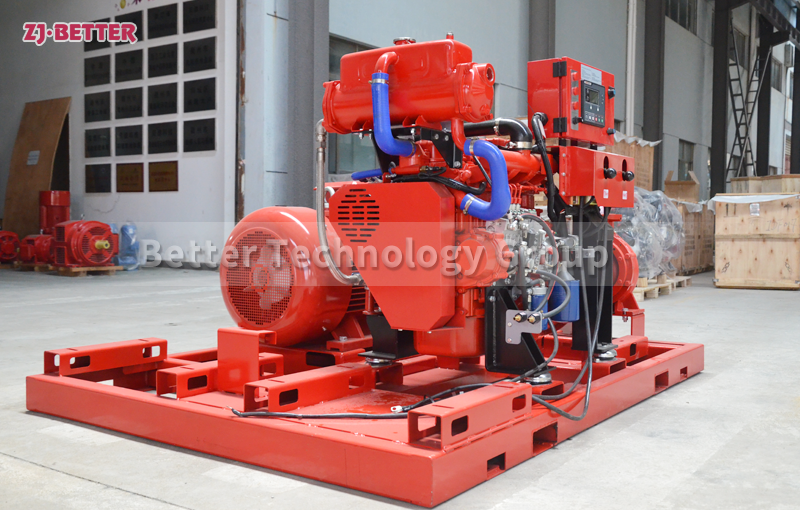
1. Diesel engine pump, can use single stage pump, horizontal split case pump, end suction pump, multistage pump, material can be cast iron, stainless steel, and bronze impeller , with fuel tank, water tank£¬fan, control box

2. Jockey pump, horizontal or vertical, capacity will be small, but head should be higher than electric and diesel engine pump
Jockey material casing :cast iron ,shaft and impeller SS304

3. Control panel: Auto Control of diesel engine pump and Jockey Pump with overload, over current protection
Inquiry


    More Diesel engine fire pump

    Operating a diesel engine fire pump efficiently can help save energy and reduce fuel consumption. Here are some practices to consider for energy-saving operation of a diesel engine fire pump:

    Proper Sizing: Ensure that the fire pump is appropriately sized for the specific application. An oversized pump can lead to excessive energy consumption. Consult with fire protection experts or engineers to determine the correct pump size based on the required flow rate and pressure for your specific needs.
    Regular Maintenance: Perform regular maintenance on the diesel engine fire pump to ensure it operates at its optimal efficiency. This includes regular inspection and cleaning of filters, lubrication of moving parts, checking and adjusting belt tension, and monitoring fuel and oil quality. Proper maintenance helps keep the engine running smoothly, reducing energy waste due to inefficiencies or malfunctions.

    Optimal Operating Speed: Operate the diesel engine fire pump at its optimal speed. Running the pump at the highest necessary speed while still meeting the required flow and pressure will minimize energy consumption. Avoid unnecessarily high engine RPMs that can result in energy wastage.

    Variable Speed Control: Consider using a pump control system with variable speed capabilities. This allows the engine to operate at different speeds based on the required demand. The system adjusts the engine speed to match the required flow and pressure, saving energy by avoiding constant operation at maximum speed.

    Automatic Shutdown: Utilize automatic shutdown features when the fire pump is not in use. This prevents unnecessary idling and reduces fuel consumption. Programmable shutdown systems can be set to turn off the engine after a specific period of inactivity.

    Efficient Water Management: Implement efficient water management practices to reduce unnecessary water usage. Properly design the fire protection system, including the layout of sprinklers and fire hydrants, to ensure water is effectively distributed only where needed. This helps minimize the demand on the fire pump, reducing energy consumption.
    Training and Awareness: Provide training to operators and firefighters on energy-saving practices and the efficient operation of the diesel engine fire pump. Promote awareness of energy conservation and encourage responsible use of the equipment. Properly trained operators can make informed decisions and take actions to optimize energy efficiency during firefighting operations.

    Energy Monitoring: Install energy monitoring systems to track and analyze the energy consumption of the diesel engine fire pump. This allows for better understanding of energy usage patterns and identifies areas for improvement. Energy monitoring systems provide valuable data to optimize operations, identify inefficiencies, and implement energy-saving strategies.

    By implementing these energy-saving practices, you can reduce fuel consumption, minimize energy waste, and operate the diesel engine fire pump in an efficient and environmentally responsible manner. Energy efficiency not only reduces operational costs but also contributes to sustainable firefighting practices.