Home » Diesel engine fire pump » Stable performance of diesel engine fire pump

Stable performance of diesel engine fire pump

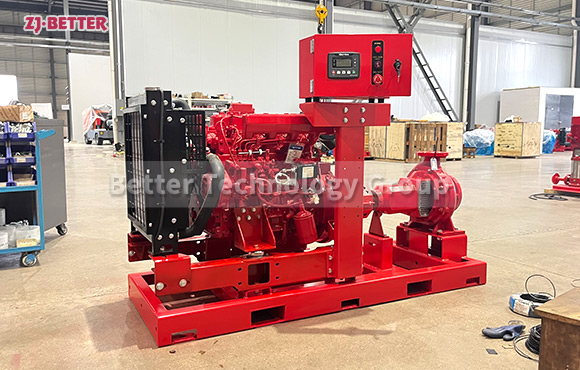
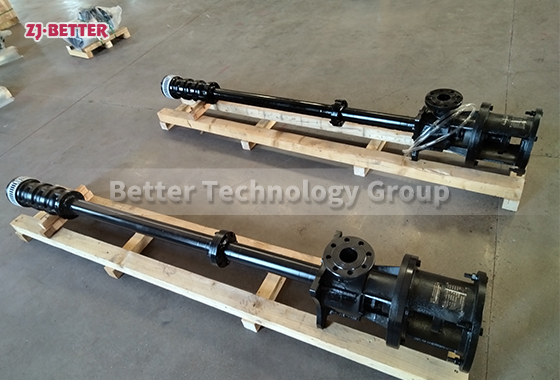
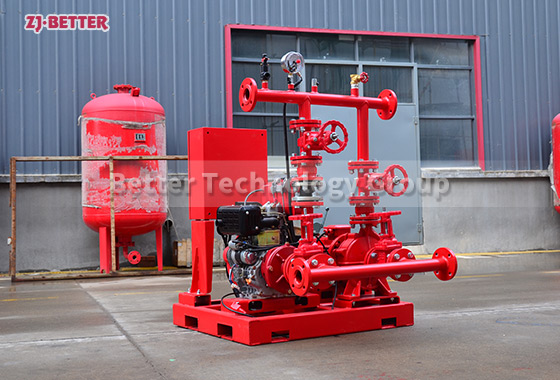
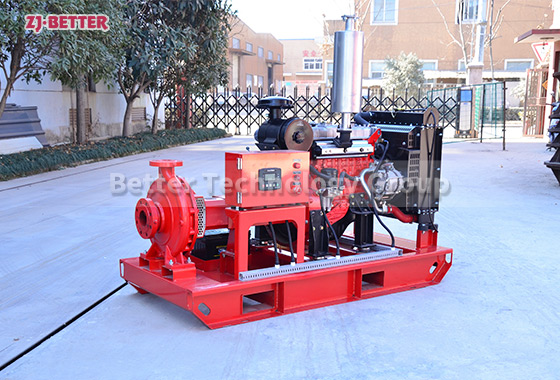
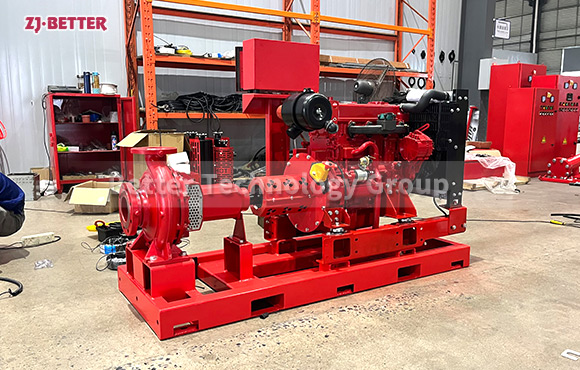
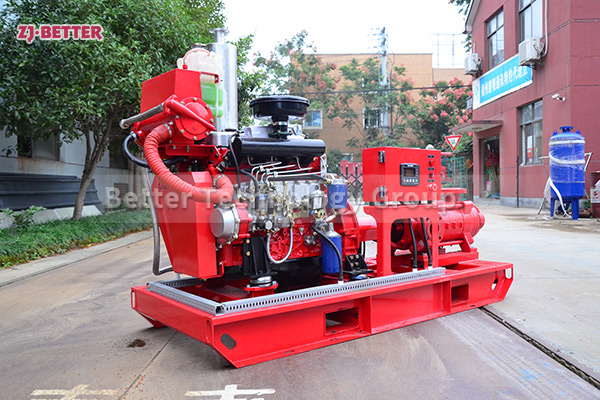
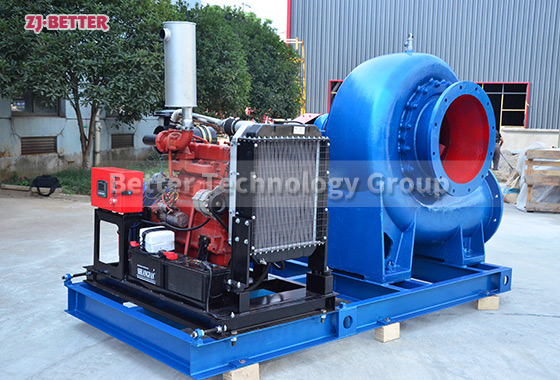
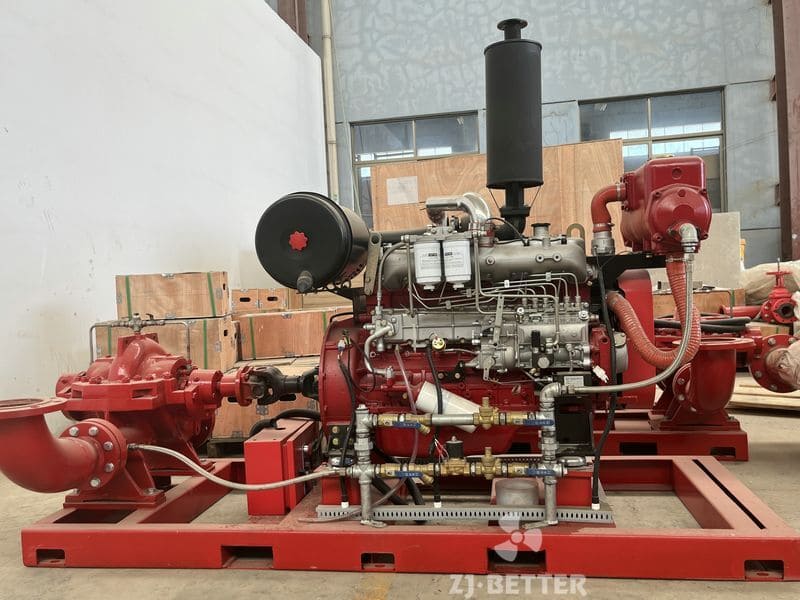
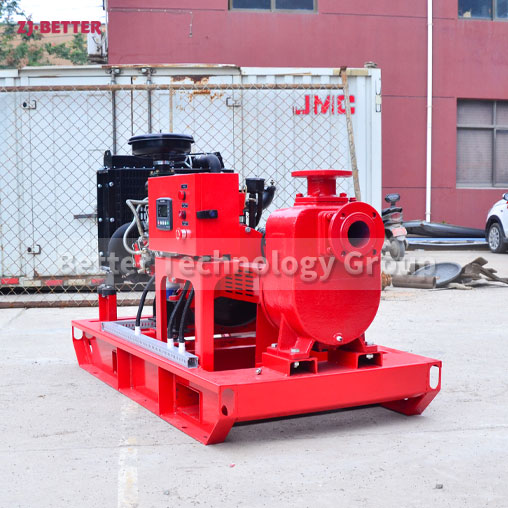
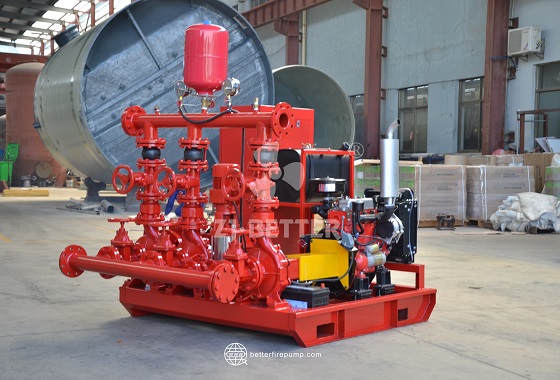
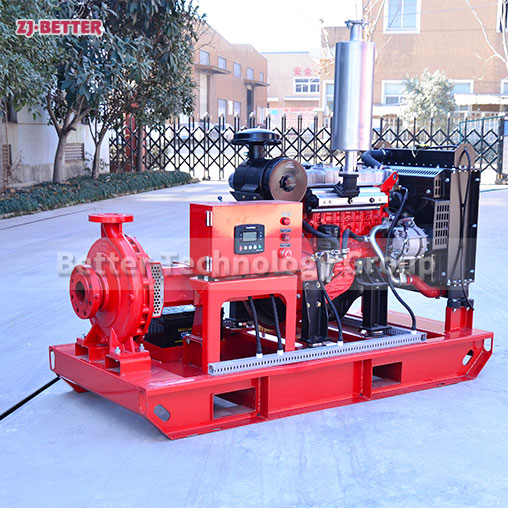
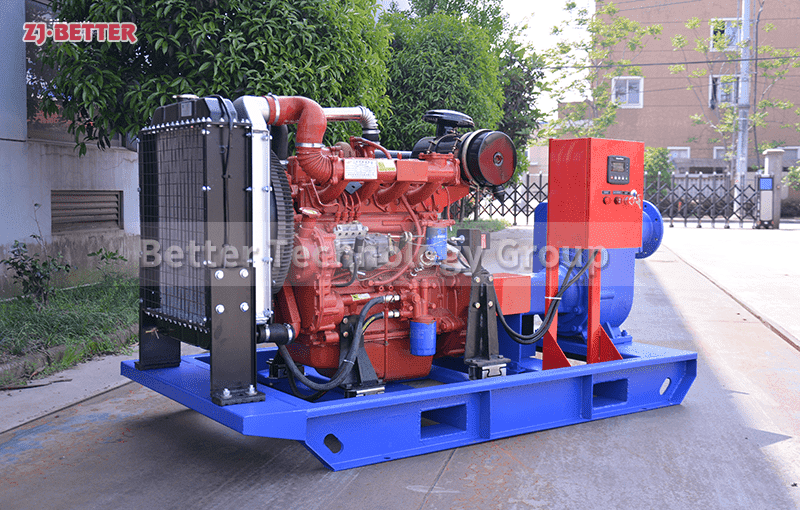
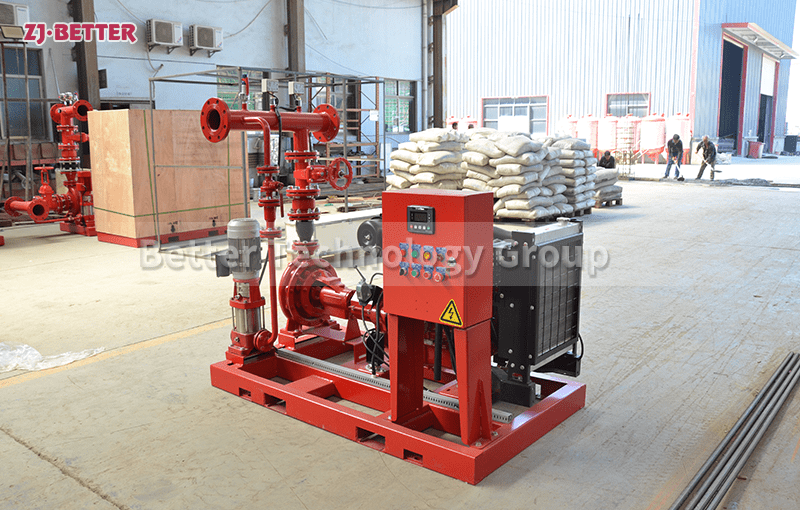
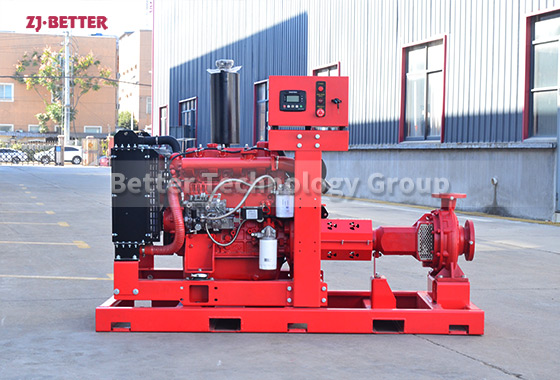
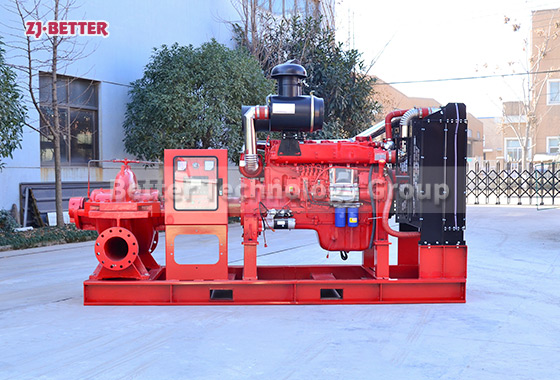
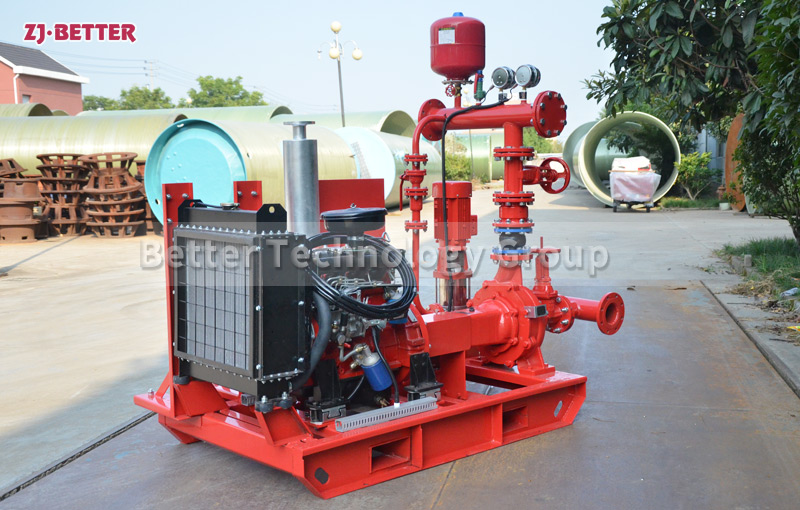
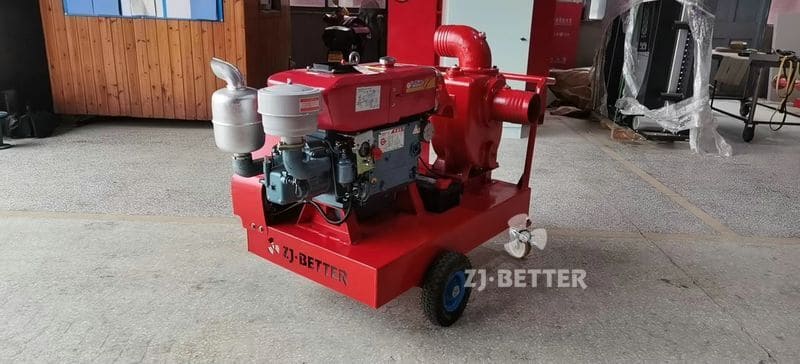
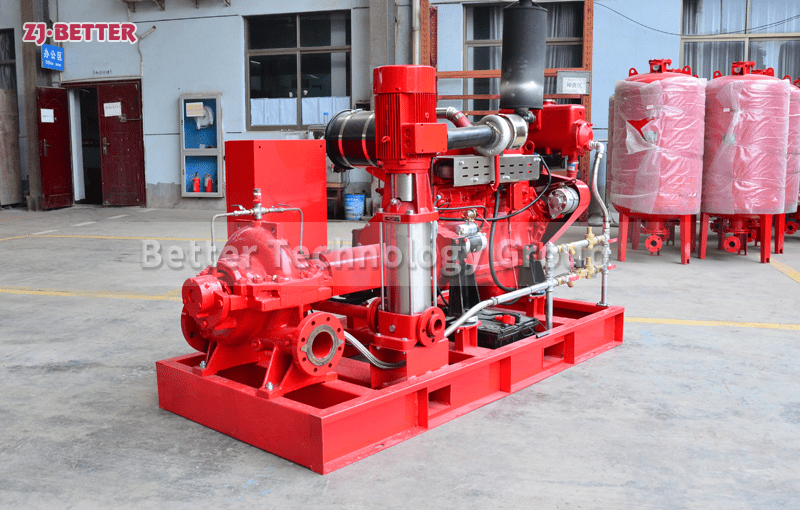
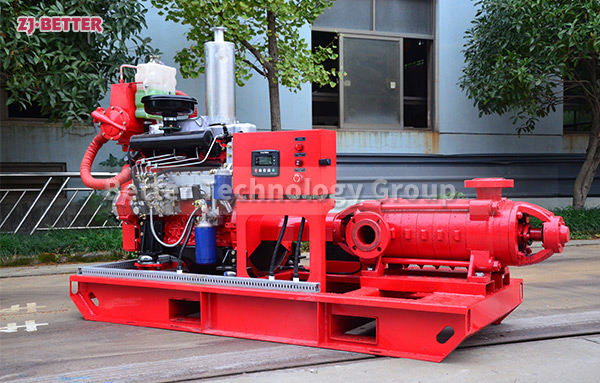
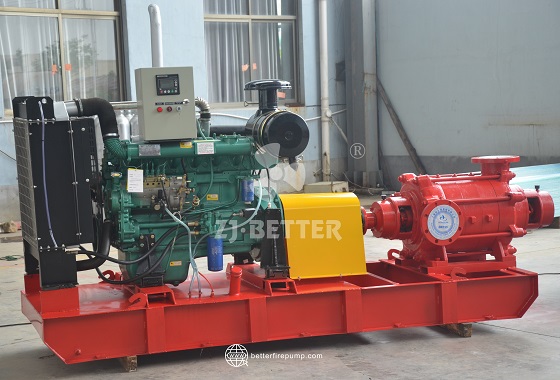
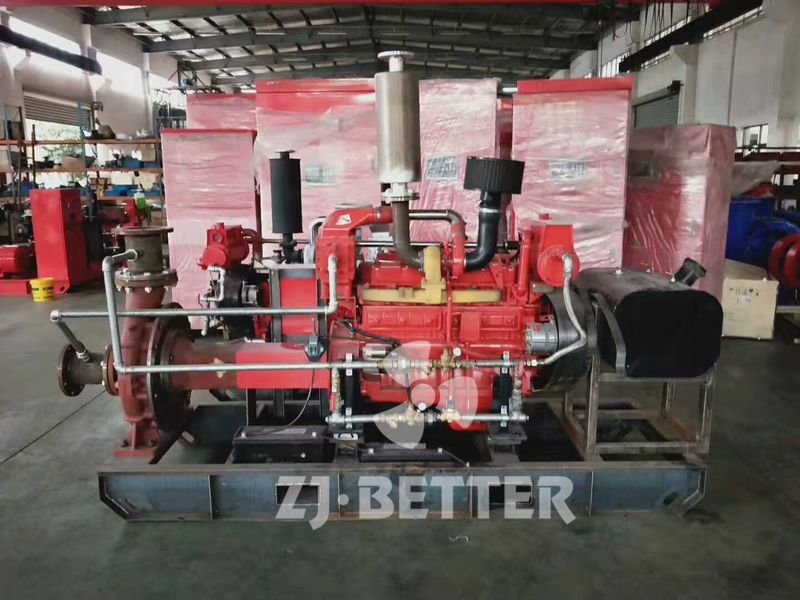
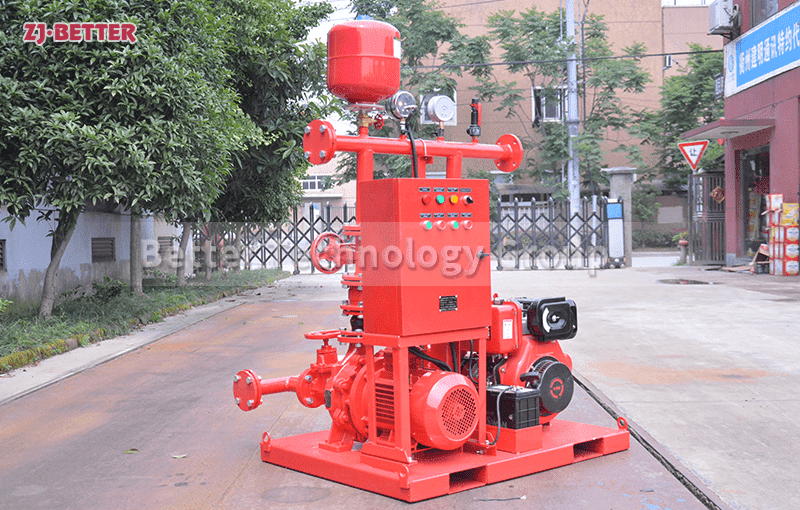
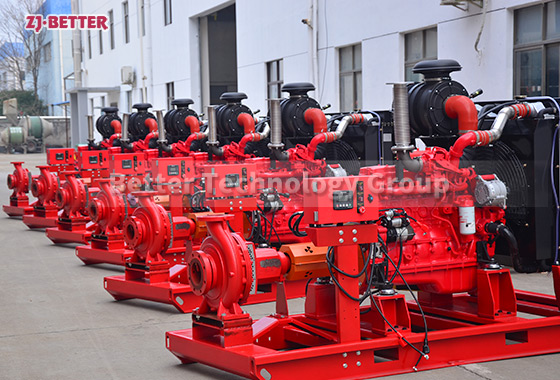
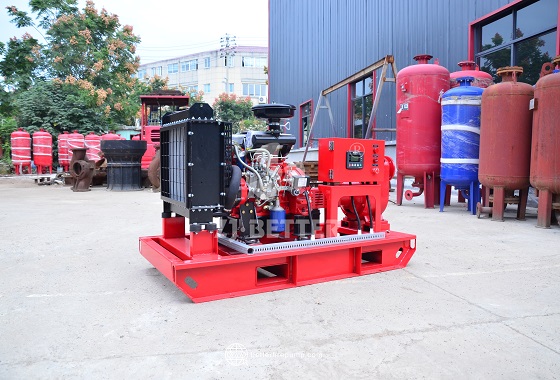
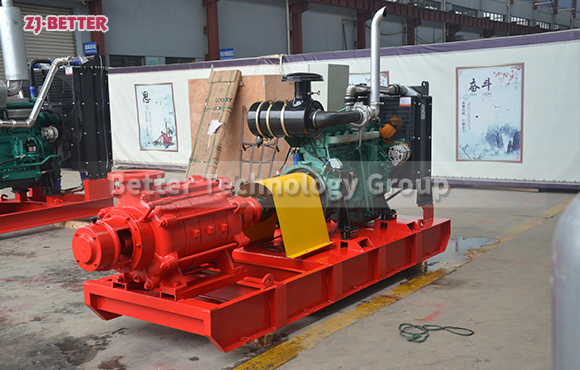
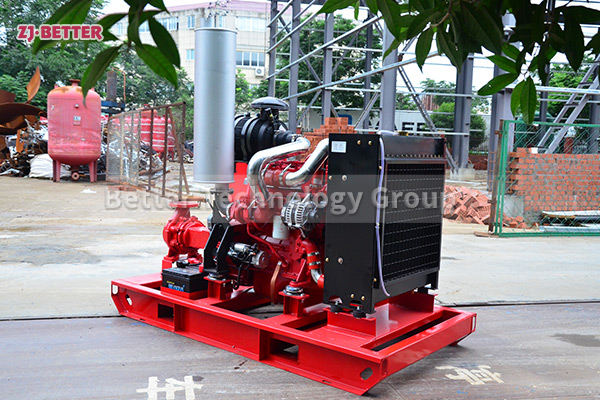
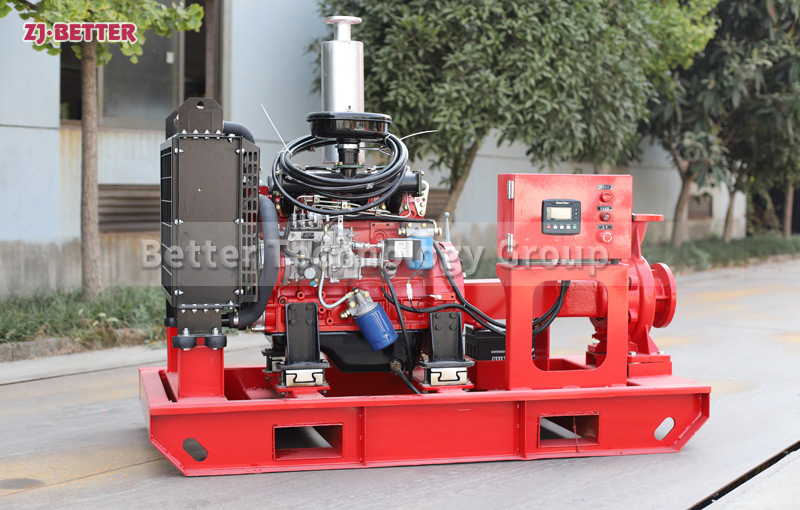
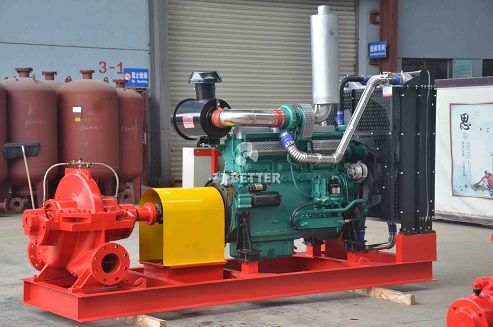
Diesel engine fire pumps can choose ductile iron and 304 stainless steel materials, which can meet various special use conditions and technical requirements of users, and diesel engine fire pumps can be matched with different brands of diesel engines to ensure stable performance and long service life of diesel engine fire pumps Long, high degree of automation.

Rated 4.9/5 based on 312 customer reviews
Share:
Content

The application of fire pumps is not only in fire protection systems, but a variety of fire pumps are gradually showing their superior strength in industrial production and urban construction. This includes the implementation and expansion of high-end technologies for industrial and urban water supply and drainage, and high-rise building underpressure water delivery.

Of course, the long-distance water delivery that we are familiar with is indispensable. These aspects that we may ignore are inseparable from the application of fire pumps. Even the heating of bathrooms and the circulation of hot and cold water in boilers depend on the assistance of fire pumps of some practical type.
Inquiry


    More Diesel engine fire pump

    Operating a diesel engine fire pump efficiently can help save energy and reduce fuel consumption. Here are some practices to consider for energy-saving operation of a diesel engine fire pump:

    Proper Sizing: Ensure that the fire pump is appropriately sized for the specific application. An oversized pump can lead to excessive energy consumption. Consult with fire protection experts or engineers to determine the correct pump size based on the required flow rate and pressure for your specific needs.

    Regular Maintenance: Perform regular maintenance on the diesel engine fire pump to ensure it operates at its optimal efficiency. This includes regular inspection and cleaning of filters, lubrication of moving parts, checking and adjusting belt tension, and monitoring fuel and oil quality. Proper maintenance helps keep the engine running smoothly, reducing energy waste due to inefficiencies or malfunctions.

    Optimal Operating Speed: Operate the diesel engine fire pump at its optimal speed. Running the pump at the highest necessary speed while still meeting the required flow and pressure will minimize energy consumption. Avoid unnecessarily high engine RPMs that can result in energy wastage.

    Variable Speed Control: Consider using a pump control system with variable speed capabilities. This allows the engine to operate at different speeds based on the required demand. The system adjusts the engine speed to match the required flow and pressure, saving energy by avoiding constant operation at maximum speed.

    Automatic Shutdown: Utilize automatic shutdown features when the fire pump is not in use. This prevents unnecessary idling and reduces fuel consumption. Programmable shutdown systems can be set to turn off the engine after a specific period of inactivity.

    Efficient Water Management: Implement efficient water management practices to reduce unnecessary water usage. Properly design the fire protection system, including the layout of sprinklers and fire hydrants, to ensure water is effectively distributed only where needed. This helps minimize the demand on the fire pump, reducing energy consumption.

    Training and Awareness: Provide training to operators and firefighters on energy-saving practices and the efficient operation of the diesel engine fire pump. Promote awareness of energy conservation and encourage responsible use of the equipment. Properly trained operators can make informed decisions and take actions to optimize energy efficiency during firefighting operations.

    Energy Monitoring: Install energy monitoring systems to track and analyze the energy consumption of the diesel engine fire pump. This allows for better understanding of energy usage patterns and identifies areas for improvement. Energy monitoring systems provide valuable data to optimize operations, identify inefficiencies, and implement energy-saving strategies.

    By implementing these energy-saving practices, you can reduce fuel consumption, minimize energy waste, and operate the diesel engine fire pump in an efficient and environmentally responsible manner. Energy efficiency not only reduces operational costs but also contributes to sustainable firefighting practices.

    The fire pump impeller plays a crucial role in the operation and performance of a fire pump. It is a key component responsible for generating the flow and pressure of water or firefighting agents. Here are the main roles and characteristics of the fire pump impeller:

    Flow Generation: The primary role of the impeller is to create the flow of water or firefighting agents within the pump. It consists of curved blades or vanes that spin rapidly when driven by the pump’s motor or engine. As the impeller rotates, it draws water into the pump and imparts energy to the fluid, causing it to move radially outward towards the pump outlet.

    Pressure Generation: The impeller also contributes to the generation of pressure within the fire pump. The curved blades of the impeller impart centrifugal force to the water, increasing its velocity. This increase in velocity is then converted into pressure as the water is directed towards the pump’s outlet. The shape and design of the impeller blades play a crucial role in optimizing pressure generation.

    Efficiency: The impeller design influences the overall efficiency of the fire pump. Efficient impeller designs are aimed at minimizing energy losses and maximizing the conversion of input power into hydraulic energy. Factors such as blade shape, size, and spacing are carefully considered to optimize the impeller’s efficiency and hydraulic performance.

    Material Selection: The impeller is typically constructed using materials that are resistant to corrosion, wear, and erosion. Common materials include bronze, stainless steel, or composite materials. The chosen material must withstand the demands of pumping water or firefighting agents, especially when operating in challenging environments.

    Impeller Trim: The impeller trim refers to the adjustment or modification of the impeller’s diameter or blade length. By changing the impeller trim, the pump’s performance characteristics, such as flow rate and pressure, can be adjusted to meet specific requirements. Trim modifications are often made during the pump’s installation or commissioning phase to optimize its performance for a given system.

    Compatibility and Performance Matching: The impeller is carefully selected to match the pump’s design, performance requirements, and system characteristics. Proper selection ensures that the impeller’s characteristics, such as flow capacity and pressure head, align with the intended application and hydraulic conditions. Matching the impeller to the pump system helps achieve optimal performance and efficiency.

    Maintenance and Inspection: The impeller requires regular inspection and maintenance to ensure its proper functioning. Over time, debris or particles may accumulate on the impeller blades, affecting its performance. Regular cleaning, inspection of blade condition, and realignment of impeller components are necessary to maintain optimal pump performance and prevent efficiency losses.

    The fire pump impeller is a critical component that contributes to the overall performance and efficiency of a fire pump system. Its role in generating flow and pressure ensures the effective delivery of water or firefighting agents to combat fires and protect lives and property. Proper design, material selection, maintenance, and performance matching are essential to maximize the impeller’s effectiveness and overall fire pump performance.