Modular Diesel Power Pack: A Flexible Engine Core for Fire Protection Systems
Discover the ZJ-Better Modular Diesel Power Unit — a compact, reliable, and customizable engine solution designed to drive fire pump systems in critical applications. Ideal for off-grid firefighting, emergency power, and industrial fire protection projects.
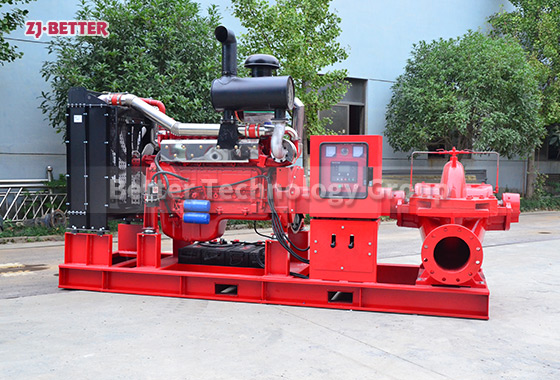
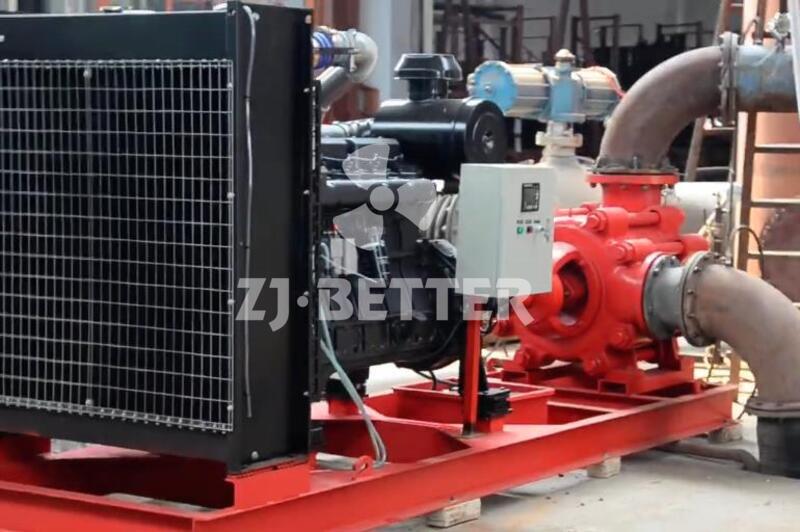
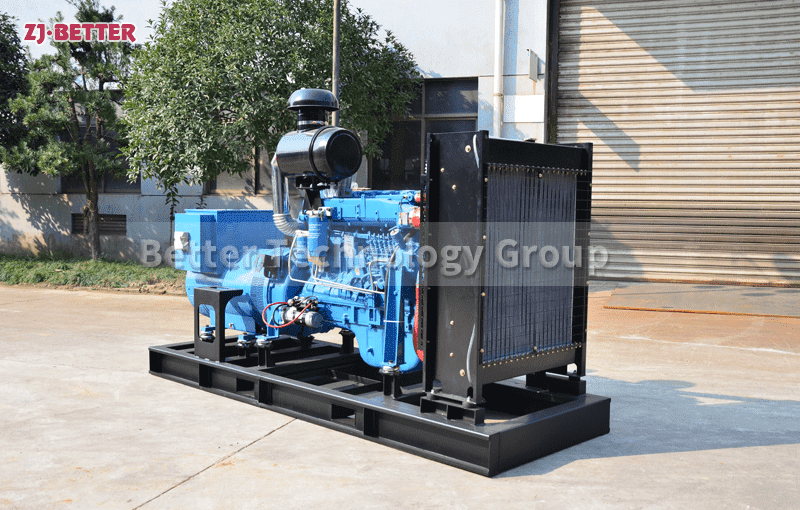
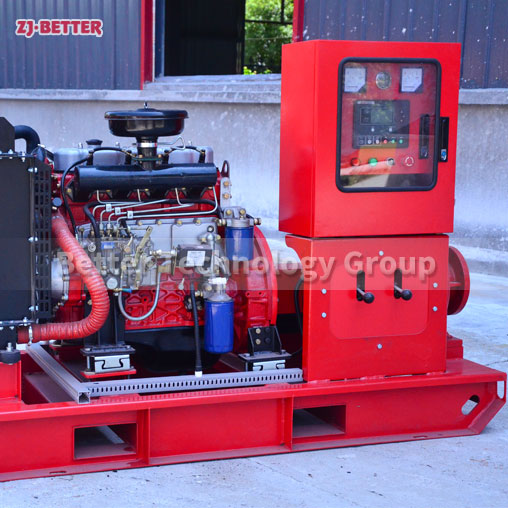
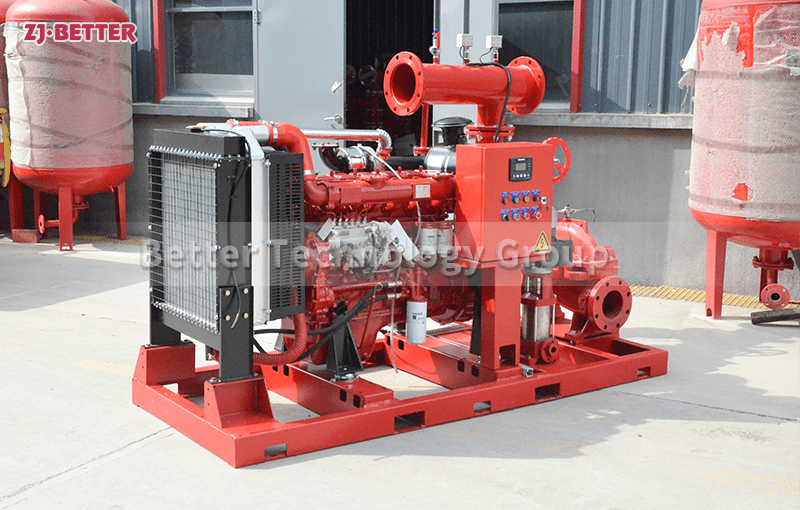
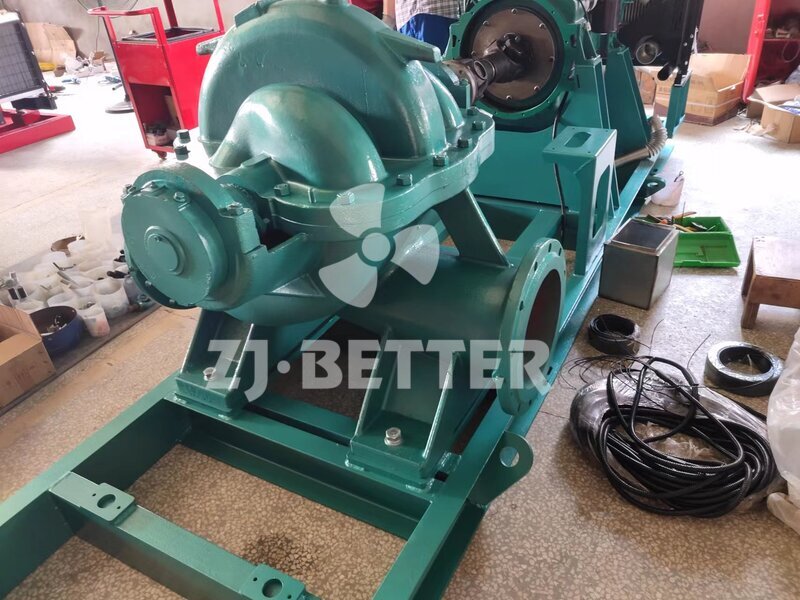
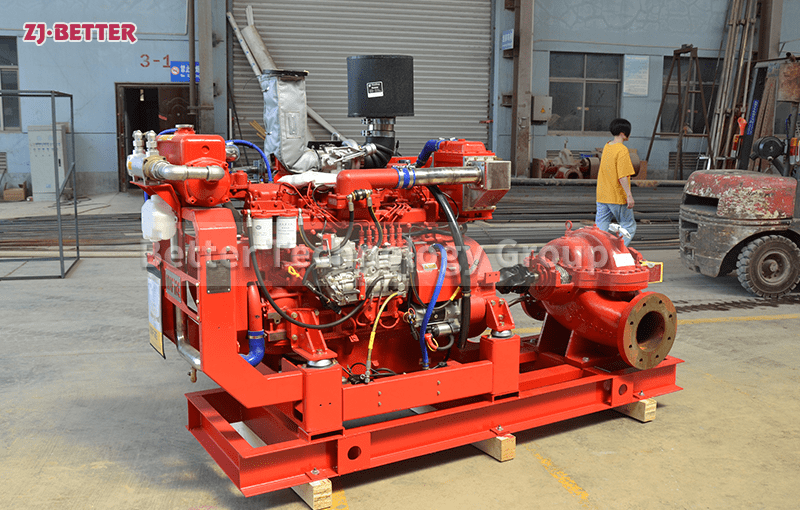
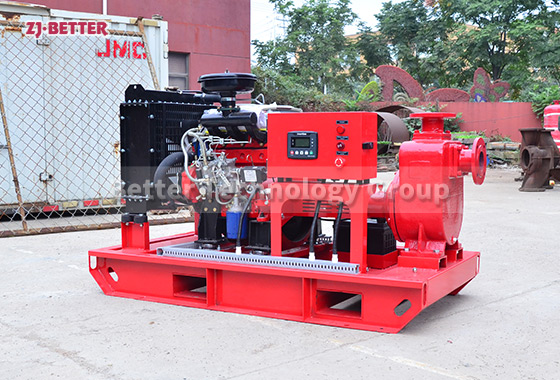
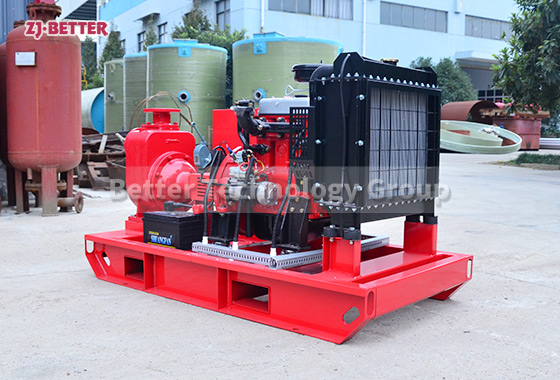
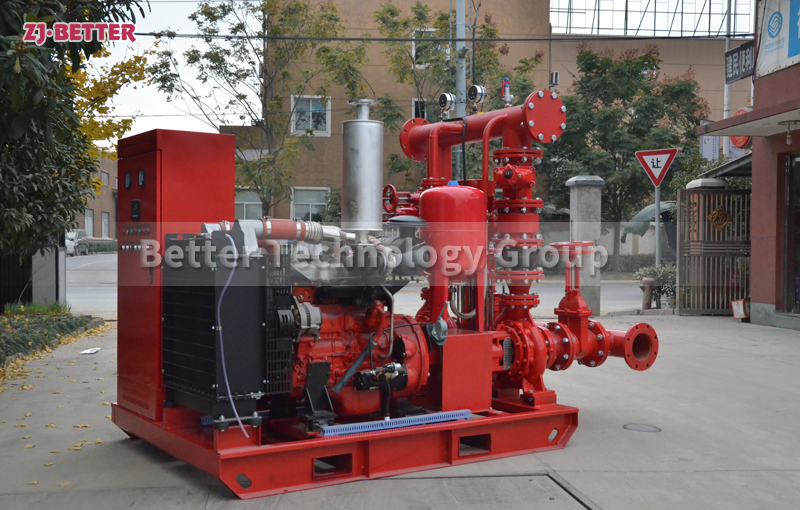
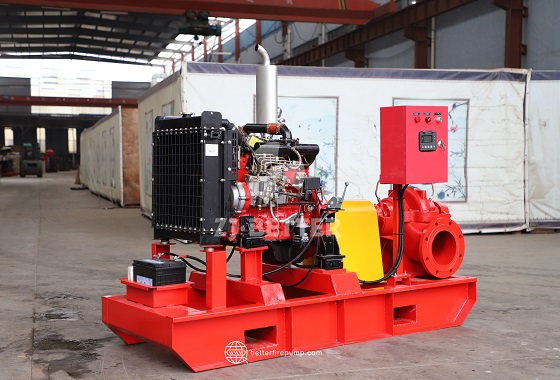
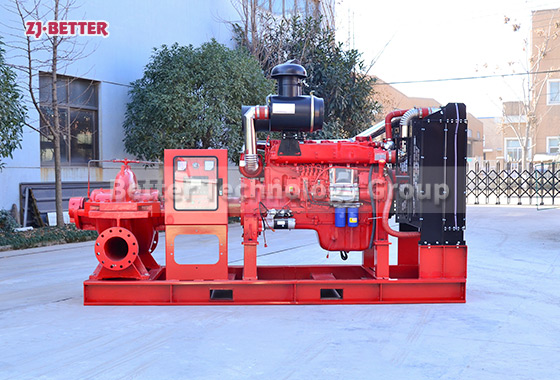
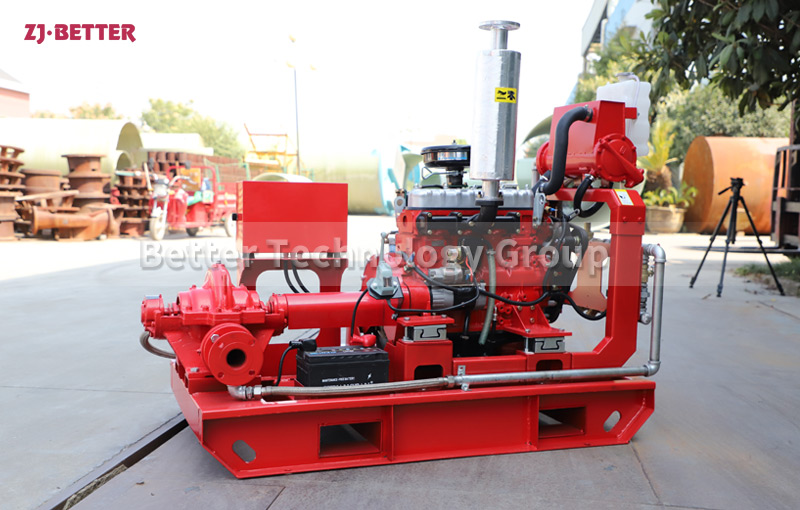
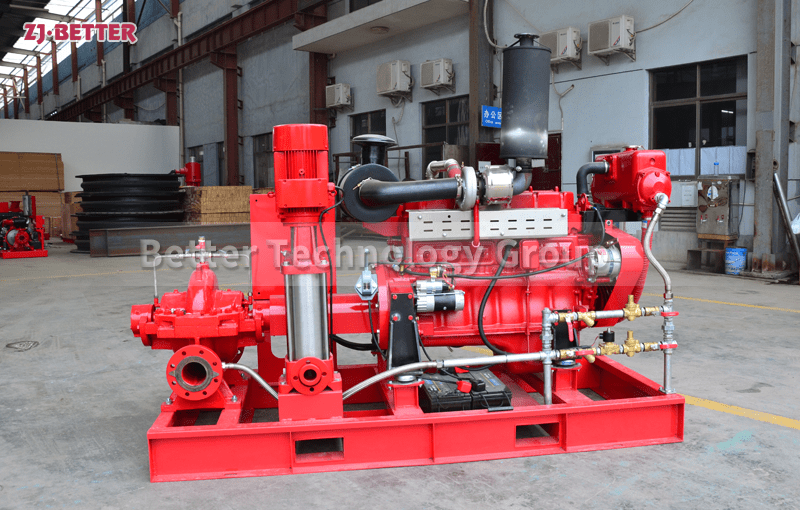
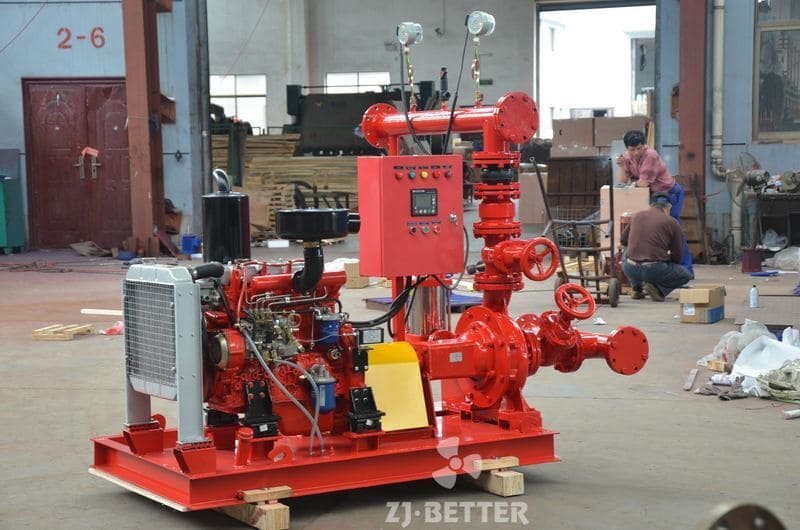
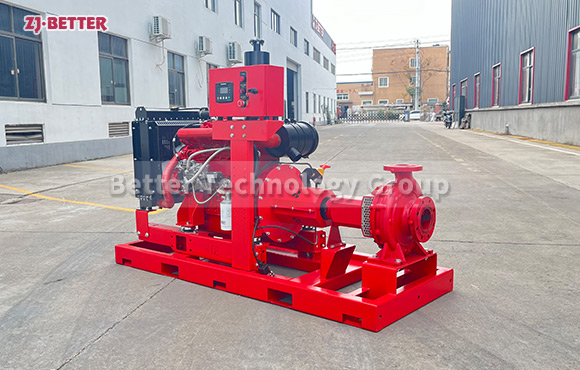
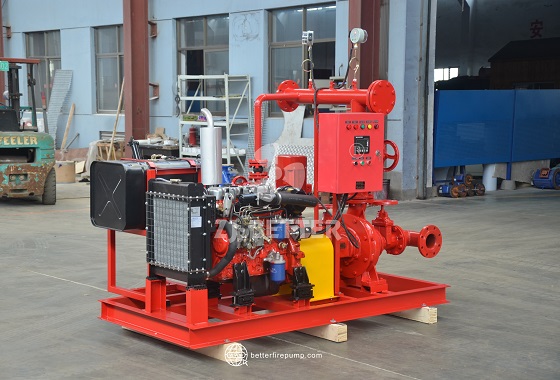
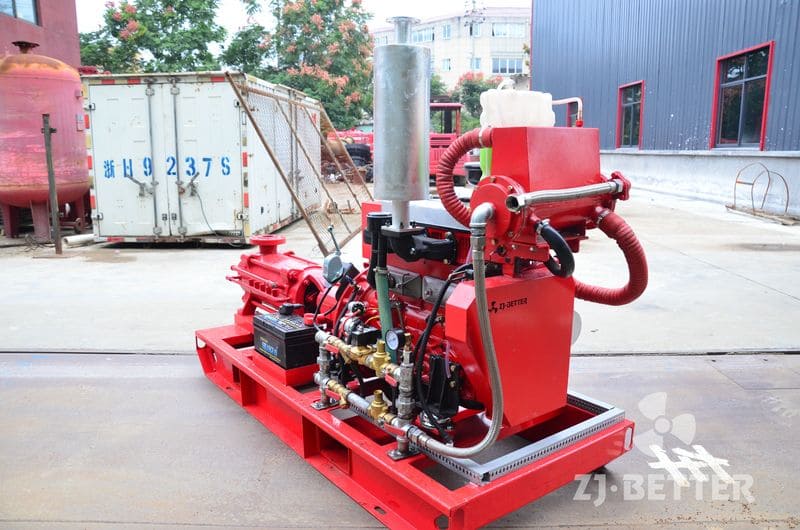
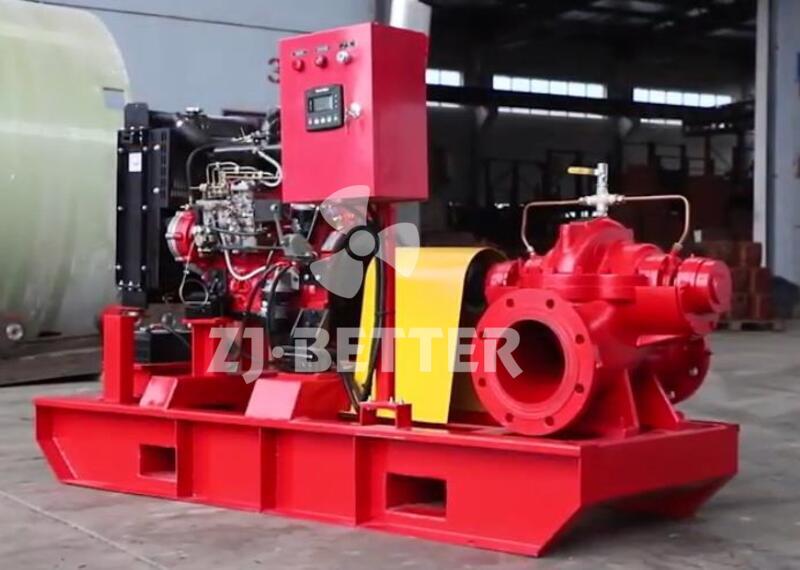
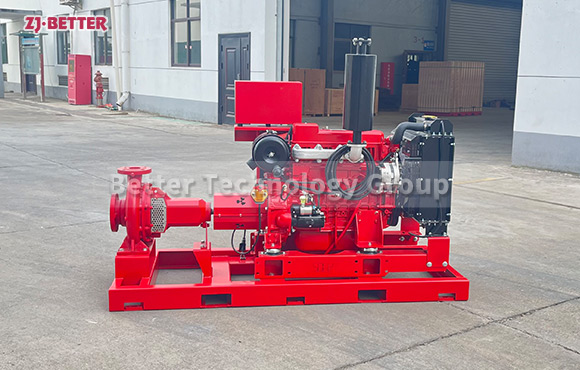
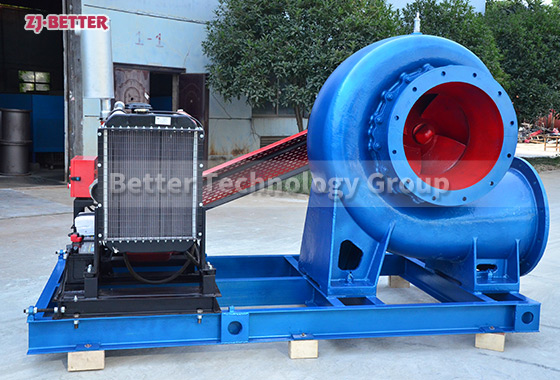
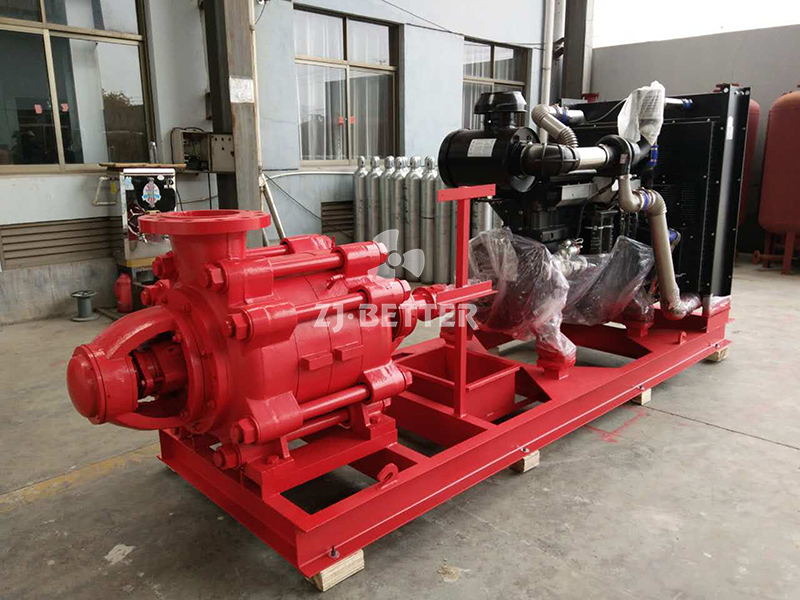
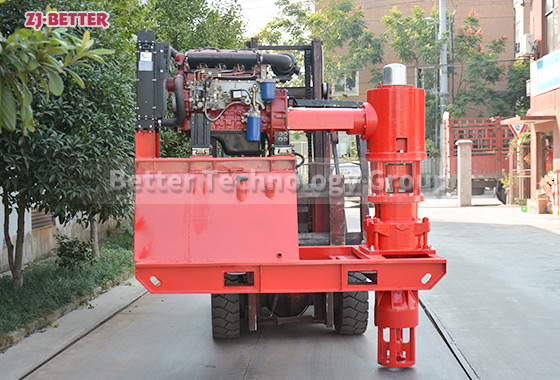
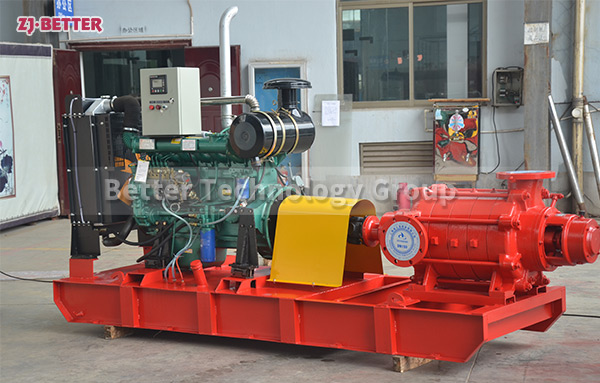
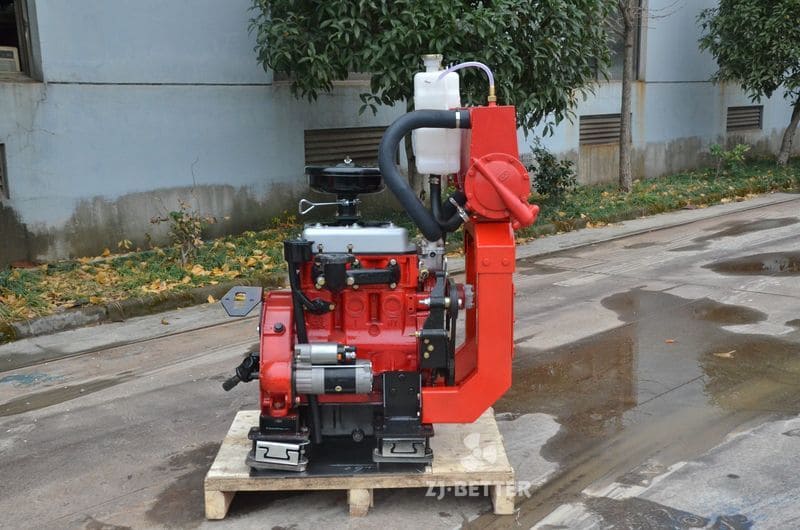
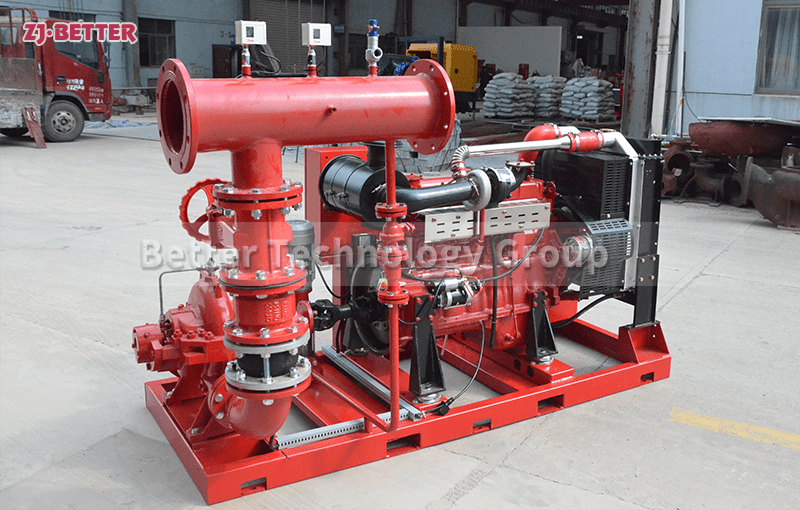
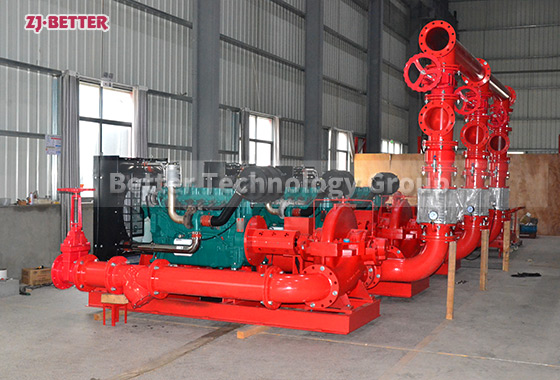
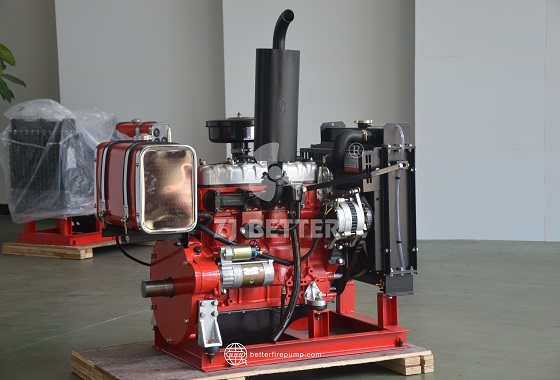
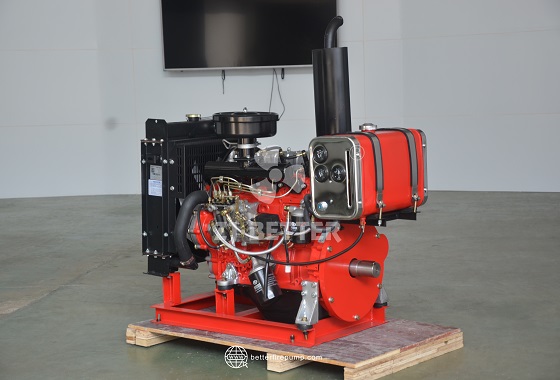
The ZJ-Better modular diesel power module is a high-efficiency, customizable, and easy-to-maintain power core solution specifically developed for fire pump systems. With its compact layout, powerful performance, and adaptability to various environments, it has become an indispensable component of modern fire protection systems. Compared to traditional electric or fixed diesel-driven systems, this modular power unit offers greater flexibility in structural design and engineering implementation. It can be quickly configured and integrated into various project sites based on spatial layout, usage requirements, and performance standards, significantly enhancing engineering adaptability and installation efficiency. The ZJ-Better modular diesel power module primarily consists of a high-performance diesel engine, heavy-duty cooling system, integrated starting control unit, exhaust and soundproofing system, fuel supply system, electrical connection module, and base mounting structure. Each component is manufactured and tested to industrial-grade standards, ensuring long-term stable operation in complex environments such as high temperatures, high humidity, dust, and vibration. The core power unit can be equipped with engines from internationally renowned brands such as Cummins, Perkins, Weichai, or Yuchai. These engines feature high torque output, low fuel consumption, and rapid start-stop capabilities, enabling them to quickly provide sufficient power to drive fire pumps at full load during emergency starts. Especially in scenarios such as power outages, main grid failures, or unstable power supply, the modular diesel power system can quickly take over the pump group’s operation, achieving zero-delay emergency response. ZJ-Better has fully considered the differences in engineering environments for various users during product development, ensuring that the modular power system has excellent scalability and compatibility. Users can freely select and match the appropriate power unit based on different fire pump head, flow rate, and power requirements, and can choose from multiple starting methods such as electric start, air start, or manual auxiliary start. Additionally, users can configure self-priming auxiliary modules, explosion-proof configurations, automatic heating devices, and more to adapt to special conditions such as cold regions, high-altitude low-oxygen environments, or flammable and explosive environments. All modular systems undergo assembly testing and simulated operational testing before shipment, ensuring they can be directly connected to fire pumps upon arrival at the site, thereby maximizing installation and commissioning efficiency. In terms of structural design, the diesel power module uses a compact steel base as the carrier. The entire power unit is fixed to a vibration-damping base, featuring high strength, corrosion resistance, and rust prevention. The base includes lifting holes and anchor points for easy indoor or outdoor installation. The power system is equipped with a high-efficiency aluminum alloy cooler combined with a forced air cooling fan, ensuring the engine maintains an ideal operating temperature even during prolonged continuous operation. The large-capacity fuel tank features a double-layer leak-proof structure, with built-in fuel filtration and fuel level monitoring devices, providing extended runtime capability while effectively preventing fuel line blockages and fuel contamination-related failures. In terms of control, ZJ-Better provides a smart control box or PLC control panel for the modular diesel power system, featuring one-button start/stop, real-time RPM monitoring, water temperature and oil pressure alarms, remote signal output, and fault self-diagnosis functions. It also supports integration with fire control systems or BMS systems for remote operation and real-time status monitoring. The control box supports multi-language display and parameter settings, with an intuitive, user-friendly interface. Maintenance personnel can quickly identify operational status and fault sources, enhancing the system’s maintenance efficiency and operational safety. Additionally, the system is equipped with multiple safety protection mechanisms, including an emergency shutdown button, overload protection, oil pressure protection, water temperature alarms, and overspeed shutdown, ensuring the safety and reliability of the fire pump during emergency starts and prolonged operation. In terms of operational stability, the ZJ-Better modular diesel power system features extremely low vibration levels and operational noise. Through optimized cylinder structure, intake and exhaust systems, and muffler design, operational noise is significantly reduced, providing users with a quieter and more environmentally friendly power support solution, particularly suitable for noise-sensitive building projects such as hospitals, office buildings, and high-end residential areas. From a maintenance perspective, the modular system features a clear structure and rational component layout, with all wear-prone components positioned in easily accessible and replaceable locations. It offers extended maintenance intervals and high standardization of spare parts. ZJ-Better also provides users with comprehensive maintenance manuals and video guidance services, and supports on-demand localized maintenance teams for on-site service, ensuring worry-free use for customers. In terms of environmental standards, the ZJ-Better diesel modular power system can be configured with different emission levels according to the regulatory requirements of export regions, facilitating entry into international markets such as Europe, the Middle East, Southeast Asia, and Africa. Currently, this product is widely applied in critical fire protection scenarios such as high-rise buildings, industrial zones, warehousing and logistics parks, tunnel transportation, petrochemical facilities, aviation infrastructure, and government projects, demonstrating outstanding performance in actual operation and receiving consistent praise from domestic and international users. Overall, the ZJ-Better modular diesel power module, with its highly integrated, flexible, quick-starting, stable, and safe intelligent technical advantages, has become an indispensable power core component in modern high-performance fire pump systems. It is not only suitable for high-standard configurations in new projects but can also serve as an upgrade replacement solution for older systems, providing users with more efficient, safer, and more reliable fire emergency power solutions. It is your ideal choice for achieving high-standard fire design and reliable operation in engineering projects. Choosing the ZJ-Better modular diesel power module means selecting high-quality emergency power protection and international leading industrial fire protection standards, ensuring the safety and reliability of your fire protection system.