Home » Diesel engine fire pump » Unleashing Firefighting Potential: Diesel Engine + Flow-Mixing Pump

Unleashing Firefighting Potential: Diesel Engine + Flow-Mixing Pump

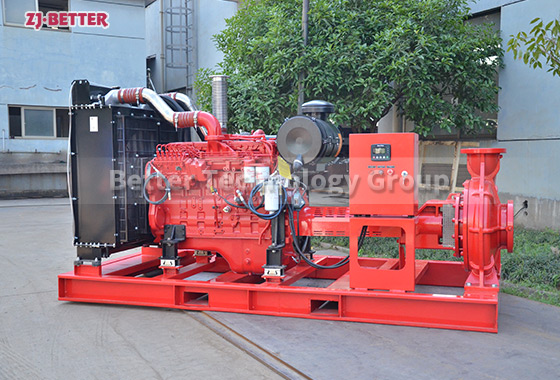
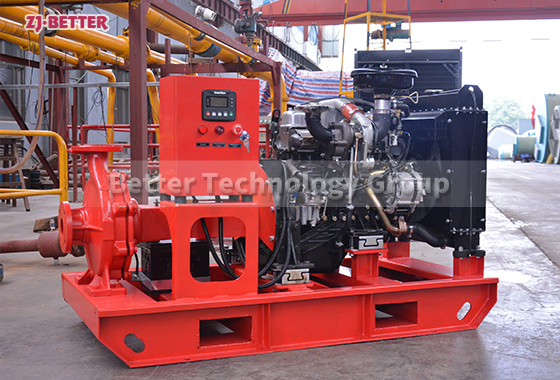
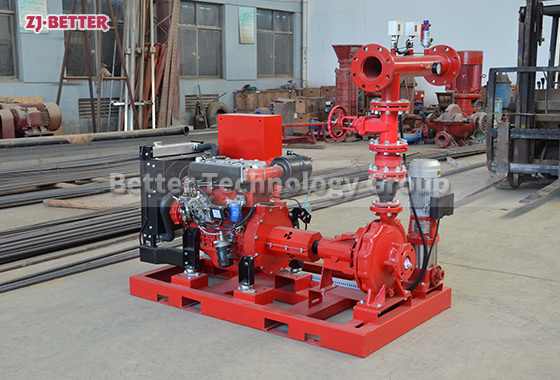
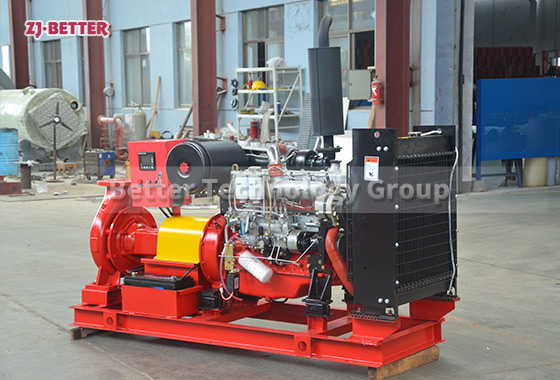
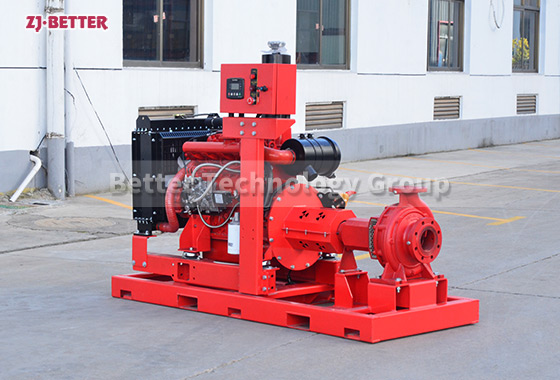
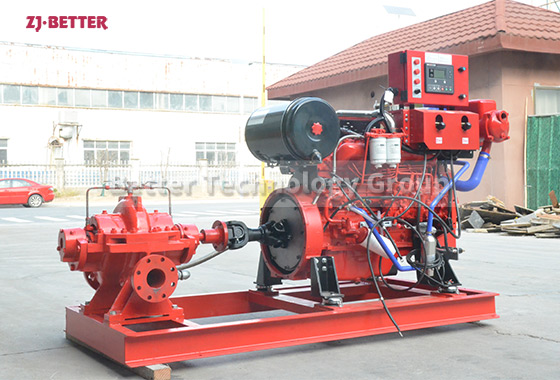
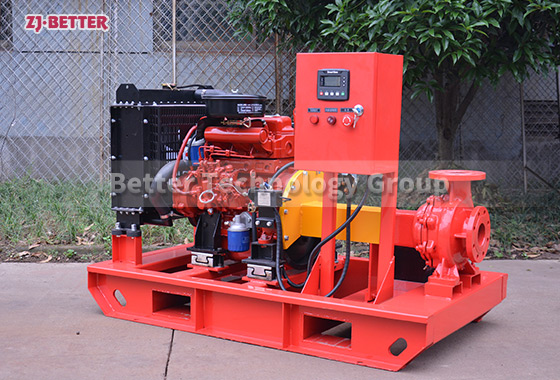
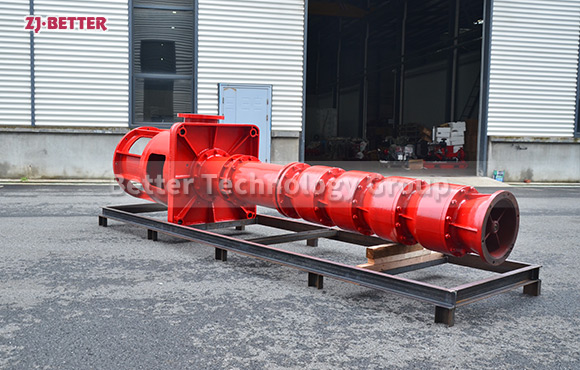
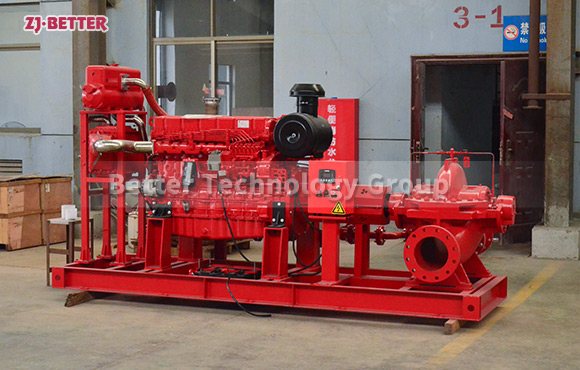
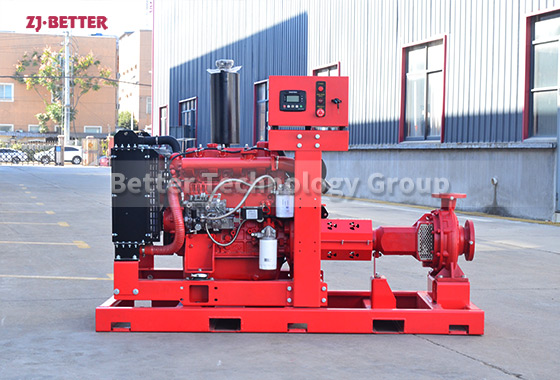
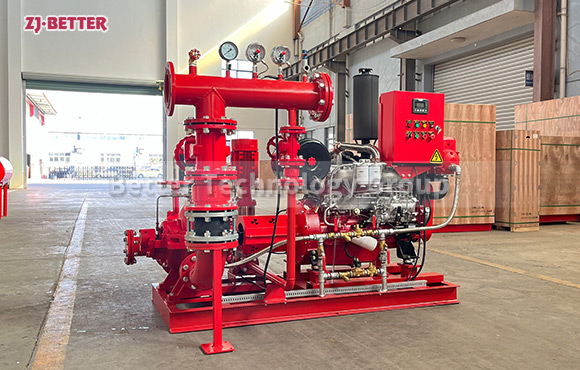
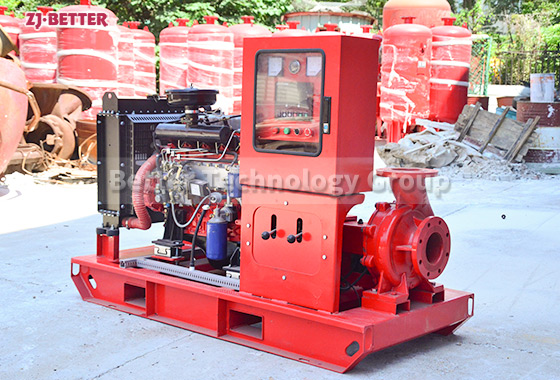
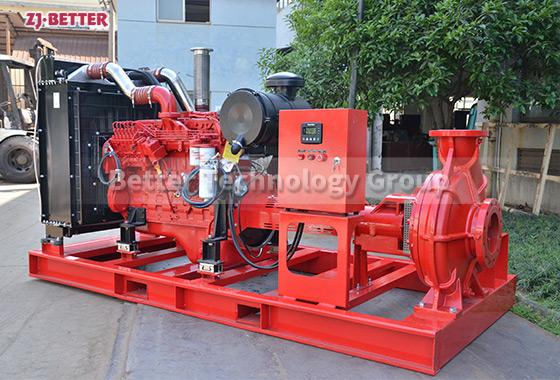
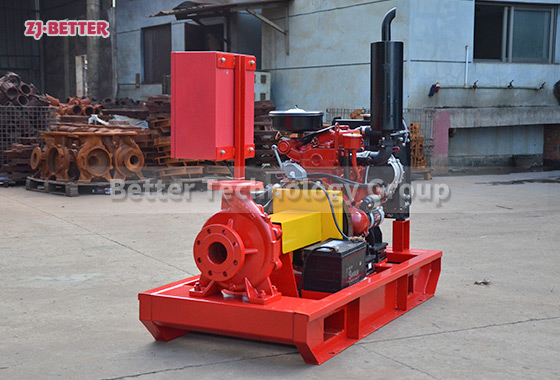
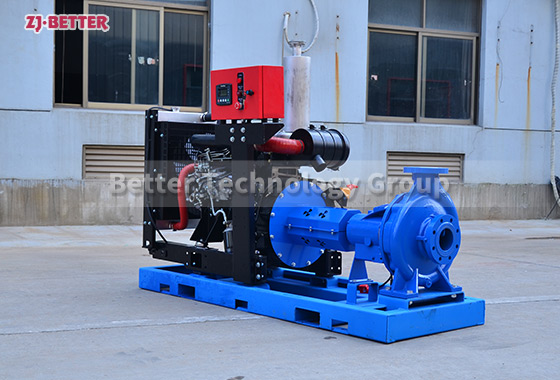
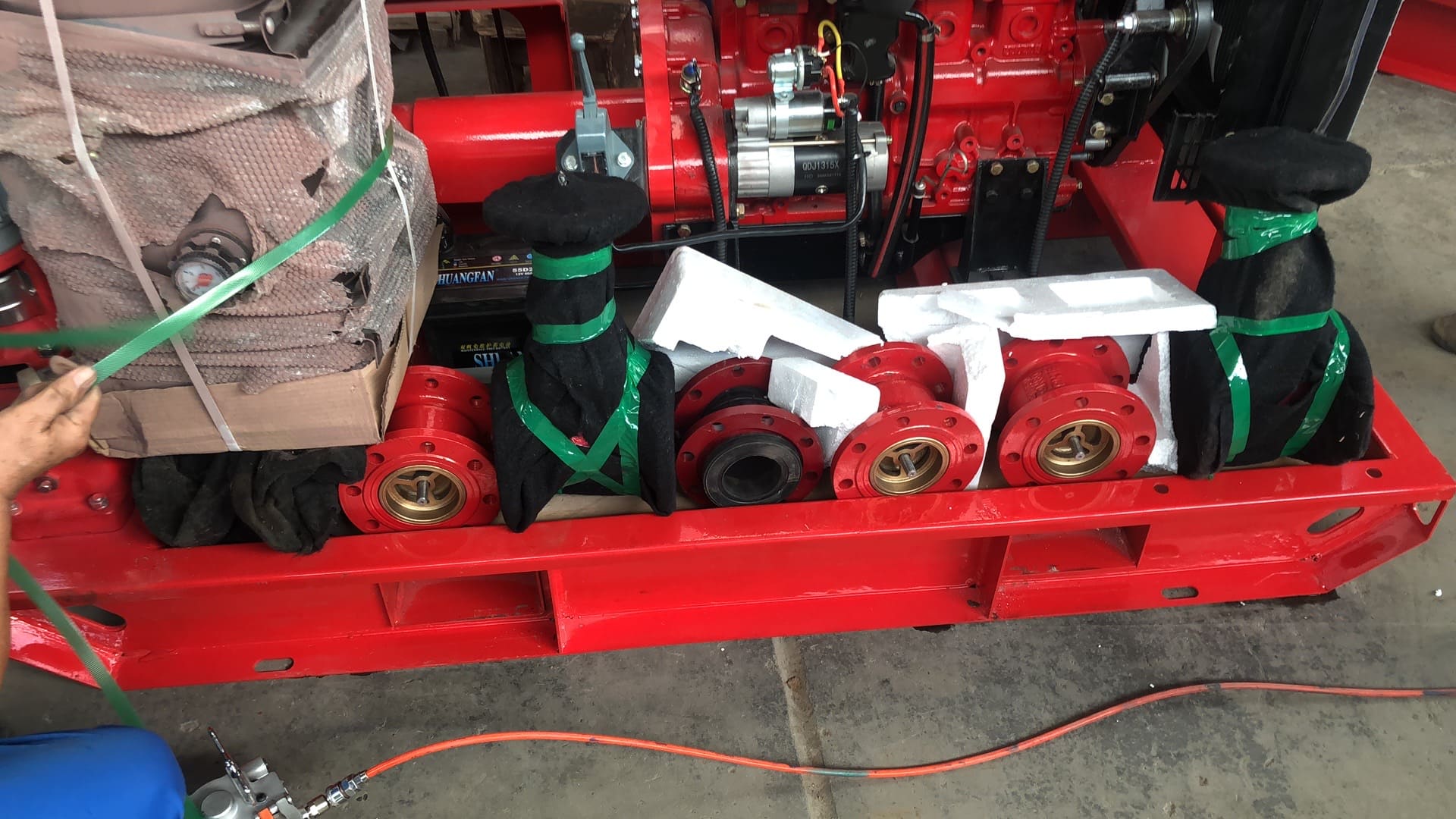
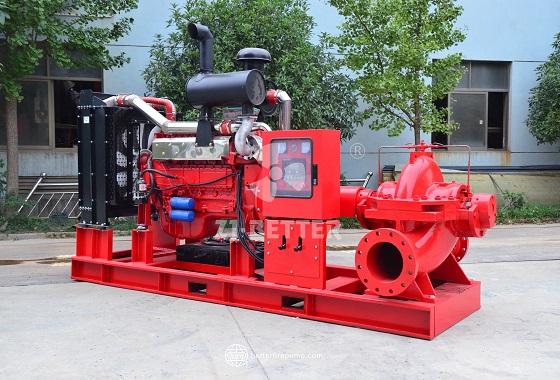
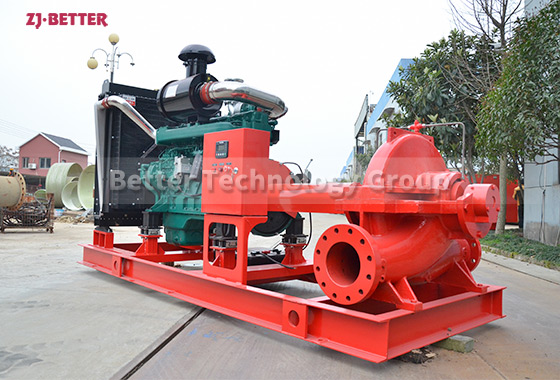
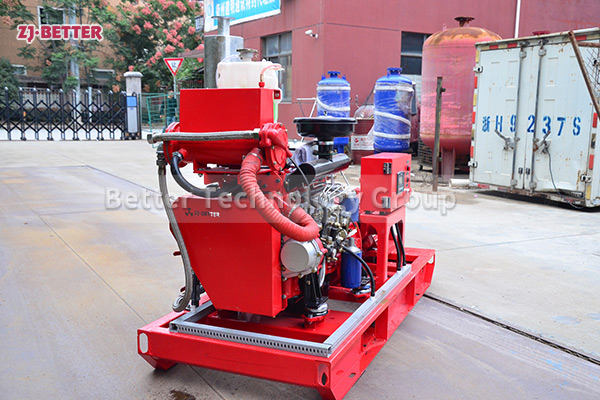
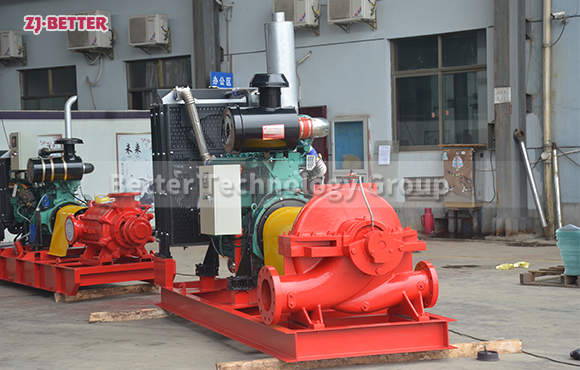
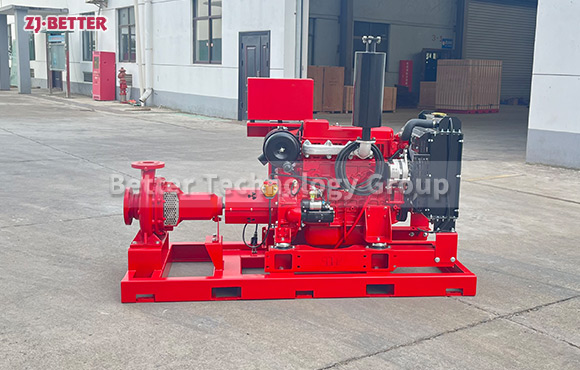
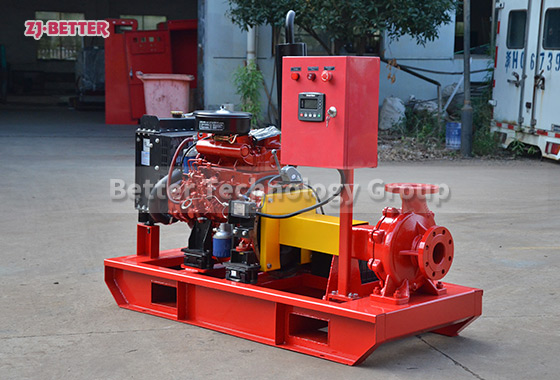
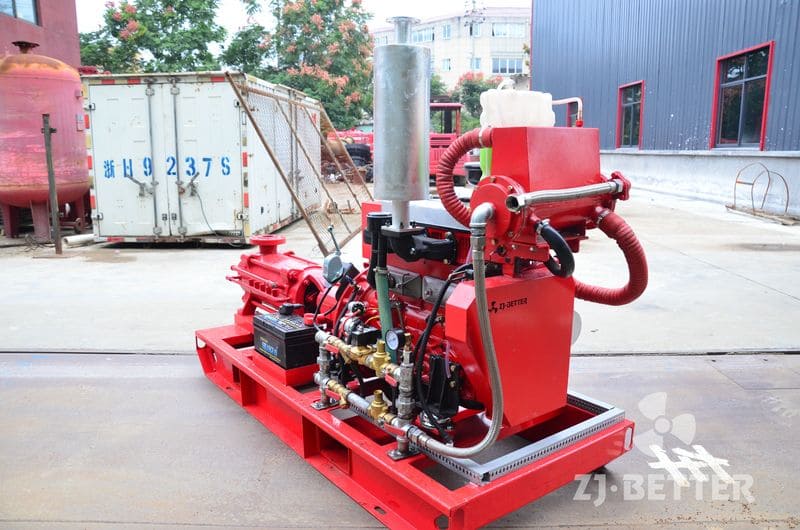
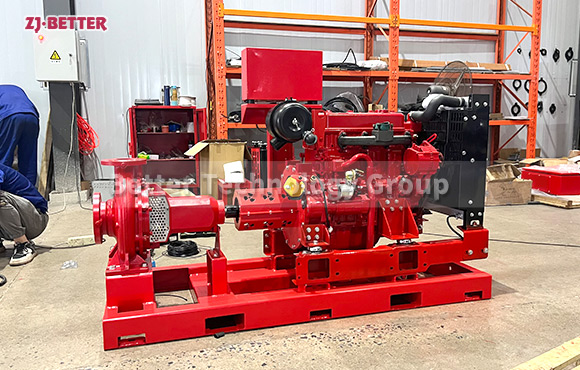
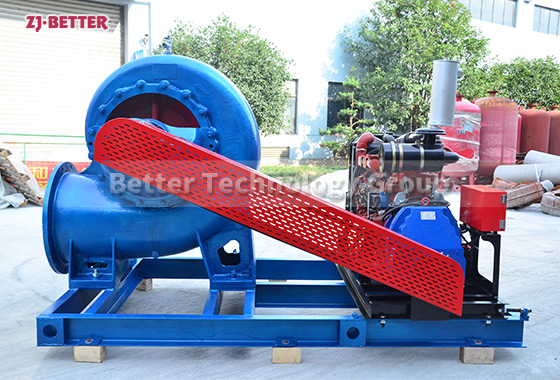
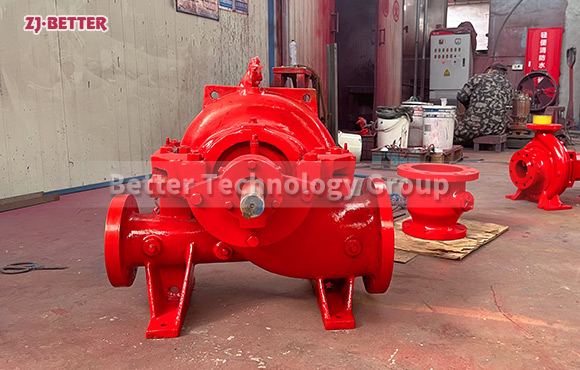
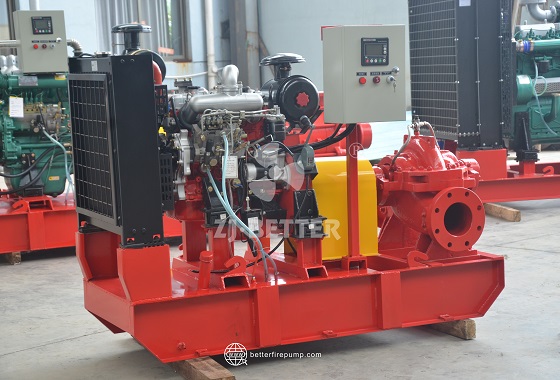
The Diesel Engine with Mixed Flow Pump is an advanced firefighting and rescue equipment. This combination consists of a robust diesel engine and an efficient mixed flow pump, offering advantages such as independent power supply, high performance, agile mobility, versatility, and cost-effectiveness. During sudden fire emergencies, the Diesel Engine with Mixed Flow Pump operates autonomously, requiring no external power source, and rapidly provides a substantial water supply to minimize fire damage. Its exceptional mobility allows firefighters to swiftly transition and address ever-changing disaster scenarios. It is suitable for various environments, especially in areas with unstable power supply, where it maintains its peak efficiency. Moreover, this equipment is cost-effective, easy to maintain, and offers long-lasting firefighting assurance.

Rated 4.8/5 based on 438 customer reviews
Share:
Content

Fire disasters strike with sudden and overwhelming force, making it our solemn duty to be prepared. In these critical moments, the Diesel Engine with Mixed Flow Pump emerges as a star performer in the realm of firefighting. This remarkable combination brings together the power of a robust diesel engine and the efficiency of a mixed flow pump, providing an unbeatable rescue duo. Let’s explore the outstanding advantages of this product, ensuring the safety and protection of your home.


  1. Agile and Responsive – The First Step in Crisis

The Diesel Engine with Mixed Flow Pump features independent power supply capabilities, eliminating the reliance on external electricity. Even during power outages, this firefighting pump can operate autonomously, ensuring a continuous water source for swift response and containing fires at the initial stage, thus minimizing potential losses.

  1. High Efficiency – Rapid Response to Emergencies

The high power and broad speed range of the diesel engine enable the mixed flow pump to operate efficiently, delivering an impressive water flow rate to the fire scene. As a highly efficient and high-flow pump, its response speed and water delivery efficiency are second to none. In critical moments, every second counts, and this high-performing firefighting pump ensures the fastest possible rescue, safeguarding your loved ones and property.

  1. Emergency Mobility – Seamless Transitions

Often mounted on mobile vehicles or chassis, the Diesel Engine with Mixed Flow Pump boasts exceptional maneuverability. Firefighters can swiftly transport the pump to the fire scene, overcoming any logistical challenges. Whether fires occur in urban or remote areas, this pump remains agile, ensuring relentless and efficient firefighting operations.

  1. Versatility – Comprehensive Protection for All

The strength of the Diesel Engine with Mixed Flow Pump lies in its adaptability to diverse situations. Suitable for various environments, especially in remote areas, or places with unstable power supply, it maintains peak performance. Whether facing forest fires, building incidents, or any unforeseen emergencies, it stands as the ultimate guardian of your home!
Inquiry


    More Diesel engine fire pump

    Our fire pump is renowned for its outstanding performance and reliability, specifically designed to respond to fire emergencies efficiently. It can start quickly in critical situations, ensuring a stable and efficient water supply. Whether in commercial buildings, industrial facilities, or public places, our fire pump delivers powerful performance and high head, swiftly transporting water to designated areas to ensure efficient firefighting operations.

    The product features advanced hydraulic design and an energy-efficient motor, which not only ensures smooth operation but also effectively reduces energy consumption and operating costs. Its low-noise characteristic makes it particularly suitable for environments with strict noise control requirements, maintaining quiet and reliable operation even during 24/7 use. High-quality materials and meticulous manufacturing processes provide excellent durability, enabling the pump to work stably for long periods in high-temperature, high-pressure, and corrosive environments.

    Equipped with an intelligent control system, the fire pump offers real-time monitoring, remote control, and fault alarm functions. Through a high-definition display, operators can easily monitor the operational status and quickly access parameters such as flow rate, pressure, and temperature. The built-in alarm system promptly issues warnings in case of abnormal operation, minimizing safety risks. The user-friendly maintenance design makes routine servicing simpler, prolonging the pump’s lifespan.

    We are committed to providing customers with reliable fire pump solutions, combining superior performance with user-friendly design to ensure comprehensive fire safety. Whether for new construction projects or equipment upgrades, our products are always your top choice.

    1. Automatic start: After the diesel engine pump unit receives a fire alarm/pipe network pressure/power failure/or other start-up signals, it can start automatically within 15 seconds and be put into full-load operation;
    2. Automatic charging: the battery can be automatically charged by the mains or diesel engine charging motor to ensure the smooth start of the unit;
    3. Automatic alarm: automatic alarm protection for diesel engine low oil pressure, high water temperature and other faults, and alarm and stop when the speed is exceeded again;
    4. Automatic preheating: keep the diesel engine in a hot standby state to ensure emergency work;
    5. Direct connection type: The diesel engine pump unit below 360kw adopts the first domestic direct connection technology between the diesel engine and the water pump through the elastic coupling, which reduces the failure points, greatly shortens the starting time of the unit, and increases the reliability and emergency performance of the unit ;
    6. Users can also request to set other alarm outputs (non-standard supply);
    7. With telemetry, remote signaling and remote control functions (non-standard supply);
    8. The equipment is powered by X6135, 12V135, 4102, 4105, 6102 and other series diesel engines. The diesel engine (with clutch) is connected with the fire pump through a highly elastic coupling to form a fire pump group. Fans, control panels (for automatic units) and other components.
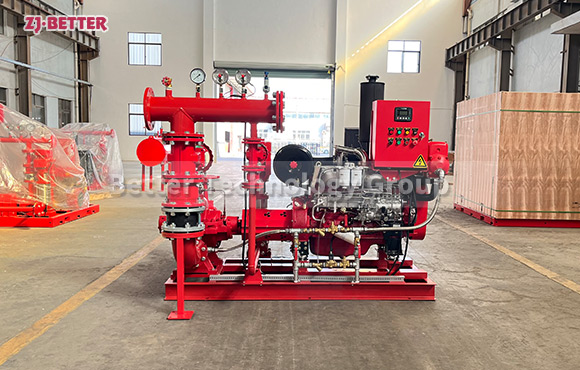
    9. When it is an automatic control unit, the split diesel engine automatic control cabinet (programmable) realizes the automatic start, input and automatic switching of the system (the electric pump group is switched to the diesel engine pump group or the diesel engine pump group of this group is switched to another group. Diesel unit), automatic protection (diesel engine overspeed, low oil pressure, high water temperature, three start failures, low oil level, low battery voltage and other alarm shutdown protection) and other functions, and can also interface with the user’s fire center or automatic fire alarm device, Realize remote monitoring.
    10. In order to ensure the normal operation of the unit in an environment below 5°C, the unit can be equipped with an AC220V cooling water preheating heating device.
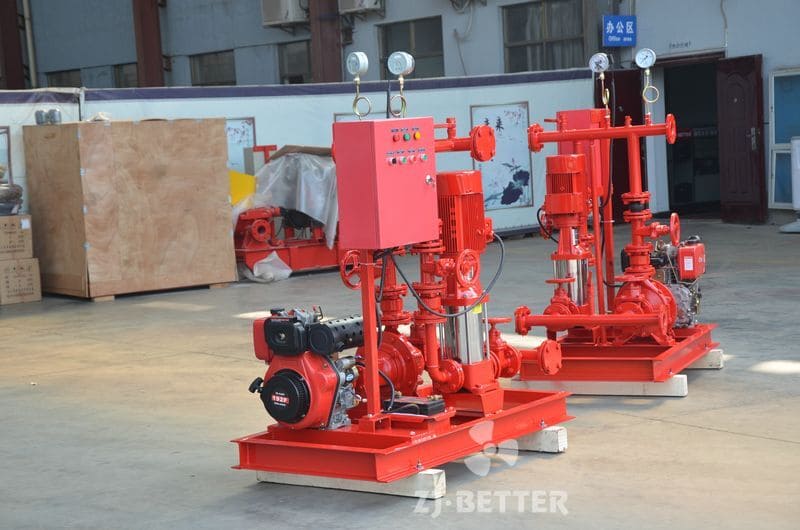
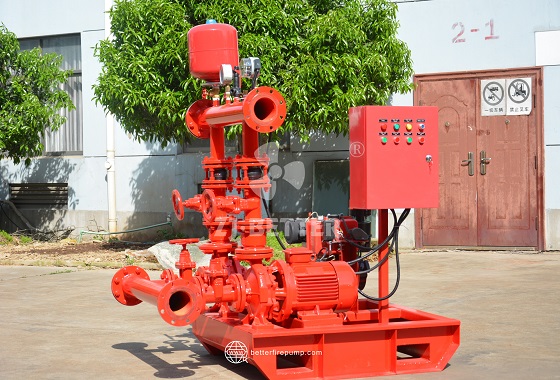
    11. Diesel engine fire pump can form an automatic fire water supply system with electric pump group, stabilized pump, etc.
    There are two water inlet methods for fire pumps: self-irrigation and suction. According to the requirements of fire protection regulations, it is generally self-irrigation. If the user needs to absorb two kinds of water, according to the requirements of fire protection regulations, it is generally the method of self-irrigation and water diversion. If the user needs to suck up the water inlet system, special instructions are required so that the company can provide an automatic vacuum water diversion device, but the size of the pump set has changed.

    Generally speaking, we recommend that where natural ventilation is used to install diesel engine fire pumps, there must be vents and exhaust ports of sufficient size, and the position of the vents ensures that there is enough fresh air to supply the diesel engine for combustion within the temperature limit. Of course, the water supply radiator can also be used to take away the heat of the circulating cooling water and the heat emitted from the surface of the unit. If the space cannot meet the requirements of natural ventilation and cannot effectively dissipate heat, it is recommended that you adopt forced ventilation, install an intake fan and an exhaust fan at the vent, and choose a location that can provide enough cold air for the diesel engine and take away the machine room hot air inside. Generally speaking, the air intake of the unit should be 6-7 times that of the diesel engine. Only in this way can normal ventilation be ensured and the operating efficiency of the equipment can be improved.

    In addition, it must be fixed firmly so that the entire unit can be supported to ensure that the unit is in a horizontal state and absorb vibration. Generally speaking, the foundation of the unit adopts a concrete structure. The length and width are 150-250mm on one side of the length and width of the unit chassis, and the depth is 300-600mm. The height of the anchor bolts should be about twice the bolt diameter. And there should be a 750mm channel on both sides and front of the unit to facilitate the operator’s inspection and general maintenance.