Home » Diesel engine fire pump » Safety Meets Efficiency: The Value of Diesel Fire Pumps in Industrial and Commercial Settings

Safety Meets Efficiency: The Value of Diesel Fire Pumps in Industrial and Commercial Settings

Explore the safety and efficiency of ZJ-BETTER diesel fire pumps designed for industrial and commercial use. Ensure continuous fire protection in power outages and harsh environments with high-performance, customizable solutions.

Rated 4.5/5 based on 464 customer reviews
Share:
Content

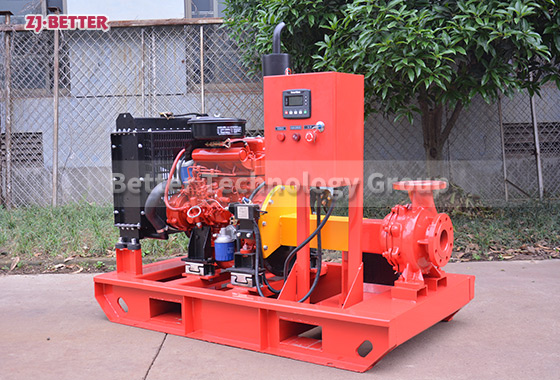
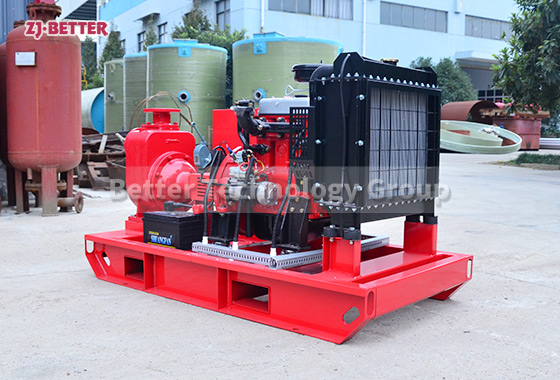
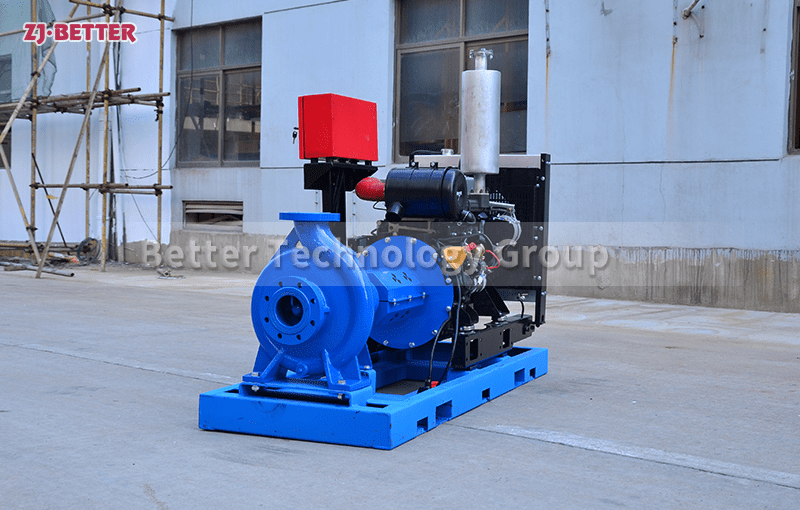
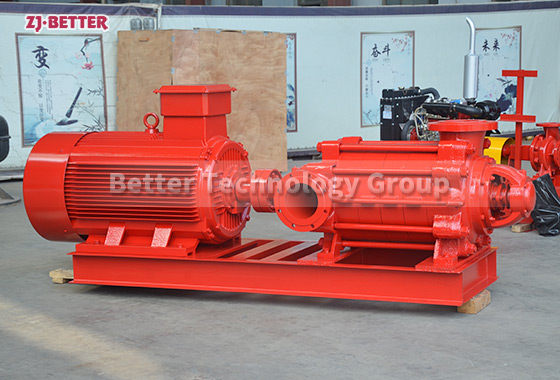
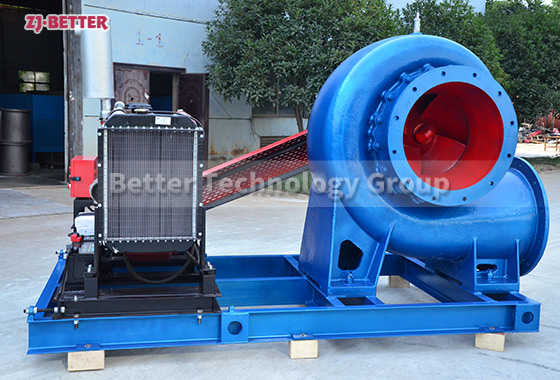
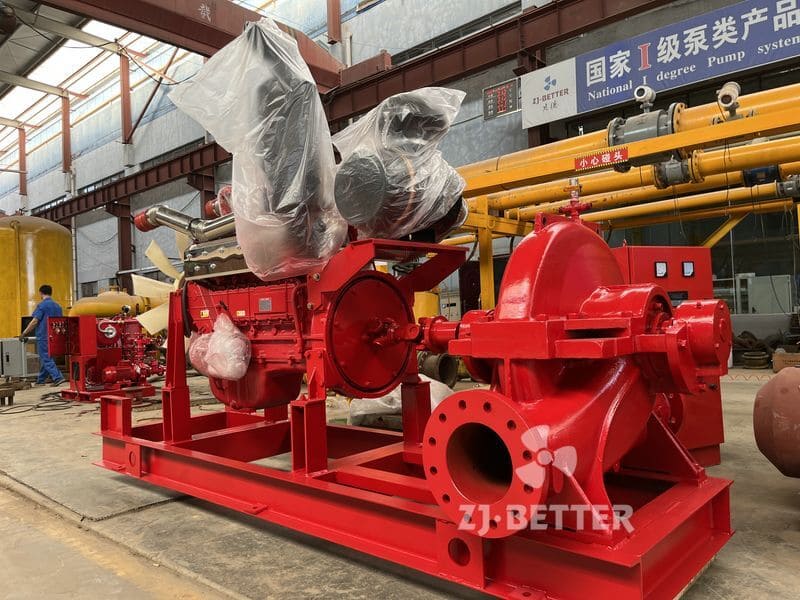
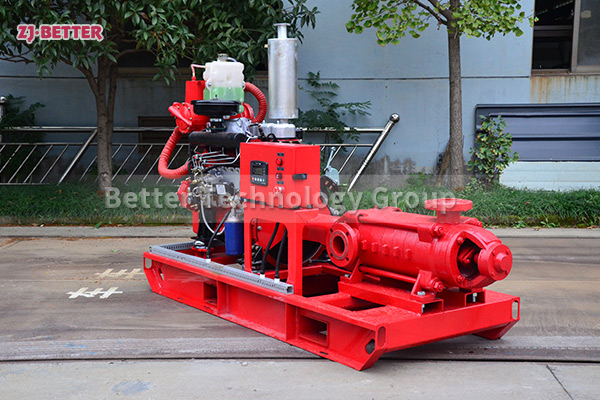
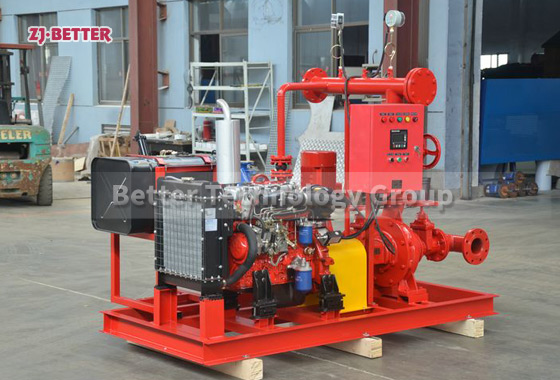
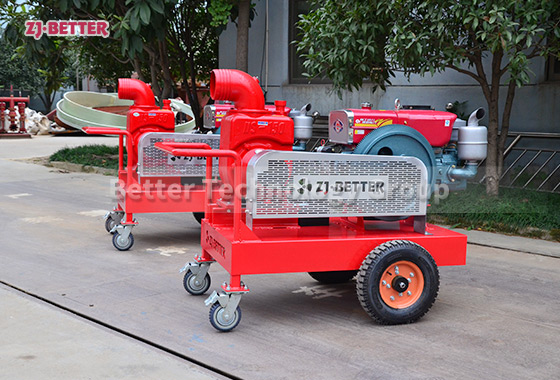
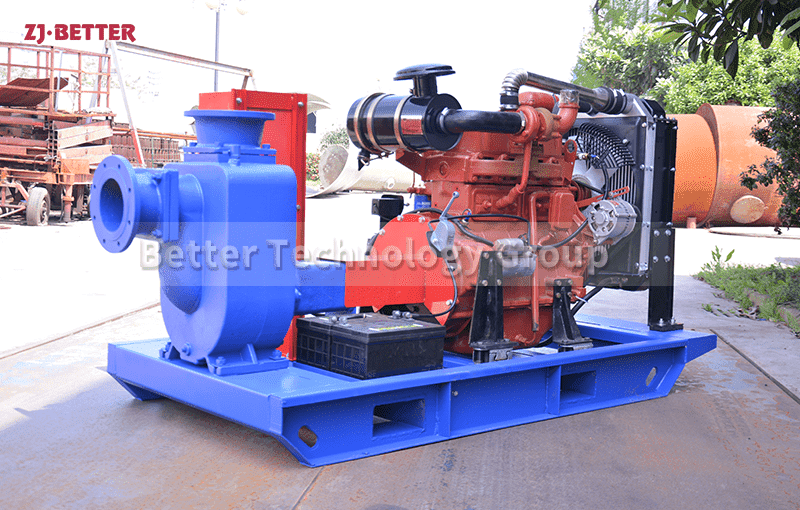
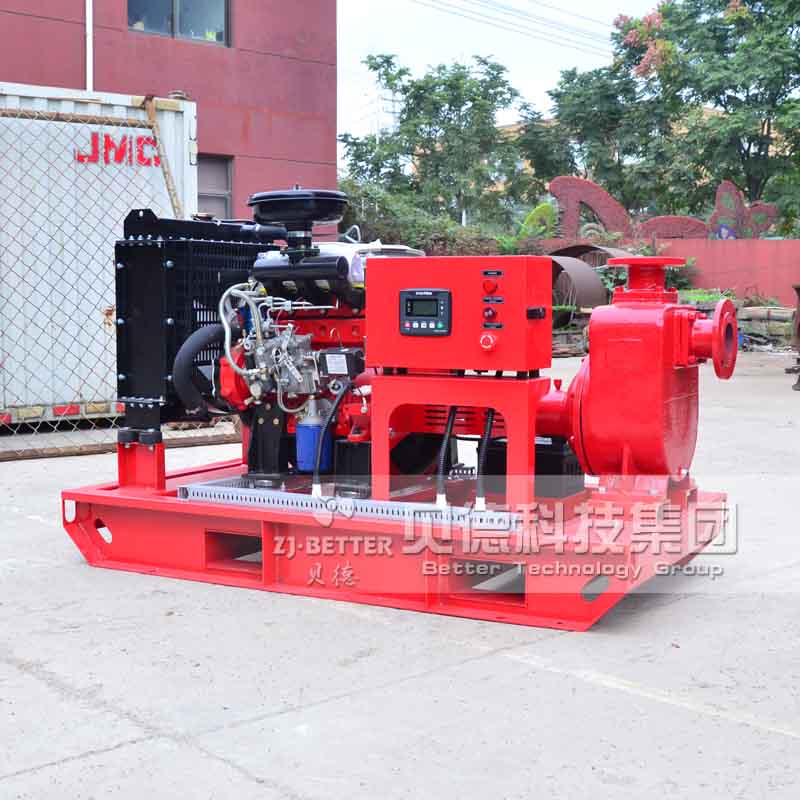
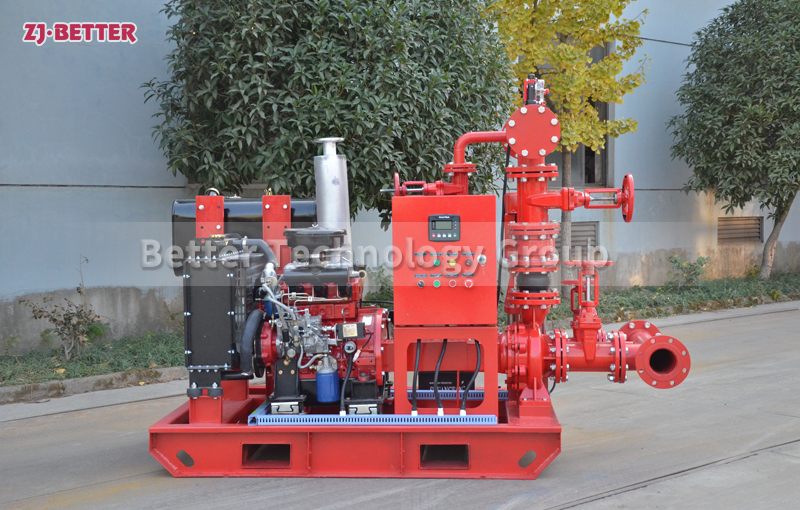
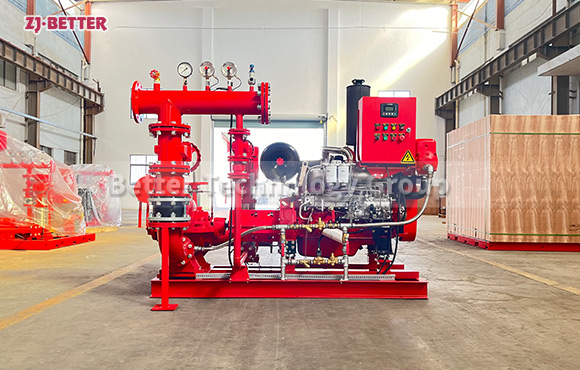
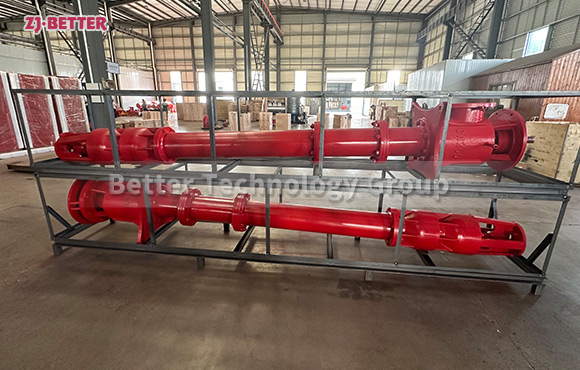
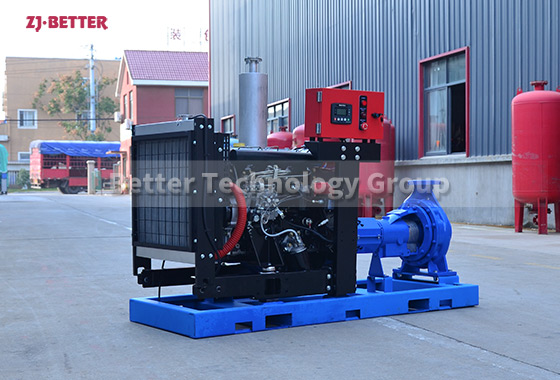
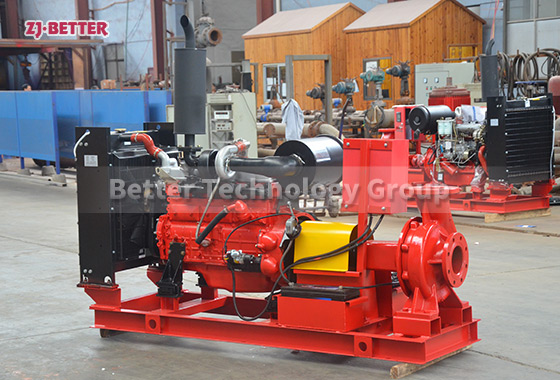
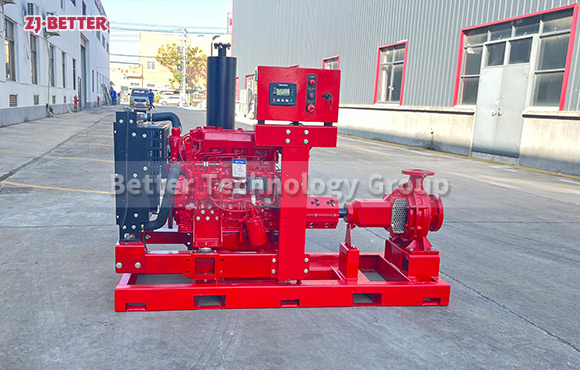
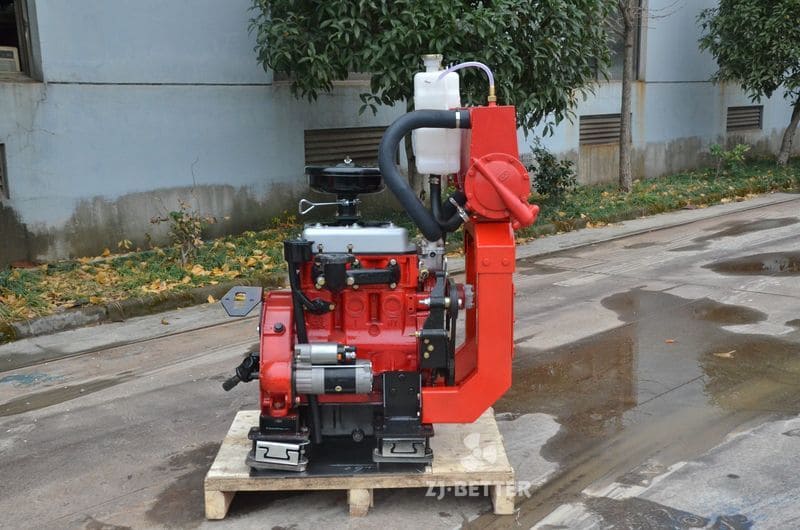
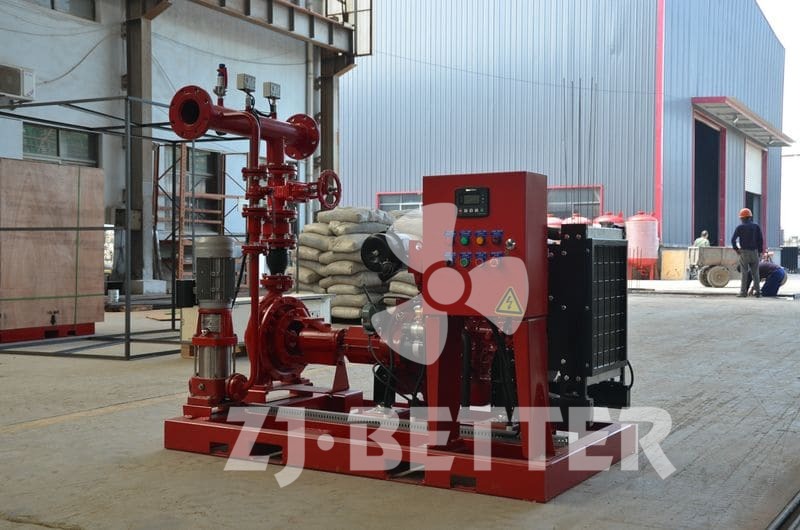
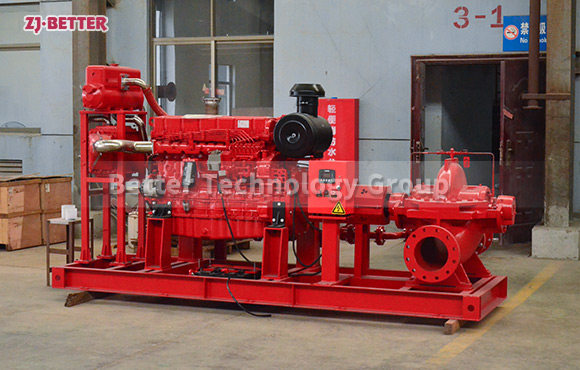
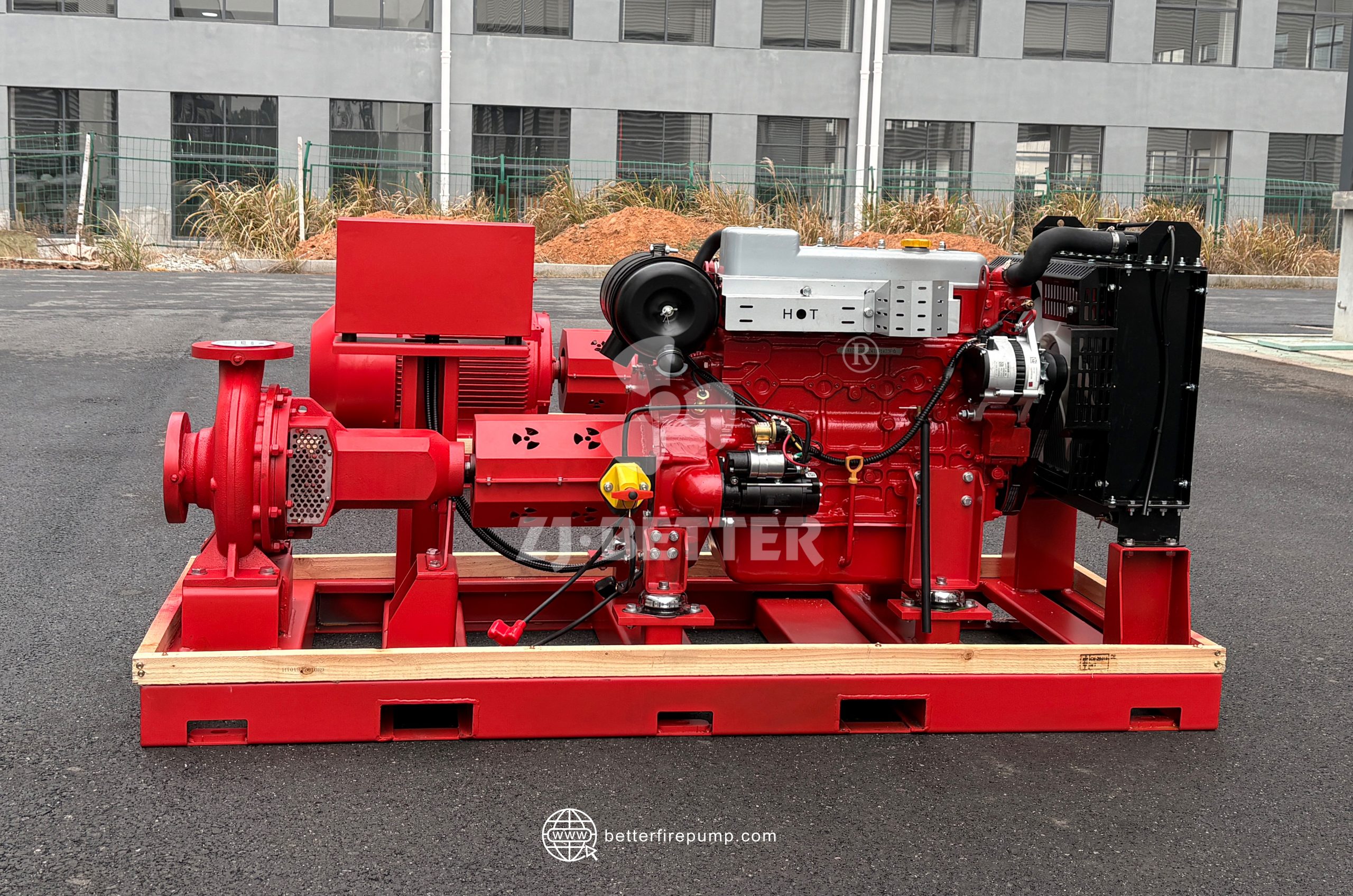
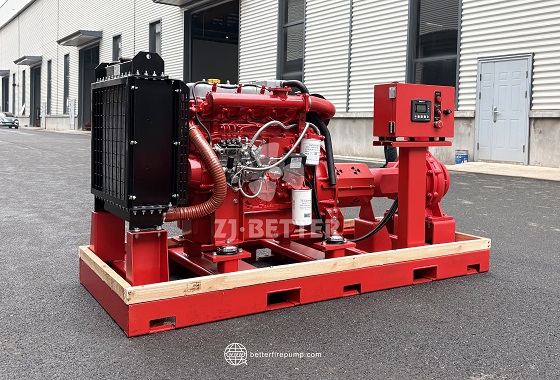
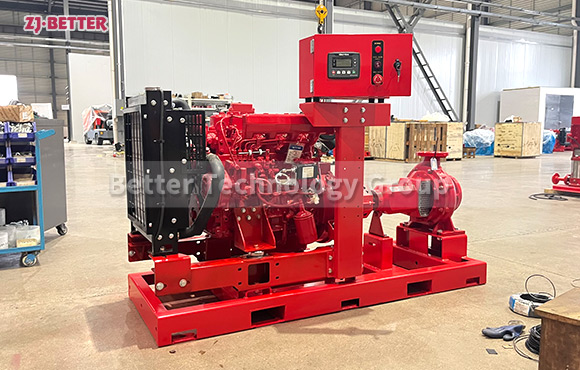
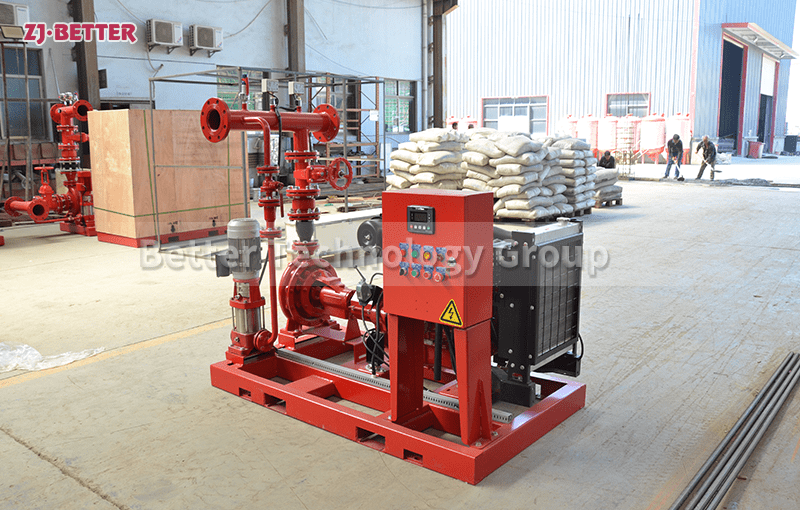
In today’s increasingly complex and high-density modern industrial and commercial buildings, fire safety has become an indispensable component of business operations. As a critical firefighting water supply system, the reliability and high-performance capabilities of diesel fire pumps directly impact the safety of personnel and property in emergency scenarios. In high-risk environments such as petrochemical plants, power plants, warehousing and logistics facilities, large commercial complexes, and industrial manufacturing zones, a disruption in the conventional power supply system traditional electric pump systems risk failure. In contrast, diesel-driven fire pumps leverage their unique self-powered advantage to ensure rapid startup and continuous water supply even under adverse conditions such as power outages, explosions, high temperatures, humidity, or areas distant from power sources, thereby establishing an impenetrable fire safety barrier. The ZJ-BETTER brand diesel fire pump system features high-quality engines and an integrated control cabinet design, ensuring operational stability through dual mechanical and electrical redundancy. Upon receiving a fire signal, it can automatically activate water supply within a short timeframe, significantly enhancing response efficiency and fire extinguishing speed. Its modular structure and reinforced base design not only improve installation convenience but also greatly enhance seismic resistance in special environments such as earthquakes and high wind pressures. Additionally, the system can be customized to different head and flow rates based on the user’s on-site conditions, meeting fire protection water pressure and water supply requirements across multiple scenarios and building types, truly achieving “customized configuration and precise water supply.” In terms of energy consumption control, the intelligent control panel配套 for the diesel fire pump can monitor operational parameters such as speed, pressure, oil temperature, water temperature, and fuel level in real time, ensuring efficient operation while reasonably controlling fuel consumption and reducing maintenance costs. Additionally, through the RS485 communication interface, it achieves seamless integration with building fire protection systems, offering multiple functions such as remote alarms, interlocking control, automatic detection, and regular testing, thereby enhancing the system’s automation and intelligence levels. In terms of service life and maintenance, the ZJ-BETTER diesel fire pump’s pump body is made of high-strength cast iron with a surface powder coating for corrosion resistance, capable of withstanding high pressure and impacts, and maintaining stable performance even after prolonged operation. All components of the pump assembly are designed and manufactured in accordance with international and domestic standards such as NFPA 20 and GB 27898, ensuring controllable quality, strong interchangeability, simple maintenance, and ample spare parts availability. In global applications, this system has been deployed in major projects such as large oil fields in the Middle East, port logistics in Southeast Asia, copper mines in South America, power plants in West Africa, and railway engineering projects in Europe. It has gained widespread recognition and trust from users due to its robust product performance and reliable operational reputation. Especially in the context of global energy transition, diesel fire pumps, as independent energy-based fire protection solutions, are increasingly becoming the preferred standard configuration for multinational corporations and government engineering projects. Looking ahead, as concepts like smart buildings, green industry, and digitalized maintenance become more widespread, the digitalization, visualization, and remote management of diesel fire pump systems will be key areas of evolution. The ZJ-BETTER brand has already taken the lead in this area, launching smart diesel pump stations with IoT connectivity and cloud-based management capabilities to provide global users with more efficient, intelligent, and safe fire protection solutions. In summary, diesel fire pumps are not merely emergency equipment in industrial and commercial settings but also the core power source of safety systems, combining stability, efficiency, and autonomy to form the solid foundation of industrial-grade fire safety solutions. Choosing ZJ-BETTER means choosing a commitment to safety for the future.
Inquiry


    More Diesel engine fire pump

    The fire pump impeller plays a crucial role in the operation and performance of a fire pump. It is a key component responsible for generating the flow and pressure of water or firefighting agents. Here are the main roles and characteristics of the fire pump impeller:

    Flow Generation: The primary role of the impeller is to create the flow of water or firefighting agents within the pump. It consists of curved blades or vanes that spin rapidly when driven by the pump’s motor or engine. As the impeller rotates, it draws water into the pump and imparts energy to the fluid, causing it to move radially outward towards the pump outlet.

    Pressure Generation: The impeller also contributes to the generation of pressure within the fire pump. The curved blades of the impeller impart centrifugal force to the water, increasing its velocity. This increase in velocity is then converted into pressure as the water is directed towards the pump’s outlet. The shape and design of the impeller blades play a crucial role in optimizing pressure generation.

    Efficiency: The impeller design influences the overall efficiency of the fire pump. Efficient impeller designs are aimed at minimizing energy losses and maximizing the conversion of input power into hydraulic energy. Factors such as blade shape, size, and spacing are carefully considered to optimize the impeller’s efficiency and hydraulic performance.

    Material Selection: The impeller is typically constructed using materials that are resistant to corrosion, wear, and erosion. Common materials include bronze, stainless steel, or composite materials. The chosen material must withstand the demands of pumping water or firefighting agents, especially when operating in challenging environments.

    Impeller Trim: The impeller trim refers to the adjustment or modification of the impeller’s diameter or blade length. By changing the impeller trim, the pump’s performance characteristics, such as flow rate and pressure, can be adjusted to meet specific requirements. Trim modifications are often made during the pump’s installation or commissioning phase to optimize its performance for a given system.

    Compatibility and Performance Matching: The impeller is carefully selected to match the pump’s design, performance requirements, and system characteristics. Proper selection ensures that the impeller’s characteristics, such as flow capacity and pressure head, align with the intended application and hydraulic conditions. Matching the impeller to the pump system helps achieve optimal performance and efficiency.

    Maintenance and Inspection: The impeller requires regular inspection and maintenance to ensure its proper functioning. Over time, debris or particles may accumulate on the impeller blades, affecting its performance. Regular cleaning, inspection of blade condition, and realignment of impeller components are necessary to maintain optimal pump performance and prevent efficiency losses.

    The fire pump impeller is a critical component that contributes to the overall performance and efficiency of a fire pump system. Its role in generating flow and pressure ensures the effective delivery of water or firefighting agents to combat fires and protect lives and property. Proper design, material selection, maintenance, and performance matching are essential to maximize the impeller’s effectiveness and overall fire pump performance.

    1. Automatic start: After the diesel engine pump unit receives a fire alarm/pipe network pressure/power failure/or other start-up signals, it can start automatically within 15 seconds and be put into full-load operation;
    2. Automatic charging: the battery can be automatically charged by the mains or diesel engine charging motor to ensure the smooth start of the unit;
    3. Automatic alarm: automatic alarm protection for diesel engine low oil pressure, high water temperature and other faults, and alarm and stop when the speed is exceeded again;
    4. Automatic preheating: keep the diesel engine in a hot standby state to ensure emergency work;
    5. Direct connection type: The diesel engine pump unit below 360kw adopts the first domestic direct connection technology between the diesel engine and the water pump through the elastic coupling, which reduces the failure points, greatly shortens the starting time of the unit, and increases the reliability and emergency performance of the unit ;
    6. Users can also request to set other alarm outputs (non-standard supply);
    7. With telemetry, remote signaling and remote control functions (non-standard supply);
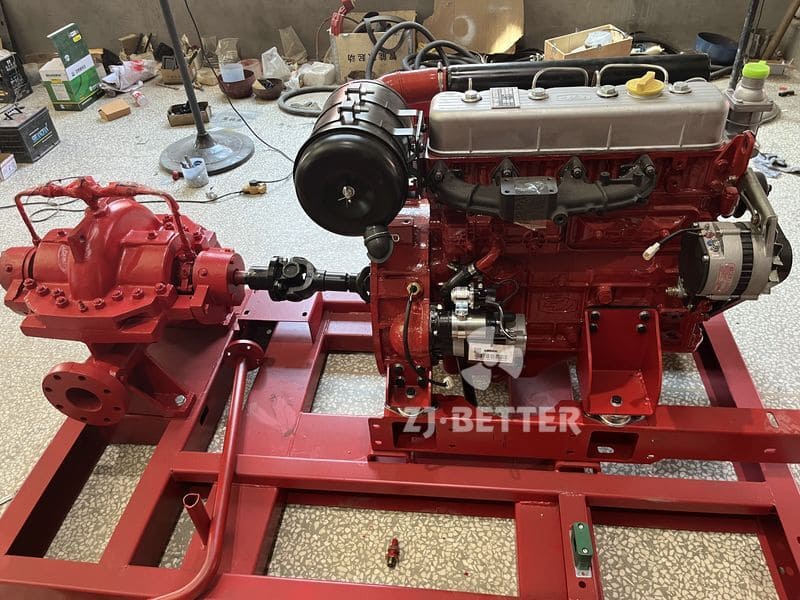
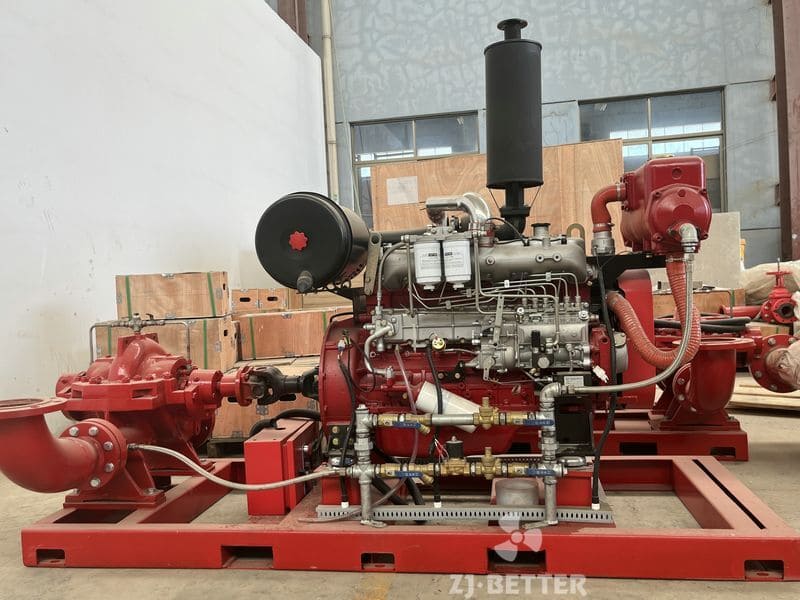
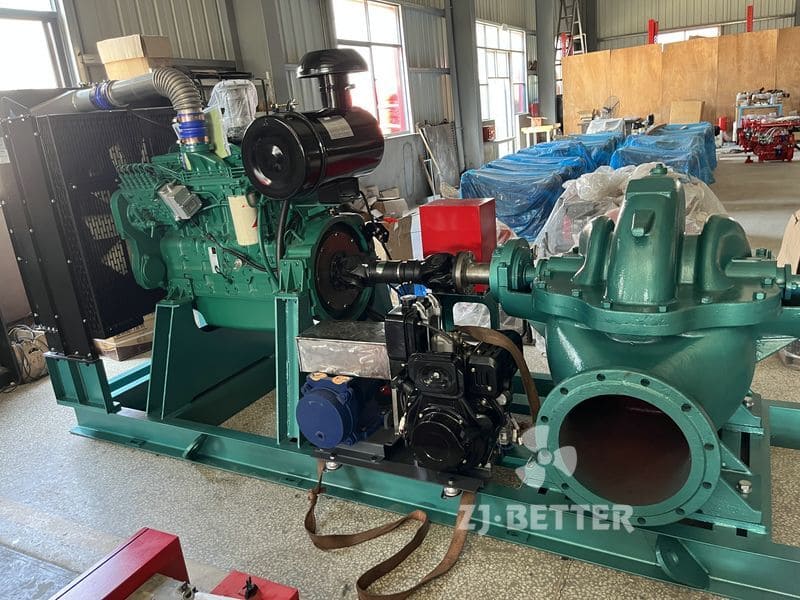
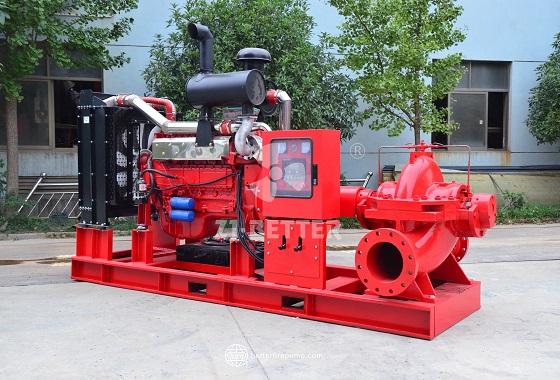
    8. The equipment is powered by X6135, 12V135, 4102, 4105, 6102 and other series diesel engines. The diesel engine (with clutch) is connected with the fire pump through a highly elastic coupling to form a fire pump group. Fans, control panels (for automatic units) and other components.
    9. When it is an automatic control unit, the split diesel engine automatic control cabinet (programmable) realizes the automatic start, input and automatic switching of the system (the electric pump group is switched to the diesel engine pump group or the diesel engine pump group of this group is switched to another group. Diesel unit), automatic protection (diesel engine overspeed, low oil pressure, high water temperature, three start failures, low oil level, low battery voltage and other alarm shutdown protection) and other functions, and can also interface with the user’s fire center or automatic fire alarm device, Realize remote monitoring.
    10. In order to ensure the normal operation of the unit in an environment below 5°C, the unit can be equipped with an AC220V cooling water preheating heating device.
    11. Diesel engine fire pump can form an automatic fire water supply system with electric pump group, stabilized pump, etc.
    There are two water inlet methods for fire pumps: self-irrigation and suction. According to the requirements of fire protection regulations, it is generally self-irrigation. If the user needs to absorb two kinds of water, according to the requirements of fire protection regulations, it is generally the method of self-irrigation and water diversion. If the user needs to suck up the water inlet system, special instructions are required so that the company can provide an automatic vacuum water diversion device, but the size of the pump set has changed.