Home » Diesel engine fire pump » Choosing the Right Diesel Fire Pump for Complex Industrial Needs: This Unit Might Be the Answer

Choosing the Right Diesel Fire Pump for Complex Industrial Needs: This Unit Might Be the Answer

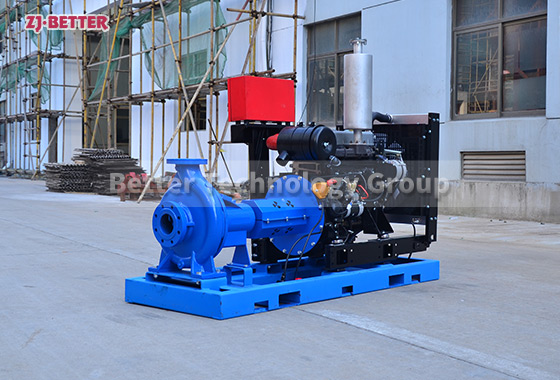
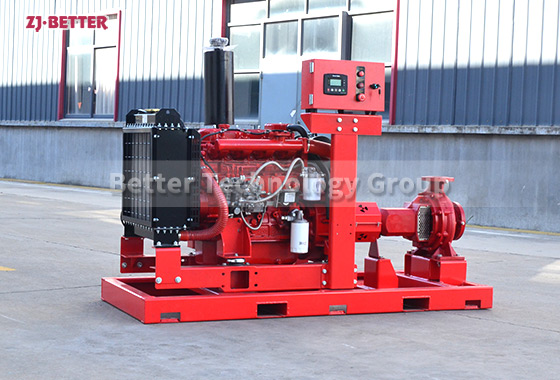
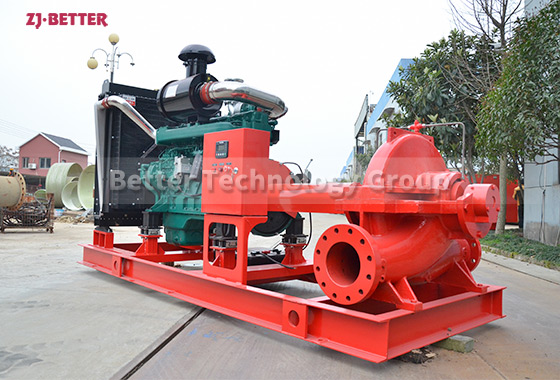
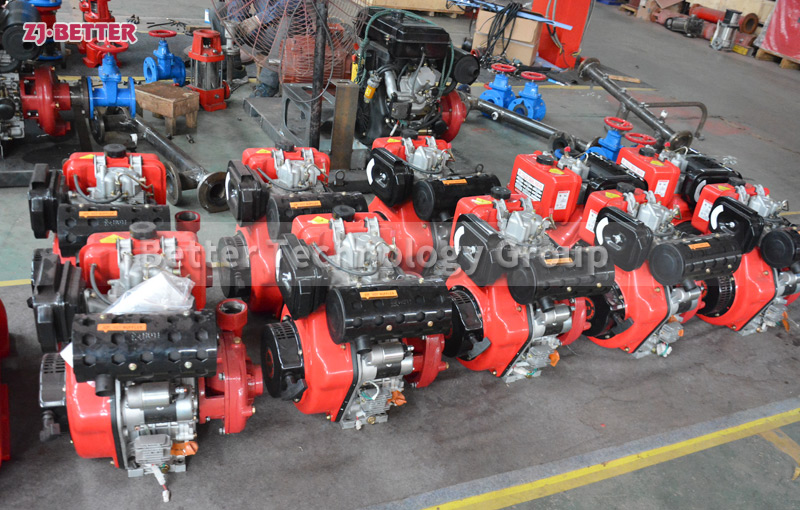
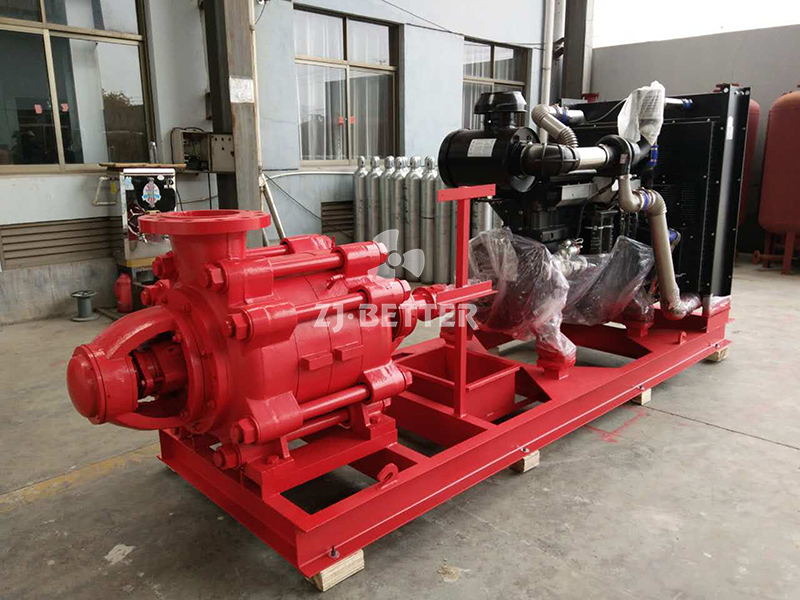
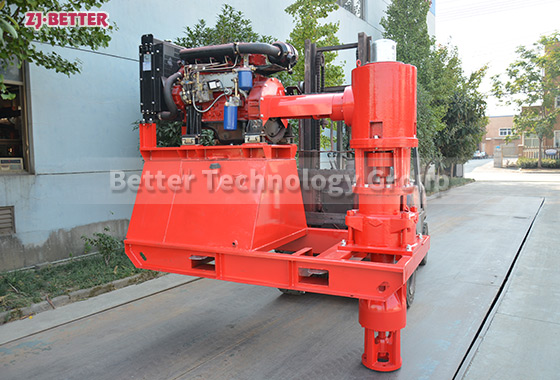
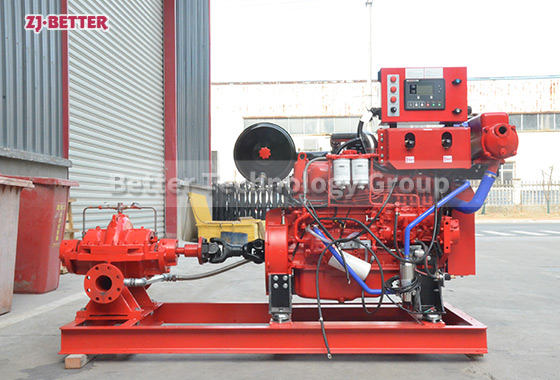
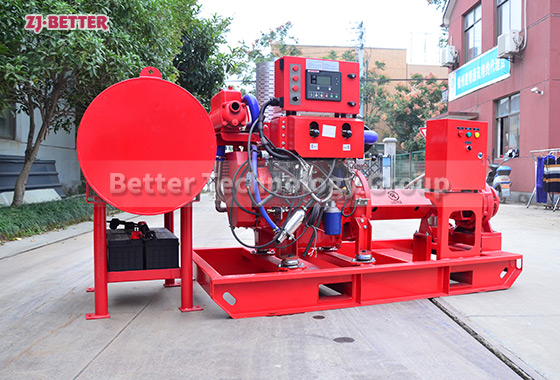
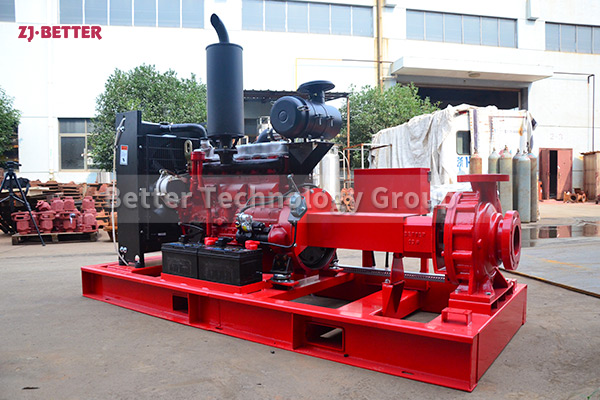
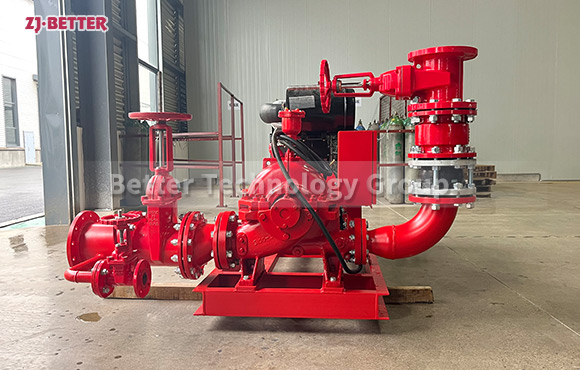
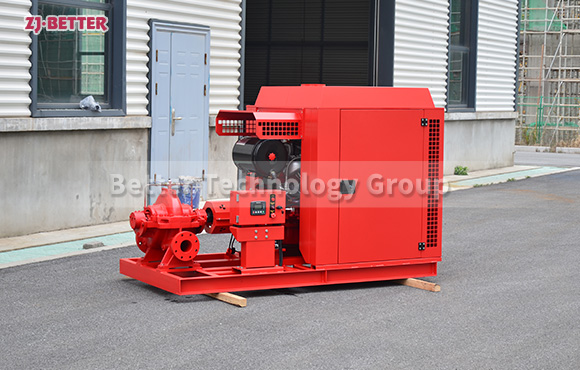
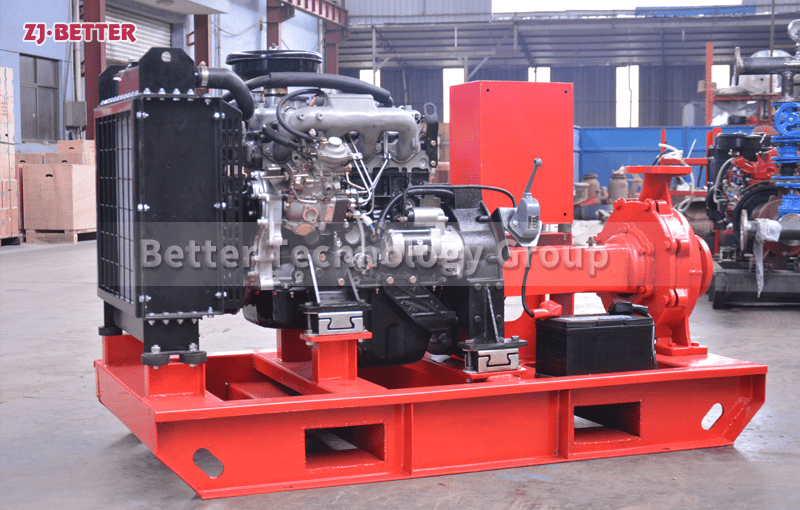
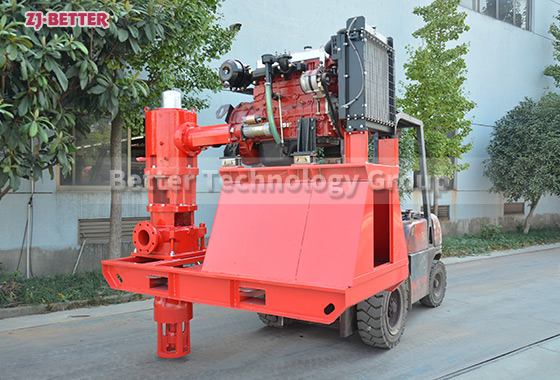
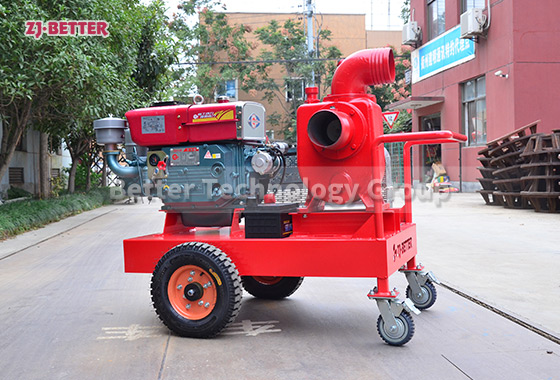
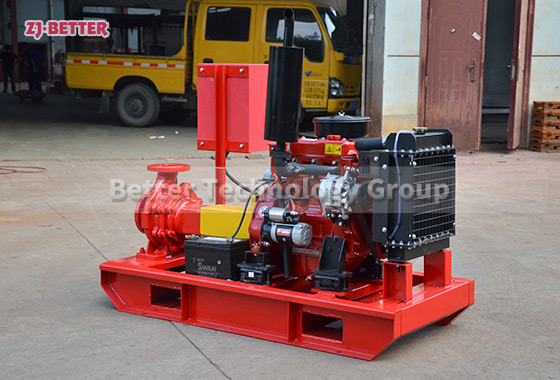
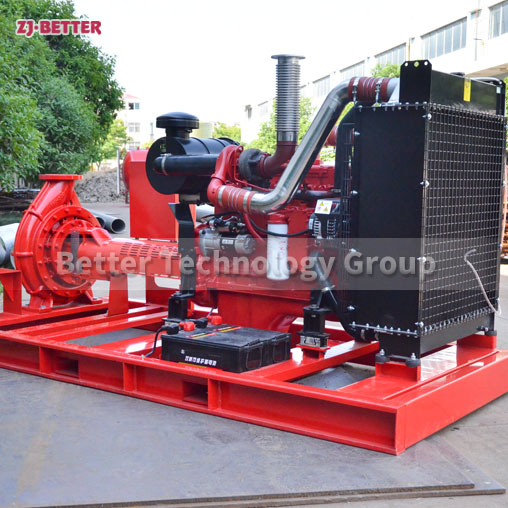
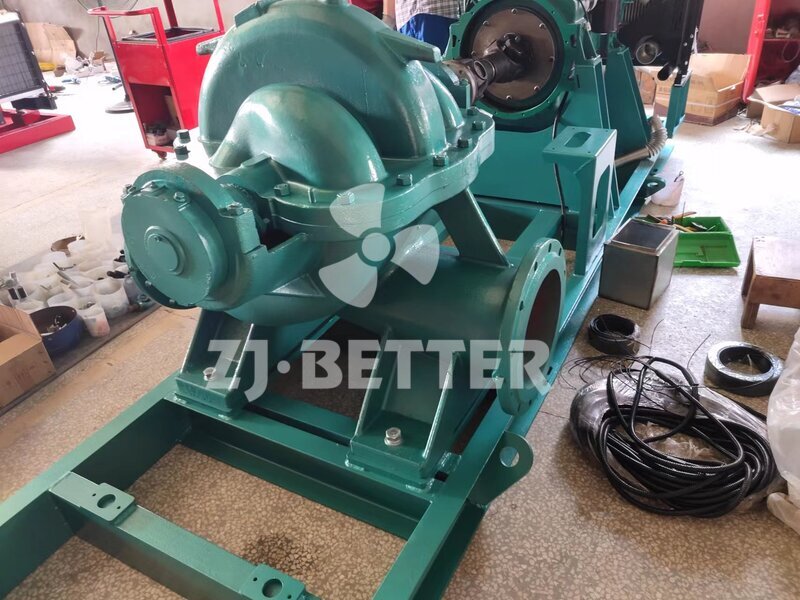
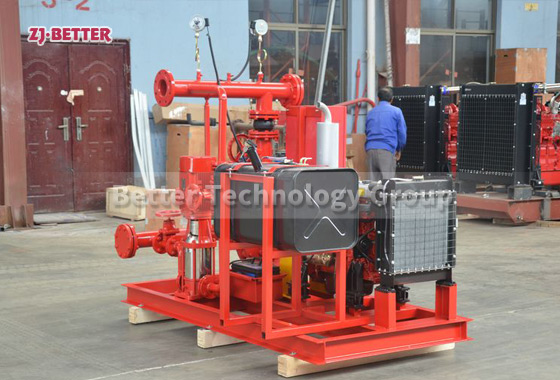
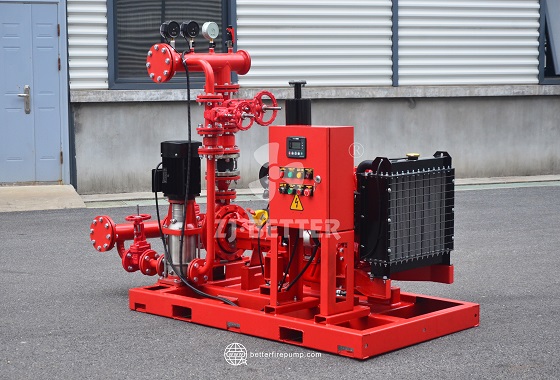
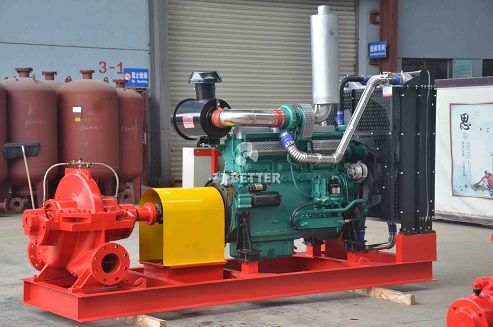
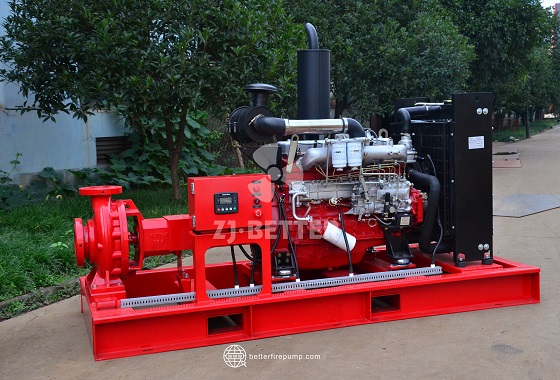
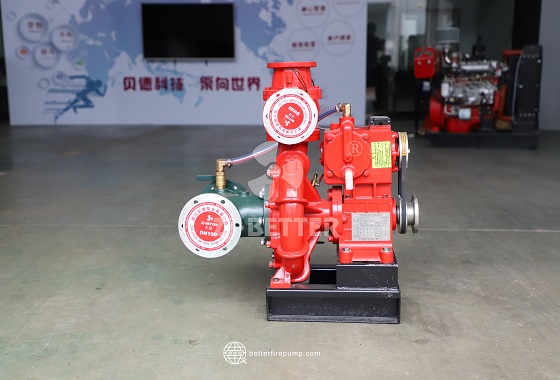
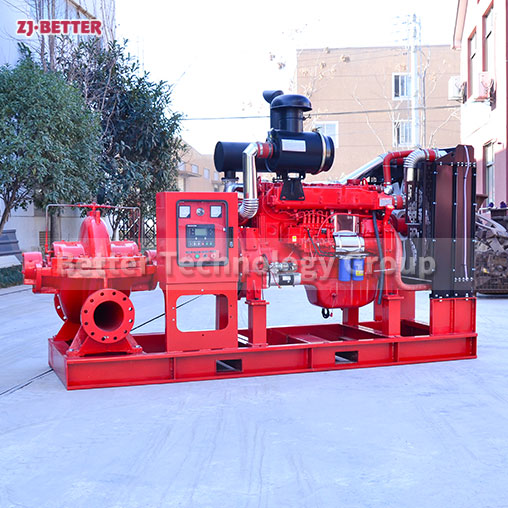
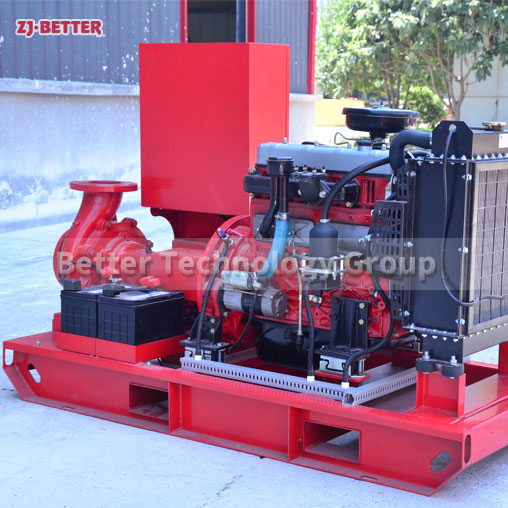
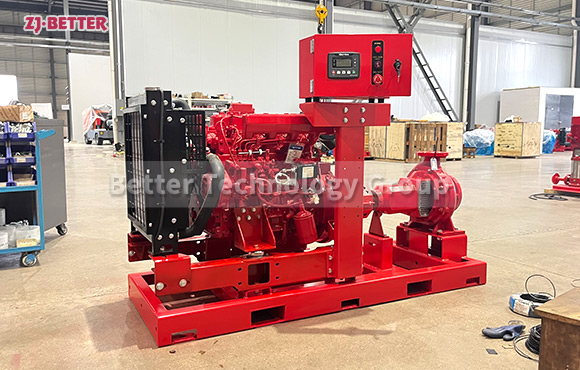
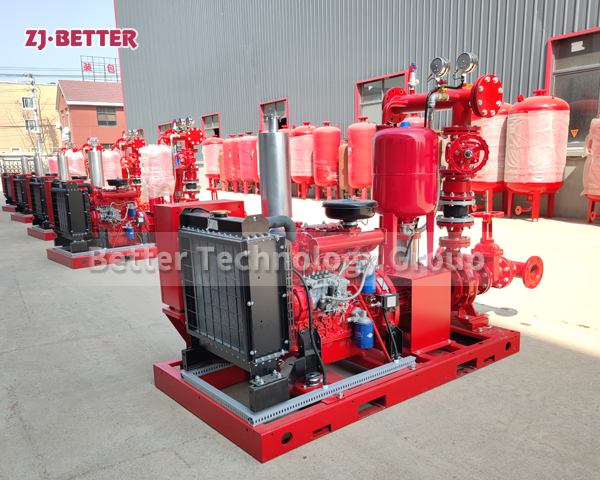
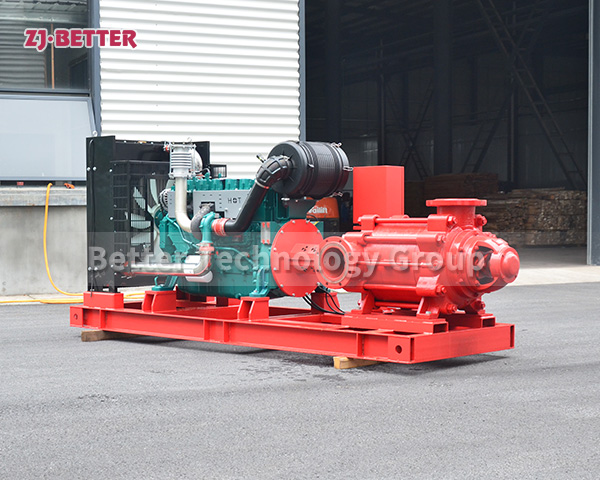
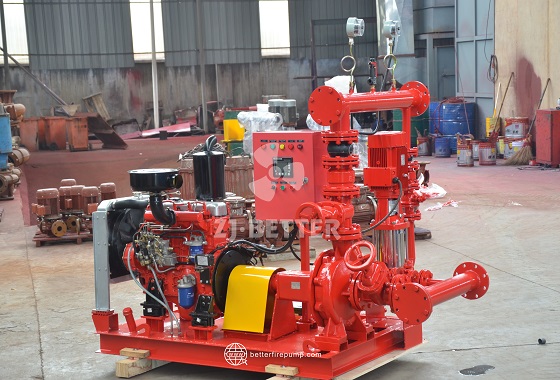
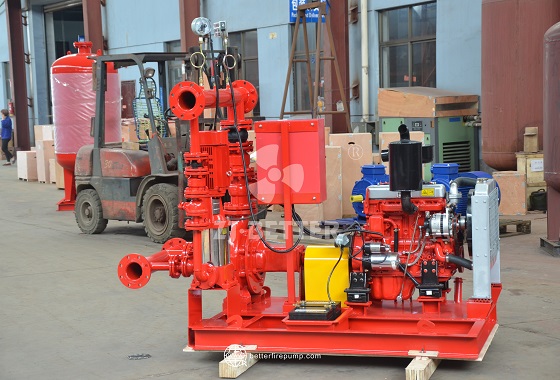
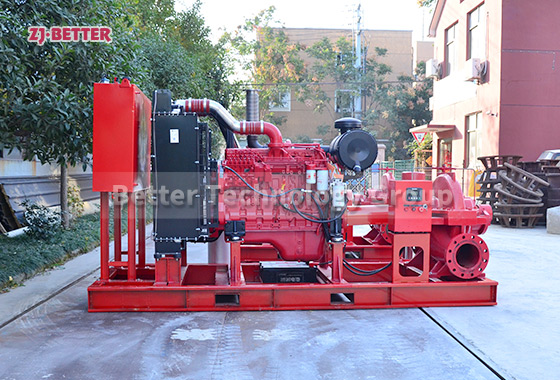
The integrated diesel engine-driven fire pump system is designed for the fire fighting needs in unstable power, complex environment or remote area, with high reliability, high automation and strong adaptability. The whole machine is driven by a famous brand diesel engine and matched with horizontal end suction pump or center open pump, which has stable hydraulic performance and excellent durability. The system integrates intelligent control module, which can realize automatic start/stop, remote monitoring and fault warning, and supports the certification in accordance with NFPA20, UL/FM and other international fire protection standards. With commissioning completed before delivery and easy installation, the products are widely used in petrochemical, electric power, ports, tunnels and other important places.

Rated 4.6/5 based on 477 customer reviews
Share:
Content

In major industrial facilities, the reliability and quick activation of fire protection systems can make the difference between disaster and safety. In situations with unstable power supply, harsh environments, or remote project locations, diesel fire pump systems are often the only practical and robust solution. Our newly developed integrated diesel fire pump unit is engineered precisely for these demanding applications.

1.Diesel-Powered for Full Independence
Equipped with top-tier diesel engines (Cummins, Perkins, Deutz, etc.), the system delivers stable, high-performance output even in blackouts, emergencies, and off-grid locations.

2.Advanced Smart Control System
Features a PLC-based controller with automatic start/stop, remote access, fault detection, real-time alarms, and can be linked to a centralized fire protection network.

3.Precision Pump Matching & Durability
Pairs with end suction or split case pumps for smooth flow, low vibration, and long service life. Pump materials include cast iron or stainless steel with excellent corrosion resistance.

4.Modular Compact Design
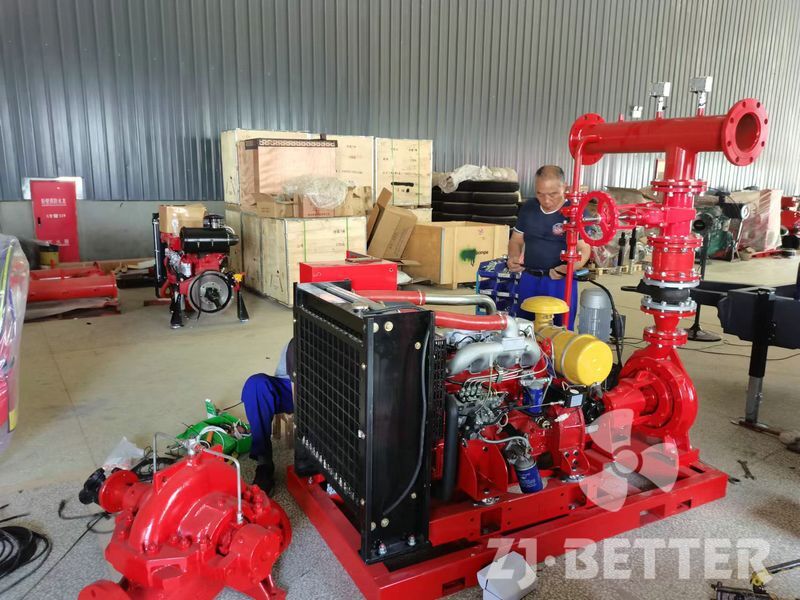
Fully assembled and tested before shipping, requiring minimal on-site installation. Just connect the pipe and fuel lines for quick startup—ideal for urgent projects.

5.Compliance with International Codes
Customizable to NFPA20, UL/FM, and other international standards. Full documentation is provided for global procurement and certification needs.


Target Applications Include:

Oil refineries, LPG stations


Power substations, wind farms


Ports, offshore drilling platforms


Skyscrapers, city booster stations


Flammable storage warehouses


Tunnels, subways, underground projects


Key Benefits for Customers:

Over 99.8% reliable start rate


24/7 operational capacity under extreme conditions


Cost-efficient in maintenance and fuel consumption


User-friendly multilingual interface


Global support and fast-response service
Inquiry


    More Diesel engine fire pump

    The fire pump impeller plays a crucial role in the operation and performance of a fire pump. It is a key component responsible for generating the flow and pressure of water or firefighting agents. Here are the main roles and characteristics of the fire pump impeller:

    Flow Generation: The primary role of the impeller is to create the flow of water or firefighting agents within the pump. It consists of curved blades or vanes that spin rapidly when driven by the pump’s motor or engine. As the impeller rotates, it draws water into the pump and imparts energy to the fluid, causing it to move radially outward towards the pump outlet.

    Pressure Generation: The impeller also contributes to the generation of pressure within the fire pump. The curved blades of the impeller impart centrifugal force to the water, increasing its velocity. This increase in velocity is then converted into pressure as the water is directed towards the pump’s outlet. The shape and design of the impeller blades play a crucial role in optimizing pressure generation.

    Efficiency: The impeller design influences the overall efficiency of the fire pump. Efficient impeller designs are aimed at minimizing energy losses and maximizing the conversion of input power into hydraulic energy. Factors such as blade shape, size, and spacing are carefully considered to optimize the impeller’s efficiency and hydraulic performance.

    Material Selection: The impeller is typically constructed using materials that are resistant to corrosion, wear, and erosion. Common materials include bronze, stainless steel, or composite materials. The chosen material must withstand the demands of pumping water or firefighting agents, especially when operating in challenging environments.

    Impeller Trim: The impeller trim refers to the adjustment or modification of the impeller’s diameter or blade length. By changing the impeller trim, the pump’s performance characteristics, such as flow rate and pressure, can be adjusted to meet specific requirements. Trim modifications are often made during the pump’s installation or commissioning phase to optimize its performance for a given system.

    Compatibility and Performance Matching: The impeller is carefully selected to match the pump’s design, performance requirements, and system characteristics. Proper selection ensures that the impeller’s characteristics, such as flow capacity and pressure head, align with the intended application and hydraulic conditions. Matching the impeller to the pump system helps achieve optimal performance and efficiency.

    Maintenance and Inspection: The impeller requires regular inspection and maintenance to ensure its proper functioning. Over time, debris or particles may accumulate on the impeller blades, affecting its performance. Regular cleaning, inspection of blade condition, and realignment of impeller components are necessary to maintain optimal pump performance and prevent efficiency losses.

    The fire pump impeller is a critical component that contributes to the overall performance and efficiency of a fire pump system. Its role in generating flow and pressure ensures the effective delivery of water or firefighting agents to combat fires and protect lives and property. Proper design, material selection, maintenance, and performance matching are essential to maximize the impeller’s effectiveness and overall fire pump performance.