Fire Pump Control Systems: Ensuring Efficient Firefighting Operations with Precise Monitoring
Explore the benefits of ZJ-Better Fire Pump Control Systems. Learn how our intelligent, automated control systems enhance firefighting efficiency with real-time monitoring, fault diagnostics, self-repair capabilities, and energy-saving features for reliable, high-performance fire protection.
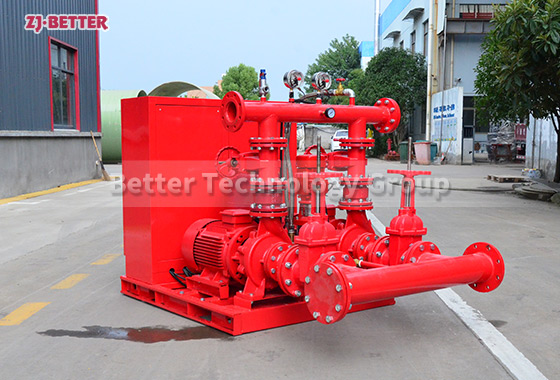
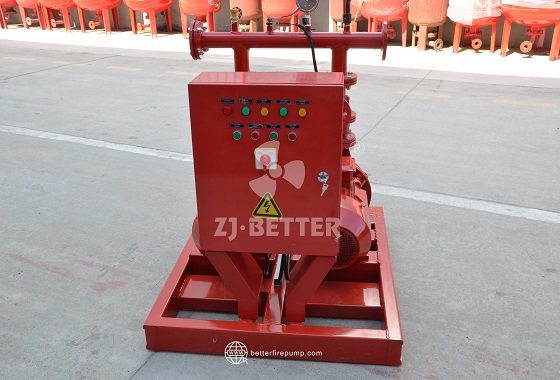
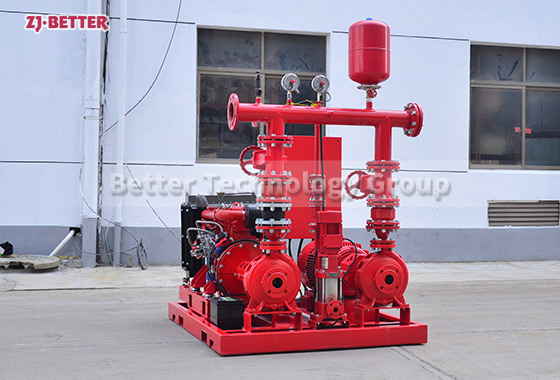
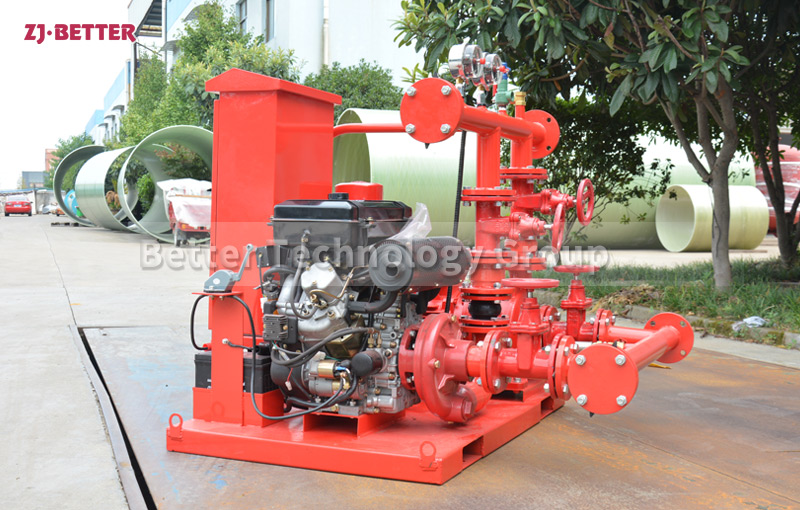
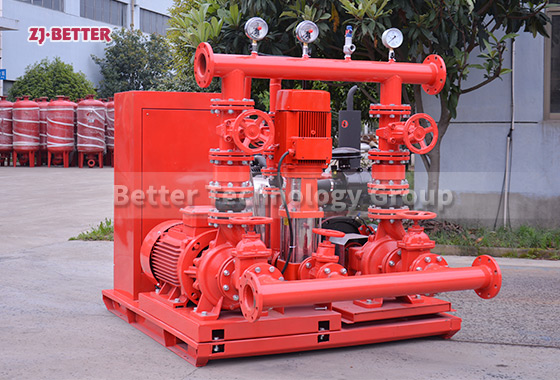
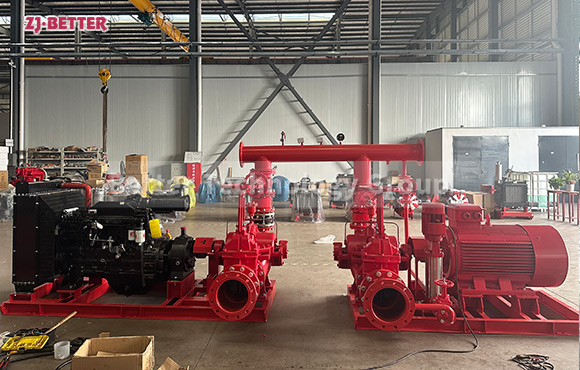
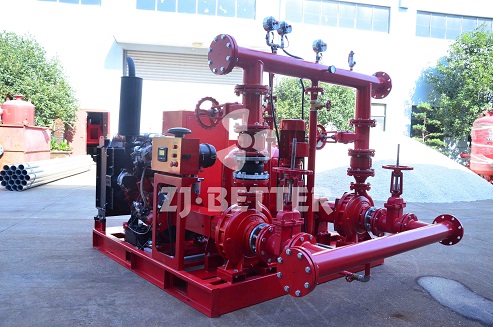
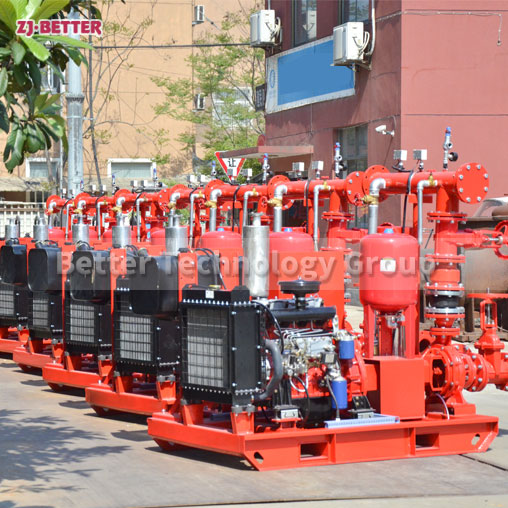
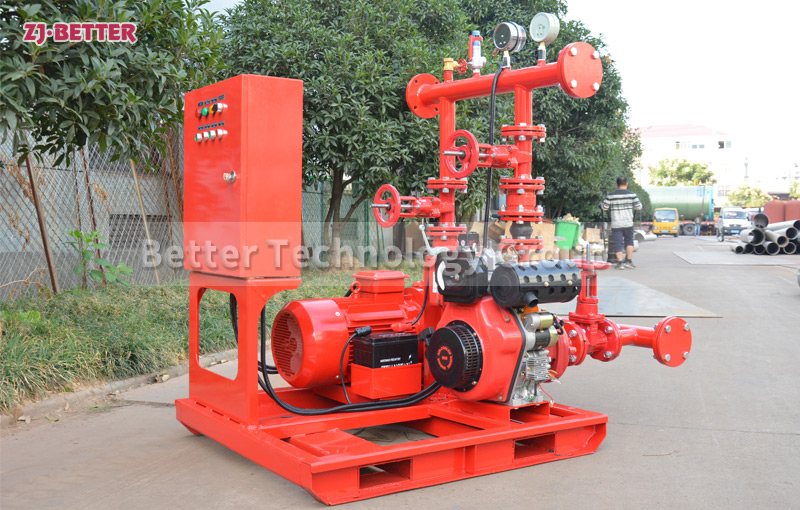
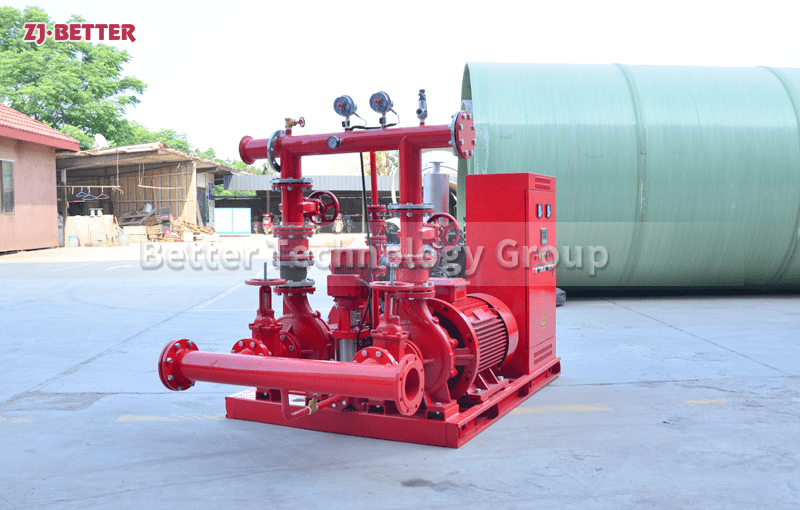
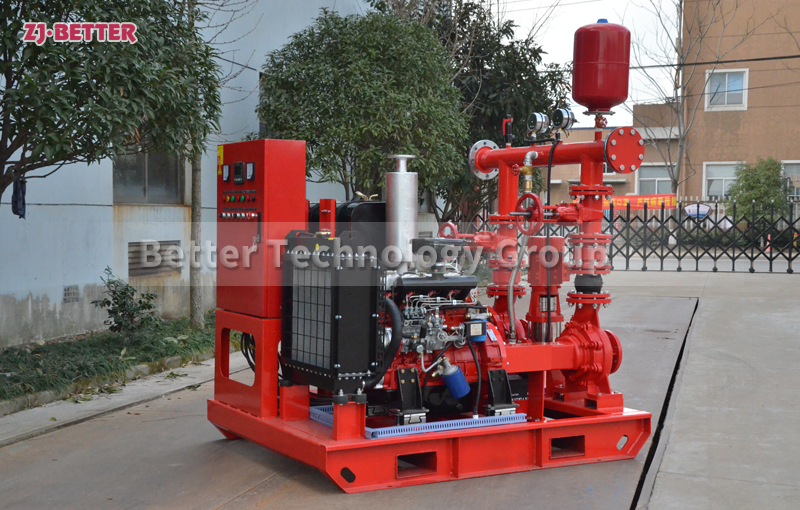
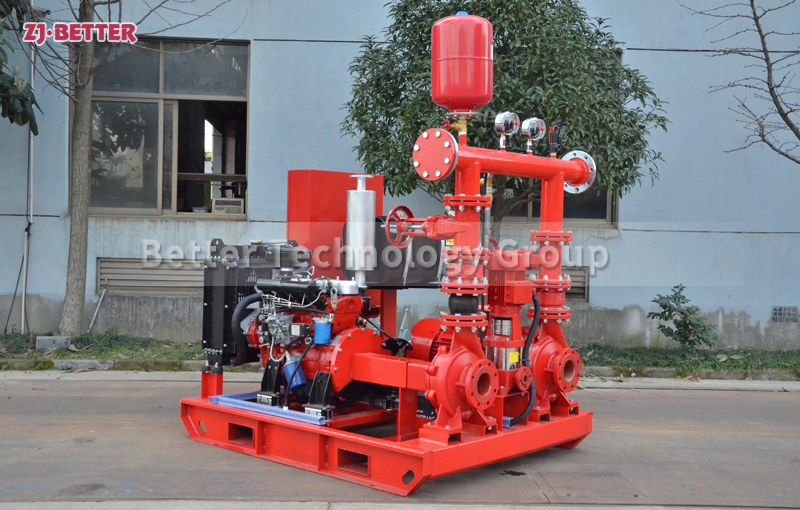
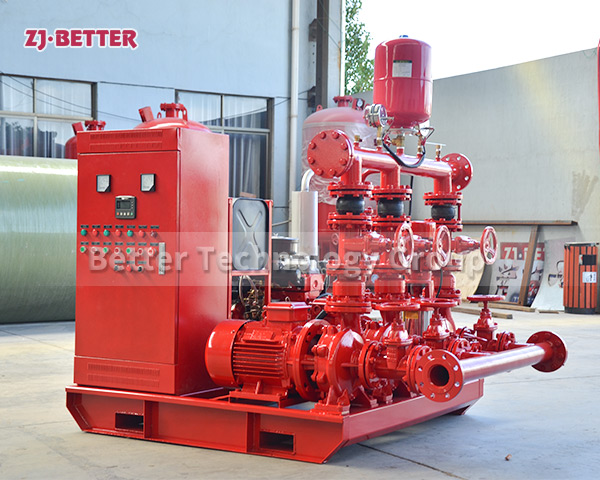
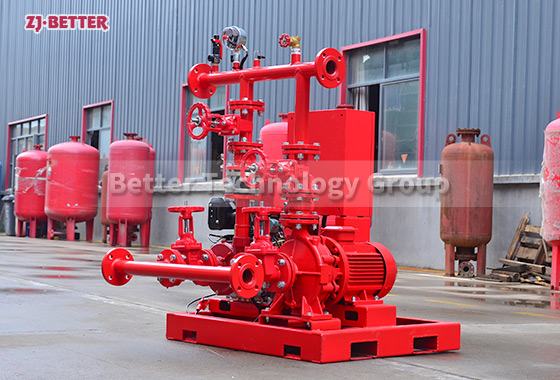
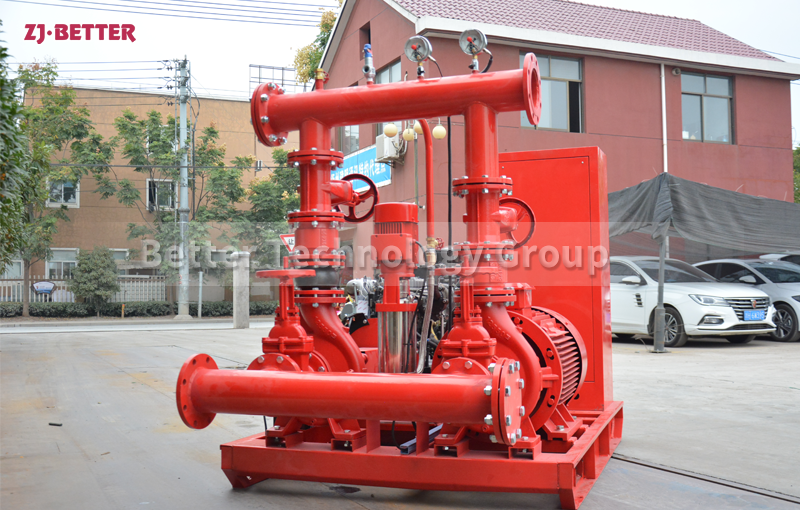
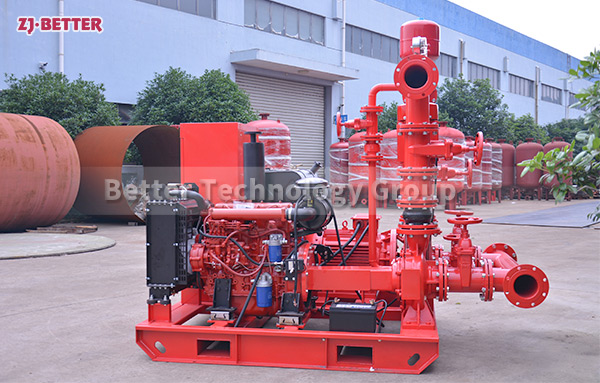
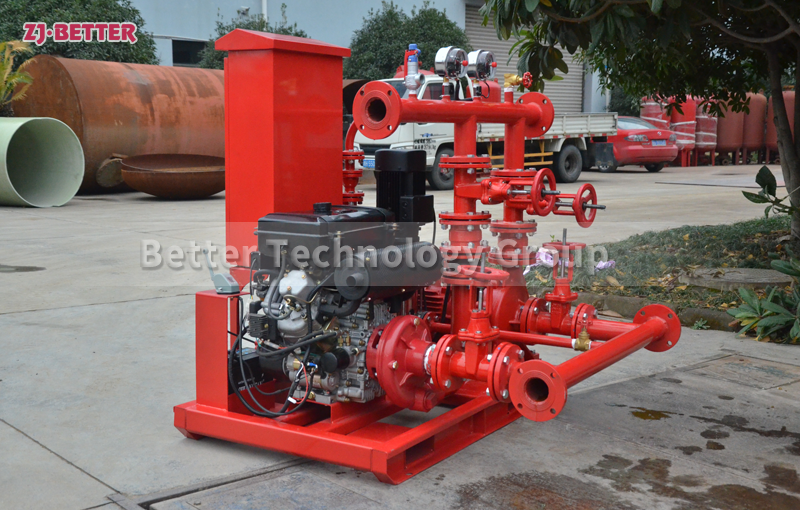
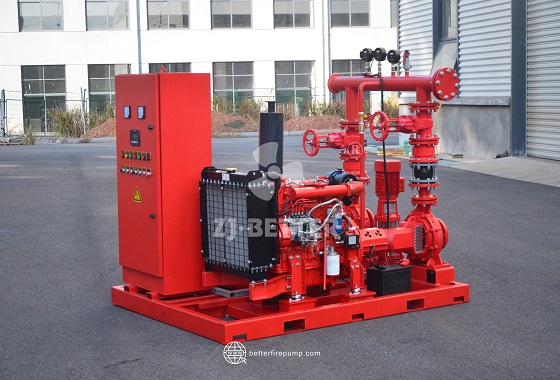
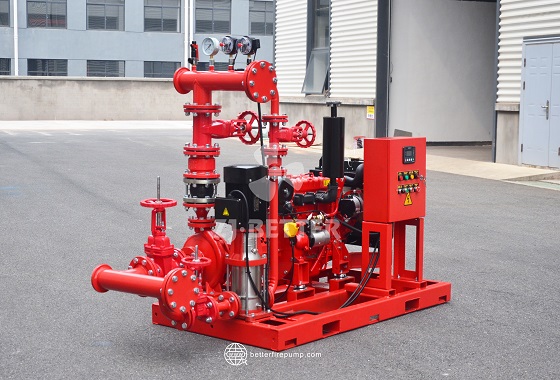
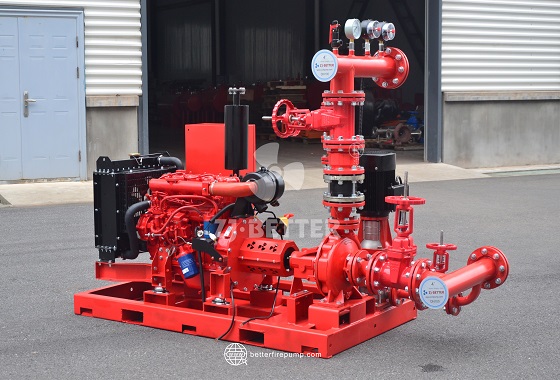
In modern fire safety management, fire pump control systems play a crucial role. They are not merely an additional component of traditional fire pumps but a key technology ensuring the efficiency and safety of firefighting operations. As the scale of buildings and industrial facilities continues to grow and fire risks increase, traditional fire pump systems often face higher operational requirements and technical challenges. Therefore, how to enhance the intelligence and automation of fire pump systems, and how to ensure the best firefighting results in the shortest time, have become key focuses of the fire protection industry. The ZJ-Better fire pump control system is an innovative solution to address these challenges. By integrating advanced technologies such as intelligent control, real-time monitoring, and fault diagnosis, the ZJ-Better fire pump control system provides users with an efficient, reliable, and precise fire protection solution. Firstly, the ZJ-Better fire pump control system has significant advantages in terms of intelligence. Traditional fire pump control systems primarily rely on manual adjustments, requiring operators to make multiple adjustments based on on-site conditions and equipment status. However, such manual operations not only increase the likelihood of human error but also impact fire extinguishing efficiency. The ZJ-Better fire pump control system employs advanced automation control technology, automatically adjusting the pump’s operating mode based on real-time data such as water flow and pressure. The system uses intelligent algorithms to automatically select the optimal pump station startup method and water flow control scheme based on the specific circumstances of the fire, enabling the system to achieve the desired firefighting effect in the shortest possible time. More importantly, this automation control effectively reduces human intervention, improving the system’s response speed and accuracy. In the event of a fire, the ZJ-Better fire pump control system can automatically activate the appropriate number of pump stations based on water flow and pressure data collected by sensors, ensuring that firefighting operations can be initiated swiftly without relying on manual judgment. This intelligent automatic adjustment not only optimizes the operational state of the firefighting system but also minimizes system response delays during a fire, thereby providing firefighters with valuable time and enhancing firefighting efficiency. Secondly, the ZJ-Better fire pump control system features real-time monitoring capabilities, providing comprehensive and detailed monitoring safeguards for the entire fire pump system’s operation. Modern buildings and industrial facilities typically have complex fire protection systems. During a fire, the ability to quickly and accurately assess equipment operational status and identify fault locations directly impacts firefighting effectiveness and personnel safety. The ZJ-Better fire pump control system integrates high-precision sensors to collect real-time data on pump temperature, pressure, flow rate, and other parameters, which are then analyzed using the system’s intelligent algorithms. This data helps the system determine in real time whether the equipment is operating at optimal performance. If any abnormalities are detected, the system immediately issues an alarm and notifies operators via the remote monitoring platform, ensuring efficient operation of the fire pump during a fire. For example, when the system detects insufficient water flow, it automatically adjusts the pump’s speed and pressure or activates a backup pump to ensure an adequate supply of firefighting water. Additionally, the remote monitoring functionality of the ZJ-Better fire pump control system enables operators to view the real-time operational status of the fire pump from a remote location. Whether operators are on-site or remotely managing operations, they can access real-time data via computers or mobile devices, adjust pump parameters, and ensure the fire protection system remains in optimal operational condition at all times. This real-time monitoring and data-sharing capability enhances overall fire management efficiency and provides facility managers with a convenient method for equipment monitoring. Third, the ZJ-Better fire pump control system features comprehensive fault diagnosis and self-repair capabilities, providing higher reliability in ensuring the smooth conduct of firefighting operations. As a core component of fire protection facilities, the stability of the fire pump system directly impacts the success or failure of firefighting efforts. In traditional fire pump control systems, once a fault occurs, manual inspection of the equipment, fault diagnosis, and repairs are often required, which not only wastes significant time but may also delay firefighting operations. The ZJ-Better fire pump control system is equipped with advanced fault diagnosis functionality, enabling real-time monitoring of the operational status of pump bodies, pipelines, and control systems. Upon detecting anomalies, the system immediately issues an alarm and automatically locates the fault position. Through this system, operators can accurately and swiftly identify the location and cause of the fault, significantly reducing fault resolution time. More advanced still, the ZJ-Better fire pump control system possesses self-repair capabilities. In cases of minor faults or abnormalities, the system can automatically adjust the operational parameters of the equipment, enabling the fire pump to continue functioning. For example, if the pump experiences a slight performance decline, the control system can automatically regulate water flow to ensure the system remains operational until the fault is resolved. This self-repair and intelligent diagnostic capability significantly enhances system reliability, reduces human intervention, and ensures efficient firefighting operations. Fourth, the ZJ-Better fire pump control system also offers energy-saving and environmentally friendly advantages. As global demands for energy efficiency and environmental protection continue to rise, the energy efficiency of fire suppression systems has become a key concern for many facility managers. The ZJ-Better fire pump control system achieves this through intelligent regulation of water flow and pressure, eliminating the wasteful practice of traditional fire pumps continuing to operate at full capacity even when high flow rates are unnecessary. During a fire, the control system can adjust water flow and pump power according to actual needs, meeting firefighting requirements while minimizing energy consumption. Additionally, the system can monitor various parameters in real-time to help managers optimize equipment operation, reduce energy consumption and emissions, and achieve more efficient and environmentally friendly firefighting operations. This energy-saving advantage enables the ZJ-Better fire pump control system to reduce operational costs while meeting the high environmental standards required by modern buildings and industrial facilities. Finally, the ZJ-Better fire pump control system features a simple and intuitive user interface, significantly enhancing operational convenience and user experience. The system is equipped with an intuitive touchscreen interface, allowing operators to adjust water flow, check equipment status, and start or stop the pump with just a few simple steps. The interface design is user-friendly, providing detailed fault alarm information, operation logs, and other data to enable users to respond quickly. Additionally, the system supports multiple language options to meet the needs of users in different regions. This simplified operation method lowers the technical barriers for operators, ensuring efficient management and use of the fire pump system. Overall, the ZJ-Better fire pump control system, with its advanced intelligent control, real-time monitoring, fault diagnosis, self-repair, and energy-saving and environmentally friendly features, plays an indispensable role in modern fire safety management. Whether in high-rise buildings, industrial parks, or high-risk areas such as petrochemical facilities, the ZJ-Better fire pump control system provides efficient and reliable fire protection. By adopting this intelligent control system, users can not only enhance firefighting efficiency and safety but also achieve optimized allocation of firefighting resources and long-term energy conservation and emissions reduction. The ZJ-Better fire pump control system offers a new solution for future fire safety management and drives the intelligent development of firefighting equipment.