Standalone Diesel Powered Fire Pump Unit for Reliable Firefighting During Power Failure
Independent diesel-powered fire pump units can start quickly in the event of a power outage, with stable flow, sufficient head, and compact structure. They are suitable for reliable fire water supply systems in industrial plants, municipal engineering projects, and large facilities.
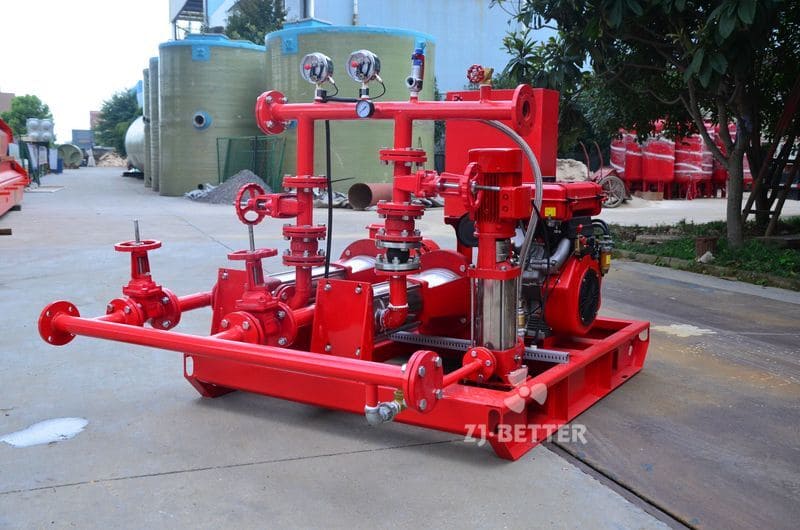
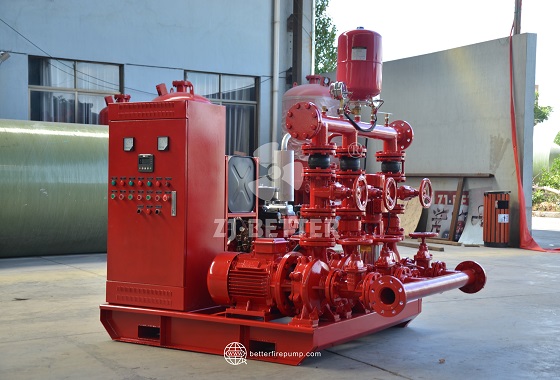
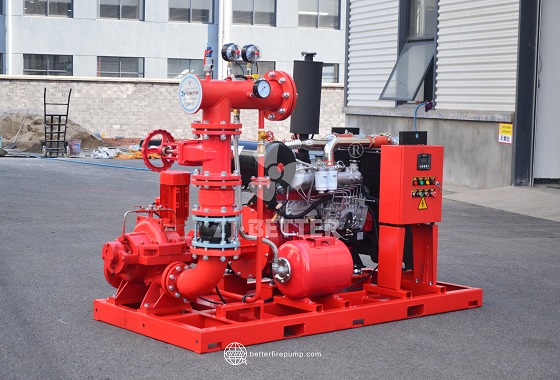
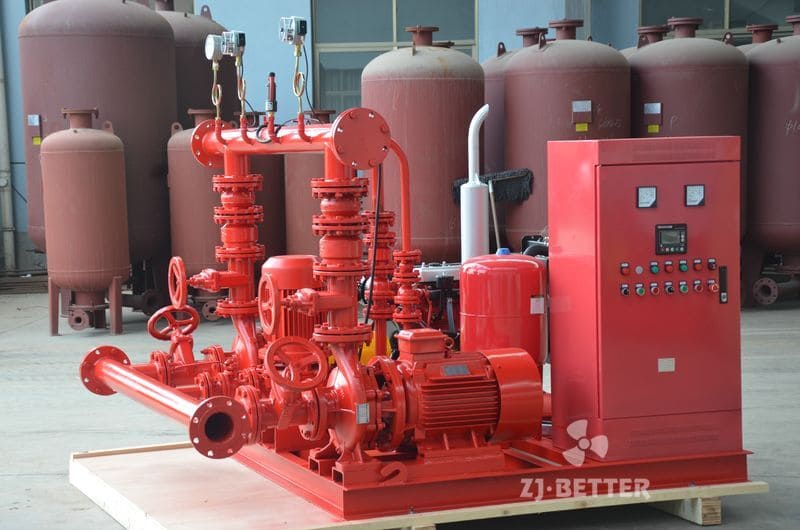
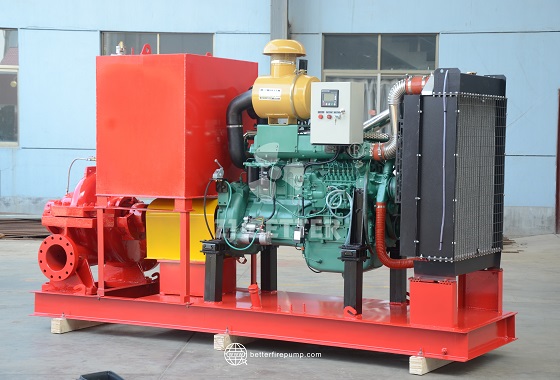
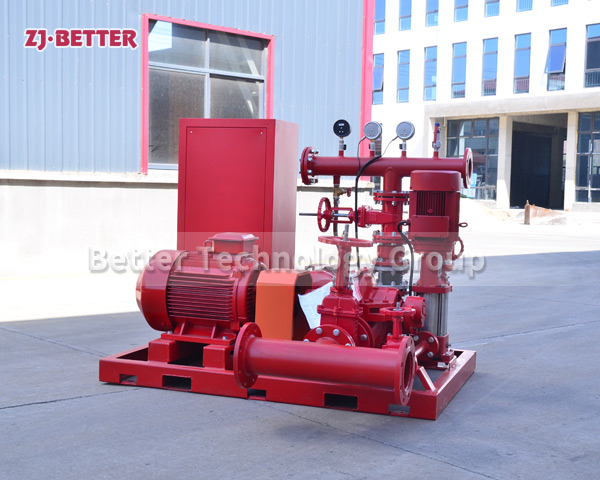
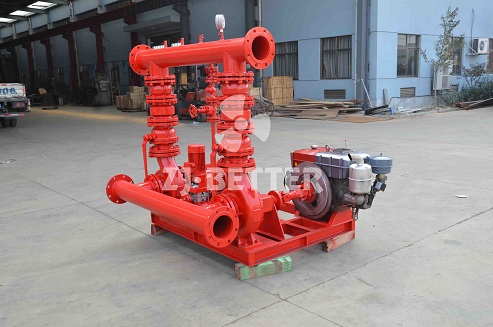
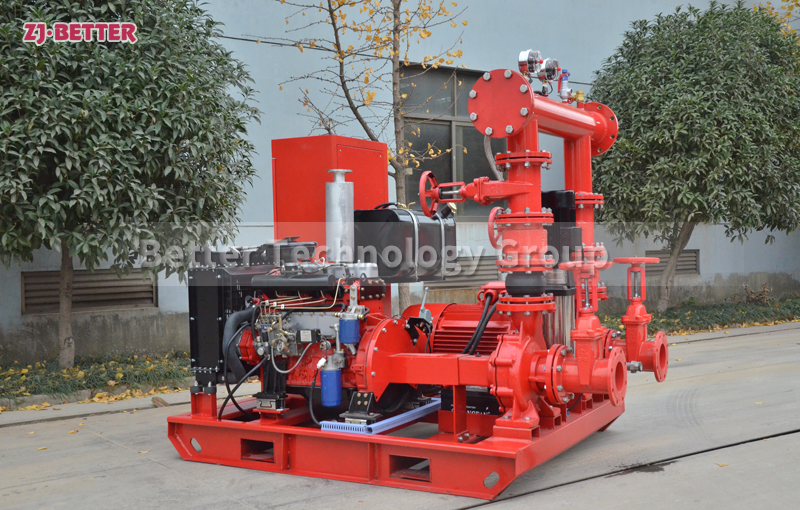
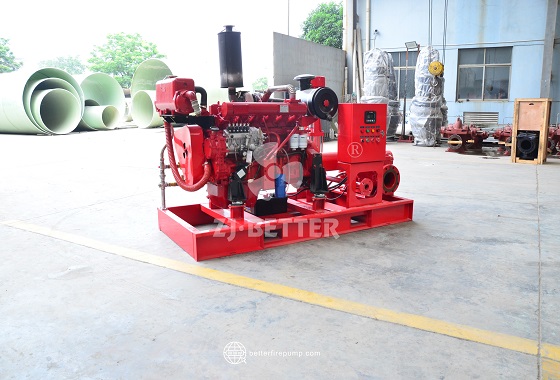
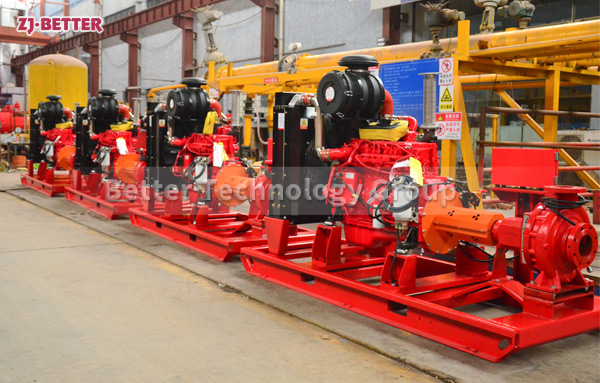
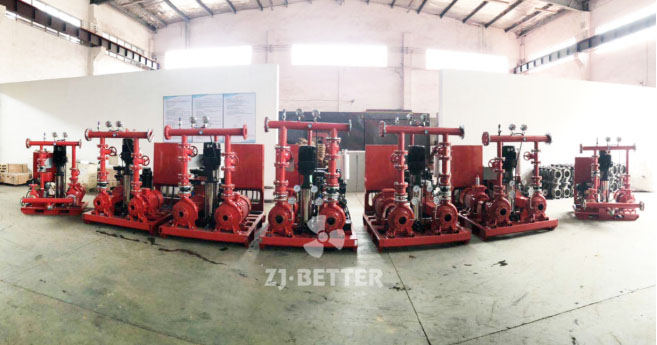
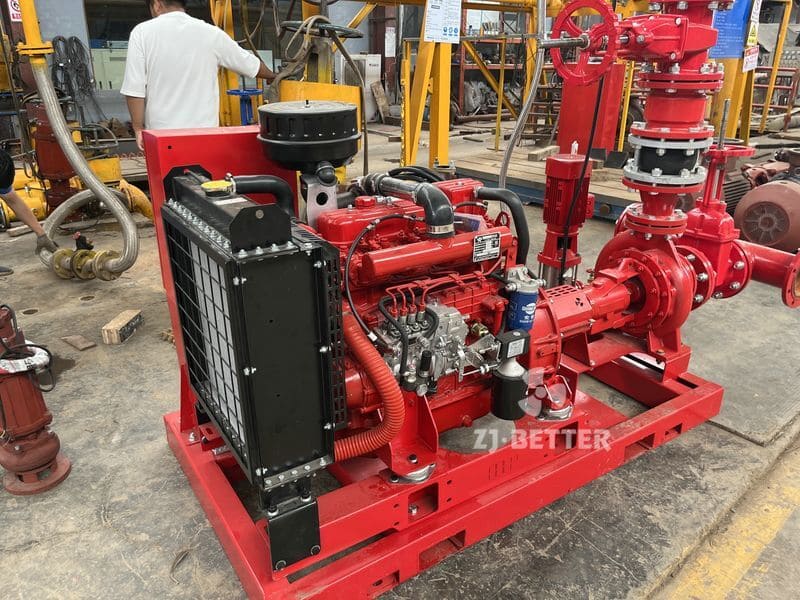
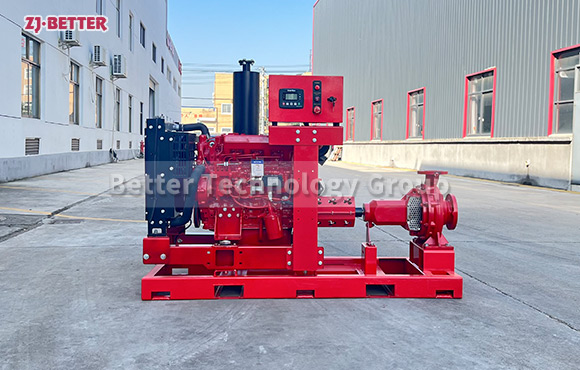
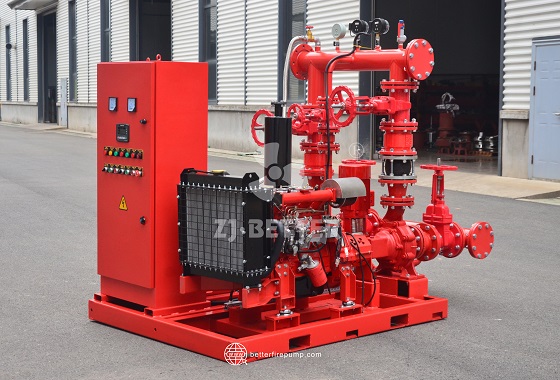
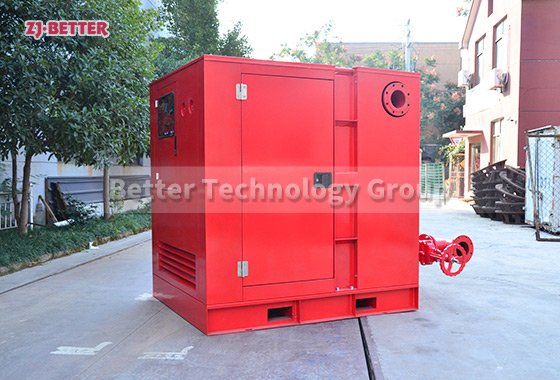
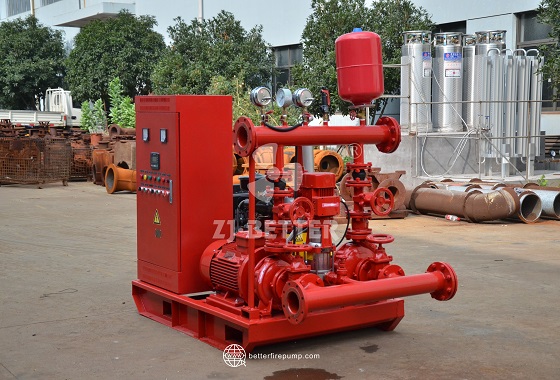
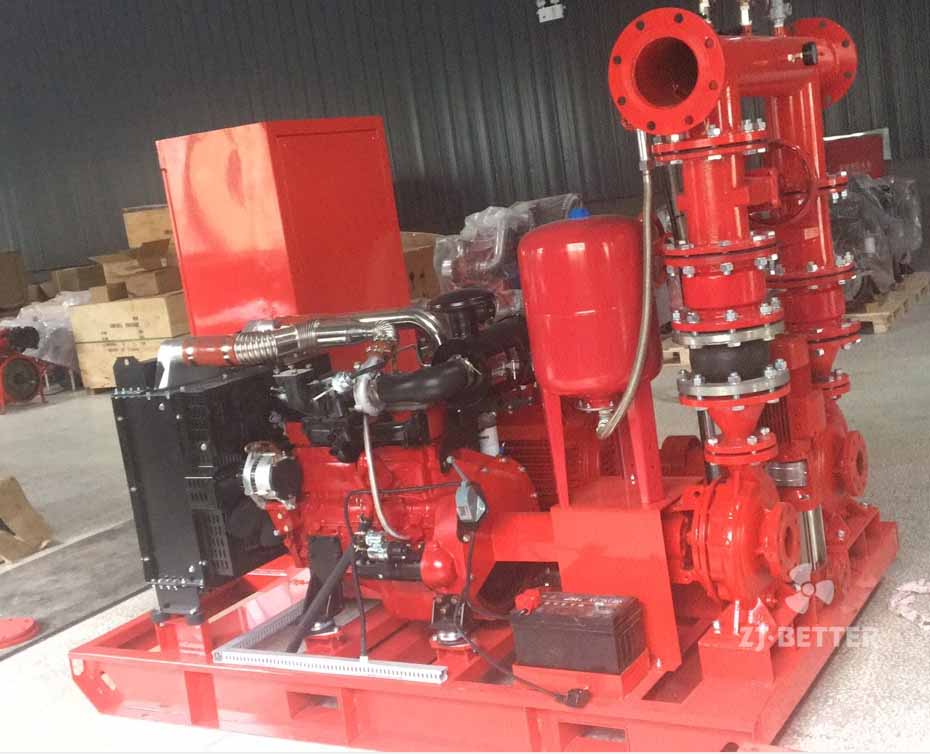
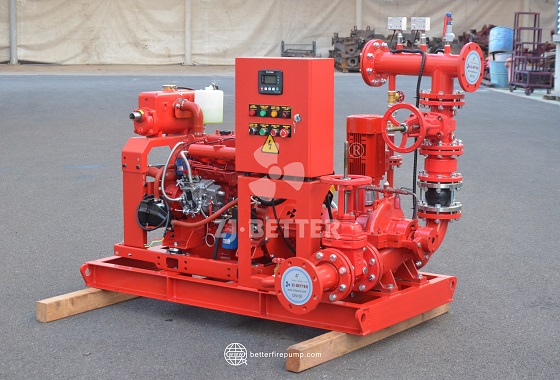
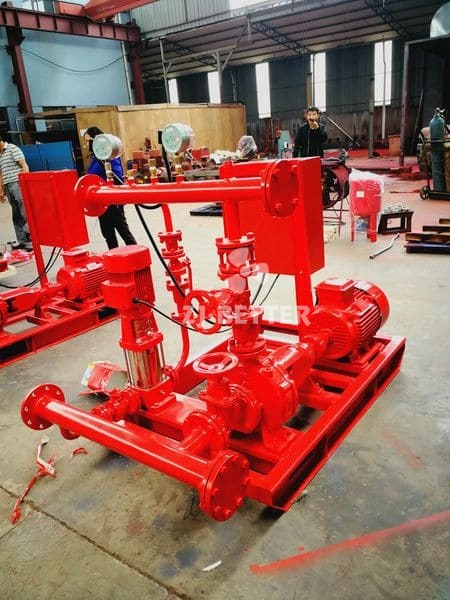
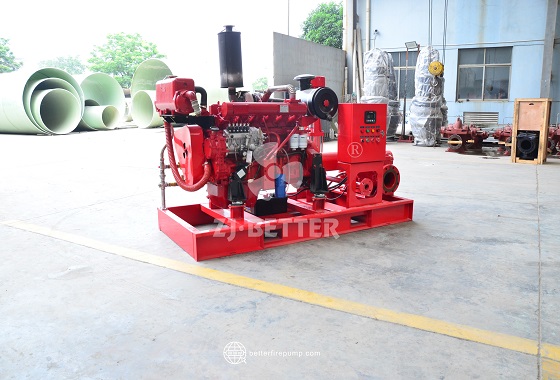
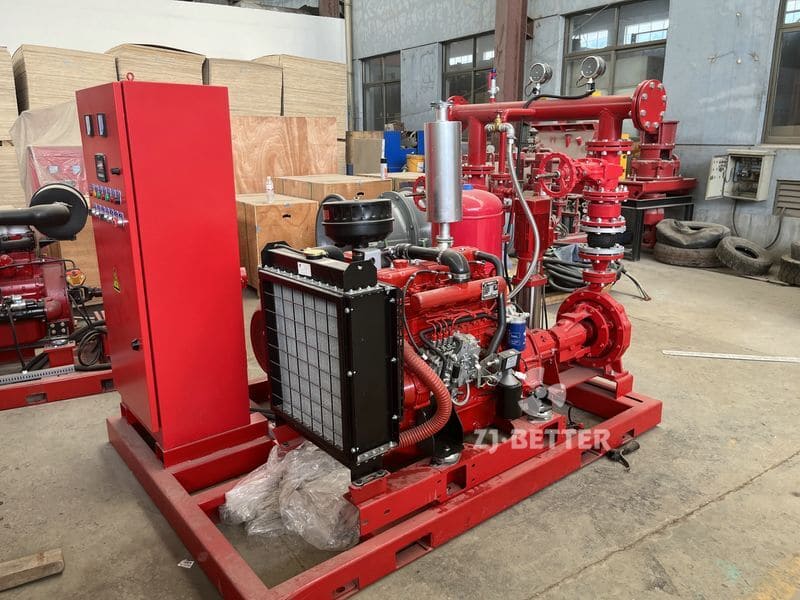
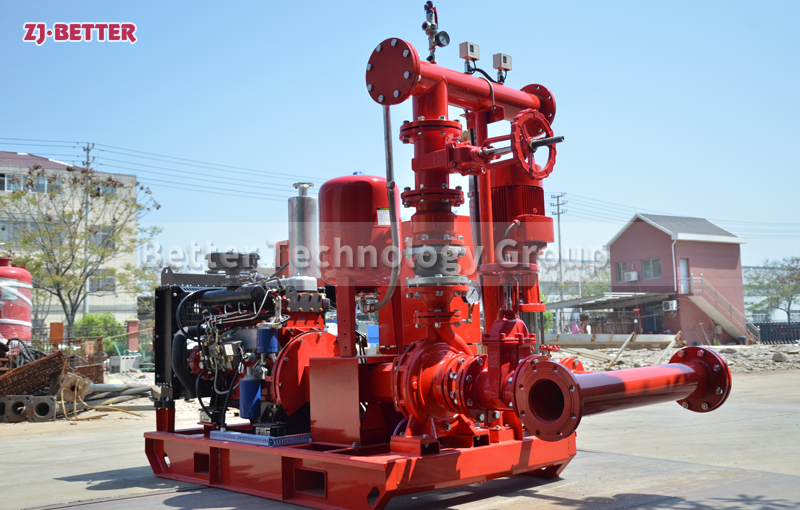
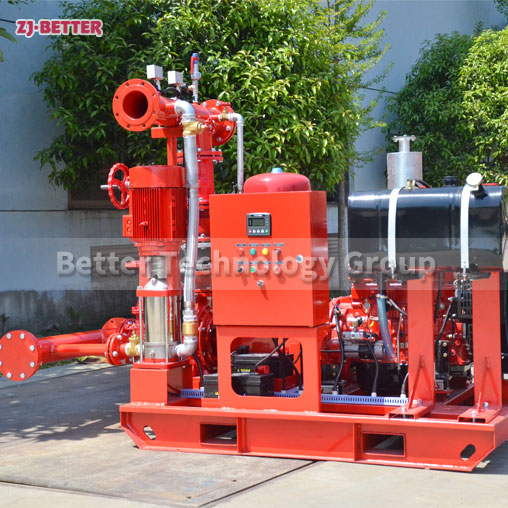
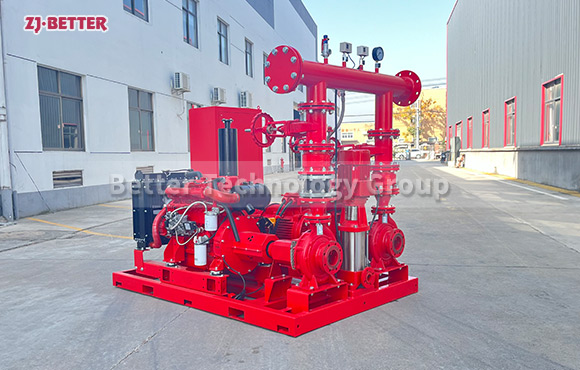
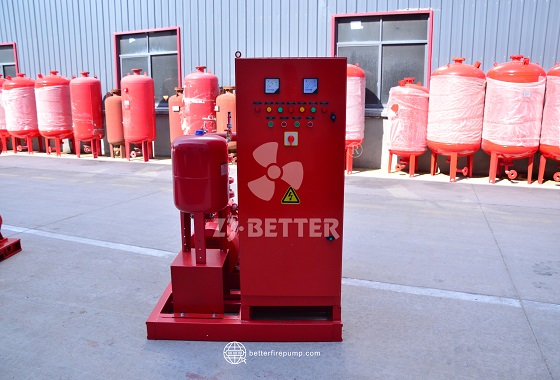
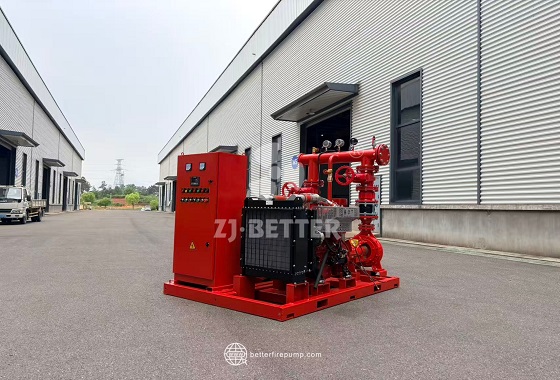
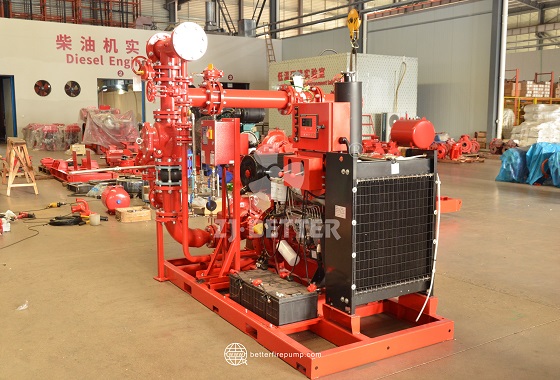
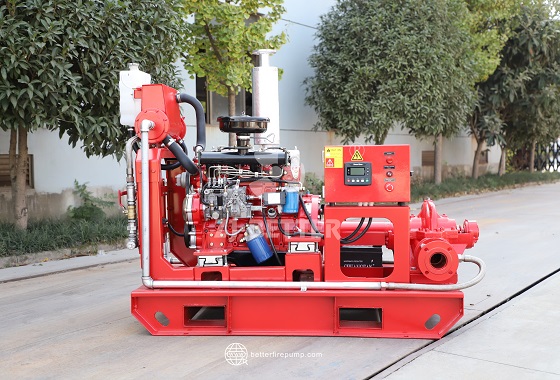
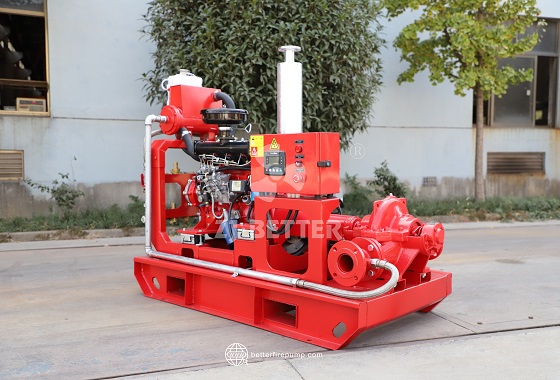
This independent diesel-powered fire pump unit is a specialized piece of equipment designed for fire-fighting water supply in environments with power outages or unstable power supply. With its compact structure and strong system independence, it can continuously and stably provide fire-fighting water under various complex operating conditions. It is a core piece of equipment in fire-fighting systems for industrial plants, warehousing and logistics centers, municipal facilities, tunnel projects, mining areas, ports, and remote areas. Using a diesel engine as its primary power source, the unit does not rely on an external power system and can quickly start and operate in the event of a sudden fire or power grid failure, greatly improving the reliability and safety redundancy of the fire-fighting system. The diesel power system is specially matched and calibrated, possessing high torque output characteristics, enabling it to drive the fire pump to rated speed in a short time, ensuring rapid and stable flow and head, and meeting the stringent requirements of fire codes for start-up time and water supply intensity. The fire pump section typically adopts a high-efficiency centrifugal structure design with a mature hydraulic model. The flow components are precision cast and machined, resulting in smooth internal flow channels and low energy loss. This ensures good efficiency while maintaining high flow output, effectively reducing fuel consumption and mechanical wear during long-term operation. The pump body material possesses excellent pressure resistance, corrosion resistance, and impact resistance, adapting to impurities, water quality fluctuations, and long-term static environments that may exist in fire water sources, ensuring reliable operation of the equipment at critical moments. The unit adopts a skid-mounted or base-mounted structure, with a high degree of integration of the engine, fire pump, coupling, cooling system, fuel system, and control system. Alignment and commissioning are completed before leaving the factory; on-site installation only requires completing the inlet and outlet water pipes and foundation fixing, significantly shortening the installation cycle and reducing construction difficulty. An independent control system is one of the unit’s key advantages. The control cabinet can realize functions such as automatic start-up, automatic shutdown, operating status monitoring, and fault alarms. When the pipeline pressure drops or a fire signal is triggered, the system can complete self-checks and start the unit in a very short time, ensuring the critical water supply needs in the initial stage of fire suppression. The control logic design meets the continuous operation requirements of the fire protection system, maintaining stable output even under long-term operation, avoiding system instability caused by frequent start-ups or load fluctuations. The engine cooling system typically employs water cooling or radiator cooling solutions, coupled with a high-efficiency fan and a well-designed airflow organization. This ensures excellent heat dissipation even in high-temperature environments or under full-load operation, preventing overheating and power reduction in the power system, thus guaranteeing the fire pump maintains its rated performance output. The fuel system has ample capacity to support long-term continuous operation, meeting the continuous water supply needs of large venues or complex fire scenarios. The entire unit is designed with ease of maintenance in mind, featuring a rational layout of key components and clear daily inspection points. Routine maintenance can be performed without complex disassembly, effectively reducing later maintenance costs. Furthermore, the unit boasts excellent expandability and adaptability, allowing for various flow and head parameters to be matched to different project requirements. It can also work in conjunction with various fire duct networks, sprinkler systems, and fire hydrant systems, flexibly adapting to different application scenarios. To enhance long-term reliability, key connections utilize high-strength fastening solutions, and the coupling system undergoes dynamic balancing, ensuring smooth operation and minimal vibration, effectively extending the service life of bearings and seals. The overall protective design fully considers outdoor or semi-outdoor installation environments. The unit base has high strength and strong resistance to deformation, capable of withstanding mechanical stress generated during transportation and use. It also possesses a certain degree of dustproof and splashproof capability, ensuring stable operation of the equipment in complex environments. Through deep matching of diesel power with the fire pump system, this independent diesel fire pump unit demonstrates outstanding performance in terms of start-up reliability, continuous water supply capacity, environmental adaptability, and system safety. It is an ideal solution for ensuring fire water supply in power outage environments, providing stable, efficient, and reliable core power support for various fire protection projects.