Packaged Electric Fire Pump Control Equipment – Dedicated Cabinet and Centralized Pump Layout
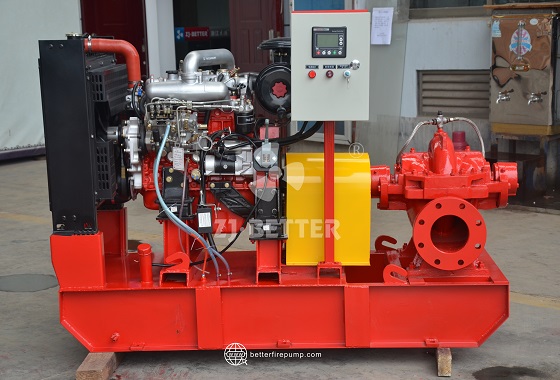
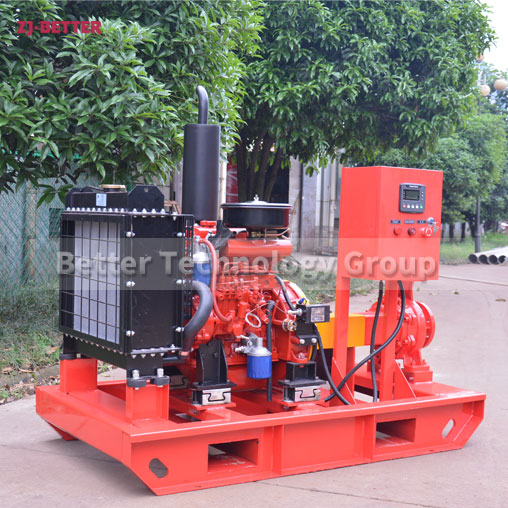
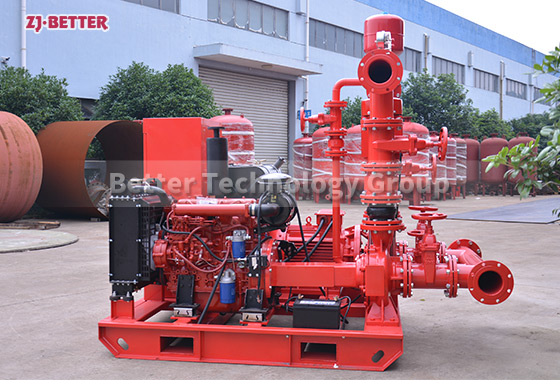
The electric fire pump control assembly integrates an electric motor, a fire pump, a dedicated control cabinet, and auxiliary components. Featuring a skid-mounted, centralized layout, it facilitates installation, operational management, and routine maintenance. Both the pump type and the electrical control configuration can be customized to meet specific project requirements.
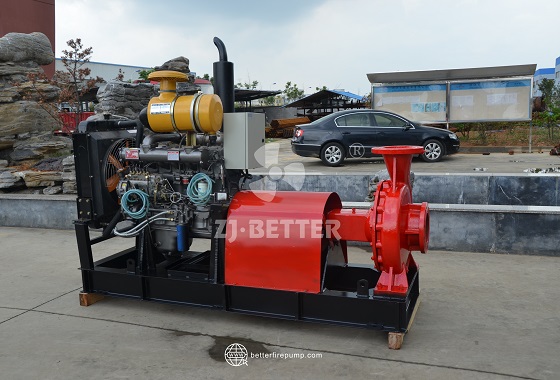
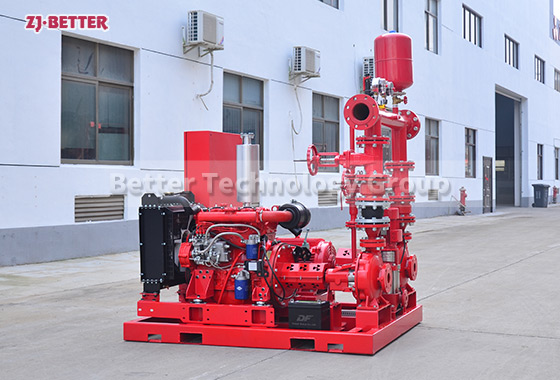
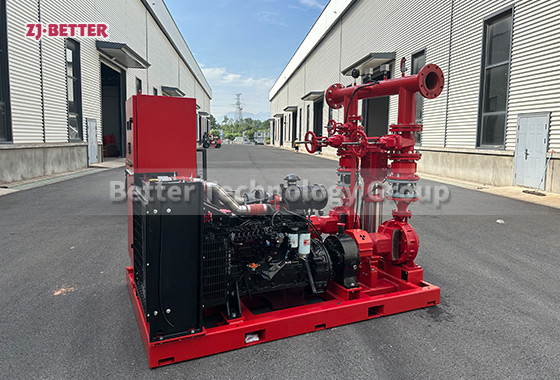
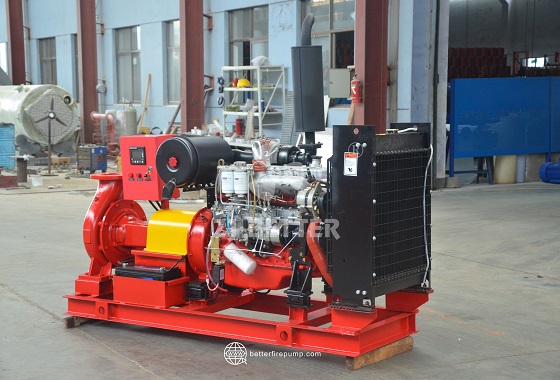
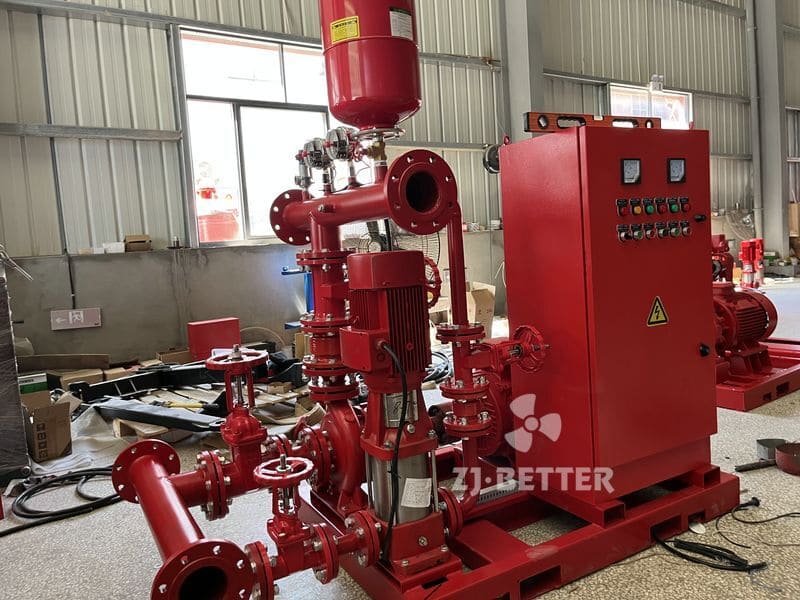
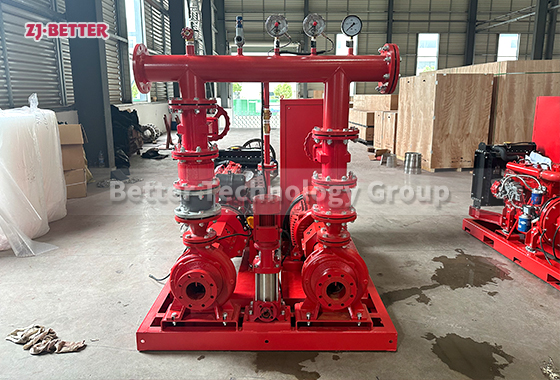
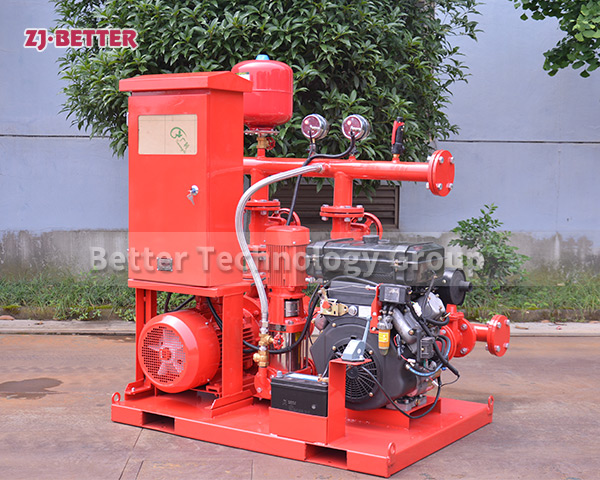
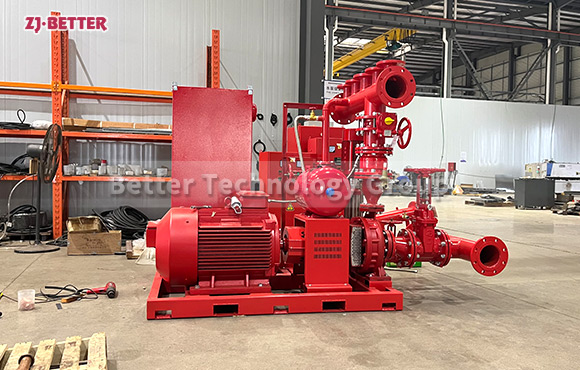
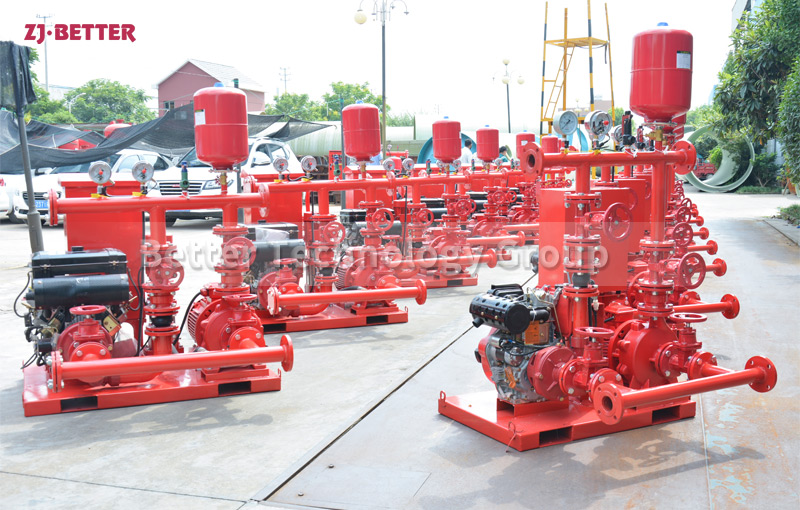
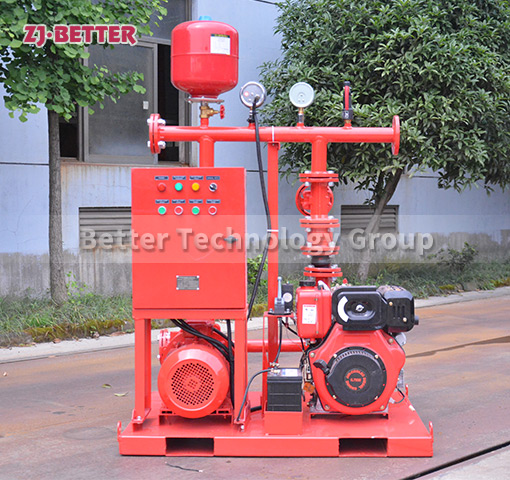
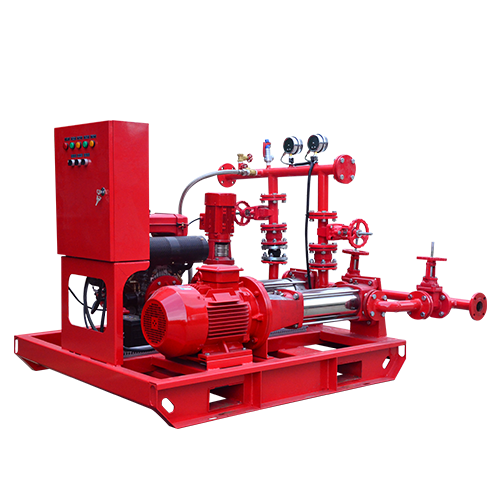
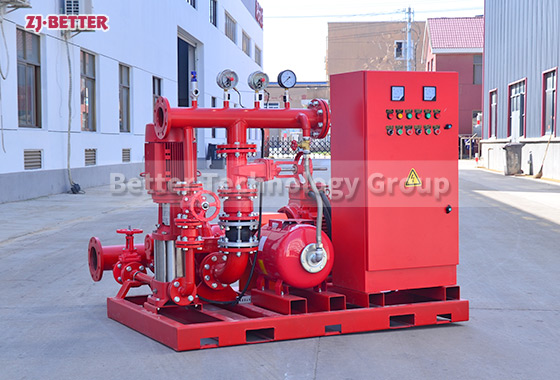
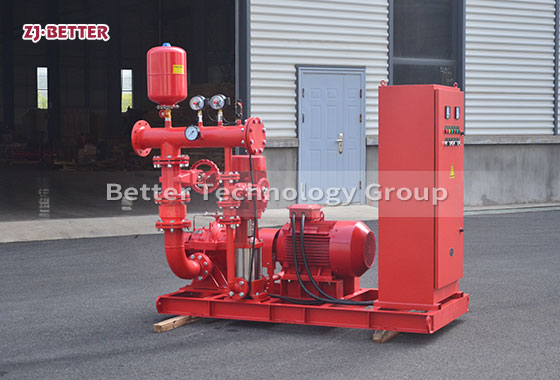
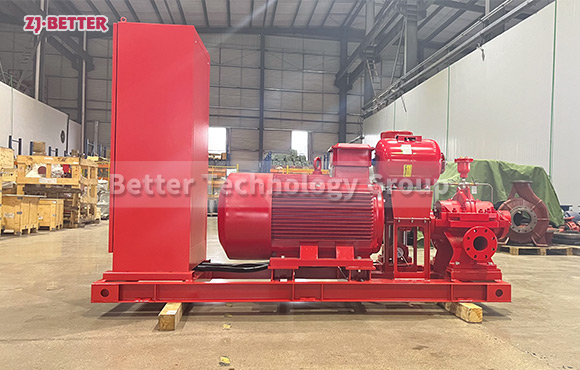
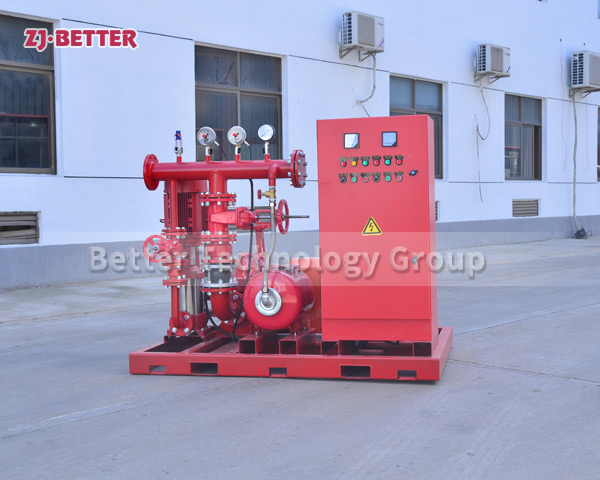
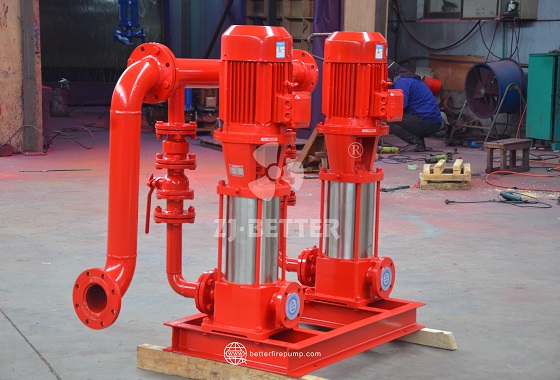
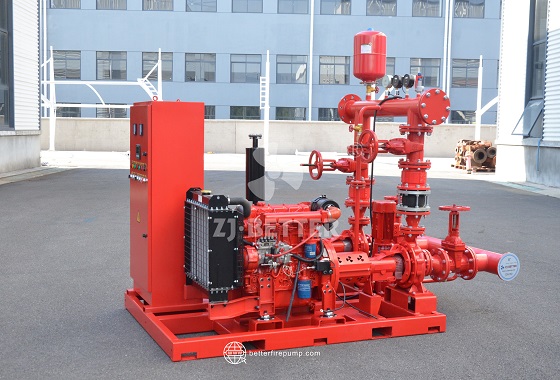
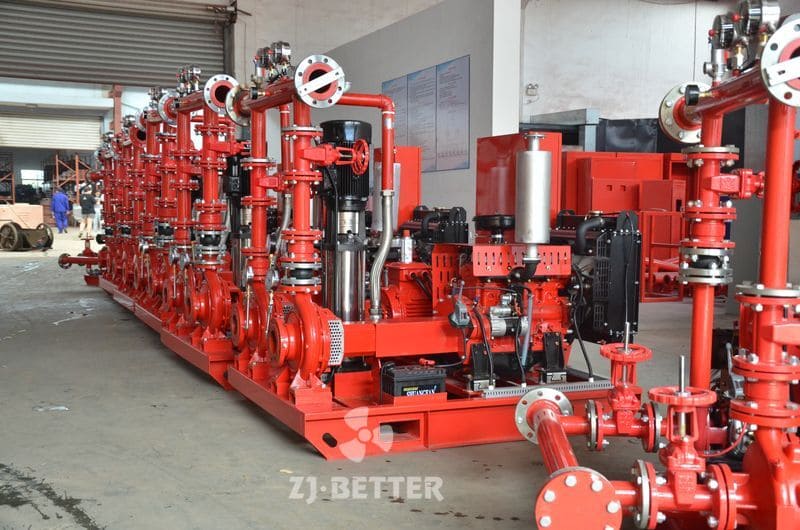
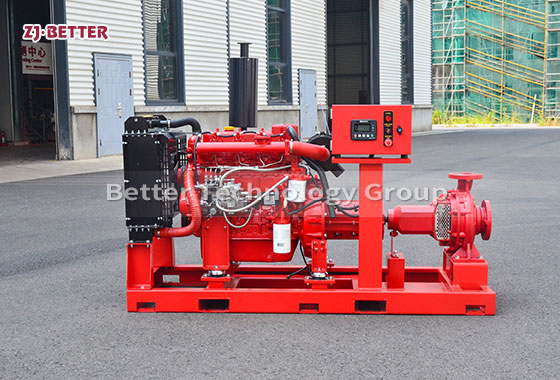
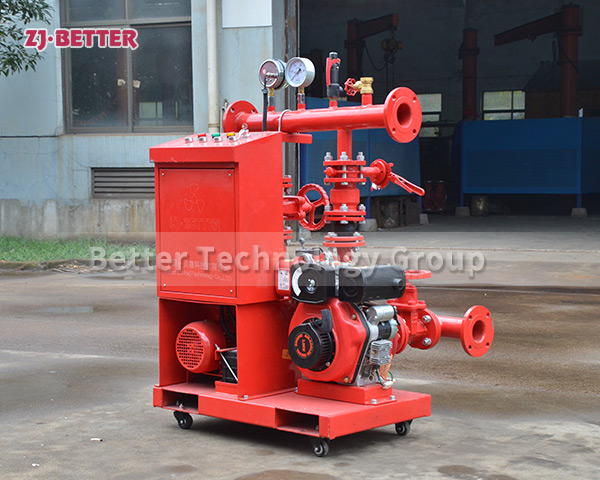
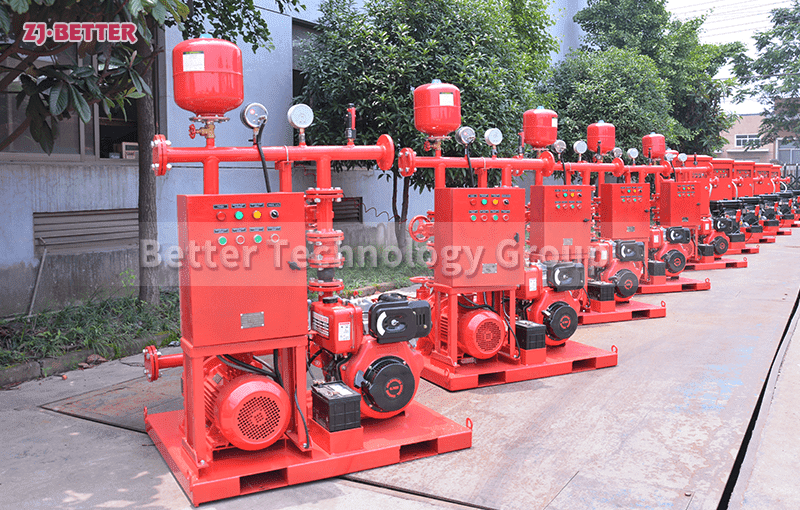
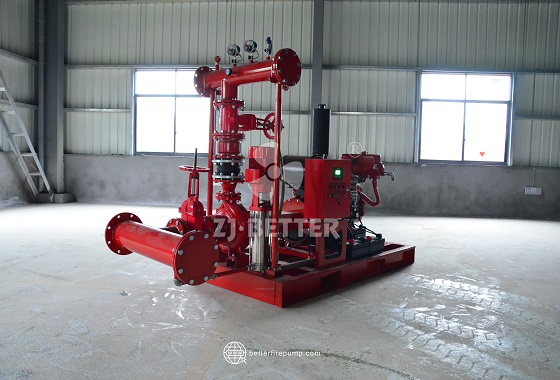
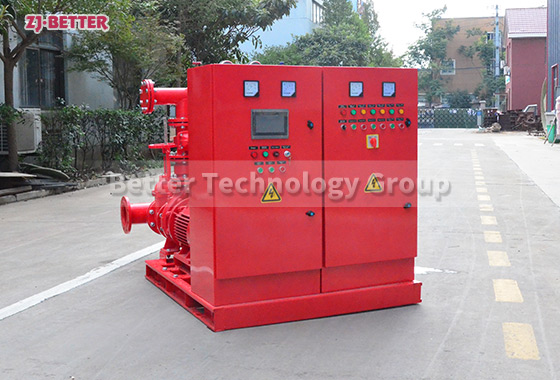
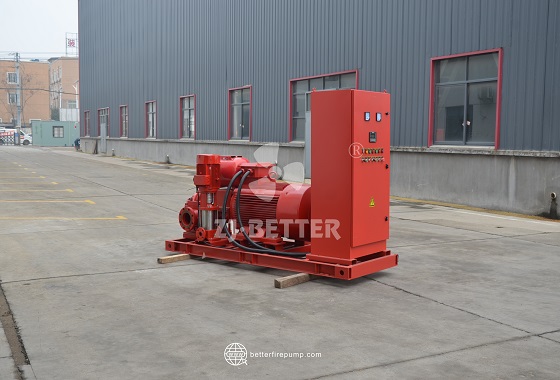
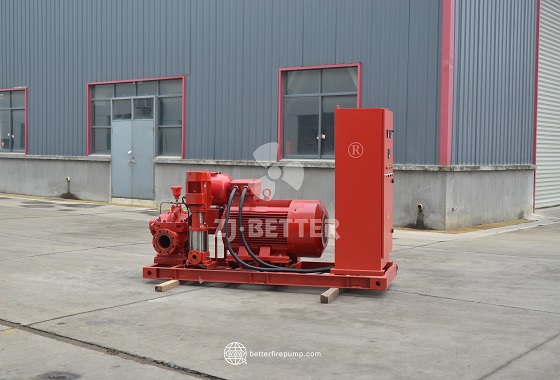
An integrated electric fire pump control system is a fire-fighting water supply unit that consolidates fire pumps, electric motors, a dedicated control cabinet, and related auxiliary components. It is primarily used in buildings, industrial facilities, warehouses, and other locations that require a fixed fire-fighting water supply system. Structurally, the unit features a unified skid-mounted base, with horizontal and vertical pump assemblies and an electrical control cabinet arranged together to form a cohesive, complete system. Compared to installations where pumps and control equipment are positioned separately, this centralized layout clarifies the interconnections between components, reduces the need for on-site positioning and auxiliary installation work, and facilitates future inspection and maintenance. The dedicated control cabinet is a critical component of the system; it houses instrumentation displays and operating controls, enabling functions such as starting and stopping the pumps, monitoring operational status, and managing system control. The cabinet can be configured with specific electrical components, control circuits, and protective features tailored to project requirements—with the starting logic, automatic control modes, and fault alarm functions determined by the specific pump types and engineering design. The electric motor provides the drive power for the fire pump, which utilizes a rotating impeller to transport water. The motor power, pump type, and hydraulic performance must be carefully selected based on the flow rate, head, and operating conditions required by the fire-fighting system to ensure compatibility with the on-site piping network. As shown in the image, both vertical and horizontal pump assemblies are mounted on a single base; while such multi-component configurations can be customized to project needs, the specific purpose and operational role of each pump should be verified against the actual project documentation. The integrated base provides a unified support structure for the pumps, motors, and control cabinet, simplifying transportation, on-site positioning, and final installation, while also resulting in a more compact layout. This integrated design offers significant convenience for projects with limited space or those seeking to minimize on-site, decentralized installation tasks. Users can select the appropriate pump types, motor power, control cabinet specifications, piping connections, and auxiliary components based on their specific fire-fighting water supply requirements, ensuring the system is well-suited to the scale of the building or the demands of the industrial application. During equipment installation, the foundation must be secured, power supply wired, water inlet and outlet piping connected, and grounding established in accordance with the engineering drawings. Adequate space must also be reserved for operating the control cabinet, inspecting the pump unit, and performing motor maintenance. Before the equipment is officially put into operation, electrical connections, the rotational direction of the pump unit, pipeline sealing, and control functions must be verified; furthermore, equipment startup and performance testing must be conducted as per project requirements. During routine use, the motor, pump unit, control cabinet, and associated components should be inspected regularly; any anomalies must be addressed promptly to ensure the equipment remains in a reliable, ready-to-use state. By integrating a standalone control cabinet with the pump unit, the electric fire-fighting pump control system consolidates the drive mechanism, pumping components, and electrical controls onto a unified installation platform. This provides a compact, flexibly configured, and easily managed solution for fire-fighting water supply systems. Specific performance characteristics and control functions are determined by the actual model and the technical requirements of the specific project.