Home » Fire Pump Set » Small fire fighting package set

Small fire fighting package set

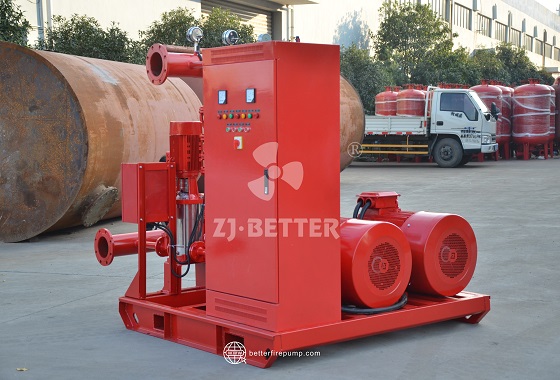
ED small fire fighting water supply equipment is used in hotels, shops, stores, warehouses, workshops, residential and other places with high fire protection requirements.

Rated 4.6/5 based on 541 customer reviews
Share:
Content

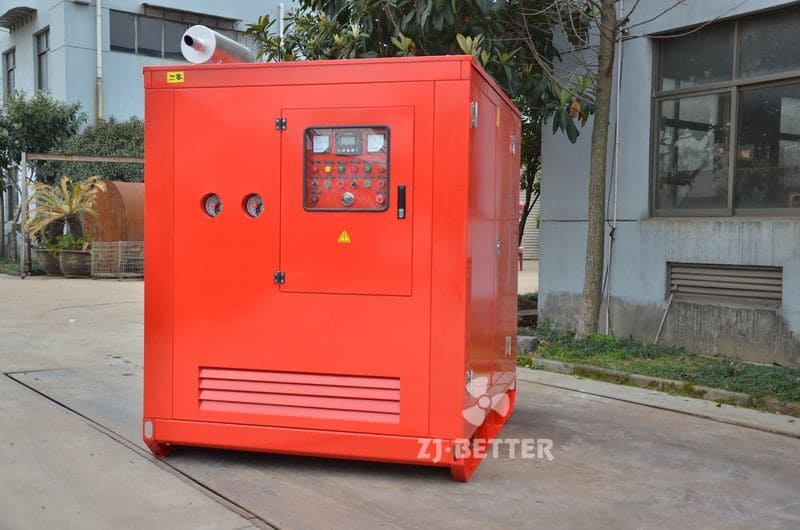
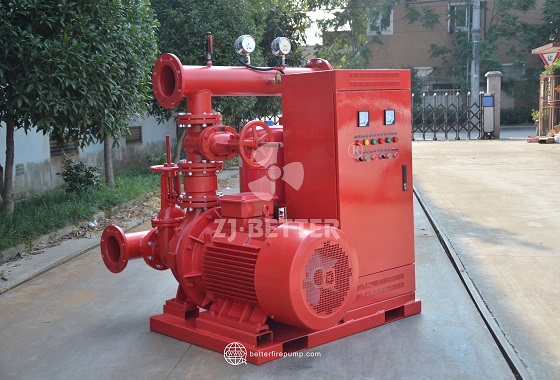
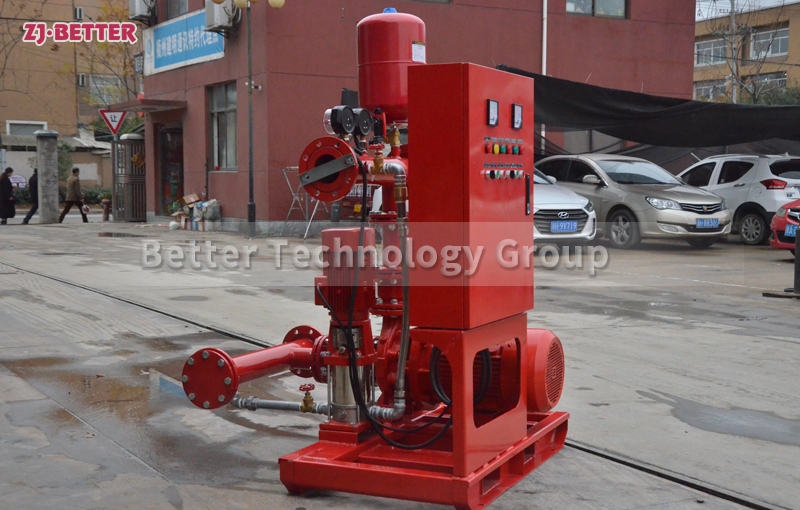
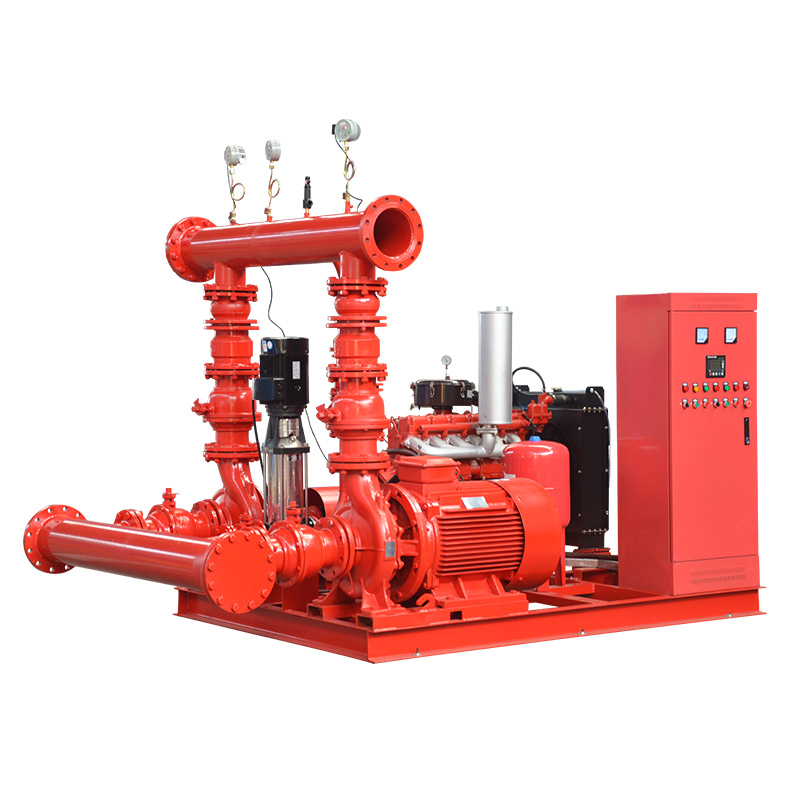
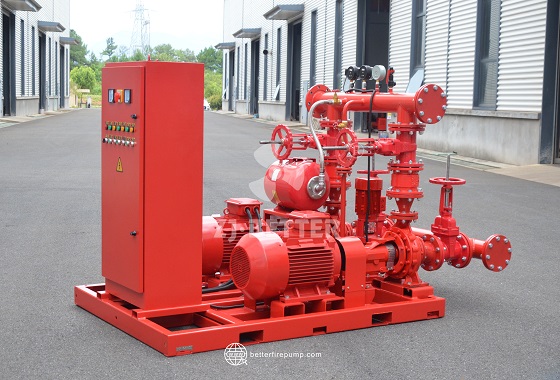
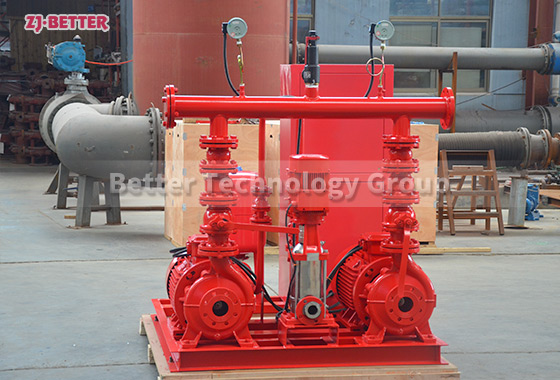
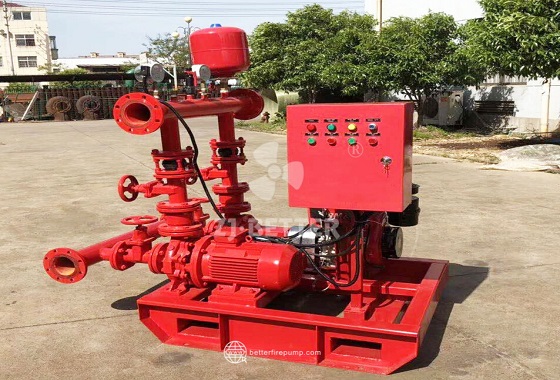
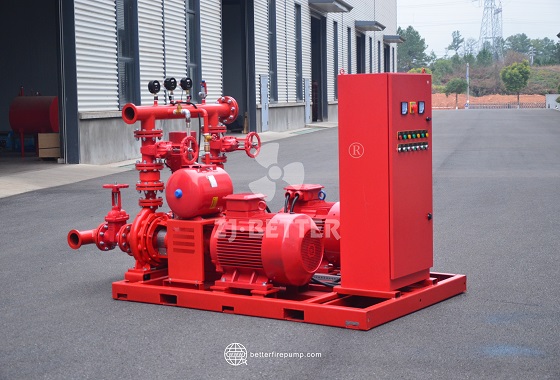
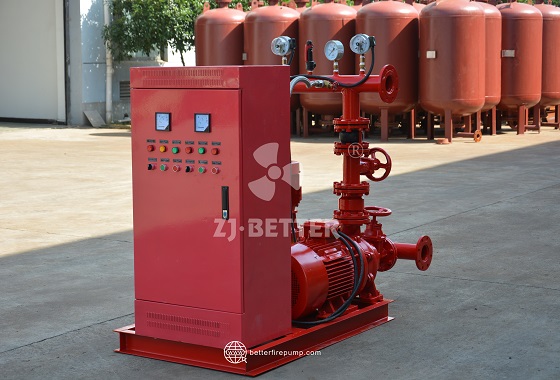
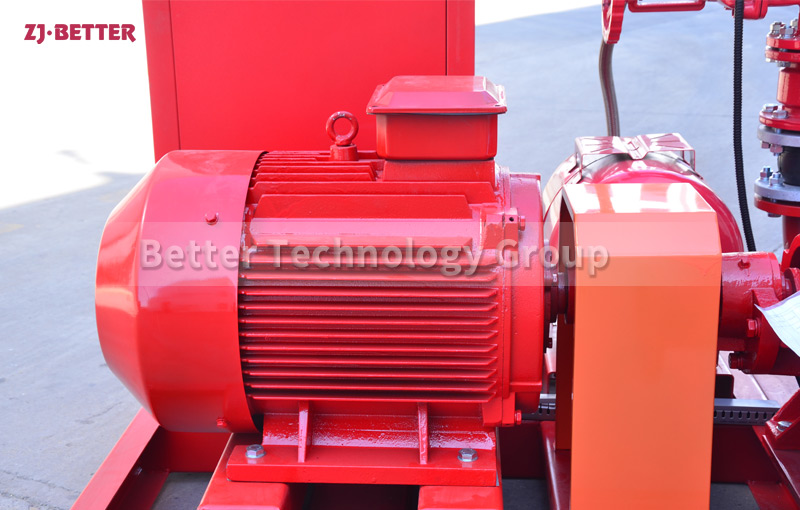
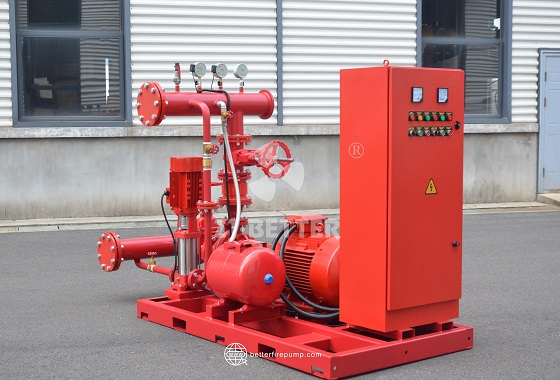
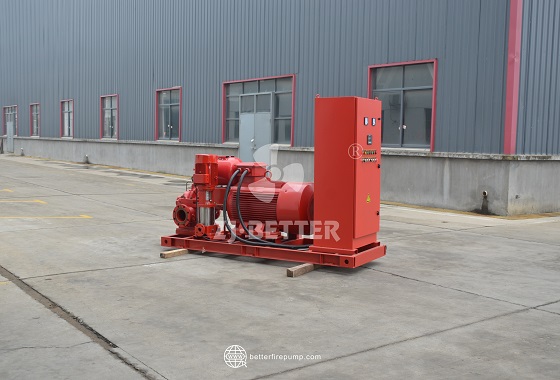
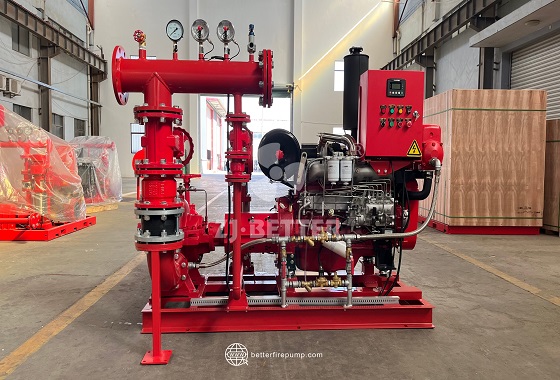
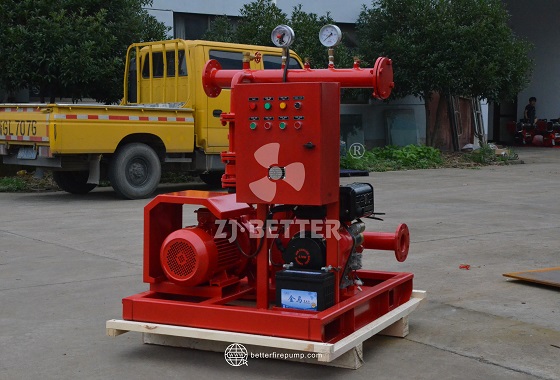
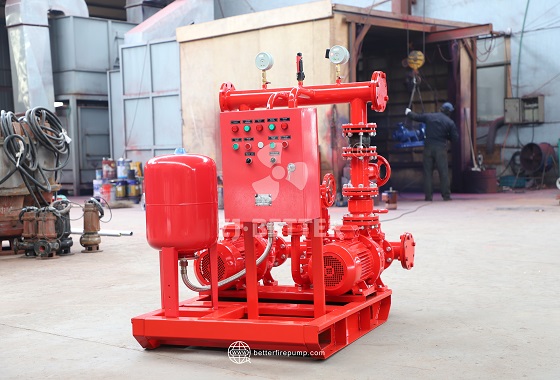
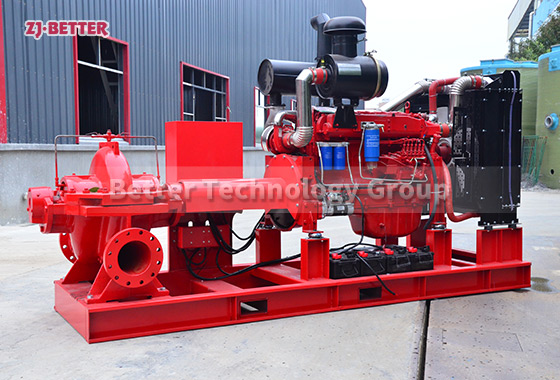
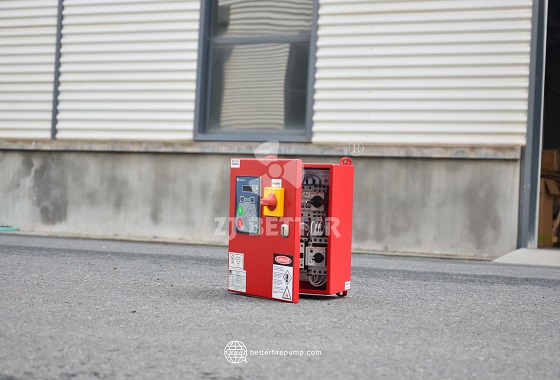
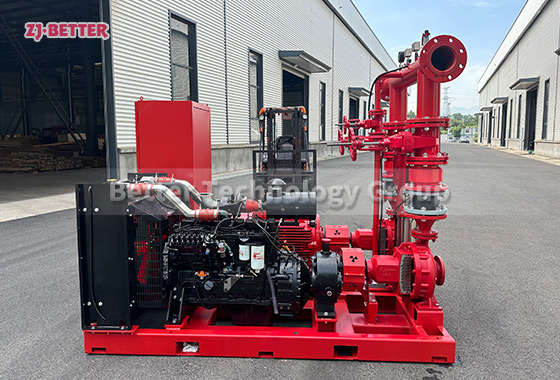
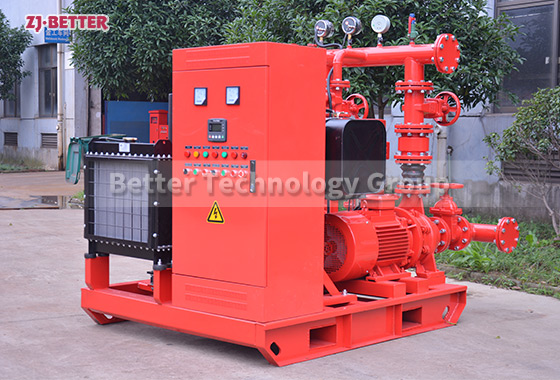
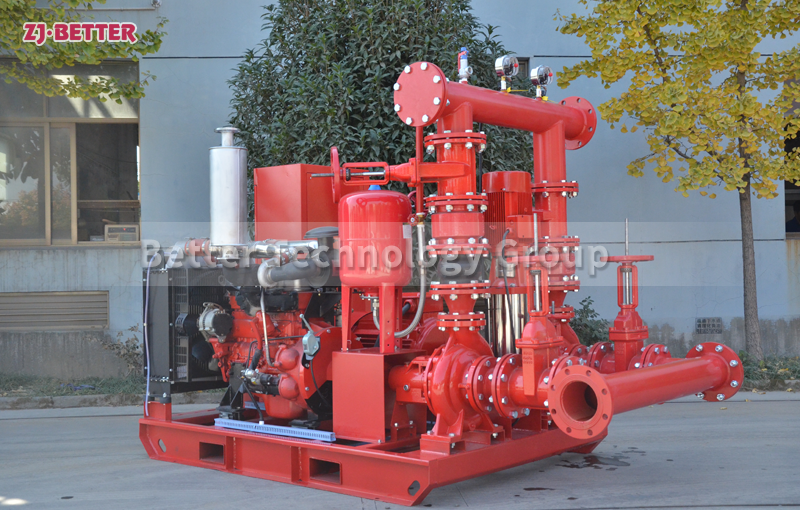
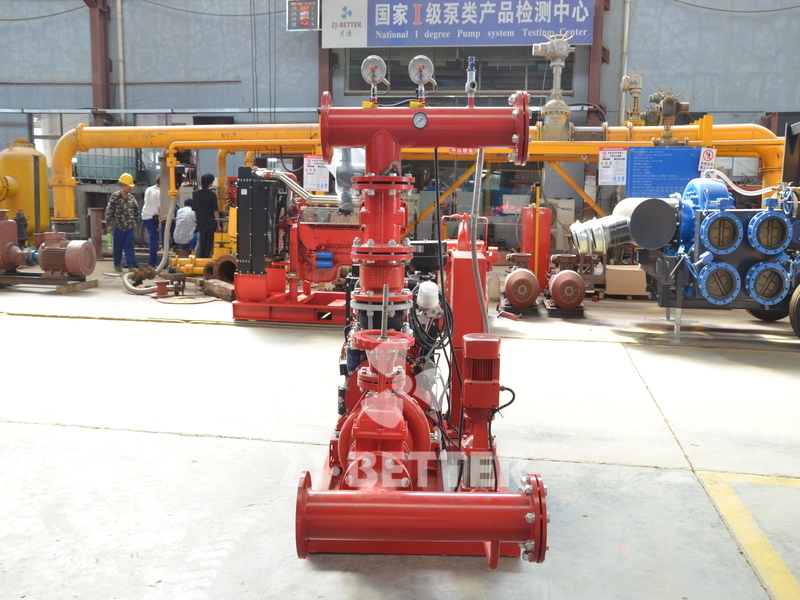
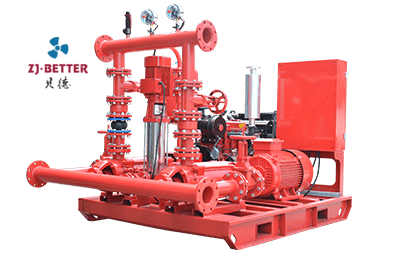
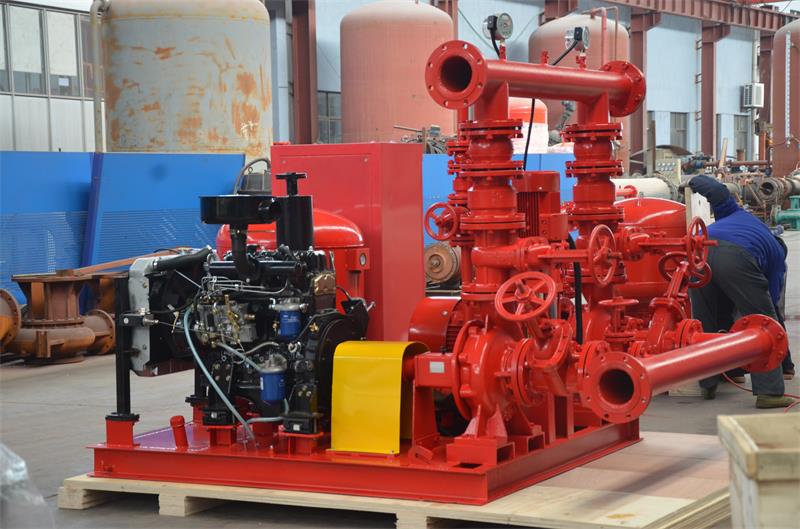
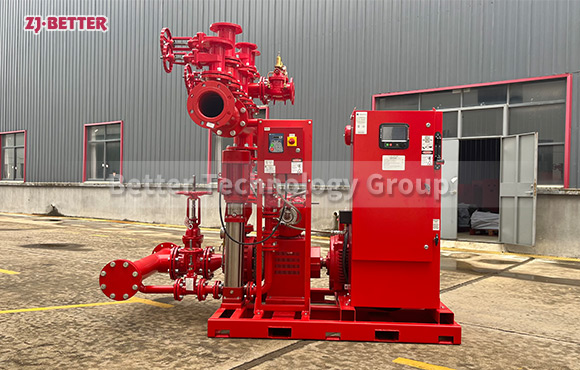
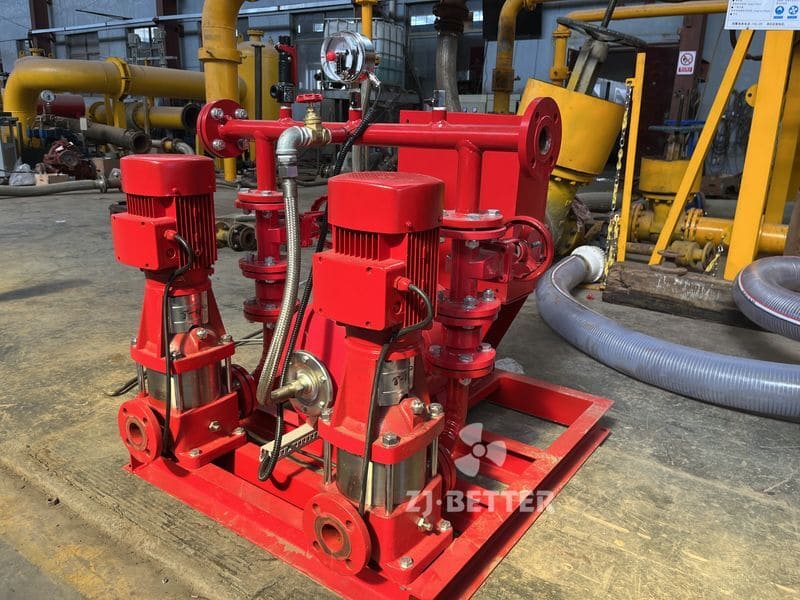
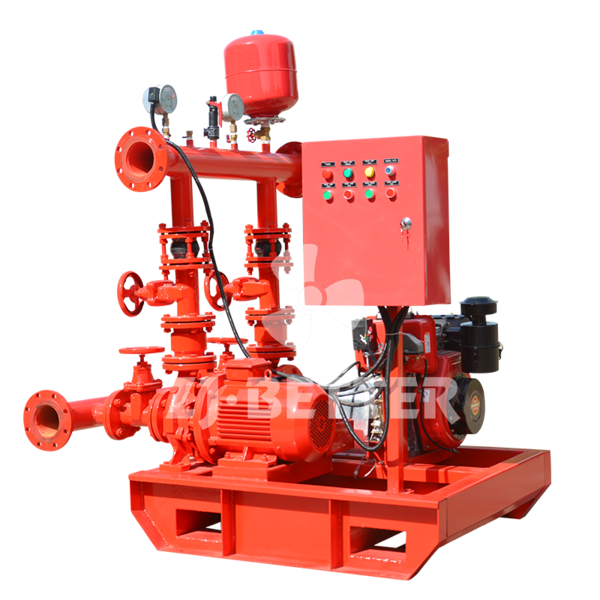
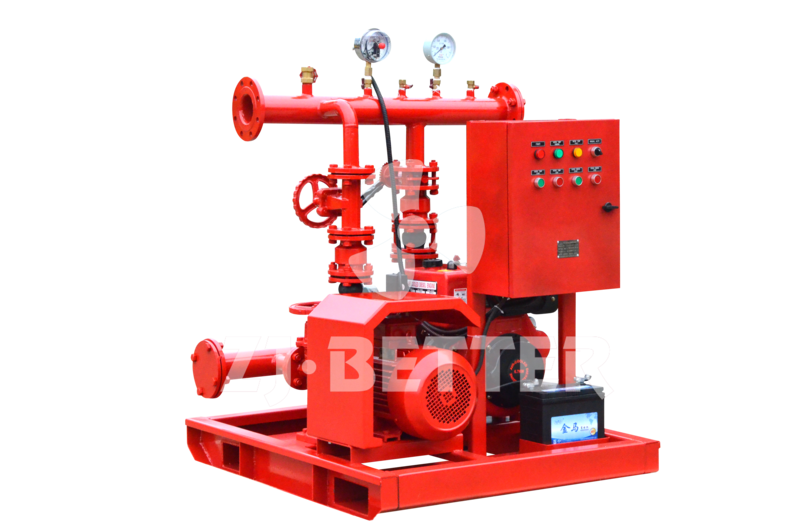
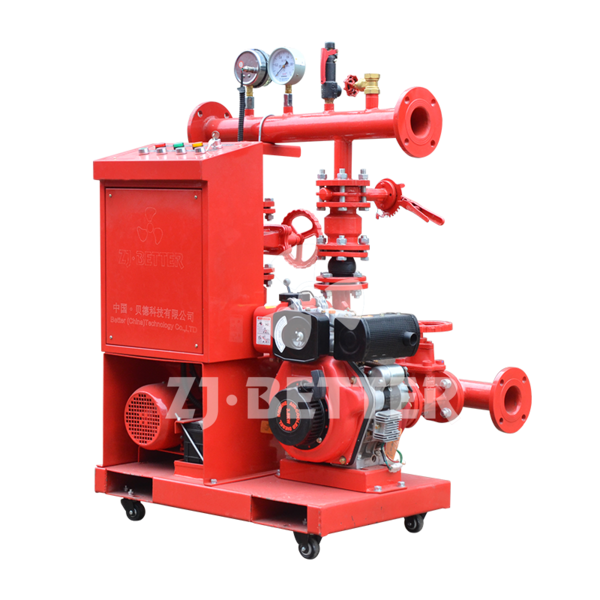
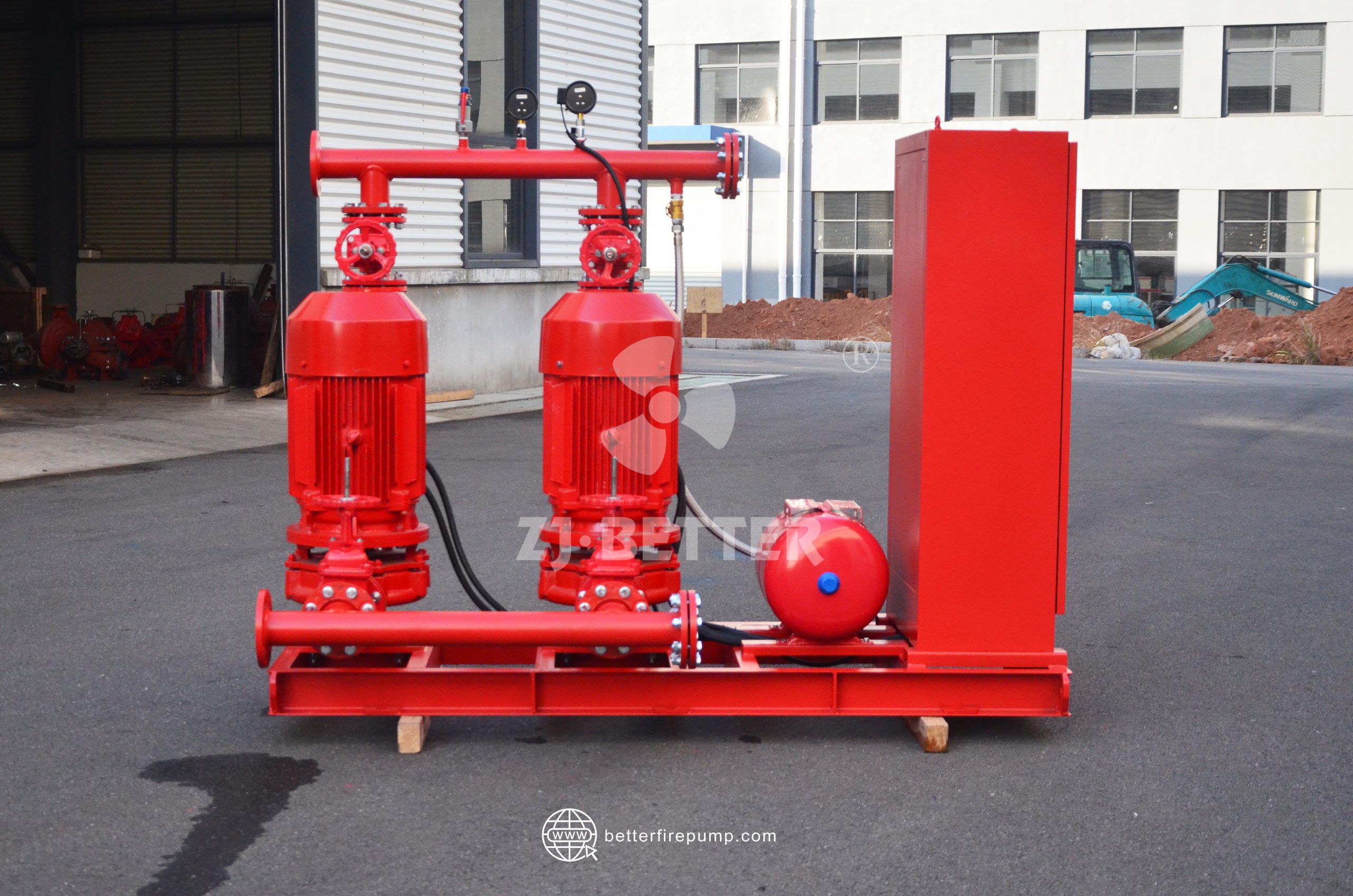
ED(EDJ/EJ/DJ/EEJ) small Fire Fighting package set water supply equipment (abbreviated as ED small FireFighting package set water supply equipment) refers to the flow less than 100 GPM and A highly integratedmechanical and electrical system consisting of electric centrifugal pump, multi-stage centrifugal pump (pressurizedpump group), Diesel Engine Centrifugal pump, pressure limiting protection device (safety valve), valve fittings,control system, pressure sensor system, water-free protection device, backflow preventer, soft joint. bypasspipelines, common base, filters, etc. It is a fire water supply equipment that continuously supplies water to thefire pipe network by preset pressure mode. All accessories of ED small fire fighting package set water supplyequipment are assembled according to the standard (NFPA20). Its configuration depends on the needs ofcustomers, or the number of pumps and the type of electric and diesel pump. ED small fire fighting package setwater supply equipment is usually equipped with two pumps, one main pump (electric centrifugal pump) andone standby pump (diesel centrifugal pump). The selection of motor and diesel engine depends on the reliabilitylevel of the system.

Inquiry


    More Fire Pump Set

    Using a fire pump efficiently and reasonably is crucial to ensure its optimal performance and effective firefighting capabilities. Here are some key considerations for using a fire pump efficiently:

    Proper Sizing: Ensure that the fire pump is properly sized for the specific application.

    Regular Maintenance: Perform regular maintenance on the fire pump to keep it in optimal condition.

    Optimal Operating Speed: Operate the fire pump at the optimal speed based on the required flow rate and pressure.

    Water Management: Manage the water supply efficiently to avoid unnecessary waste.

    Training and Familiarization: Provide training to firefighters and operators on the proper operation of the fire pump.

    Monitoring and Control: Utilize monitoring and control systems to optimize pump operation. These systems can provide real-time information on flow rates, pressures, and energy consumption. Use this data to adjust operating parameters as needed and identify any anomalies or inefficiencies that may require attention.

    Shut Down When Not in Use: When the fire pump is not actively needed, consider shutting it down to conserve energy and reduce wear on the equipment.

    Record Keeping: Maintain records of pump operation, maintenance activities, and any performance issues.

    Efficient and reasonable use of a fire pump not only helps conserve resources but also ensures its readiness to combat fires effectively. By following proper operating procedures, conducting regular maintenance, and promoting a culture of efficiency among operators, the fire pump can operate optimally and provide reliable firefighting capabilities when needed most.