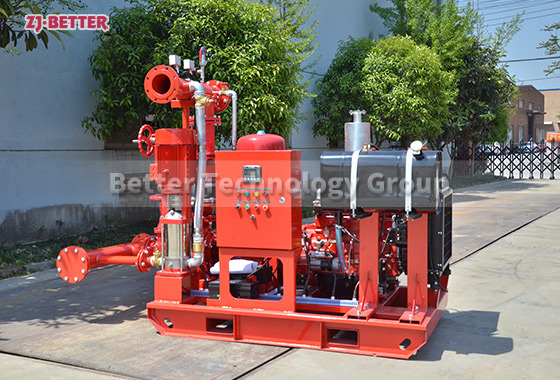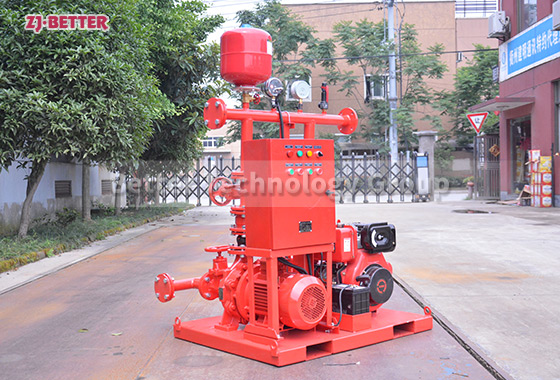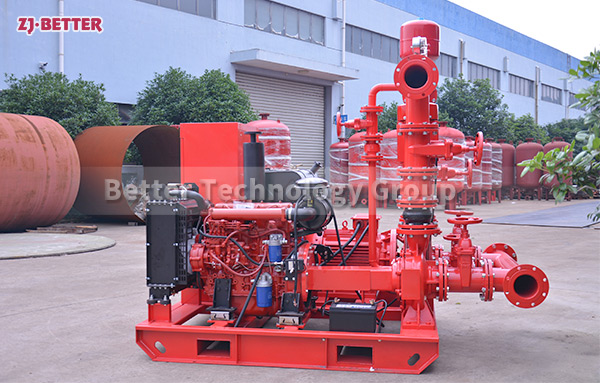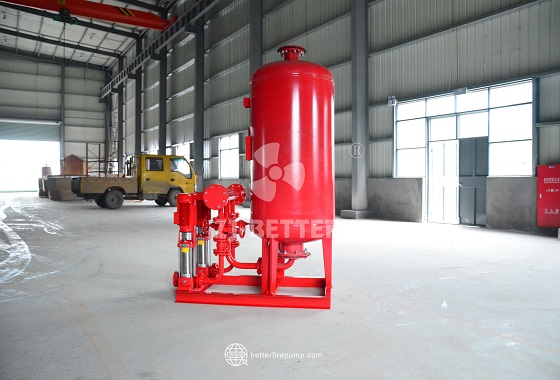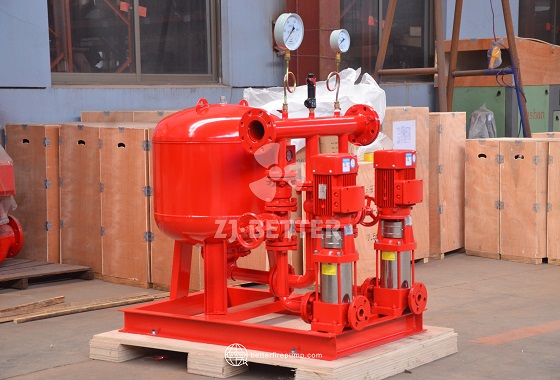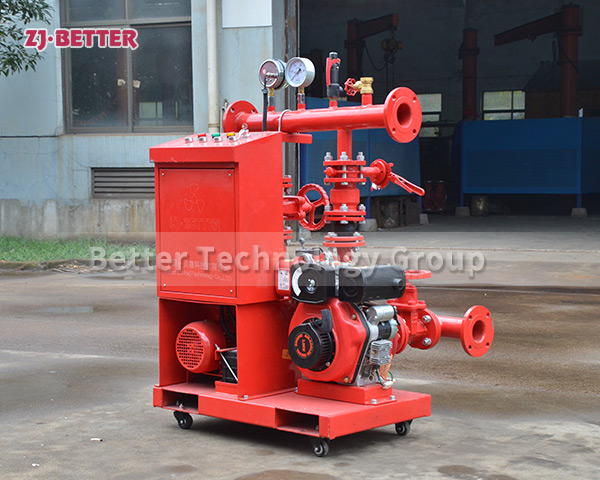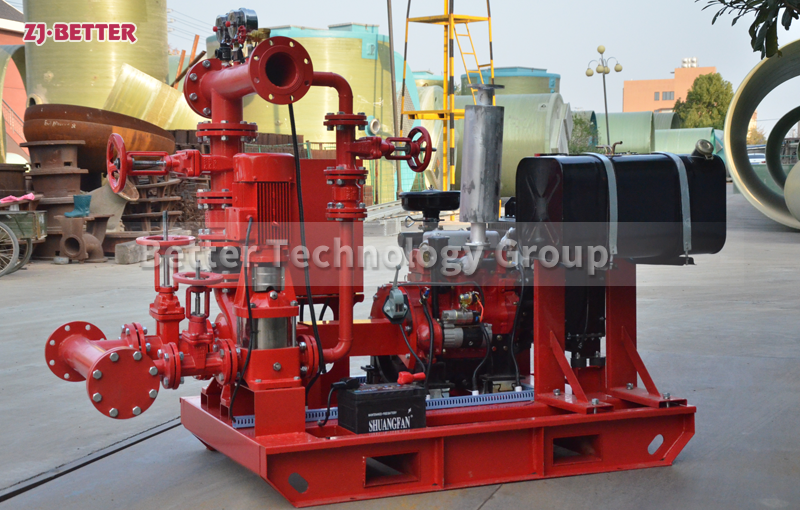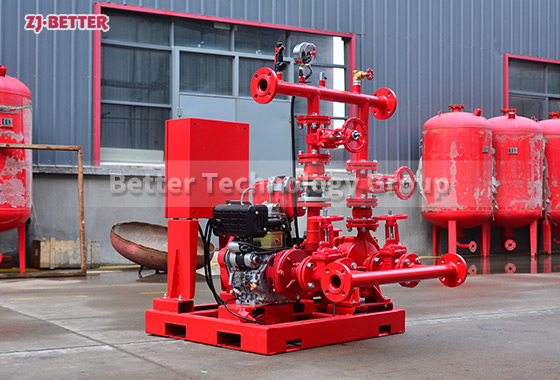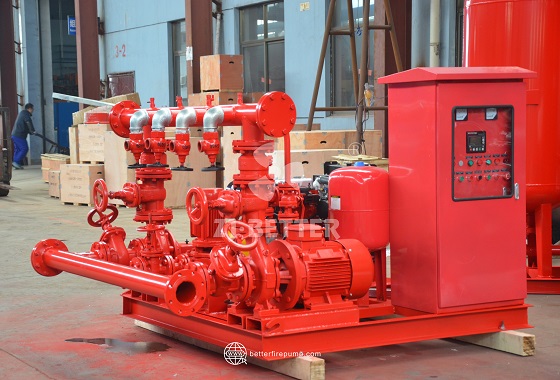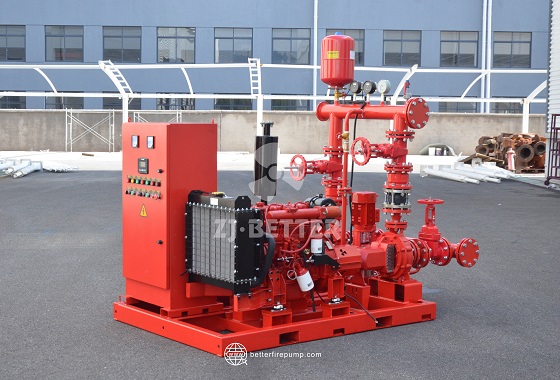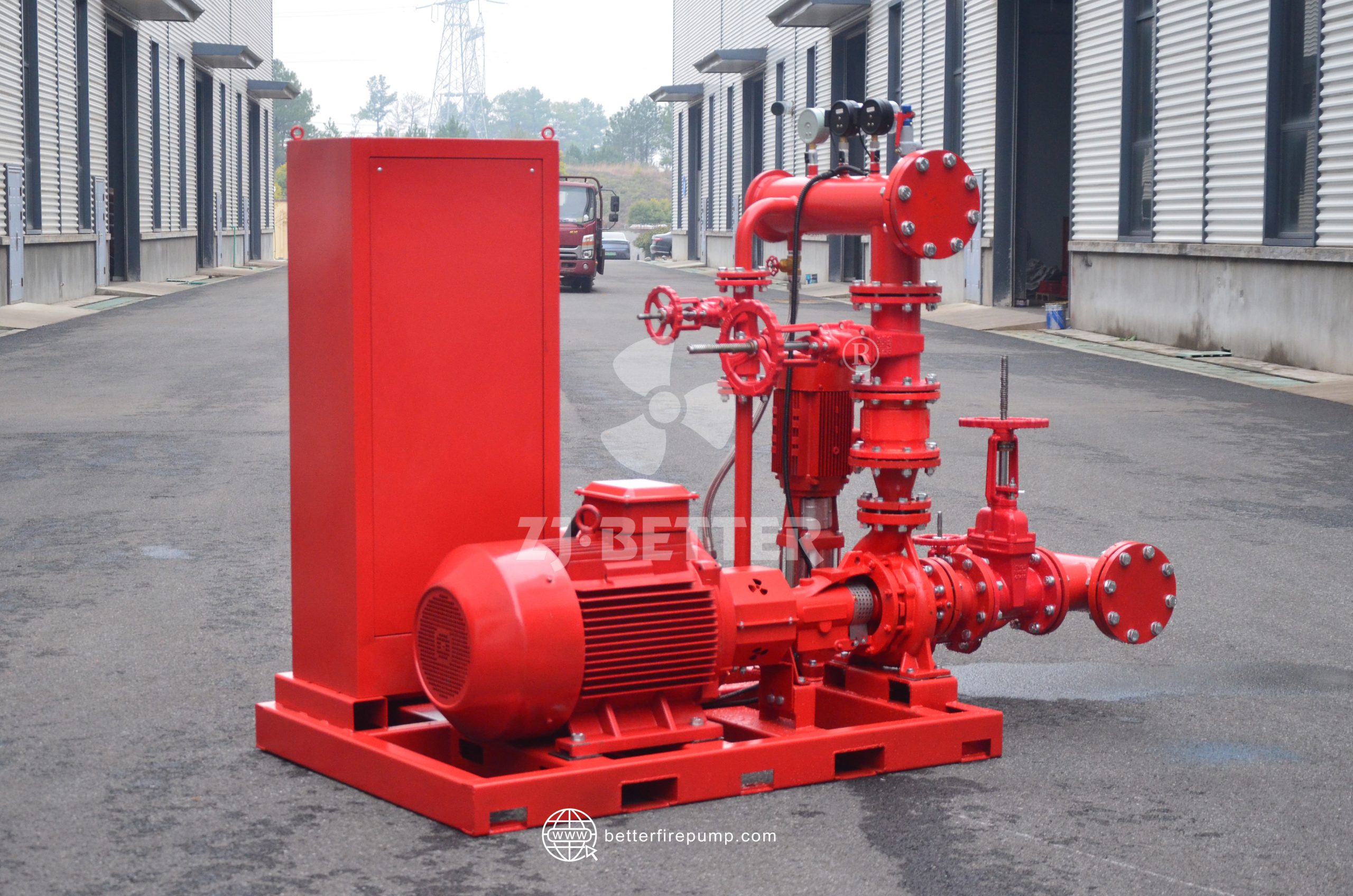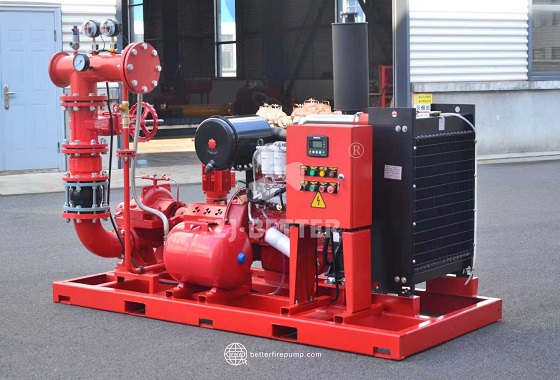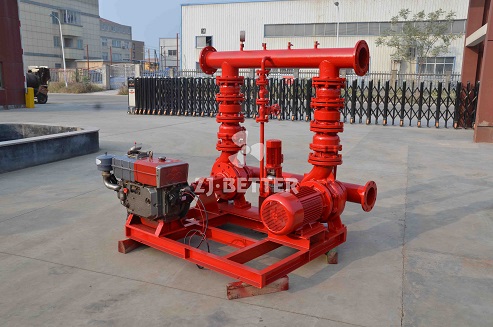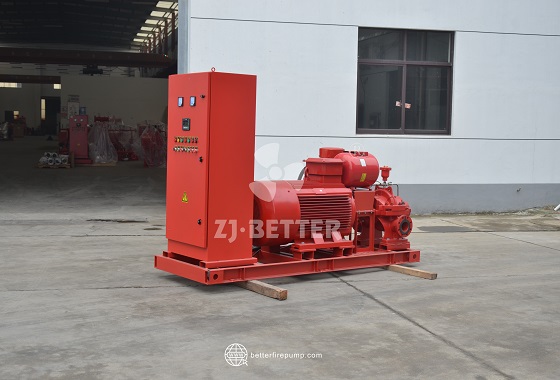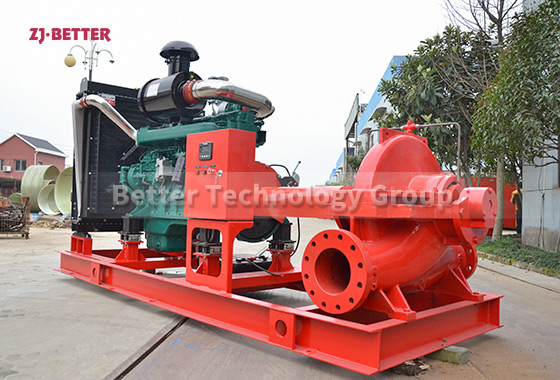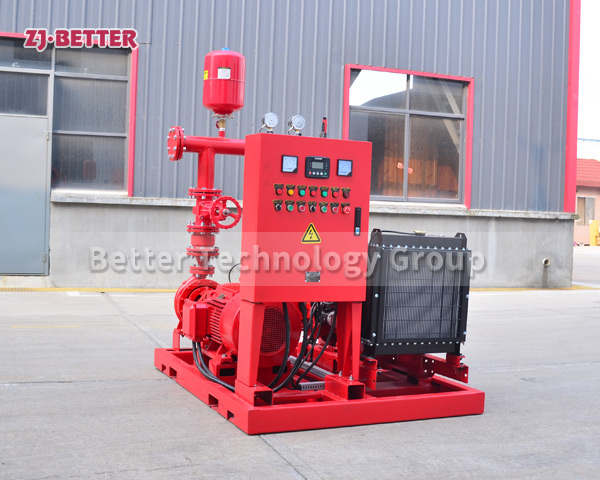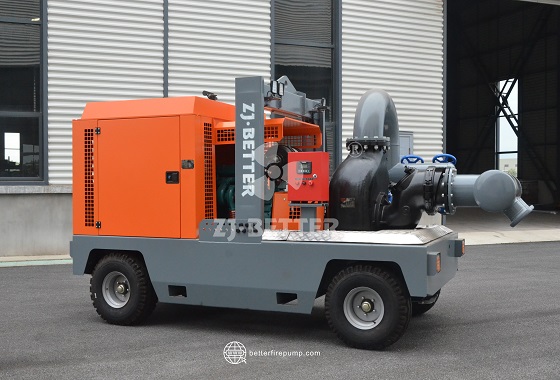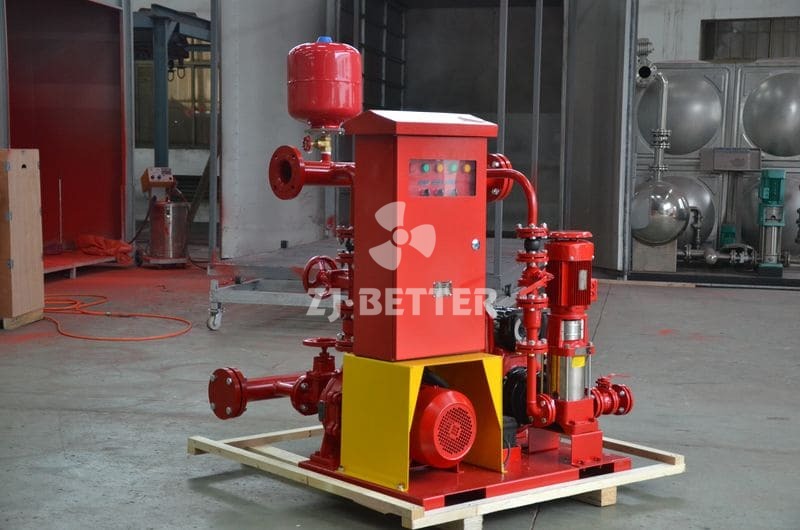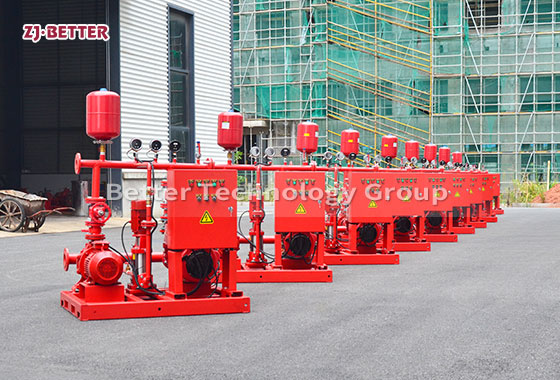

Vertical End-Suction Fire Pump System Designed for Rapid Emergency Response
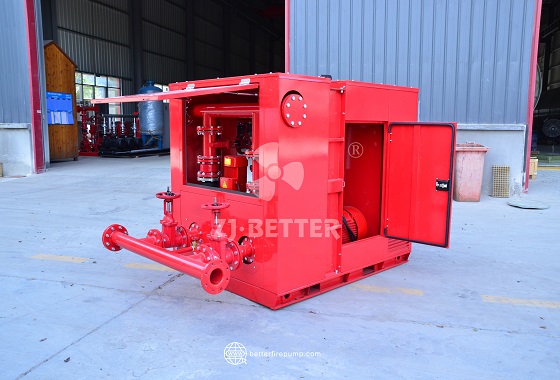
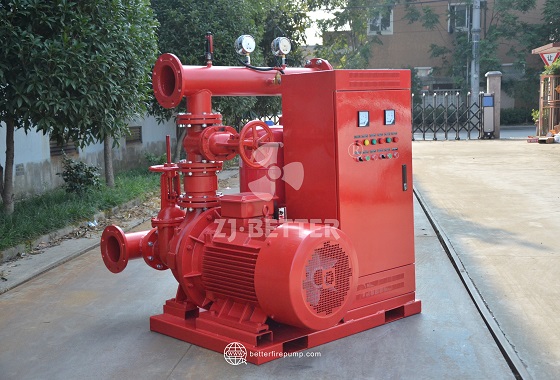
The high-efficiency and reliable vertical end-suction fire pump system has a compact structure, quick start-up, stable operation, excellent water supply capacity and long service life reliability. It is suitable for high-rise buildings, industrial plants and various fixed fire protection systems, and meets the requirements of harsh fire protection conditions.
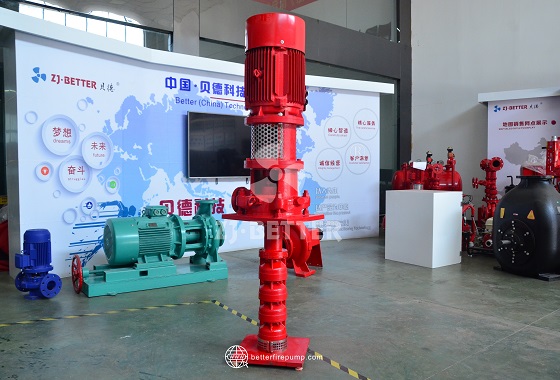
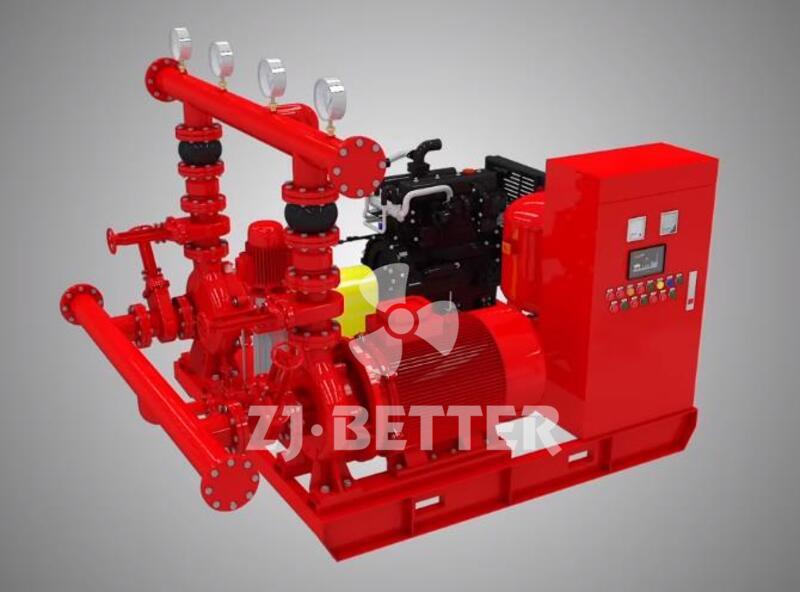
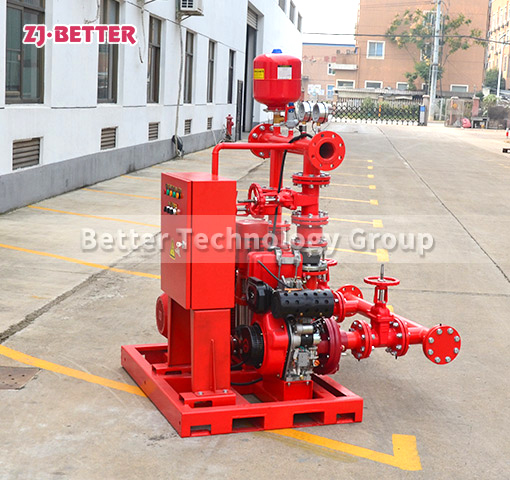
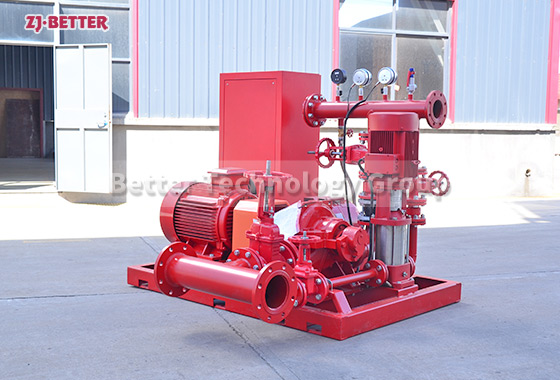
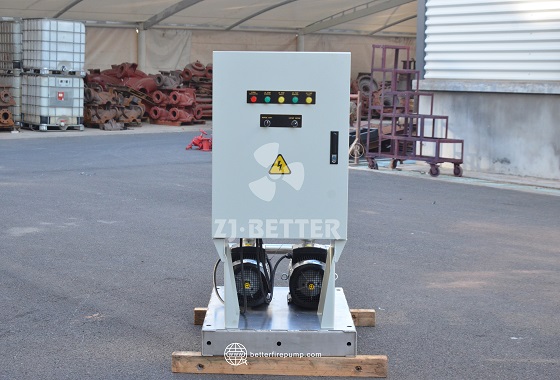
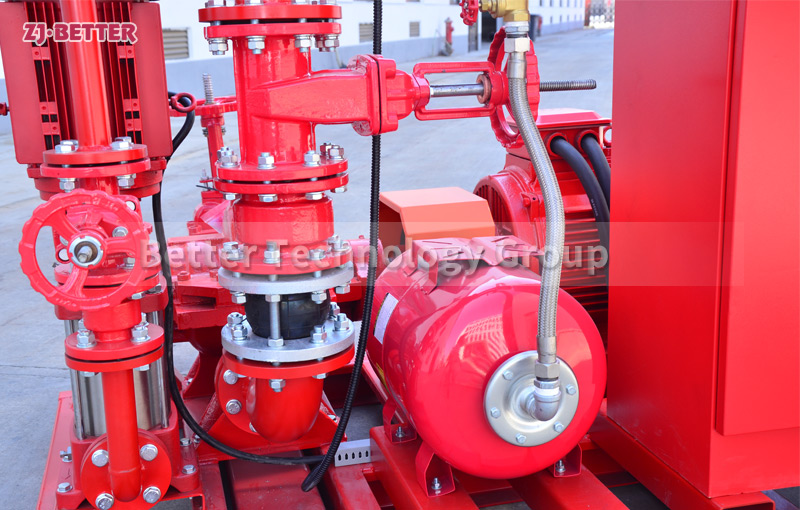
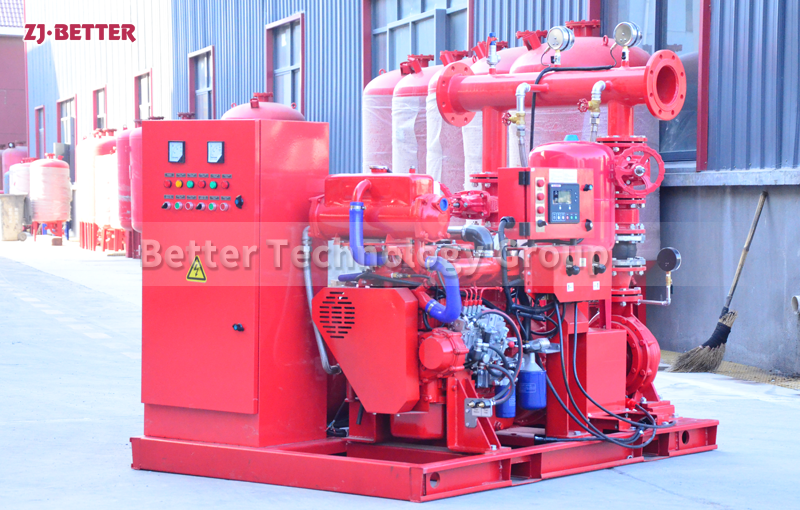
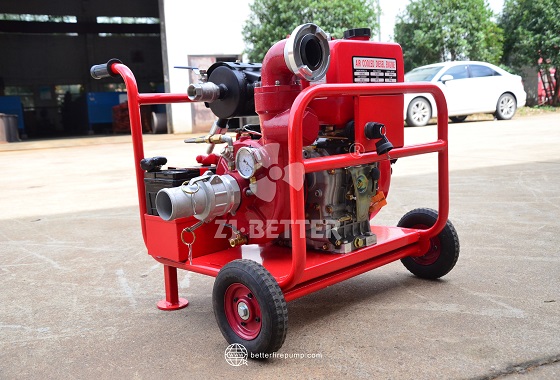
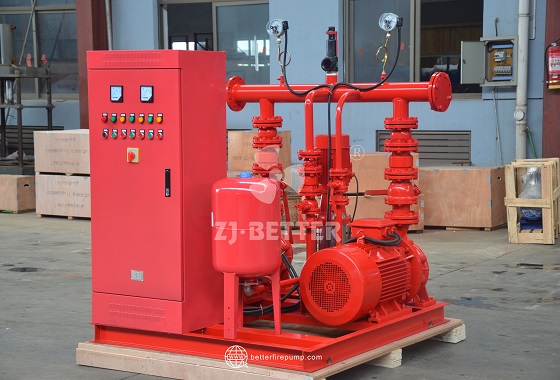
Vertical end-suction fire pump systems are stationary water supply devices specifically designed for emergency firefighting situations. Their core advantages lie in their compact structure, rapid start-up, stable operation, and high reliability over long service life. They can provide continuous, sufficient, and stable water supply support to building fire protection systems at the first sign of a fire. These fire pumps typically employ a vertical layout and end-suction hydraulic structure design, allowing for coaxial or near-axial connections between the inlet and outlet pipes and the building’s piping network. This effectively reduces hydraulic losses caused by bends and additional pipe fittings, achieving high-efficiency layout within limited pump room space. They are particularly suitable for fire protection systems in high-rise buildings, commercial complexes, industrial plants, underground parking garages, and public facilities where space utilization is crucial. The pump’s hydraulic model has undergone repeated calculations and optimizations, resulting in a smooth flow channel and rationally designed flow components. It maintains high hydraulic efficiency and stable pressure output under both rated and unbalanced operating conditions, ensuring good resistance to fluctuations even when multiple points of the fire protection network are activated, providing reliable water supply for sprinkler systems, fire hydrant systems, and other stationary fire extinguishing devices. Vertical end-suction fire pumps typically use high-strength cast iron or ductile iron as the base material for the pump body. Key load-bearing components are reinforced to withstand long-term static pressure and instantaneous pressure impacts. The internal impellers are mostly made of wear-resistant and corrosion-resistant metals, combined with precision machining processes, effectively reducing vibration and noise levels during operation and extending the overall service life of the machine. The shaft sealing system is specially configured for firefighting conditions, maintaining good sealing performance even under long-term static conditions and frequent emergency start-stop cycles, reducing the risk of leakage and ensuring the reliability of the equipment in standby mode. The motor and pump body are connected by coaxial direct coupling or high-precision couplings, resulting in high transmission efficiency and low energy loss. This also reduces the maintenance risks associated with traditional belt drives, enabling the equipment to respond quickly to start-up commands in critical moments. This fire pump system is typically used in conjunction with a dedicated fire control cabinet. It features clear control logic, supports automatic start-up, manual start-up, and remote linkage control, and can respond quickly to changes in pipeline pressure or fire signals. Under mains power conditions, it possesses stable electrical protection functions, providing real-time monitoring for overload, phase loss, and voltage anomalies to prevent equipment from operating under abnormal conditions, thereby improving the overall system safety. The vertical end-suction structure ensures the pump shaft remains vertical, resulting in a more rational axial force distribution, which contributes to the long-term stable operation of the bearings and reduces the risk of wear due to uneven loading. This is particularly important for fire equipment that requires long service life but must be readily operational. In practical applications, this type of fire pump system can adapt to various water source conditions, including fire water tanks, fire water reservoirs, and pressure-stabilizing pipelines. By rationally configuring the suction height and pipeline layout, the risk of cavitation can be effectively reduced, ensuring good suction performance during emergency startup. The overall design of the equipment fully considers the convenience of installation and maintenance. The vertical layout reduces the floor space required, and the clear interfaces between the pump body and pipelines facilitate rapid on-site installation and subsequent maintenance. Routine maintenance tasks such as bearing inspection, seal replacement, and motor maintenance can be completed without significant disassembly of the pipelines, reducing operation and maintenance costs. The vertical end-suction fire pump system excels in continuous operation capability, maintaining stable flow and pressure output for a specified period, meeting the requirements of relevant fire protection codes for continuous water supply time. It maintains consistent performance even under multiple start-stop and long-term operation conditions, providing a solid guarantee for the fire protection system. Its rapid start-up characteristic allows it to quickly establish pipeline pressure in the early stages of a fire, buying valuable time for personnel evacuation and initial firefighting. Simultaneously, its stable operation provides reliable support during the sustained fire phase, preventing pressure fluctuations or water supply interruptions from affecting firefighting effectiveness. In summary, vertical end-suction fire pump systems, with their structure designed specifically for emergency firefighting conditions, efficient and stable hydraulic performance, reliable and durable mechanical and electrical configurations, and convenient installation and maintenance, have become an indispensable and important piece of equipment in building fire protection systems. They can undertake the core task of protecting life and property safety at critical moments and are an ideal choice for various fixed fire protection systems that balance performance, reliability, and long-term use value.