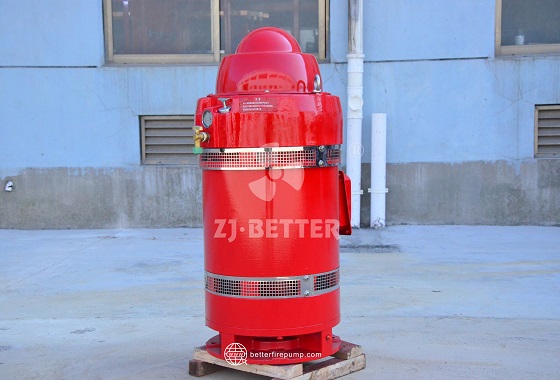
Vertical Electric Motor Solution for Fire Pump Rooms
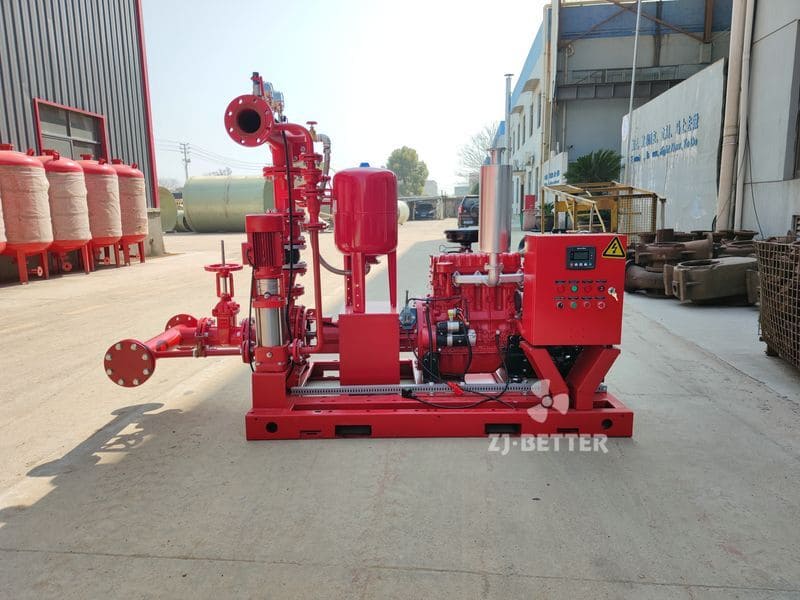
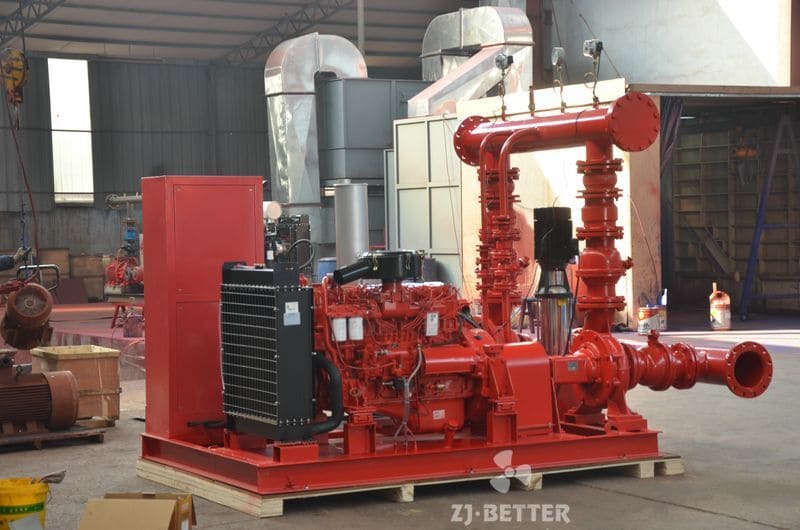
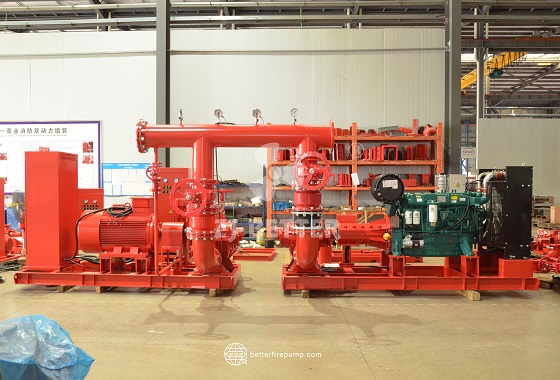
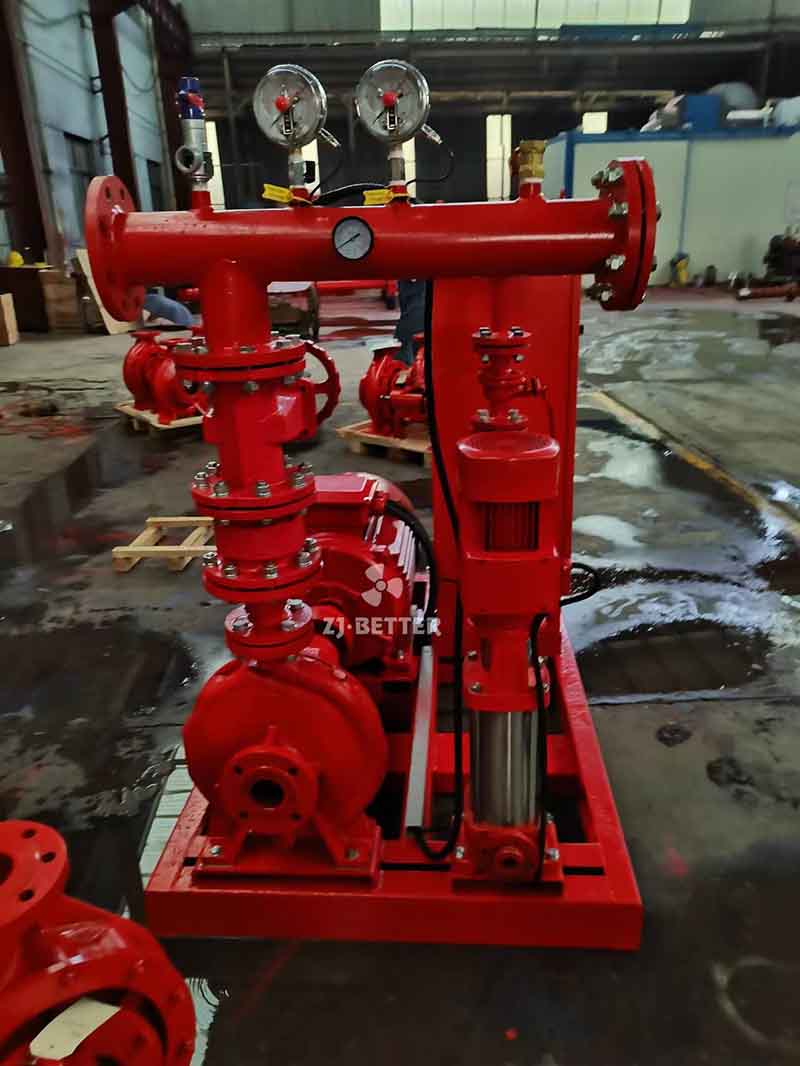
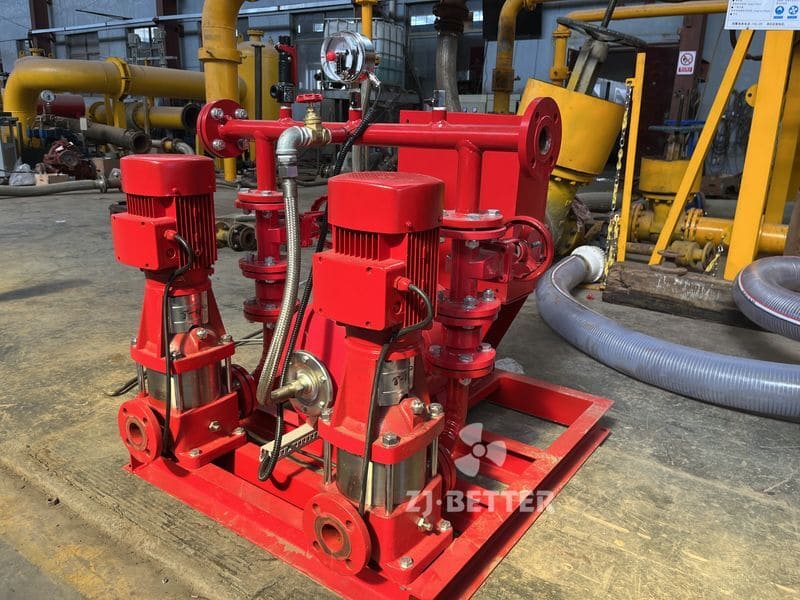
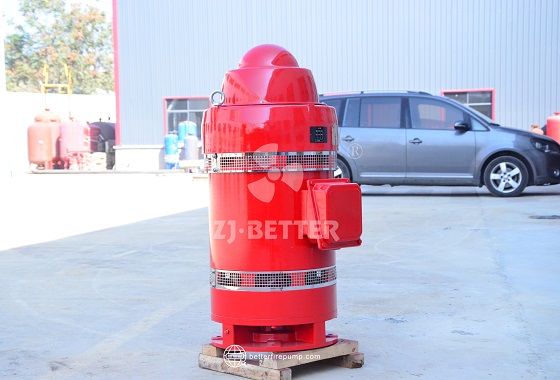
This high-reliability vertical motor for fire pump rooms features a compact vertical structure design, fast start-up response, stable operation, and resistance to high temperatures and humidity. It is suitable for various building and industrial fire pump systems, ensuring continuous and stable water supply in emergency situations.
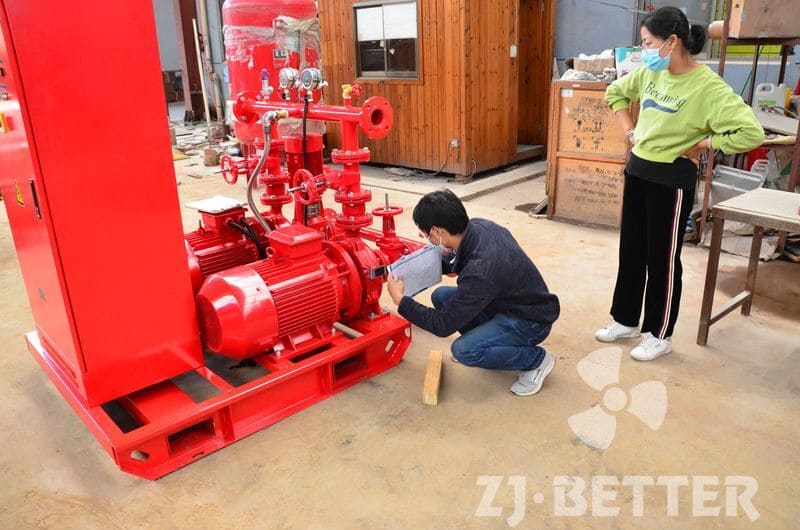
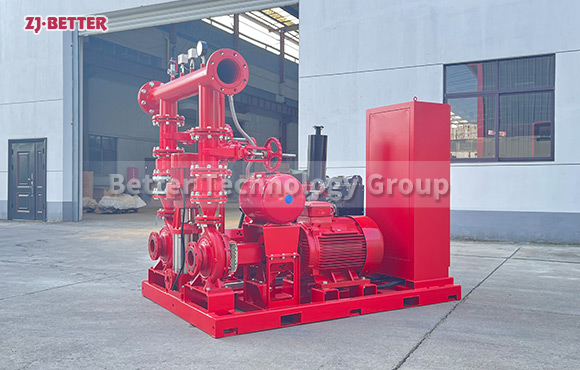
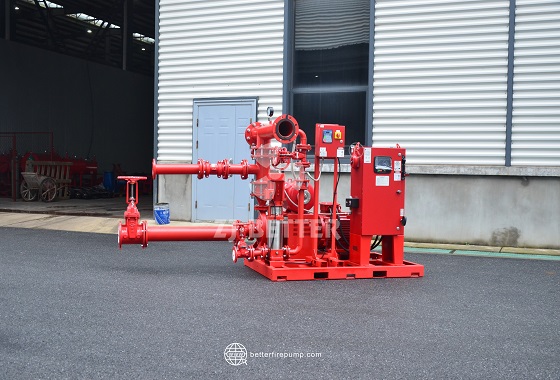
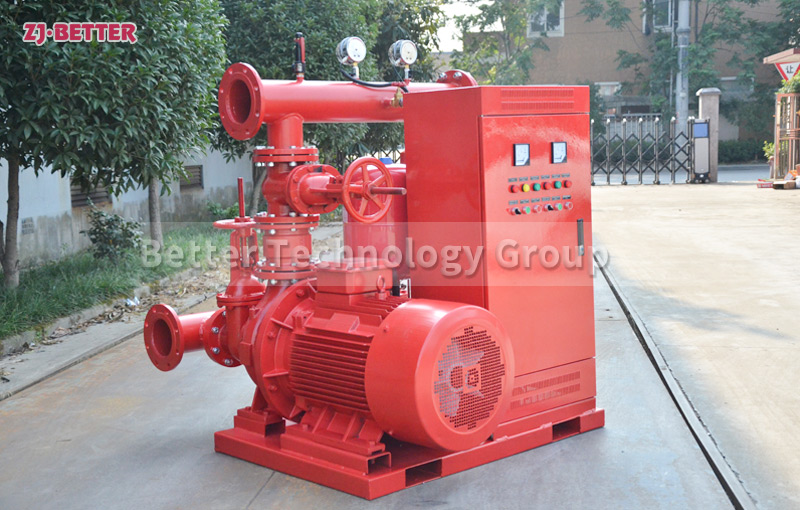
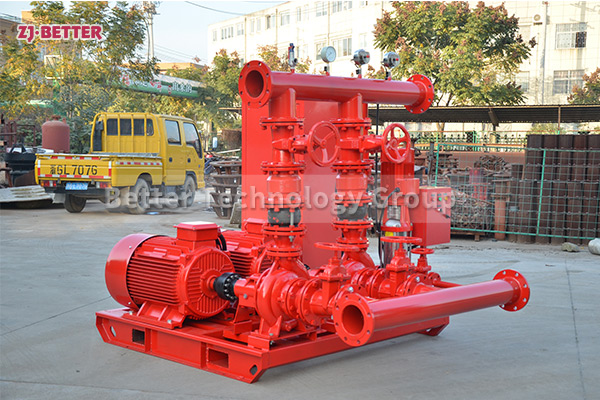
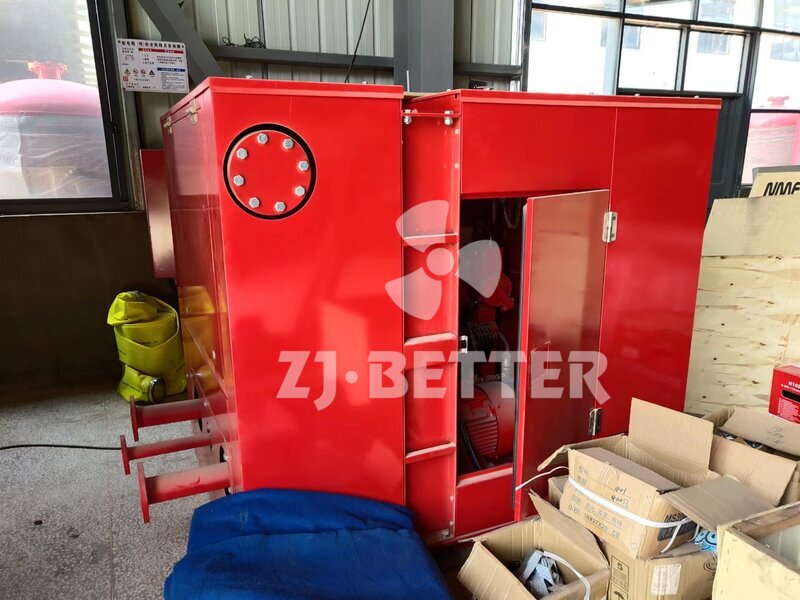
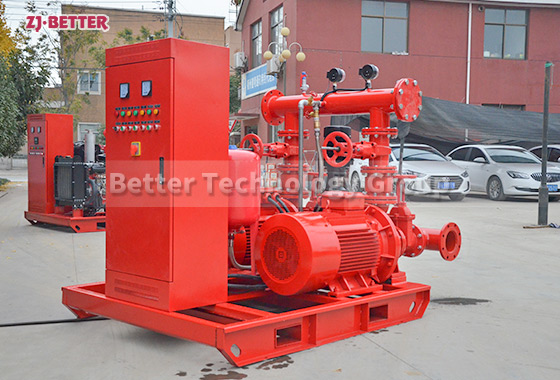
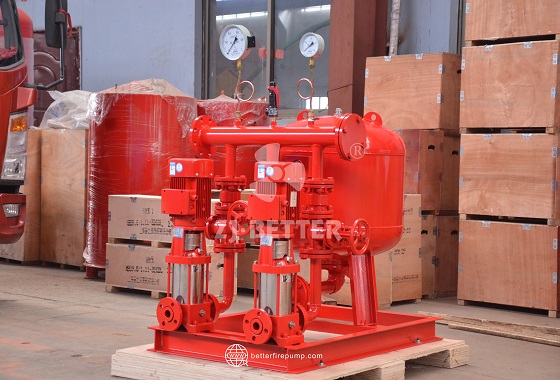
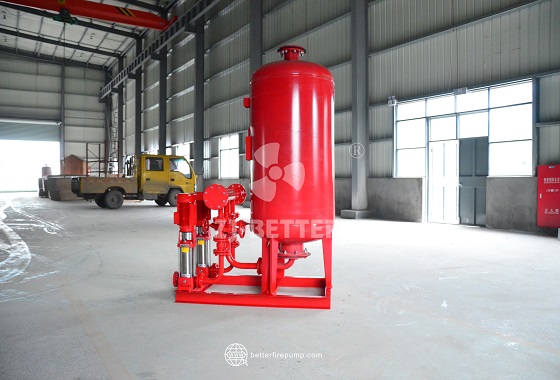
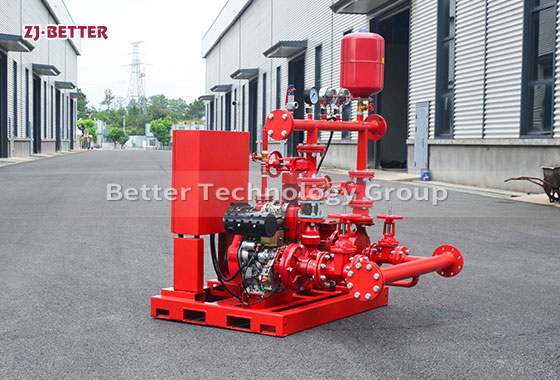
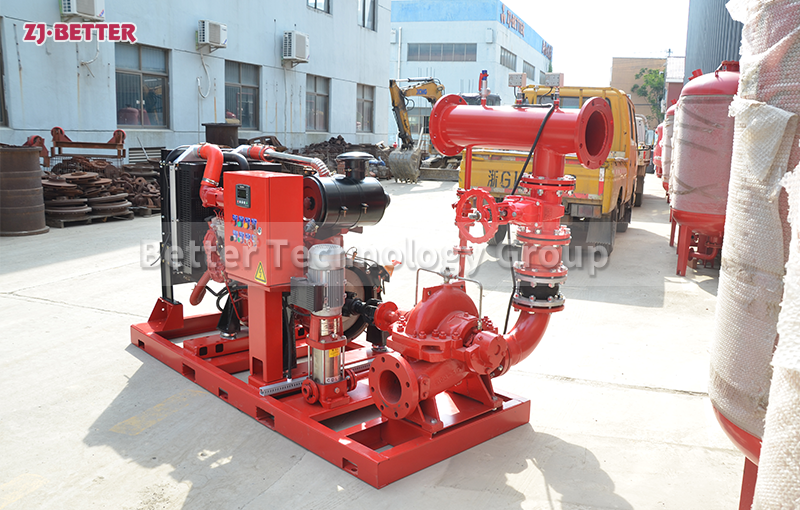
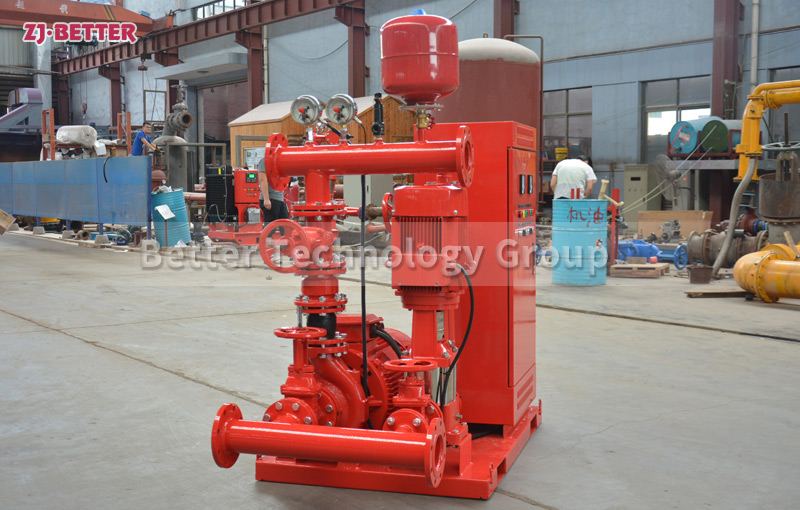
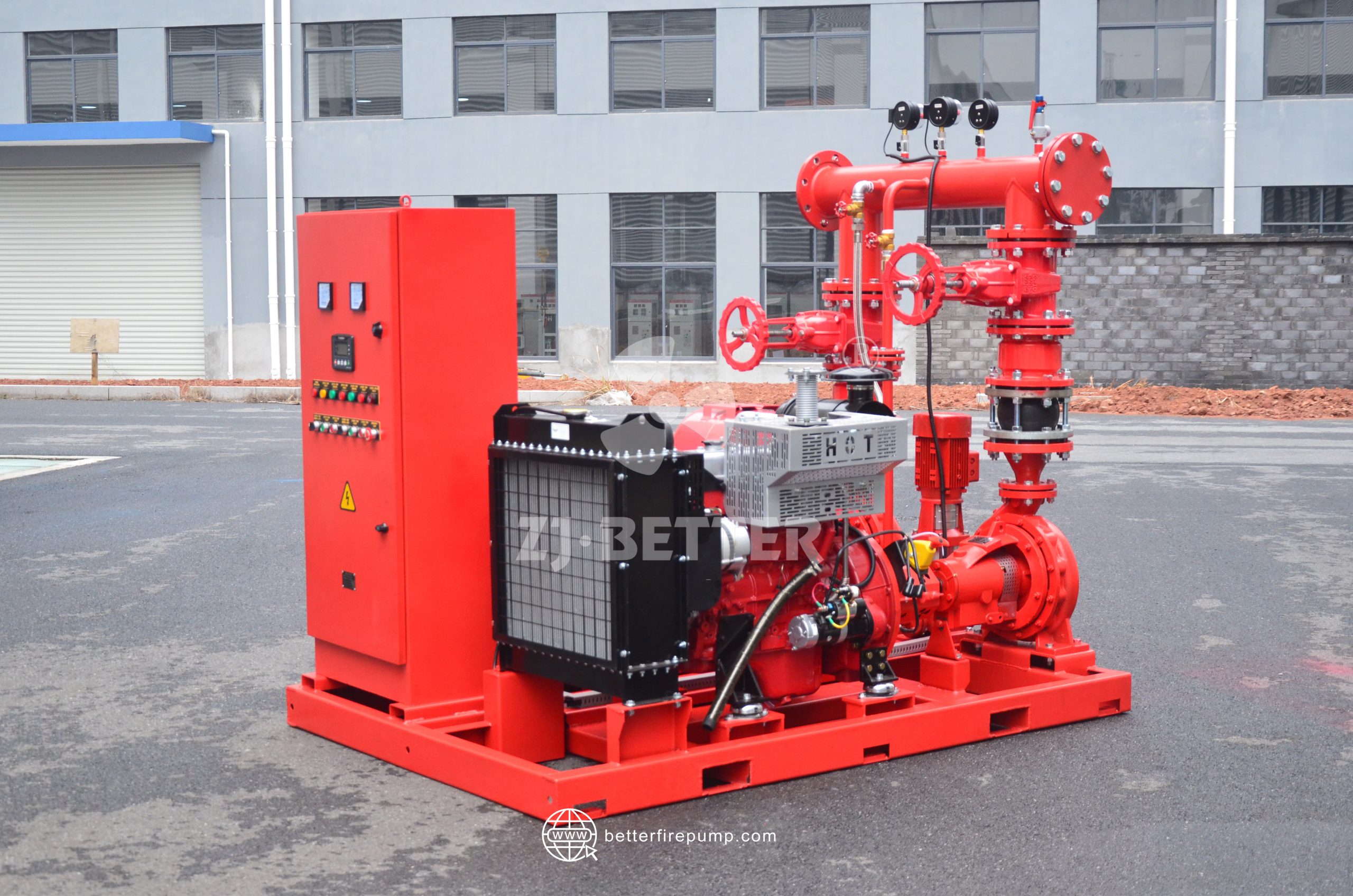
This integrated solution for vertical electric motors in fire pump rooms is designed to meet the long-term stable operation needs of modern building fire protection systems, high-standard industrial fire protection projects, and various fixed fire pump stations. Its core objective is to provide continuous, reliable, and efficient power output to fire pumps, ensuring immediate startup and stable water supply in emergency fire situations. The entire solution uses a vertical electric motor as its core, fully integrating with the spatial layout characteristics of fire pump rooms. It adopts a compact vertical installation method, significantly saving pump room floor space and making equipment layout more rational. It is particularly suitable for high-rise buildings, underground pump rooms, mixed-use projects, and fire pump room environments with limited space. In terms of performance, this vertical electric motor is reinforced with the core requirements of “high reliability, low failure rate, and rapid response” in fire protection operations. It features high starting torque characteristics, quickly overcoming pump body static resistance and pipeline pressure the moment the fire system receives a startup command, ensuring successful startup of the fire pump on the first attempt and avoiding delays in fire extinguishing due to startup failure. The motor features a high-strength structural design, with the rotor and stator precisely dynamically balanced. This ensures low vibration and low noise even under high-speed and long-term continuous operation, effectively reducing additional impact on the pump body and piping system, thus improving the overall operational stability and service life of the fire protection system from the source. Addressing the common environmental characteristics of fire pump rooms, such as high temperature, high humidity, dust, and complex ventilation conditions, this solution has been comprehensively optimized in terms of protection and heat dissipation. The motor casing employs a high-protection-level design, effectively preventing moisture, dust, and impurities from intruding into critical internal components, avoiding insulation aging or electrical failures caused by environmental factors. Simultaneously, the scientifically arranged heat dissipation ducts and reinforced heat dissipation structure can quickly dissipate internal heat when the motor is running at full or near full load, ensuring that the winding temperature rise remains within a safe range, significantly improving the reliability of long-term continuous operation under fire conditions. From an electrical performance perspective, this vertical motor was designed with the high sensitivity of fire protection systems to voltage fluctuations and power supply stability in mind. By optimizing electromagnetic parameters and winding structure, the motor can maintain stable output even under short-term voltage fluctuations or sudden load changes, making it less prone to stalling or abnormal shutdowns. This makes it particularly suitable for fire protection scenarios with complex power grid conditions or frequent backup power switching. The entire vertical motor solution for fire pump rooms also adheres to high standards in material selection. Key components use a combination of high-grade insulation and high-temperature resistant materials, possessing excellent heat resistance, aging resistance, and electrical breakdown resistance. It maintains stable electrical performance even in high-temperature flue gas environments or under prolonged high-load operation, effectively reducing maintenance frequency and total life-cycle costs. The advantages of the vertical structure are not only reflected in space utilization but also in maintaining a high degree of concentricity between the power output shaft and the fire pump shaft, reducing mechanical losses caused by coupling misalignment, improving the transmission efficiency of the entire pump set, and converting more input power into effective hydraulic output, thereby achieving higher flow rate and head performance under the same power conditions. This solution is designed to be fully compatible with various fire pump types and system configuration requirements. Whether it’s a conventional fire hydrant system, an automatic sprinkler system, or a dedicated fire water supply system for high-risk locations such as industrial plants, warehouses, logistics facilities, and energy facilities, it can be flexibly matched to meet different flow rate, head, and operating condition requirements based on the actual needs of the project. To ensure the long-term availability of the fire protection system, the vertical motor also incorporates systematic considerations for ease of maintenance. Its rational structural layout and ample space for key component maintenance facilitate daily inspections, maintenance, and troubleshooting, reducing the risk of system downtime due to complex maintenance. The overall solution emphasizes high synergy with the fire control system. The motor can stably operate in conjunction with the fire control cabinet, automatic start-up device, and backup power system. In the event of main power failure or emergency, it can still quickly resume operation according to predetermined logic, ensuring uninterrupted fire water supply. Through comprehensive optimization of power output stability, environmental adaptability, structural reliability, and system compatibility, this integrated solution for vertical motors specifically designed for fire pump rooms can provide continuous and robust power support for fire pumps at critical moments, building a solid and reliable last line of defense for building and personnel safety. It is suitable for various engineering projects with extremely high requirements for the safety level and operational reliability of fire protection systems, and is an important choice in modern fire pump room power configuration that balances performance, efficiency, and long-term stable operation.