Industrial Packaged Fire Pump Station – Integrated Installation of Power Units and Pumping Components
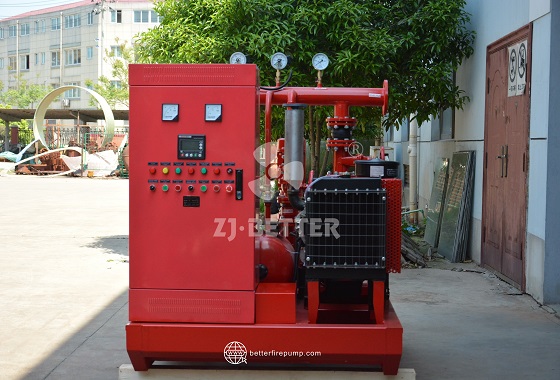
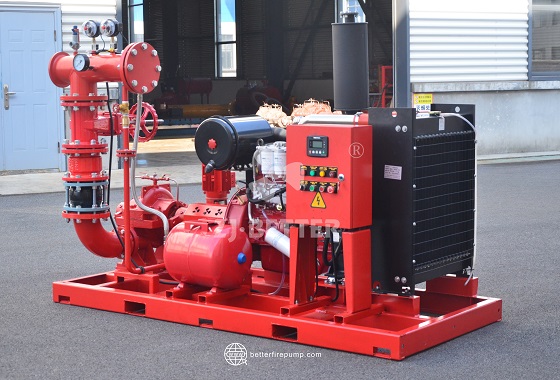
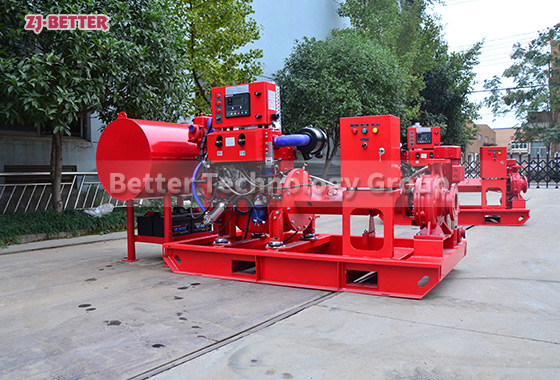
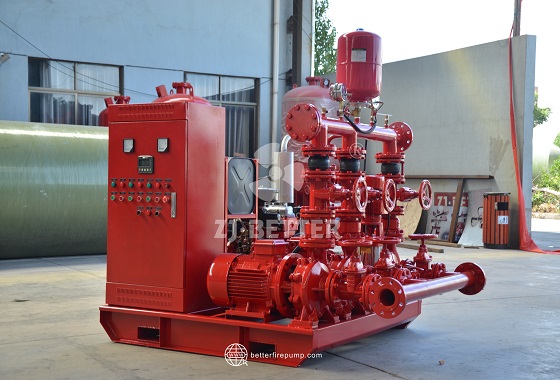
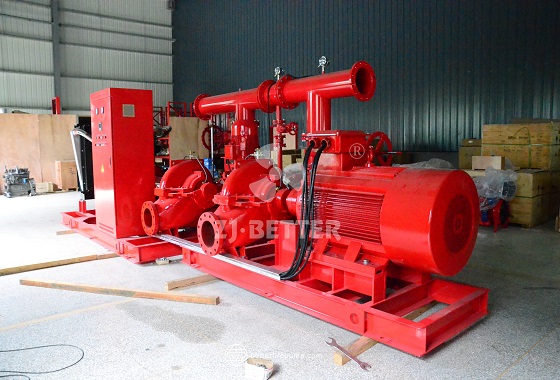
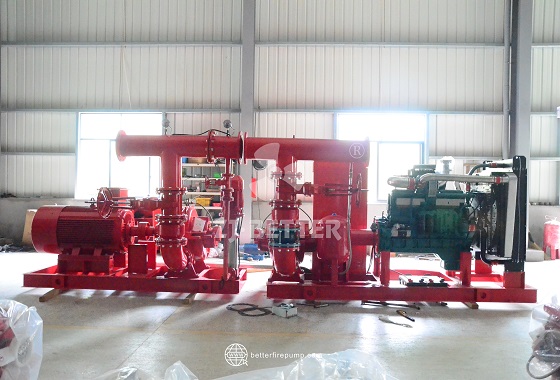
Industrial fire pump station assemblies feature a power unit, fire pump, piping components, and a control cabinet—all mounted on a common base. This design facilitates transportation, on-site positioning, and integration into engineering projects, with configurations that can be customized based on the flow rate, head, and installation requirements of specific industrial fire protection projects.
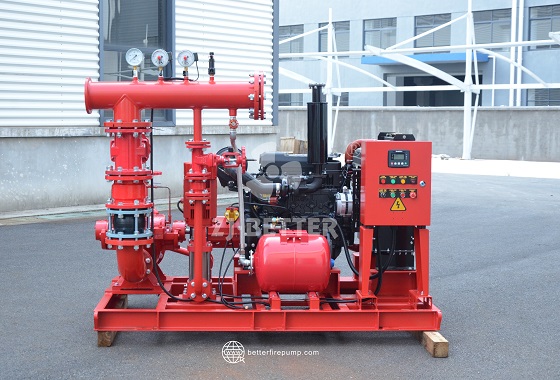
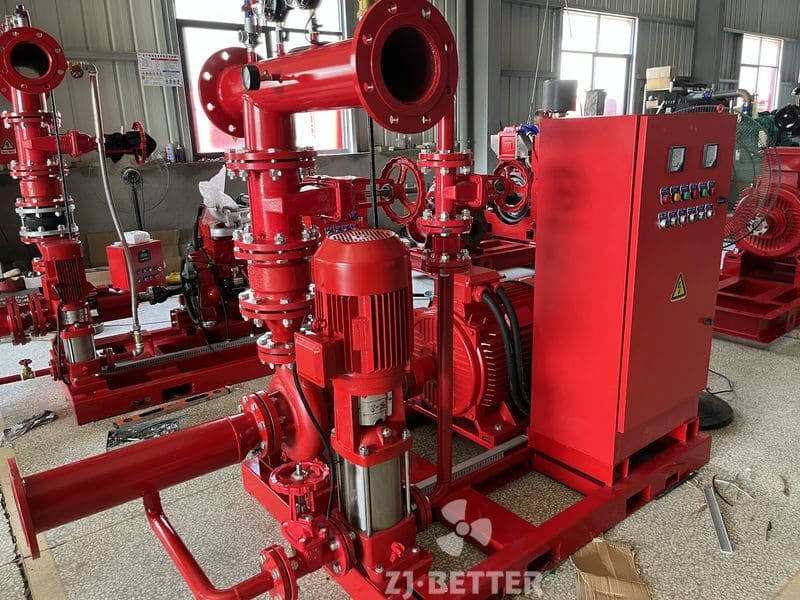
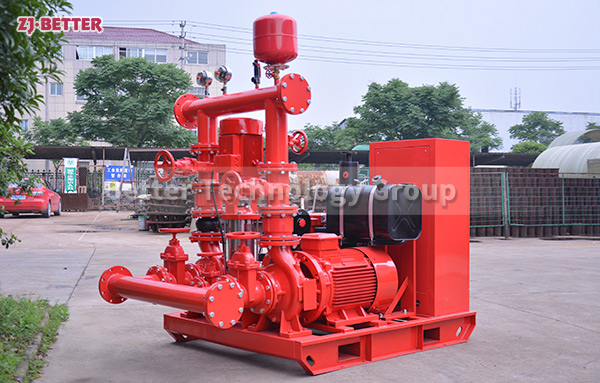
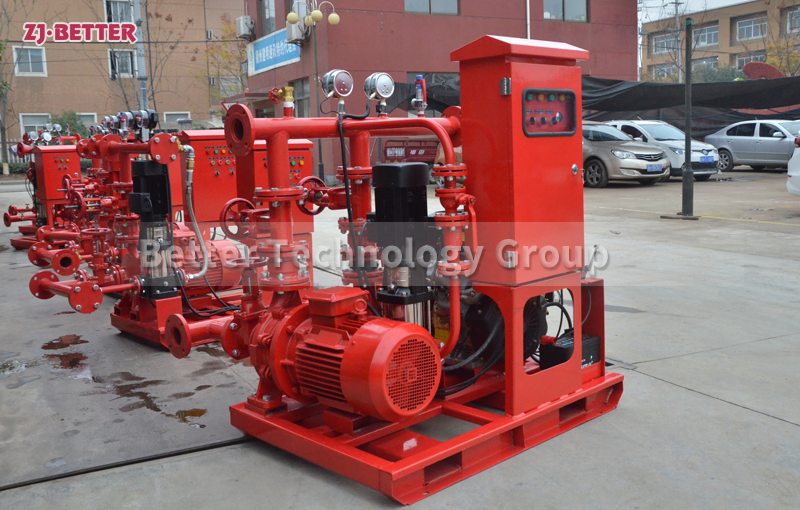
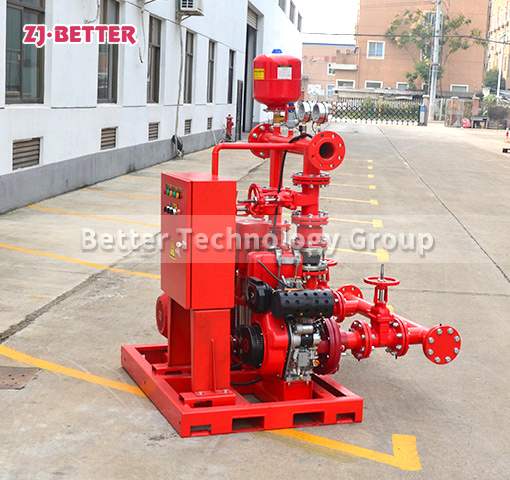
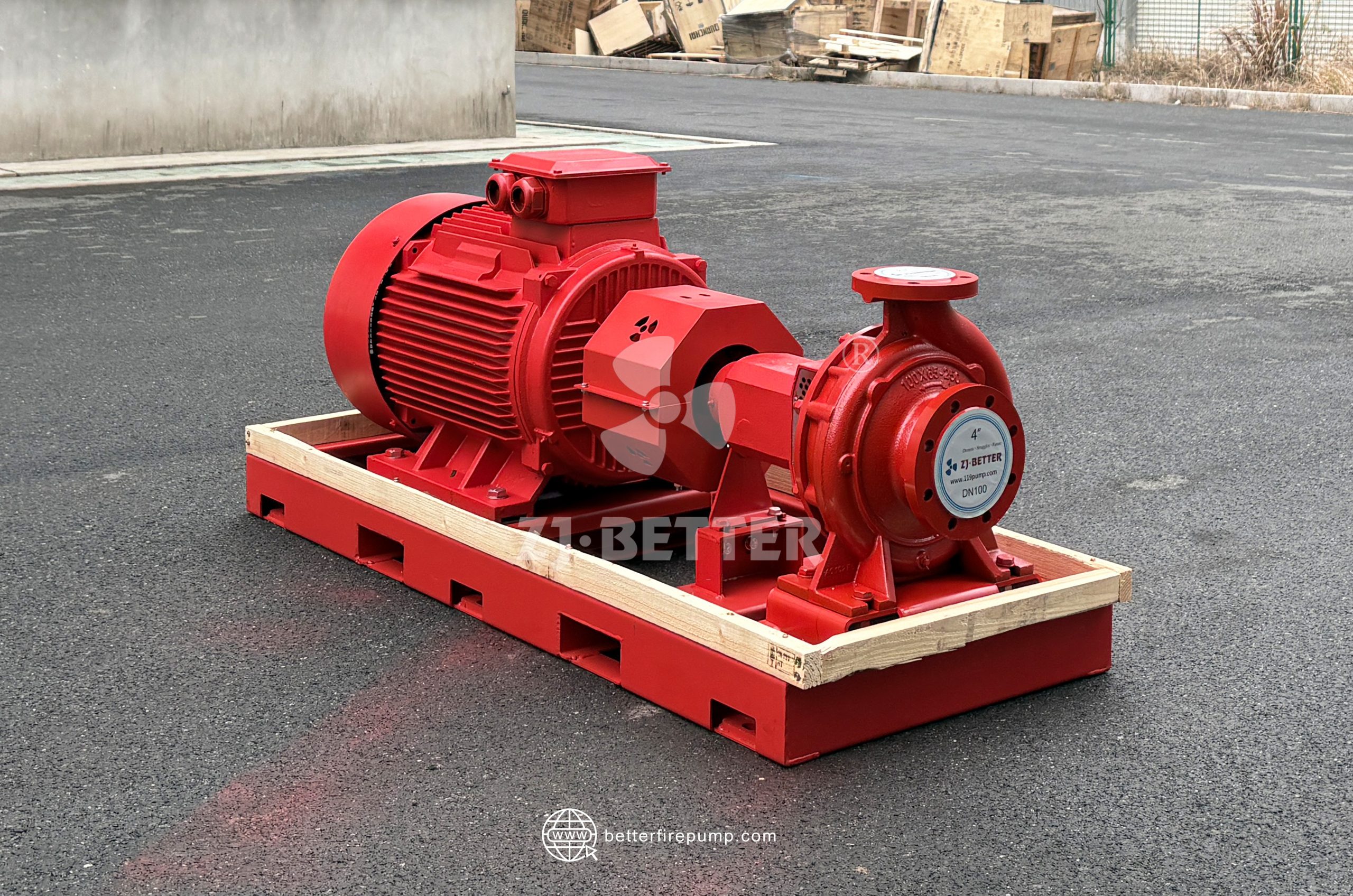
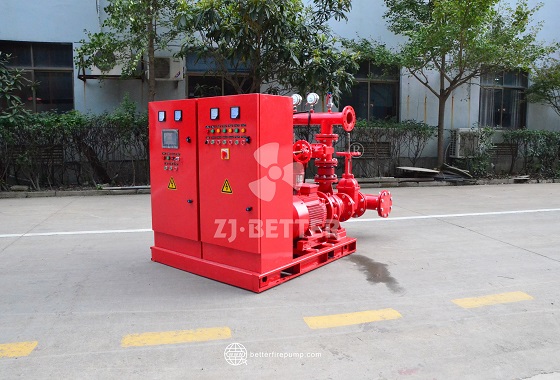
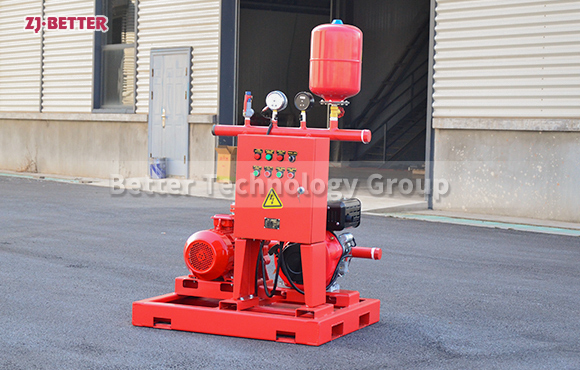
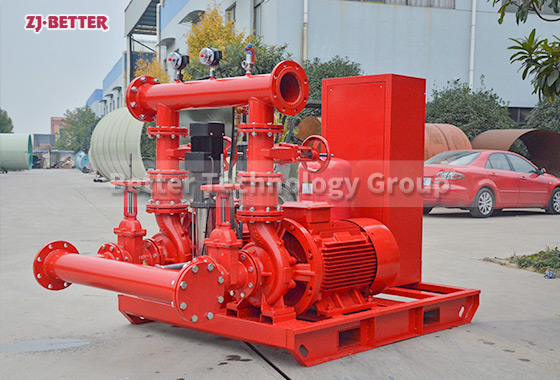
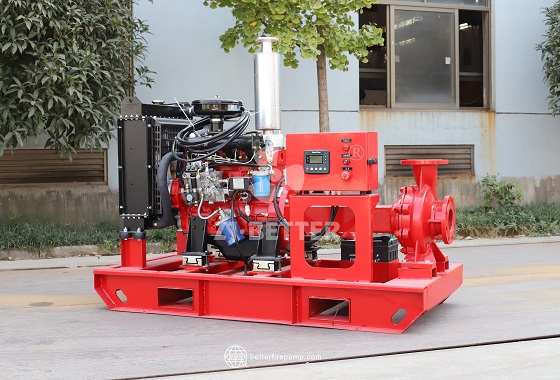
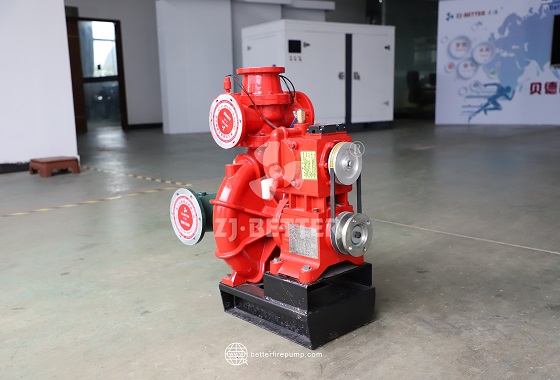
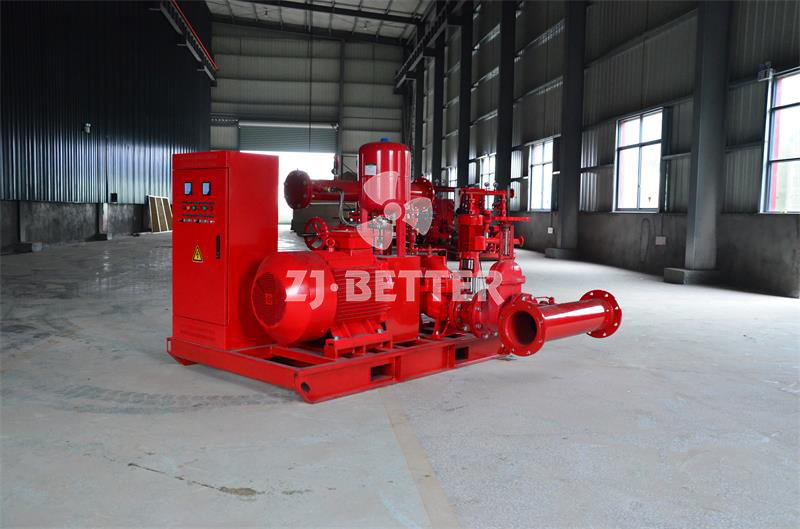
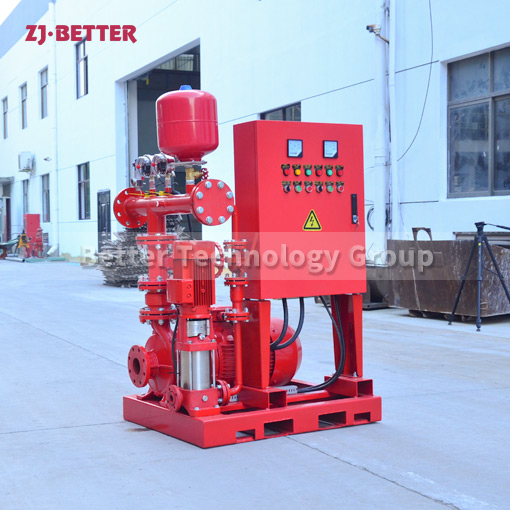
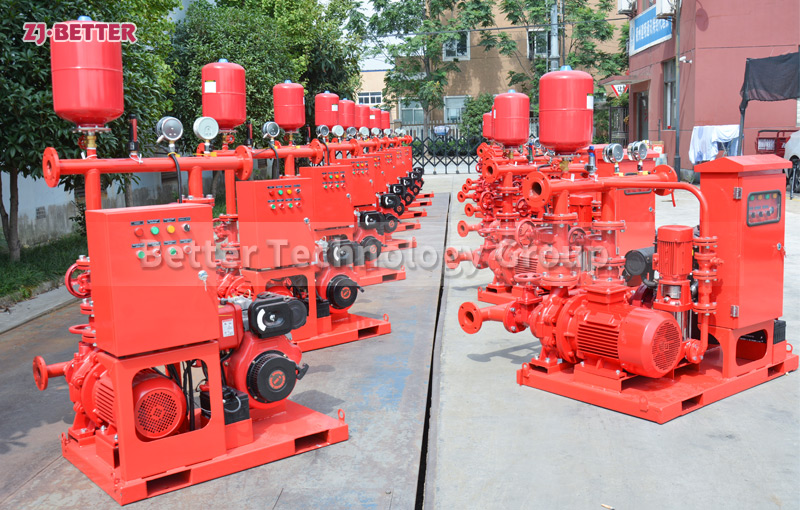
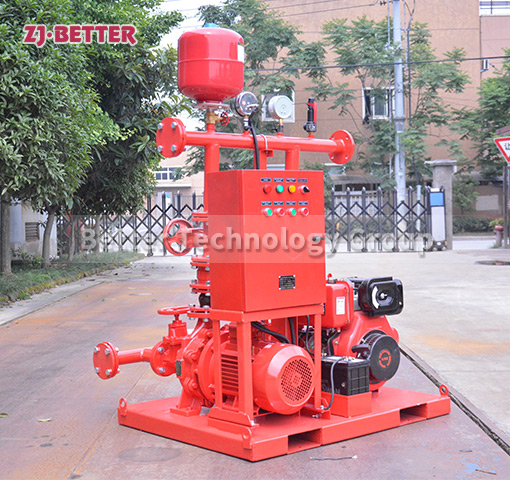
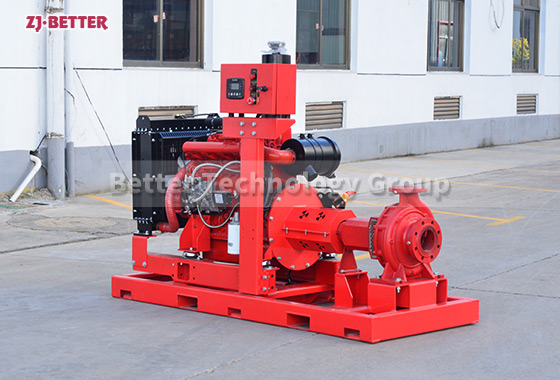
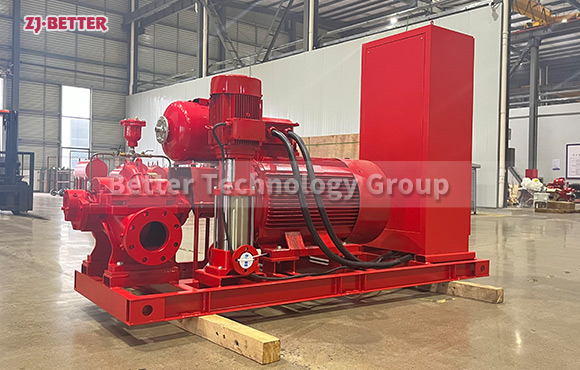
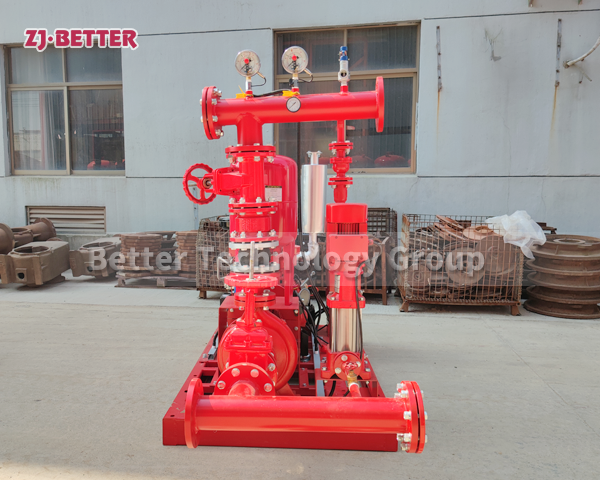
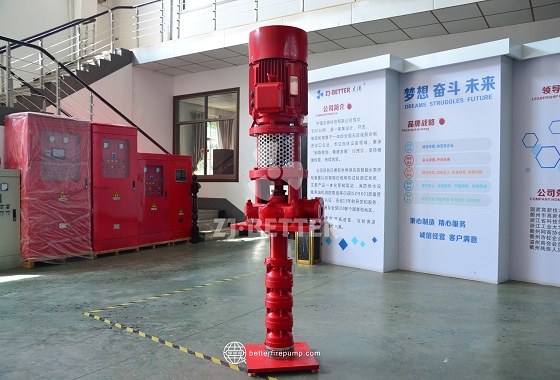
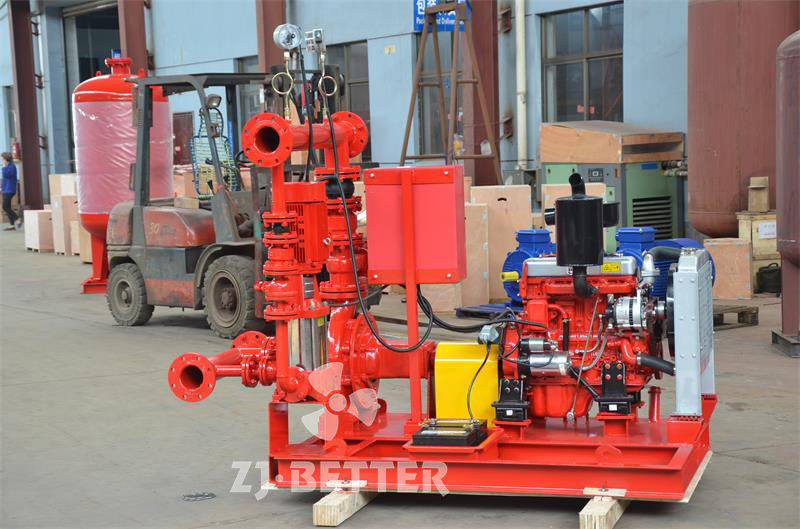
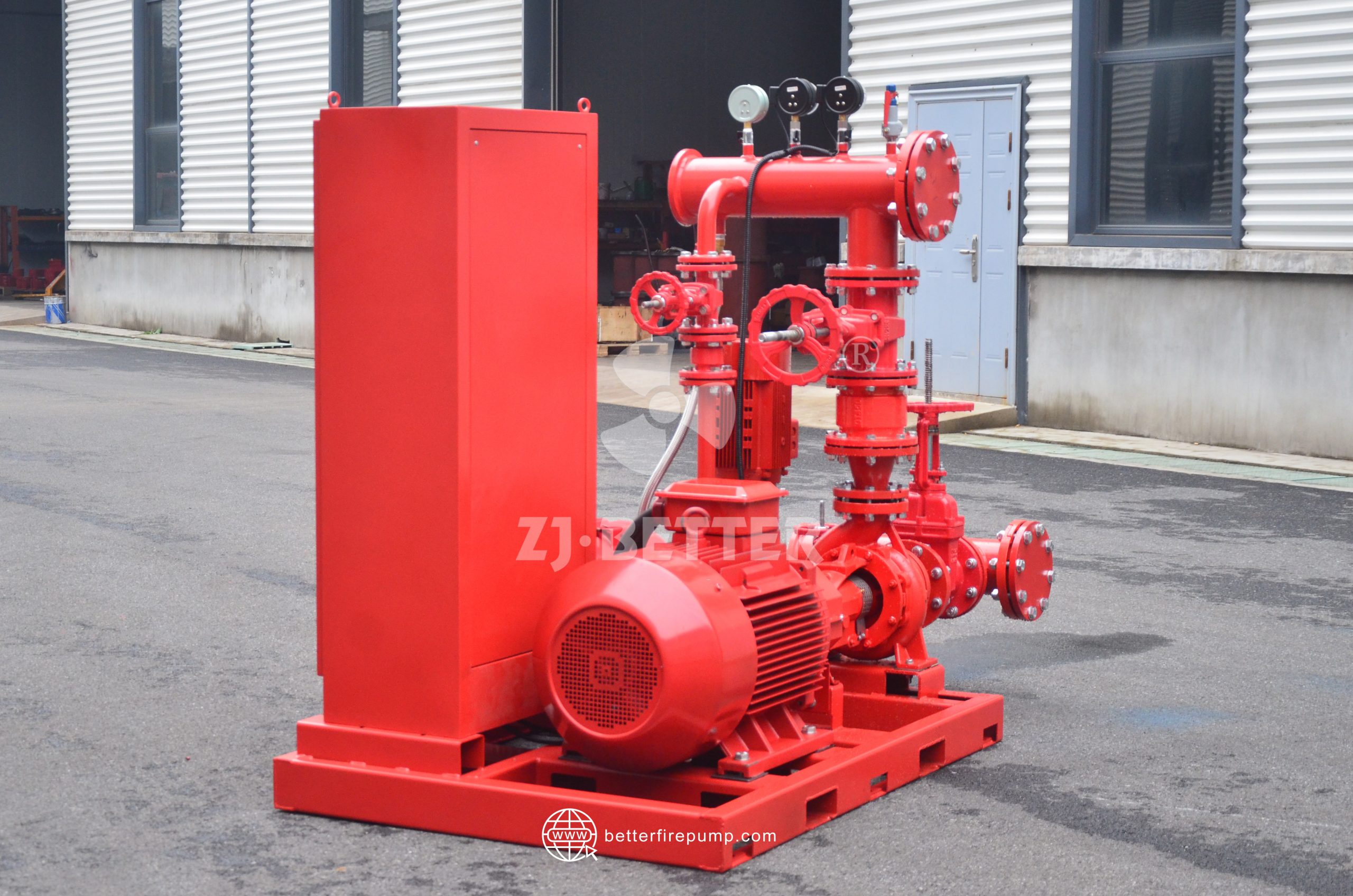
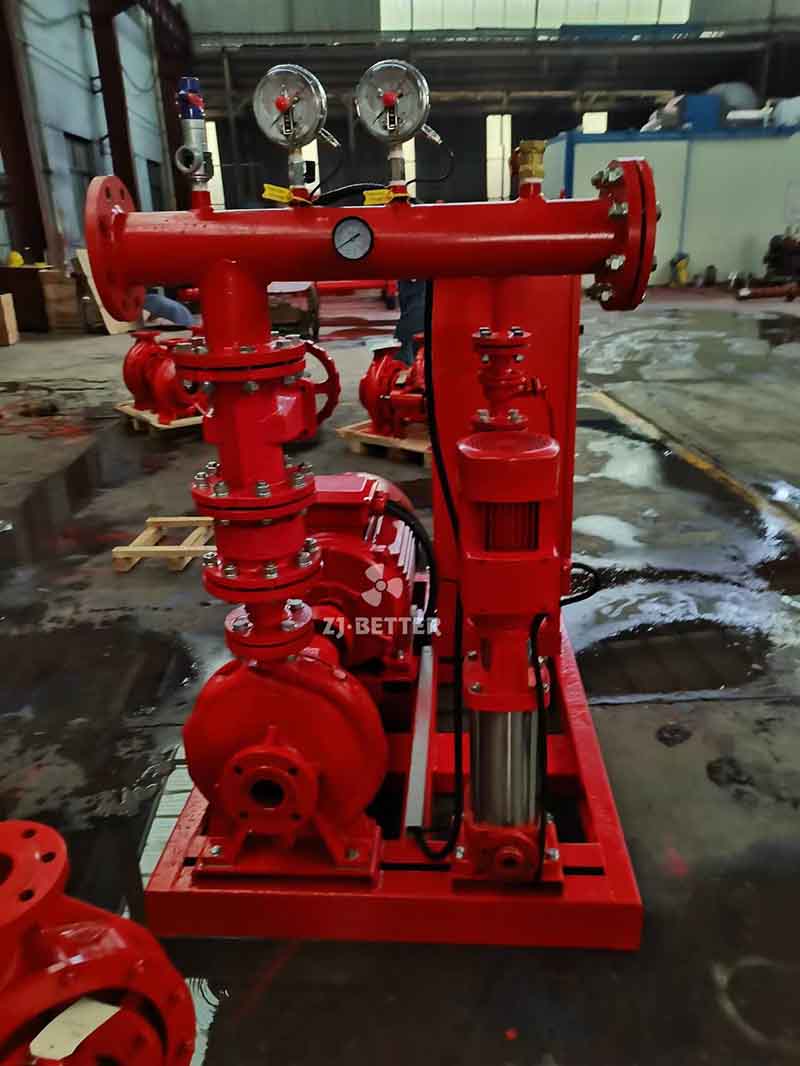
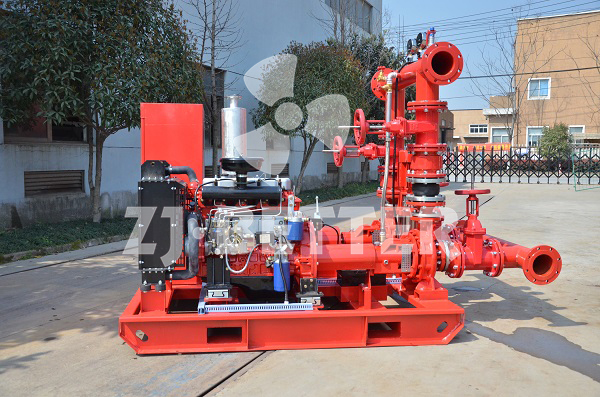
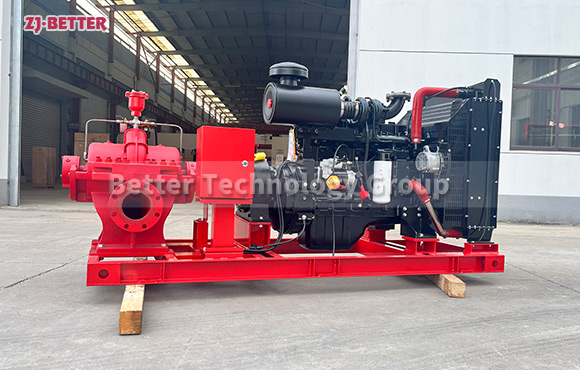
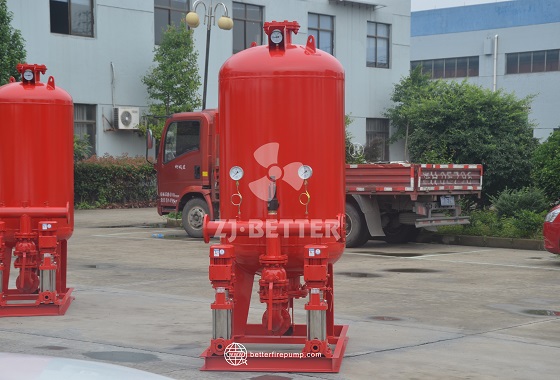
Industrial fire pump station assemblies are fire-water supply solutions designed for manufacturing plants, storage facilities, energy projects, and large-scale industrial infrastructure. These systems integrate power units, fire pumps, piping, and control equipment onto a common base, forming a cohesive, self-contained pump station unit. The equipment shown in the image utilizes an extended steel common base, upon which the pumps, power units, piping assemblies, and electrical control cabinets are arranged in a structured layout. This integrated design facilitates transportation, on-site positioning, and system integration. Compared to procuring and installing individual components separately, this pre-configured approach allows for the strategic planning of component placement and interconnections during the manufacturing phase, minimizing the need for on-site assembly and complex piping installation, thereby ensuring a more organized setup process. The power unit provides the necessary drive for the pump, while the pumping assembly handles the intake, pressurization, and delivery of fire-fighting water; these components are carefully matched based on target flow rates, head requirements, and specific operating conditions. Depending on project requirements, the system can be configured with either electric or diesel power, with the specific pump type, quantity, and control scheme determined by the overall fire protection system design (the final configuration is subject to the actual equipment supplied). The piping assembly connects the pumps to the system’s inlet and outlet lines; the top-mounted discharge manifold and corresponding flanged connections allow for seamless integration with the facility’s piping network. Valves and pressure-monitoring instruments can be incorporated according to design specifications to facilitate system operation and pressure observation. The electrical control cabinet houses the necessary operational and control components—including start/stop controls, status indicators, and electrical protection features—simplifying daily management and operation. The extended common base provides a unified foundation for all components, ensuring a balanced layout while simplifying lifting, transport, and on-site anchoring. Furthermore, the well-planned spacing between components provides ample room for piping connections and future maintenance. For large-scale industrial projects, the design of a fire pump station requires a comprehensive selection process that accounts for not only the performance of the equipment itself but also factors such as the fire-water source, network pressure, water delivery distance, building height, and the system’s design flow rate. During operation, the performance of the pump unit must align with both the pipeline resistance and the system requirements to prevent insufficient water supply capacity—often a consequence of improper selection—or the deviation of the equipment’s operating point from its intended, optimal range. Prior to the installation of the complete equipment package, it is essential to verify foundation dimensions, inlet and outlet orientations, flange specifications, and electrical requirements. Following on-site installation, the process must include pipeline connection, wiring inspection, system commissioning, and operational testing. Routine maintenance should involve regular checks of the pump casing, power unit, pipe connections, valves, instrumentation, and control cabinets, with prompt attention given to any abnormal vibrations, leaks, or electrical faults. By integrating the power unit and pumping components, centralizing the configuration of the piping system, and incorporating matched control equipment, industrial fire-pump station assemblies provide a comprehensive, well-structured solution for fixed fire-water supply systems—one that facilitates both installation and maintenance. Specific parameters—such as flow rate, head, power, type of power source, and control functionality—should be determined based on the project’s technical requirements and actual configuration.