Home » Fire Pump Set » ISW Electric Jockey Pump Set

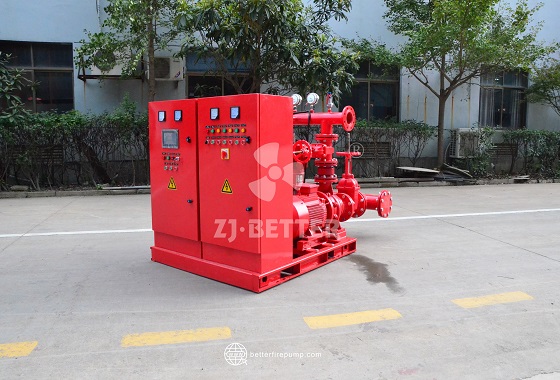
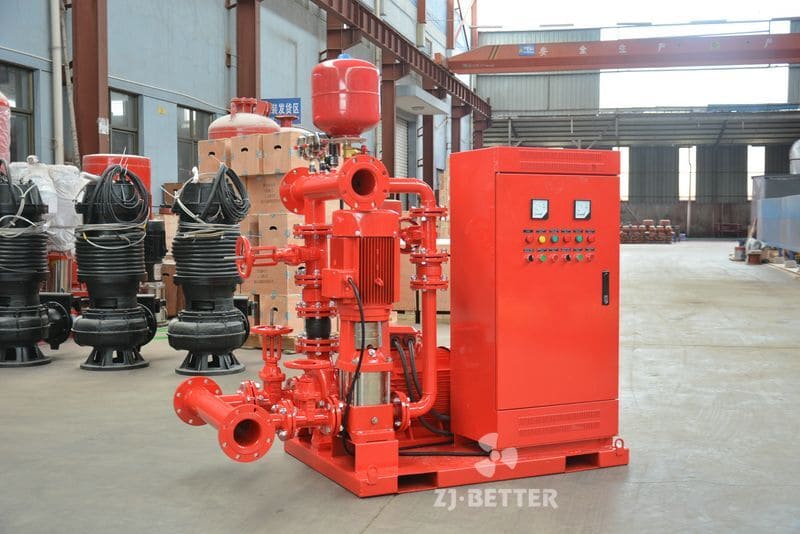
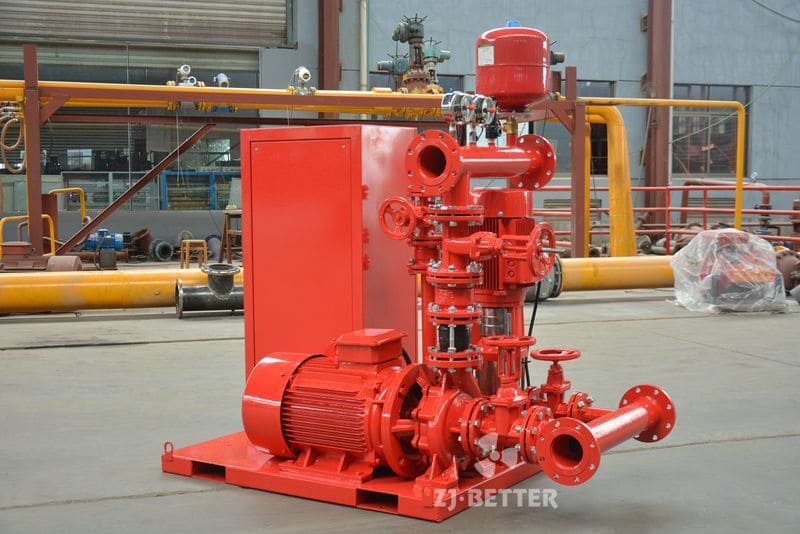
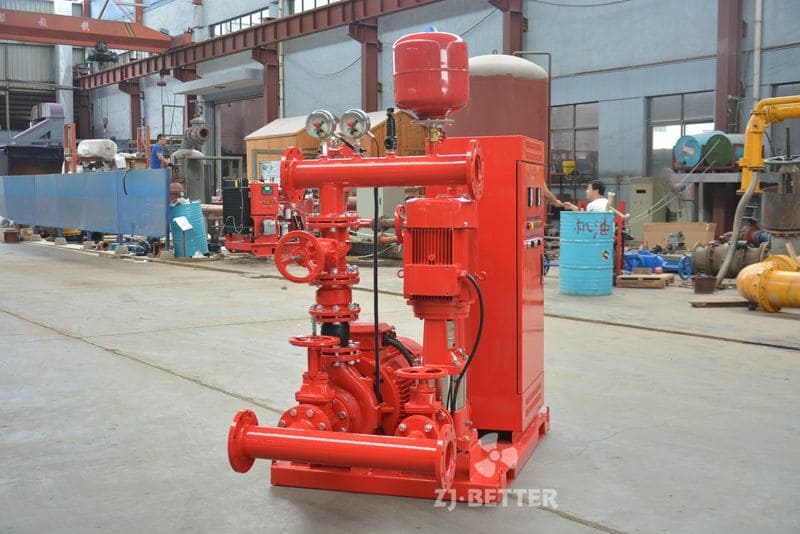
ISW Electric Jockey Pump Set

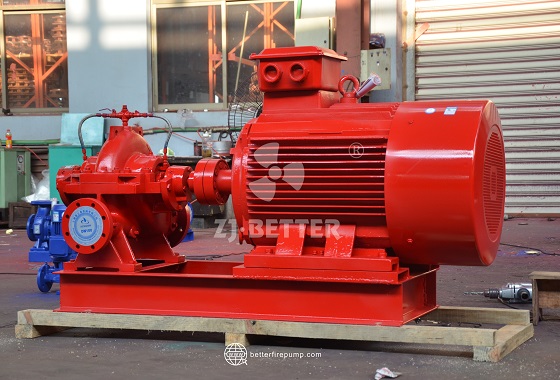
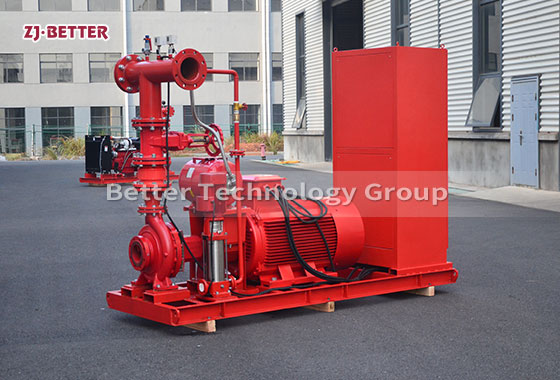
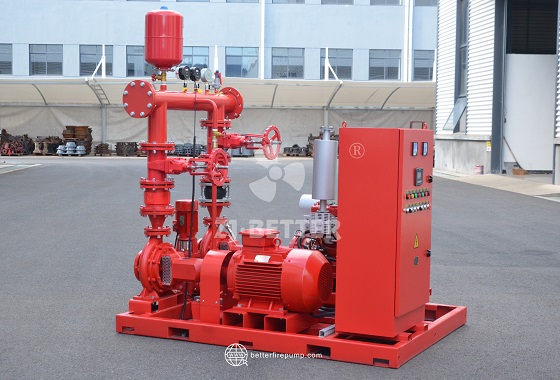
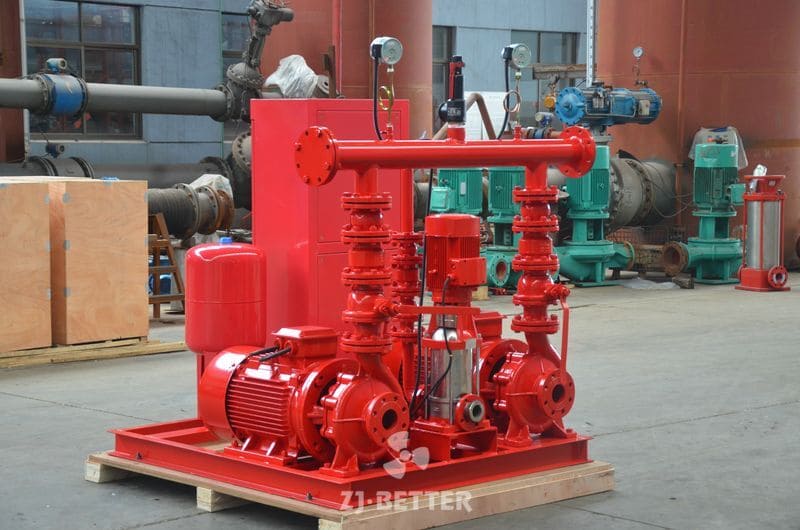
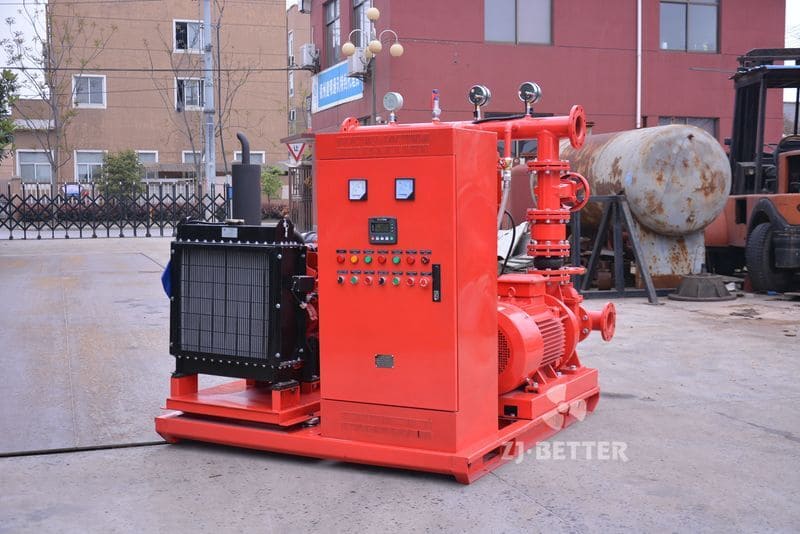
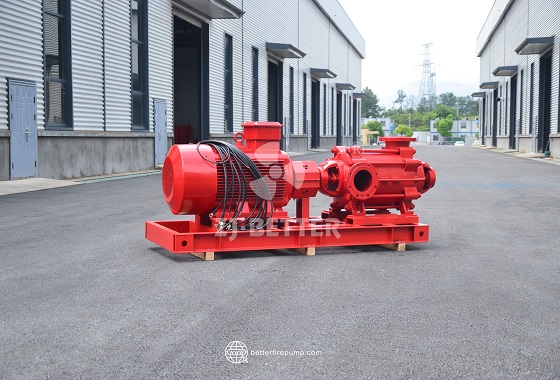
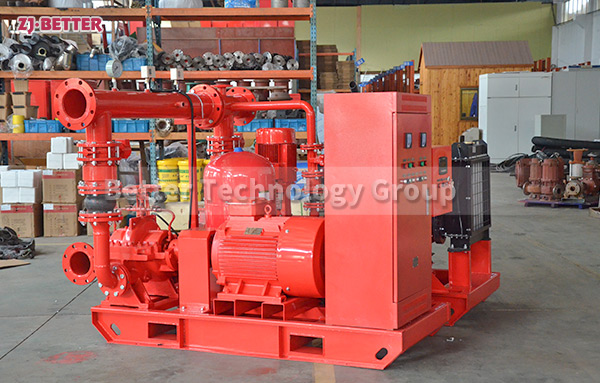
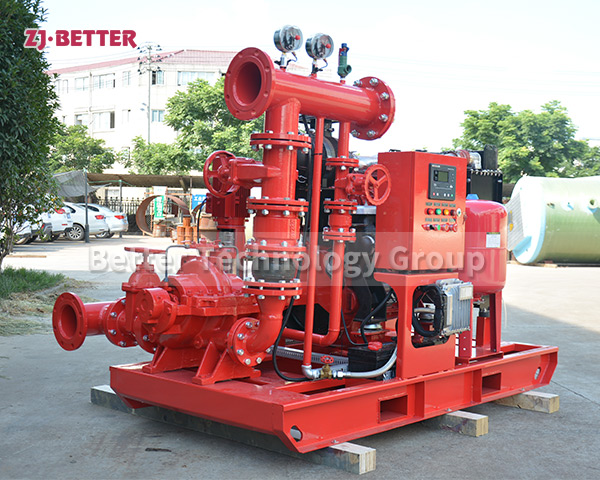
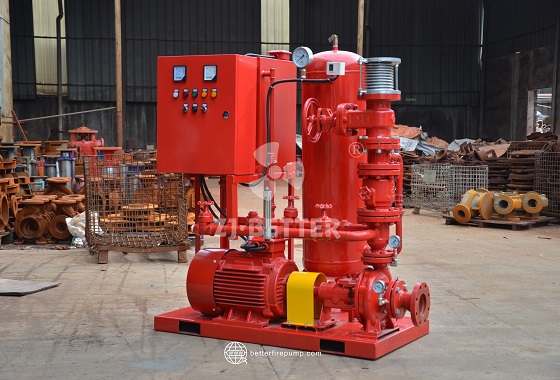
The motor of this EJ fire pump set is directly connected to the pump body, which saves costs. It adopts ISW pump, and its performance parameters and technical indicators meet relevant standards. It has the characteristics of high efficiency and reasonable structure. It is suitable for industrial and urban water supply and drainage, high-rise building increase Pressurized water supply, garden sprinkler irrigation, long-distance water supply, heating, bathroom and other hot and cold water circulation pressurization and equipment.

Rated 5/5 based on 457 customer reviews
Share:
Content

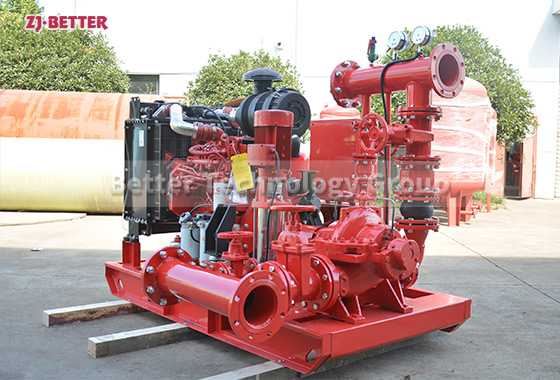
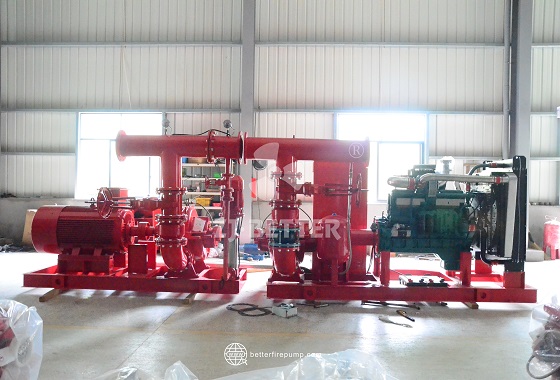
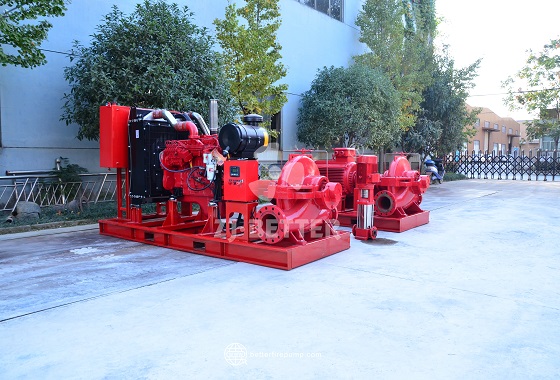
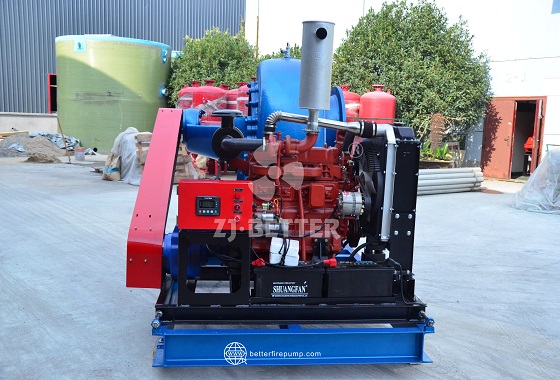
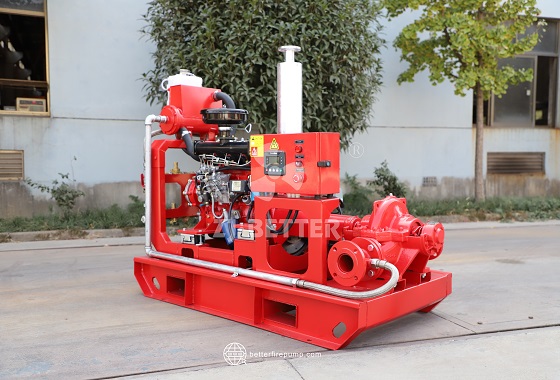
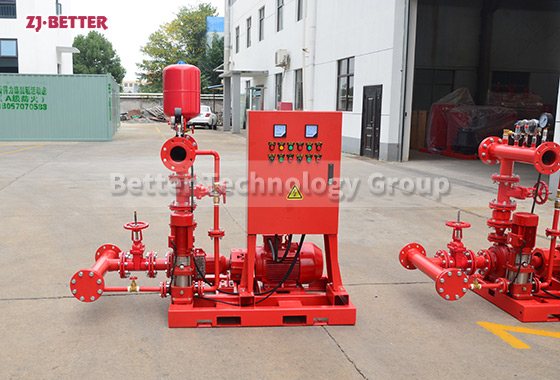
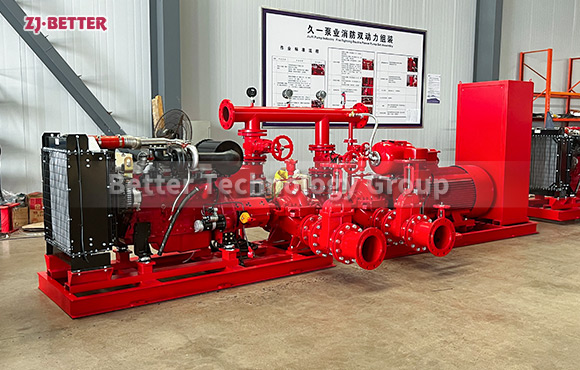
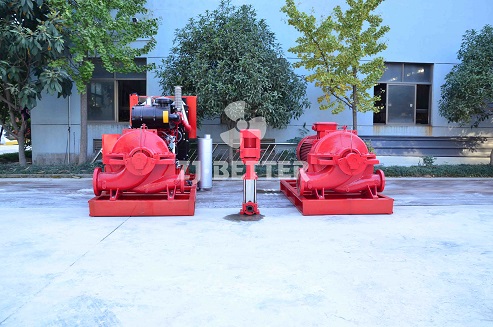
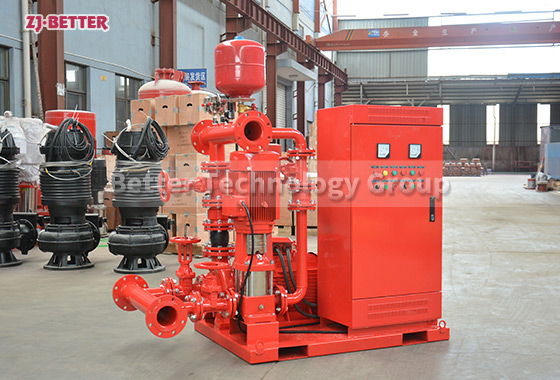
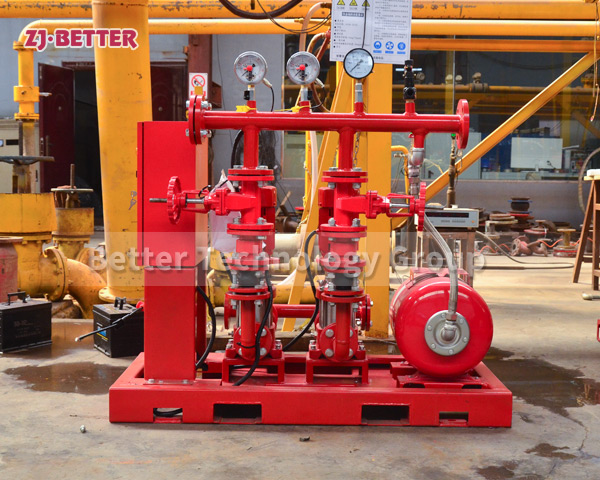
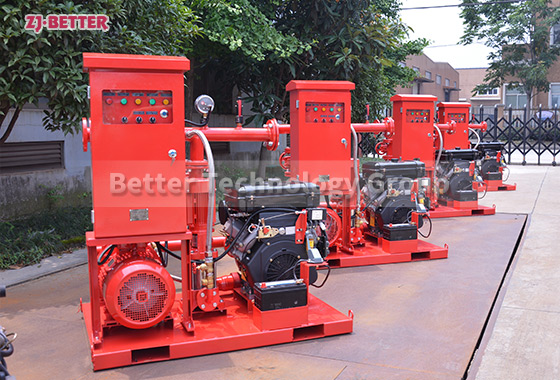
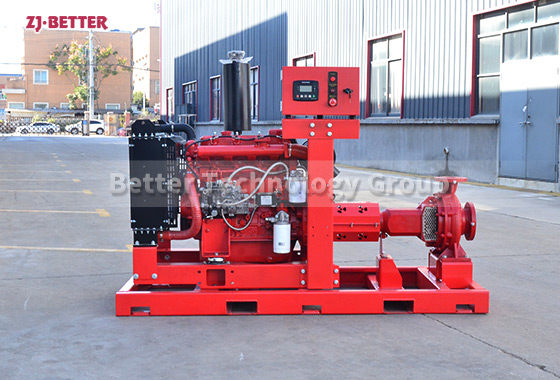
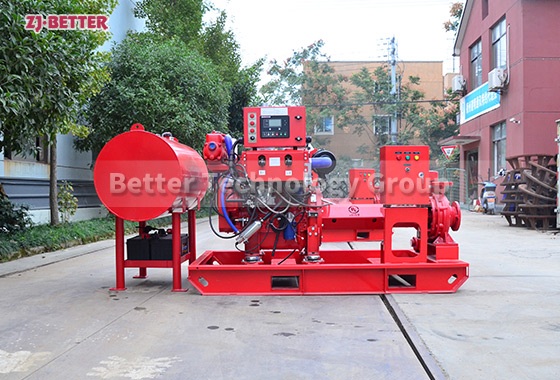
EJ Fire Pump Set is composed of electric pump, jockey pump.
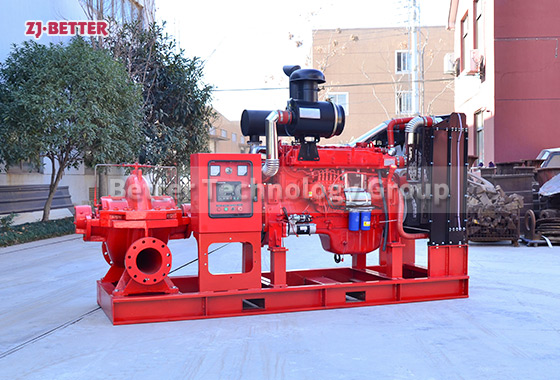
1.Electric pump as main pump in EJ fire pump set, can use end suction pump , horizontal split case pump, vertical turbine pump and so on
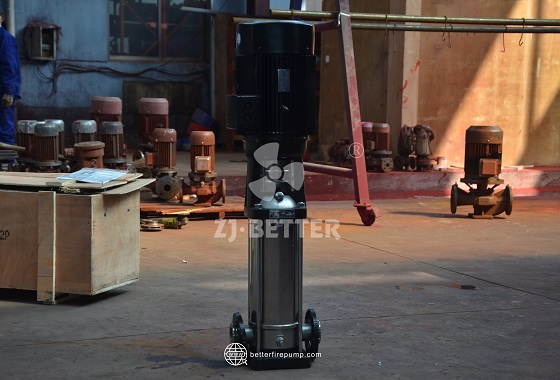
2. Jockey pump need meet NFPA 20 standard, but head should be 10-15 m higher than electric and diesel engine pump, normal flow as 25、50、100GPM

Application Scope:
Various fire hydrants, fire main pump spray pump;
● Suitable for a variety of fire booster and constant—pressure pump occasions;
● A variety of villas, residential and other fire-fighting system;
● Industrial and civil construction of fire water system.
● For a variety of depots, oil loading dock, logistics parks and other high fire demanding occasions.

Inquiry


    More Fire Pump Set

    What kind of terrain to choose what kind of water pump

    This problem, in short, is the selection of water pumps. The following are the applicable way for you to choose water pumps from zjbetter. I hope they can help you choose water pumps and help you better. Choose the water pump that suits your design.
    1. Confirm the use terrain
    First understand the terrain in which the outfit is used, including temperature, moisture, air pressure, air cattiness, dustproof and leakproof conditions, and the position of dangerous areas.
    2. Confirm operating conditions
    Refers to the liquid face pressure( absolute) on the suction side of the liquid, the liquid face pressure on the discharge side, intermittent or nonstop work, fixed or mobile position, and the convenience of installation and conservation.
    3. Confirm the nature of the medium
    Medium temperature, viscosity, density, impregnated vapor pressure, solid flyspeck periphery and content, gas content, cattiness, volatility, trap, toxin.
    4. elect the material of the pump bathe corridor
    According to the physical and chemical parcels of the pumped medium above, the material of the inflow- passing corridor is determined.
    5. Determine performance parameters
    The performance parameters of the water pump can be determined by computation, analogy, test and other styles.
    6. Determine the installation type
    The installation of the channel is determined by the layout of the channel and the installation point, and there are direct connection, perpendicular and other types.
    8. Determine the number of pumps
    In general, spare pumps, especially fire pumps, are set up, and the number of pumps is named according to different situations.

    When installing a fire pump, it is essential to adhere to specific requirements to ensure its proper functionality and compliance with safety standards. Here are some important installation requirements to consider:

    Codes and Standards: Familiarize yourself with local fire codes, regulations, and industry standards applicable to fire pump installations.

    Location and Accessibility: Choose an appropriate location for the fire pump that allows for easy access, maintenance, and serviceability.

    Foundation and Mounting: Ensure that the fire pump is installed on a stable and level foundation capable of supporting its weight and minimizing vibration.

    Electrical Connections: Electrical connections should be performed by licensed electricians following electrical codes and regulations.

    Water Supply: Ensure an adequate and reliable water supply for the fire pump.

    System Piping and Valves: The piping system should be installed following the pump manufacturer’s specifications and relevant standards.

    Controls and Monitoring: Install the pump’s control panel and associated instrumentation according to manufacturer guidelines.

    Testing and Commissioning: Thoroughly test and commission the fire pump system before placing it into service.

    Documentation and Training: Maintain comprehensive documentation of the installation, including drawings, equipment specifications, test reports, and maintenance records.

    It is crucial to consult with fire protection professionals, including fire engineers and pump manufacturers, to ensure compliance with all relevant requirements during the installation process. Proper installation is essential for the reliable operation of the fire pump and the safety of the facility and its occupants.