Home » Diesel engine fire pump » Reliable Diesel Fire Pumps: Essential for Commercial Fire Safety

Reliable Diesel Fire Pumps: Essential for Commercial Fire Safety

Flow:50-5000 GPM
Head:3-16 Bar / 40-232 psi
Power:11-1000 kw
Frequency:50 or 60 Hz
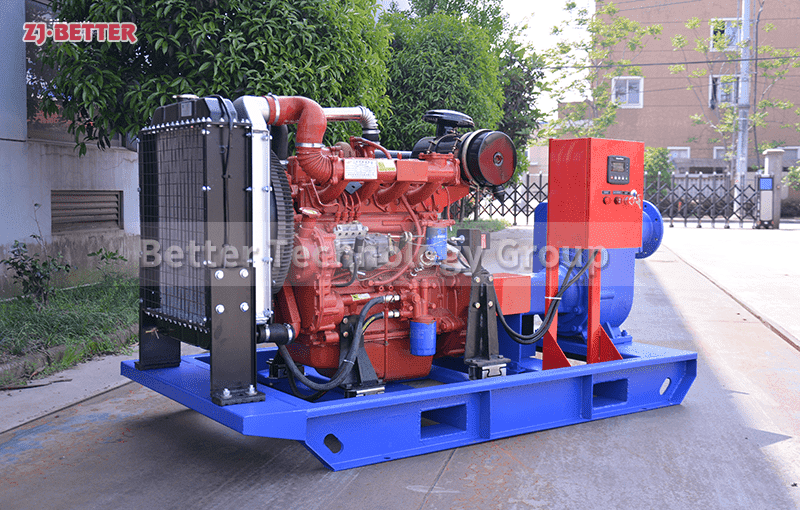
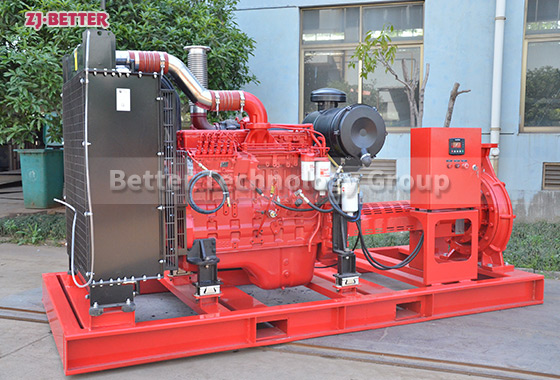
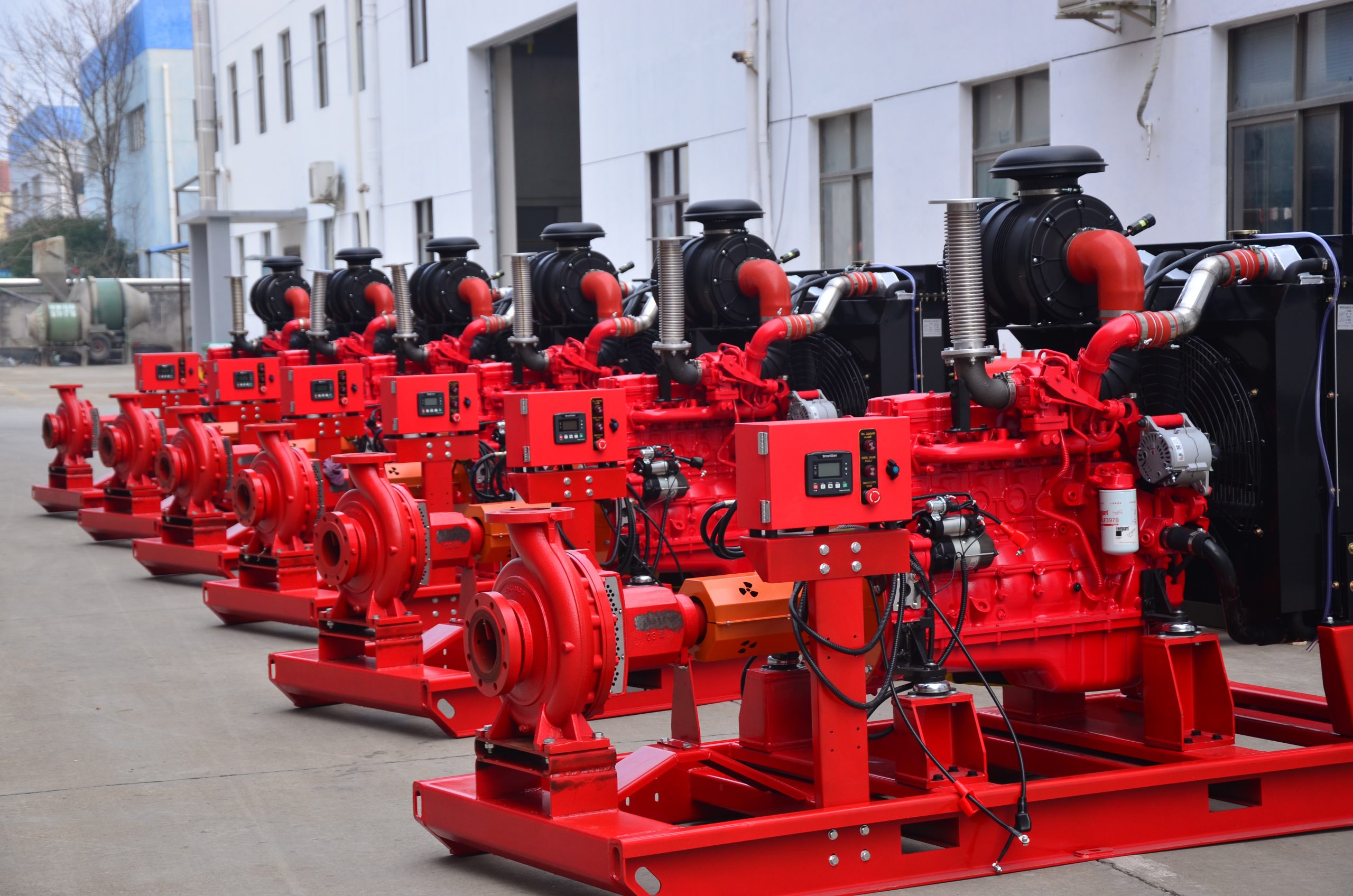
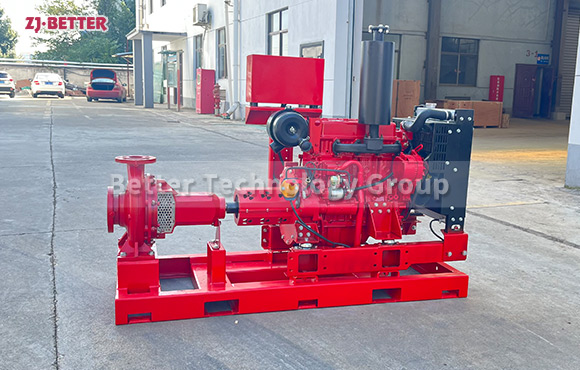
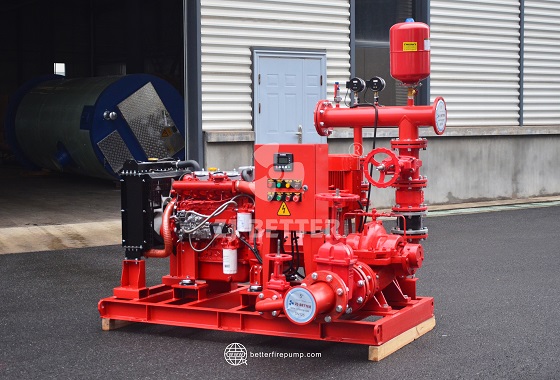
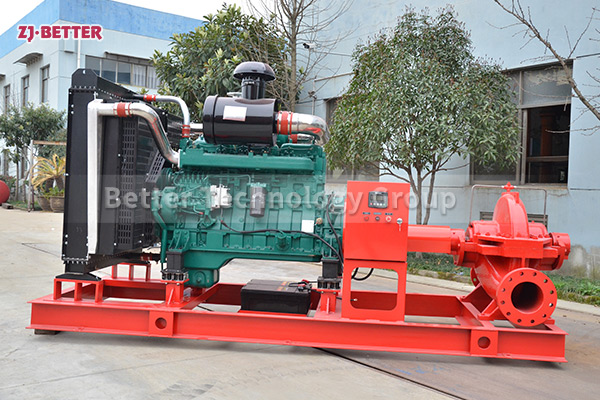
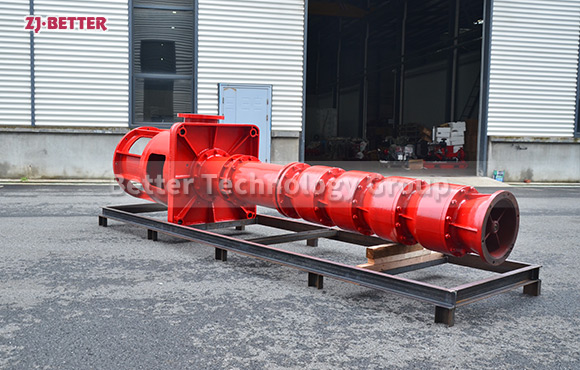
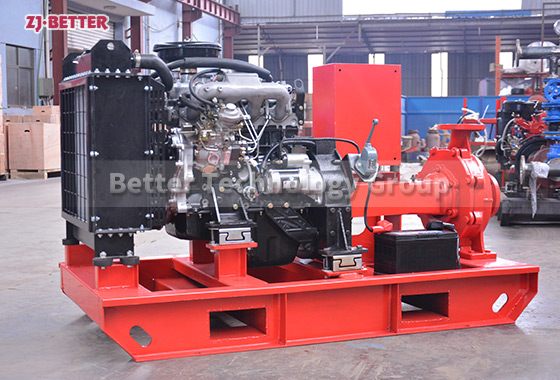
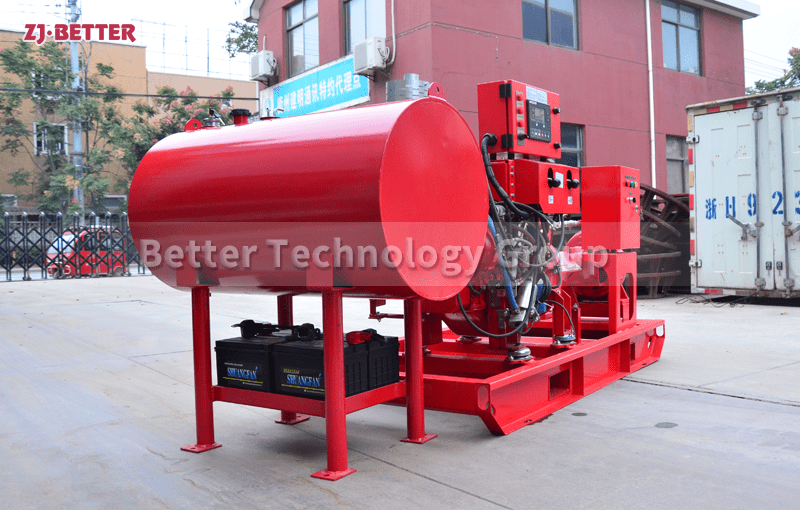
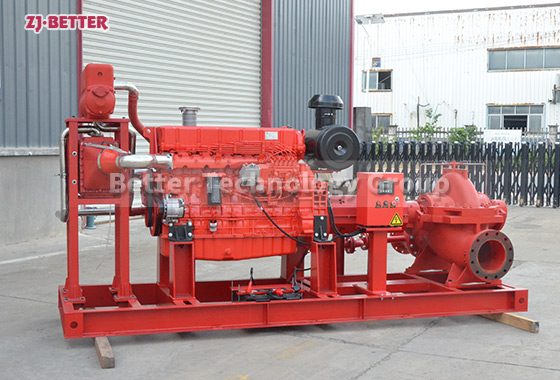
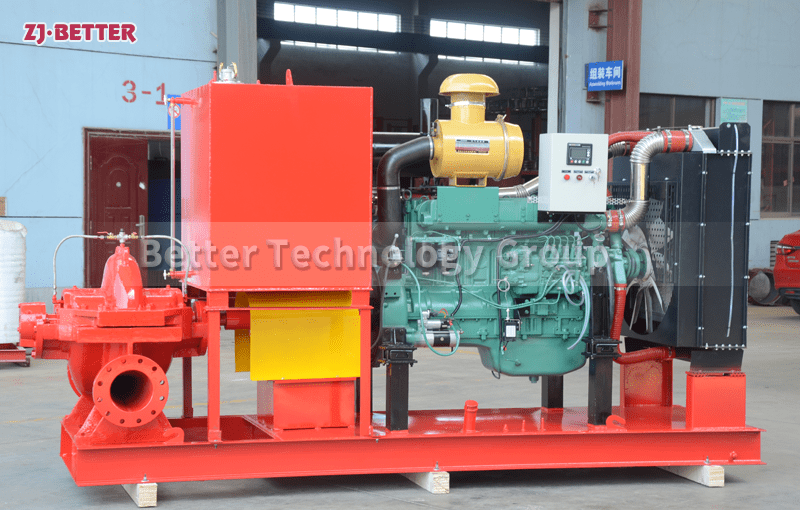
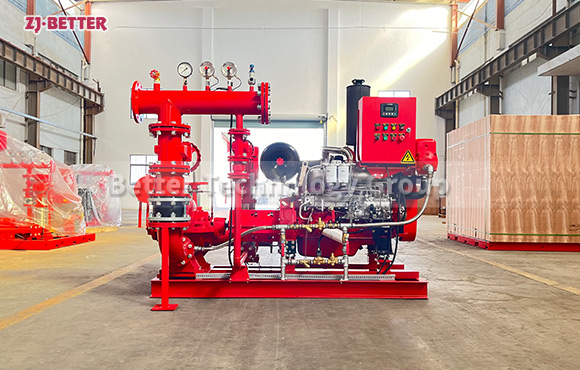
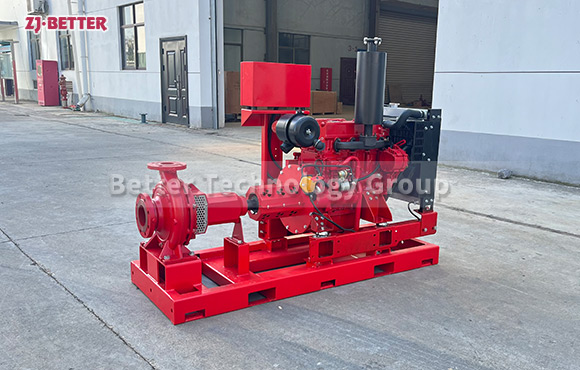
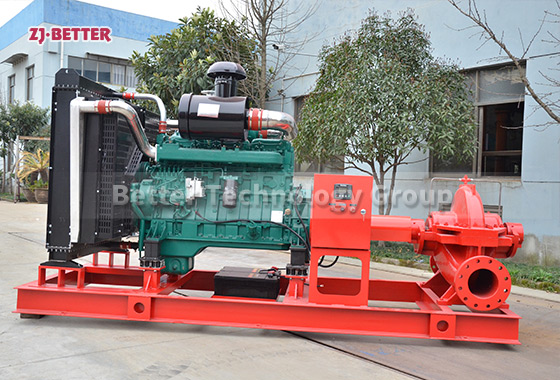
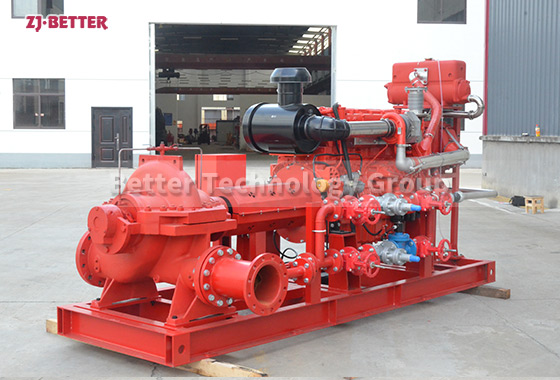
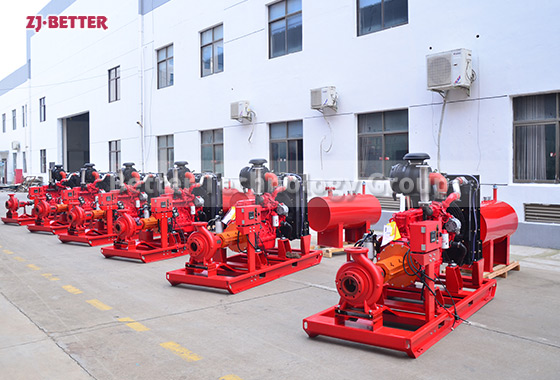
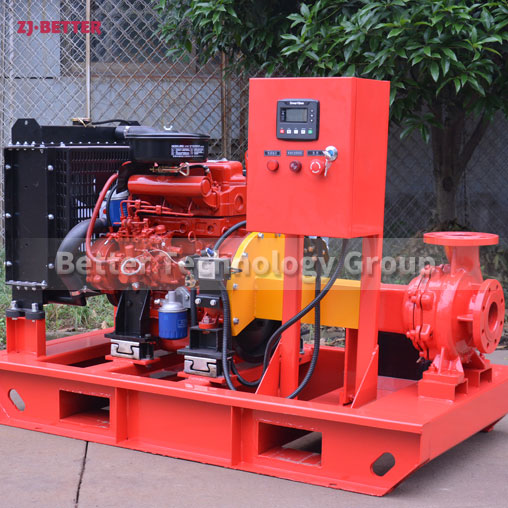
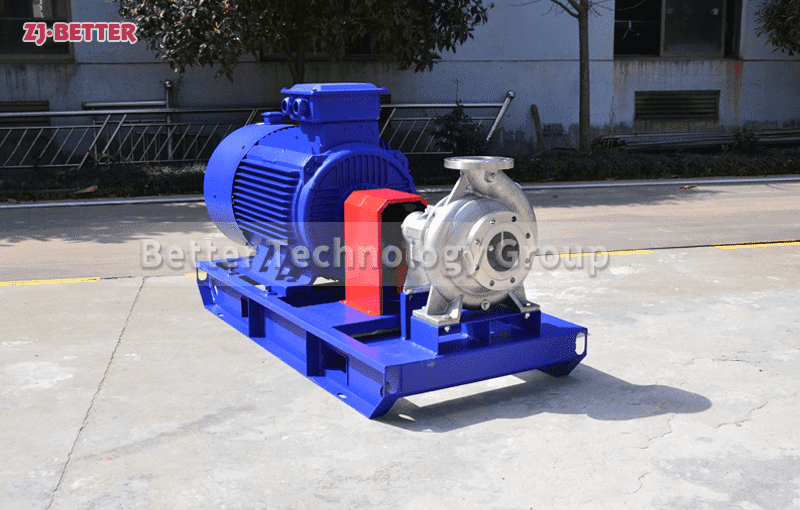
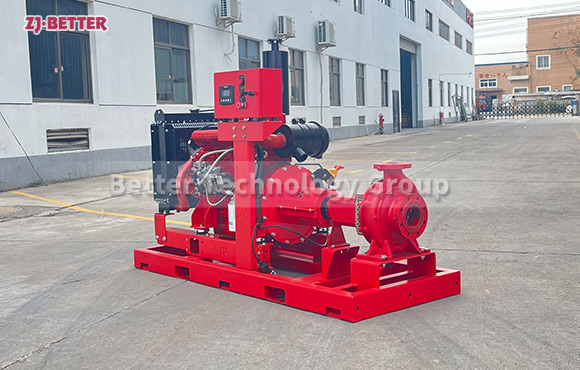
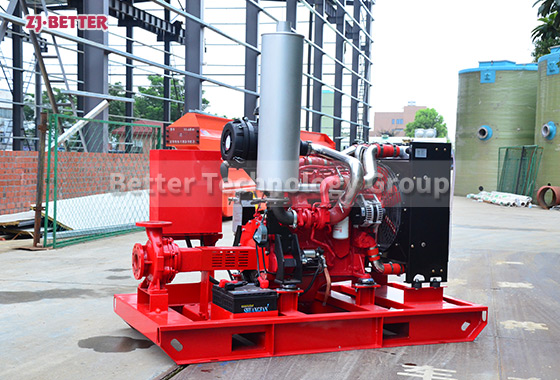
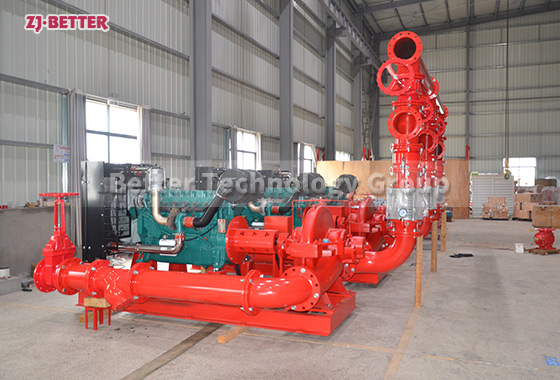
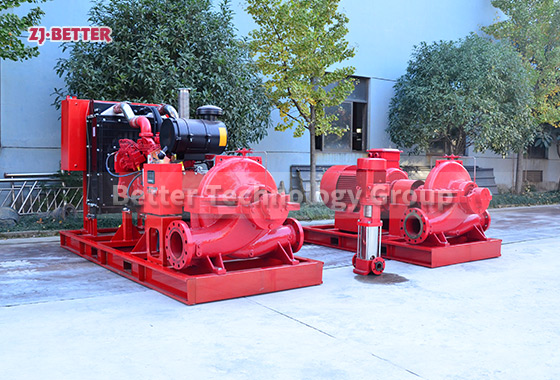
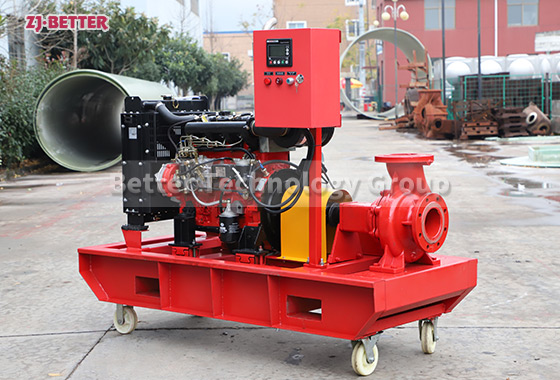
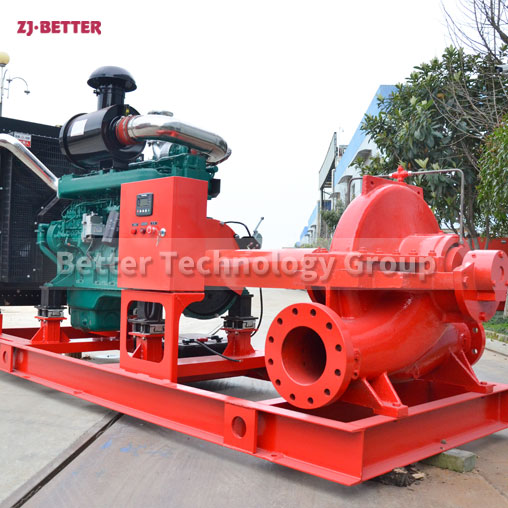
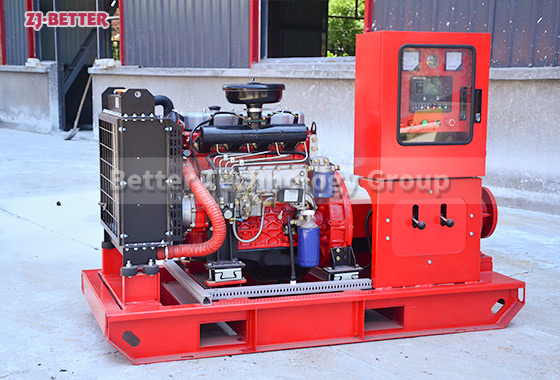
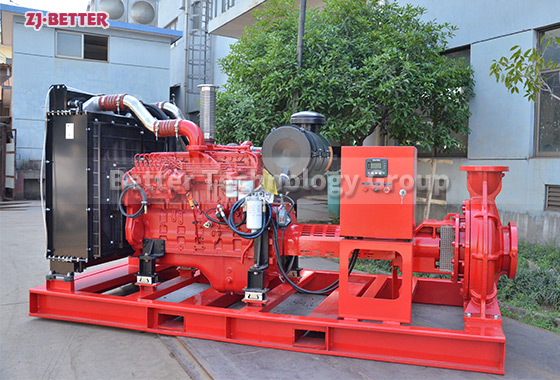
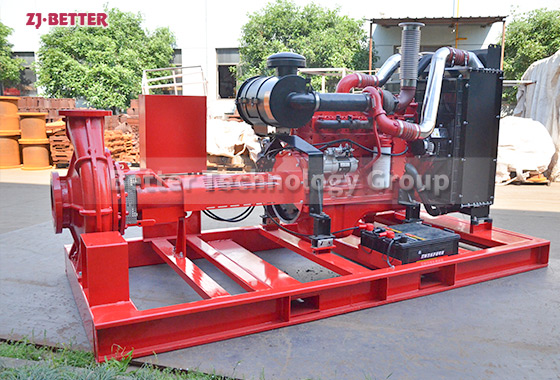
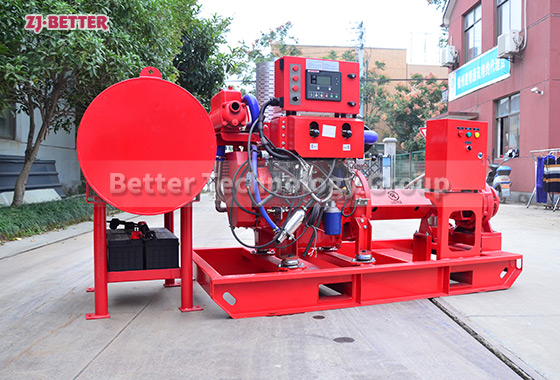
The Diesel Single Stage Centrifugal Pump is suitable for firewater supply and emergency water supply in various environments such as warehouses, docks, airports, petroleum facilities, chemical plants, power plants, liquefied gas facilities, textile mills, ships, and oil tankers

Rated 5/5 based on 486 customer reviews
Share:
Content

The Diesel Single stage centrifugal pump features the following product characteristics:

1.Powerful pumping capacity: Equipped with a robust diesel engine, the Diesel Single stage centrifugal pump delivers exceptional pumping capacity, enabling the swift and efficient transfer of large volumes of fluid.

2.Reliable performance: The Diesel Single stage centrifugal pump is renowned for its reliable performance, ensuring stable and enduring operation to meet various fluid transfer requirements.

3.Versatile applications: The Diesel Single stage centrifugal pump finds wide-ranging applications across industries, including industrial, agricultural, and construction sectors, catering to diverse fluid transfer needs.

In summary, the Diesel Single stage centrifugal pump offers efficient and reliable fluid transfer solutions with its unique end suction design, powerful pumping capacity, reliable performance, and advanced automatic control system. Whether for industrial fluid transfer or other fluid requirements, the Diesel Single stage centrifugal pump meets your needs!
Inquiry


    More Diesel engine fire pump

    Generally speaking, we recommend that where natural ventilation is used to install diesel engine fire pumps, there must be vents and exhaust ports of sufficient size, and the position of the vents ensures that there is enough fresh air to supply the diesel engine for combustion within the temperature limit. Of course, the water supply radiator can also be used to take away the heat of the circulating cooling water and the heat emitted from the surface of the unit. If the space cannot meet the requirements of natural ventilation and cannot effectively dissipate heat, it is recommended that you adopt forced ventilation, install an intake fan and an exhaust fan at the vent, and choose a location that can provide enough cold air for the diesel engine and take away the machine room hot air inside. Generally speaking, the air intake of the unit should be 6-7 times that of the diesel engine. Only in this way can normal ventilation be ensured and the operating efficiency of the equipment can be improved.

    In addition, it must be fixed firmly so that the entire unit can be supported to ensure that the unit is in a horizontal state and absorb vibration. Generally speaking, the foundation of the unit adopts a concrete structure. The length and width are 150-250mm on one side of the length and width of the unit chassis, and the depth is 300-600mm. The height of the anchor bolts should be about twice the bolt diameter. And there should be a 750mm channel on both sides and front of the unit to facilitate the operator’s inspection and general maintenance.