Home » Fire Pump Set » No Foot Valve, No Manual Priming: Why Modern Fire Systems Rely on Self-Priming Pump Technology

No Foot Valve, No Manual Priming: Why Modern Fire Systems Rely on Self-Priming Pump Technology

The self-priming fire pump eliminates the need for foot valves and manual priming, featuring fast startup, strong suction capacity, and compatibility with smart control systems. Ideal for industrial facilities, municipal water supply, and emergency firefighting, it enhances system response and reliability.

Rated 4.7/5 based on 345 customer reviews
Share:
Content

In modern fire protection systems, rapid response, efficient water supply, streamlined operation, and equipment reliability have become critical criteria for evaluating pump performance. Traditional fire pumps—especially standard centrifugal pumps—often encounter technical challenges such as requiring manual priming, relying on foot valves, and experiencing delayed startup. These issues can significantly hinder emergency response effectiveness. To address these limitations, horizontal self-priming pumps have emerged as a preferred solution due to their structural advantages: no foot valve required and no manual priming needed.

Self-priming pumps are specially engineered to expel air and draw water automatically during startup, using a vacuum effect created by the residual liquid inside the pump casing. This allows the pump to draw water from an external source within seconds, eliminating the need for pre-filling or manual intervention. This is especially valuable in emergency scenarios with limited personnel or urgent water supply needs.

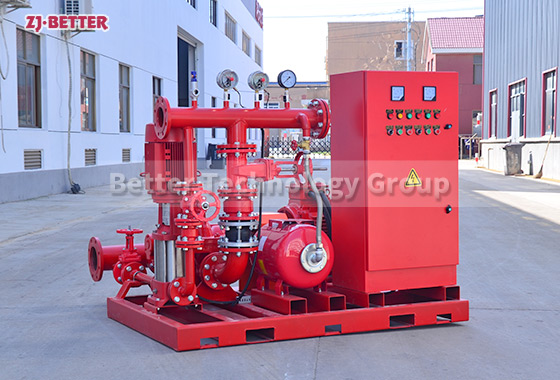
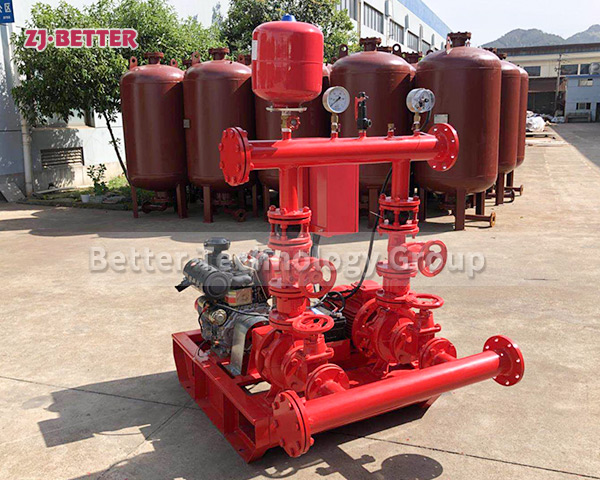
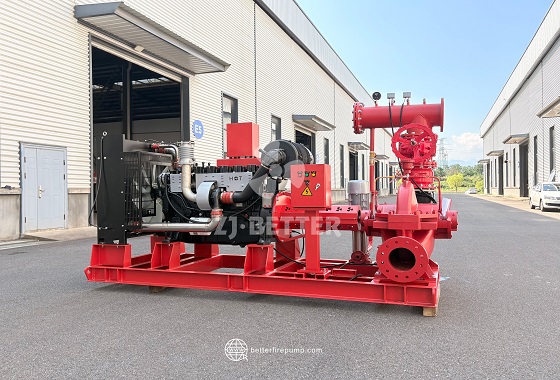
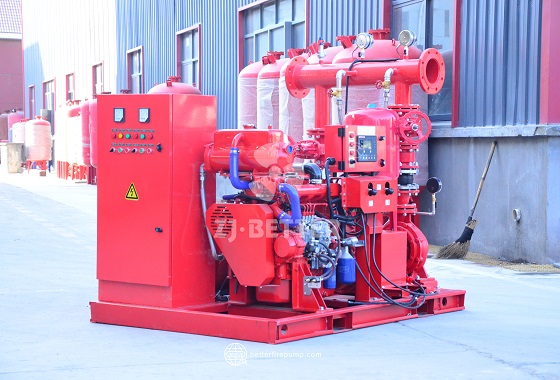
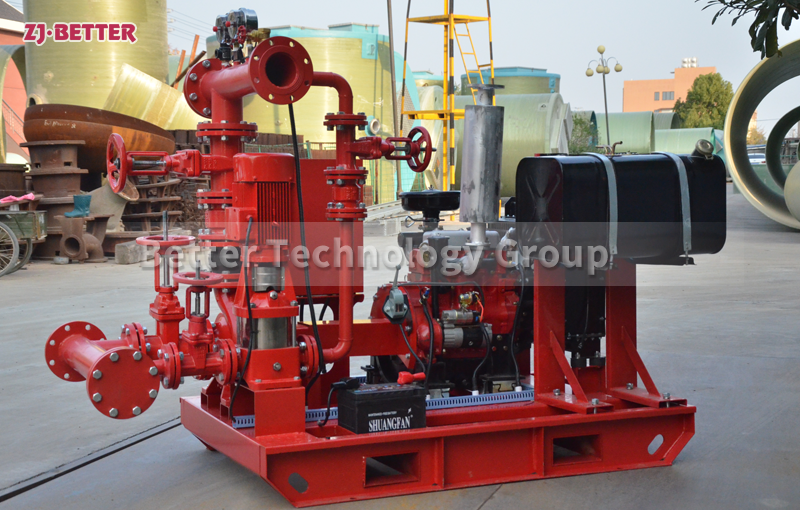
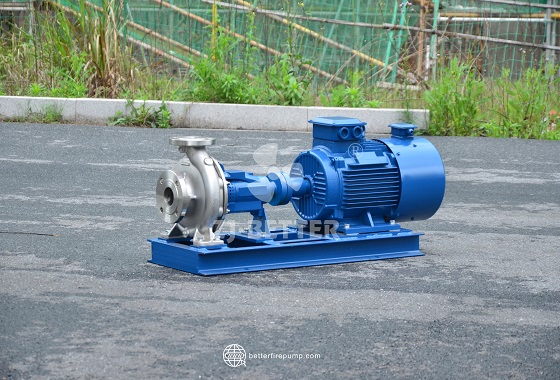
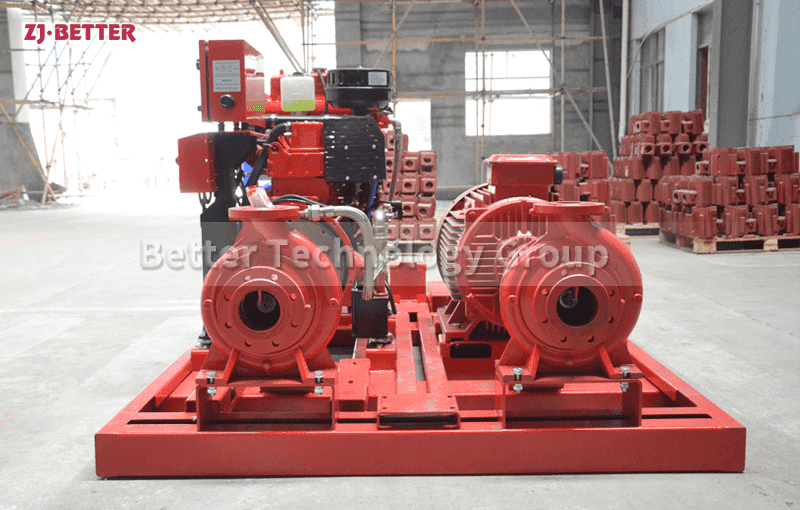
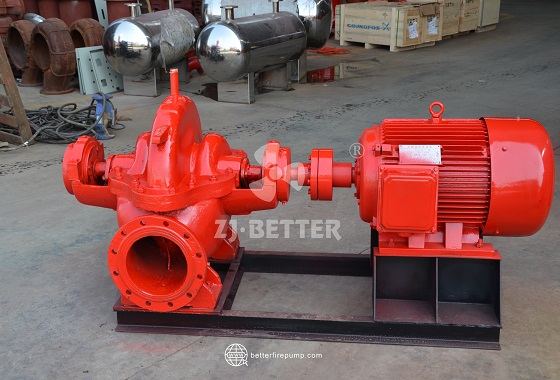
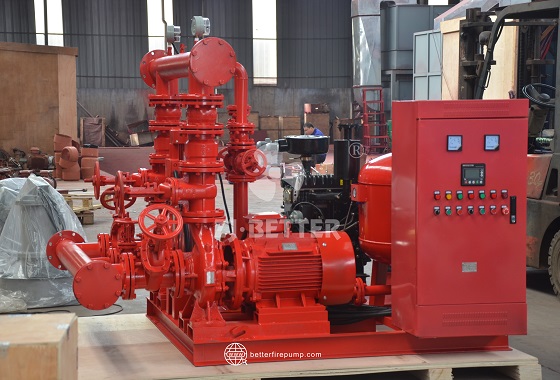
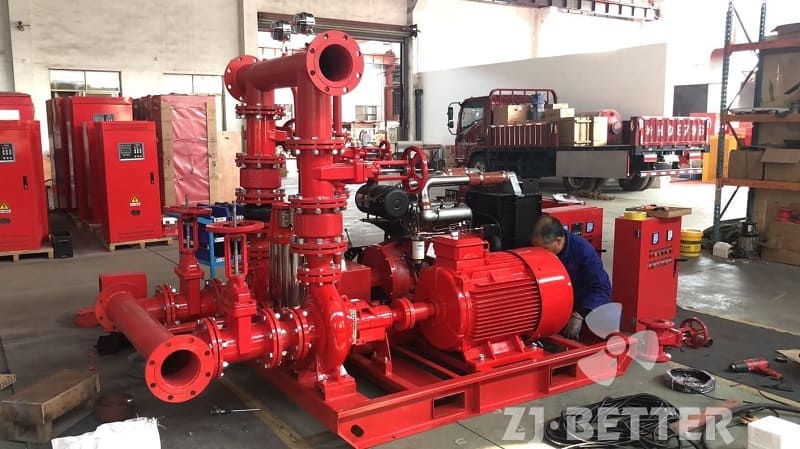
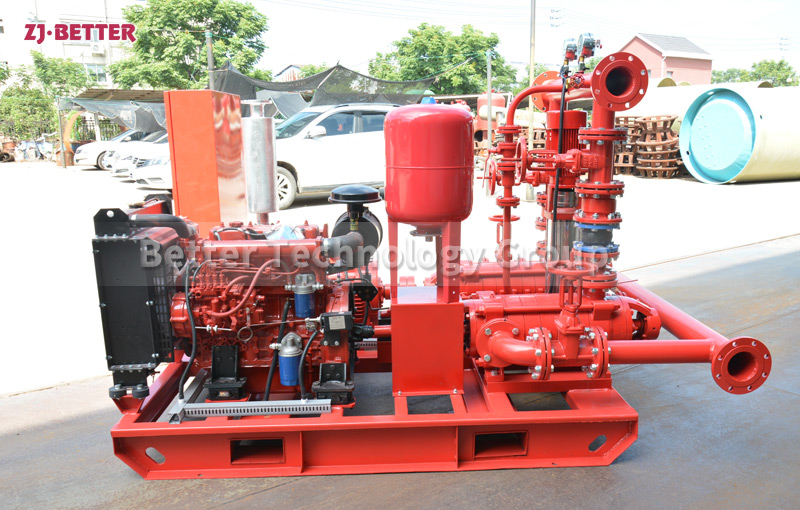
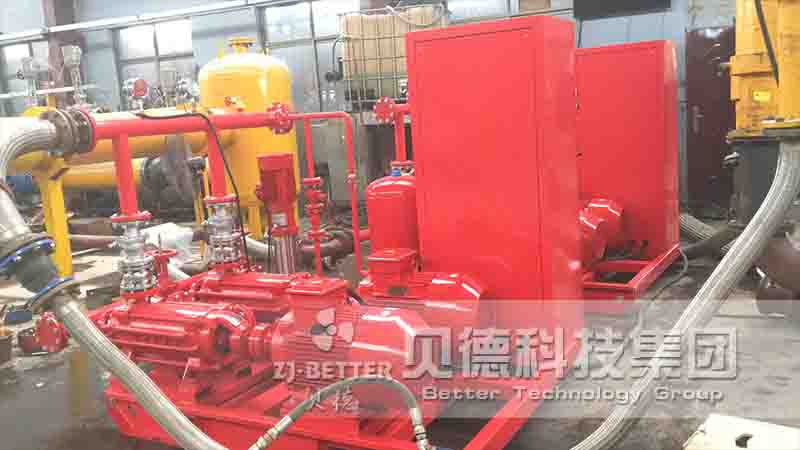
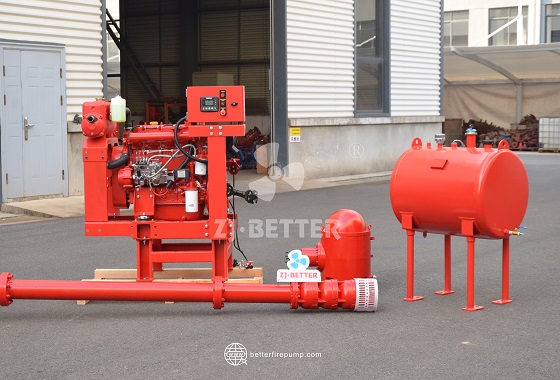
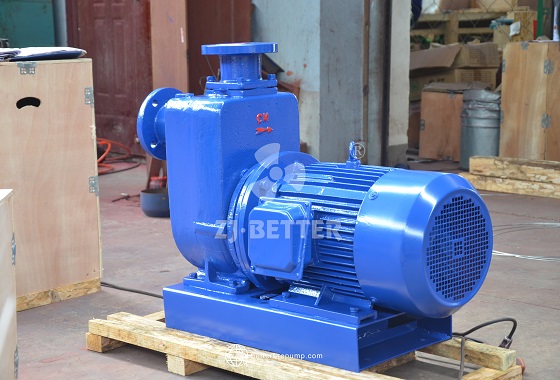
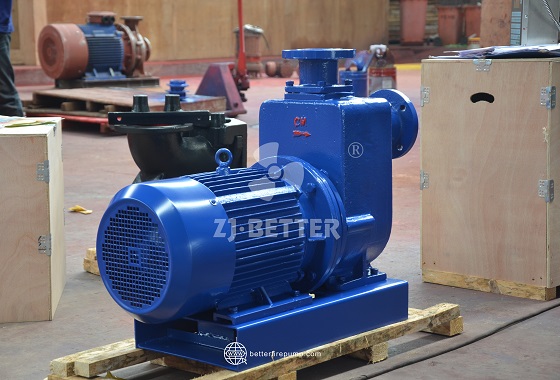
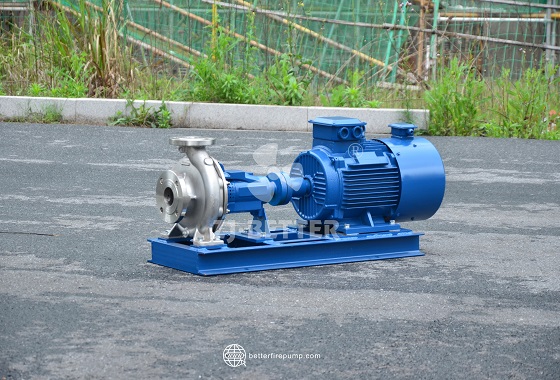
The pump shown in the image features a high-strength cast iron body and an optimized internal hydraulic design that allows a suction lift of up to 6–8 meters. It can complete priming within 10 to 30 seconds, making it ideal for use in low-level water sources or remote water collection points. The direct-coupled motor design ensures a compact footprint and simplified installation, which is particularly useful in fire water tanks at industrial sites, municipal water systems, emergency vehicle pumps, and temporary construction fire systems.

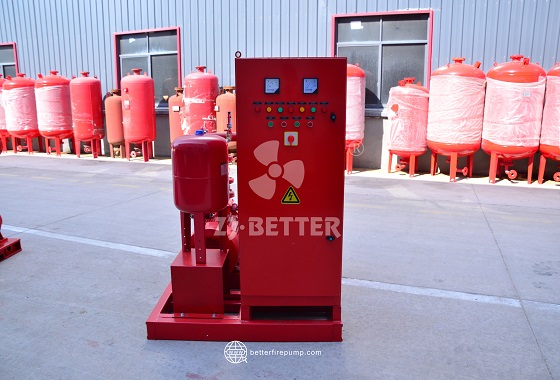
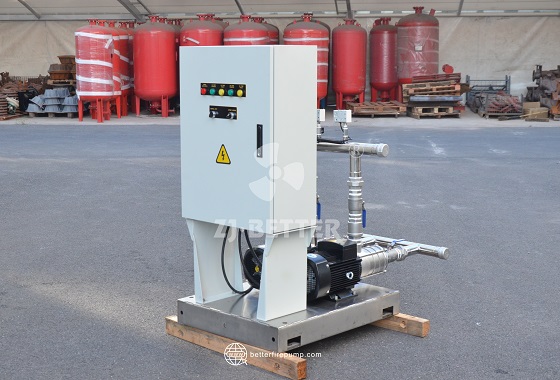
This pump delivers stable performance, with a mechanical seal that ensures leak-free long-term operation. Its internal flow path and high-efficiency impeller contribute to superior hydraulic performance and strong anti-cavitation capability. Moreover, when paired with an intelligent control panel, it can offer automatic start-stop, remote monitoring, and pressure feedback, enhancing its role in smart firefighting infrastructures.

From a compliance standpoint, this model has passed multiple national fire safety certifications and ISO quality standards. It can be integrated with sprinkler systems, hydrant networks, pressure stabilizers, and other components, making it an ideal solution for smart fire systems and unattended pump stations.

As the demand for “rapid response + simplified systems + smart control” continues to grow, horizontal self-priming fire pumps will remain a key player. Their efficient design—eliminating the need for foot valves and manual priming—is revolutionizing traditional water supply concepts and driving the evolution of modern fire protection systems toward higher efficiency, automation, and reliability.
Inquiry


    More Fire Pump Set

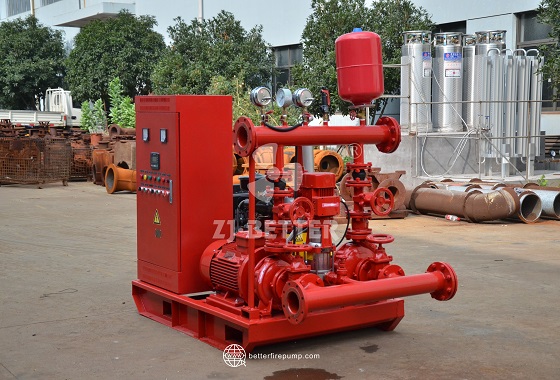
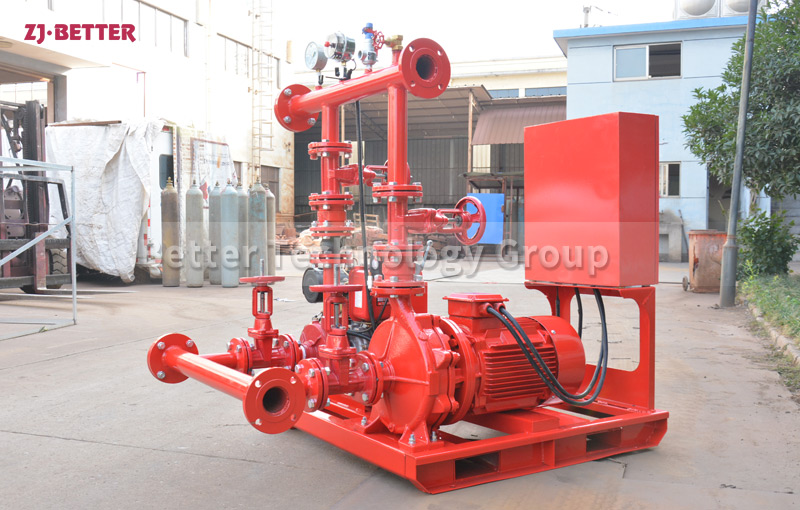
    When facing the fire risks in modern buildings and industrial facilities, firefighting efficiency and reliability are the foremost considerations. Electric fire pumps are the ideal solution for tackling fire challenges in complex environments, offering high efficiency, stability, and smart control systems. Whether in high-rise buildings, industrial parks, chemical plants, or power facilities, electric fire pumps ensure exceptional performance.

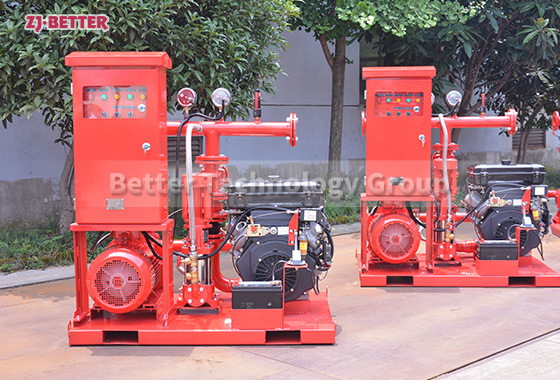
    Firstly, electric fire pumps are equipped with high-performance electric motors, ensuring the stable operation of the pump through intelligent control systems. In the event of a fire, the system responds quickly and activates the pump, providing a steady water flow to extinguish the fire. Especially in complex environments such as narrow spaces, high-temperature settings, or areas requiring highly precise control, the electric fire pump continues to operate efficiently, ensuring the successful execution of firefighting tasks.

    Moreover, the smart control system of the electric fire pump continuously monitors the pump’s operational status, conducts self-diagnostics, and adjusts pressure and flow, ensuring no performance degradation during firefighting operations. Its compact design allows it to fit into spaces with limited room while maintaining top-notch performance.

    With the increasing emphasis on environmental protection and energy efficiency, the low energy consumption and high performance of electric fire pumps make them increasingly popular in the market, playing a critical role in optimizing firefighting efficiency.

    First, what’s a water pump? It’s a device used to transport liquid, pressurize the liquid, and make the liquid from the first liquid position to the high liquid position. The first water pump constructed by the Chinese is called” water windmill”. latterly, around 300 BC, the emergence of the” Archimedes screw pump” is more analogous to ultramodern pumps. In addition, the following introductory knowledge points are what you must understand.
    1. Centrifugal pump

    Centrifugal pump is the most common type of pump. In simple terms, the working principle of centrifugal pump is to rotate the impeller to drive the liquid under the action of centrifugal force. The liquid leaves the impeller and enters the volute. As the inflow passage of the volute gradationally expands, the fluid haste slows down, and the pressure rises continuously, and eventually it’s discharged through the conduit.
    2. Impeller
    The impeller is one of the main factors in the water pump, and it’s the core element that transmits mechanical energy to the liquid. The impeller is substantially divided into three types open type,semi-open type and closed type. The material conditions for the impeller are high, wear resistance is needed, and the manufacturing process is good.

    3. Cavitation

    Cavitation is the conformation of numerous bitsy recesses when the liquid connections the liquid under high- speed inflow and pressure, and gradationally expands into grottoes when serious, and cavitation frequently occurs in the impeller and pump covering.