Home » Fire Pump Set » The function and structure of diesel engine fire pump

The function and structure of diesel engine fire pump

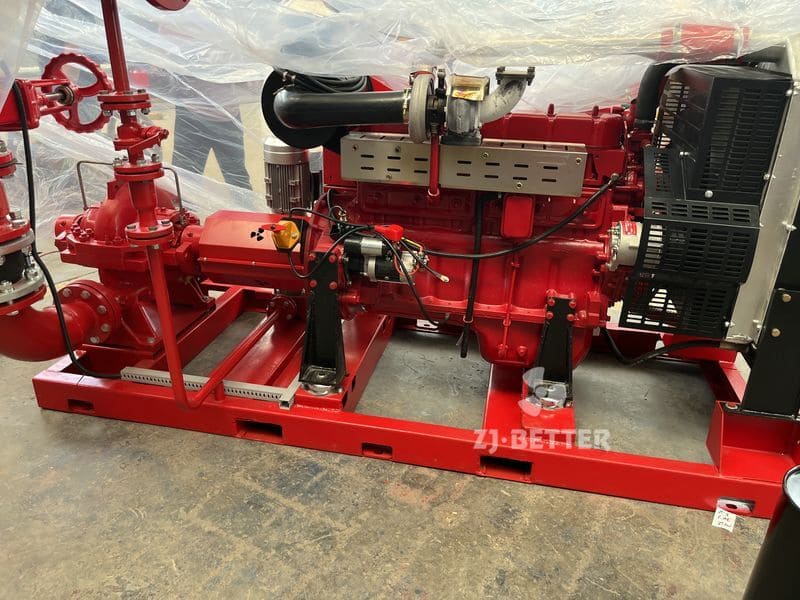
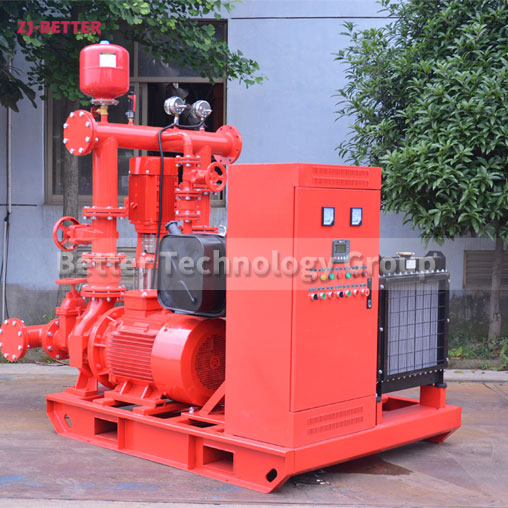
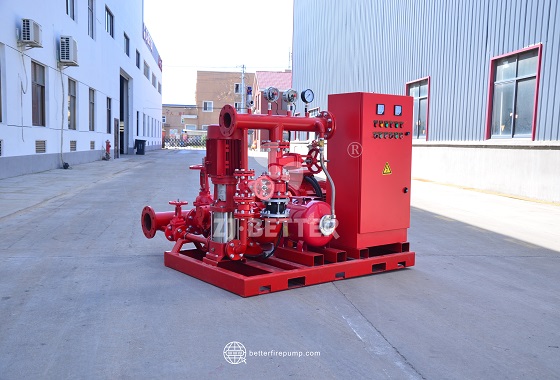
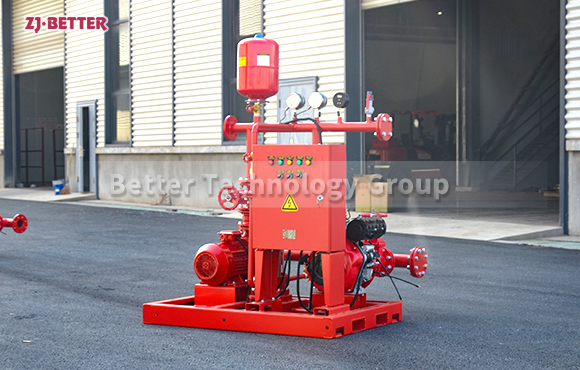
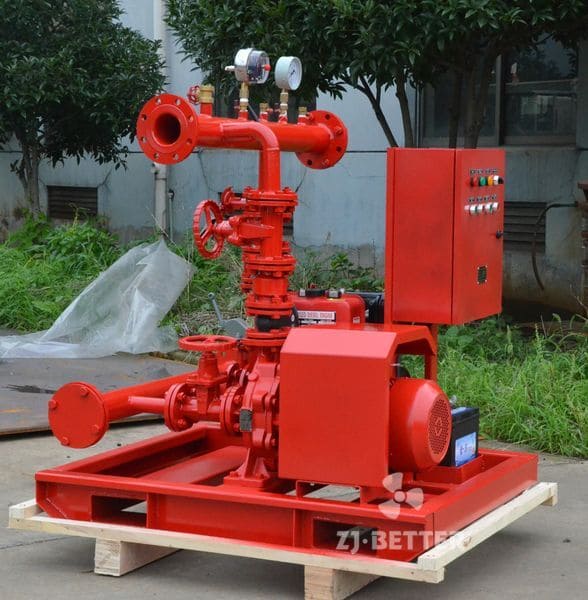
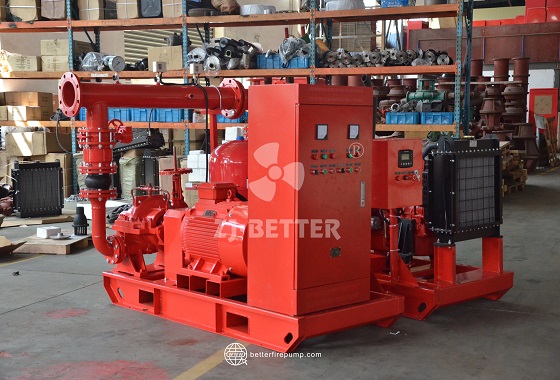
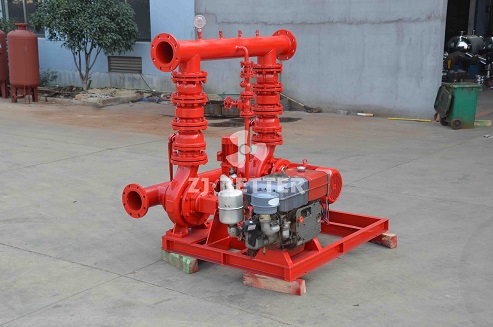
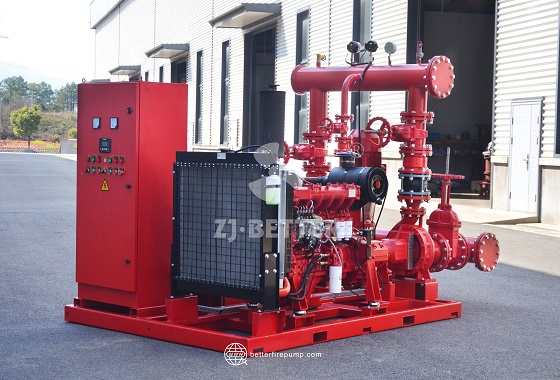
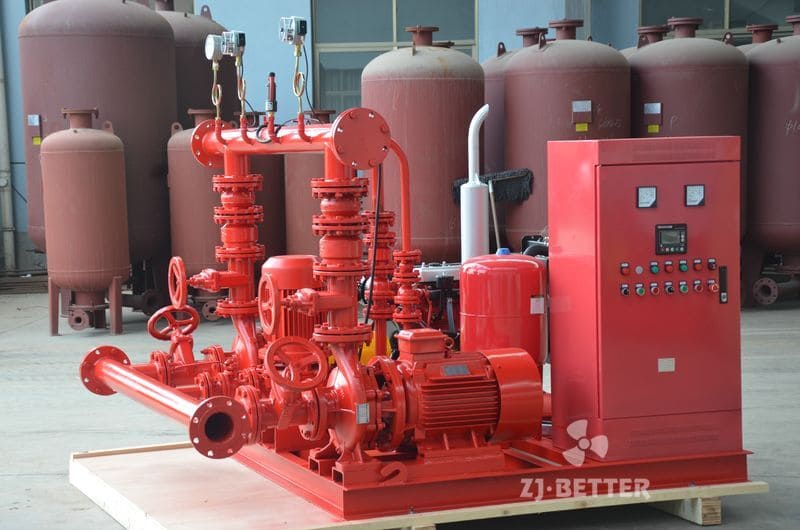
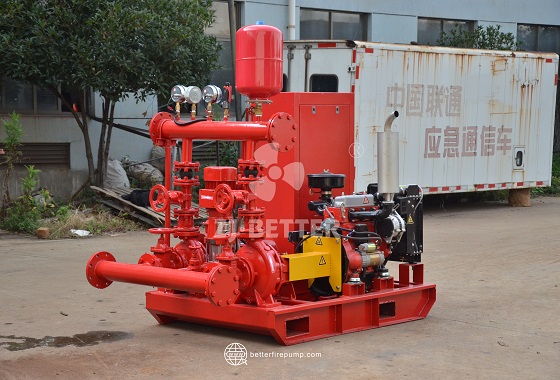
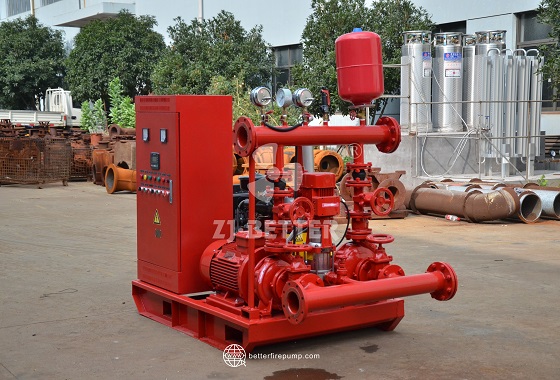
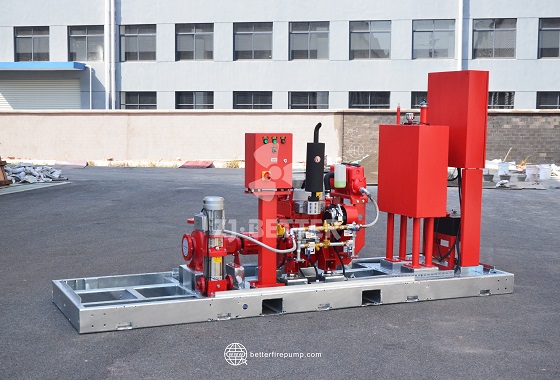
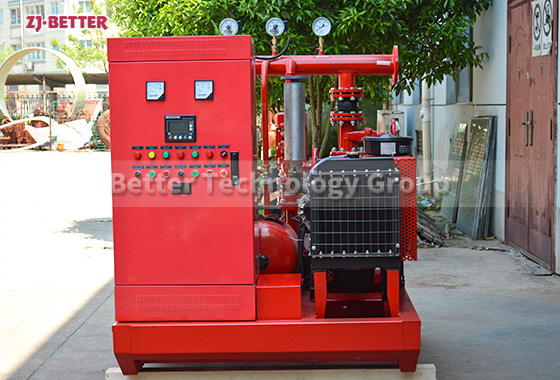
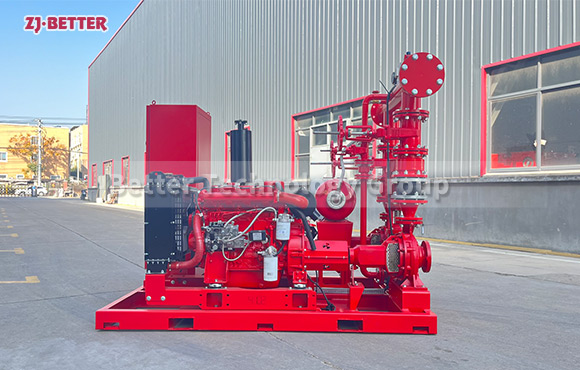
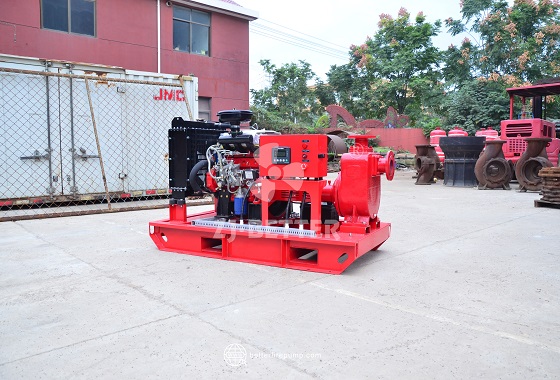
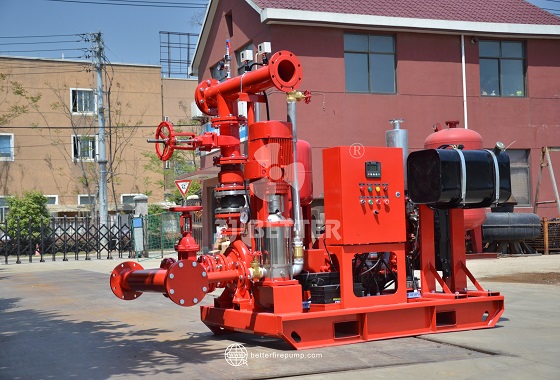
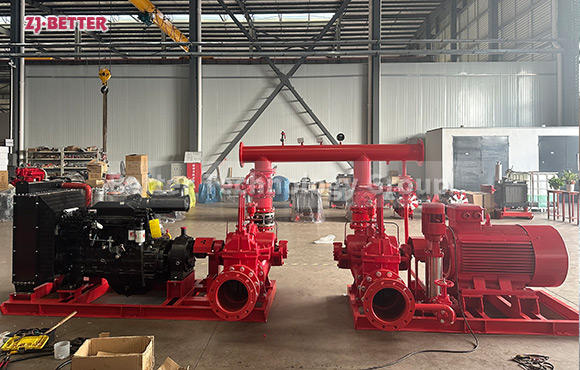
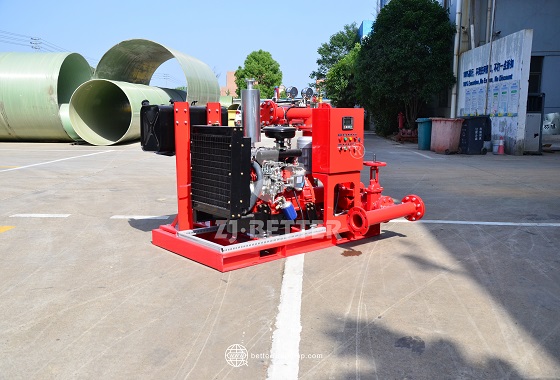
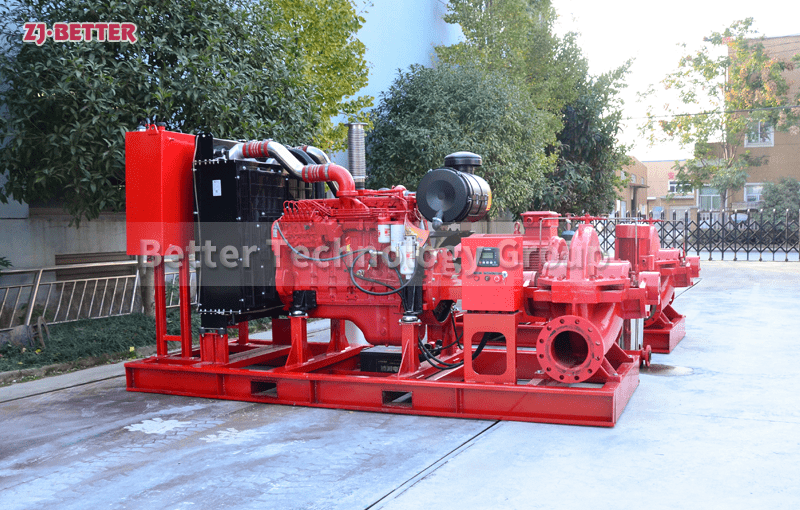
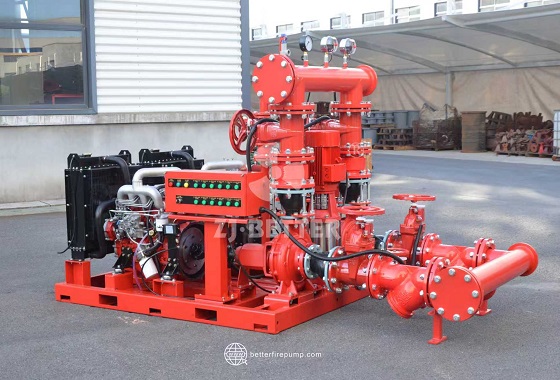
Diesel engine fire pump has the advantages of light weight, small size, flexible movement, fast start, fast water discharge time, large fuel tank capacity, corrosion resistance, reliable use, convenient maintenance, fast automatic start, self-starting, and can be refueled after dry operation . Heavy-duty pump bearings last longer; other components are made of high-quality copper and stainless steel or customer. Diesel engine fire pump high efficiency open impeller design can handle large solids and abrasives while maintaining high flow rates and high volume air handling for use in more “well point dewatering projects”.

Rated 4.7/5 based on 526 customer reviews
Share:
Content

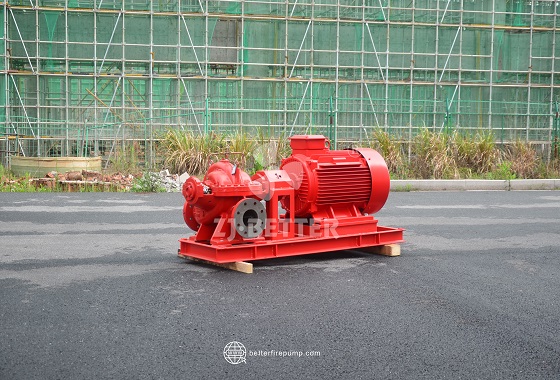
The casing of a diesel fire pump is a pump working chamber. The impeller, shaft and rolling bearings are the rotors of the pump. The supporting part of the suspension bearing part supports the rotor part of the pump, and the rolling bearing is subjected to the radial and axial forces of the pump. In order to balance the axial force of the diesel engine fire pump, most of the impellers of the pumps have sealing rings at the front and back, and there are balance holes on the impeller rear cover. Due to the small axial force of some pumps, there is no sealing ring on the back of the impeller. and balance holes. The axial sealing ring of the diesel engine fire pump is composed of a packing pressure cover, a packing ring and a packing ring to prevent air intake or large leakage.

Inquiry


    More Fire Pump Set

    When selecting a fire pump, understanding the advantages and suitable scenarios for electric fire pumps and diesel engine fire pumps is essential. Each type of pump has its unique features, providing different fire protection solutions to meet varying needs.

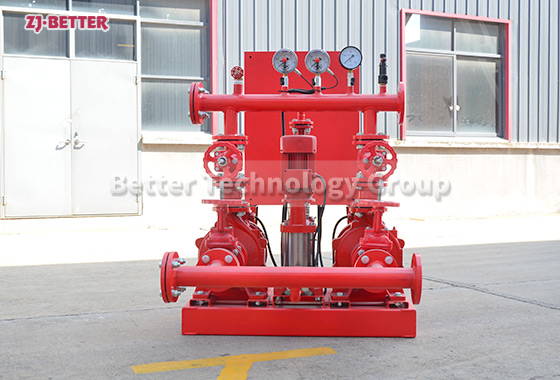
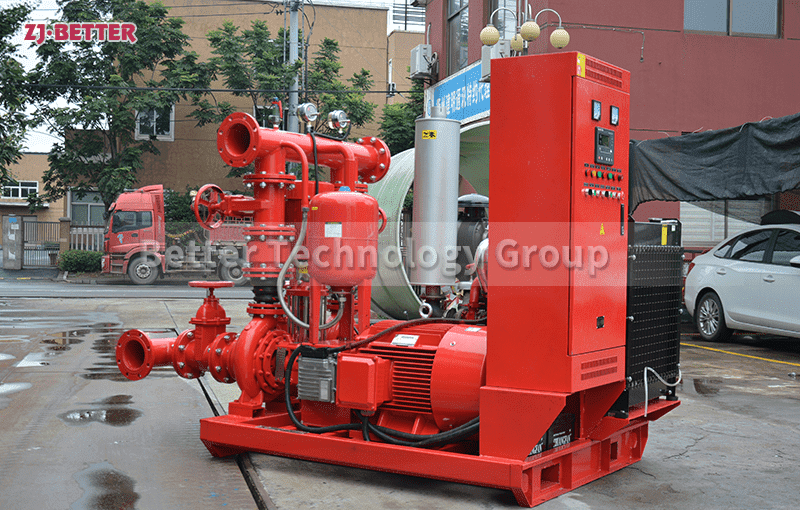
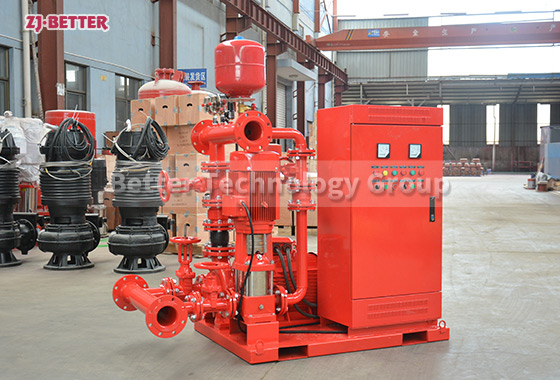
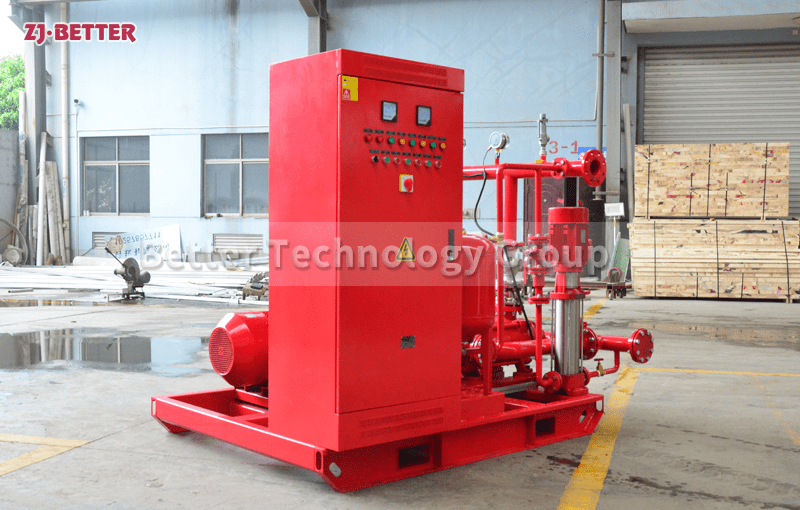
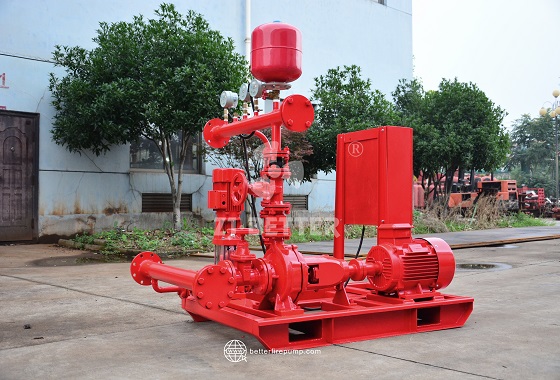
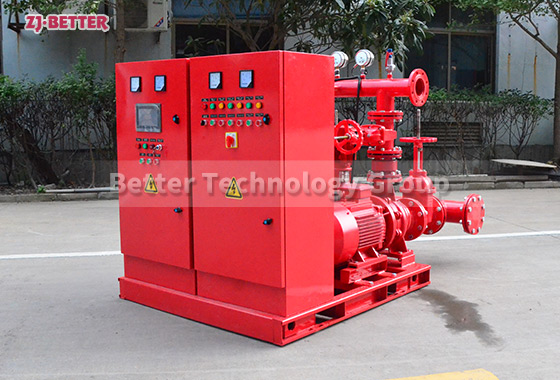
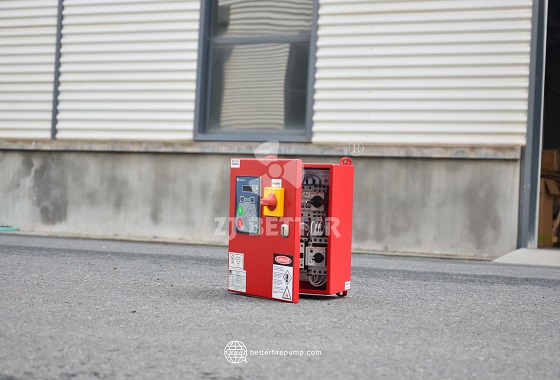
    Electric fire pumps are ideal for environments with stable power supply. They typically have lower operational costs and higher efficiency. Electric pumps start quickly, produce less noise, and require less maintenance, making them the perfect choice for most modern buildings and commercial facilities. Their intelligent control system supports automatic start-stop, fault diagnosis, and remote monitoring, ensuring the system operates efficiently and safely.

    Diesel engine fire pumps, on the other hand, are better suited for locations with unstable or no power supply. Diesel pumps can operate independently in the absence of electricity, ensuring a stable water source during emergencies. Although diesel pumps are usually more expensive and require more maintenance, they have exceptional emergency capabilities and can operate reliably in any environment, making them particularly suited for industrial parks, mining areas, and remote regions.

    Choosing the right fire pump system should depend on the site’s power supply situation, operating costs, maintenance capabilities, and the required emergency response capacity. Whether opting for an electric fire pump or a diesel engine fire pump, we are committed to providing you with the most reliable and efficient fire protection solutions.