Home » Fire Pump Set » What Is the Minimum Fire Pump Run Time During Testing?
What Is the Minimum Fire Pump Run Time During Testing?

Learn the NFPA-recommended minimum fire pump run time during testing and why it matters for system health.

Rated 4.8/5 based on 463 customer reviews
Share:
Content

According to NFPA 25, here are the minimum fire pump testing times:

  • Weekly Churn Test (No Flow):

    • Run for 10 minutes (diesel) or 30 minutes (as per local codes).

  • Annual Full-Flow Test:

    • Should run long enough to measure performance at 100%, 150%, and shutoff conditions.

Longer test durations are encouraged to:

  • Ensure cooling systems are functional.

  • Reveal mechanical or electrical faults.

  • Verify battery charging and fuel systems (for diesel).

Consistent run-time testing helps catch failures early and confirms system readiness.

Inquiry


    More Fire Pump Set
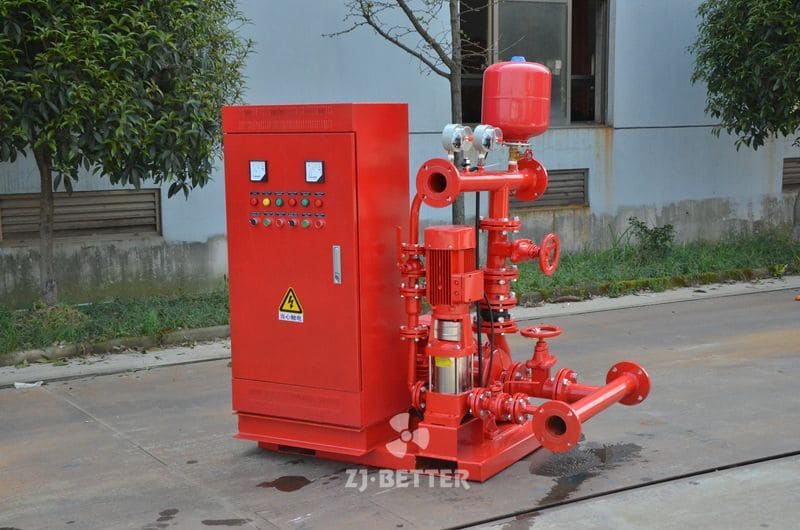
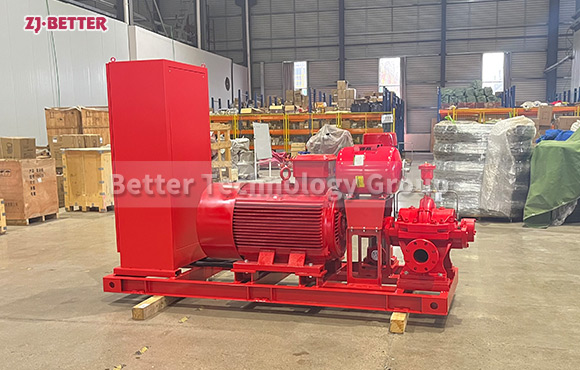
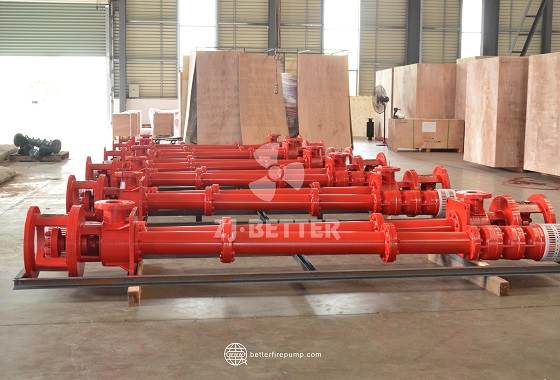
    In the fire fighting pipeline pump, according to the different installation methods can be divided into vertical fire pumps and horizontal fire pumps, many people have questions about these two common pumps, what is the difference between the two? Shanghai Xizhiquan will explain the difference between horizontal and vertical pumps.

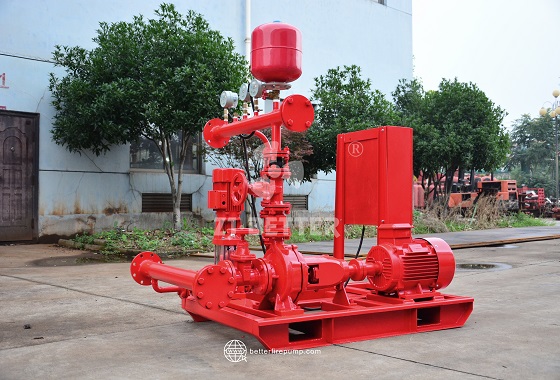
    Obviously, different installation methods take up different space. Vertical pipeline pumps are installed vertically, covering a relatively small area, and vertical fire pumps do not require a foundation, while horizontal fire pumps need to be equipped with a base.

    According to the different structures of the two pumps, it can be concluded that there is also a certain difference in the ease of maintenance of the two types of fire fighting pipeline pumps. The impeller of the vertical fire pump needs to be dismantled from top to bottom, which makes maintenance more difficult; the horizontal fire pump only needs to have the inlet pipe removed so that the impeller can be overhauled, which is relatively simple.

    Due to the different inlet and outlet pipe directions, the pipeline connection between vertical and horizontal is also different. As the vertical pump is a bottom-up structure, while the horizontal fire pump is longitudinally arranged on the base, so the motor of the vertical pump and the pump body are connected in the form of sub-mouth connection, while the horizontal pump needs to use couplings to connect with the motor, and the horizontal pipeline pump needs to be corrected regularly.

    Translated with www.DeepL.com/Translator (free version)