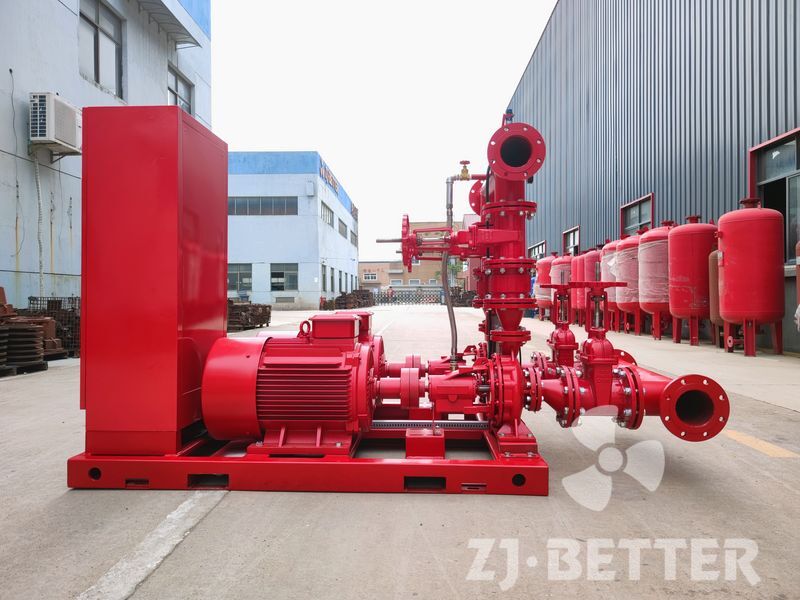
Fire Pneumatic Water Supply Equipment – Integrated Vertical Pressure Vessel and Auxiliary Water Supply Structure
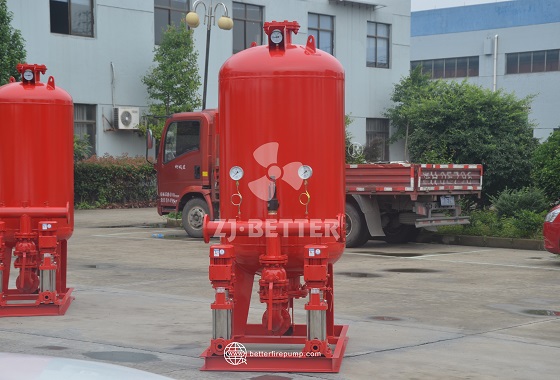
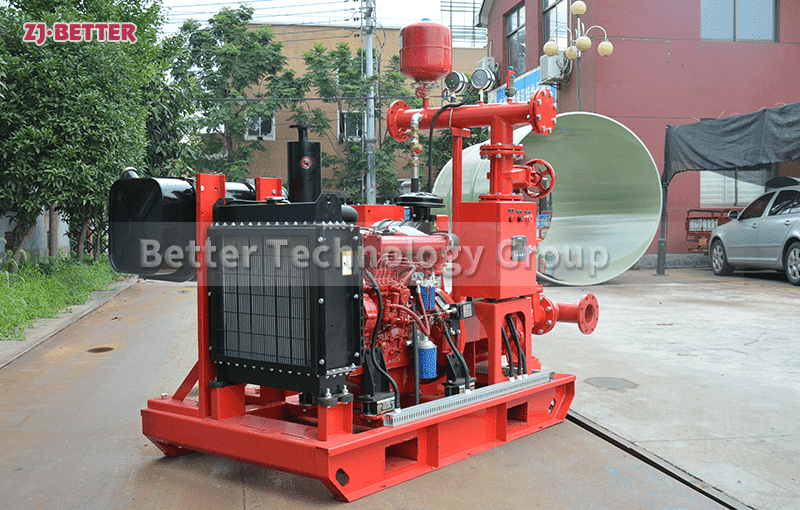
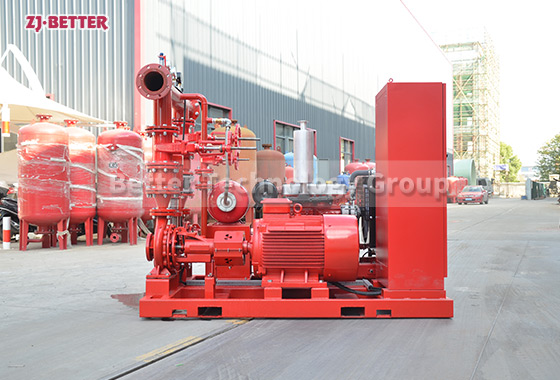
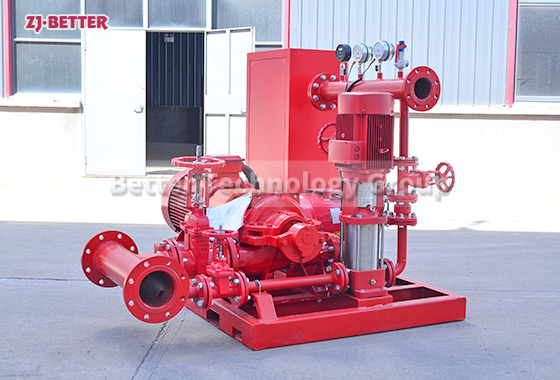
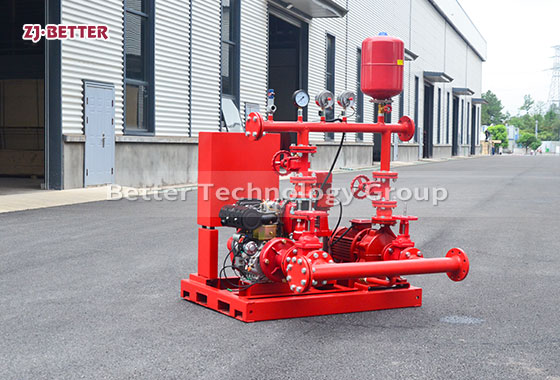
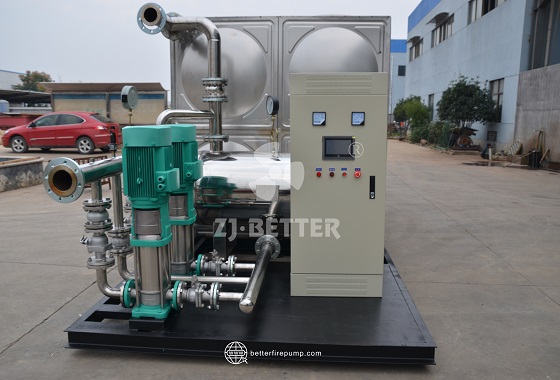
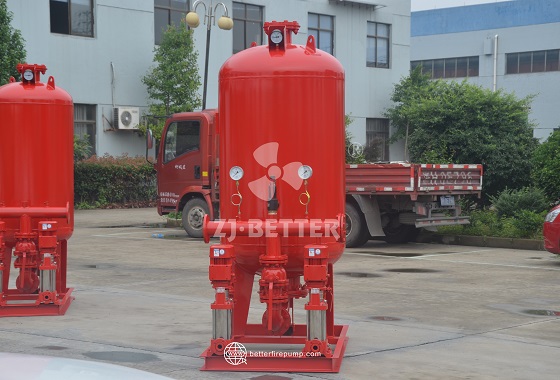
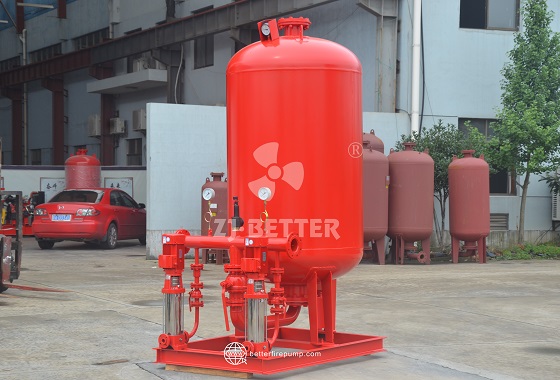
The fire-fighting pressurized water supply unit features an integrated design combining a vertical pressure vessel with an auxiliary water supply structure. Equipped with pressure-sensing ports and bottom-mounted piping connections, it serves to store pressure, provide pressure buffering, and supply auxiliary water for fire-fighting piping networks—making it suitable for fire-fighting water supply systems in industrial and building applications.
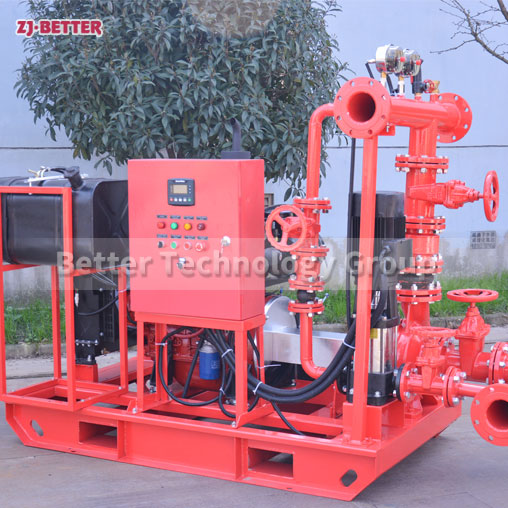
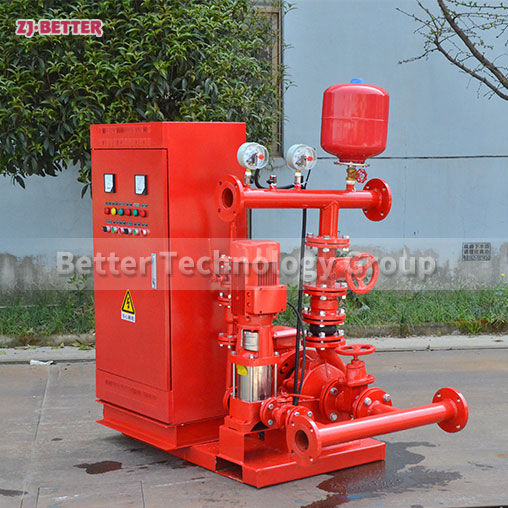
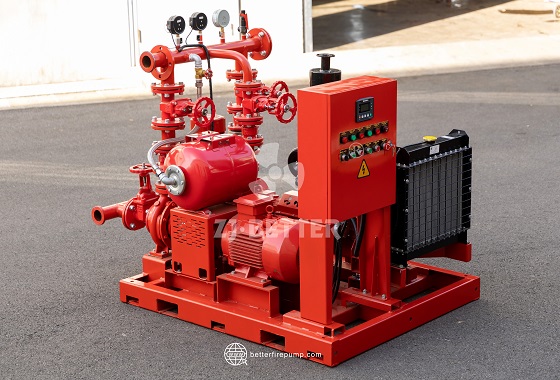
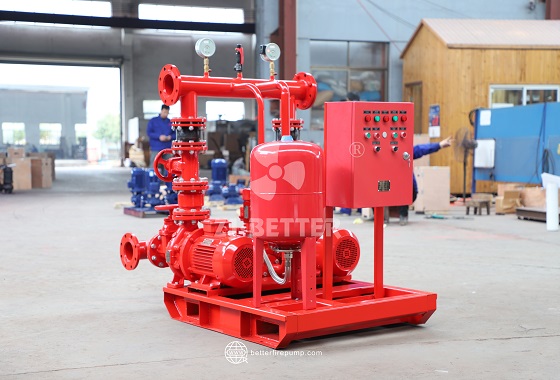
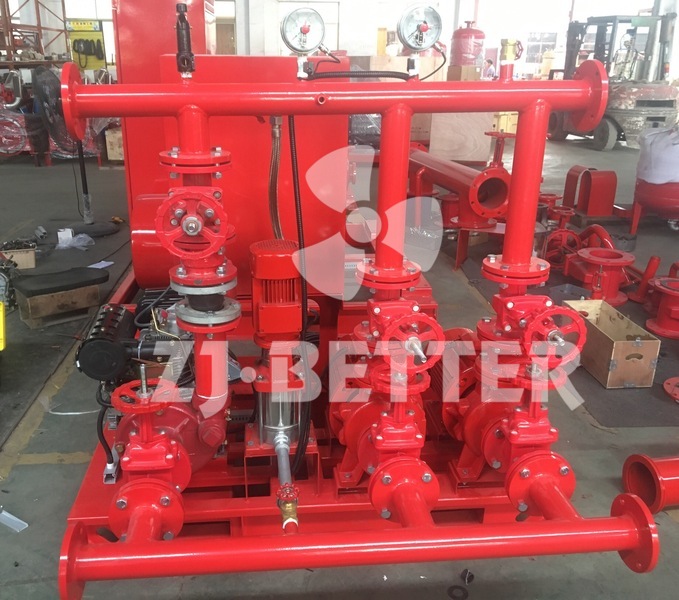
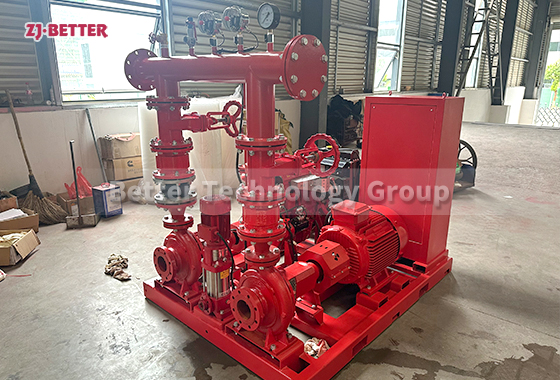
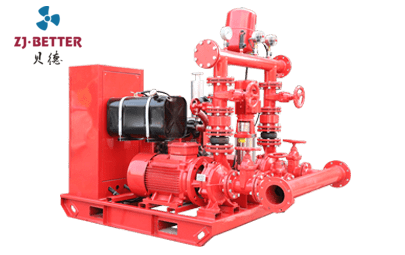
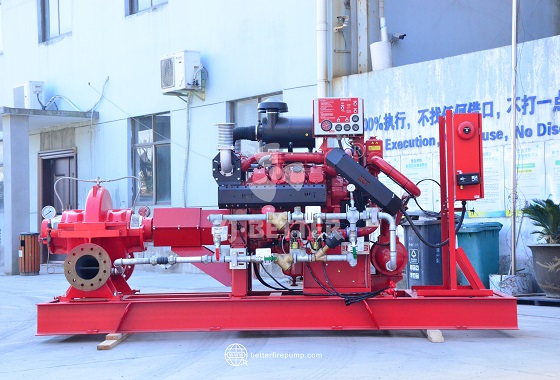
The fire pneumatic water supply device is a supporting equipment used for pressure storage, pressure buffering and auxiliary water supply in the fire water supply system. It mainly consists of a vertical pressure tank, bottom connection components, pressure detection instruments and related pipelines. The equipment shown in the picture adopts a large cylindrical vertical tank with an auxiliary water supply connection structure below. The tank is equipped with a top interface, a pressure gauge and a side pipe interface. The whole tank is fixed and installed through an independent base. This vertical layout can make full use of the vertical space, reduce the horizontal footprint of the equipment, and provide a relatively flexible layout for the fire pump room and other equipment installation areas. The vertical pressure tank is an important part of the equipment. It can store water at a certain pressure according to the system design requirements and provide auxiliary pressure support for the fire protection pipe network. When there is a small pressure drop in the pipe network or a short-term water demand, the pressure stored in the tank can assist in replenishing water to the pipe network, buffering pressure changes and helping the system maintain normal standby pressure. When used in conjunction with the main fire pump, the pressure storage device can also form a cooperative working relationship with the pressure stabilizing pump to reduce the frequent starting of the main fire pump due to slight pressure fluctuations. The connection component at the bottom of the equipment provides interfaces for auxiliary water supply and pipeline connections. The specific number of pump units, operation mode and pipeline configuration can be determined according to the engineering design. The pressure gauge can visually display the operating pressure of the equipment, providing a reference for installation and debugging, daily inspection and maintenance; the interfaces on the top and side can be used to connect corresponding pipelines, valves or other supporting components. The specific connection purposes should be based on the product drawings. The vertical tank structure facilitates the placement of large-volume pressure storage equipment in limited floor space, and the bottom support structure can provide a stable installation foundation for the equipment. According to the actual product design, different pressure storage forms can be used inside the tank. When selecting the tank, you need to confirm the internal structure, effective volume, design pressure and applicable medium. You cannot judge whether it uses a diaphragm water-vapor separation structure just by its appearance. In fire water supply systems, this equipment is usually used as an auxiliary pressure management device and does not replace the main fire pump to undertake the main water supply task under fire conditions. Practical applications can involve industrial plants, warehousing and logistics facilities, commercial buildings and other engineering projects that require maintaining the pressure of fire pipe networks. When selecting equipment, the design pressure of the fire protection system, pipe network volume, pressure fluctuation range, auxiliary pump performance and installation space should be combined to reasonably determine the tank volume, pressure level and interface specifications. After the installation is completed, the foundation fixation, pipeline sealing, valve status and pressure instruments should be checked, and pressure testing and operation debugging should be carried out in accordance with the equipment requirements. Through the centralized configuration of vertical pressure-bearing tanks and auxiliary water supply structures, the fire-fighting pneumatic water supply device can provide pressure storage and buffer support for the fire-fighting pipe network, taking into account equipment space utilization, pipeline connections and daily inspection requirements. The specific working pressure, water storage volume, pump unit configuration and control method should be determined according to project requirements and actual model.