Fire Water Booster Pump Set with Stainless Steel Piping – Multistage Pump Design for Different Pressure Requirements
The stainless steel fire-fighting booster pump unit features a vertical multistage pump design, integrated with a pressure storage tank, pressure gauges, and control equipment. It offers a compact layout, centralized piping connections, and flexible pressure-boosting configurations, making it suitable for fire-fighting water supply systems in buildings and industrial facilities.
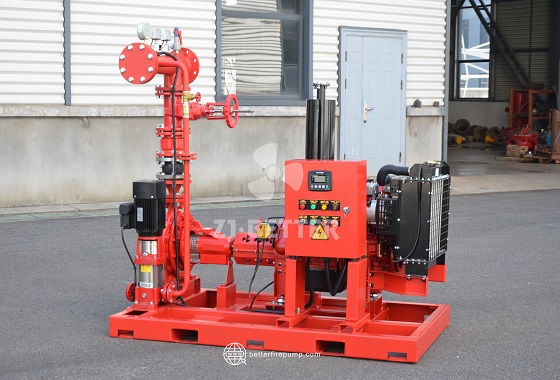
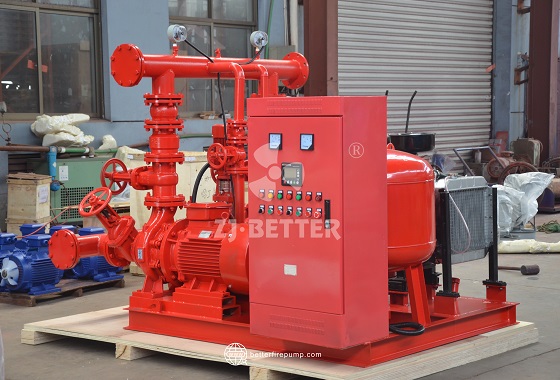
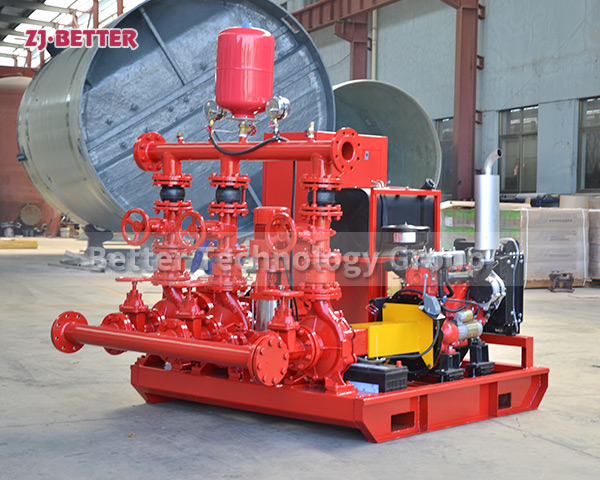
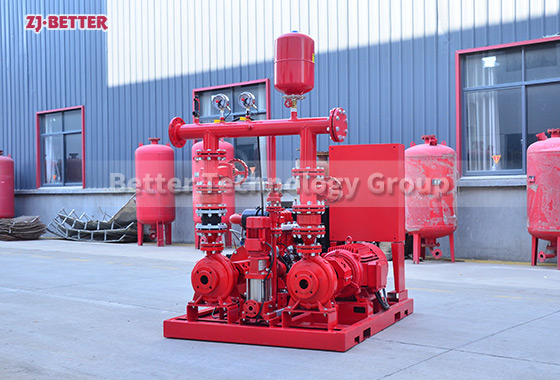
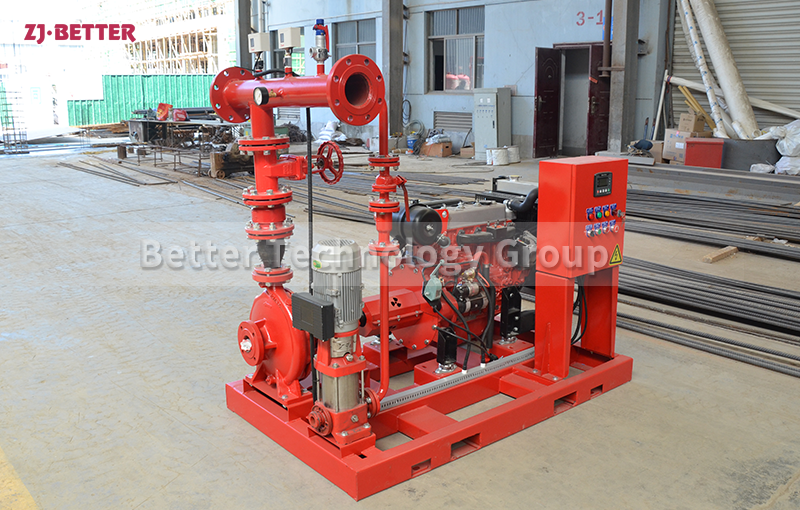
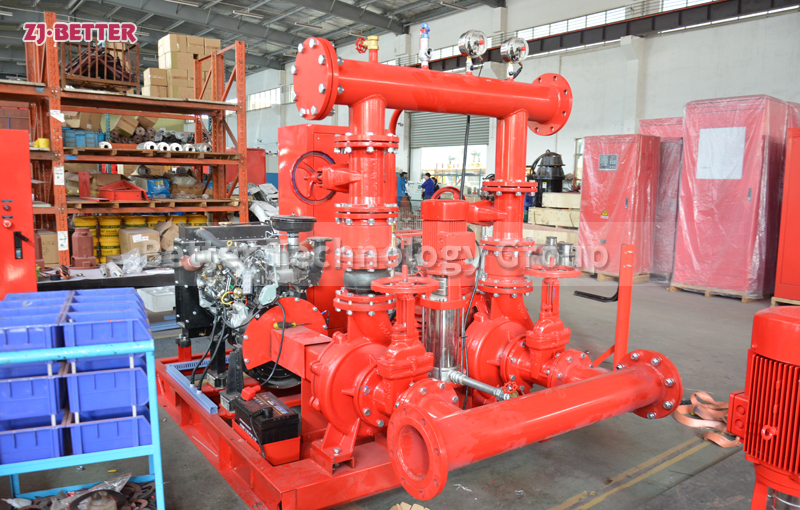
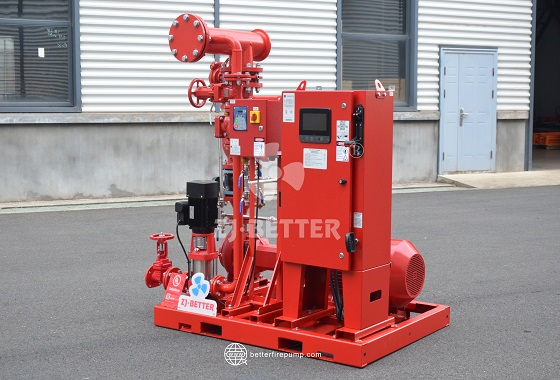
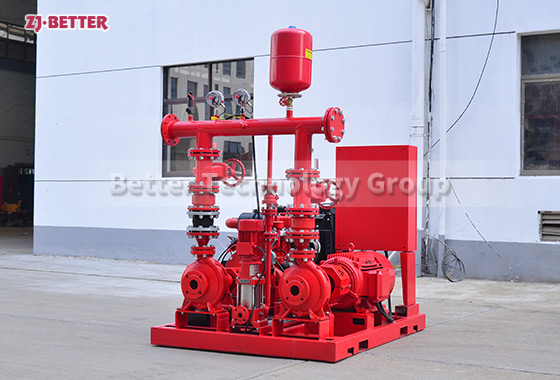
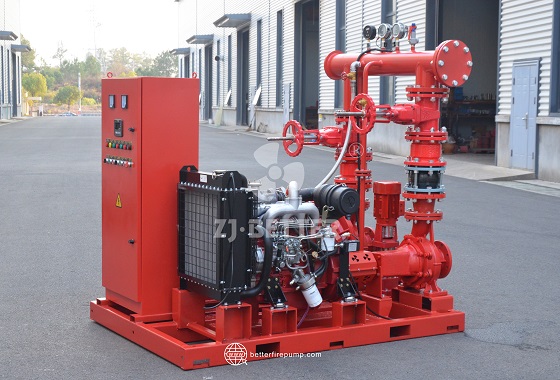
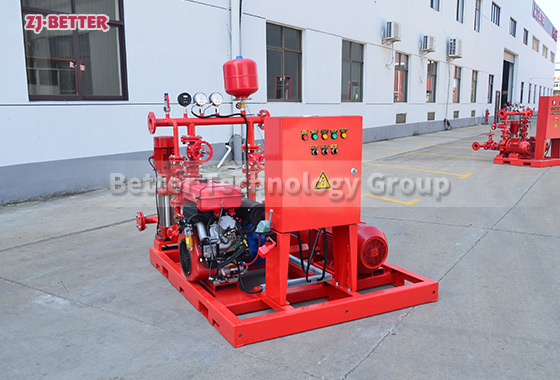
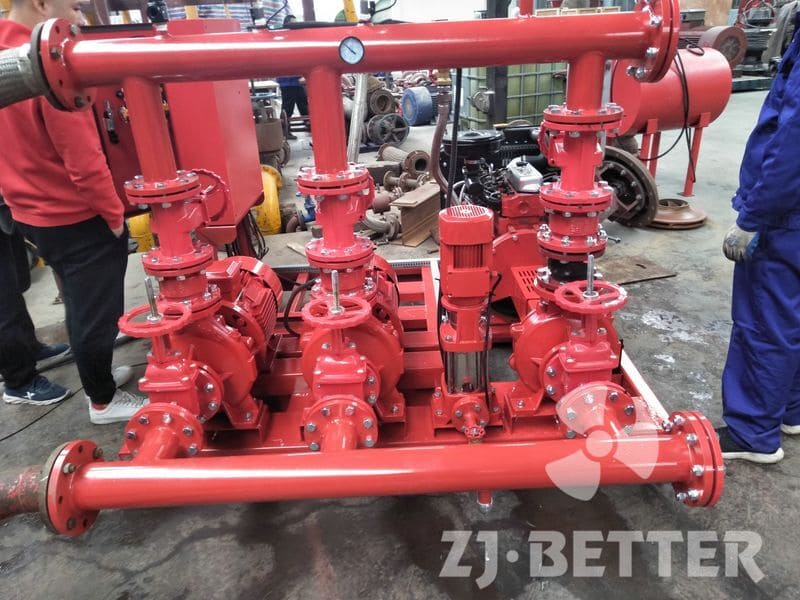
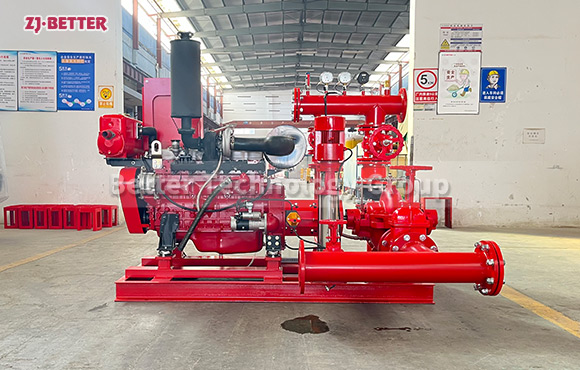
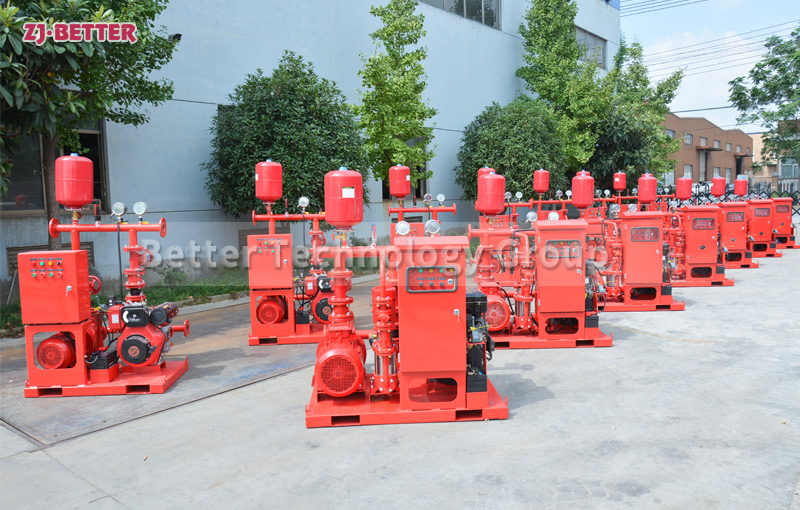
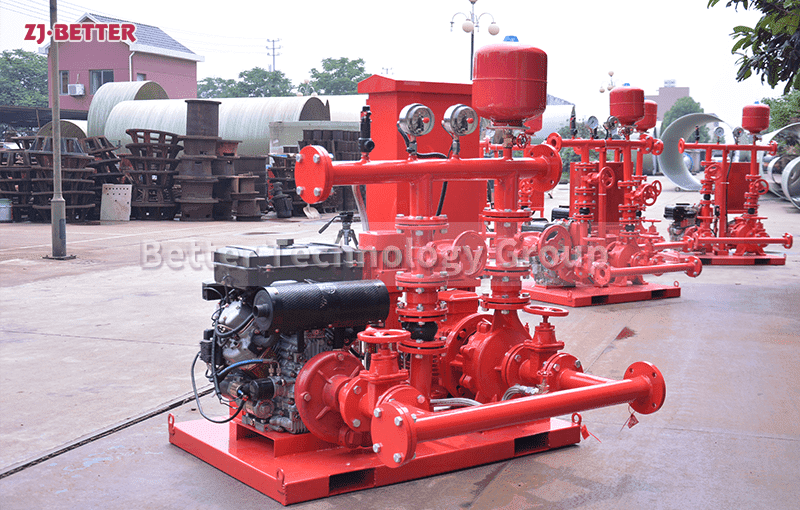
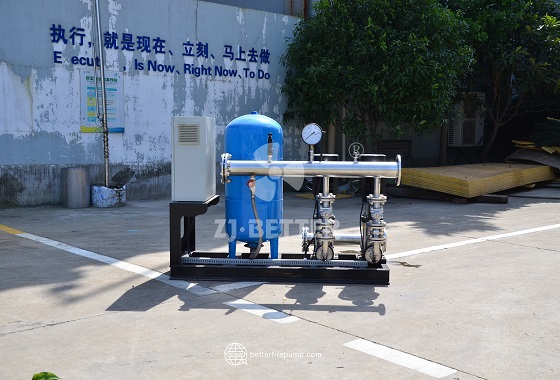
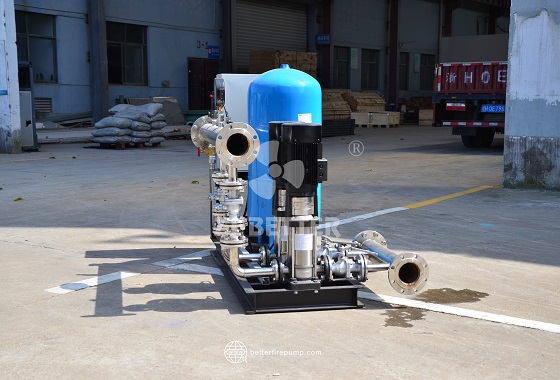
A stainless steel piping fire-fighting booster pump unit is a complete system designed for pressurization and pressure regulation within fire-fighting water supply networks. It primarily consists of vertical multistage pumps, integrated piping, a pressure storage tank, pressure gauges, and control equipment. The system is mounted on a skid-base, which consolidates the pumps and piping into a compact, unified structure, facilitating transport, installation, and on-site pipe connection. As shown in the image, the configuration features two vertical pumps installed in parallel, connected via stainless steel piping to form a centralized water supply manifold; the operational and control modes can be configured to meet specific engineering design requirements. The vertical multistage pump serves as the core pumping component, utilizing multiple impellers to incrementally increase water pressure. This design is compact, occupies a relatively small footprint, and is well-suited for high-pressure water supply applications. Unlike single-stage pumps, multistage pumps allow for the adjustment of the number of impeller stages to meet varying head requirements, making it easier to select the appropriate model based on building height, pipeline resistance, and design pressure. The use of stainless steel piping to connect the pump bodies to the inlet and outlet manifolds enhances corrosion resistance—though the actual level of resistance depends on the specific grade of stainless steel, water quality, and the operating environment. This integrated piping layout minimizes the need for extensive on-site field piping, consolidating the pumps, valves, and connection interfaces into a cohesive unit that is easily integrated with the broader fire-fighting piping network. The included pressure storage tank acts as a buffer against pressure fluctuations, mitigating the impact of minor demand variations on the network, and functions in tandem with the pump control system. Pressure gauges allow for the monitoring of system pressure, serving as a reference for commissioning and routine inspections, while the control unit manages pump start/stop operations, displays system status, and performs other essential control functions. The specific roles of the two vertical pumps—such as a “duty/standby” configuration or other operational combinations—are determined by the project’s engineering requirements; the actual control logic should adhere to the specific project design specifications. The skid-base provides a unified foundation for the pumps, storage tank, and piping, ensuring an organized layout and simplifying on-site positioning and anchoring. This type of equipment can be applied—based on specific project requirements—to fire-fighting water supply systems for buildings, industrial facilities, and other applications necessitating pressure boosting or pressure maintenance. During the selection process, factors such as the system’s design flow rate, required head, operating pressure of the piping network, water source conditions, pump operation mode, and piping materials must be comprehensively evaluated to ensure that the pump’s performance parameters align with actual operating conditions. Following installation, it is essential to inspect pipe connections, the status of valves, electrical wiring, and pressure instrumentation, and to conduct system commissioning and operational testing in accordance with design specifications. By integrating vertical multistage pumps, stainless steel piping, pressure tanks, and control units, this fire-fighting pressure-boosting system provides an all-in-one solution tailored to projects with varying pressure requirements, while optimizing space utilization, piping connectivity, and ease of routine maintenance. Specific parameters—including flow rate, head, motor power, piping materials, and control functions—should be determined based on the selected model and project-specific configuration.