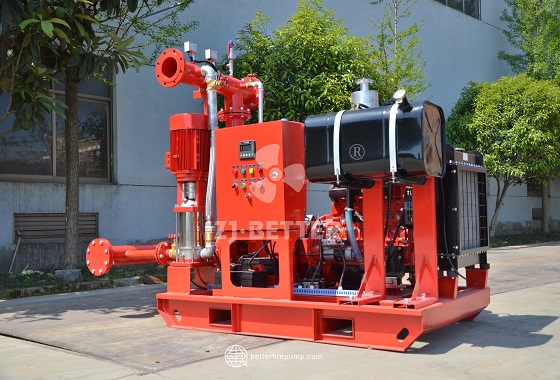
High-Head Diesel Fire Pump Unit – Vertical Pump Structure with Mechanical Power Transmission
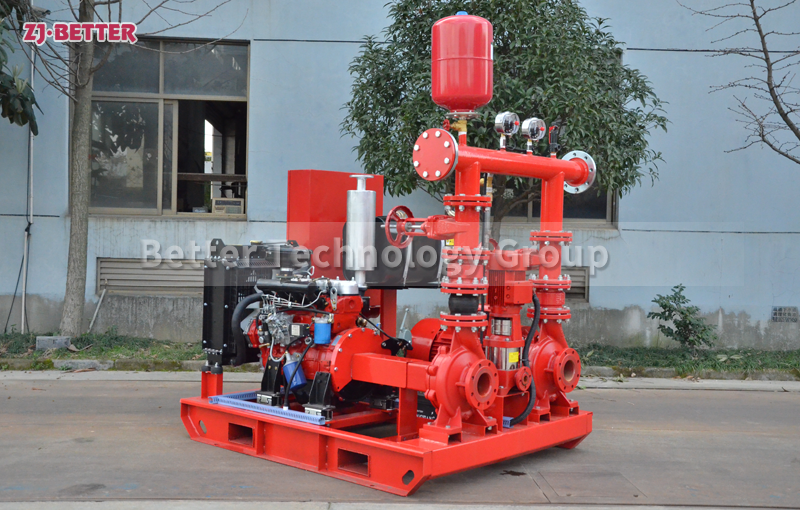
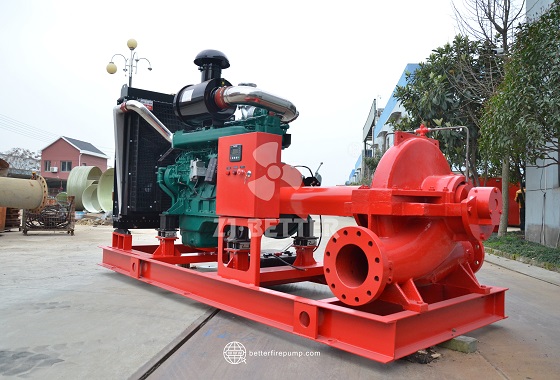
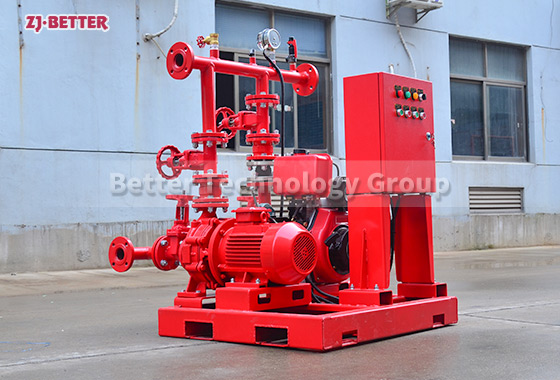
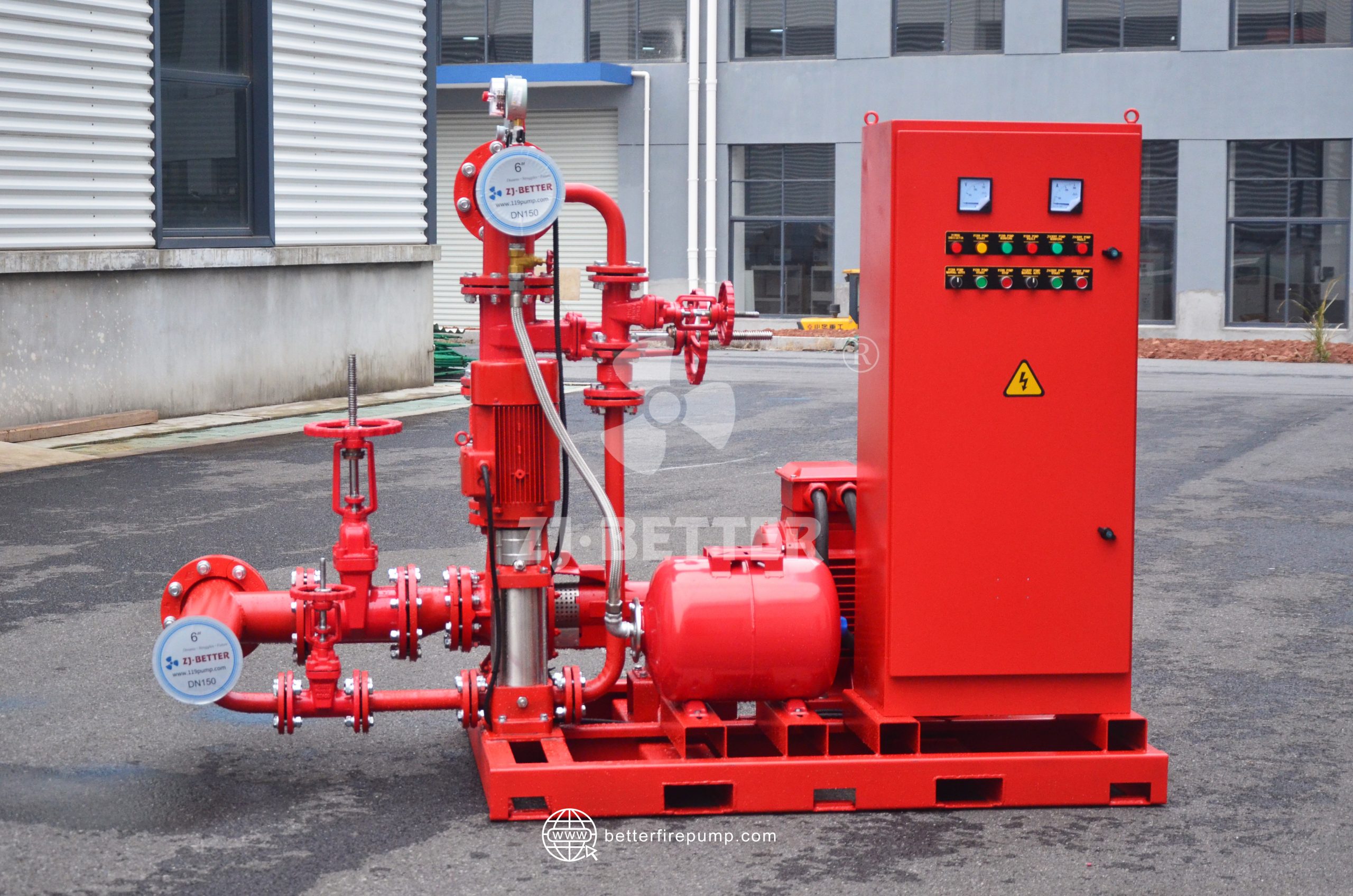
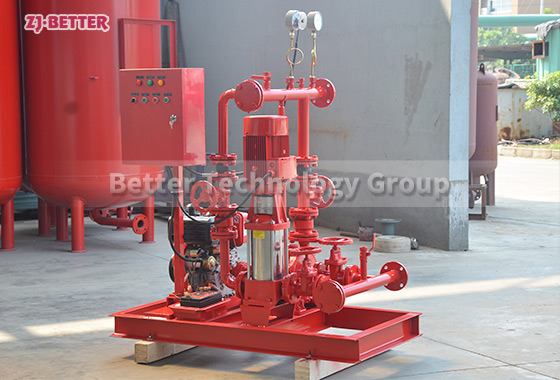
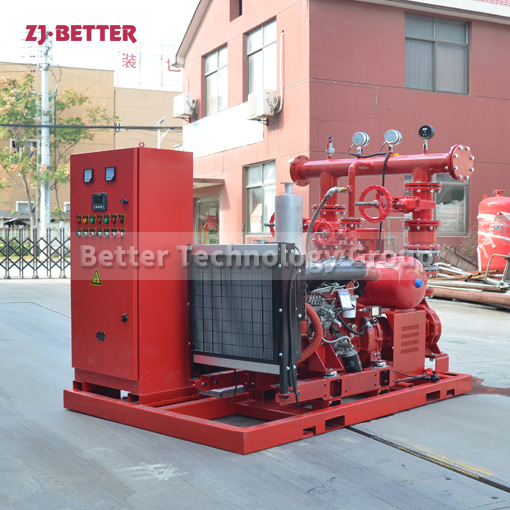
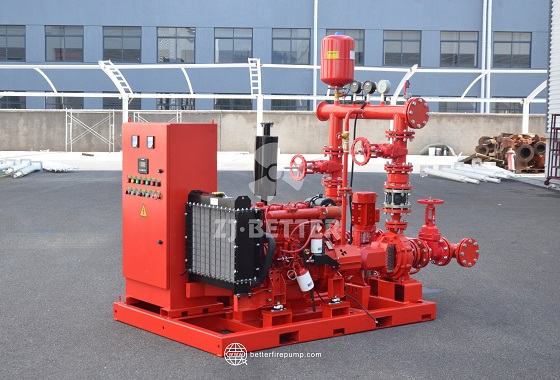
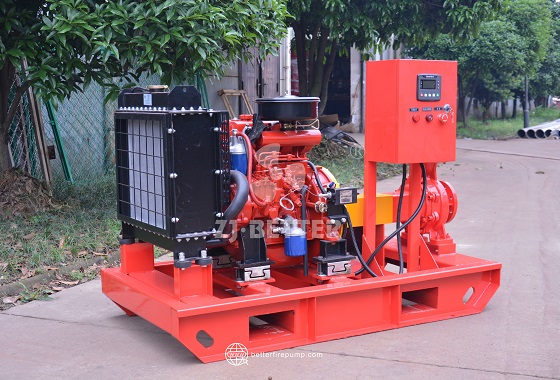
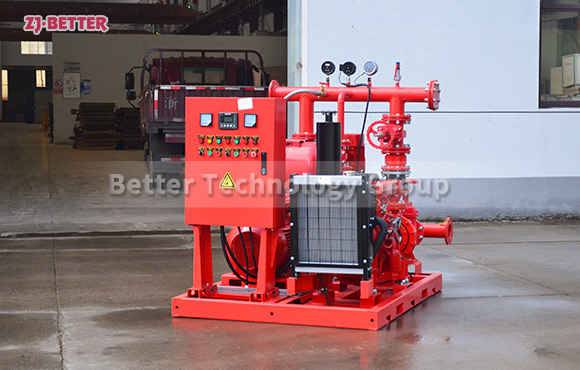
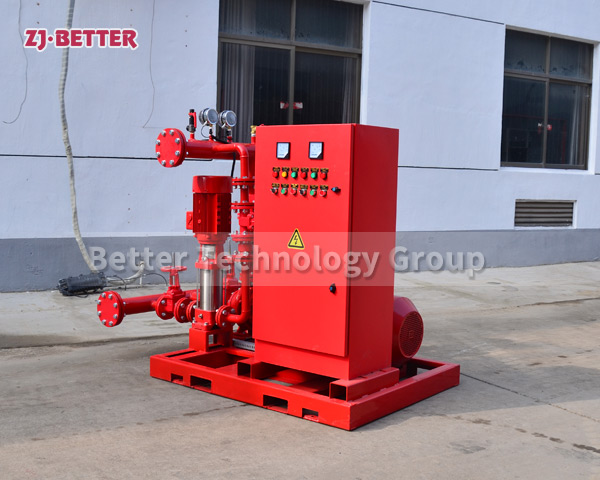
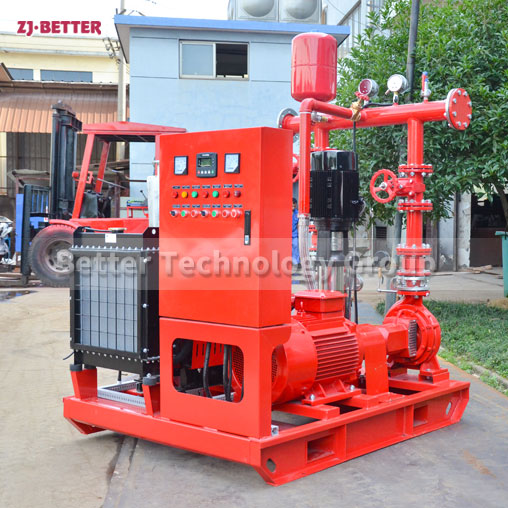
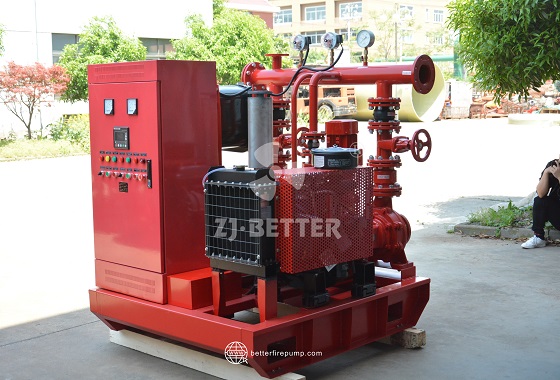
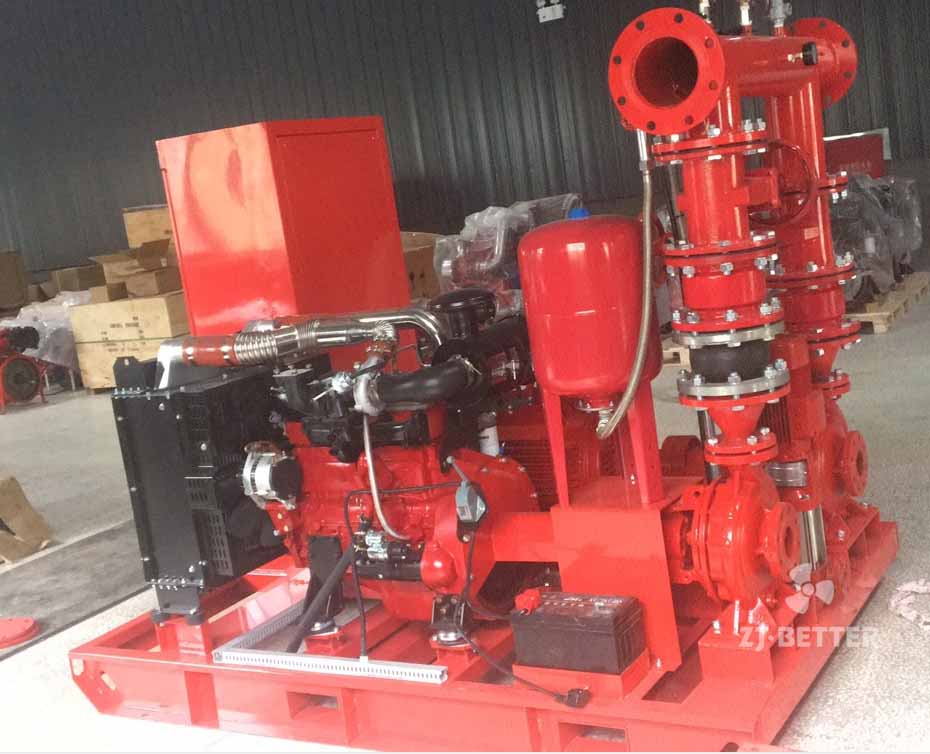
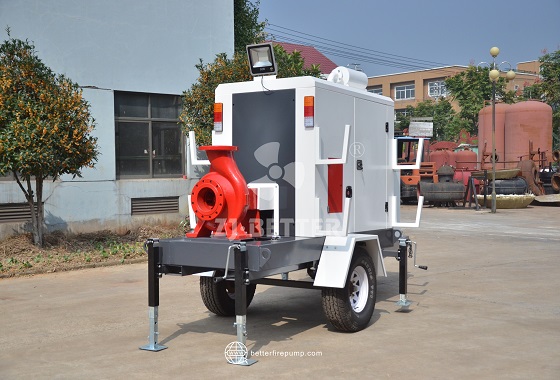
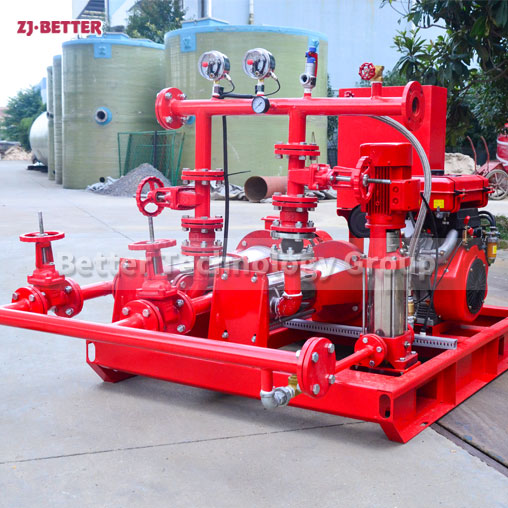
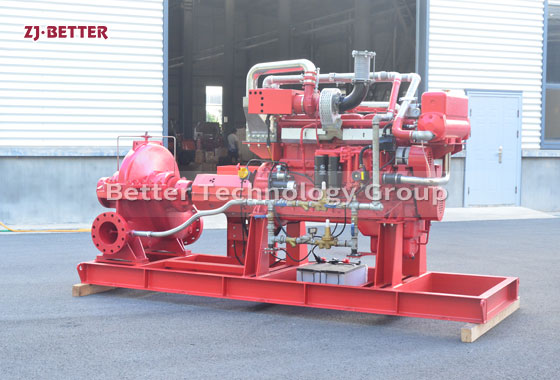
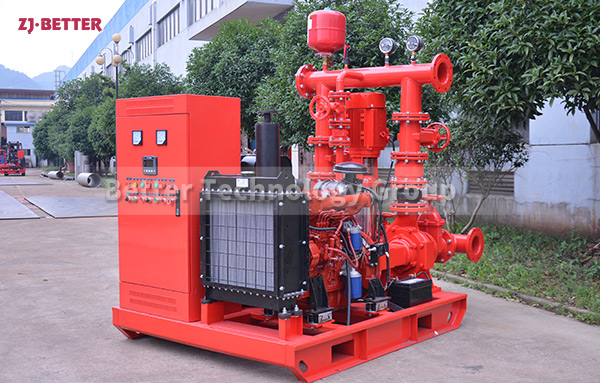
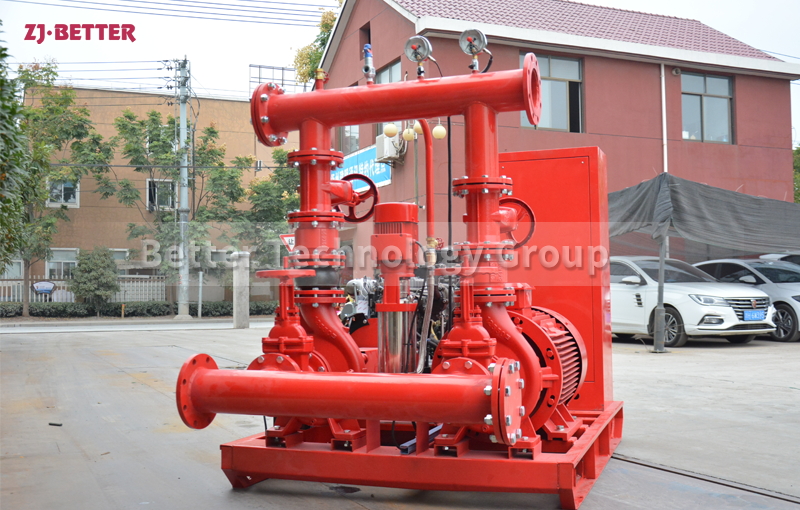
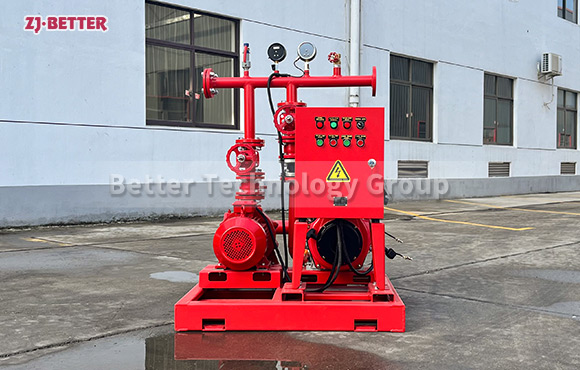
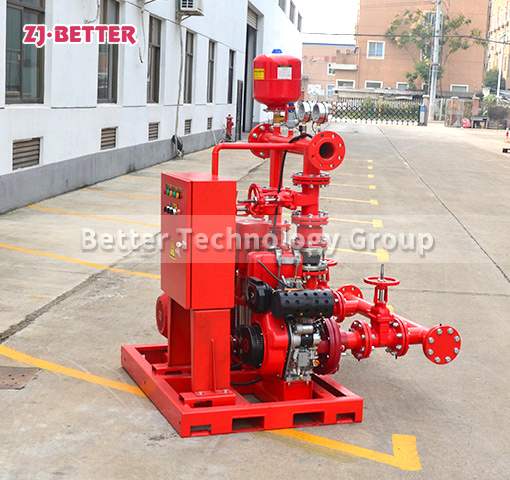
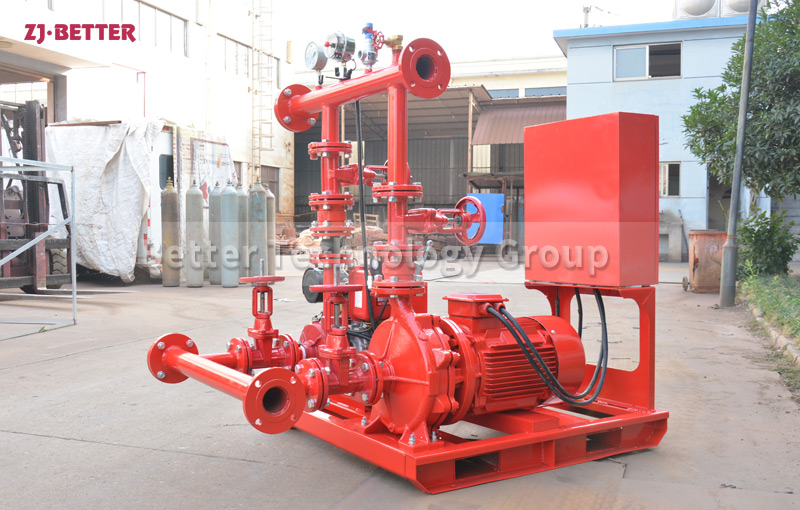
The high-head diesel fire pump unit is powered by a diesel engine and features a vertical pump configuration with a mechanical power transmission system. It offers the advantages of an independent power source, a skid-mounted design for integrated installation, and flexible configuration options. This unit is suitable for industrial facilities, large-scale warehouses, high-rise buildings, and various other fire-fighting water supply applications. The actual flow rate and head can be customized to meet specific project requirements.
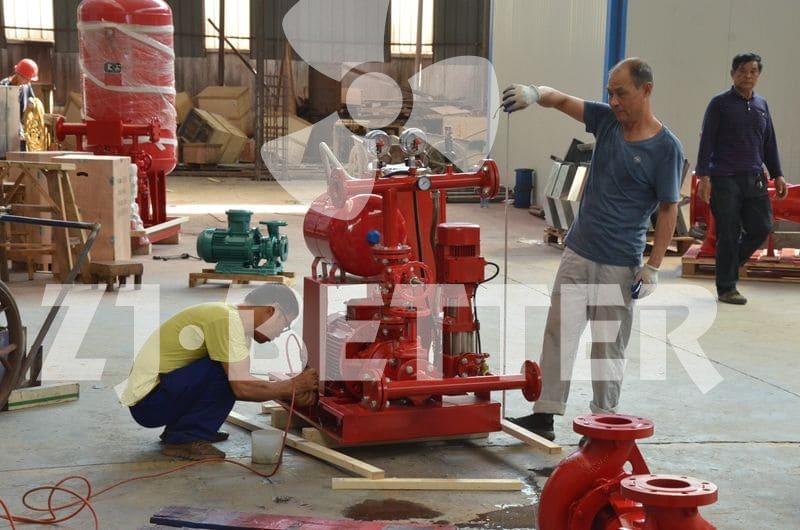
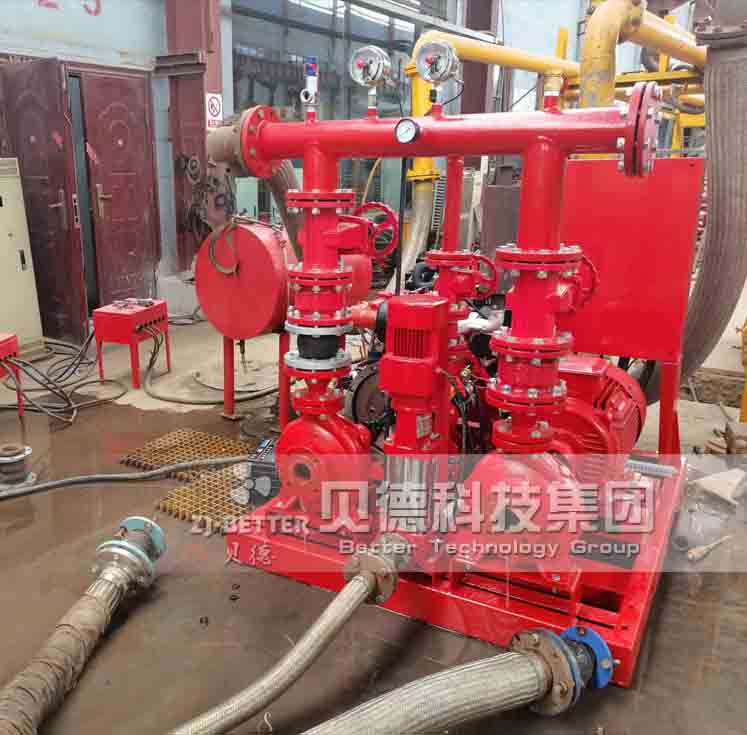
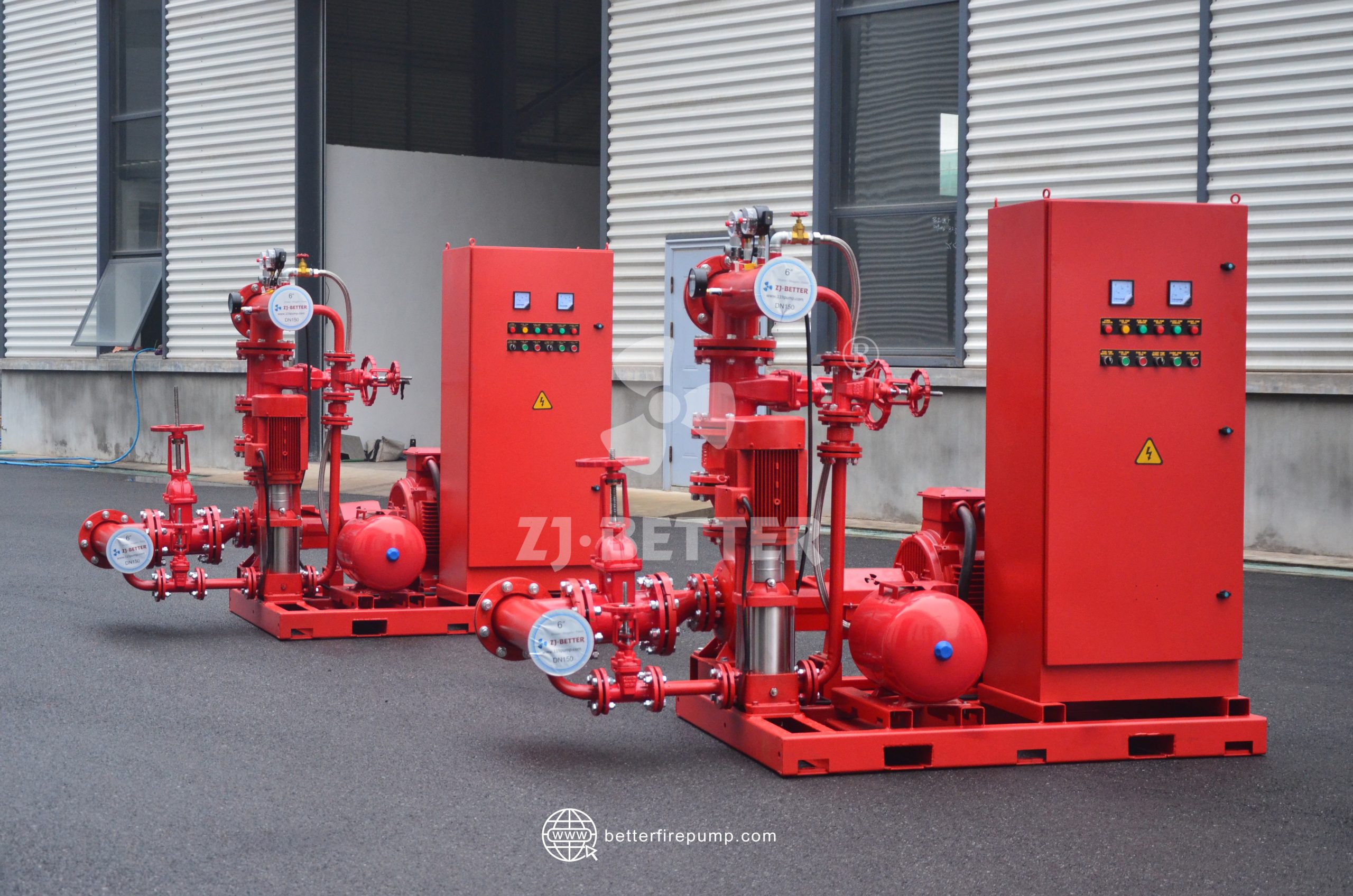
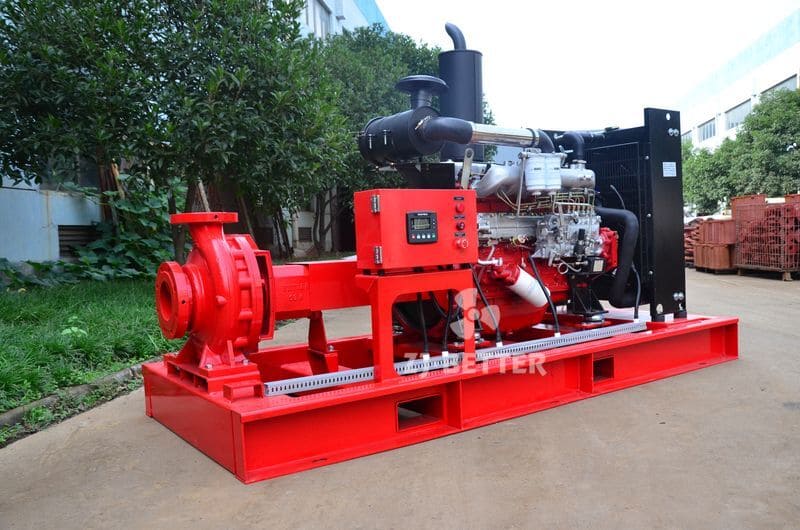
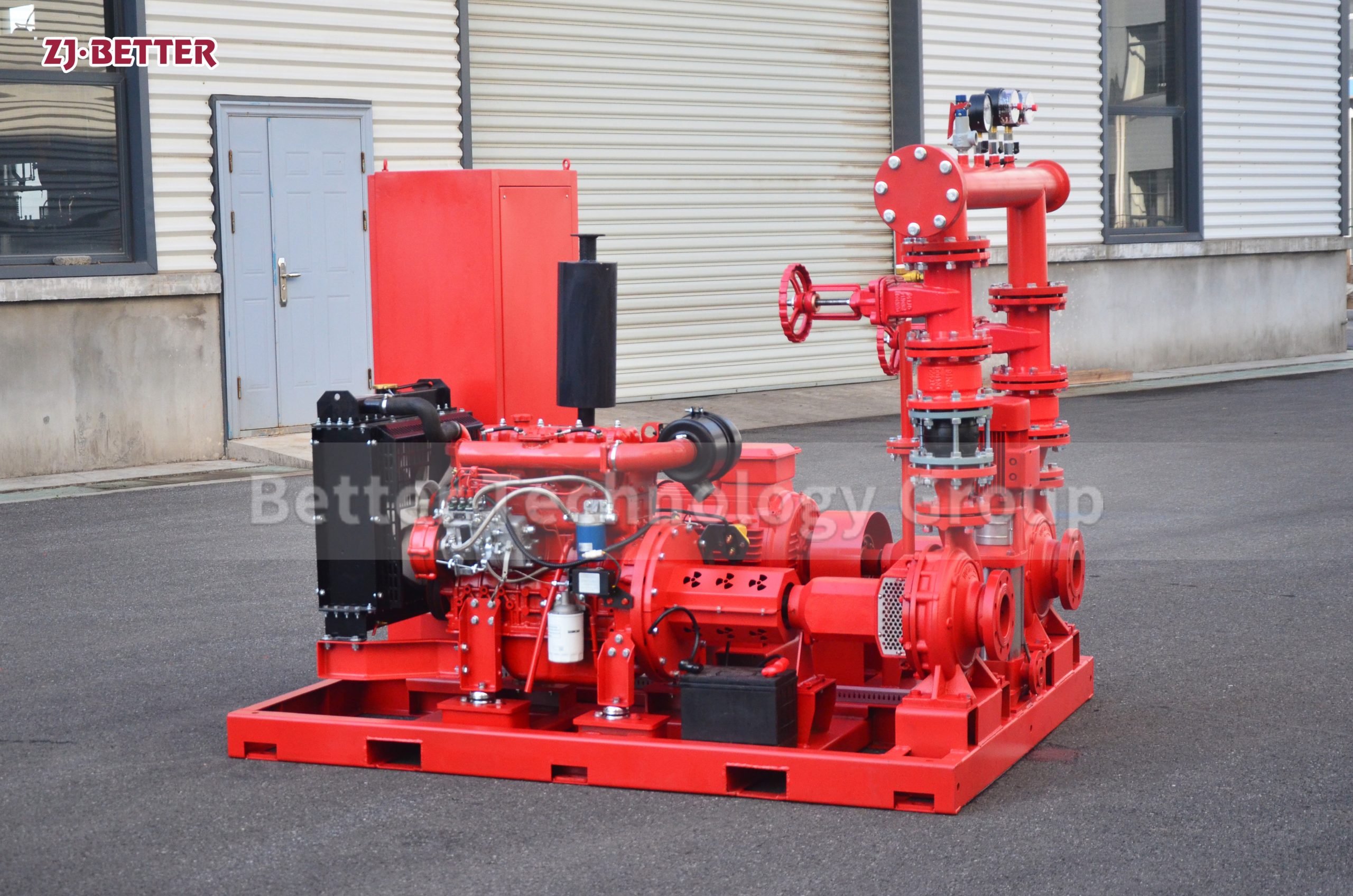
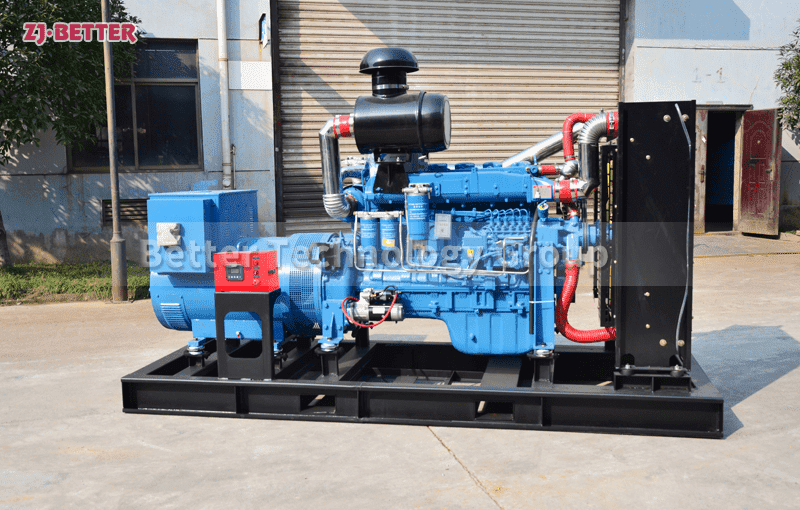
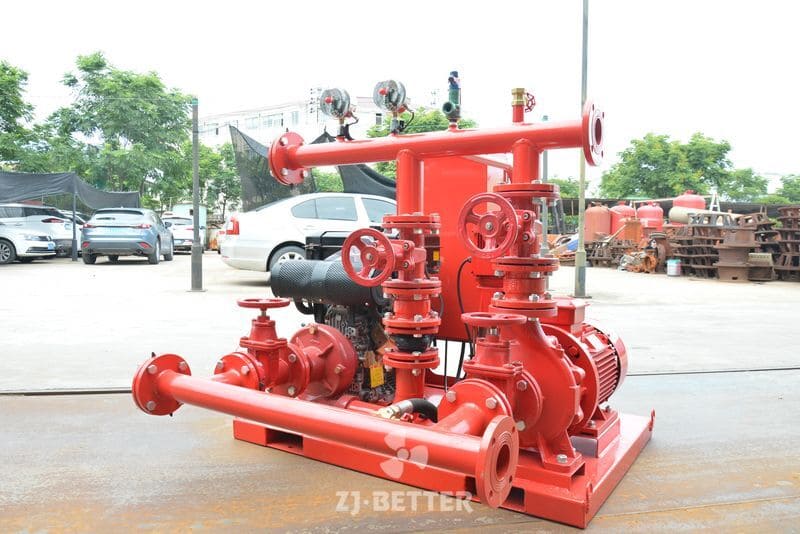
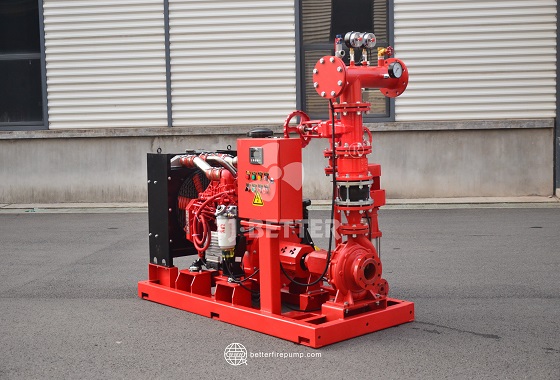
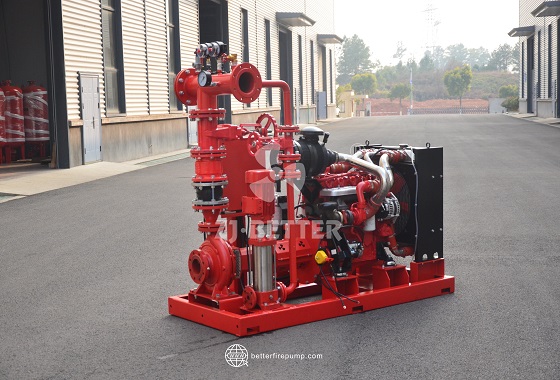
A high-head diesel fire-fighting pump unit is a complete fire-water supply system powered by a diesel engine. It is primarily designed for industrial facilities, large-scale warehouses, commercial buildings, and other projects with demanding fire-water supply requirements. The unit features a vertical pump configuration integrated with a diesel power system; the engine, fire pump, power transmission components, connecting piping, and auxiliary control devices are all mounted on a common base, resulting in a compact and fully functional assembly. Unlike standard electric fire pumps, diesel-driven units offer the advantage of an independent power source, making them highly valuable for fire-protection systems that require backup power or are located in areas with limited or unreliable electrical supply. The diesel engine generates mechanical power, which is transmitted to the fire pump, converting mechanical energy into the energy required to move water—thereby delivering the flow rate and pressure specified by the system design. The vertical pump structure allows for flexible piping and installation layouts, making it well-suited to the spatial and connectivity constraints of various fire-water supply systems. The internal impeller and hydraulic flow passages are engineered to optimize energy conversion; the actual flow rate, head, and operating efficiency are determined by the impeller design, pump dimensions, rotational speed, and specific selection parameters. For projects requiring a high head, the appropriate pump model and diesel engine power must be determined through comprehensive calculations—accounting for building height, pipeline resistance, water delivery distance, and required fire-water volume—to ensure the equipment operates within its specified design range. The diesel engine serves as the prime mover, operating independently of an external electric motor; provided that startup conditions are met and proper maintenance is performed, it reliably drives the fire pump. The engine’s supporting systems—including cooling, lubrication, and fuel supply—ensure the power unit functions correctly. Routine maintenance, such as checking oil levels, fuel status, the cooling system, and the battery, is essential to minimize the risk of auxiliary system failures affecting the unit’s operation. The equipment features an integrated skid-mounted base design, housing the diesel engine, pump unit, and associated auxiliary components. This configuration facilitates factory pre-assembly, unified transport, and on-site positioning, while also providing convenient access for personnel to inspect power components, piping connections, and other critical interfaces. The pump unit is equipped with piping assemblies and flanged connections designed to integrate seamlessly with fire water reservoirs, water supply networks, and other fire protection infrastructure to form a complete water supply system. Pressure gauges and monitoring components provide essential data for equipment commissioning and routine operational checks, allowing staff to track pressure fluctuations during pump operation. The accompanying control system can be configured to include specific start-up controls, operational status monitoring, and protective functions, with the exact control scheme determined by the project’s electrical design requirements. For industrial parks, large-scale warehousing centers, high-rise buildings, and infrastructure projects, diesel-driven vertical fire pumps can be custom-selected based on specific flow rates, head requirements, installation environments, and power needs. During installation, careful planning is required for foundation dimensions, inlet and outlet piping, exhaust ventilation, and space for routine maintenance. Furthermore, technical requirements must be met regarding pump alignment, piping connections, engine inspection, and comprehensive system commissioning. Once in service, a regular maintenance regimen should be established—focusing on the diesel engine, power transmission components, pump seals, bearings, valves, and control systems—to ensure all parts remain in optimal working condition. In summary, high-head diesel fire pump units combine the power of a diesel engine with the structure of a vertical fire pump. Through an integrated design, they meet the diverse requirements of fire protection projects—such as the need for independent power sources, specific water supply pressures, and flexible installation configurations. Proper selection of the pump model, power matching, and system configuration ensures that the equipment effectively addresses the fire-fighting water supply needs of various projects, providing a reliable, diesel-powered solution for industrial and building fire protection systems.