Diesel Fire Pump with Independent Cooling System – Power Configuration for Continuous Operation Requirements
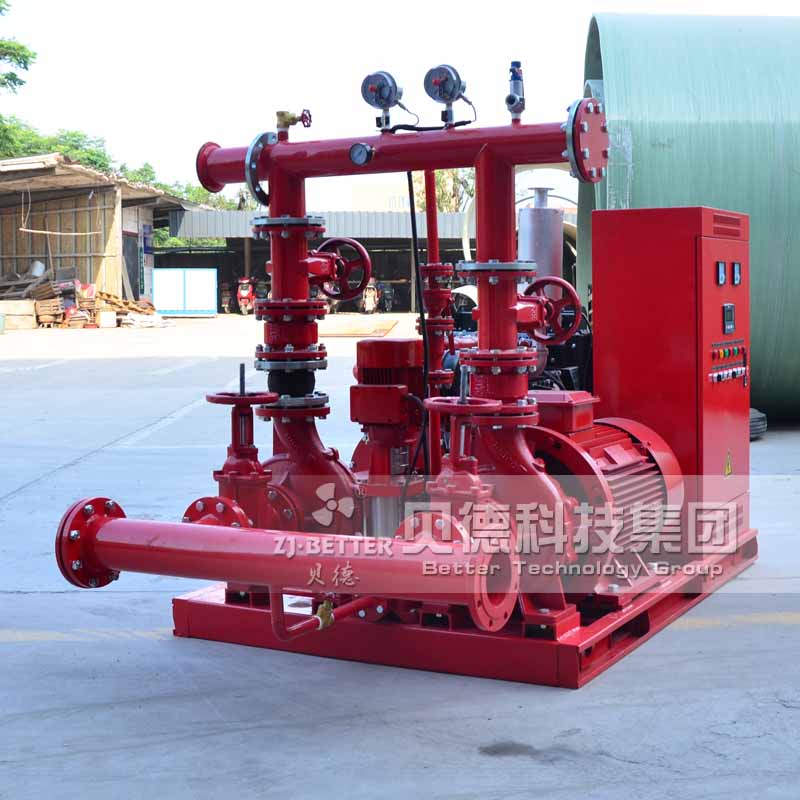
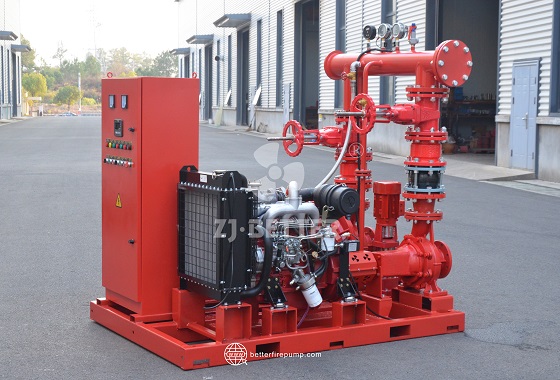
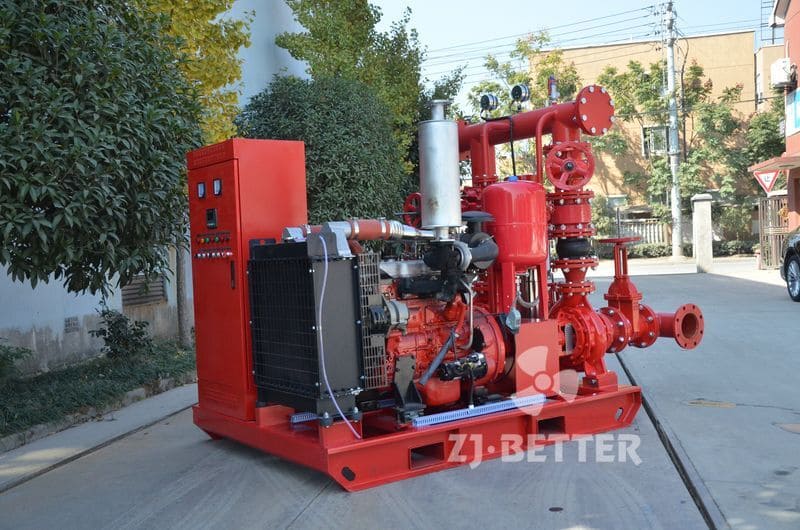
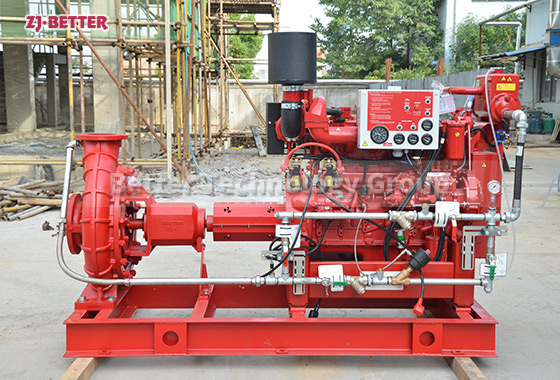
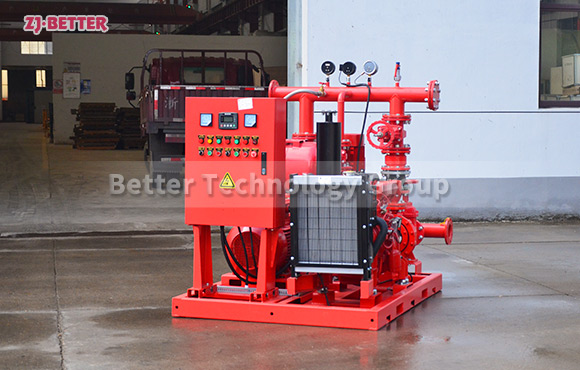
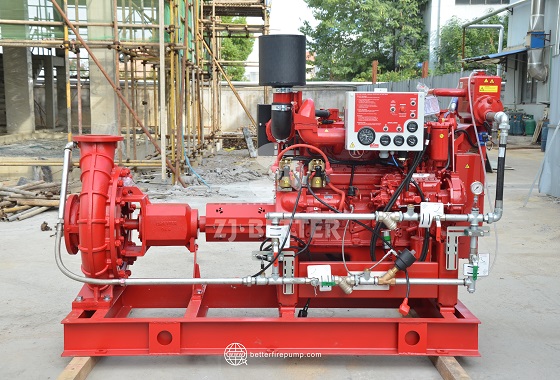
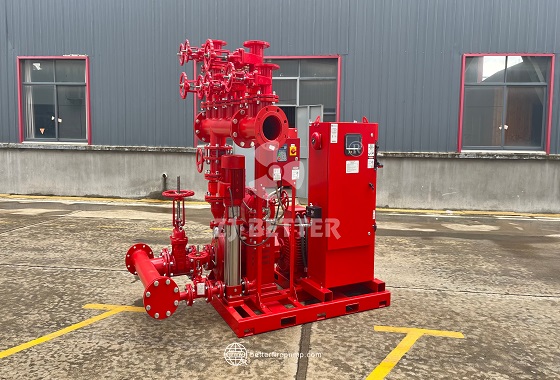
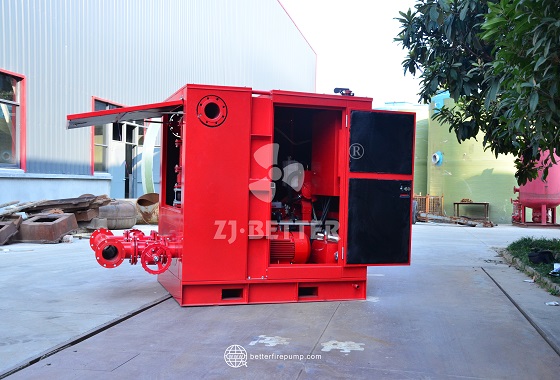
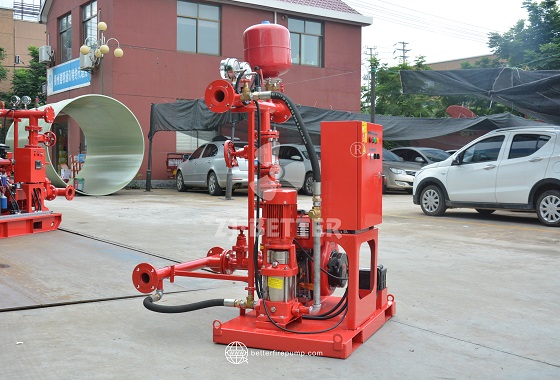
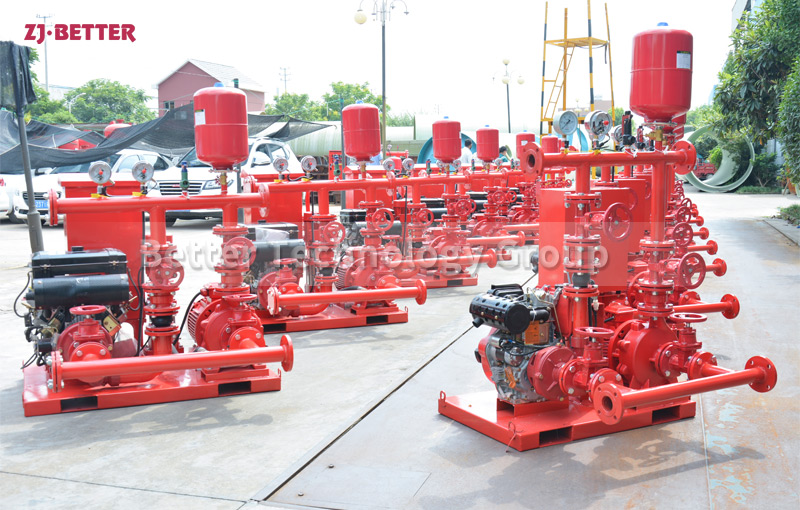
Diesel fire pump units with independent cooling systems are powered by diesel engines and equipped with radiators, auxiliary cooling components, and dedicated control cabinets. Featuring an independent power configuration, engine temperature management, and a fully integrated design, these units are suitable for fire-suppression water supply systems in industrial plants, storage facilities, and buildings.
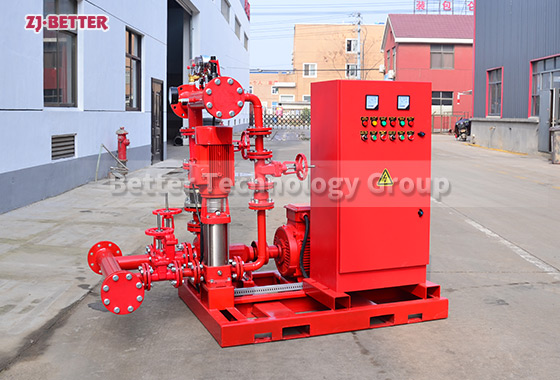
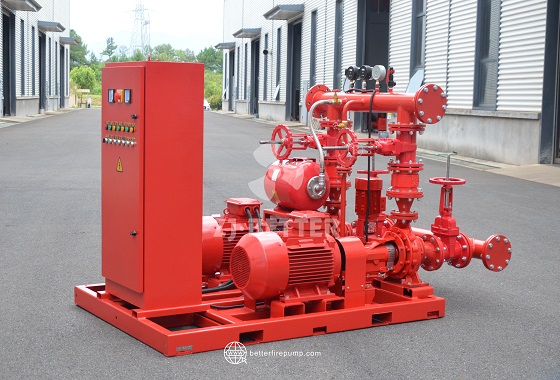
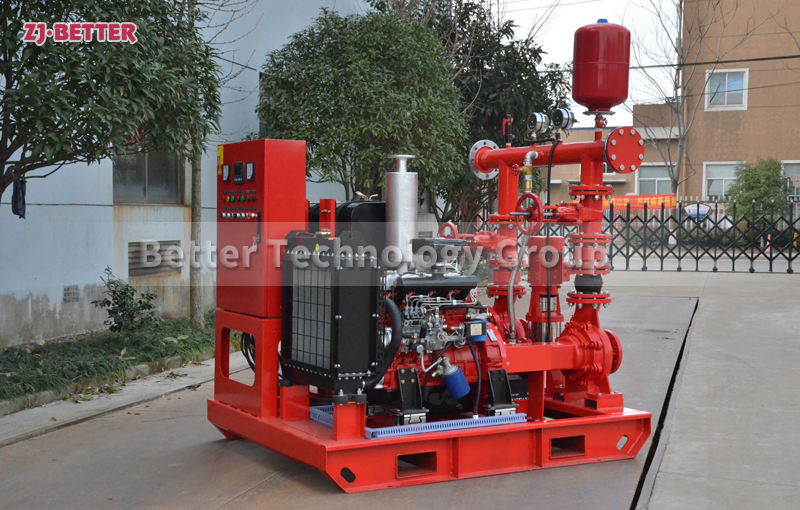
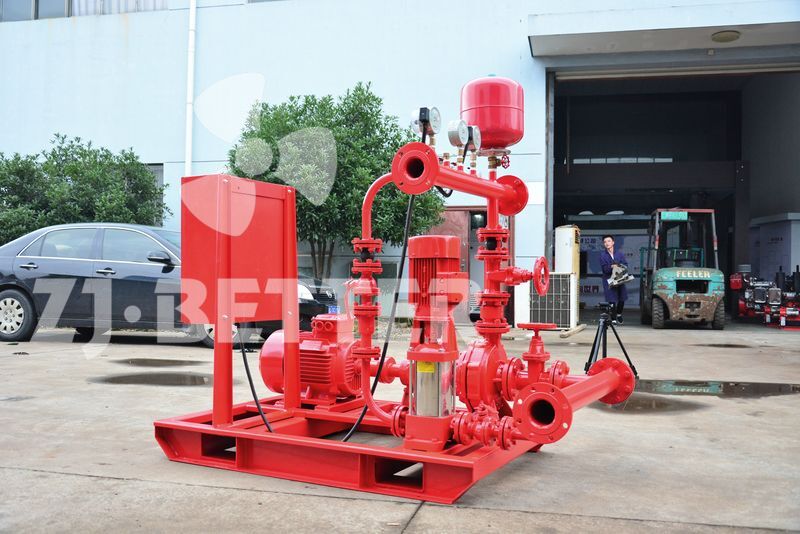
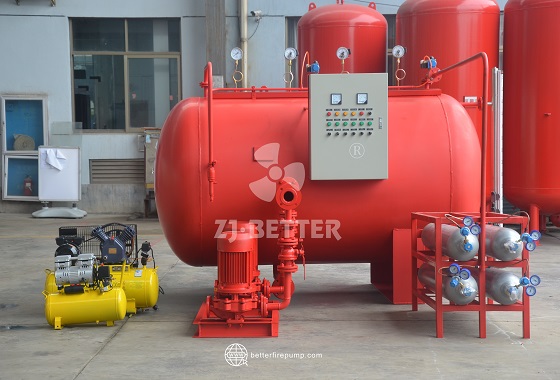
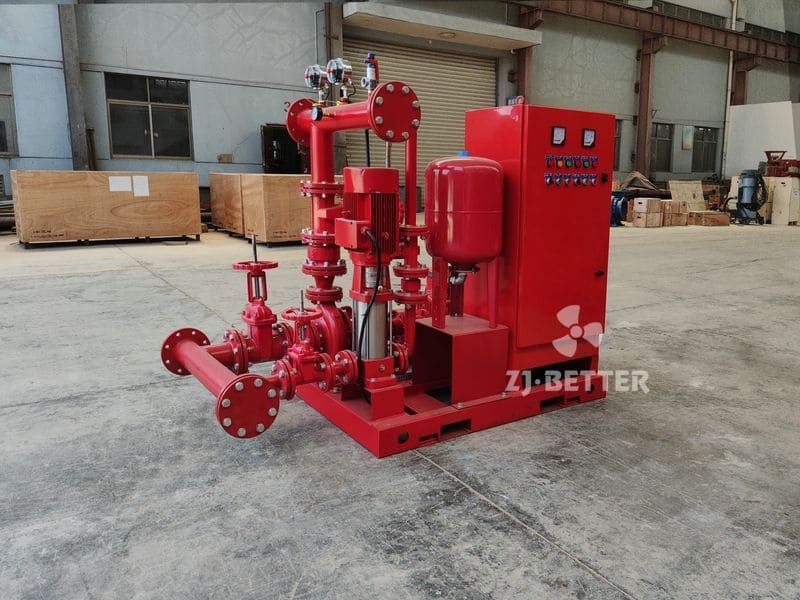
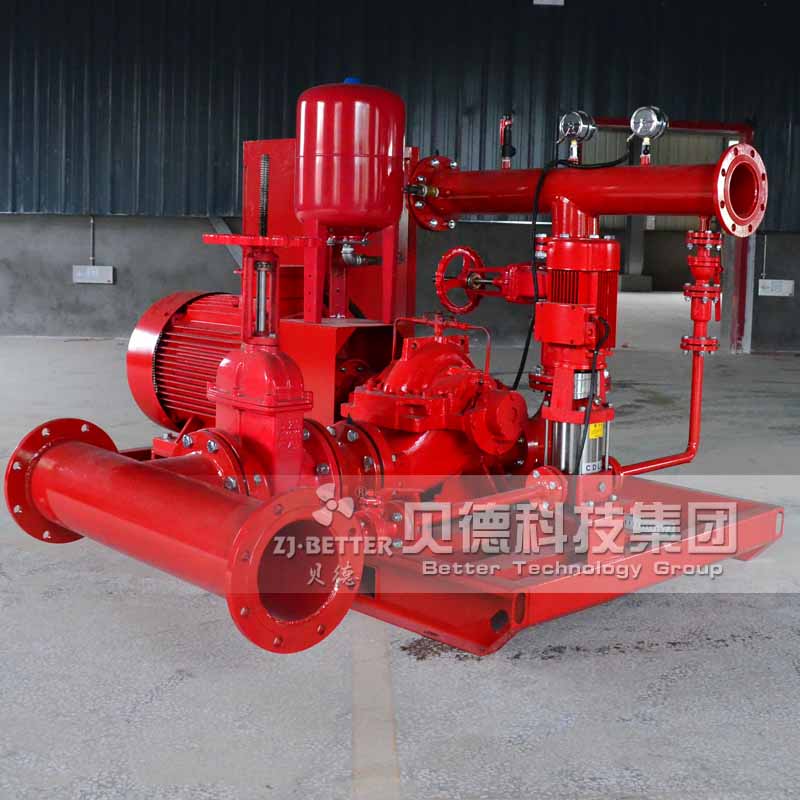
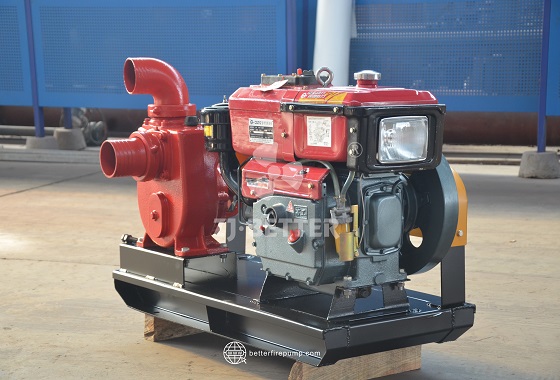
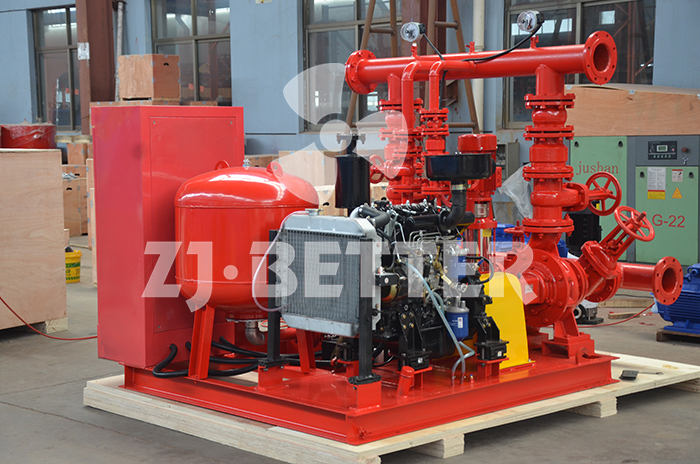
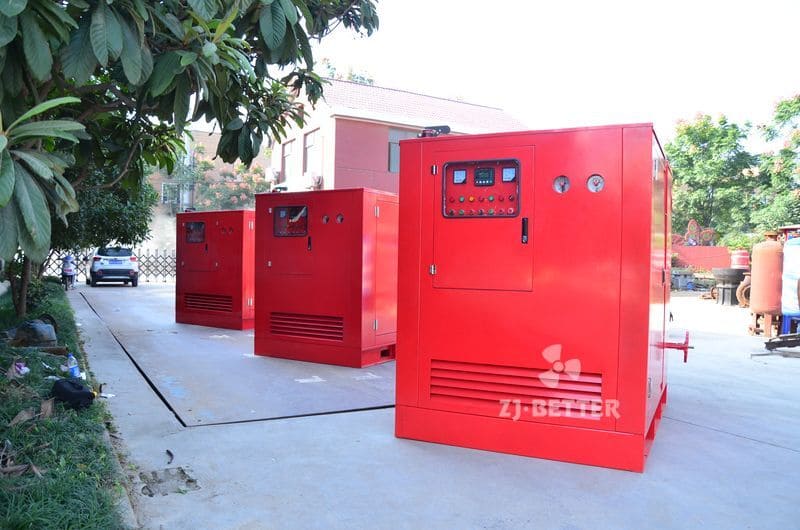
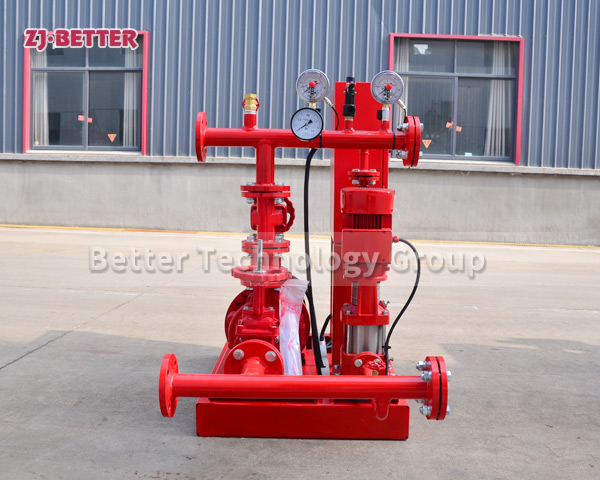
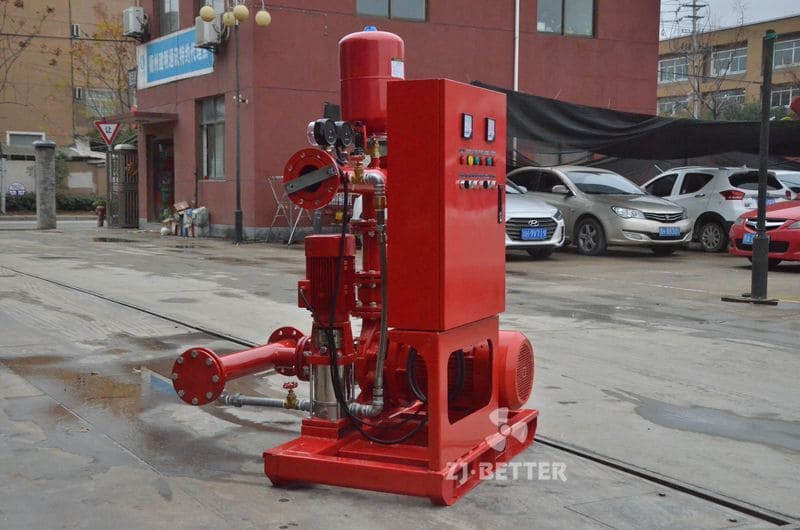
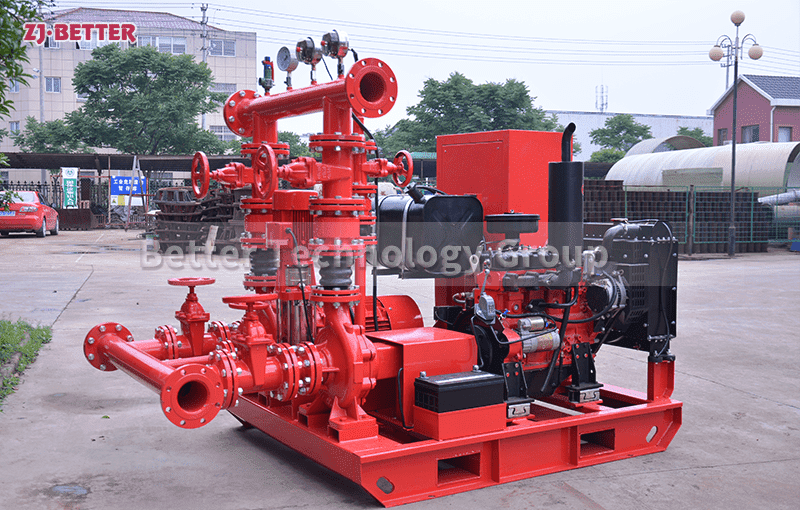
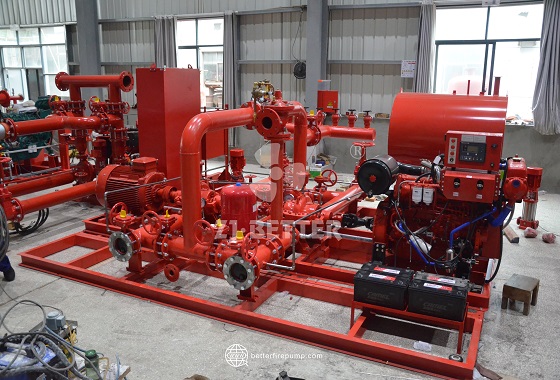
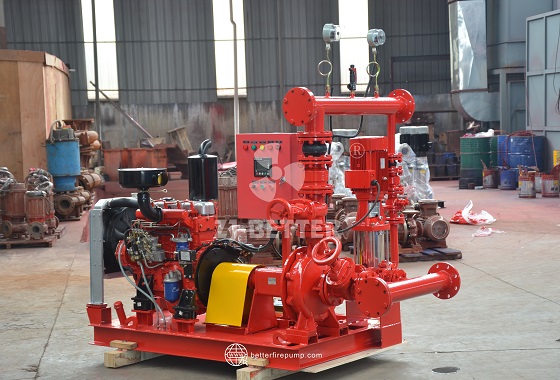
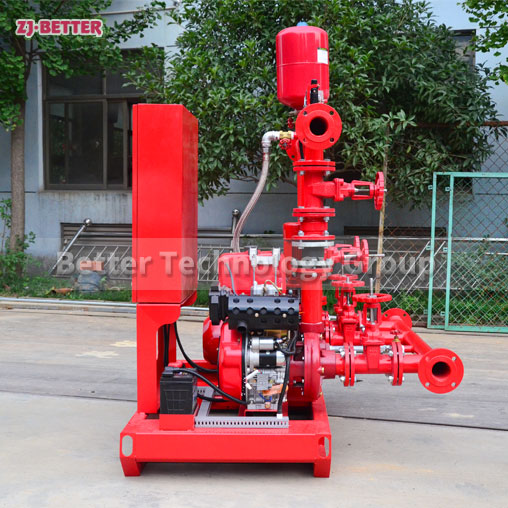
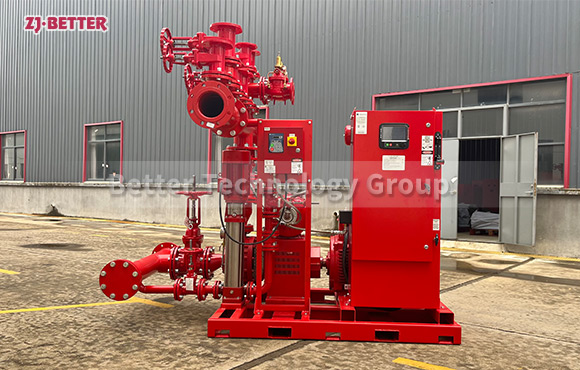
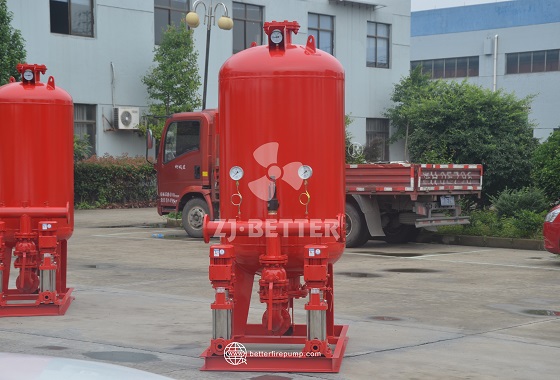
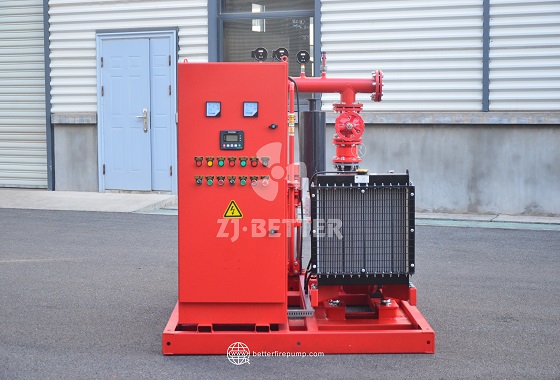
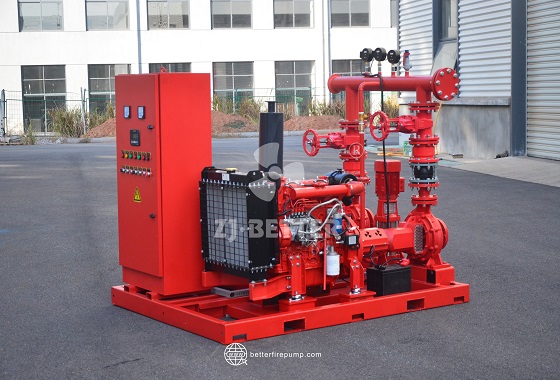
A diesel fire pump is a fire-fighting water supply system powered by a diesel engine. It is widely used in industrial plants, storage facilities, commercial buildings, and other locations that require an independent power source for fire protection. For fire-fighting systems that must remain on standby for long periods and be ready for immediate operation during an emergency, the performance of the diesel engine and the configuration of its cooling system are of critical importance. This diesel fire pump features an integrated design, comprising a diesel engine, a radiator, an independent control cabinet, and various auxiliary components—all configured to ensure optimal power delivery and cooling for the pump’s operation. The integrated radiator and cooling components dissipate excess heat generated during engine operation, maintaining an appropriate working temperature and preventing performance issues caused by overheating. The cooling system is selected based on factors such as the engine model, rated power, ambient temperature, and specific operating conditions to meet the heat-dissipation requirements of individual projects. Unlike standard electric fire pumps, diesel-driven units offer an independent power source; they are particularly valuable in fire-fighting water supply systems where the main power grid is unavailable or where a backup power source is required. The diesel engine drives the fire pump through a power transmission mechanism, converting mechanical energy into the energy required to move water, thereby providing the necessary flow rate and pressure to the fire-fighting piping network. The engine and pump are carefully matched—based on rated speed, output power, and pump performance—to ensure the equipment operates correctly under its designed working conditions. The unit is mounted on a common base, which houses the power components, cooling system, pump assembly, and control equipment. This compact, well-organized layout facilitates transportation, on-site installation, and long-term maintenance. An independent control cabinet serves as a centralized platform for operation and management, providing functions such as start-up control, status monitoring, and system protection, depending on the specific electrical configuration and project requirements. The cooling system of a diesel engine must work in effective coordination with the fuel supply and lubrication systems. A fuel filter helps prevent impurities in the fuel from entering the engine’s supply system, while the lubrication system ensures that moving parts are properly lubricated, thereby reducing frictional wear. During operation, it is essential to regularly check the coolant level, the cleanliness of the radiator surface, the integrity of cooling pipe connections, and the status of the cooling fan to ensure that heat dissipation pathways remain unobstructed. Furthermore, the condition of the engine oil, fuel filters, batteries, and other auxiliary components should be monitored, with maintenance performed in accordance with the equipment’s service requirements. For applications such as industrial fire protection systems, logistics and warehousing centers, commercial buildings, and large-scale infrastructure projects, the diesel engine’s power output, the fire pump’s flow rate and head, and the cooling system configuration should be selected based on specific fire safety design requirements. This is particularly critical in projects involving high ambient temperatures, limited installation space, or unique operating conditions; in such cases, factors like heat dissipation capacity, ventilation, and space for maintenance must be carefully evaluated to ensure the diesel-driven fire pump meets the practical demands of the project. In summary, diesel-driven fire pumps equipped with independent cooling systems—combining a diesel engine with integrated heat dissipation components—provide a comprehensive power solution for fire-fighting water supply equipment. Proper engine selection, well-matched cooling systems, appropriate control equipment, and regular maintenance are vital for maintaining optimal operational status and extending the service life of the equipment. With their independent power source, dedicated cooling apparatus, and integrated design, these units offer flexible, diesel-powered water supply solutions for a wide range of fire protection projects.