Horizontal Electric Fire Pump and Pressure Stabilizing Unit – Multi-Pump Configuration for Continuous Pipeline Pressure Management
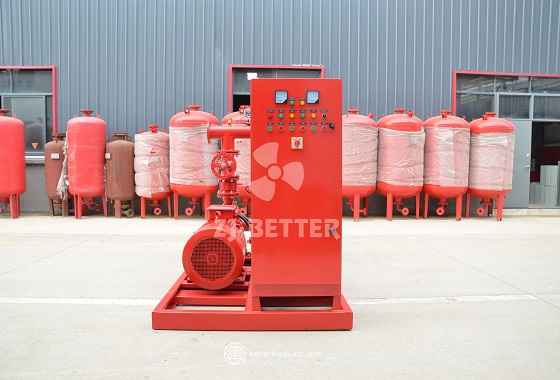
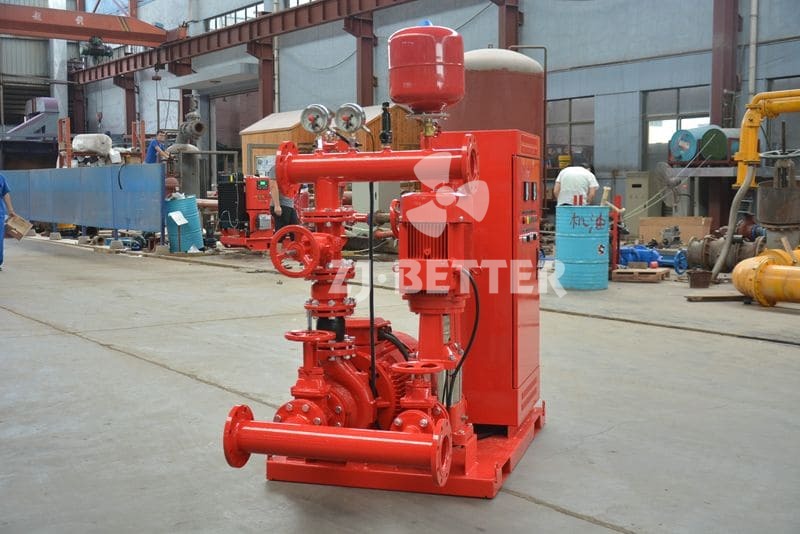
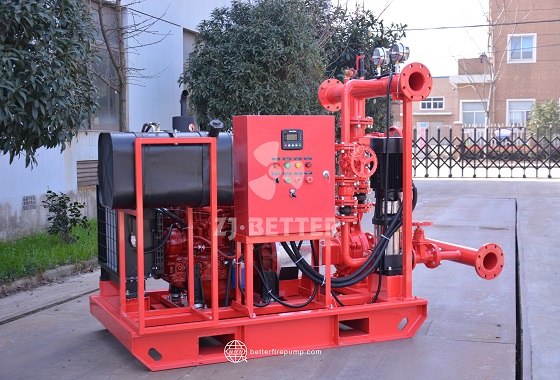
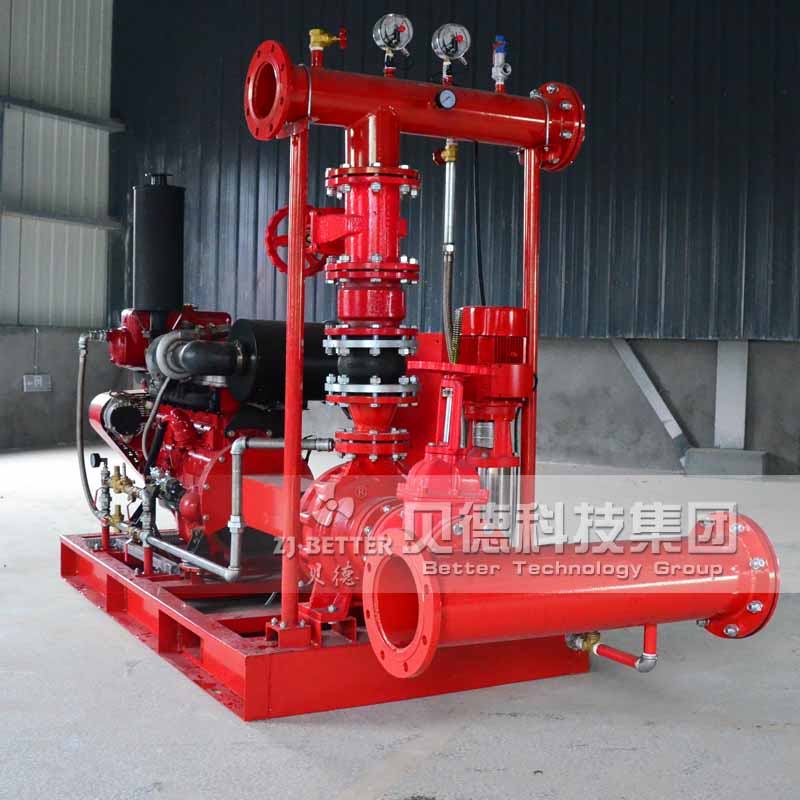
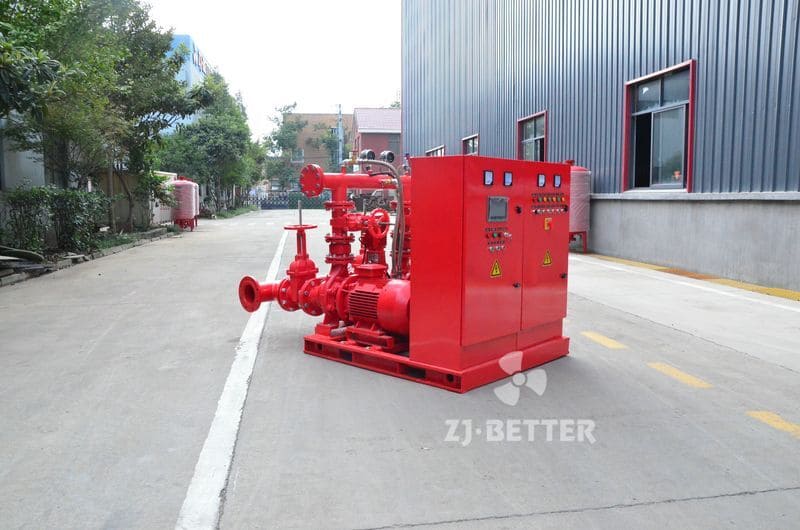
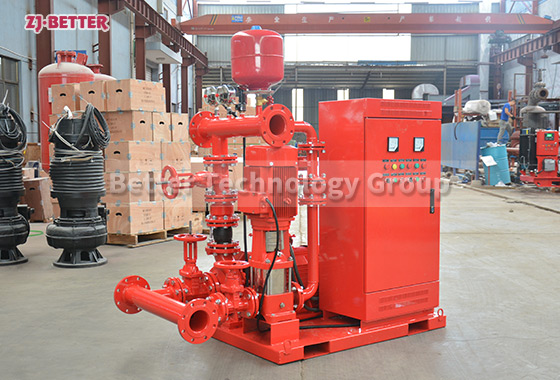
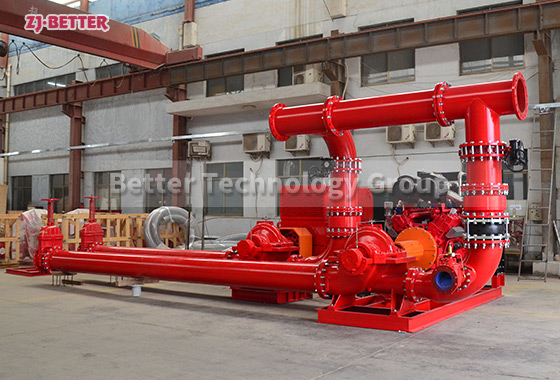
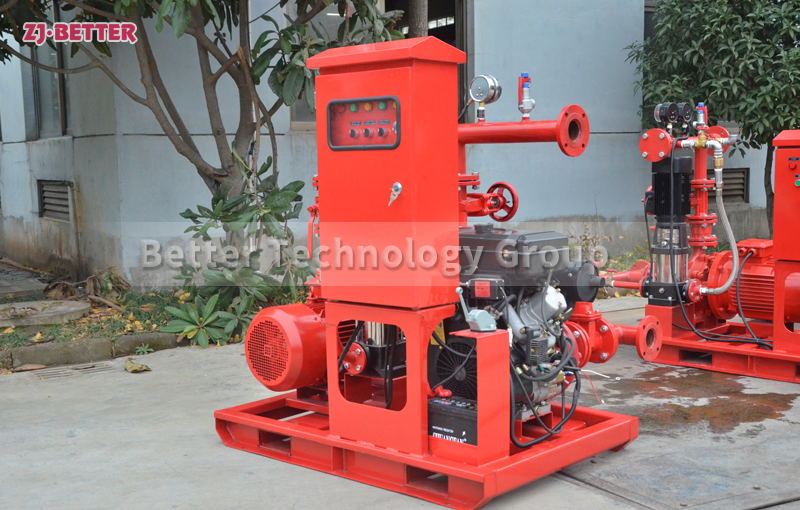
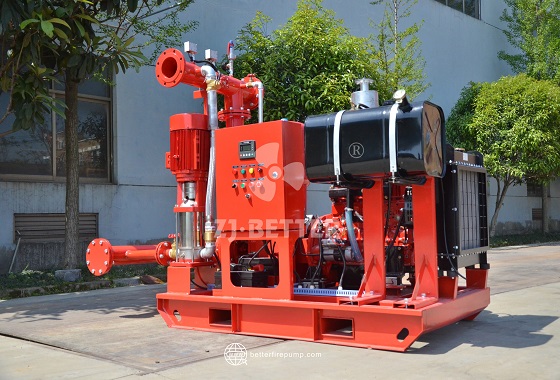
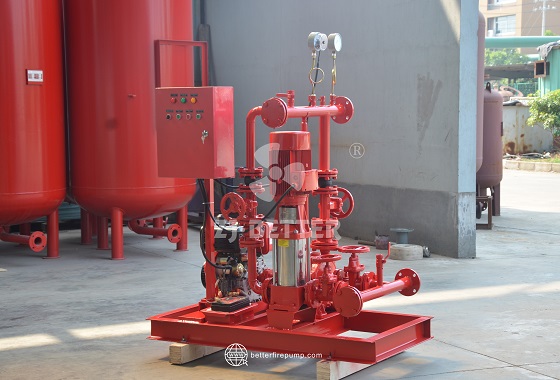
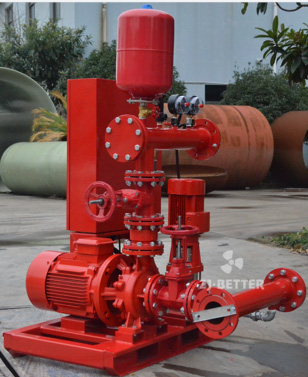
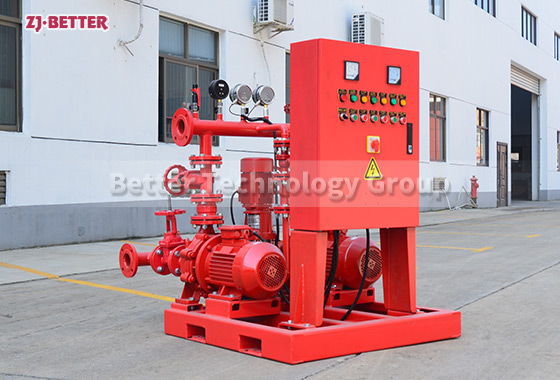
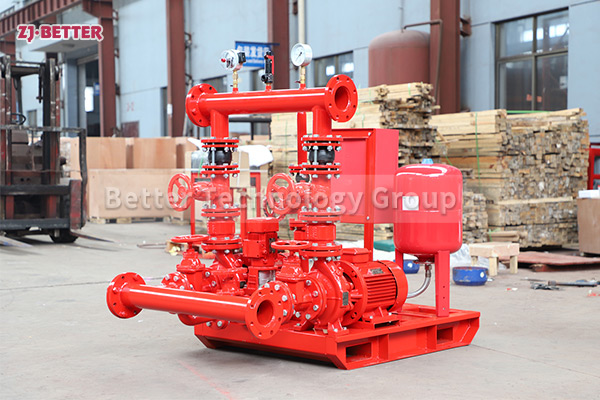
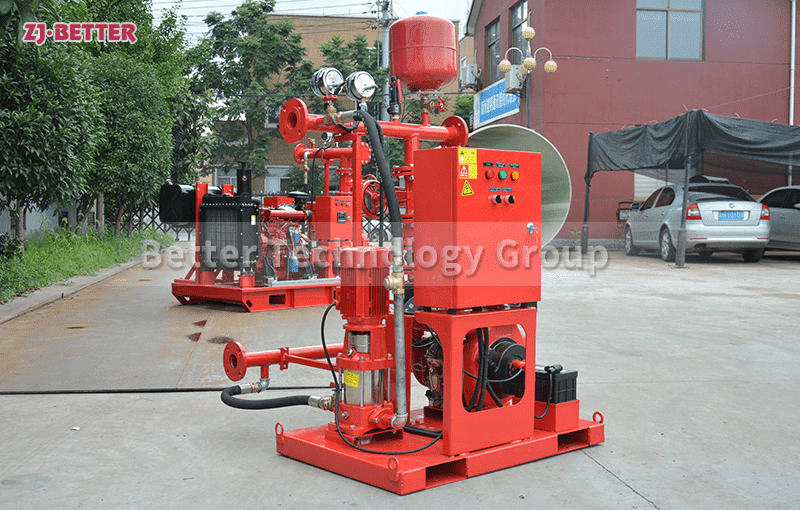
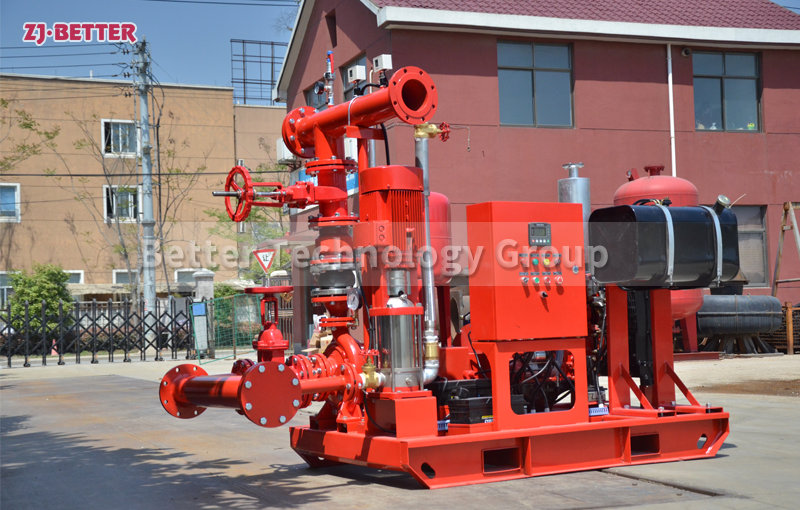
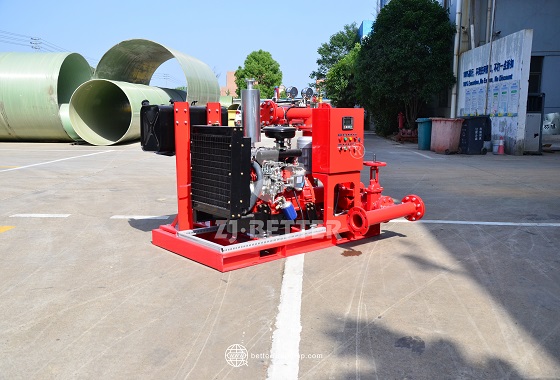
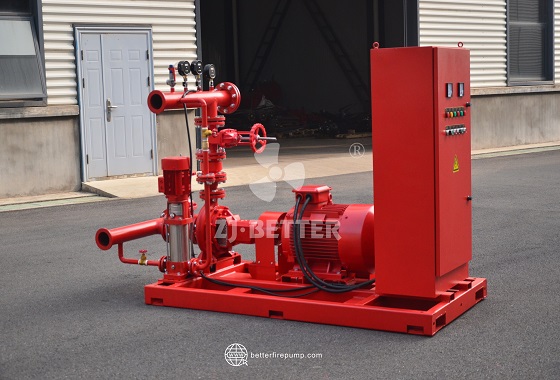
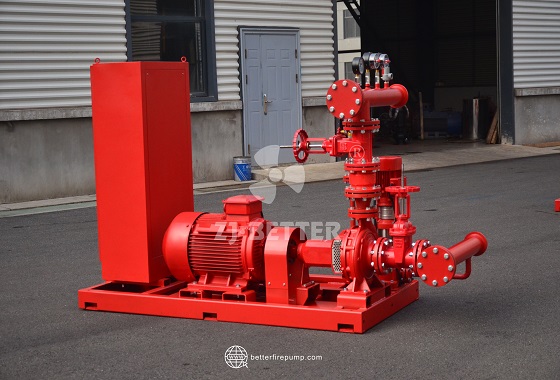
The horizontal electric fire-fighting pump and pressure-stabilizing unit features a design that combines a main fire-fighting pump with a vertical multistage pressure-stabilizing pump. It integrates piping components, pressure-monitoring instruments, and an independent control cabinet. Characterized by a compact structure, ease of installation, the ability to compensate for pressure in the piping network, and convenient maintenance, this unit is suitable for fire-fighting water supply systems in buildings, industrial facilities, and commercial premises.
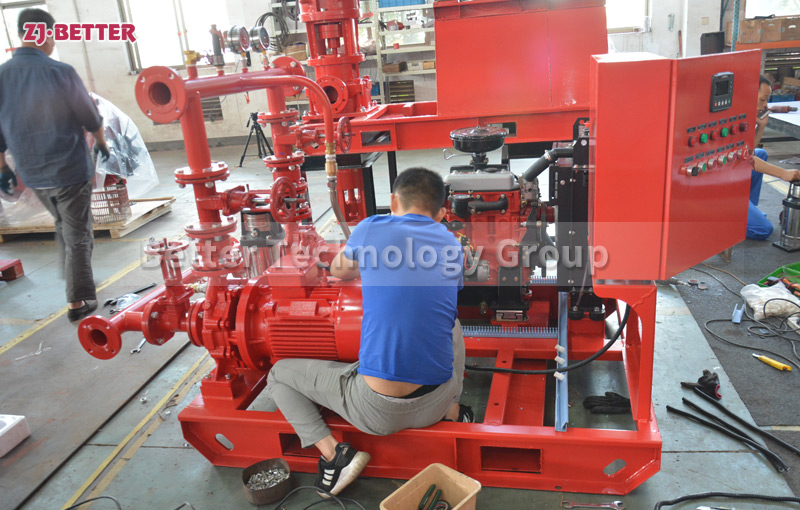
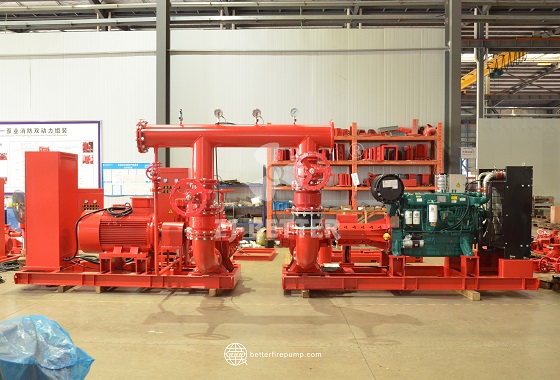
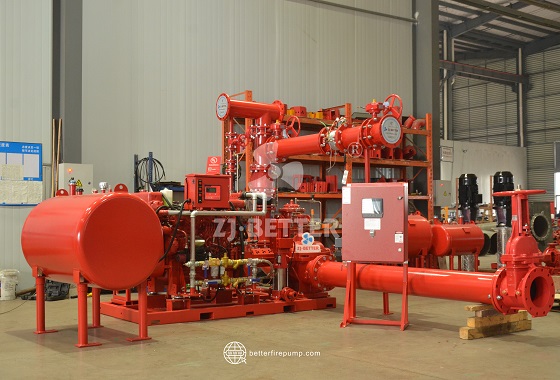
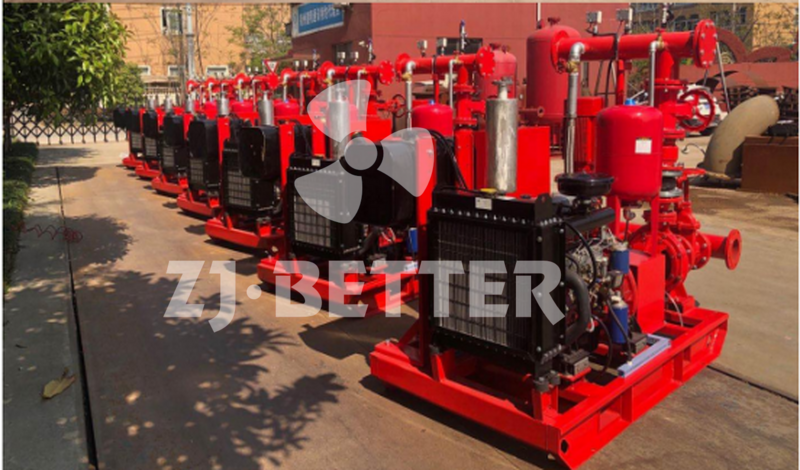
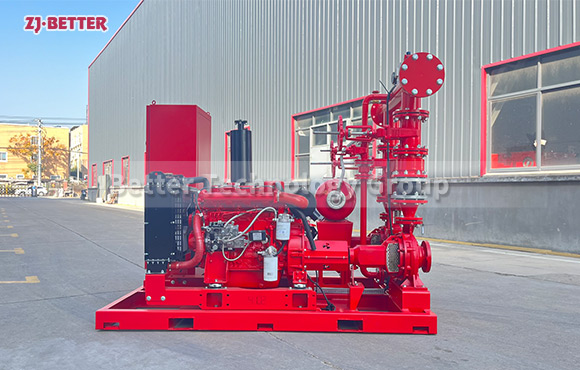
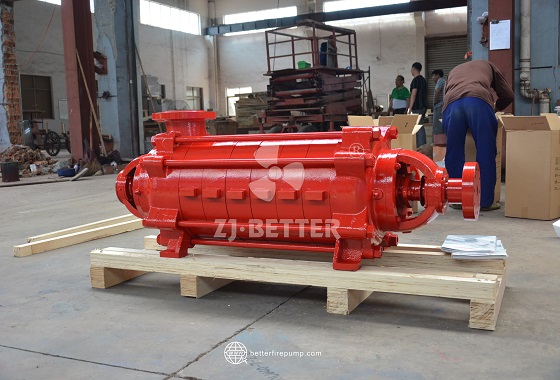
The horizontal electric fire pump and pressure-stabilizing unit is an integrated fire-fighting water supply system comprising a main fire pump, an auxiliary pressure-stabilizing pump, piping components, and electrical control equipment. It is primarily designed for use in building fire-protection piping networks and industrial fire-fighting water supply systems. The unit employs a multi-pump configuration, utilizing a horizontal electric fire pump as the primary water supply source, supplemented by a vertical multistage pressure-stabilizing pump to maintain and compensate for pressure within the network, thereby meeting the specific operational requirements of the fire-protection system. The system features an integrated baseplate that houses the horizontal main pump, the vertical pressure-stabilizing pump, connecting pipes, valves, pressure-monitoring instruments, and a dedicated control cabinet. This compact design ensures clear, logical connections between components, facilitating factory pre-assembly, on-site positioning, and piping installation. The horizontal electric fire pump utilizes a proven centrifugal design; an electric motor drives the impeller, imparting energy to the water, which is then delivered to the fire-fighting water supply system via the discharge piping. The horizontal configuration allows for secure, fixed installation and provides convenient access for routine inspection and maintenance of the motor, pump casing, coupling, and associated components. Unlike the main fire pump, the vertical multistage pressure-stabilizing pump focuses on pressure compensation; it replenishes water and stabilizes pressure—within defined limits—when the network experiences a pressure drop due to minor leaks or other factors, thereby preventing the main fire pump from starting up frequently in response to slight pressure fluctuations. By carefully matching the flow rate, head, and pressure parameters of the main and pressure-stabilizing pumps, the system achieves an optimized operational configuration. The unit includes an independent electrical control cabinet, which can be customized to provide pump control, electrical protection, and status monitoring, simplifying equipment management for operators. The specific functions and control logic of the cabinet are determined by the project’s electrical design requirements. The piping system follows a centralized layout, with the pumps interconnected via pipes, valves, and flanged joints, allowing for the configuration of inlet and outlet piping in accordance with the specific design requirements of the fire-protection project. Pressure gauges on the equipment allow for the monitoring of pipeline pressure fluctuations, providing a reference for system commissioning, operational checks, and routine maintenance. A well-planned piping layout not only facilitates the overall assembly of the equipment but also simplifies future inspections of valve status, pipe connections, and sealing integrity. When selecting equipment, the flow rate and head of the horizontal main pump should be determined based on the design requirements of the fire protection system. The jockey (pressure-maintenance) pump should be selected by considering the normal operating pressure of the pipe network, the range of pressure fluctuations, and water make-up requirements, while also accounting for motor power, operating voltage, available installation space, and on-site water supply conditions. For fire water supply projects—such as those for high-rise buildings, commercial complexes, industrial plants, or storage facilities—equipment configurations can be tailored to specific pipe network structures and fire protection design schemes. Utilizing an integrated base design allows the main pump, jockey pump, and control components to be transported and installed as a cohesive unit, which reduces the need for on-site assembly and enhances the overall coordination of the installation. Before the equipment is put into service, it must undergo foundation anchoring, piping and electrical connections, verification of pump rotation direction, and system commissioning; furthermore, the start/stop pressure settings for both the main and jockey pumps must be confirmed to align with design specifications. During routine maintenance, components such as pump seals, bearings, motors, valves, pressure gauges, and control cabinets should be inspected regularly to ensure they remain in good working condition. In summary, the horizontal electric fire-fighting pump and pressure-maintenance unit—comprising a horizontal main fire pump and a vertical multistage jockey pump—consolidates primary fire water supply and pipe network pressure compensation into a single system, effectively addressing requirements for equipment structure, piping integration, and on-site management. This configuration, which combines a horizontal main pump with a vertical jockey pump, offers a flexible selection solution for various types of fixed fire water supply projects; specific operational performance and the scope of application are determined by the actual product parameters and the requirements of the fire protection system design.