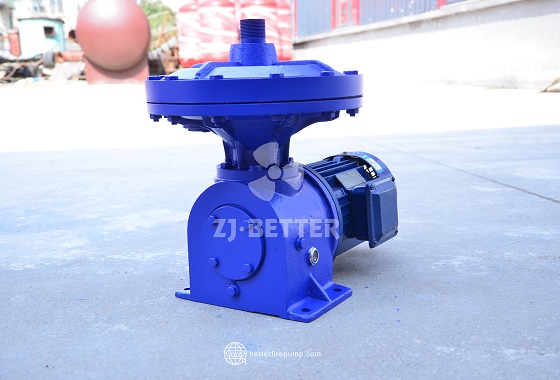
Self-Priming Centrifugal Fire Pumps Support Continuous Water Intake and Stable Pressure Delivery
The self-priming centrifugal fire pump integrates self-priming and centrifugal water delivery functions, supports continuous water intake and stable pressure delivery, and features compact structure, convenient installation, good water intake adaptability and flexible configuration. It is suitable for fire water replenishment, emergency water intake and various fixed fire water supply projects.
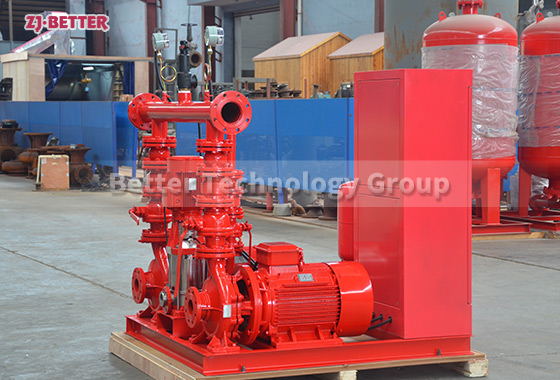
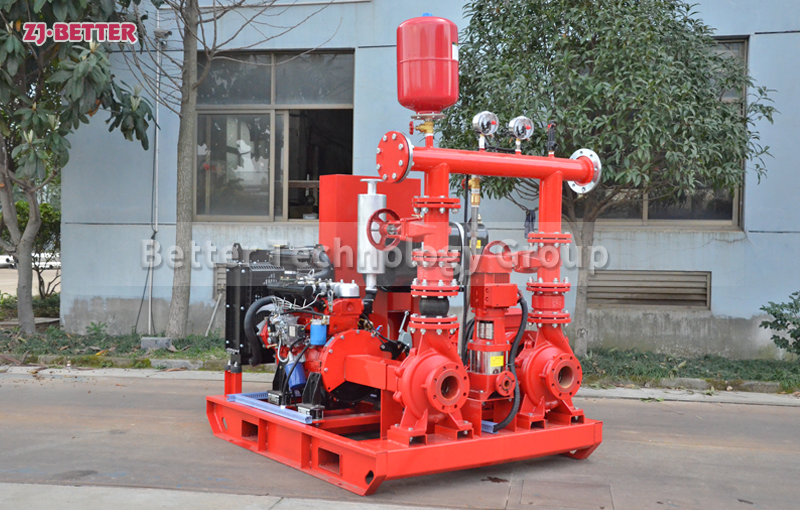
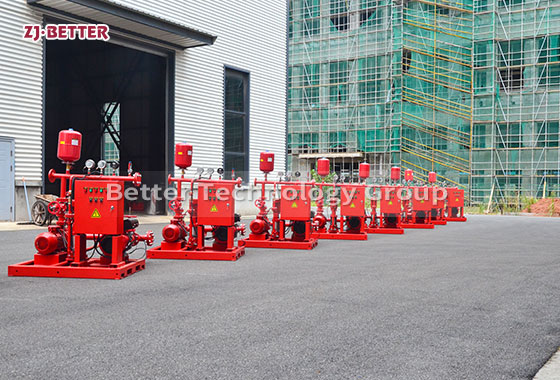
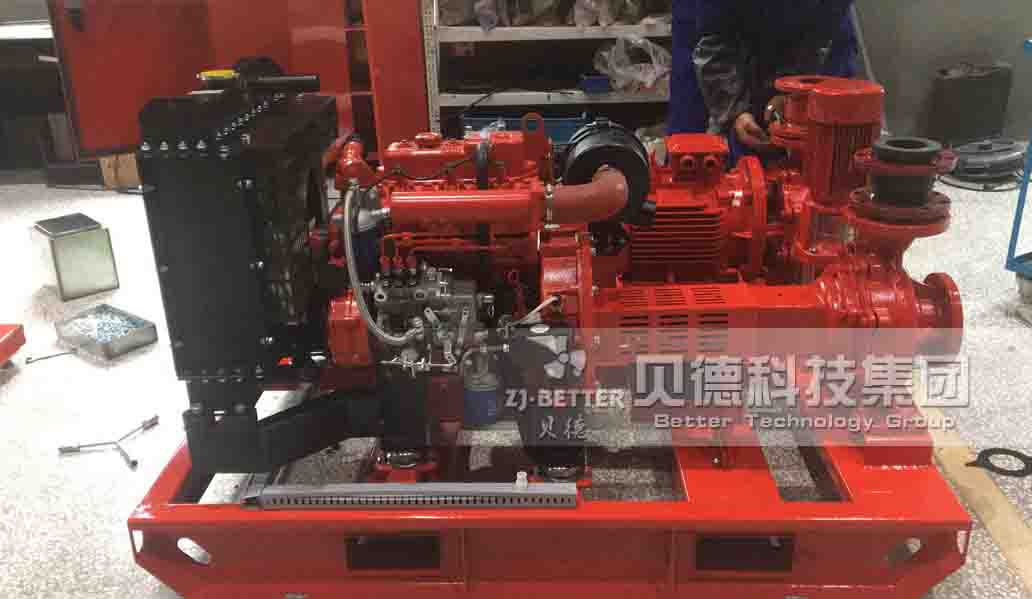
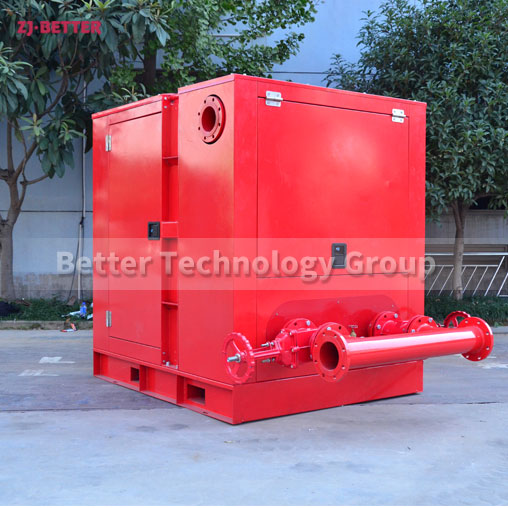
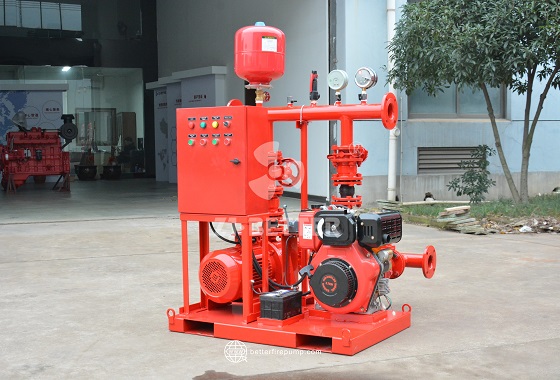
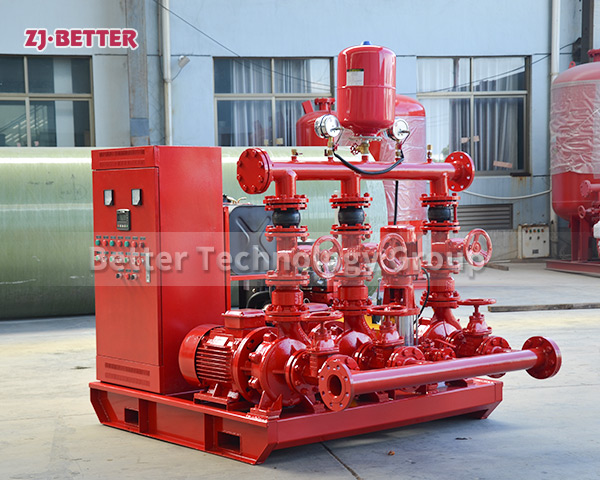
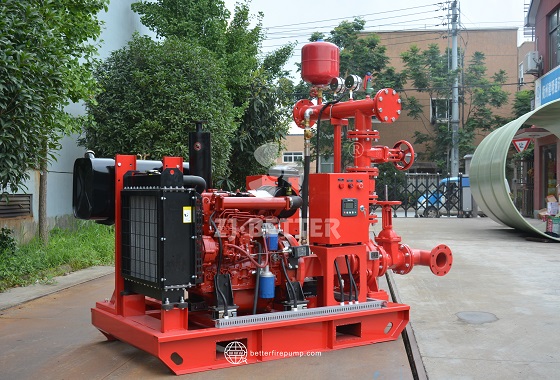
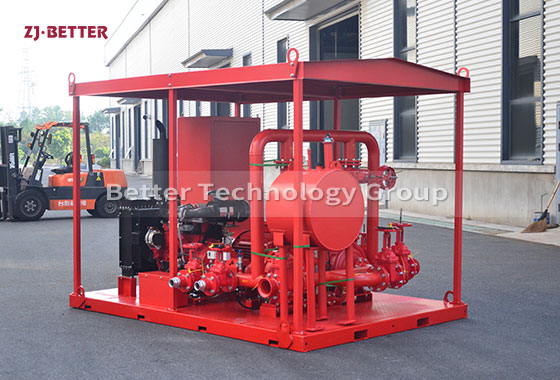
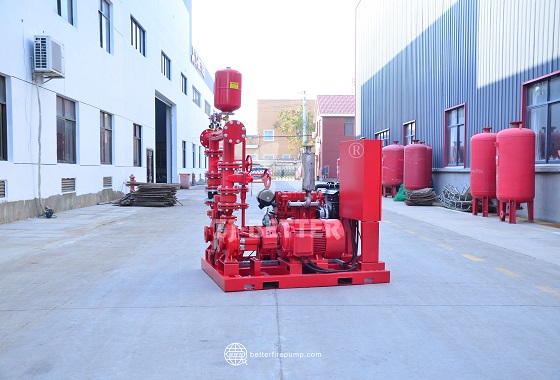
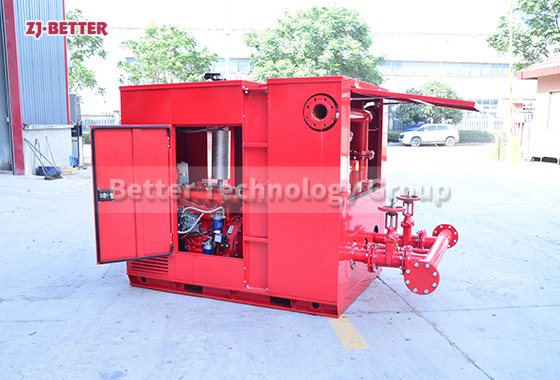
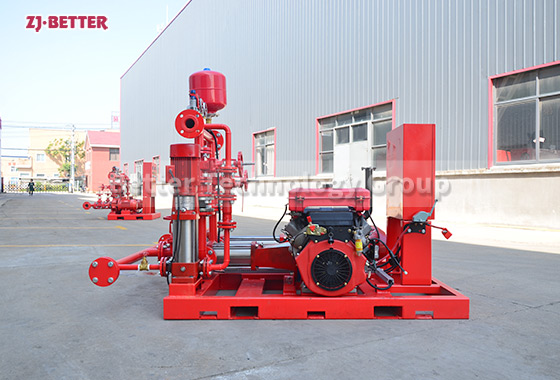
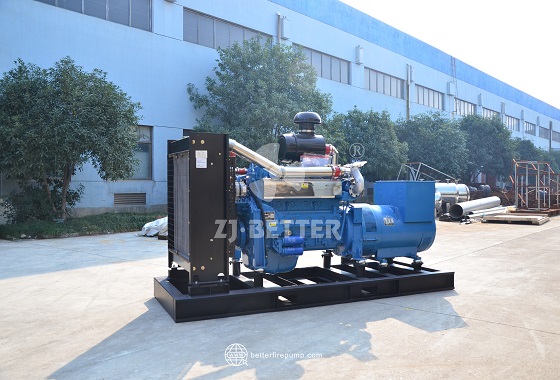
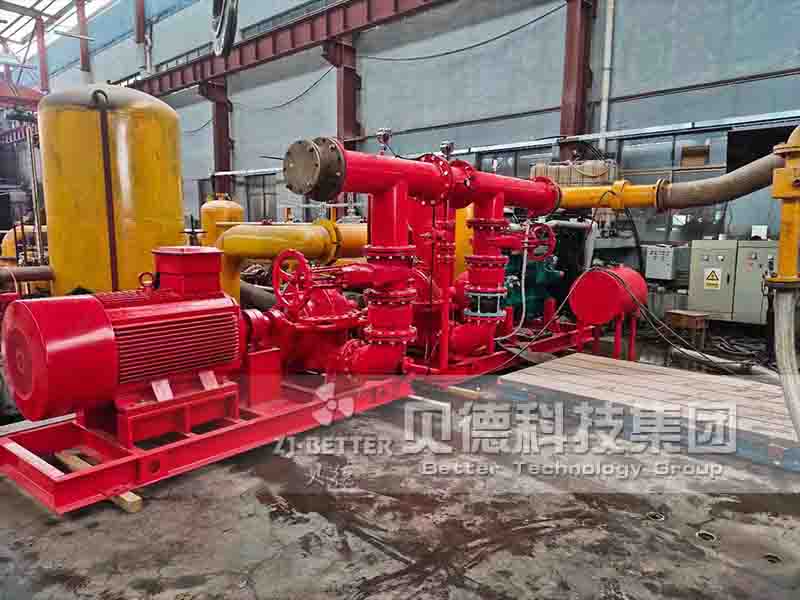
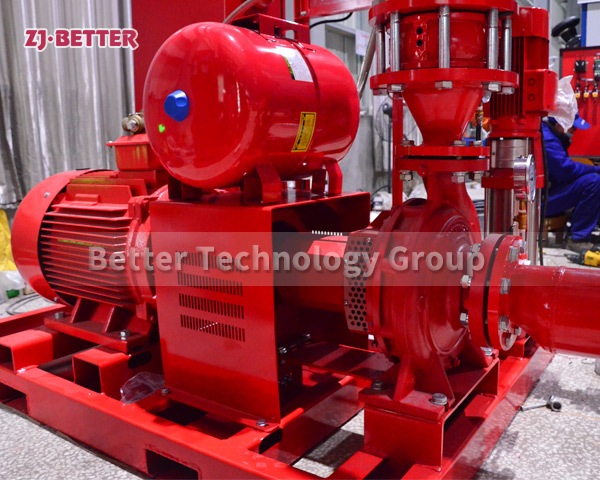
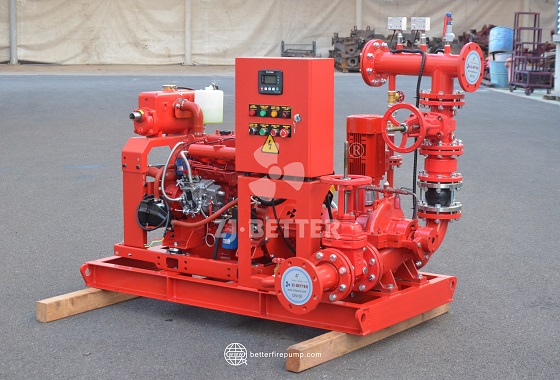
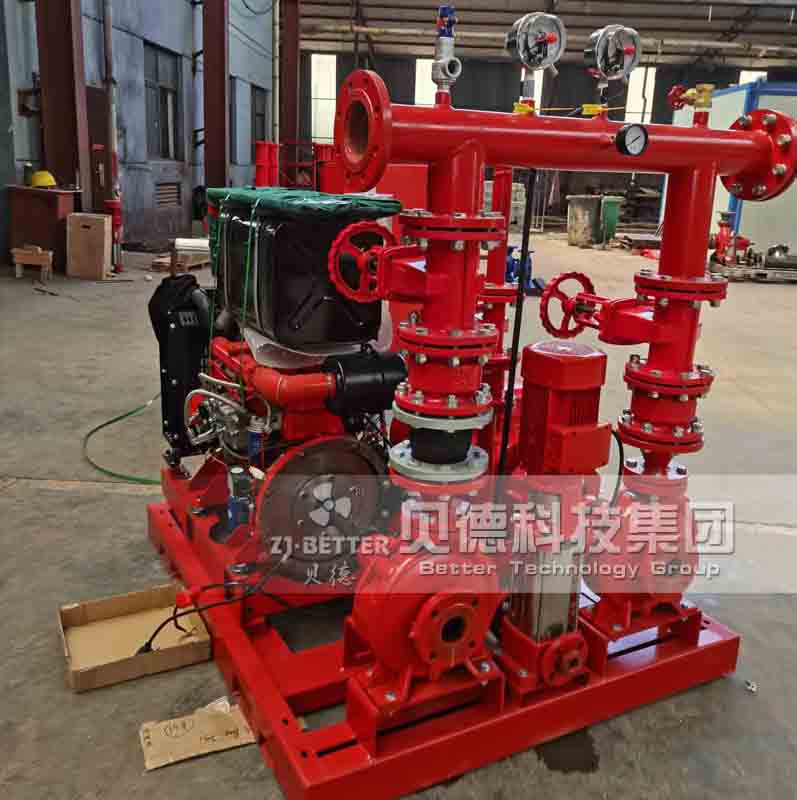
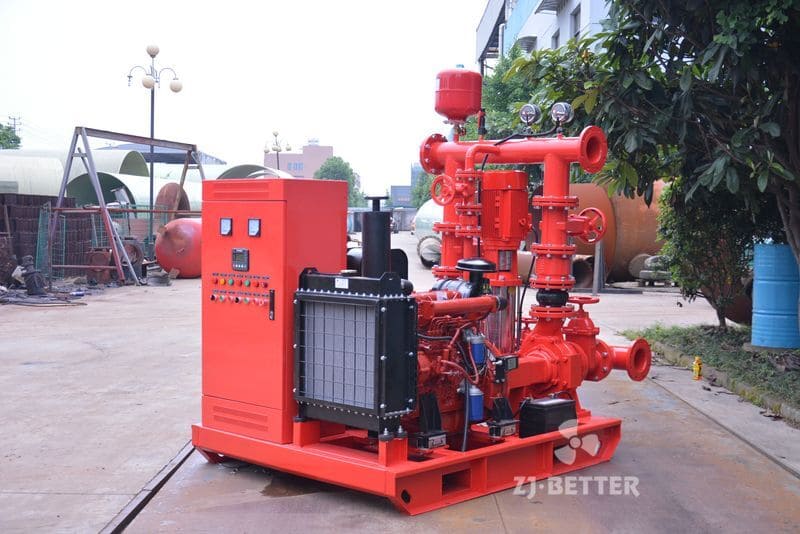
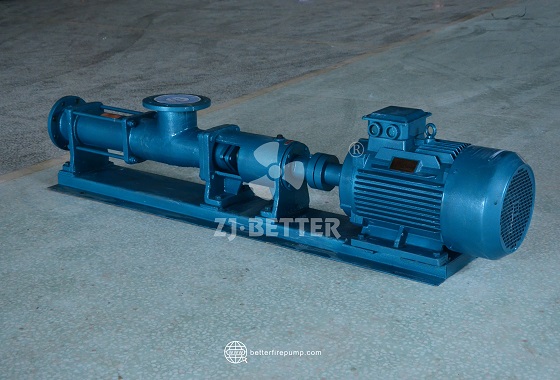
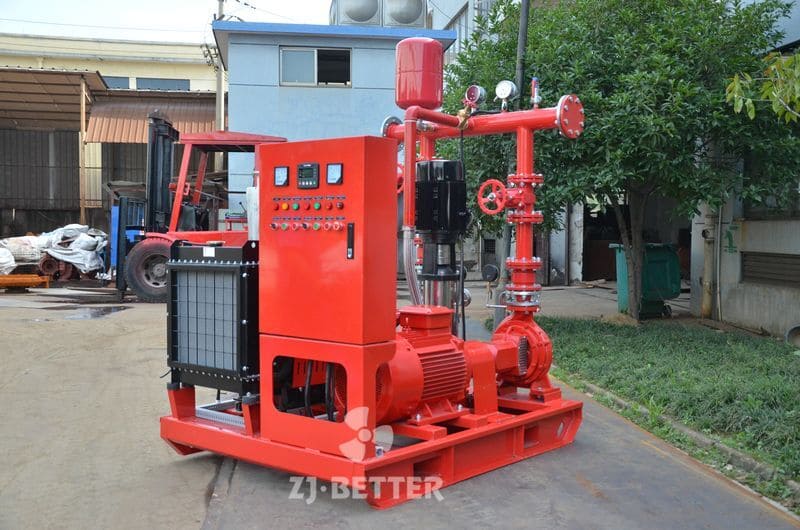
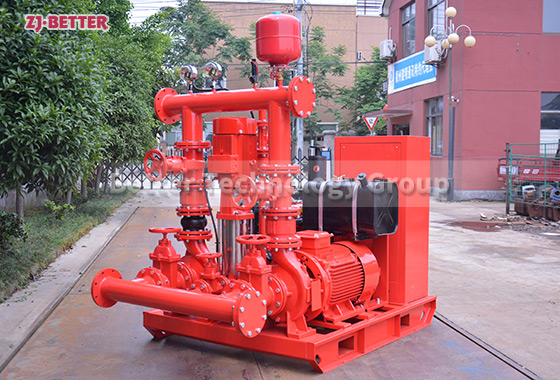
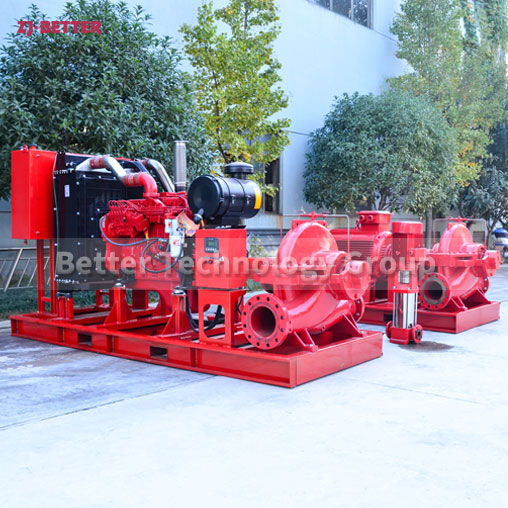
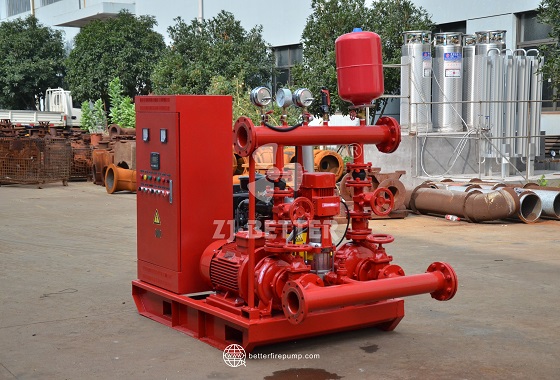
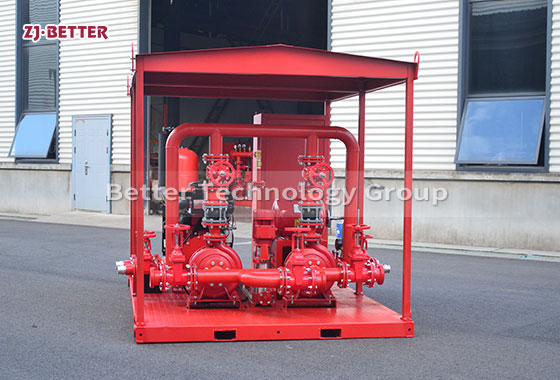
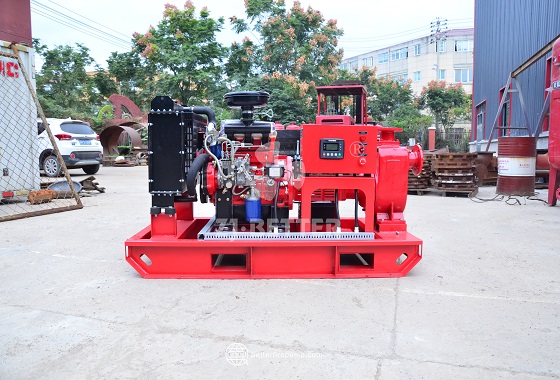
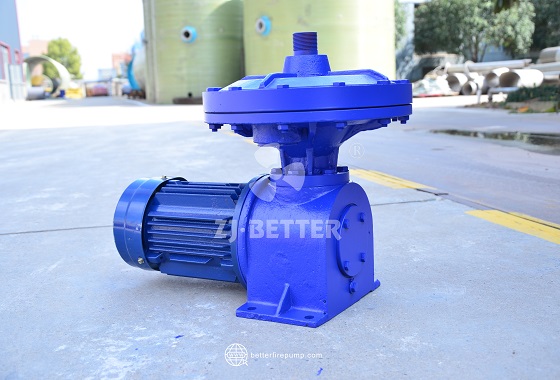
A self-priming centrifugal fire pump is a fire-fighting water supply device that combines self-priming functionality with centrifugal water delivery performance. It is suitable for fire-fighting water replenishment, fixed fire-fighting water supply, emergency water intake, and other applications requiring water intake and delivery from low-level water sources. This product typically adopts a structure combining a motor and pump body. Through the rational configuration of the pump body, self-priming chamber, impeller, inlet and outlet water channels, and drive device, it achieves functions such as water intake, continuous delivery, and pressure output. Compared to ordinary centrifugal pumps, self-priming centrifugal fire pumps can complete the priming and air venting processes using their own structure under specified operating conditions, exhibiting better adaptability to water intake conditions where the water source is lower than the equipment installation surface. After the equipment starts, the self-priming structure can circulate and separate air and liquid in the suction pipeline, allowing liquid to gradually enter the pump body and form stable delivery conditions, thereby reducing complex manual priming operations and improving the ease of use of the fire-fighting water supply equipment. Stable continuous water intake capacity is one of the important performance characteristics of this product. During fire-fighting water supply or emergency water intake, the equipment needs to continuously draw water from pools, tanks, storage facilities, or other suitable water sources according to system requirements. Therefore, the internal flow channel and impeller structure of the pump body need to balance suction performance and water delivery efficiency. A reasonable hydraulic structure can maintain a relatively smooth flow state of liquid within the pump, reduce unnecessary hydraulic losses, and provide the corresponding flow rate and head within the rated operating range. By selecting appropriate impeller size, pump body specifications, and motor power according to project requirements, the product can adapt to the configuration requirements of different fire-fighting systems for water supply volume and delivery height. Self-priming centrifugal fire pumps use centrifugal force to deliver water. When the impeller rotates at high speed, the liquid gains energy under the action of the impeller and is delivered to the fire-fighting pipeline network or designated water supply location through the pump body flow channel. Stable impeller operation and a reasonable pump body structure help maintain continuous flow output and pressure delivery capacity, enabling the equipment to meet the basic requirements of continuous operation of the fire-fighting water supply system. For different engineering projects, the appropriate model can be selected according to the actual flow rate, head, suction head, water source conditions, and pipeline resistance to match the pump performance with the entire water supply system. Compact design is also one of the structural advantages of this type of product. The motor and pump body can be centrally arranged on a unified equipment base, reducing the connection distance between equipment and helping to reduce the complexity of on-site installation. For pump rooms, equipment rooms, or places where temporary fire water supply equipment needs to be configured, the compact structure facilitates equipment layout and reserves reasonable connection space for inlet and outlet pipes and electrical control devices. During equipment installation, a suitable foundation type can be selected according to site conditions, and unnecessary bends and resistance can be reduced in combination with the pipeline layout to fully utilize the design performance of the pump. The motor drive mode can provide continuous power to the pump set, and corresponding start, stop, and operation protection functions can be configured in conjunction with the control cabinet to enable the equipment to operate and be managed according to system requirements. By rationally configuring the motor, electrical control, and pump set operating status, the coordination of the equipment in daily standby and actual water supply processes can be improved. For fire water supply systems that require automatic operation, it can also be coordinated with pressure detection, liquid level detection, or other control devices according to engineering control requirements to achieve corresponding automatic control functions. In terms of maintenance, the product adopts a relatively centralized structural design, and the main components are easy to inspect daily. Staff can regularly check the motor’s operating status, pump body sealing, impeller operation, pipeline connections, and control devices, and perform necessary maintenance according to actual operating conditions. For fire-fighting equipment that is in standby mode for extended periods, regular inspections and trial runs according to regulations help confirm that the pump set’s suction, delivery, and control functions are functioning normally. Self-priming centrifugal fire pumps can be applied to industrial plants, storage facilities, commercial buildings, infrastructure, and other projects requiring fire-fighting water supply or emergency water intake. They are particularly suitable for scenarios where there is a certain height difference between the water source and the equipment installation location, where simplified water intake operations are required, or where continuous water delivery is required. Overall, self-priming centrifugal fire pumps, by combining a self-priming structure with centrifugal water delivery functionality, feature good water intake adaptability, continuous water intake, stable pressure delivery, compact structure, convenient installation, and flexible engineering configuration. By rationally selecting flow rate, head, suction head, motor power, and control methods, and combining them with actual water source conditions and fire-fighting system requirements for installation and configuration, stable and reliable water intake and delivery equipment support can be provided for various fire-fighting water supply projects.