
High-Pressure Diesel Fire Pump for High-Rise Buildings Ensuring Vertical Water Supply Reliability
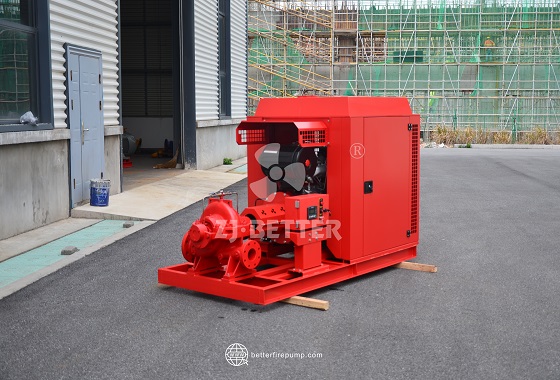
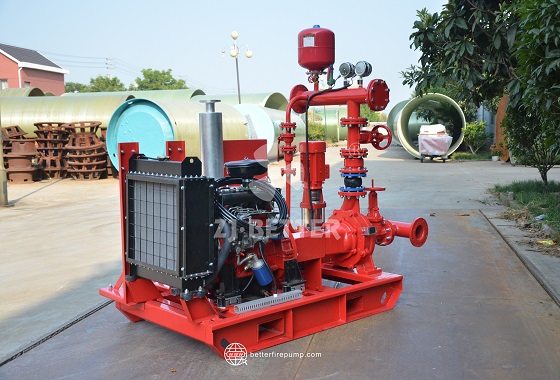
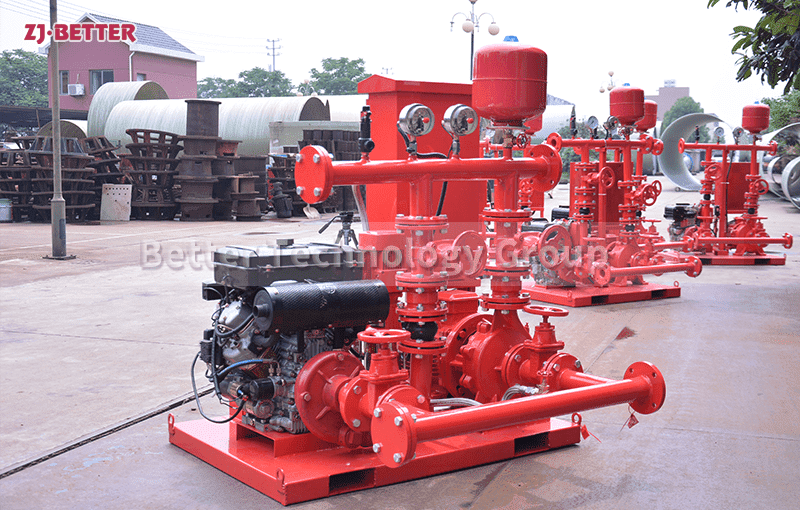
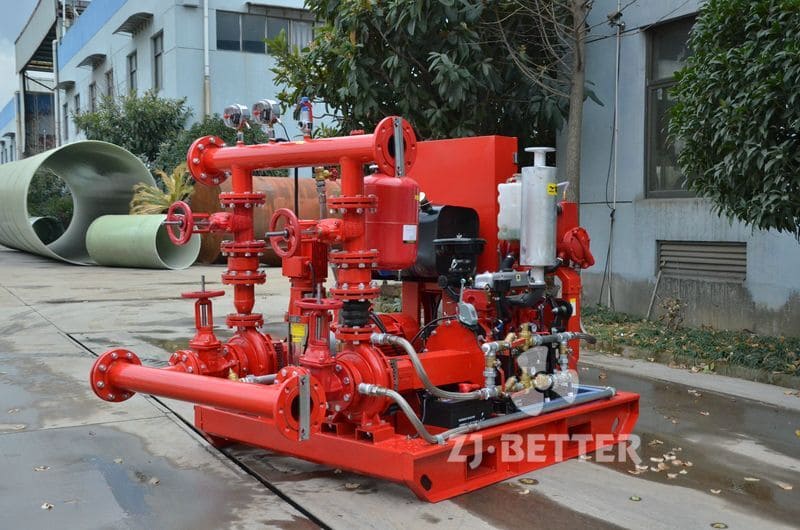
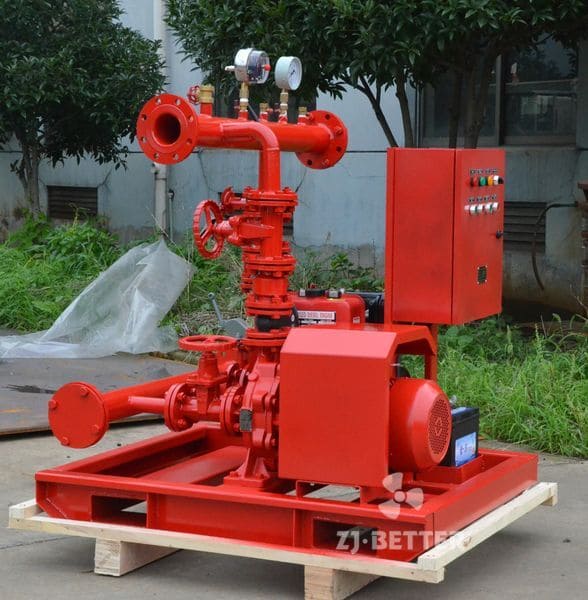
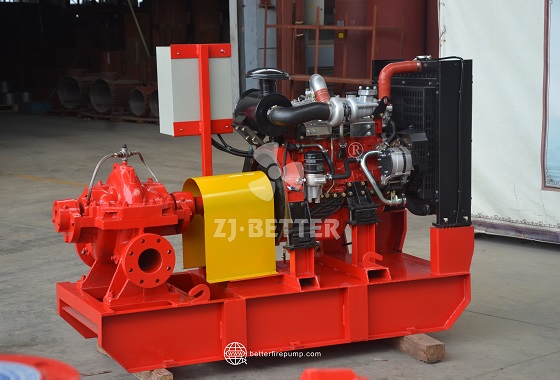
High-pressure diesel fire pumps are designed specifically for high-rise buildings, providing independent energy, powerful head, and continuous and stable water supply performance. They can operate reliably even during power outages, ensuring the pressure of fire sprinkler and fire hydrant systems, and providing reliable emergency fire water supply solutions for high-rise facilities such as office buildings, commercial complexes, and residences.
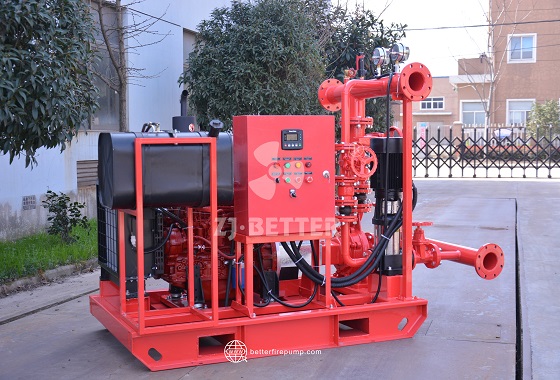
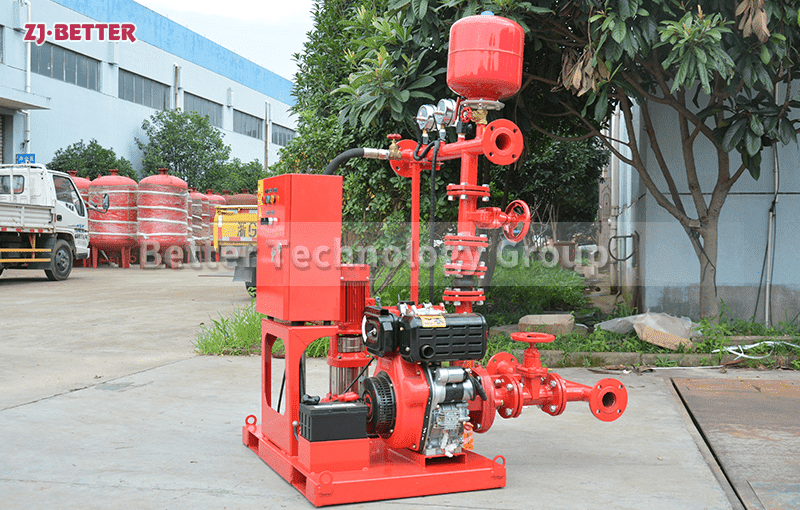
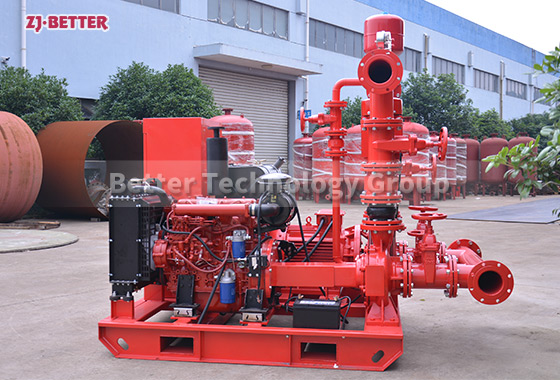
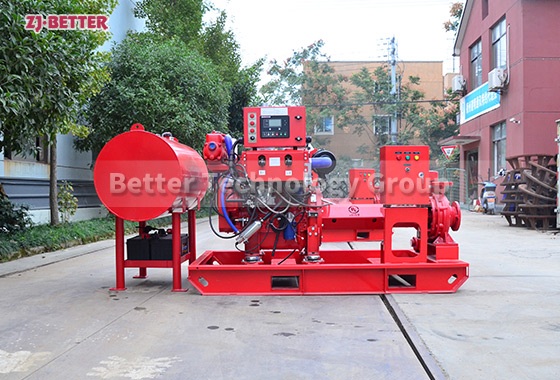
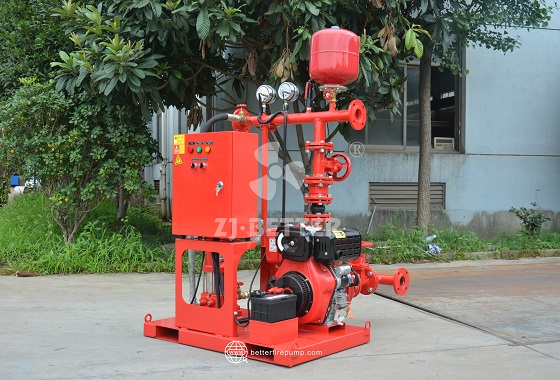
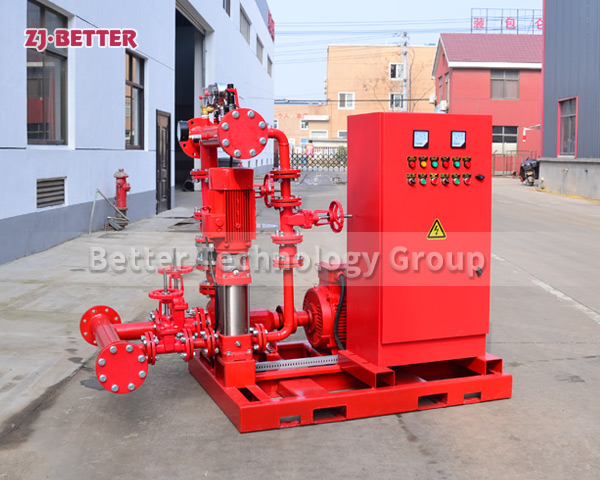
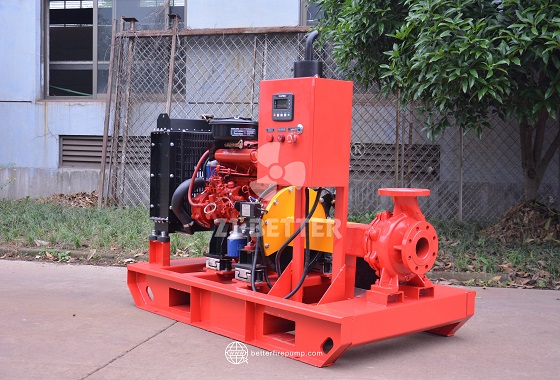
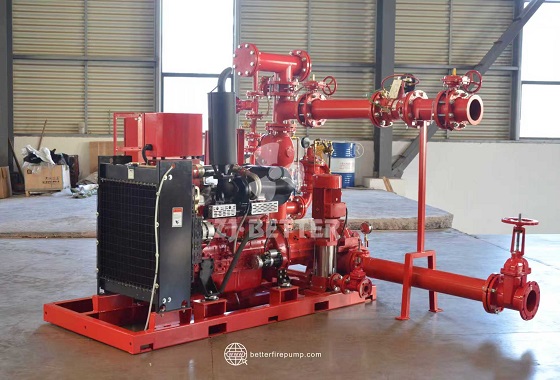
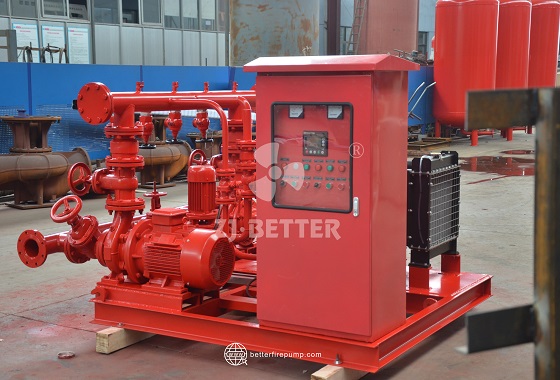
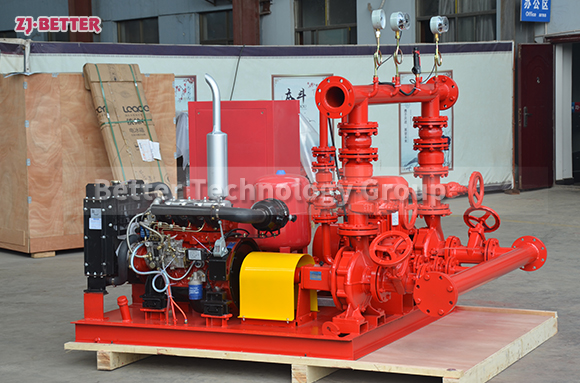
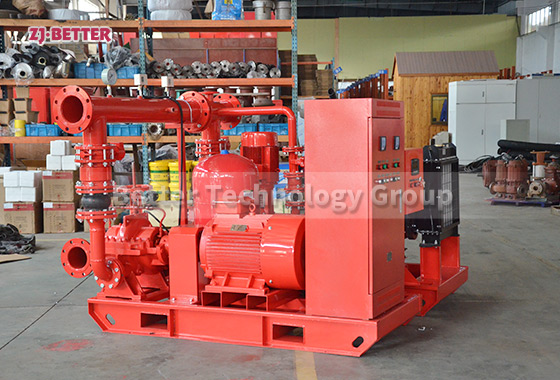
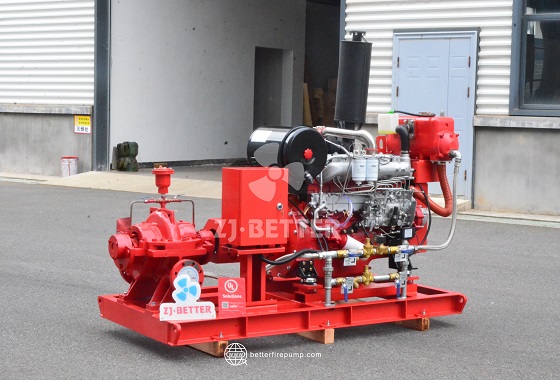
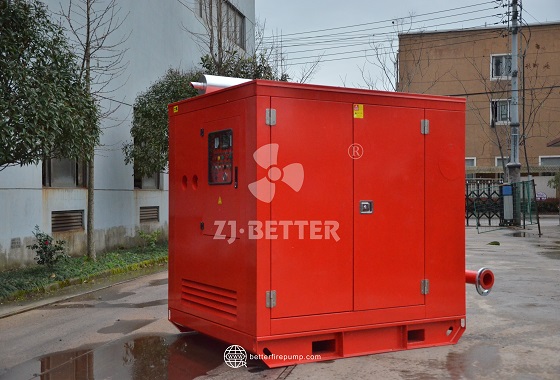
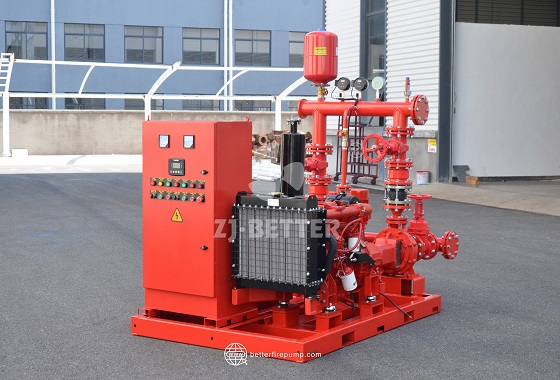
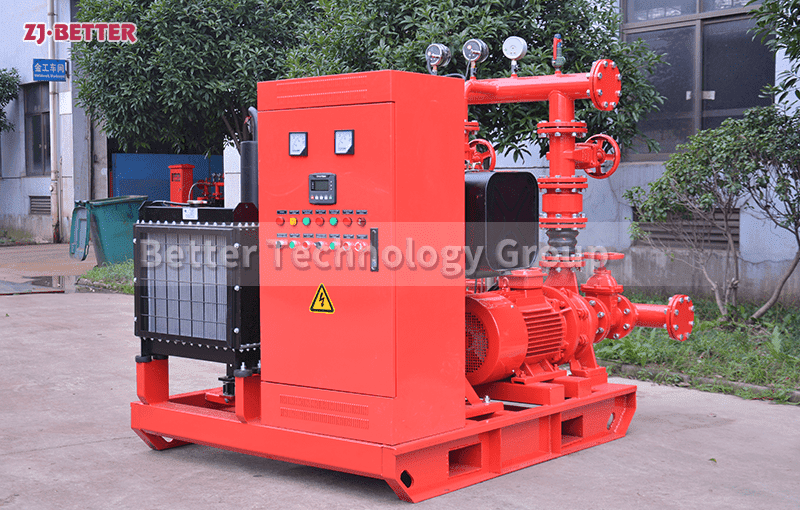
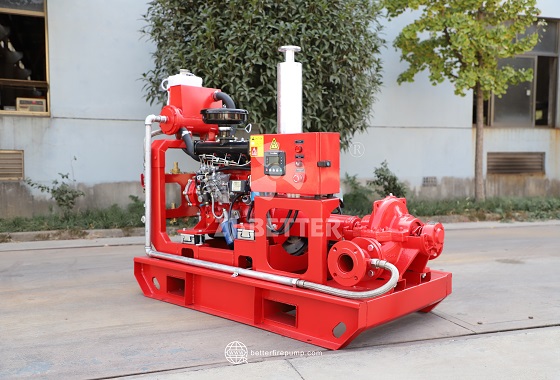
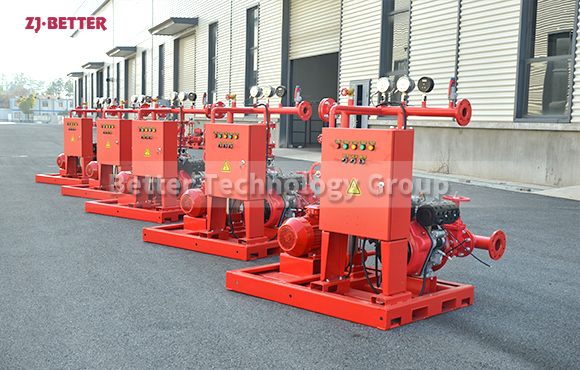
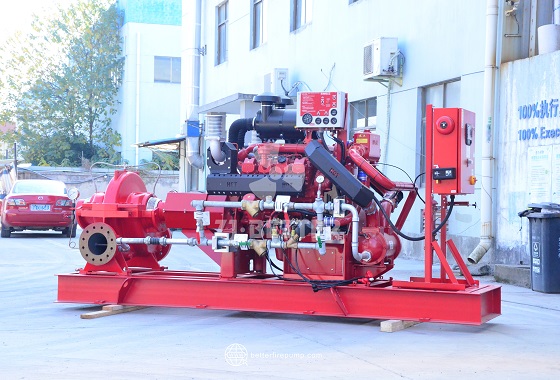
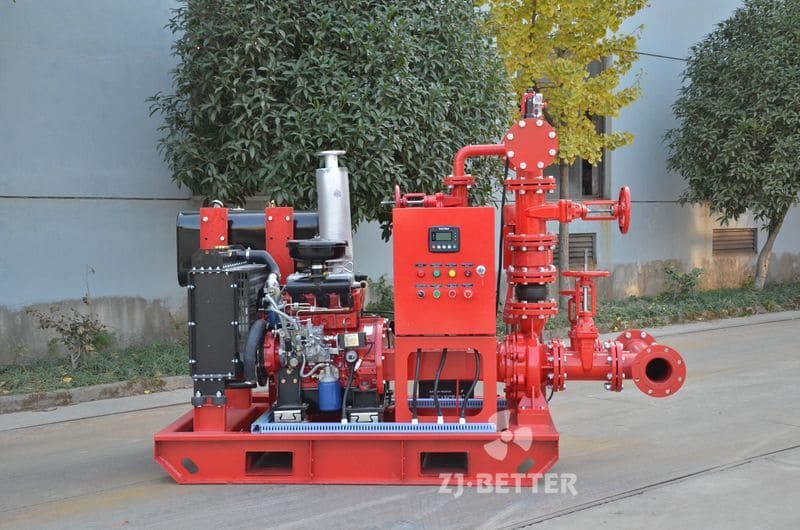
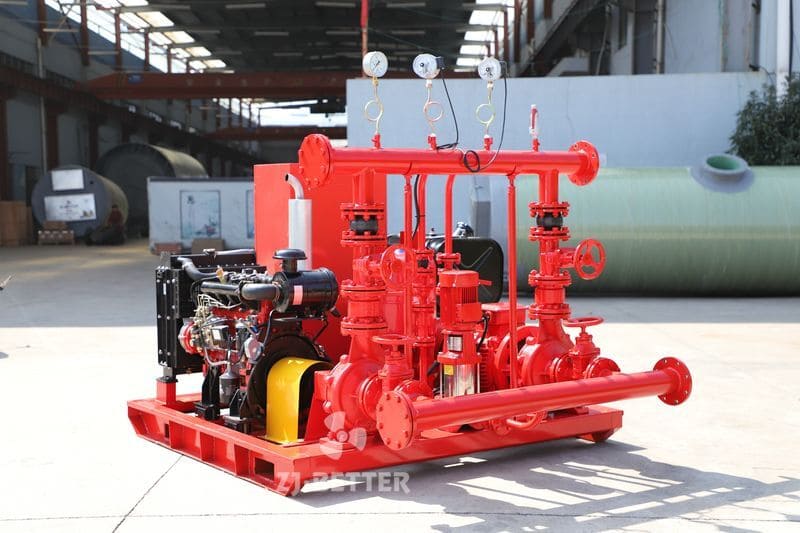
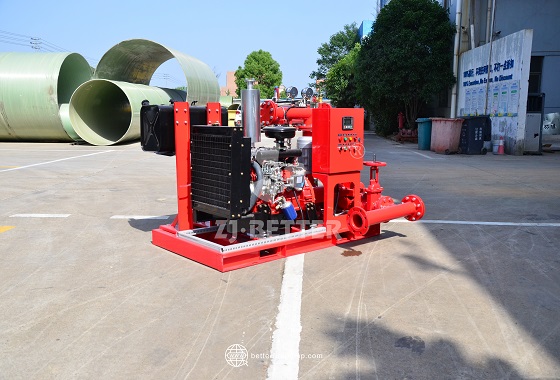
With the rapid development of modern cities, the number of high-rise buildings is constantly increasing. Whether it is office buildings, commercial complexes, or residential apartments, fire safety systems face higher technical requirements. High-rise structures mean higher vertical water supply distances, and high-rise fire water supply systems must have powerful head, reliable energy, and continuous operation capabilities. Therefore, high-pressure diesel fire pumps specifically designed for high-rise buildings have gradually become core fire-fighting equipment. They do not rely on municipal power and can operate independently in the event of power outages, disasters, or pipeline failures, playing an irreplaceable role in ensuring the fire emergency response capabilities of high-rise buildings. These units are driven by diesel engines and achieve high-lift water supply through high-performance pump heads, suitable for 60-meter and 100-meter… For buildings even taller than 10 meters, these pumps provide stable pressure in fire sprinkler systems, fire hydrant systems, and high-pressure atomization fire suppression networks. Their structure typically includes a diesel power system, coupling, pump body, control panel, cooling system, fuel tank, and auxiliary starting system. All components are integrated into a robust base for rapid installation and stable operation. Their core advantages are: firstly, complete energy independence. Traditional electric fire pumps rely on the power grid; in the event of a fire, damage to the electrical wiring can cause a power outage, preventing the pump from starting. Diesel fire pumps, however, require no external power, relying on internal combustion to ensure operation under any circumstances. Therefore, they can maintain water supply capacity even in earthquakes, lightning strikes, fire source disruptions, power outages, and even wartime conditions. Secondly, they offer strong head capacity. Their fluid dynamics design prioritizes pressure output. By strengthening the impeller structure and precise hydraulic matching, the pump body can still irrigate rooftop fire hoses or sprinkler systems in high-rise environments, avoiding pressure loss that could prevent firefighting. The pump end uses high-rigidity materials and a hydraulically optimized structure, ensuring stable operation under high pressure conditions. Cavitation damage can occur, but a booster device can be used to increase system pressure, making it suitable for the pressure requirements of different areas of the fire protection system. The third performance advantage is its sustainable operation capability. High-rise firefighting often takes a long time, and fire pumps must be able to operate continuously for hours or even longer. Therefore, the cooling system, lubrication system, fuel supply, and control system of diesel fire pumps are systematically designed to ensure stable operation over extended periods. Their engines meet industrial-grade standards, possessing high fuel efficiency and long lifespan, preventing high-temperature shutdowns or water supply interruptions due to malfunctions. Multi-level safety protections, such as automatic alarms or shutdowns for low oil pressure, high temperature, and pump overload, protect not only the equipment itself but also the building’s fire safety. The fourth advantage lies in intelligent control. Their control panels typically feature one-button start, automatic switching, signal feedback, and linkage functions, allowing connection to building fire automation control systems. Monitoring signals come from pressure sensors, flow switches, or fire alarm linkage systems. The pump unit can automatically start pressurization or operate at full flow, reducing manual intervention time and improving response efficiency, which is crucial for fire scenarios requiring rapid response. Furthermore, these pump sets have a compact structure and small footprint, making them easy to install in machine rooms, pump rooms, or basements. The base and stable mounting plate design ensures low vibration and convenient maintenance. Combined with dry mechanical seals, water-cooled or air-cooled systems, and corrosion-resistant coatings, the equipment is suitable for various regions and climates, including coastal saline areas and tropical high-temperature regions, maintaining stable performance even during long-term operation. In terms of maintenance, its modular components can be quickly disassembled and assembled, facilitating inspection and maintenance. Consumable parts such as filters, oils, impellers, and sealing materials can be quickly replaced, ensuring low operating costs. Meanwhile, the pump body is made of cast iron, alloy, or wear-resistant coated materials, and the impeller is balanced to maintain efficient delivery under high pressure loads, improving durability and stability. This pump set can serve not only as the main fire pump for high-rise buildings but also as a backup pump or emergency pressure booster pump. It is suitable for office buildings, chain shopping malls, high-rise residential buildings, hospitals, airport towers, and urban complexes. In fire protection systems, it is typically combined with electric pumps and pressure-stabilizing pumps to form a complete fire water supply system. The electric pump handles daily tasks, while the diesel pump is responsible for emergency start-up in case of power failure. This redundant design improves system reliability and better complies with modern fire regulations and standards. In summary, this high-pressure diesel fire pump provides stable vertical water supply for high-rise buildings, possessing advantages such as strong power, independent energy source, high head output, long-term operating capability, intelligent control, easy maintenance, high durability, and strong environmental adaptability. Its design concept is based on ensuring uninterrupted water supply in the event of a fire, protecting the building structure and the safety of personnel. By providing reliable pressure for fire sprinklers, fire hydrants, and automatic fire extinguishing systems, it has become an indispensable core piece of equipment in modern high-rise building fire protection systems. It is not only a water pump but also a crucial guarantee of the safety system. With the continued development of urbanization in the future, its importance will become even more prominent, making it an indispensable core force in fire protection systems.
管道泵(不锈钢304316L).jpg)