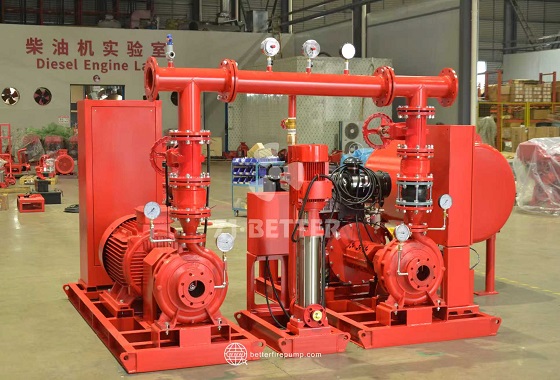
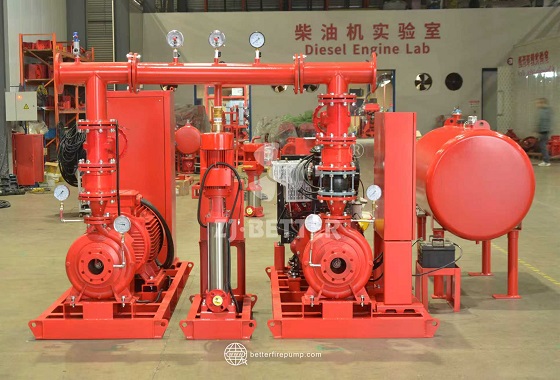
Dual Power Emergency Fire Pump System for Power Failure Conditions
Dual power emergency fire pump system combining electric and diesel driven pumps to ensure uninterrupted fire water supply during power outages and extreme conditions. Featuring automatic control, pressure stabilization, high efficiency performance and reliable operation, ideal for industrial, commercial and municipal fire protection applications.
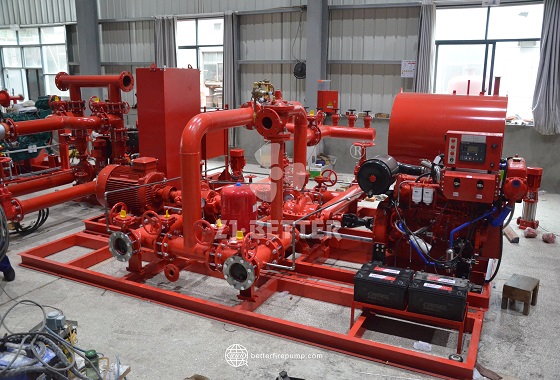
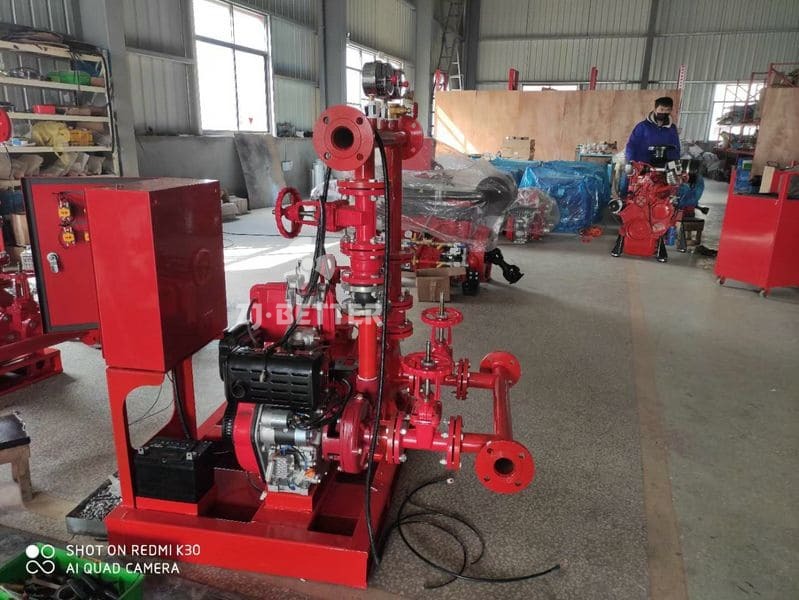
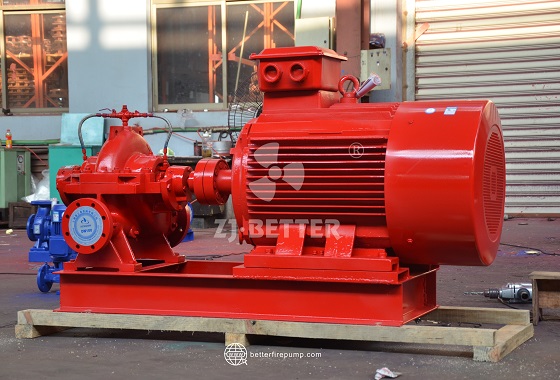
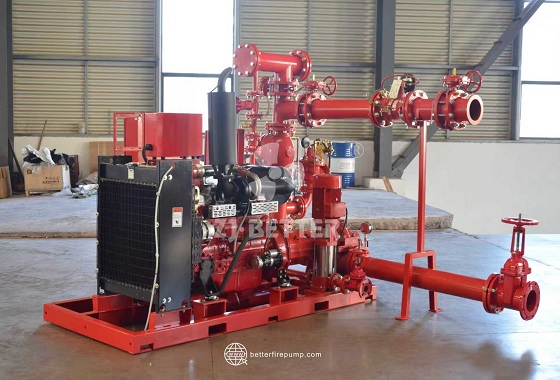
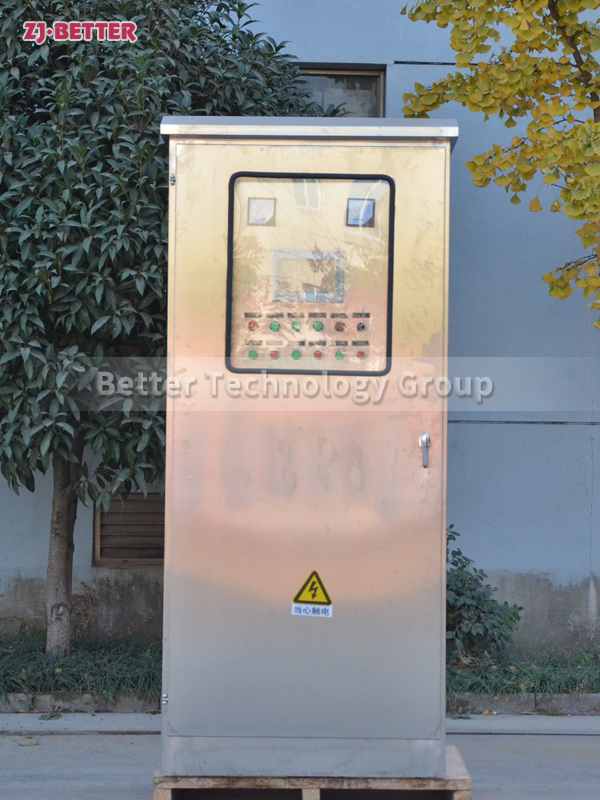
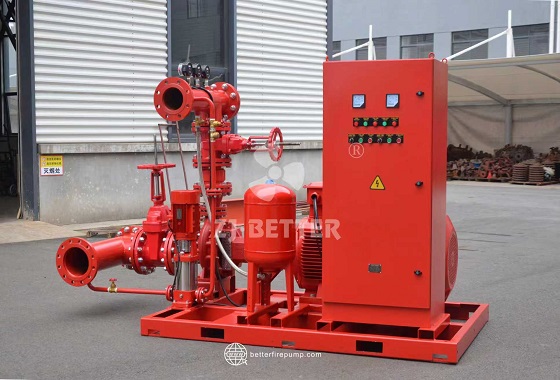
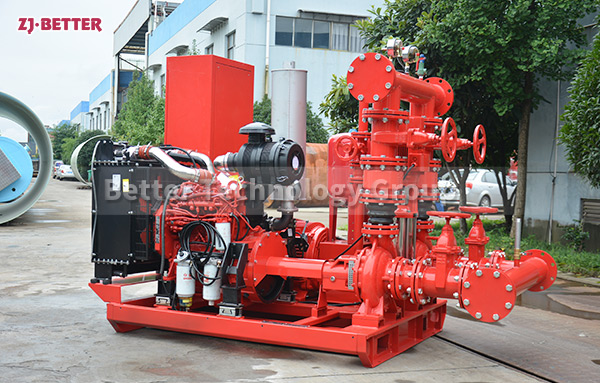
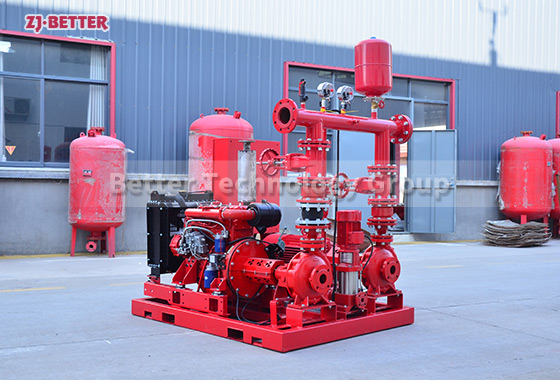
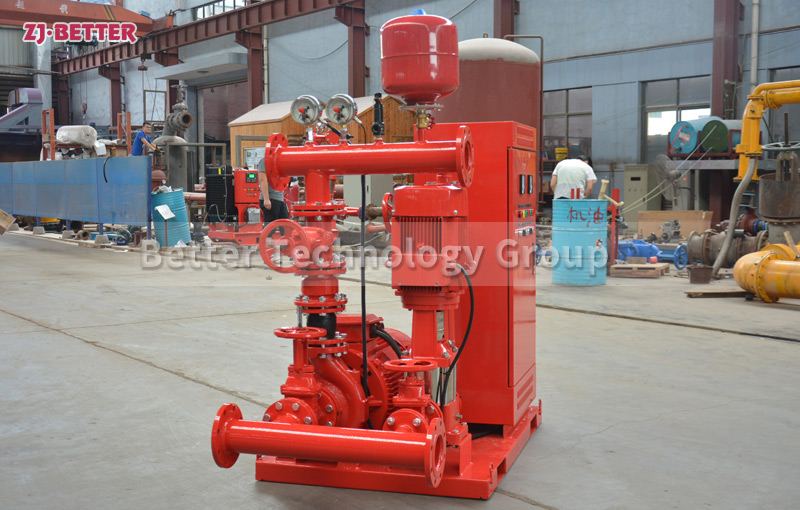
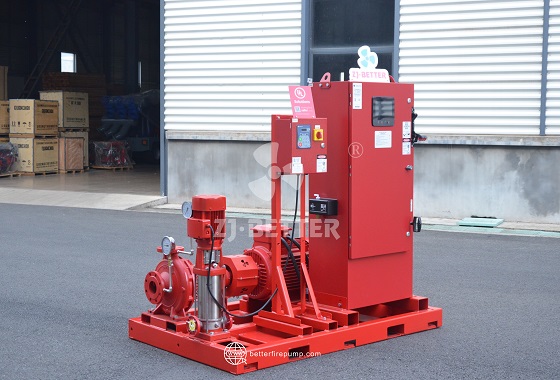
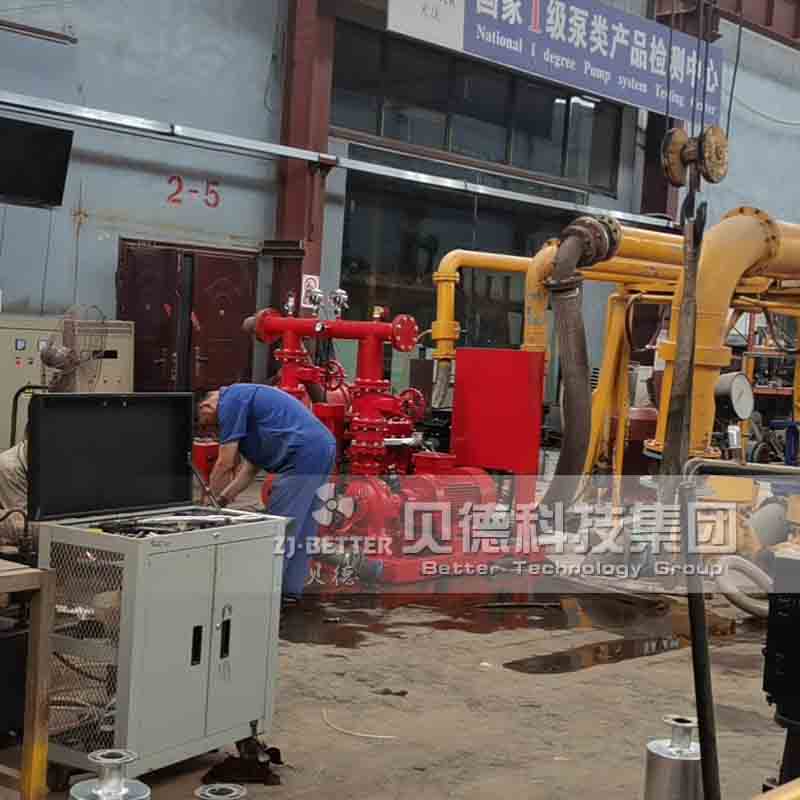
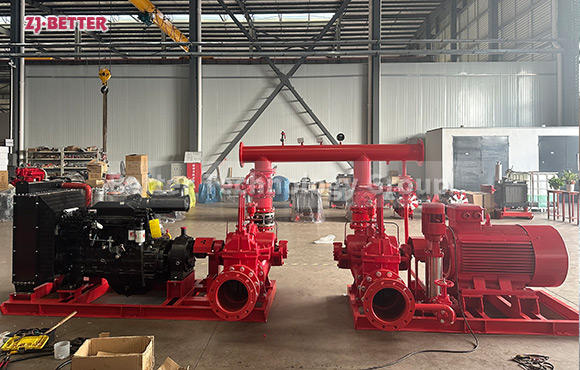
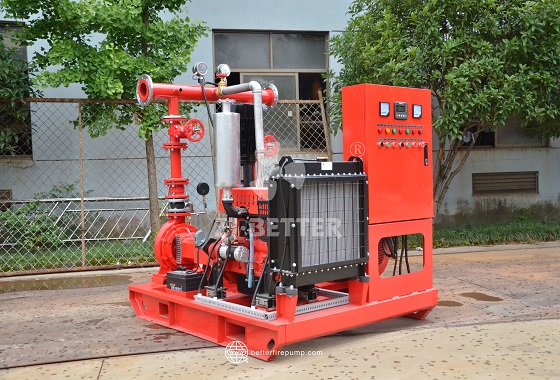
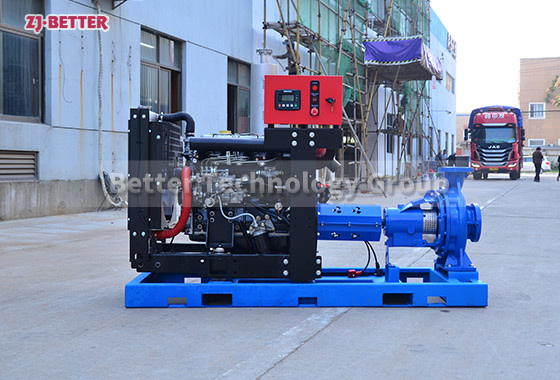
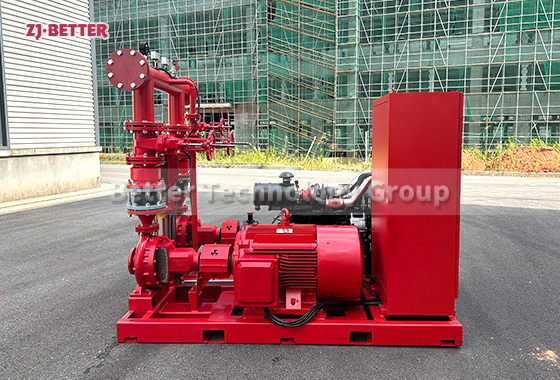
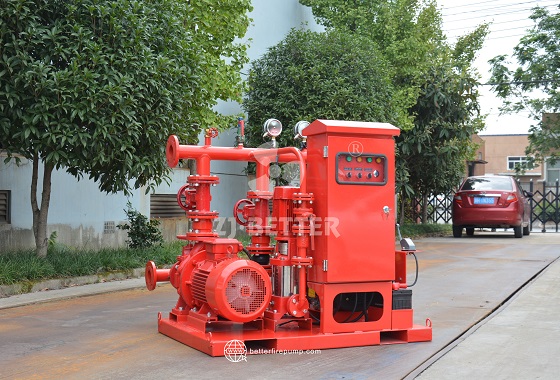
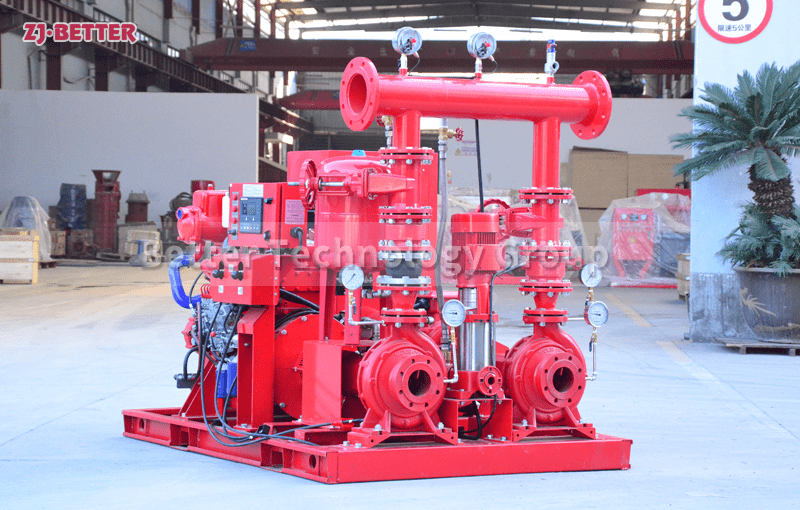
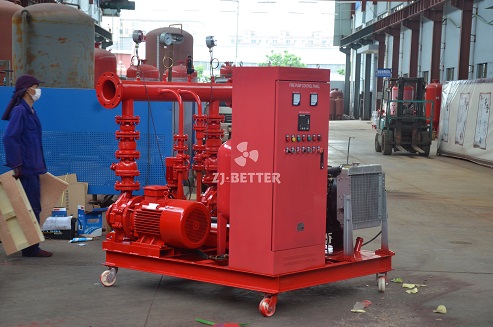
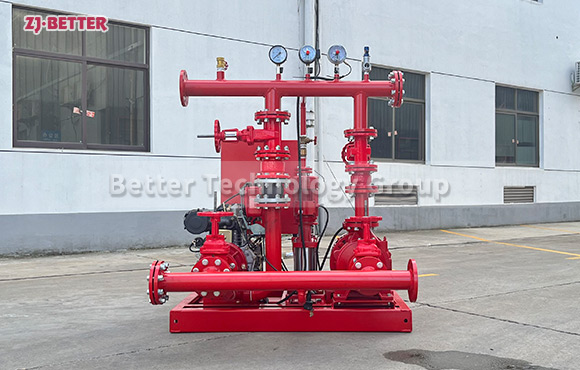
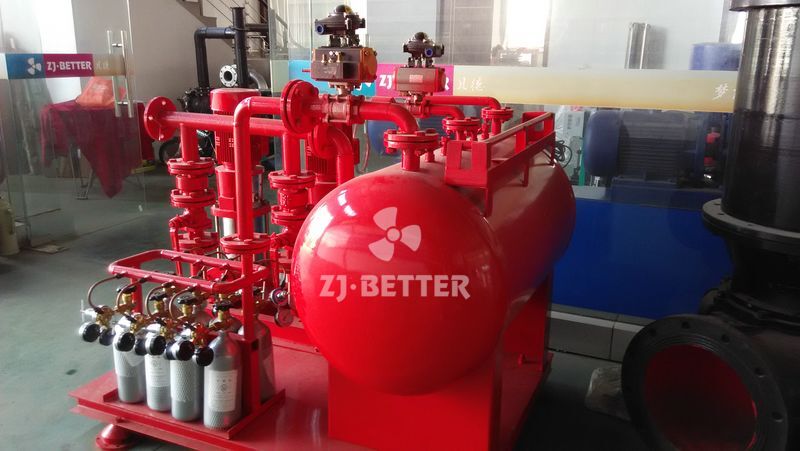
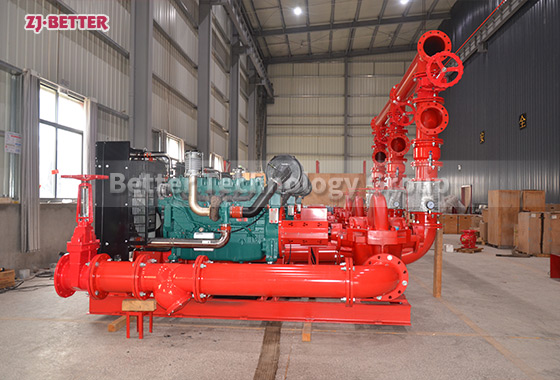
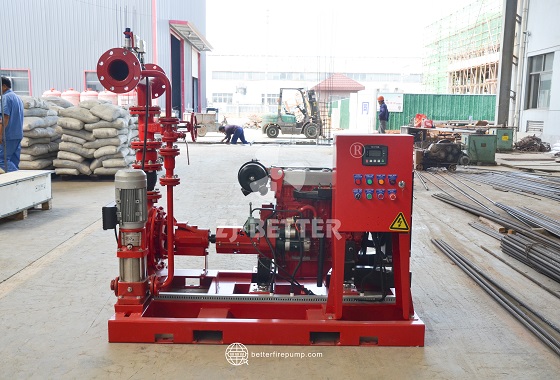
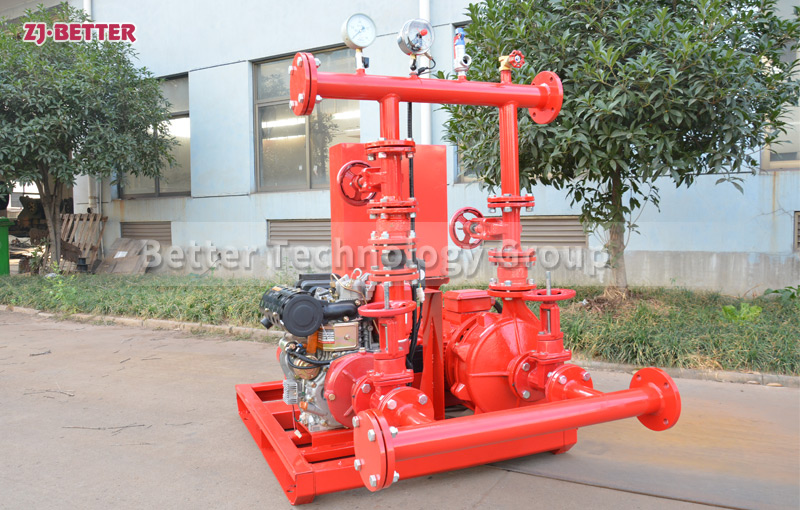
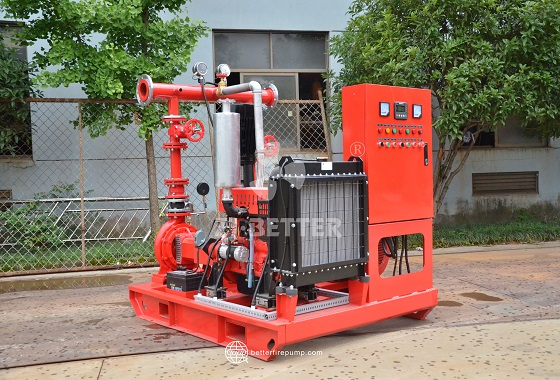
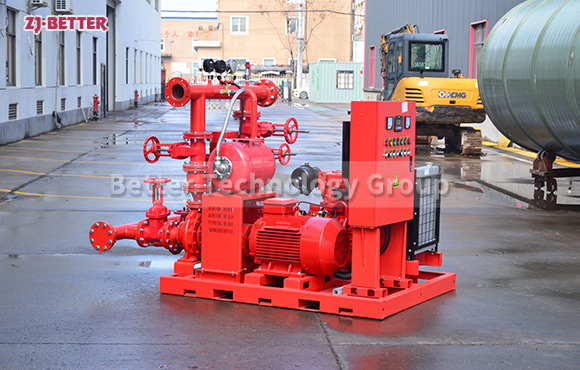
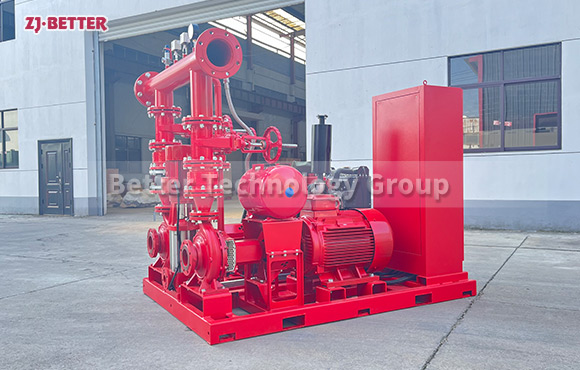
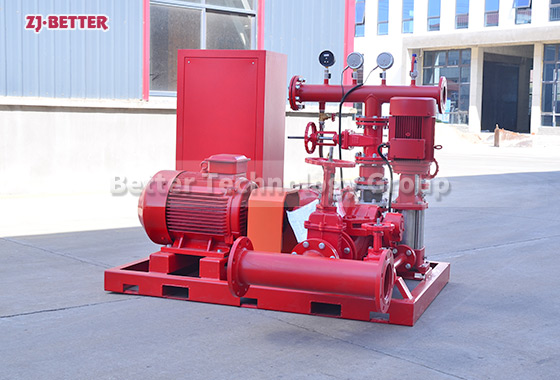
The Dual-Power Emergency Fire Pump System is designed to operate effectively during power outages and in extreme environments; it represents a highly reliable, comprehensive fire water supply solution tailored to meet modern fire safety requirements. It is widely deployed in critical facilities such as industrial plants, petrochemical complexes, warehousing and logistics centers, large-scale commercial complexes, high-rise buildings, and municipal public infrastructure. The core design philosophy centers on a dual-power configuration—combining electric motor and diesel engine drives—to facilitate a seamless transition between primary and backup power sources. This ensures the continuous and stable operation of the fire protection system under any emergency scenario. Under normal utility power conditions, the electric pump assumes the primary water supply responsibility, offering advantages such as rapid startup, stable operation, low energy consumption, and convenient maintenance. However, in the event of a power outage, power supply anomaly, or electrical system failure, the diesel pump automatically takes over operations, drawing upon an independent fuel system to provide continuous power and guarantee an uninterrupted fire water supply. This fundamentally resolves the reliability risks inherent in single-power systems when operating under extreme conditions. Furthermore, the system is typically equipped with pressure-stabilizing devices and pressure tanks to maintain stable pressure within the pipe network; in the absence of a fire or in cases of minor leaks, a jockey pump replenishes the water supply, thereby preventing the frequent starting and stopping of the main pumps—a measure that effectively extends equipment service life and reduces operational energy consumption. In practical operation, the system… The system achieves fully automated management through an intelligent control cabinet, enabling real-time monitoring and control of critical parameters such as pressure, flow rate, temperature, rotational speed, and voltage. It features automatic start-up, automatic switching, automatic alarm, and remote monitoring capabilities. Should the pipeline network pressure drop to a pre-set threshold, the system immediately activates the main pump to replenish the water supply; this rapid response ensures that the fire protection system becomes operational without delay. In terms of structural design, this type of fire pump system typically employs a high-efficiency centrifugal pump configuration. Its fluid channels are optimally designed, resulting in superior hydraulic performance and the ability to maintain high operational efficiency under conditions of high head and high flow rate. The pump body is typically constructed from high-quality cast iron or stainless steel, offering excellent corrosion and abrasion resistance, making it suitable for use in a wide variety of complex water quality environments. Furthermore, the mechanical seals and bearing systems feature a reinforced design, ensuring high operational stability and extended maintenance intervals, thereby effectively reducing long-term operating costs. Regarding the diesel engine component, an industrial-grade engine is selected as the power source, characterized by reliable starting, strong adaptability, and sustained operational endurance; it remains capable of stable operation even in environments characterized by extreme heat, cold, or high humidity. Additionally, the system is equipped with an electric starter and a battery system to ensure rapid ignition and start-up during emergency situations. The fuel system is rationally designed to support prolonged periods of continuous operation. To meet the demands of prolonged firefighting operations, the control system employs a modular design philosophy that supports multiple control modes—including automatic, manual, and remote control. The user interface is clean and intuitive, enabling on-site personnel to quickly master its operation. Furthermore, the system incorporates multiple safety features—such as overload protection, overvoltage protection, water-shortage protection, and diesel engine fault alarms—to effectively prevent equipment damage caused by operation under abnormal conditions, thereby further enhancing overall system safety. Regarding installation and maintenance, this type of integrated equipment typically features a skid-mounted structural design; its compact layout occupies minimal floor space, facilitates easy installation, and allows for flexible configuration based on specific site requirements, thereby reducing construction timelines and costs. Moreover, the equipment undergoes rigorous testing and commissioning prior to shipment, ensuring it can be rapidly put into service immediately upon arrival at the site. During long-term operation, maintenance tasks remain simple and convenient, with key components being easily replaceable—factors that collectively reduce both the difficulty and cost of maintenance. From an application perspective, this system is particularly well-suited for locations characterized by unstable power supplies or exceptionally stringent fire safety requirements. For instance, petrochemical facilities often experience power system outages during a fire; in such scenarios, the diesel-driven fire pump serves as the sole reliable source of water supply. Similarly, within large commercial complexes or high-rise buildings, dual-power systems… This system offers a superior level of security assurance and fully complies with relevant fire safety codes and standards. Furthermore, the system can be custom-designed to meet the specific requirements of different projects; parameters such as flow rate, head, power output, and control modes can be flexibly adjusted to suit fire safety installations of varying scales and types. In terms of energy conservation and environmental protection, the system minimizes unnecessary energy consumption through the intelligent configuration of pressure-stabilization mechanisms and main pump operational logic. Additionally, the diesel engine’s emission controls have been optimized to meet applicable environmental standards, thereby balancing high performance with environmental stewardship. Taken as a whole, the dual-power emergency fire pump system—by leveraging the synergistic operation of both electric and diesel drive modes—delivers a fire water supply solution characterized by exceptional reliability, stability, and efficiency. Its capacity to maintain continuous and stable operation even during power outages or in extreme environmental conditions renders it an indispensable asset in modern fire safety engineering, providing a robust security safeguard for a wide range of buildings and industrial facilities. Looking ahead, as intelligent and automated technologies continue to evolve, such systems are poised to advance further toward intelligent monitoring, remote operation and maintenance, and data-driven management, offering more efficient and precise technical support for fire safety administration and thereby comprehensively enhancing the responsiveness and operational performance of fire safety systems.