Independent Diesel-Powered Fire Pump Equipment – For Fire Protection Systems Requiring Backup Power
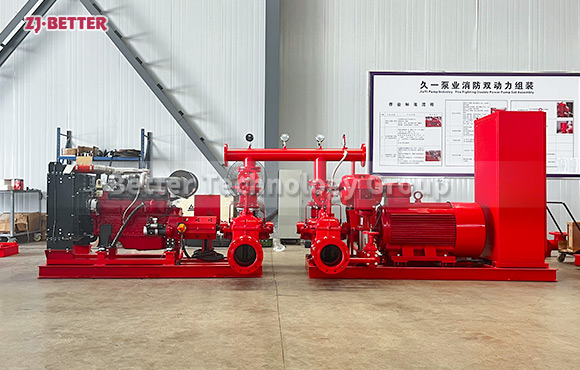
The independent diesel-powered fire pump unit is driven by a diesel engine and integrates a fire pump, radiator, control cabinet, and auxiliary components. It provides an autonomous pumping capability in the event of an external power failure, making it suitable for industrial sites, building facilities, and fire water supply systems that require a high level of backup power reliability.
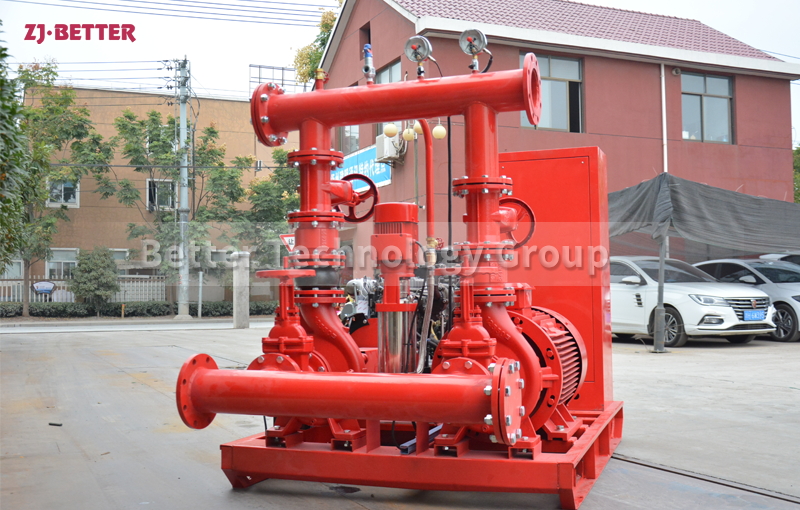
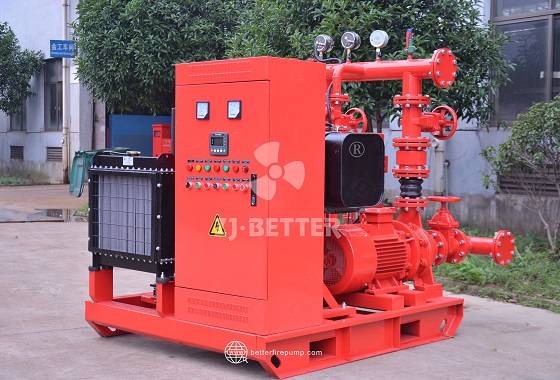
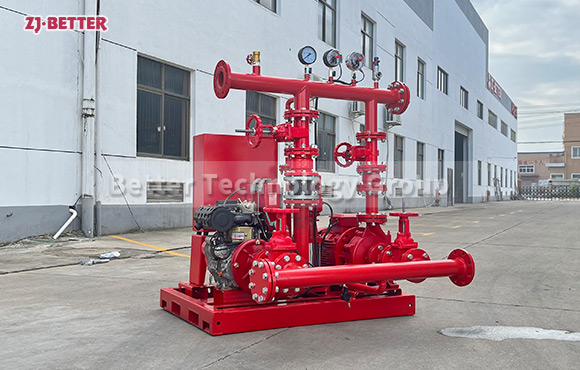
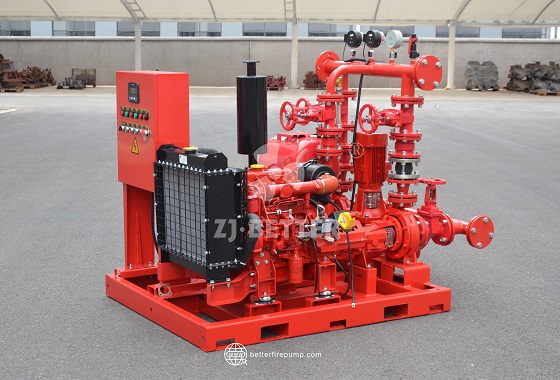
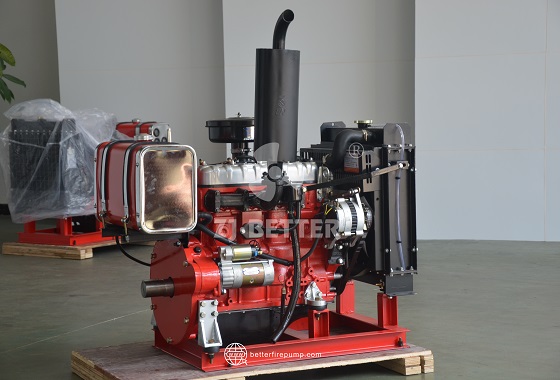
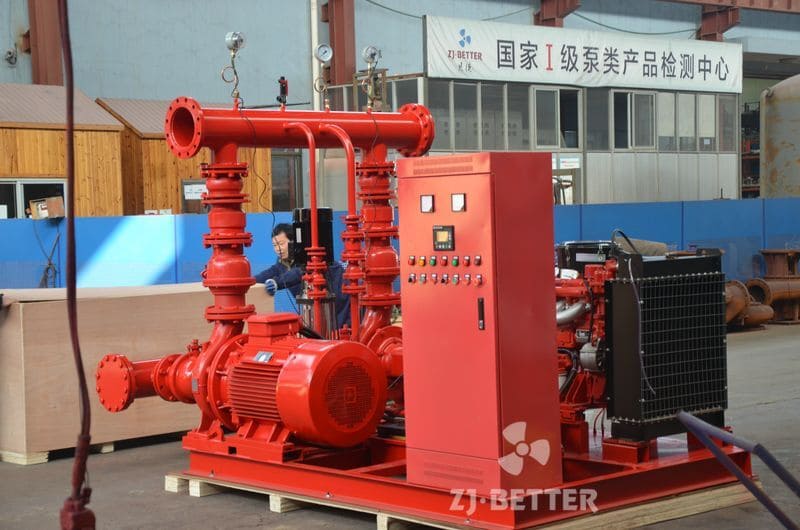
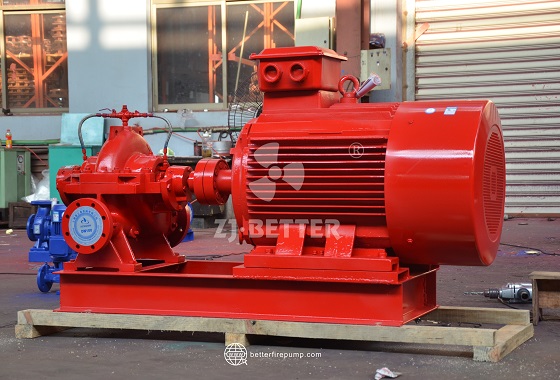
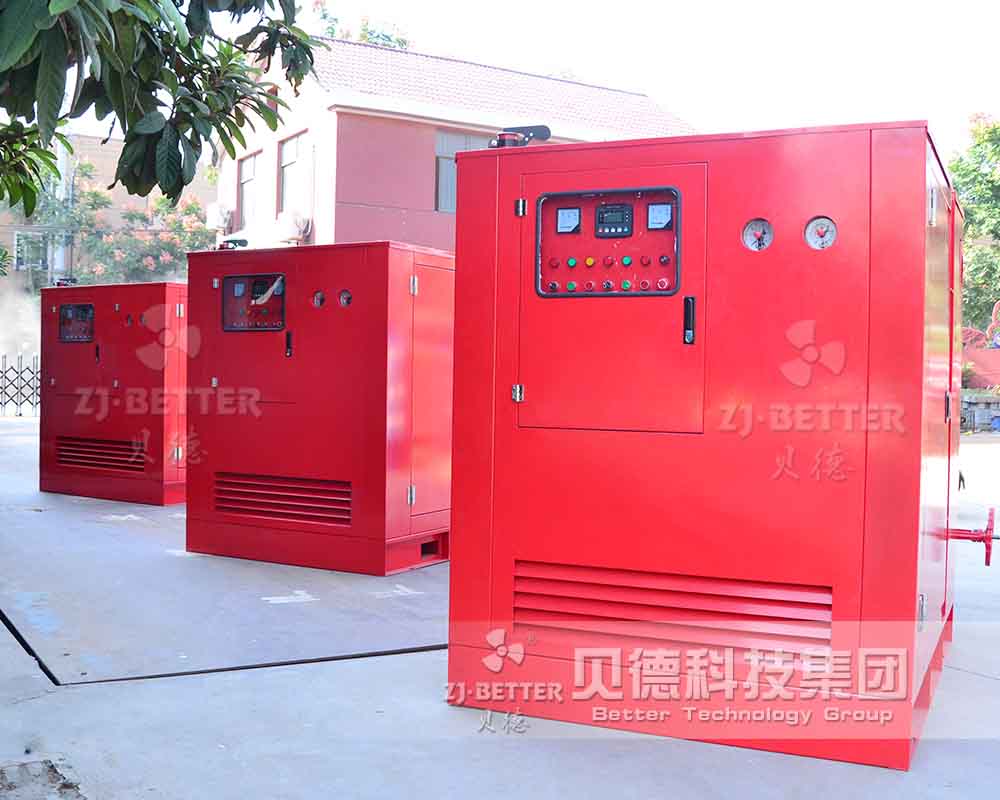
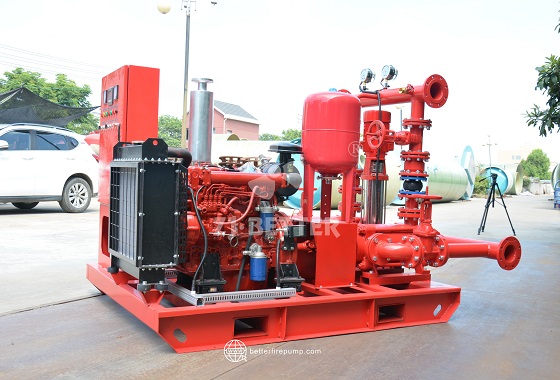
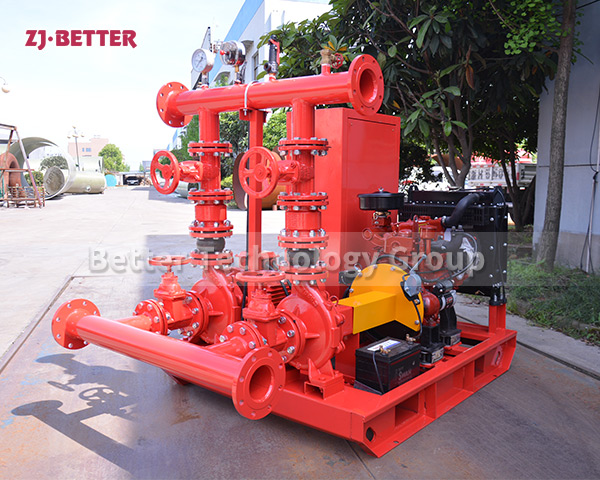
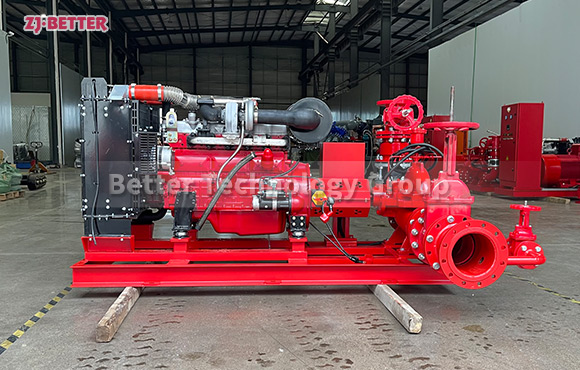
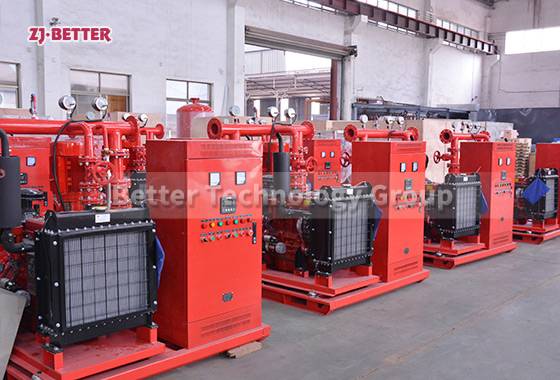
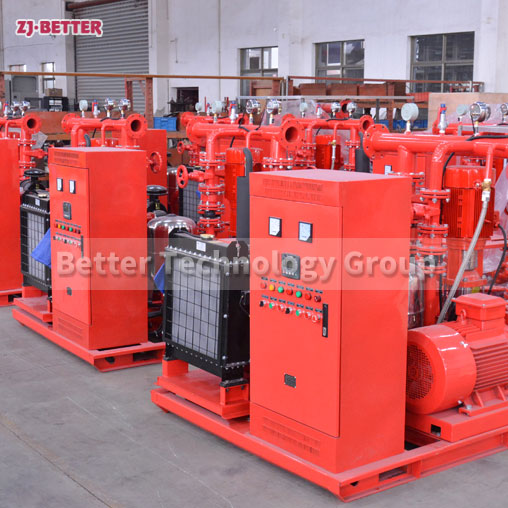
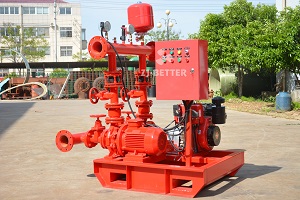
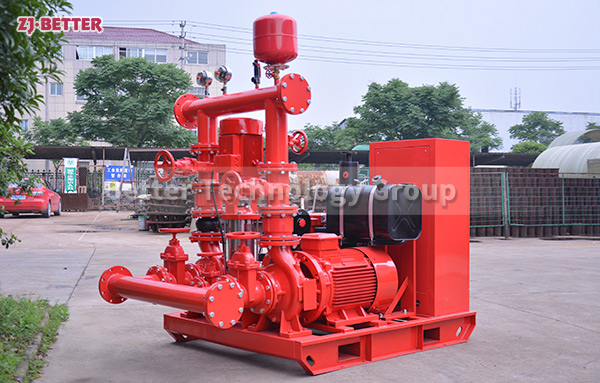
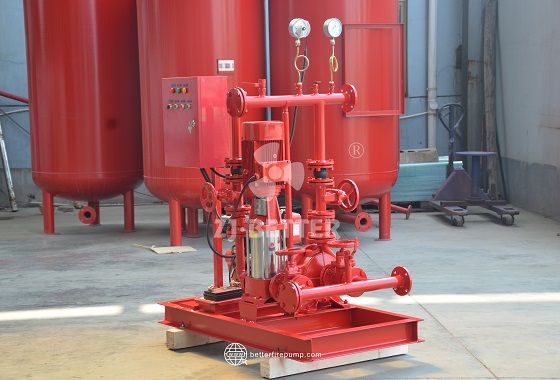
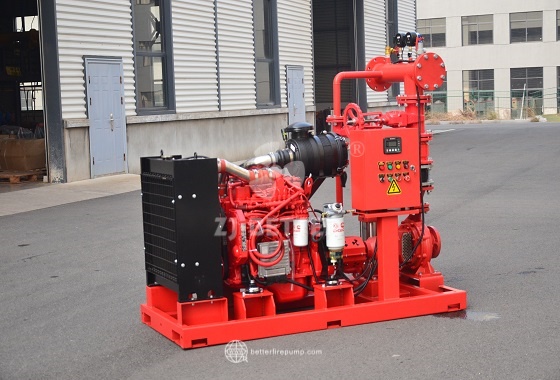
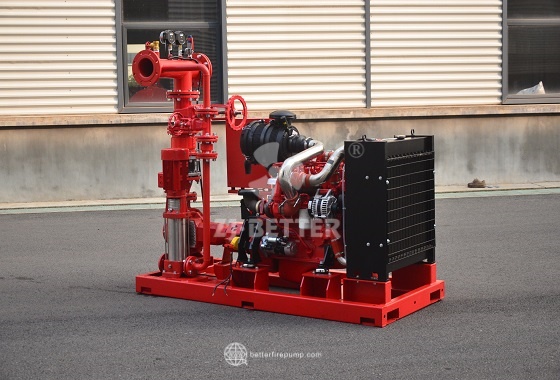
Independent diesel-powered fire pump units utilize a diesel engine as the prime mover to drive the fire pump, providing a backup water supply solution for buildings, industrial facilities, and other fire protection projects. Unlike electric motor-driven fire pumps, diesel-driven units can continue to operate during external power outages or periods of unstable power supply, making them ideal for applications that require high continuity in fire water supply and robust backup power capabilities. The equipment features a skid-mounted design, integrating the diesel engine, fire pump, radiator, exhaust system, and control cabinet onto a single base; this organized structure facilitates transportation, positioning, and on-site installation. As shown in the image, the unit includes a diesel engine and a dedicated radiator, which provides the necessary cooling to manage the heat generated during operation—with specific cooling methods and heat dissipation capacities determined by the engine configuration. The diesel engine drives the fire pump through a power transmission system; the engine’s power and rotational speed must be precisely matched with the pump’s flow rate and head to ensure the unit meets the design requirements of the fire protection system. The fire pump delivers water from the source to the fire protection piping network, with the pump type, port diameters, and hydraulic performance selected based on factors such as the required supply distance, system pressure, and actual water demand. The accompanying control cabinet manages electrical control and operational monitoring; specific features—such as starting methods, status displays, alarms, and protective functions—are defined by the chosen control system configuration. The skid-mounted base provides a unified support structure, reducing the need for separate on-site installation of the engine, pump, and auxiliary components, while also simplifying the inspection of power connections, piping interfaces, and overall equipment status. For projects where grid reliability is a concern, where a diesel-based backup power source is required, or where the fire protection system design mandates an independently driven pump unit, this equipment offers a viable alternative to purely electric-driven systems. In practical applications, users can specify the engine power, pump flow rate and head, radiator specifications, fuel system, and control scheme based on the requirements of the fire protection system, while also accounting for the available space in the mechanical room and the specific site environment. During installation, careful consideration must be given to engine intake and exhaust, cooling and ventilation, fuel supply, exhaust piping layout, and access space for maintenance, ensuring that the engine operates under optimal conditions. Before the equipment is put into service, the fuel system, lubrication system, cooling system, battery, and electrical connections must be inspected. Furthermore, the engine must undergo startup testing, pump performance verification, and control function checks in accordance with project specifications. Regular maintenance is also required to keep the equipment in a state of operational readiness. By utilizing an independent diesel engine drive, hydraulic water delivery via fire pumps, and an integrated configuration of auxiliary systems, diesel-powered fire pump units offer a reliable power solution for fire protection systems that require a robust backup power source. Specific water supply performance, operating modes, and the scope of application shall be determined based on the actual equipment model and the requirements of the engineering design.