Integrated Fire Water Pressure Maintenance Equipment – Combined Pump and Pressure Storage Components
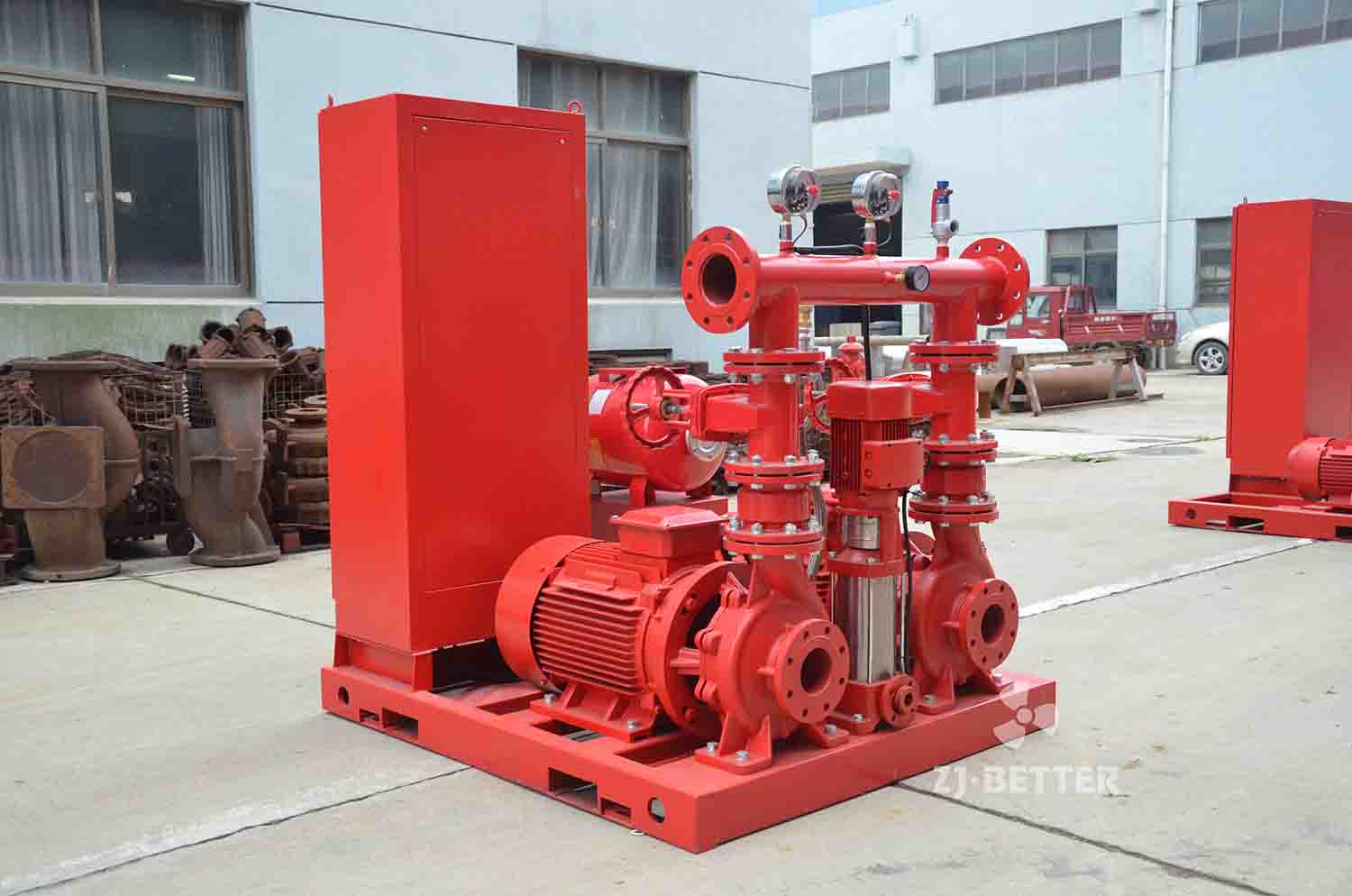
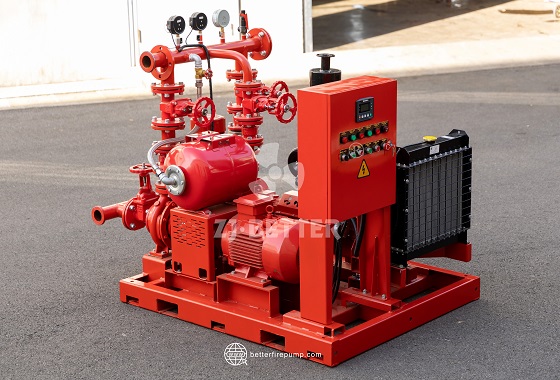
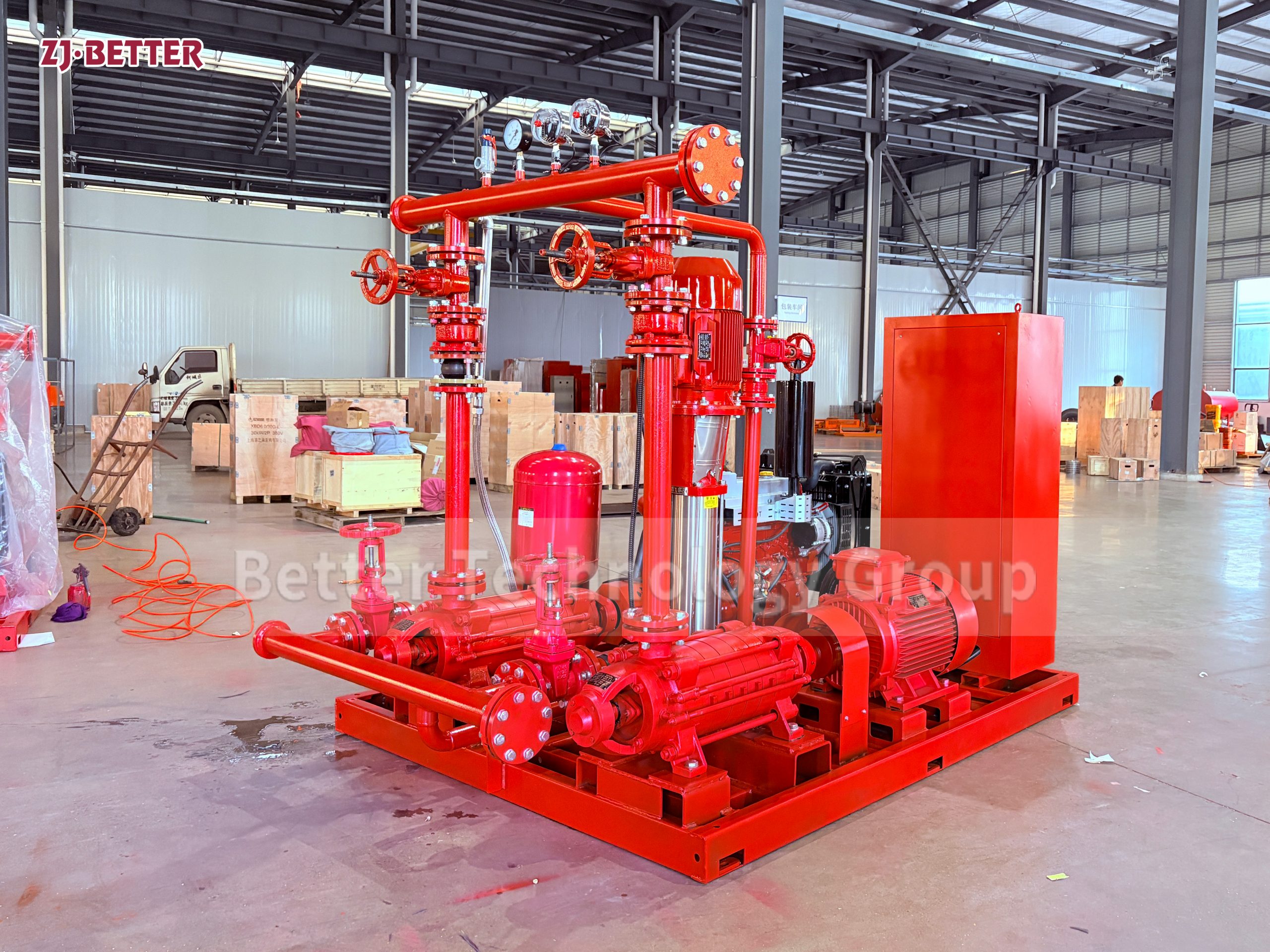
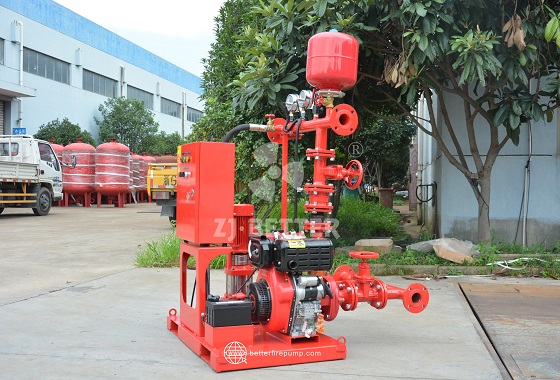
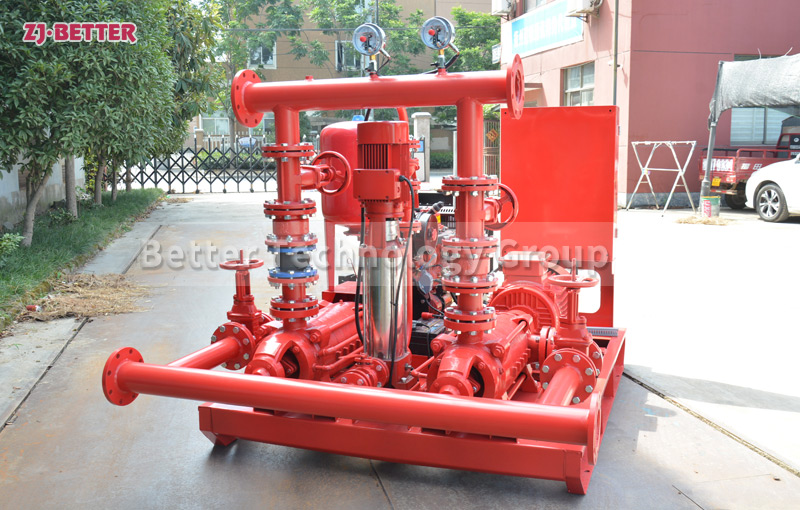
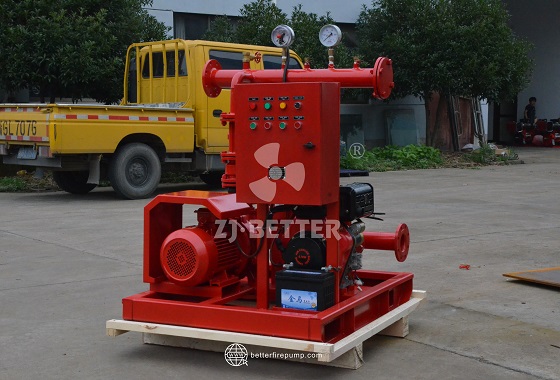
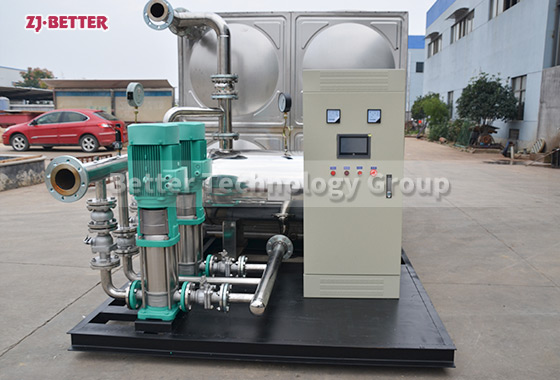
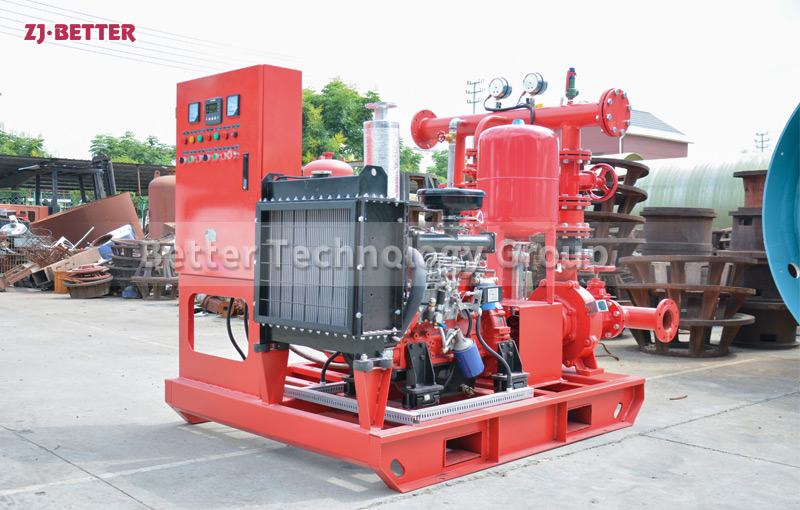
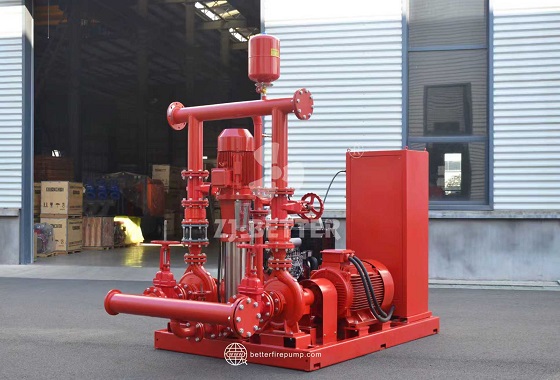
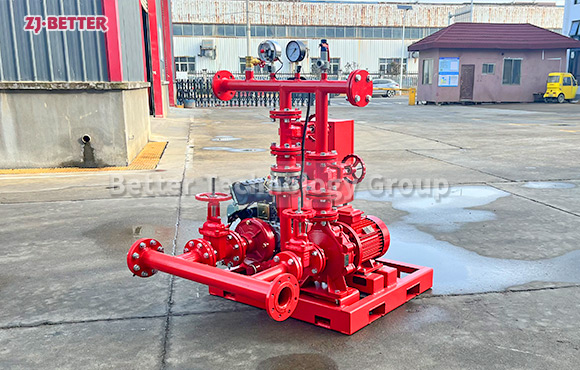
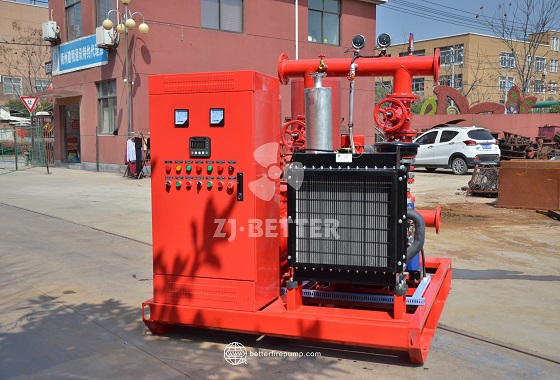
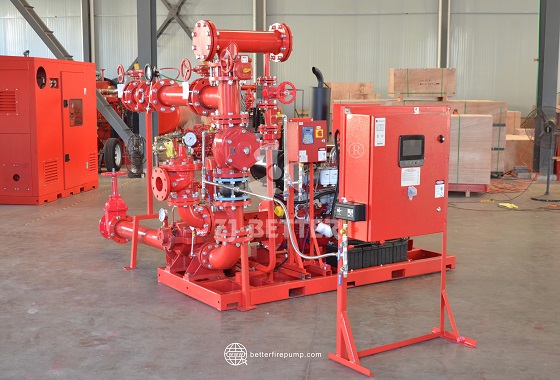
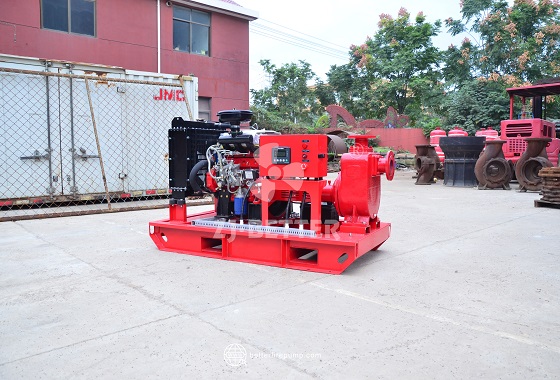
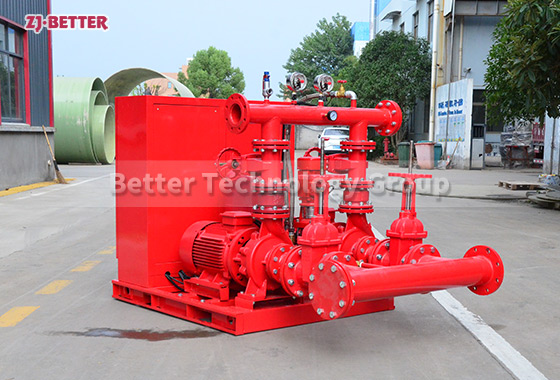
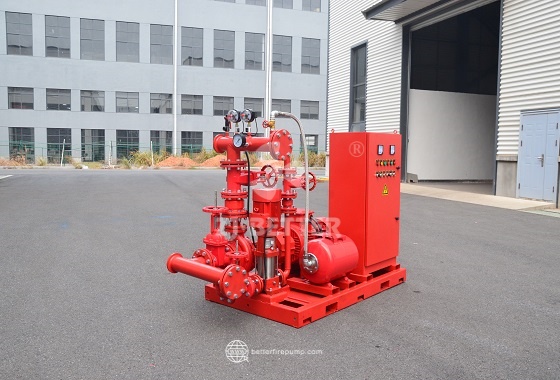
Integrated fire-fighting water pressure maintenance equipment combines a pressure-stabilizing pump, a pressure tank, pressure-sensing instruments, and an electrical control cabinet. It provides pressure compensation and buffering for fire-fighting piping networks. Characterized by a compact structure, centralized components, and ease of installation and maintenance, it is suitable for fire-fighting water supply systems in both buildings and industrial facilities.
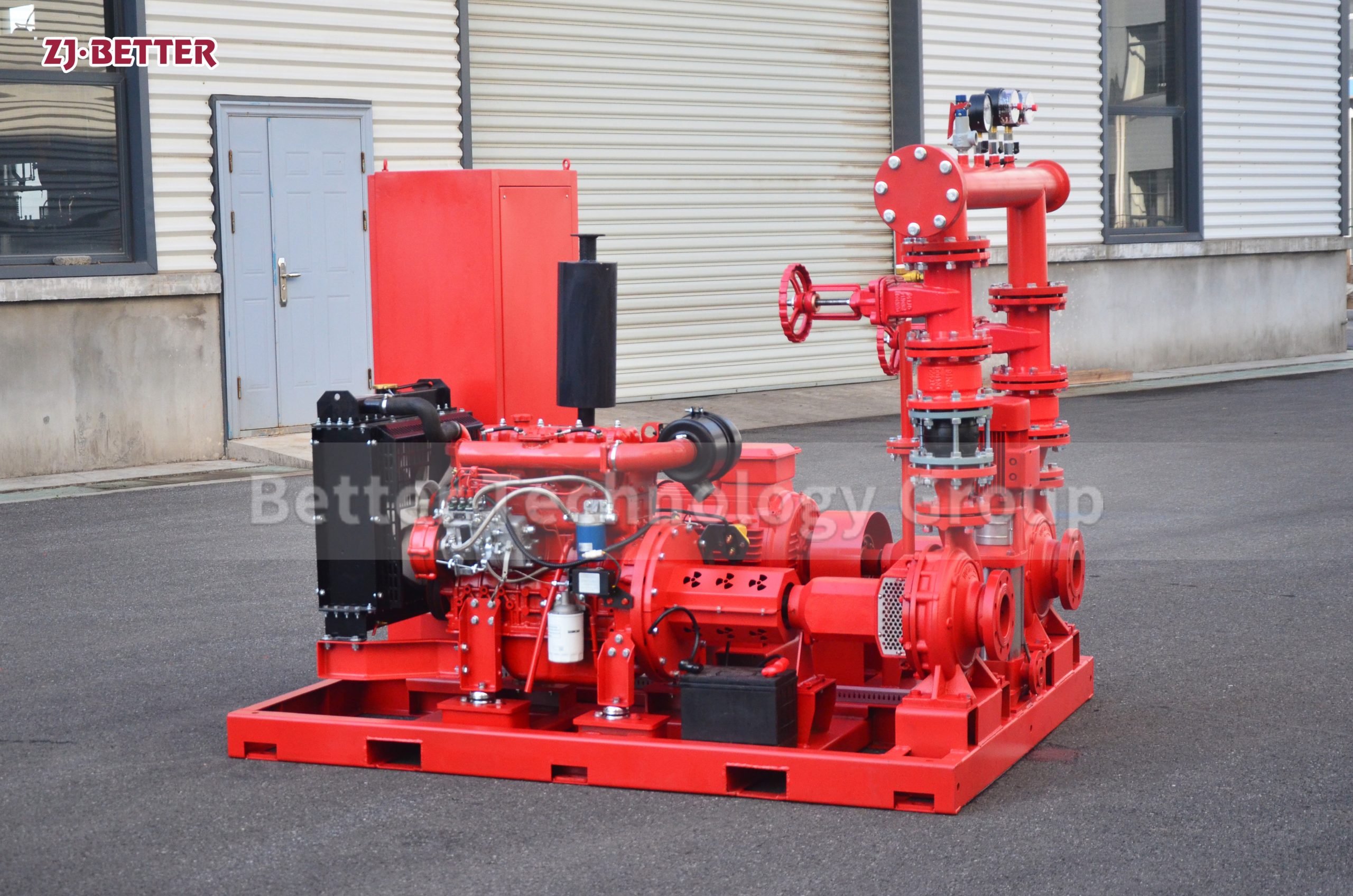
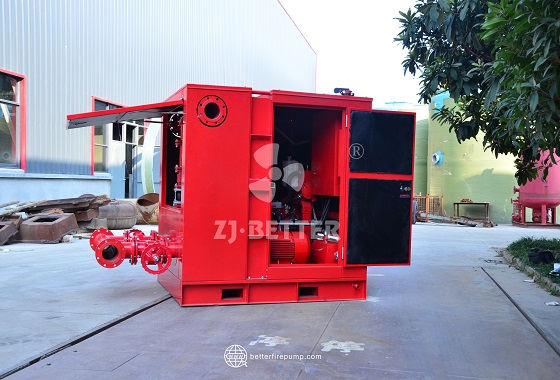
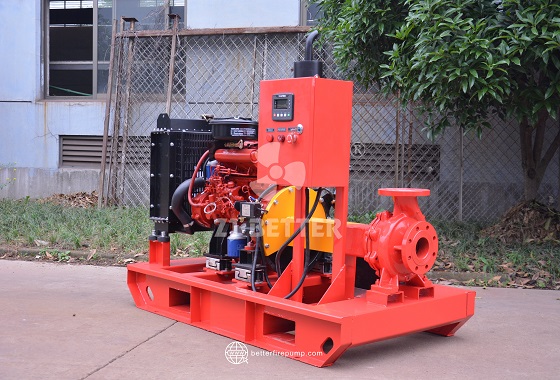
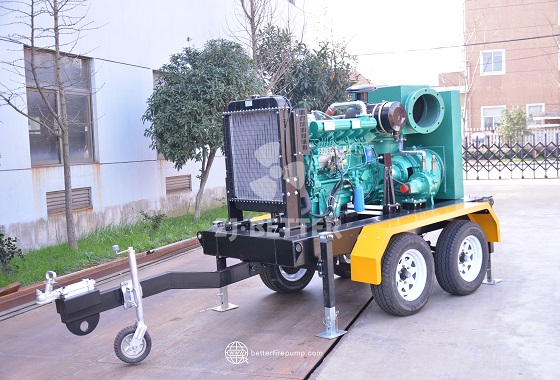
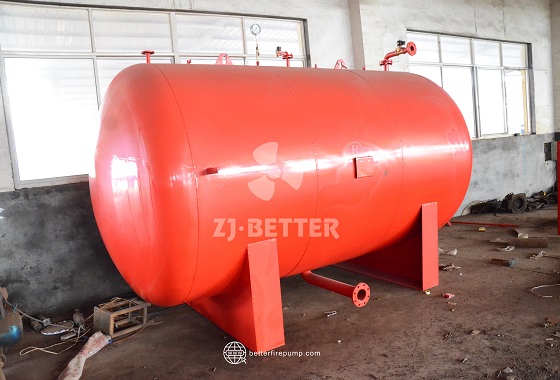
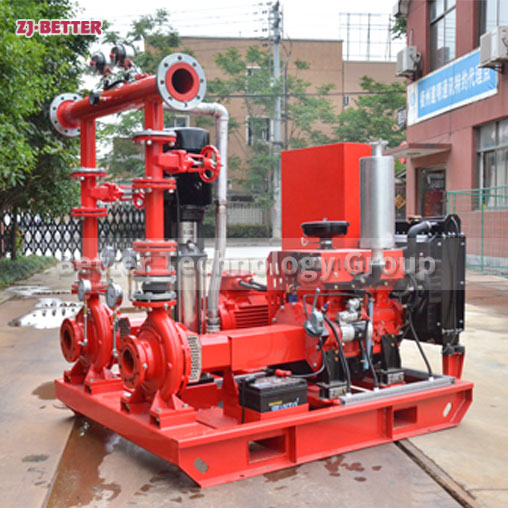
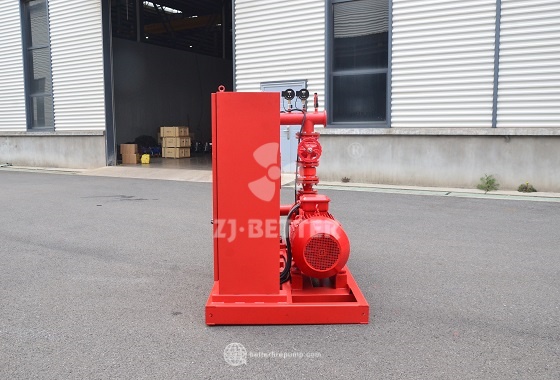
An integrated fire-fighting water pressure maintenance system is a complete water supply assembly designed for the routine pressure management of fire-fighting piping networks. It comprises a pump set, pressure-storage components, pressure-sensing instruments, piping and valves, and an electrical control cabinet, collectively providing pressure compensation and operational management for fire-fighting systems. The equipment features a skid-mounted base, which consolidates key functional components into a compact, unified layout. This design minimizes the labor required for on-site installation of individual components while facilitating transport, positioning, and piping connections. Structurally, the unit includes pumps and their drive systems, pressure tanks, integrated piping, valves, pressure gauges, and a control cabinet—all interconnected via piping and electrical systems to form a cohesive pressure management unit. The pump set serves as the core component for pressure compensation; the appropriate pump type and drive power are selected based on the design pressure, required flow rate, and head of the fire-fighting network, ensuring that pressure fluctuations are compensated for while the system remains in standby mode. The pressure tank stores water under pressure, acting as a buffer against minor pressure fluctuations in the network. Working in tandem with a pressure-maintenance pump, it helps prevent the main fire-fighting pump from starting too frequently due to slight pressure drops, thereby optimizing pressure management during standby. Pressure gauges and sensing elements monitor pressure changes within the equipment and piping, providing essential data for system commissioning, operational status checks, and control logic. The electrical control cabinet enables centralized management of the pump sets; it receives pressure signals and executes operational commands based on the specific control scheme. Control functions—such as automatic or manual operation, status display, and fault alarms—can be configured to meet project-specific requirements. The centralized piping design—incorporating pumps, valves, pressure-sensing ports, and connecting accessories—simplifies on-site integration with the fire-fighting network and facilitates future inspection and maintenance. A unified metal base provides structural support for all components, forming a self-contained, modular unit that streamlines on-site positioning and connection tasks. This equipment is designed for use in buildings, industrial plants, storage facilities, and other projects that require maintaining standby pressure within a fire-fighting piping network. Its specific configuration can be tailored based on factors such as network pressure, system flow rate, head, pressure storage requirements, available installation space, and control specifications. During the selection process, the flow rate and head of the pressure-maintenance pump, as well as the volume and operating pressure of the pressure storage tank, must be appropriately matched. Furthermore, the control logic should be determined in alignment with the start-up pressure of the main fire-fighting pump and the system’s design parameters to ensure that the equipment configuration is fully compatible with the actual operating conditions of the piping network. During installation, it is essential to verify the security of the base mounting, the integrity of pipe connections, the correct orientation of valves, the accuracy of electrical wiring, and the status of instrumentation; adequate space for maintenance and servicing must also be provided. Before the equipment is put into operation, pressure settings, pump unit performance tests, and control function commissioning must be completed in accordance with project design requirements to ensure that the pressure-maintenance system functions in coordination with the overall fire-fighting water supply system. By integrating pump units with pressure storage components, this system handles routine pressure compensation and buffering for fire-fighting piping networks. It offers a compact structure, facilitates convenient installation, and allows for easy monitoring of operational status, providing a flexible pressure-maintenance solution for various types of fire-fighting water supply projects. Specific parameters—including flow rate, head, tank specifications, operating pressure, and control functions—should be determined according to the particular model and the technical requirements of the project.