Skid-Mounted Fire Pump Control Cabinet System – Pre-Assembled Design for Simplified Electrical Installation
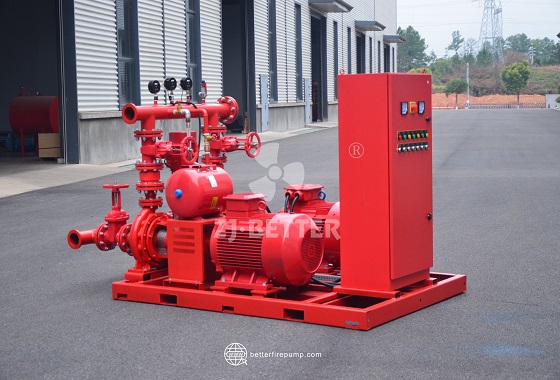
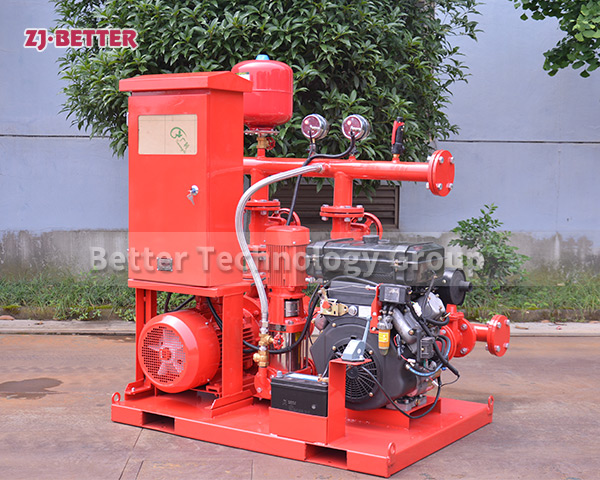
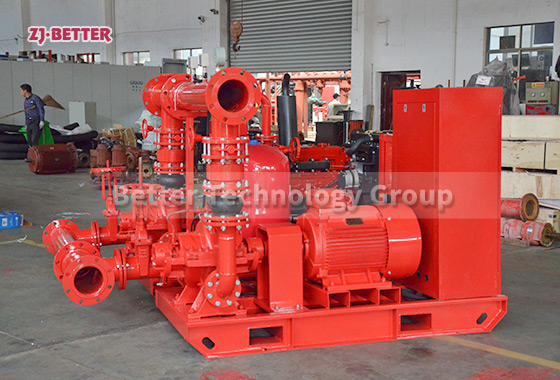
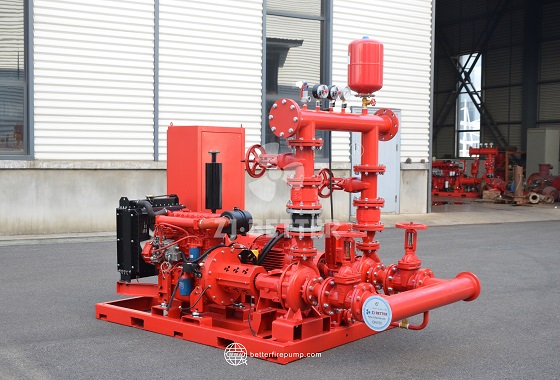
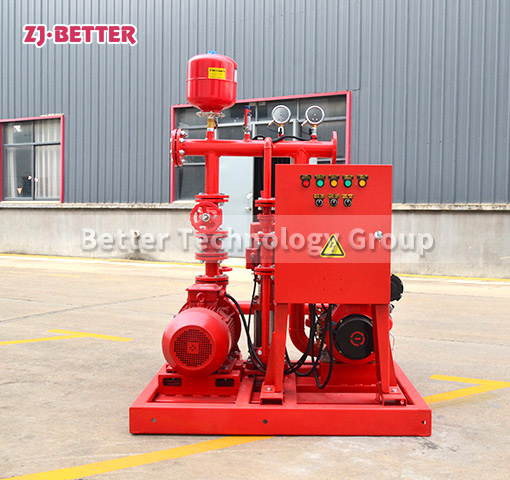
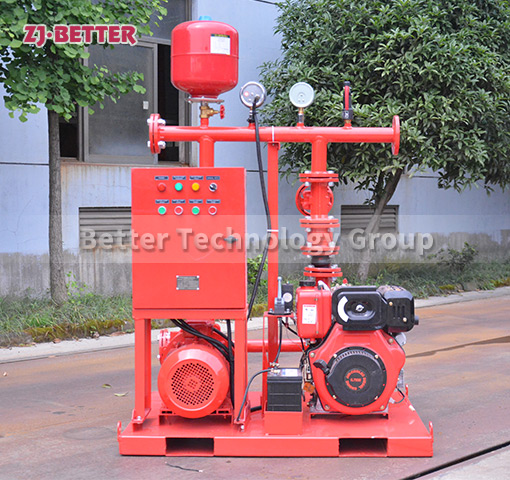
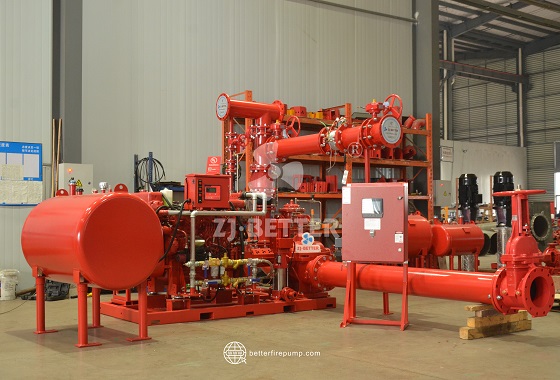
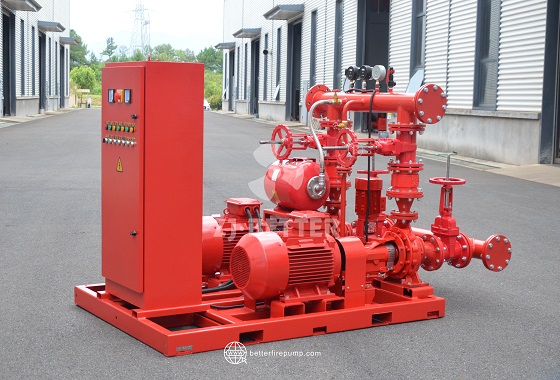
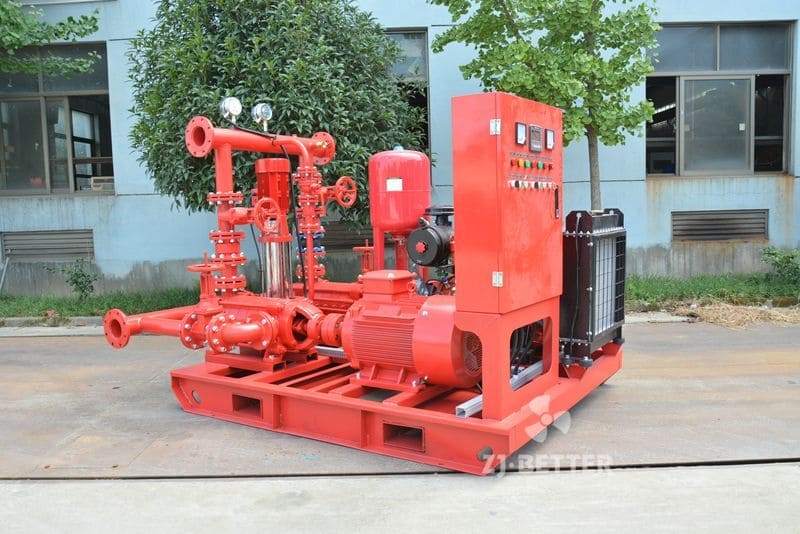
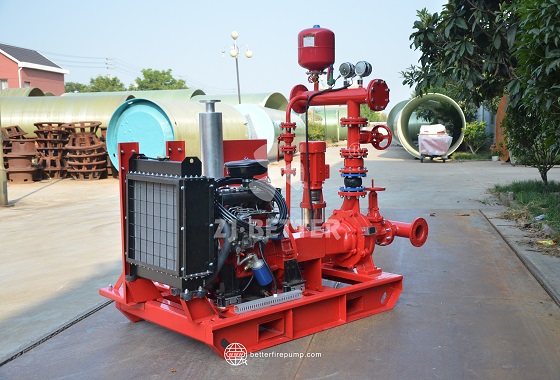
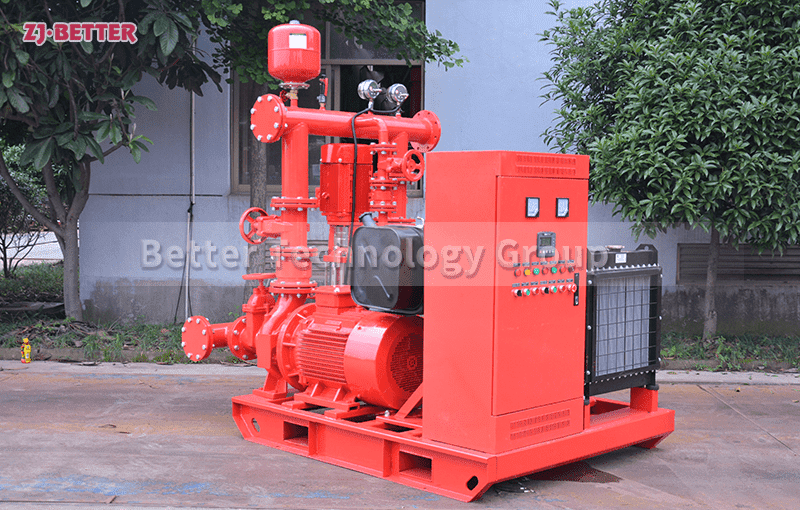
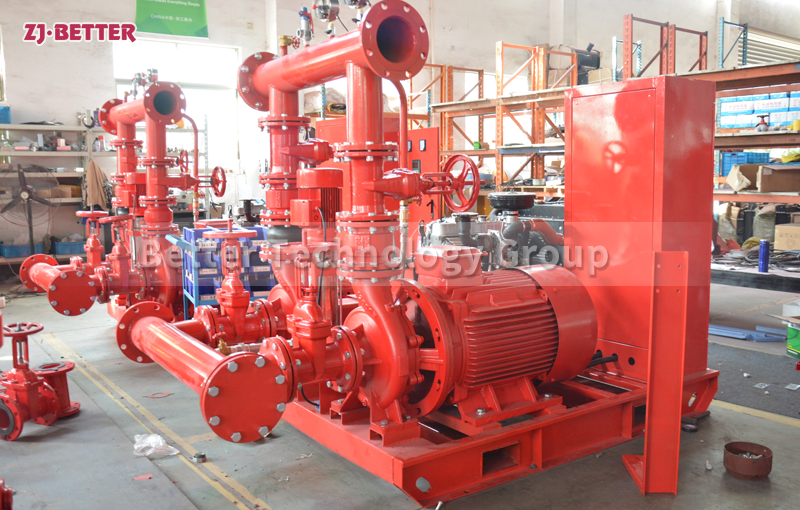
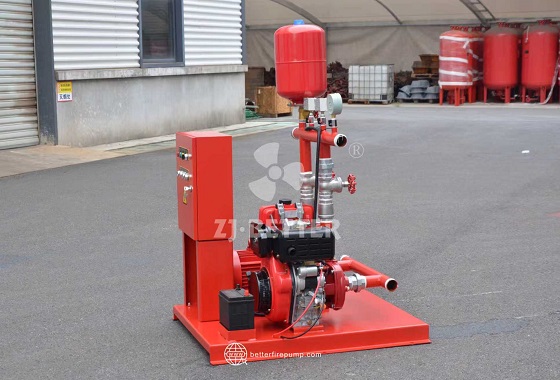
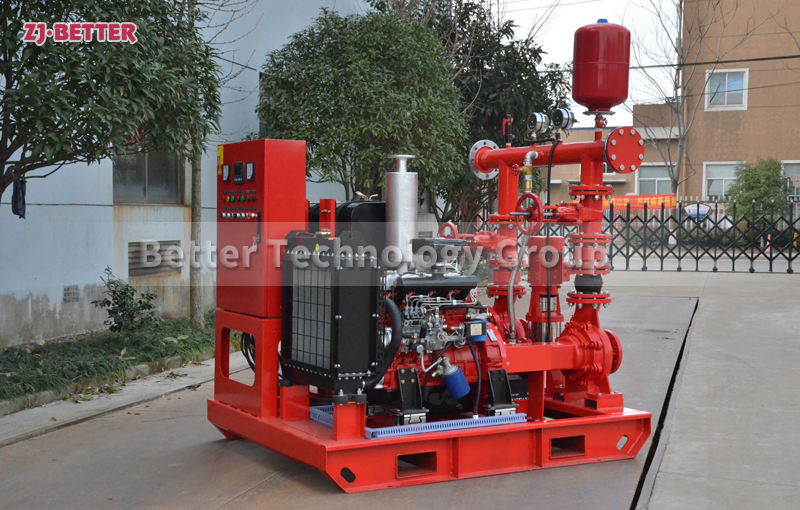
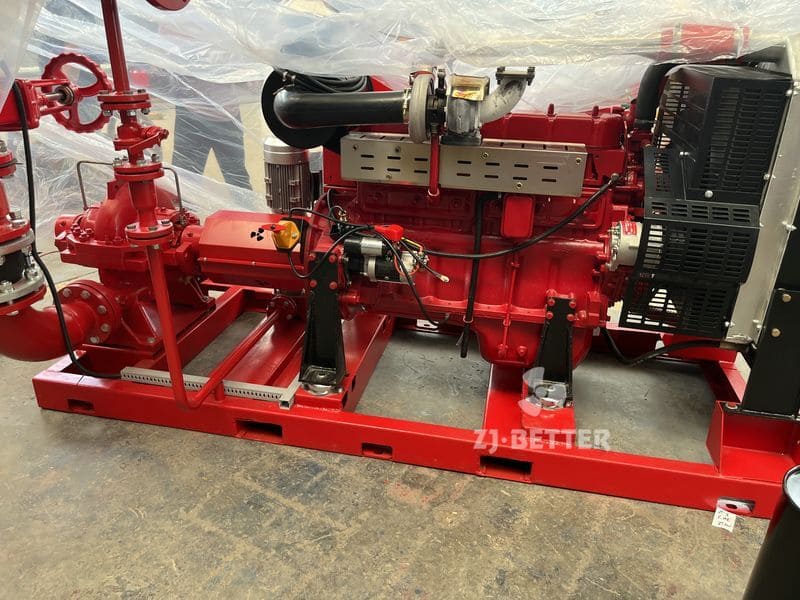
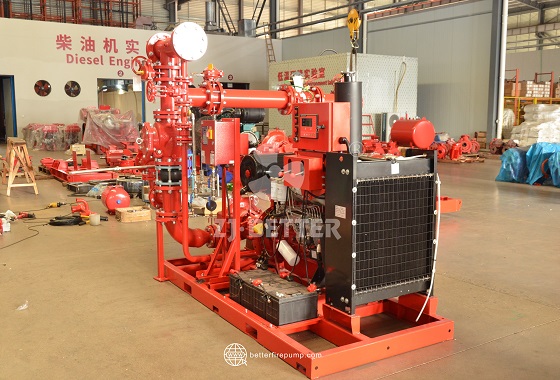
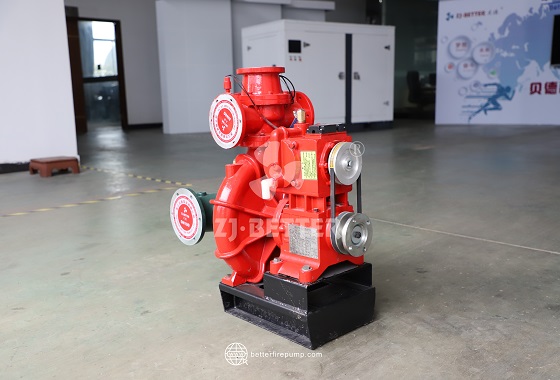
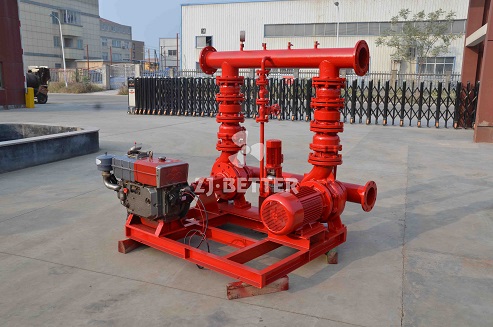
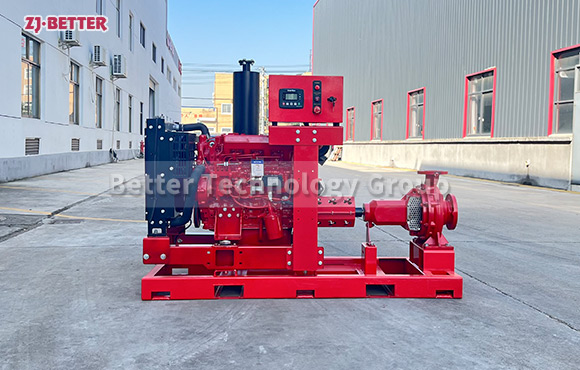
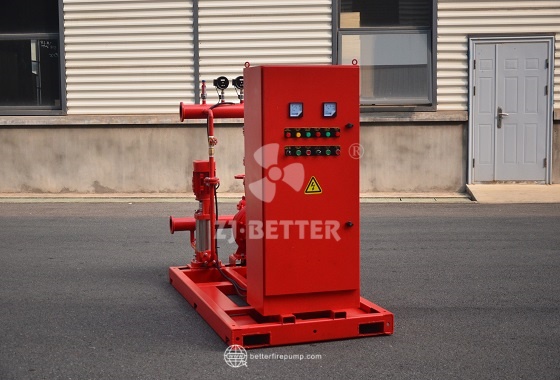
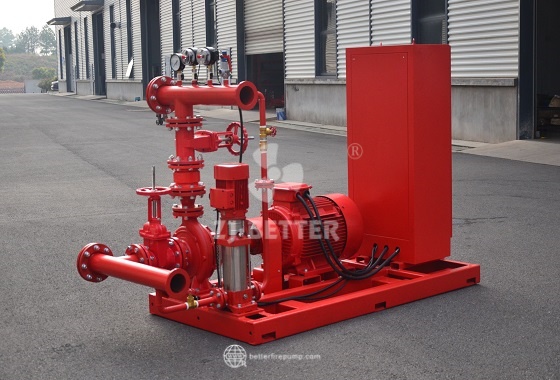
The skid-mounted fire pump control cabinet system features a pre-assembled design, with the electrical control cabinet, instrumentation, and associated piping components integrated onto a single base. This configuration facilitates unified transport, on-site positioning, and electrical installation, making it suitable for the control of various fire pump sets and for use in engineering projects.
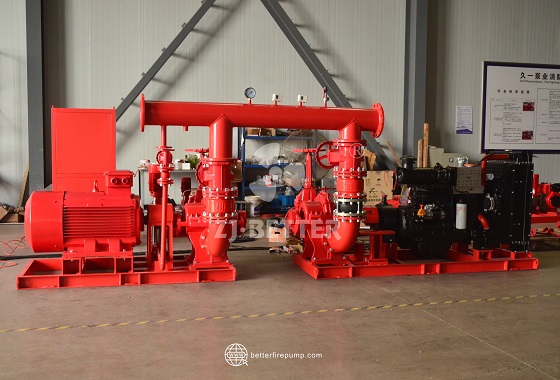
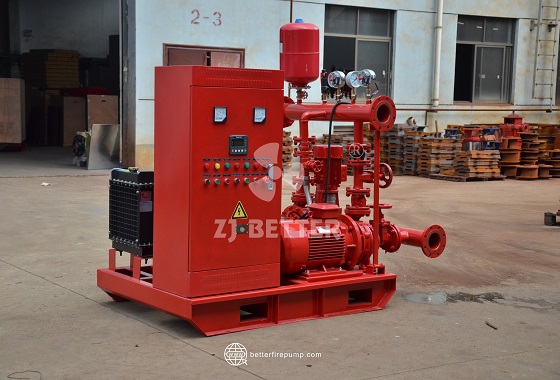
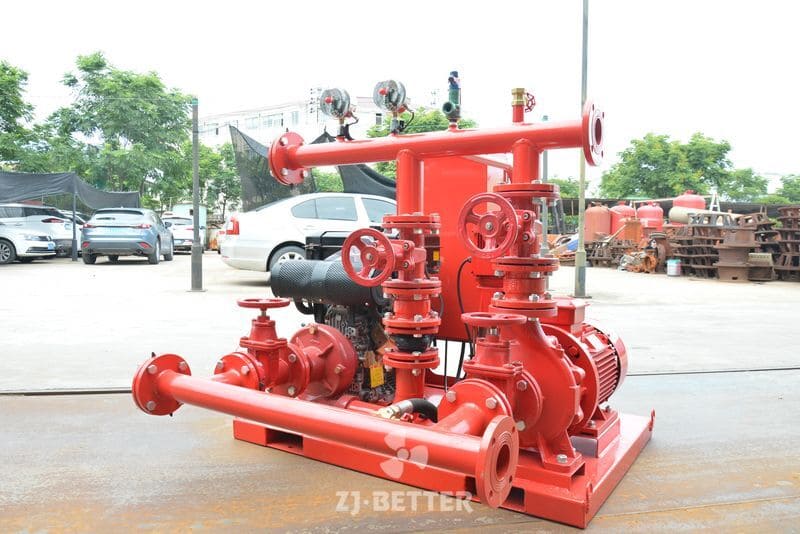
A skid-mounted fire pump control system is an integrated assembly comprising an electrical control cabinet, associated piping components, and a mounting base, designed primarily for the electrical operation and management of fire pump sets. The system features a unified skid-mounted structure, with the control cabinet secured to a metal base alongside the necessary piping components, forming a cohesive, modular unit. Compared to methods where the control cabinet and auxiliary components are transported separately and positioned independently on-site, this pre-assembled design reduces on-site assembly requirements, thereby enhancing the efficiency of installation and system integration. The front of the control cabinet is equipped with instrument displays, control buttons, and status indicator lights, facilitating daily operation and system monitoring. The instruments display relevant operating parameters based on the specific electrical configuration, while the indicator lights and control interfaces provide intuitive feedback and operational control for the pump sets. The cabinet itself is an enclosed, independent structure that protects the internal electrical components; specific ingress protection (IP) ratings and environmental suitability depend on the individual product specifications. Piping and instrumentation—including pressure-sensing components—are integrated into the skid, providing the necessary pressure signals for pump set management. The control cabinet can be configured to meet project-specific requirements, including control circuits, starting methods, operational status feedback, and fault alarms; the precise control logic is determined by the type of fire pump used and the project’s electrical design. The skid base provides a unified foundation for the control cabinet and its components, simplifying transportation, on-site positioning, and anchoring, while ensuring a clear, organized layout. This pre-assembled configuration is particularly advantageous for projects with limited space in the fire pump room, or where there is a need to minimize on-site electrical installation work and centralize equipment management. The system can be customized—including adjustments to cabinet dimensions, electrical components, instrumentation, piping connections, and base layout—to suit the specific requirements of different projects. During on-site installation, the equipment should be positioned according to the engineering drawings; checks must be performed on the base anchoring, piping connections, and cable routing, while ensuring sufficient clearance is reserved for opening the control cabinet doors and conducting future maintenance. Before being put into service, the system must undergo thorough checks and testing by qualified personnel—including inspections of electrical wiring, insulation, and grounding, as well as testing of control circuits and integrated operational functions—to ensure full compatibility between the control equipment, the fire pump units, and the on-site fire protection system. By utilizing a skid-mounted design—where the control cabinet and its associated components are pre-assembled into a single, integrated unit—the system eliminates the need for fragmented, on-site installation. This streamlines equipment transport, positioning, and wiring, while simplifying future maintenance, ultimately providing an electrical control solution that is both easy to install and manage. Specific control functions, electrical parameters, and protection ratings should be determined based on the actual model and the technical requirements of the specific project.