Industrial Fire Pipeline Pressure Vessel – Configurations for Different Pressure Ratings
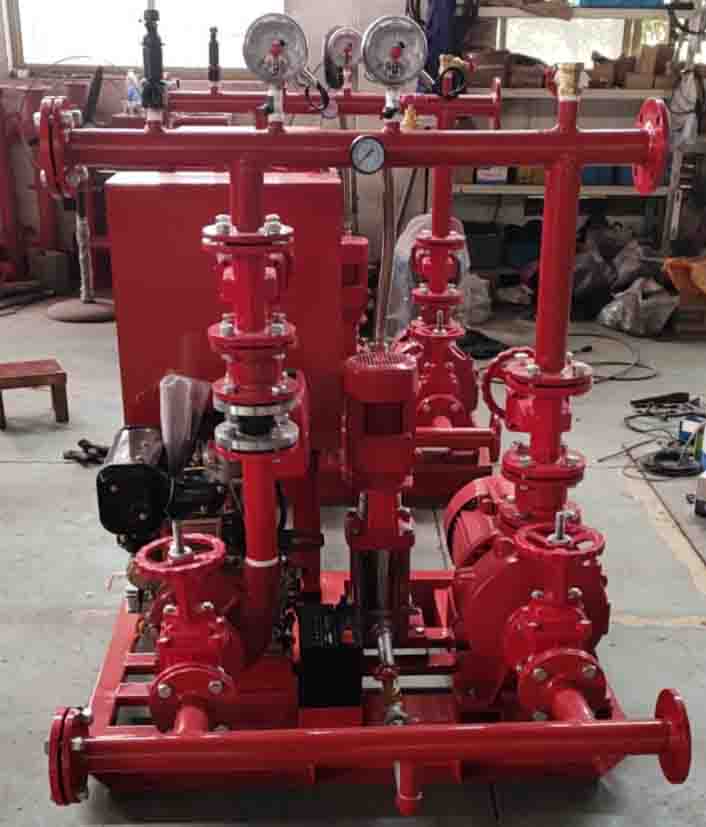
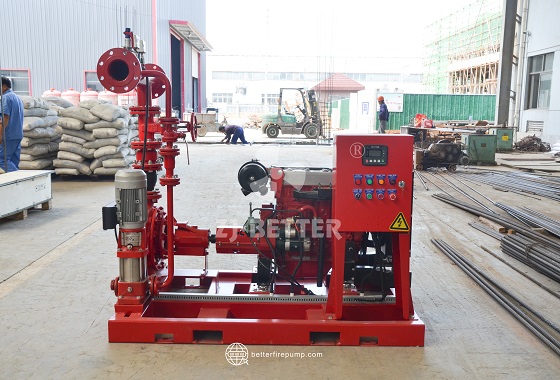
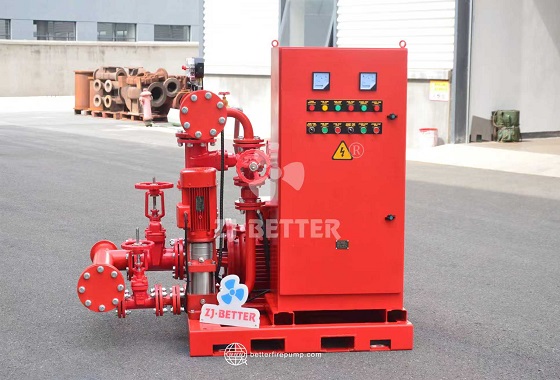
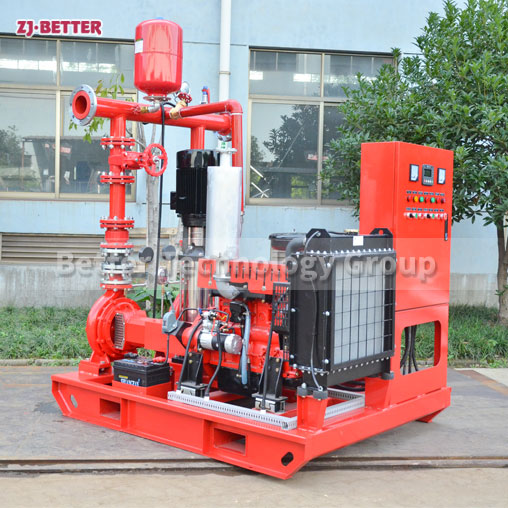
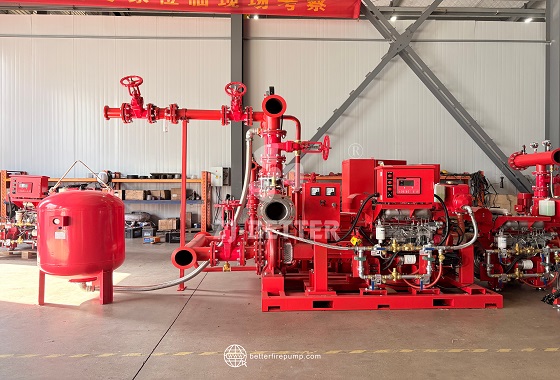
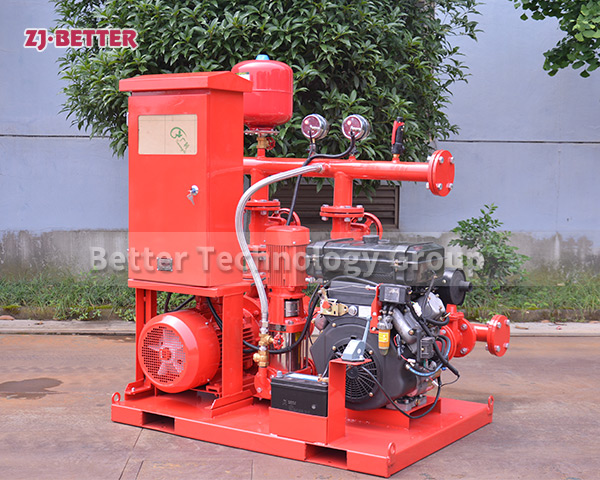
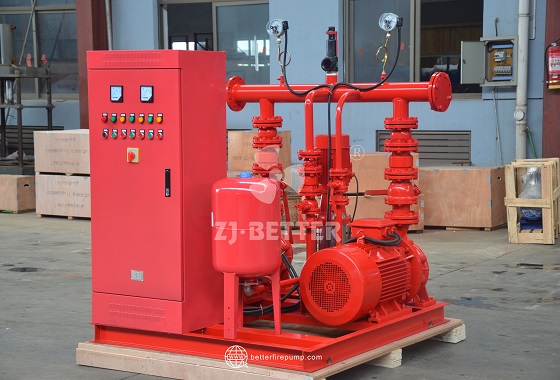
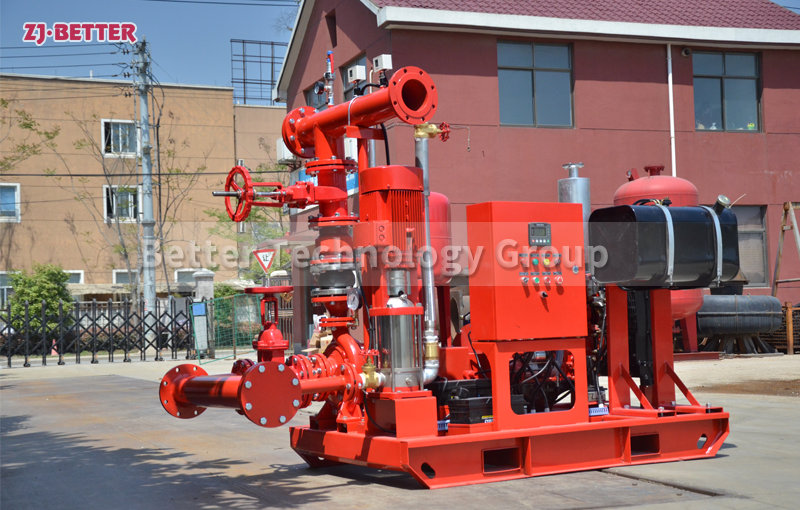
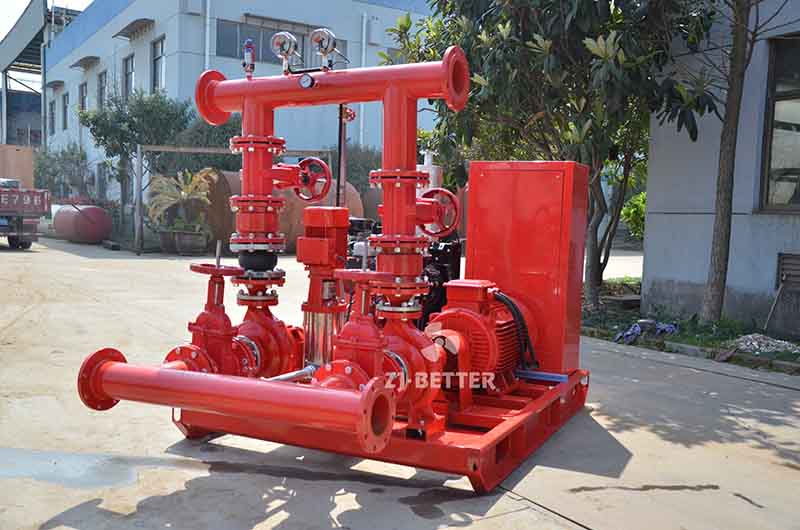
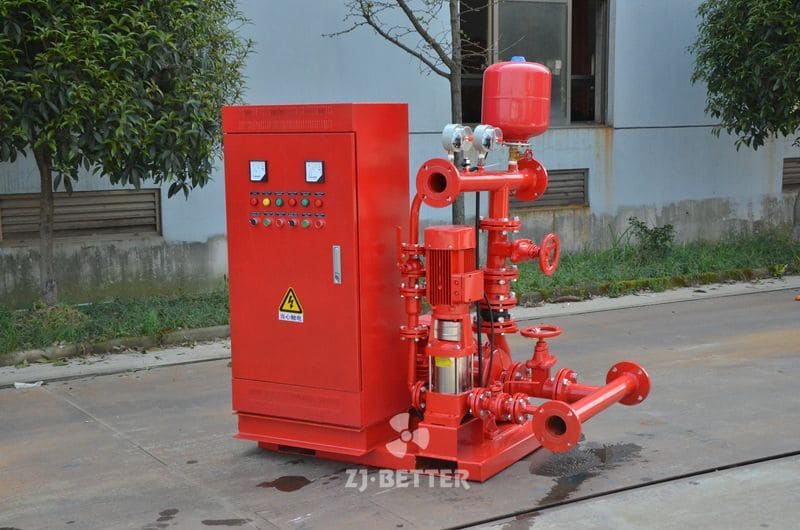
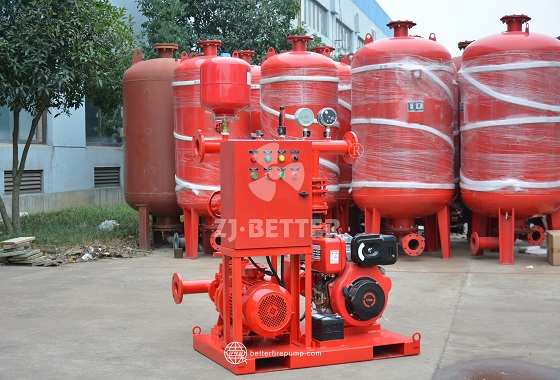
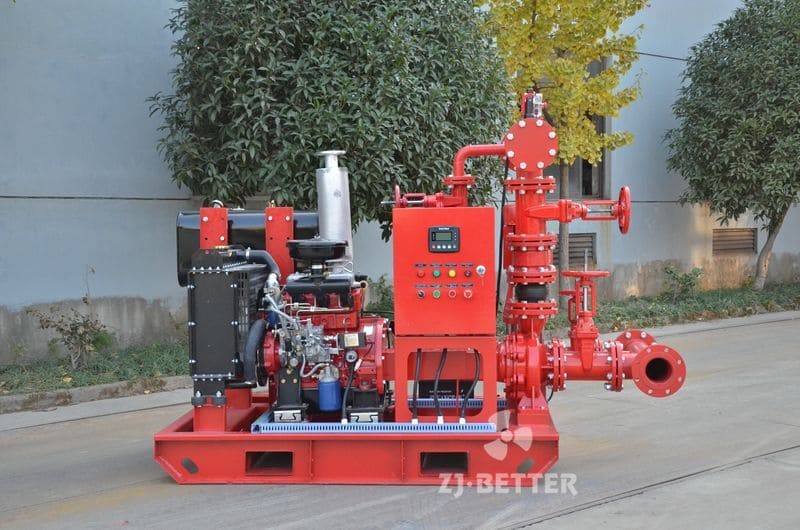
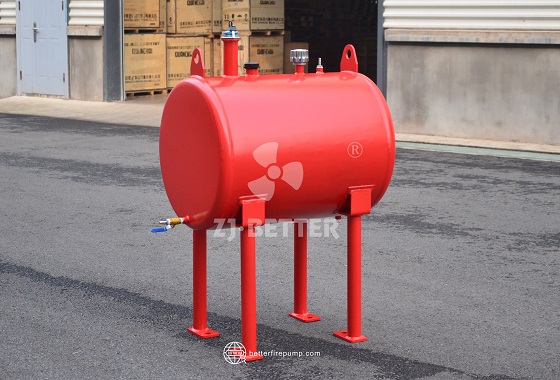
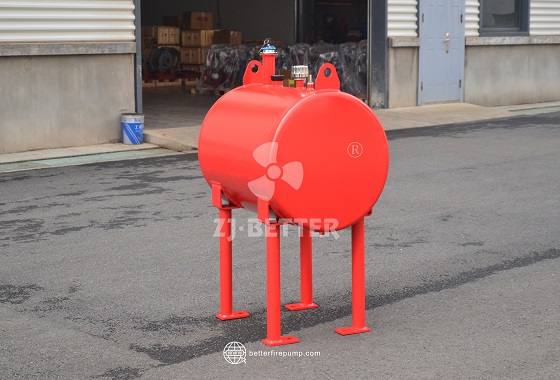
The pressure-stabilizing vessel for industrial fire-fighting piping networks features a horizontal metal tank design with support legs. It is intended for use in conjunction with fire pumps, pressure-stabilizing pumps, and pressure control systems to help buffer pressure fluctuations within the piping network, and it supports configurations for fire-fighting water supply projects with varying design pressure ratings.
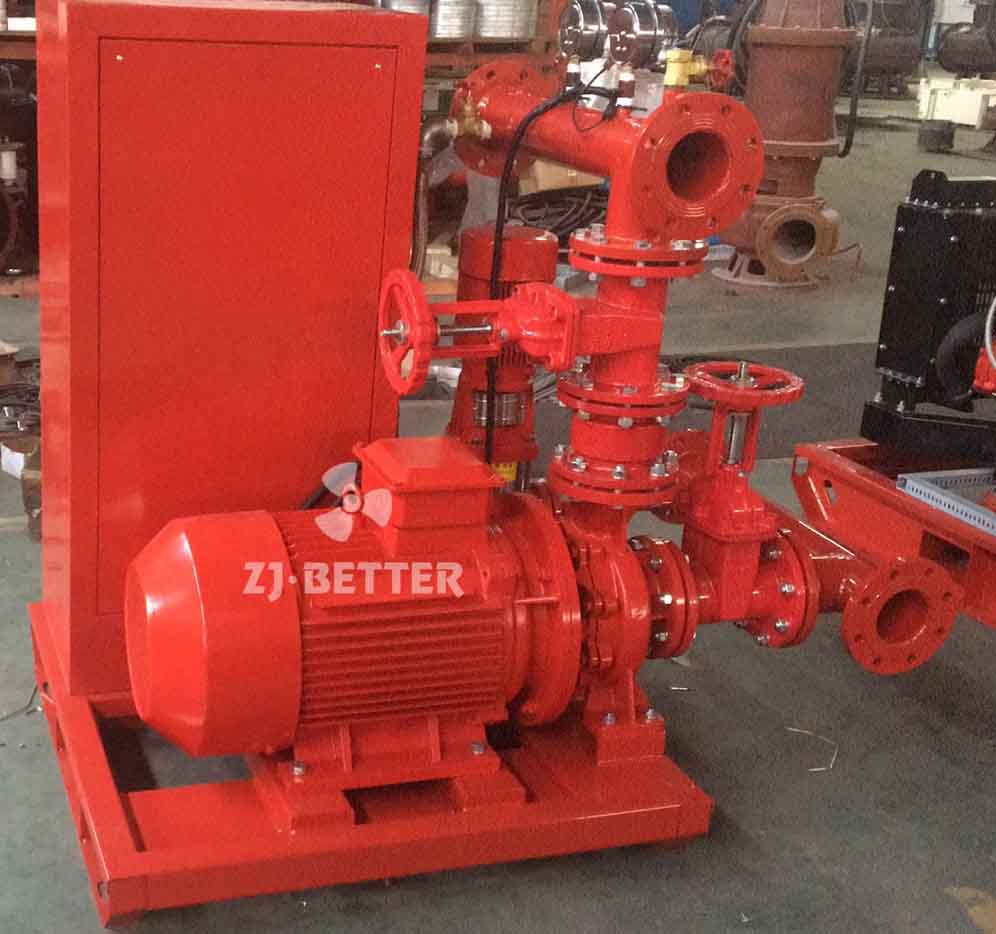
A pressure-stabilizing vessel for industrial fire-fighting piping networks is a pressure storage and buffering device used within fire-fighting water supply systems. It typically operates in conjunction with fire pumps, jockey pumps (pressure-maintaining pumps), pressure sensors, and control systems to help maintain the standby pressure of the fire-fighting piping network. The equipment features a horizontal, cylindrical metal tank with a compact design and support legs, allowing for installation in fire pump rooms or on designated equipment foundations. The top and sides of the tank are equipped with pipe connections and instrument ports, facilitating the integration of water supply lines, pressure-sensing devices, and other auxiliary components as required by the system design. Through its pressure storage and buffering capabilities, the vessel provides a degree of regulation when minor pressure fluctuations occur, thereby mitigating the impact of such fluctuations on system operation. In fire-fighting water supply systems equipped with jockey pumps, the pressure vessel works in tandem with the pump; when the network pressure drops within a normal, predetermined range, the jockey pump restores the pressure according to the control logic, while the pressure vessel acts as a buffer. This helps prevent the main fire pump from starting up too frequently due to minor, routine leaks or pressure variations. The horizontal tank design offers a straightforward structure and flexible installation options, with support legs ensuring stability and facilitating efficient layout alongside other equipment in the pump room. The tank is constructed from metal; the specific material, wall thickness, and internal anti-corrosion treatment are determined based on the working medium, design pressure, and operating environment. Equipment ports can be configured to meet specific engineering requirements, allowing for the connection of various pipe sizes and pressure-monitoring components. To accommodate the specific pressure requirements of different fire-protection projects, the appropriate vessel specifications—such as design pressure, effective storage volume, jockey pump flow rate, and operating conditions—are selected to ensure the equipment is well-matched to the overall fire-fighting water supply system. Pressure rating is a critical criterion for selection; the tank’s design pressure, test pressure, and allowable operating pressure must comply with relevant product standards and engineering codes—pressure-bearing capacity cannot be assessed based solely on the tank’s appearance or dimensions. For fire-fighting systems in industrial facilities, logistics warehouses, energy projects, and large-scale buildings, the proper integration of a pressure-stabilizing vessel enhances the auxiliary water supply infrastructure and simplifies the management of standby pressure within the piping network. During equipment installation, ensure that the foundation is level and secure, and that all piping connections are reliable. Necessary valves, pressure gauges, and safety protection devices must be installed in accordance with design specifications. Once in operation, the tank exterior, weld seams, interface seals, and pressure instrumentation should be inspected regularly; maintenance and testing must be carried out in compliance with the equipment manual and relevant standards. It should be noted that the specific operating mechanism of a pressure vessel depends on its internal structure and system configuration; as the internal design—such as whether it utilizes a diaphragm or another configuration—cannot be determined from the external appearance shown in the image, please refer to the actual product’s technical documentation. Featuring a horizontal metal tank, a leg-supported mounting structure, flexible interface configurations, and pressure-buffering capabilities, these pressure-stabilizing vessels for industrial fire-protection piping networks serve as suitable components for fire-water supply systems across various pressure ratings, helping to optimize pressure management within fire-pump assemblies.