Industrial Fire Pump Replacement Impeller – Hydraulic Component Options for Different Pump Models
Replacement impellers for industrial fire pumps are designed for the maintenance and component replacement of centrifugal fire-fighting pumps. These impellers can be matched to specific pump models based on dimensions, materials, and operational parameters. Key considerations—such as vane flow-path design, machining precision, and dynamic balancing quality—ensure that these components effectively support fire pump maintenance and the restoration of operational performance.
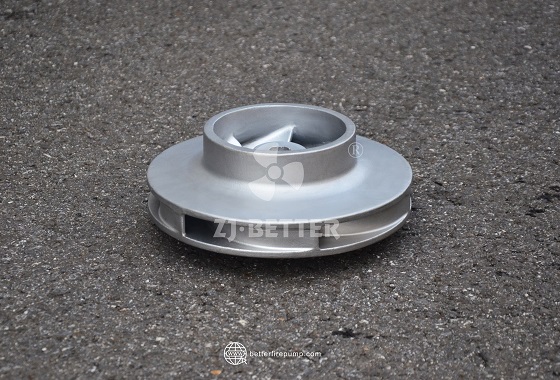
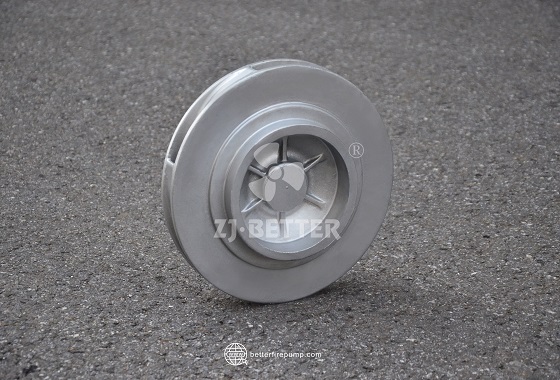
Replacement impellers for industrial fire pumps are critical hydraulic components used in the maintenance, repair, and performance restoration of centrifugal fire-fighting pumps. Mounted on the pump shaft, the impeller generates centrifugal force as it rotates, transferring mechanical energy to the water flowing through it. This imparts kinetic and pressure energy to the fluid, thereby facilitating the supply of water for fire-fighting purposes. As the core functional component of a fire pump, the impeller’s structural dimensions, blade geometry, inlet and outlet angles, and manufacturing quality directly influence the pump’s flow rate, head, and operational efficiency. The impeller shown in the image features a disc-style design with a central water inlet; its internal blades are integrated with the disc, forming a compact, cast-metal component—a typical configuration used when selecting or replacing hydraulic parts for centrifugal pumps. These replacement impellers provide a targeted solution for pump maintenance; if an existing impeller suffers from wear, corrosion, deformation, or other issues that impair performance, a compatible replacement can be selected based on the original pump model and technical specifications, ensuring the pump continues to operate correctly. The impeller incorporates an optimized flow-channel design that guides water from the central inlet outward along the blade passages, minimizing the negative impact of inefficient flow patterns on pumping performance. Impellers can be manufactured from various materials—such as cast iron, stainless steel, or bronze—depending on the pumped medium, operating environment, and specific equipment requirements; each material offers distinct advantages in terms of strength, corrosion resistance, machinability, and suitability for different service conditions. During manufacturing, the blade profile, hub dimensions, mounting hole positions, and overall dimensional accuracy must strictly adhere to the design specifications of the corresponding pump model to ensure proper integration with the pump shaft, sealing components, and the internal structure of the pump casing. For high-speed rotating impellers, dynamic balancing is also essential; maintaining proper balance helps minimize vibrations during operation and reduces the additional load placed on bearings and the shaft assembly. Replacing an impeller involves more than simply selecting a part that looks similar; it requires careful verification of critical parameters—such as the outer diameter, hub dimensions, keyway or connection configuration, blade design, and rated rotational speed—to ensure compatibility with the original pump’s design specifications. Even if two impellers appear alike, they may differ significantly in terms of flow rate, head, and efficiency. Therefore, replacements should be based on the original equipment model, manufacturing drawings, or pump performance data to prevent performance degradation caused by mismatches in dimensions or hydraulic parameters. For industrial and building fire-fighting pump systems, regular inspections for wear, corrosion, or blade damage are essential for identifying issues with hydraulic components early and maintaining the equipment in optimal operating condition. By selecting a replacement impeller that features precise dimensions, appropriate materials, and verified quality, one can ensure reliable support for repairs, spare parts inventory, and ongoing maintenance, effectively restoring the pump to its original design performance. Replacement impellers for industrial fire-fighting pumps can be tailored to specific pump models, operating parameters, and environmental conditions, offering flexible hydraulic component solutions for manufacturers, maintenance providers, and industrial equipment purchasers.