Vertical Electric Fire Water Pump – Dual Flange Connections for Fixed Fire Piping Systems
The vertical electric fire water pump adopts a vertical structure and double-sided flange interfaces to facilitate access to fixed fire piping systems. The motor is directly driven and is suitable for fire pump rooms, industrial buildings and fixed fire water supply projects.
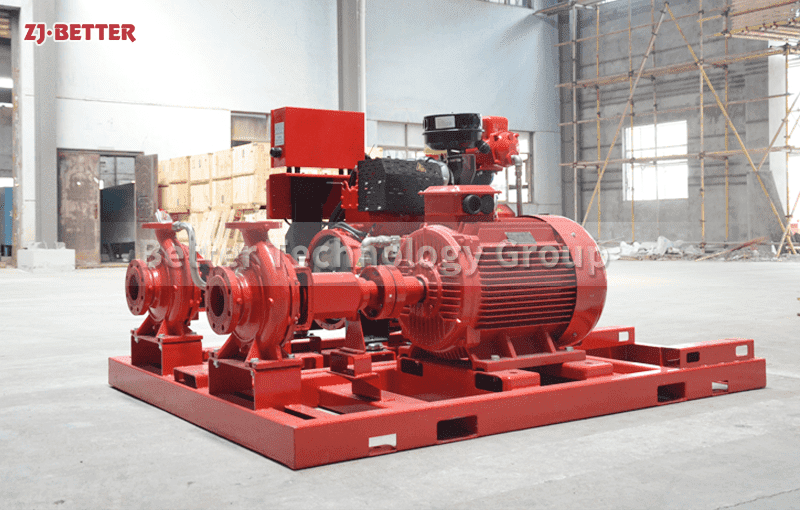
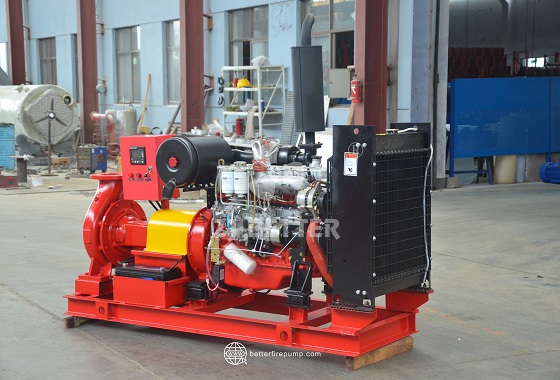
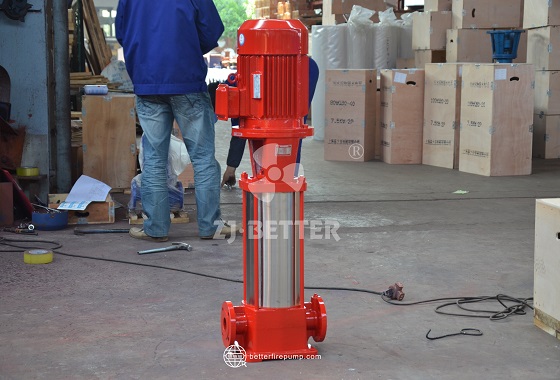
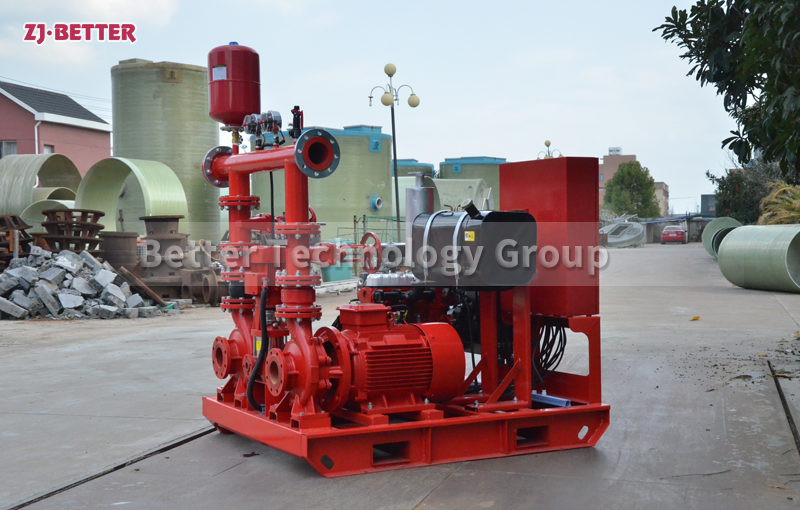
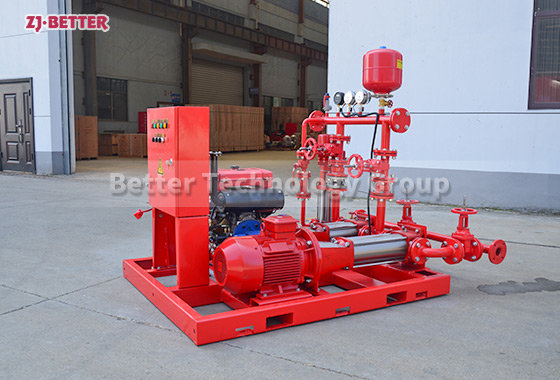
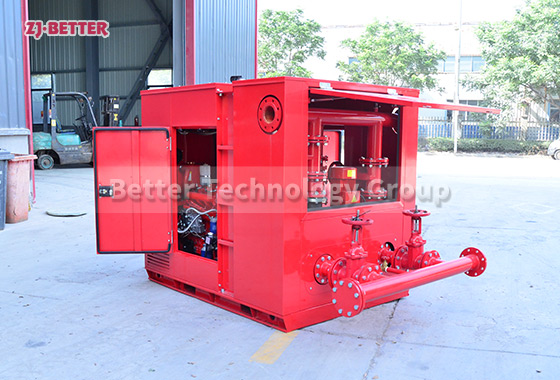
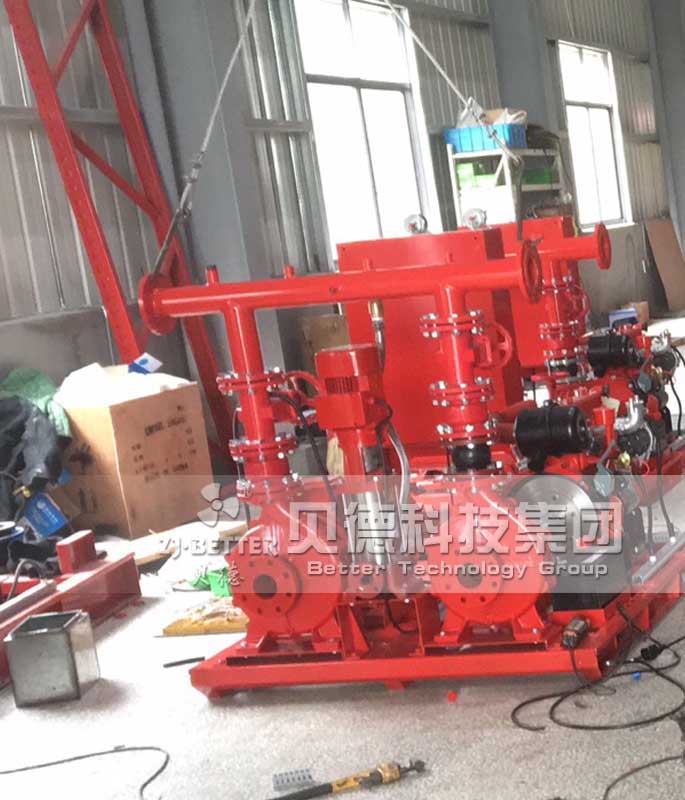
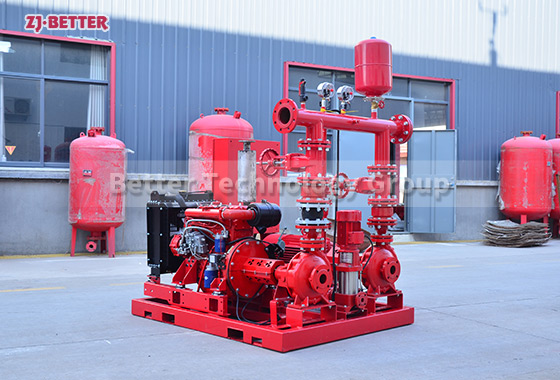
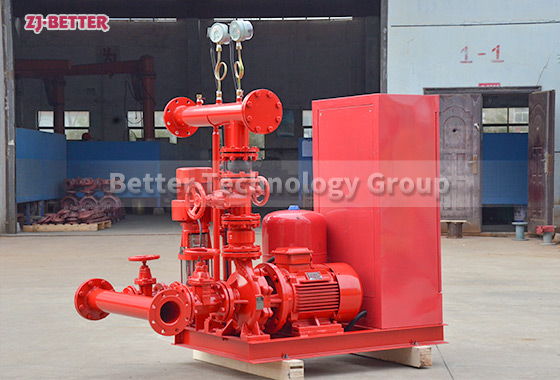
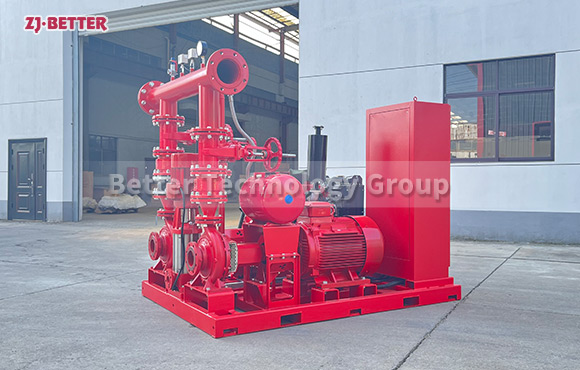
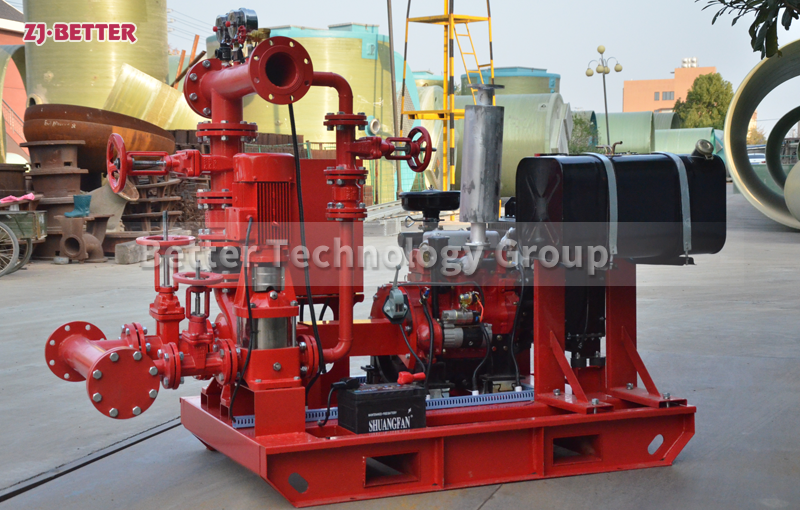
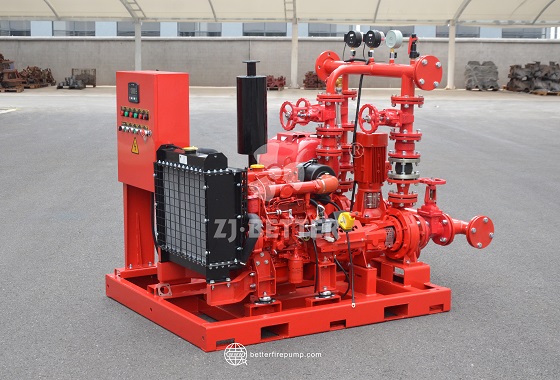
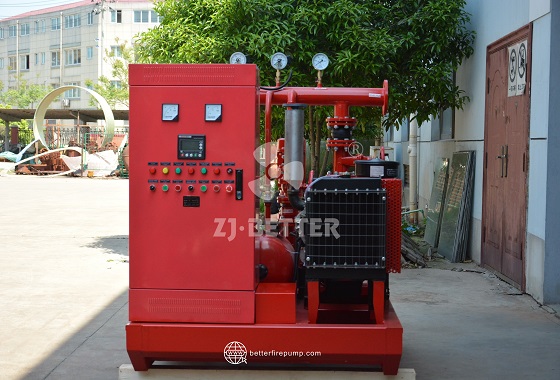
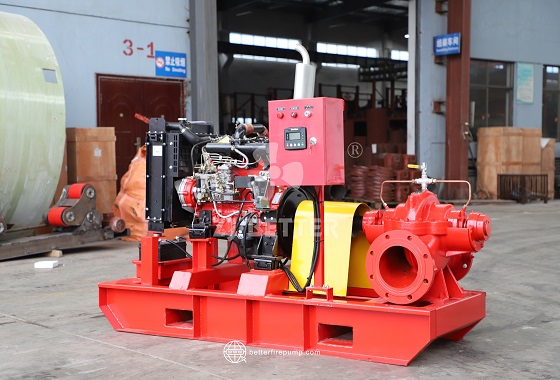
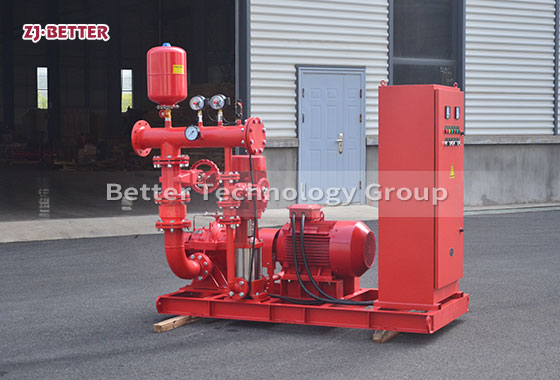
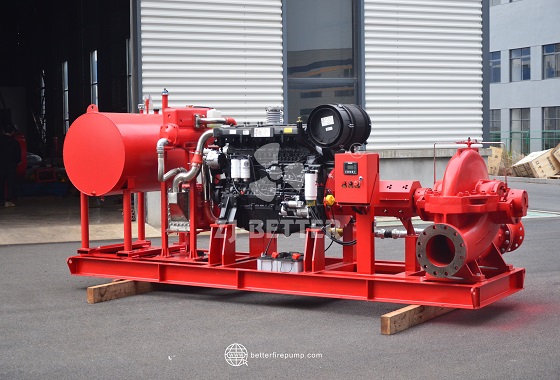
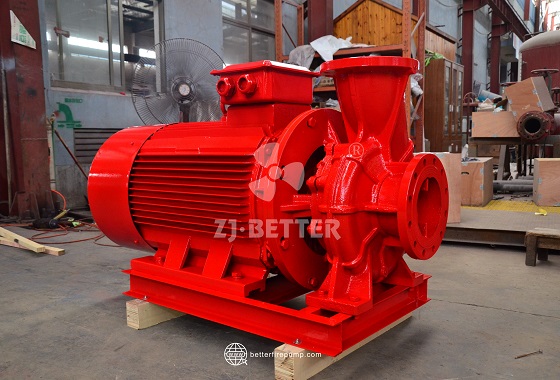
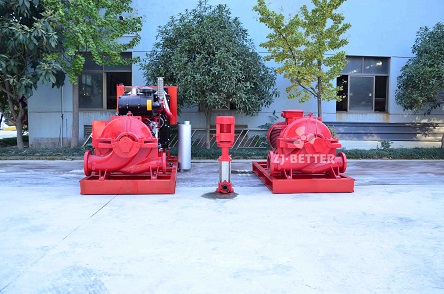
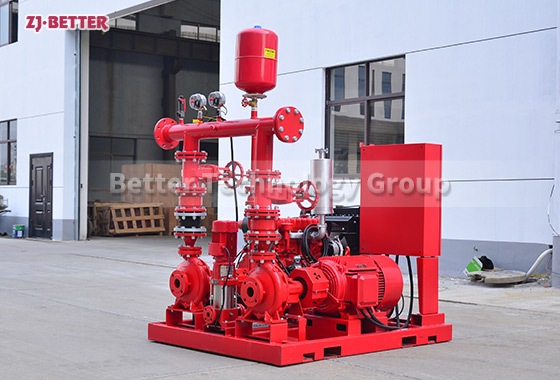
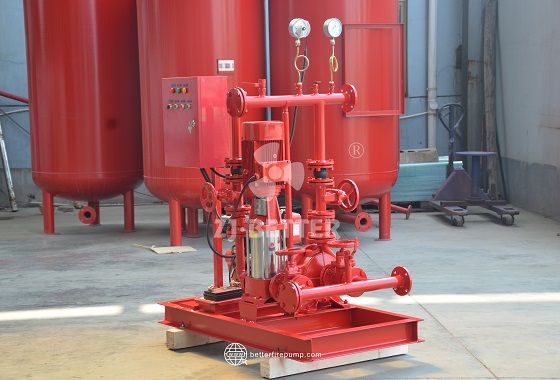
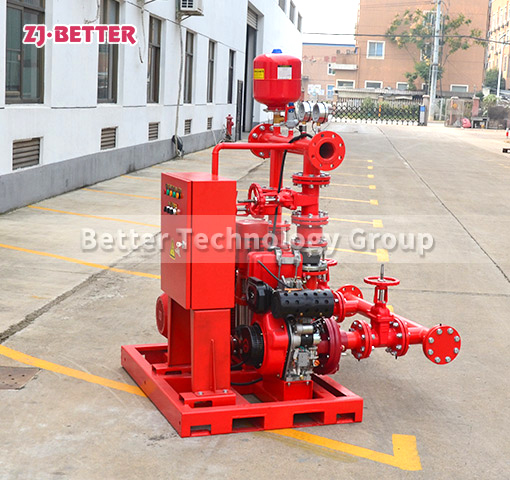
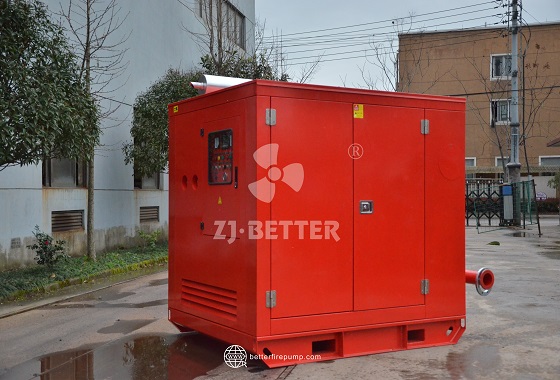
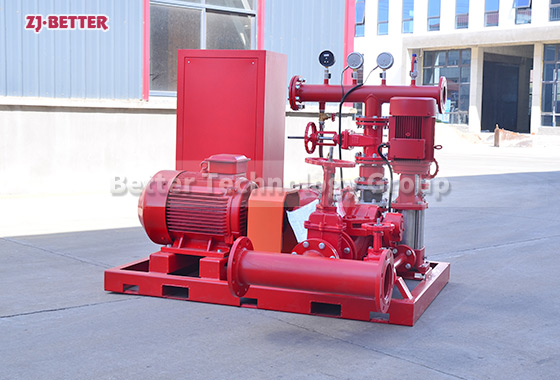
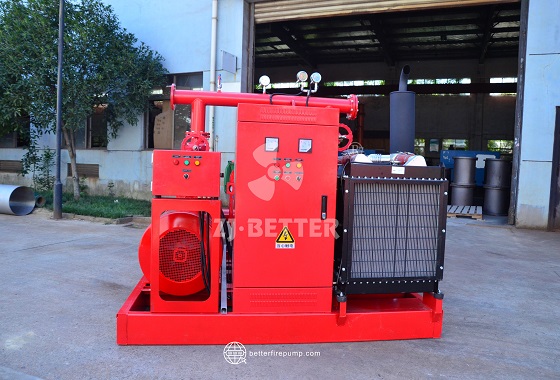
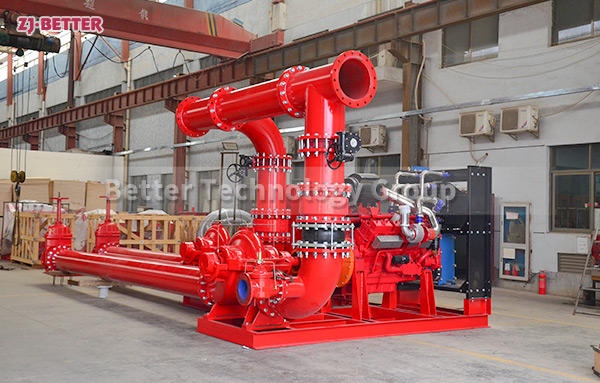
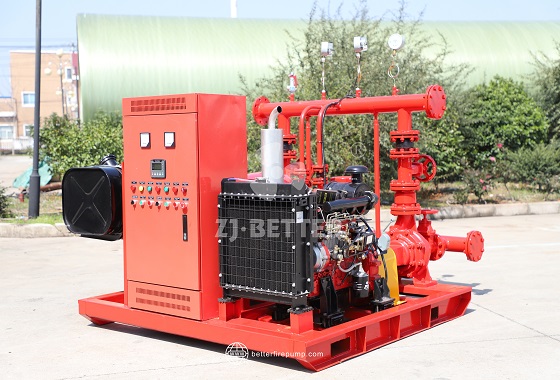
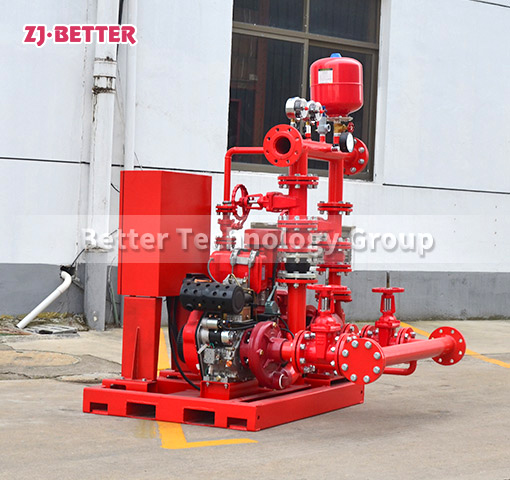
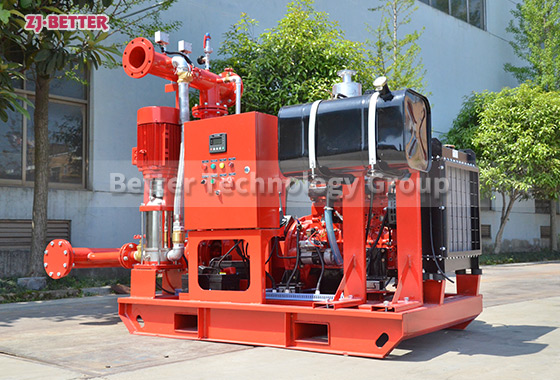
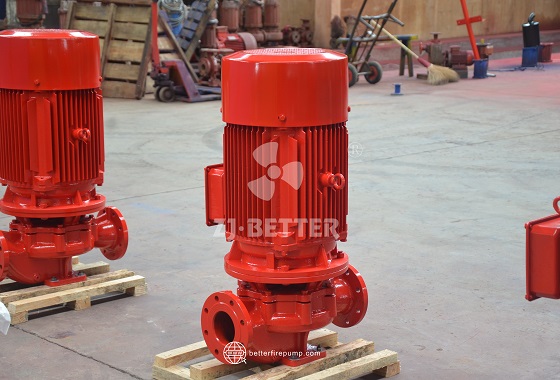
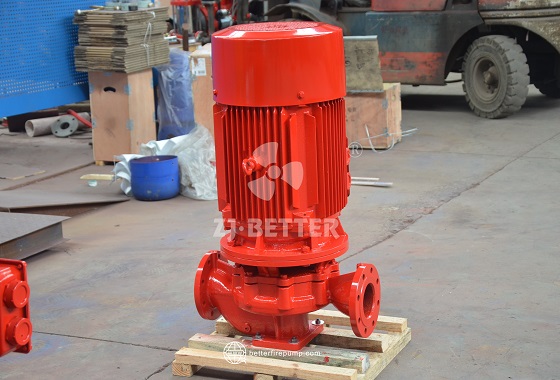
The vertical electric fire water pump is an electric pump equipment used in fixed fire water supply systems. It adopts a vertical structural arrangement. The motor and pump body are installed in the vertical direction. The water inlet and outlet are set on both sides of the pump body and are connected to fire pipes through flange interfaces. It is suitable for installation in fire pump rooms and other fixed fire water supply places. The outstanding feature of this structure is that the pump body and fire-fighting pipelines can be connected through standardized flanges. During on-site installation, matching pipes and connection accessories can be selected according to the actual pipe diameter, flow rate, head and pipe network layout, so that the water pump can be more easily connected to the fixed fire-fighting water supply system. Compared with pump sets that require complex transmission mechanisms, vertical electric fire water pumps use a motor to directly drive the pump body. The power transmission path is relatively direct, and the overall structure of the equipment is compact, which can reduce the installation and maintenance work caused by independent transmission components. The product shown in the picture adopts an up-and-down vertical layout. The motor is located above the pump body, and the pump body and water inlet and outlet interfaces are concentrated in the lower area. This not only meets the fire protection pipeline connection requirements, but also helps form a more regular equipment installation form. The motor provides stable driving force for the water pump. The impeller inside the pump body rotates under the driving of the motor, converting mechanical energy into the pressure energy of the water flow, so that the fire water is transported to the fire pipe network according to the designed flow and pressure, and provides corresponding water supply support for fire hydrants, sprinklers and other fire water facilities. The actual operating performance is related to the motor power, impeller size, rotation speed, pipeline resistance and system design conditions. Therefore, when selecting the project, it should be matched according to the flow and head required by the actual fire protection system, and the specific performance cannot be judged solely based on the appearance of the equipment. This type of fire pump can adopt different materials and configuration plans according to project requirements. The official website data shows that the fixed fire pump system can be configured with different types such as single-stage pumps, end-suction pumps, horizontal split-case pumps, vertical pipeline pumps and vertical turbine pumps. The specific selection depends on the hydraulic parameters and installation conditions of the fire protection system. The double-sided flange interface is also an important structural feature of this product for engineering support. It can connect the suction pipeline and discharge pipeline to the pump body respectively, and form a complete pumping connection system with gate valves, check valves, pressure gauges, flexible joints and other fire-fighting pipeline accessories. For fixed fire protection systems, flange connections facilitate equipment installation, positioning, and later disassembly and inspection. During equipment maintenance, relevant connection parts, seals, and valves can be inspected as needed. The vertical installation method also allows the motor and pump body to form a centralized equipment structure, which helps to rationally utilize the pump room space and facilitates operators to conduct daily inspections of the motor, pump body and connecting parts. As fire water supply equipment, the water pump needs to maintain a stable standby state. Therefore, in addition to normal operating performance, it is also necessary to regularly check the motor operating status, pump body sealing, flange connection, valve status, and water inlet and outlet pipelines to avoid loose connections, aging seals, or abnormal pipelines that may affect the operation of the equipment. This product can be used as an electric drive device in a fixed fire pump system and can be used in combination with diesel fire pumps, pressure stabilizing pumps, control cabinets, pressure tanks and related pipeline accessories according to project requirements to achieve a complete configuration of the fire water supply system. Official website information shows that the complete fire pump system can use a combination of electric pumps, diesel pumps and pressure-stabilizing pumps, and is equipped with components such as pressure detection, valves, public suction and outlet pipes, flexible joints and flanges. Taken together, vertical electric fire water pumps can adapt to the equipment configuration needs of a variety of fixed fire water supply projects by virtue of their vertical structure, double-sided flange interfaces, direct motor drive, and easy connection to fixed pipe networks. In actual projects, targeted selection can be made based on flow, lift, pipe diameter, power supply conditions, and installation environment to provide stable power water delivery equipment support for fire pipe networks.