Home » Fire Pump Set » Electric Fire Pump Control Cabinet with Automatic Start and Real-Time Operating Status Monitoring

Electric Fire Pump Control Cabinet with Automatic Start and Real-Time Operating Status Monitoring

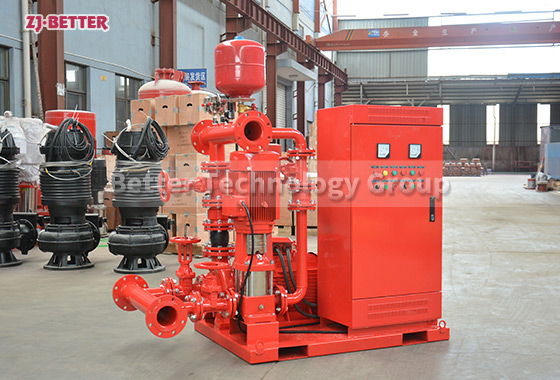
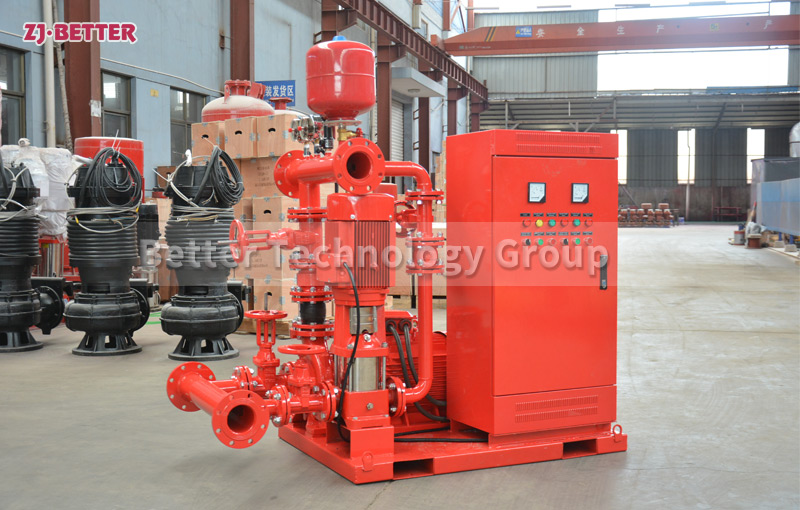
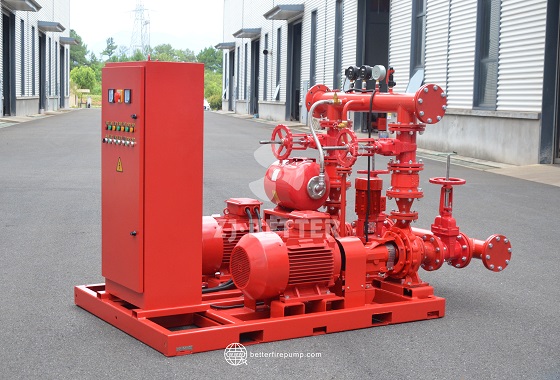
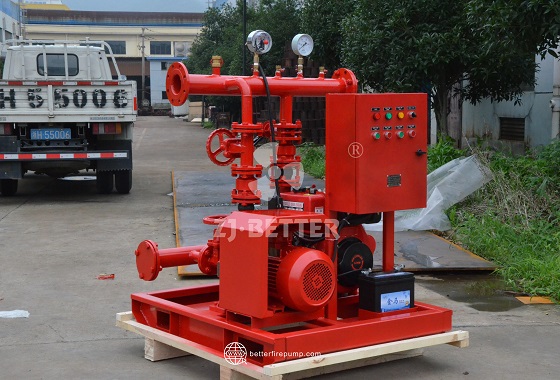
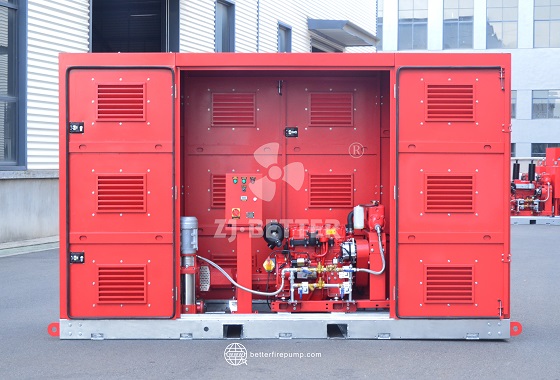
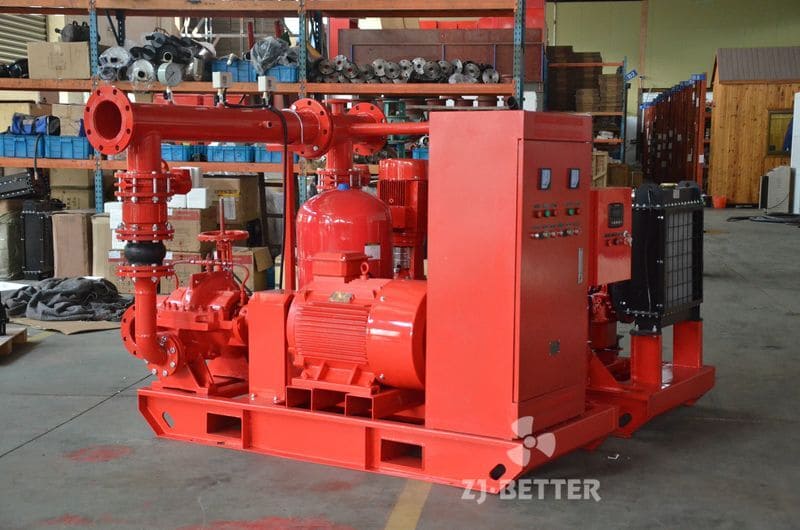
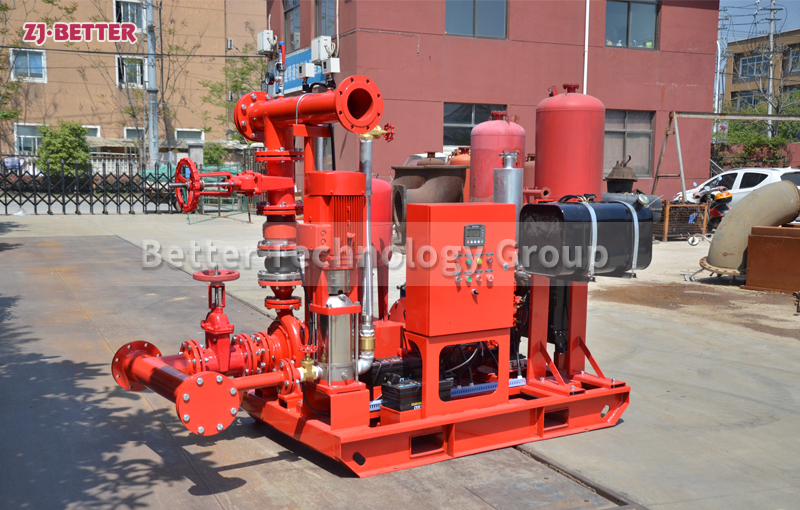
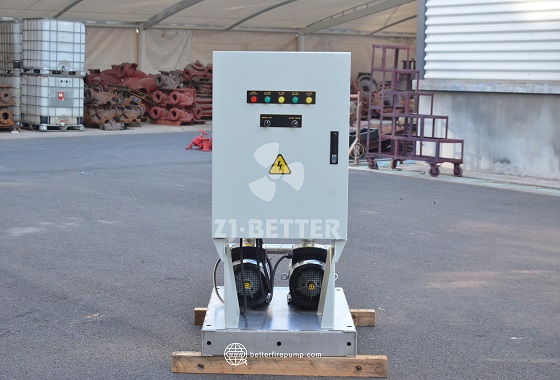
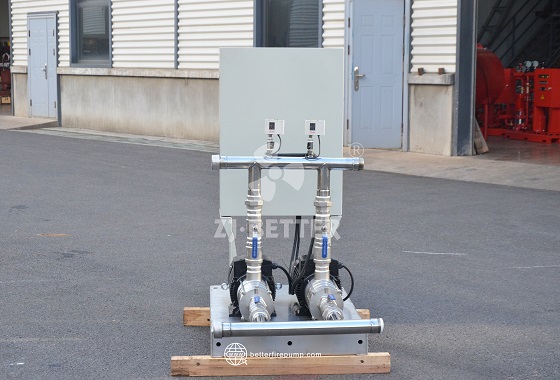
The electric fire pump control cabinet supports automatic startup, operational status monitoring, and manual operation. Its compact structure facilitates installation and maintenance, and it is compatible with various electric fire pumps, making it suitable for industrial facilities, commercial buildings, and fixed fire water supply systems.

Rated 4.9/5 based on 547 customer reviews
Share:
Content

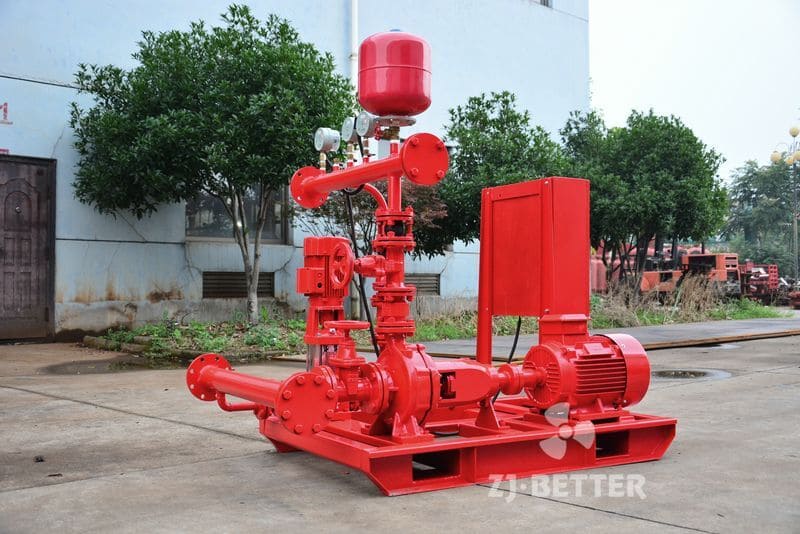
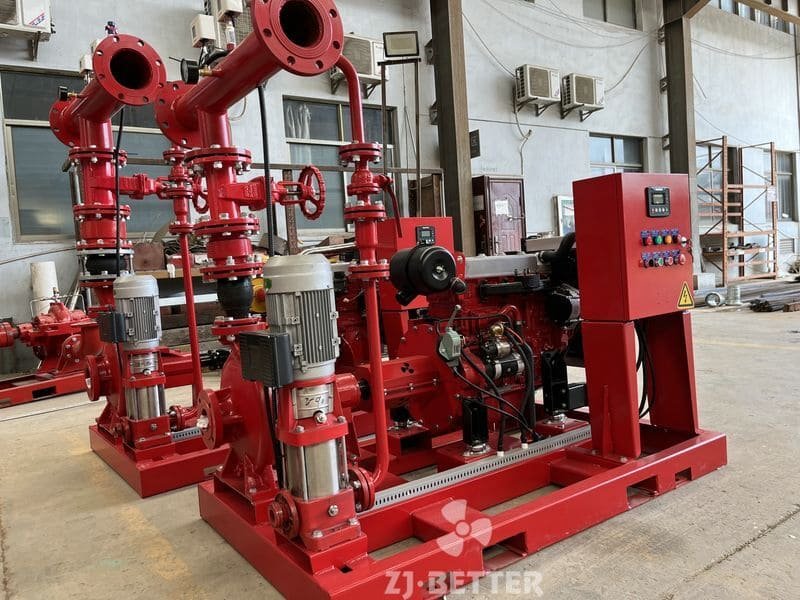
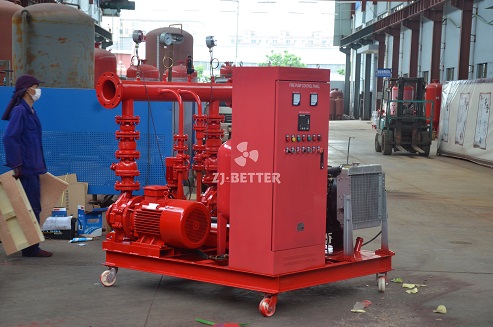
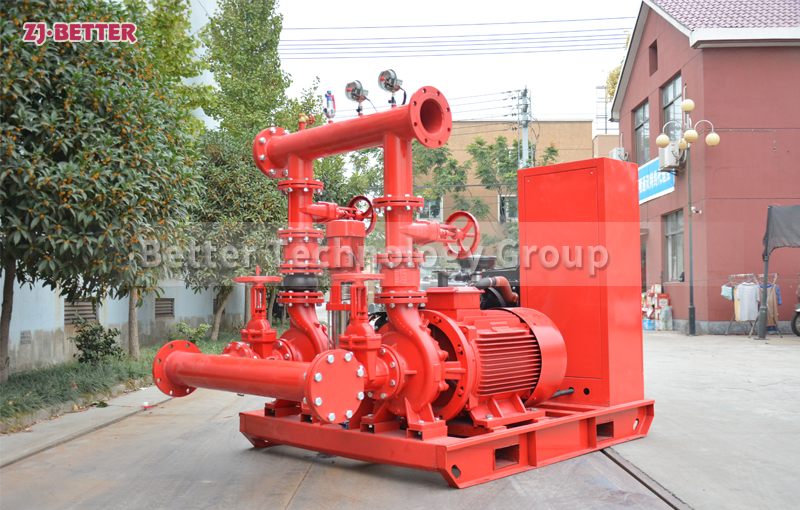
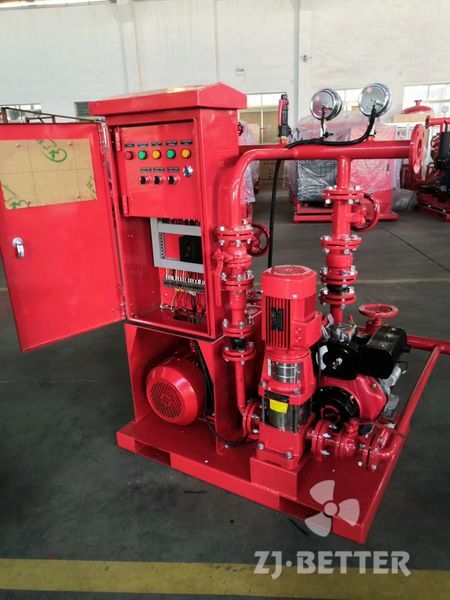
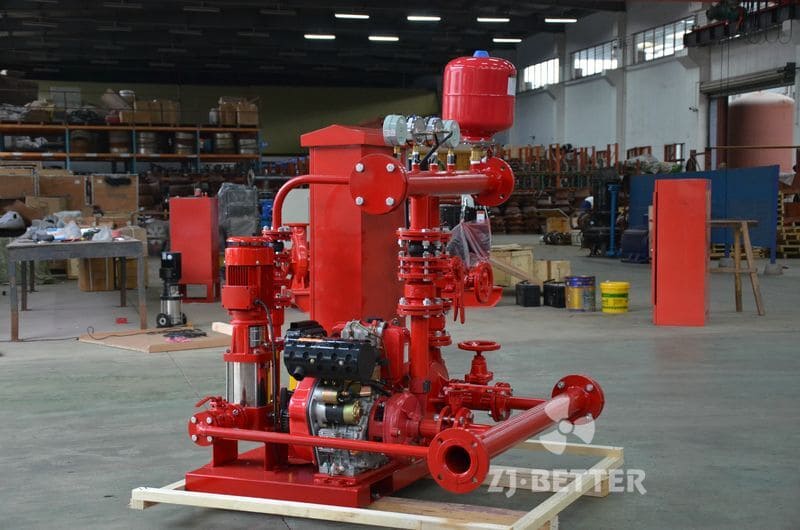
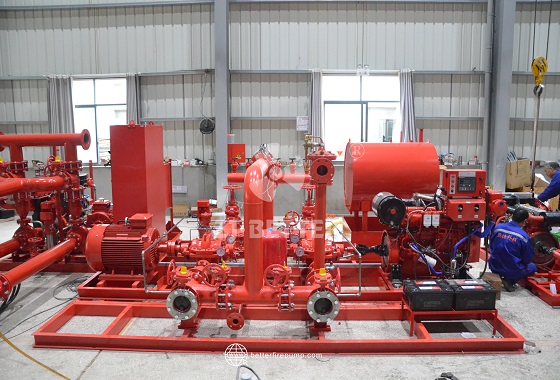
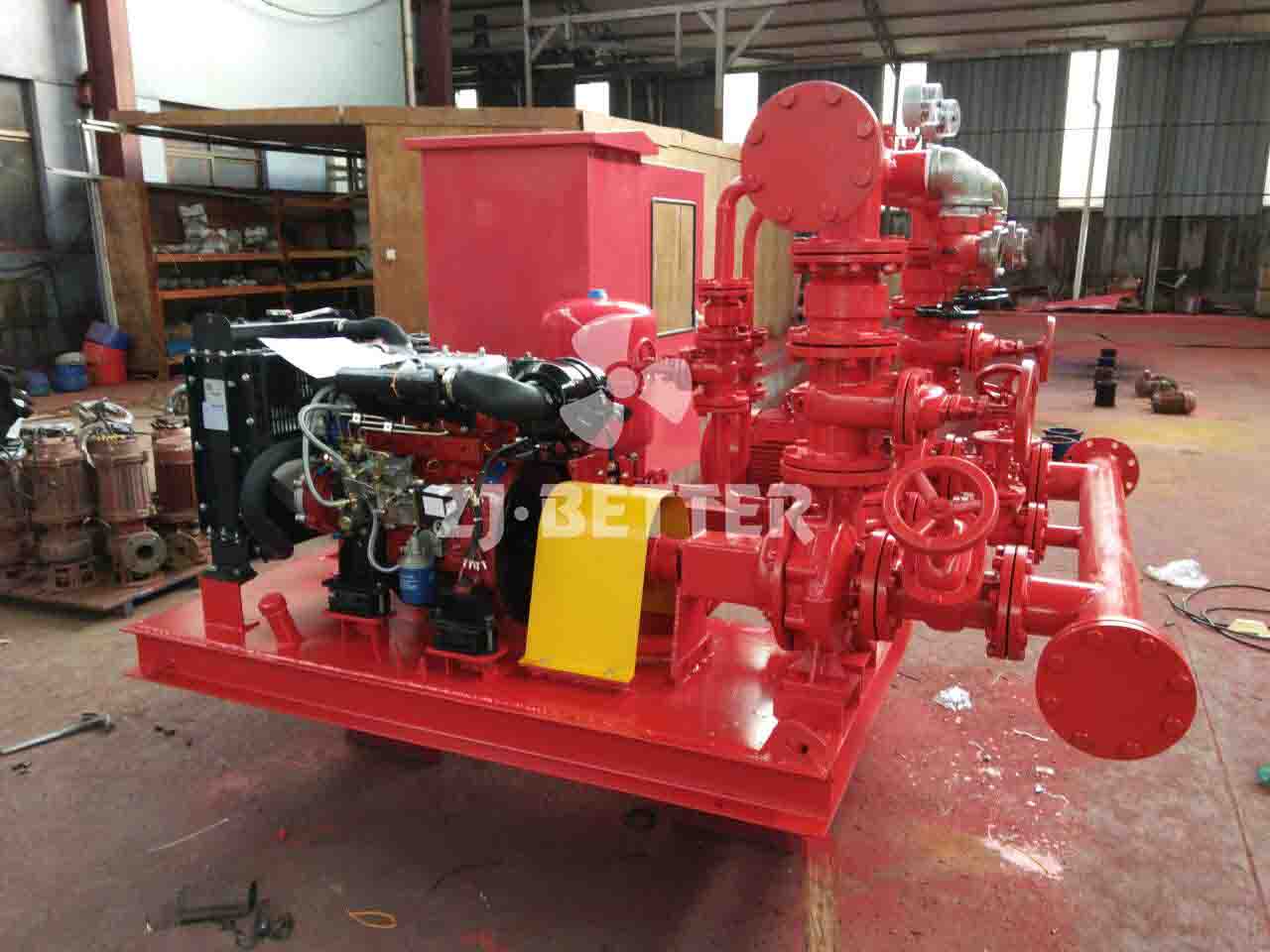
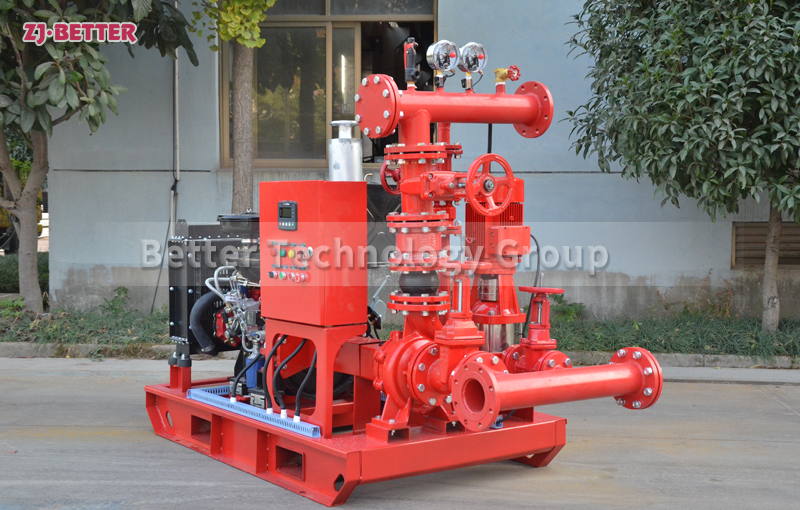
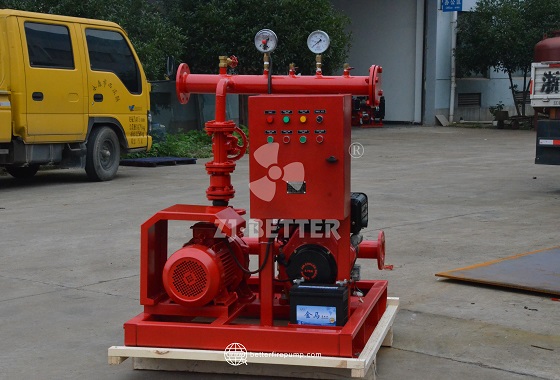
The electric fire pump control cabinet is a critical control unit within a fire water supply system, primarily responsible for managing the startup, operational status, and electrical parameters of fire pumps. Featuring a compact design that integrates control elements, operation buttons, status indicators, and electrical components, the unit minimizes the installation footprint, streamlines the layout of the fire pump room, and facilitates on-site operation and routine maintenance. Depending on the specific system configuration, the cabinet can interface with pressure switches or sensors; by monitoring pressure fluctuations in the fire piping network and executing preset control logic, it automatically triggers the fire pump, thereby reducing the need for manual intervention and enhancing response efficiency. The cabinet panel displays operational status and houses controls, allowing personnel to monitor the system at a glance and perform manual operations, functional tests, and maintenance tasks as required. Depending on the configuration, the control system may also include electrical protections—such as safeguards against overload, short-circuit, phase loss, and undervoltage—along with fault alarm functions; these provide timely alerts during anomalies and offer supplementary protection for the motor and pump assembly. Electric fire pumps operate by using a motor to drive an impeller, converting mechanical energy into water pressure to boost and transport fire-fighting water; the control cabinet works in tandem with pressure-sensing devices to centrally manage pump operations, ensuring that equipment control remains aligned with the demands of the fire piping network. These control units are compatible with various electric fire pump types, including single-stage centrifugal pumps and vertical multi-stage pumps; specific parameters—such as motor power, flow rate, head, and control method—can be selected to meet project design requirements. The compact structure optimizes installation space, while the centralized interface simplifies operational checks, status monitoring, and troubleshooting for personnel. For fixed fire water supply projects—such as industrial plants, commercial buildings, logistics warehouses, and public facilities—the electric fire pump control cabinet provides essential support for automatic control, operational monitoring, and management. By coordinating with fire pumps, motors, and pressure-sensing components, it establishes a reliable control foundation for the standardized operation of the fire water supply system.
Inquiry


    More Fire Pump Set

    Fire pumps are classified into various types based on their specific applications and operational characteristics. The common classifications of fire pumps include:

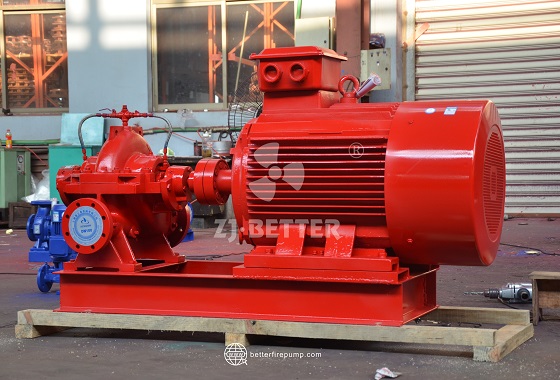
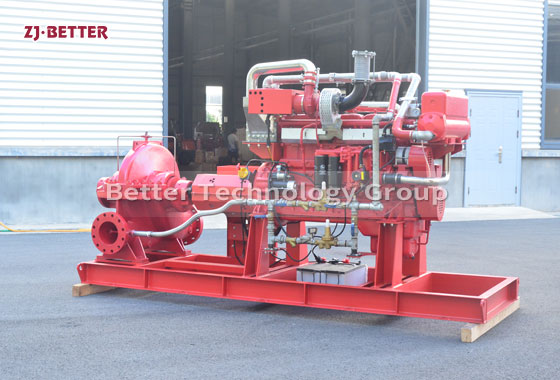
    Horizontal Split Case Fire Pumps: These pumps have a horizontally split casing, which allows easy access to internal components for maintenance and repairs. They are typically used in large-scale fire protection systems, such as industrial facilities, commercial buildings, and high-rise structures. Horizontal split case pumps are known for their high flow rates and can handle a wide range of pressures.

    Vertical Turbine Fire Pumps: Vertical turbine pumps have a vertical shaft and are designed to operate with submerged impellers. These pumps are commonly used in water sources such as wells, rivers, or lakes. Vertical turbine fire pumps are ideal for locations where space is limited, as they have a small footprint. They are also suitable for applications that require high pressures but lower flow rates.

    Vertical Inline Fire Pumps: Vertical inline pumps have a vertical design with the motor located above the impeller. These pumps are compact and space-saving, making them suitable for installations where floor space is limited. Vertical inline fire pumps are commonly used in commercial and industrial applications, such as office buildings, hospitals, and manufacturing facilities.

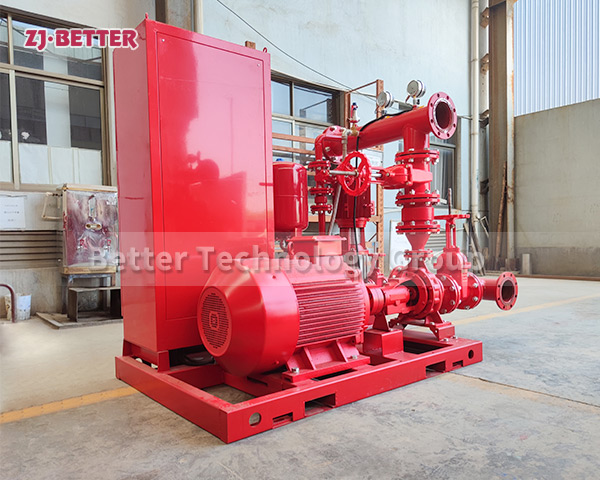
    End Suction Fire Pumps: End suction pumps have a single impeller mounted on the end of the shaft. They are widely used in various applications, including fire protection systems. These pumps are known for their simplicity, ease of maintenance, and cost-effectiveness. End suction fire pumps are typically used in smaller buildings, residential properties, and light commercial applications.

    Multistage Fire Pumps: Multistage pumps consist of multiple impellers arranged in series. Each impeller adds pressure to the water, allowing these pumps to deliver high pressures. Multistage fire pumps are suitable for applications that require high-pressure delivery, such as high-rise buildings, industrial plants, and sprinkler systems with demanding pressure requirements.

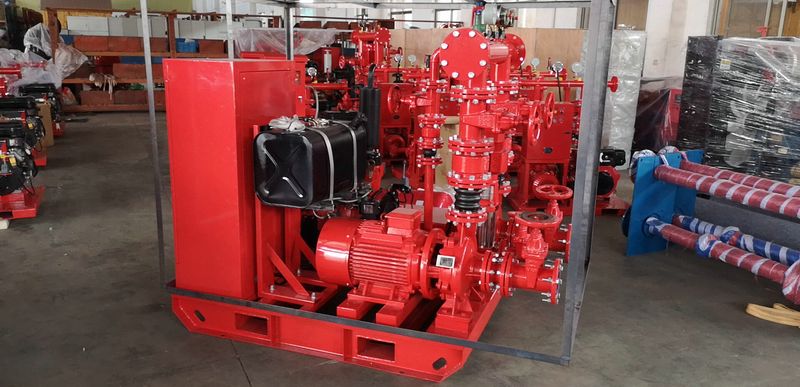
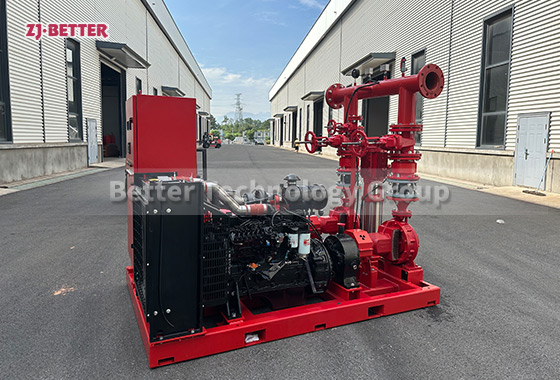
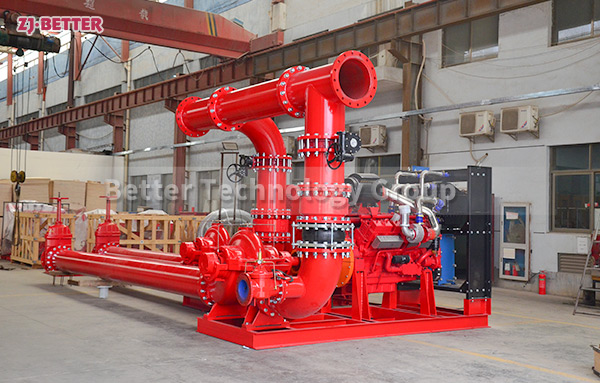
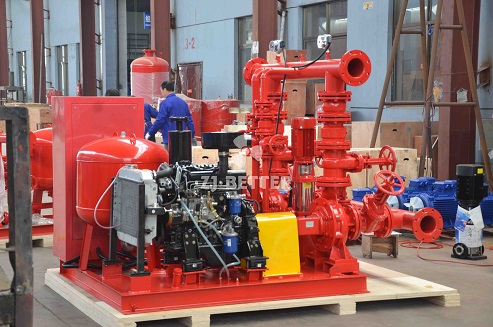
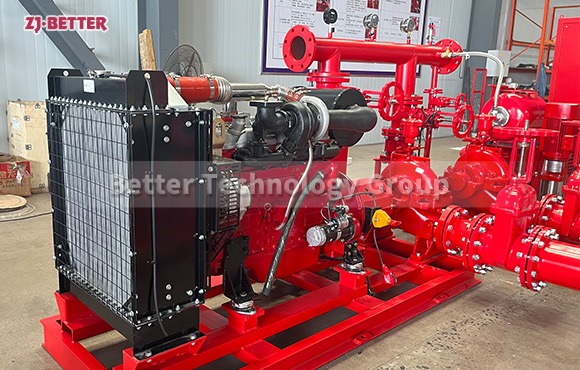
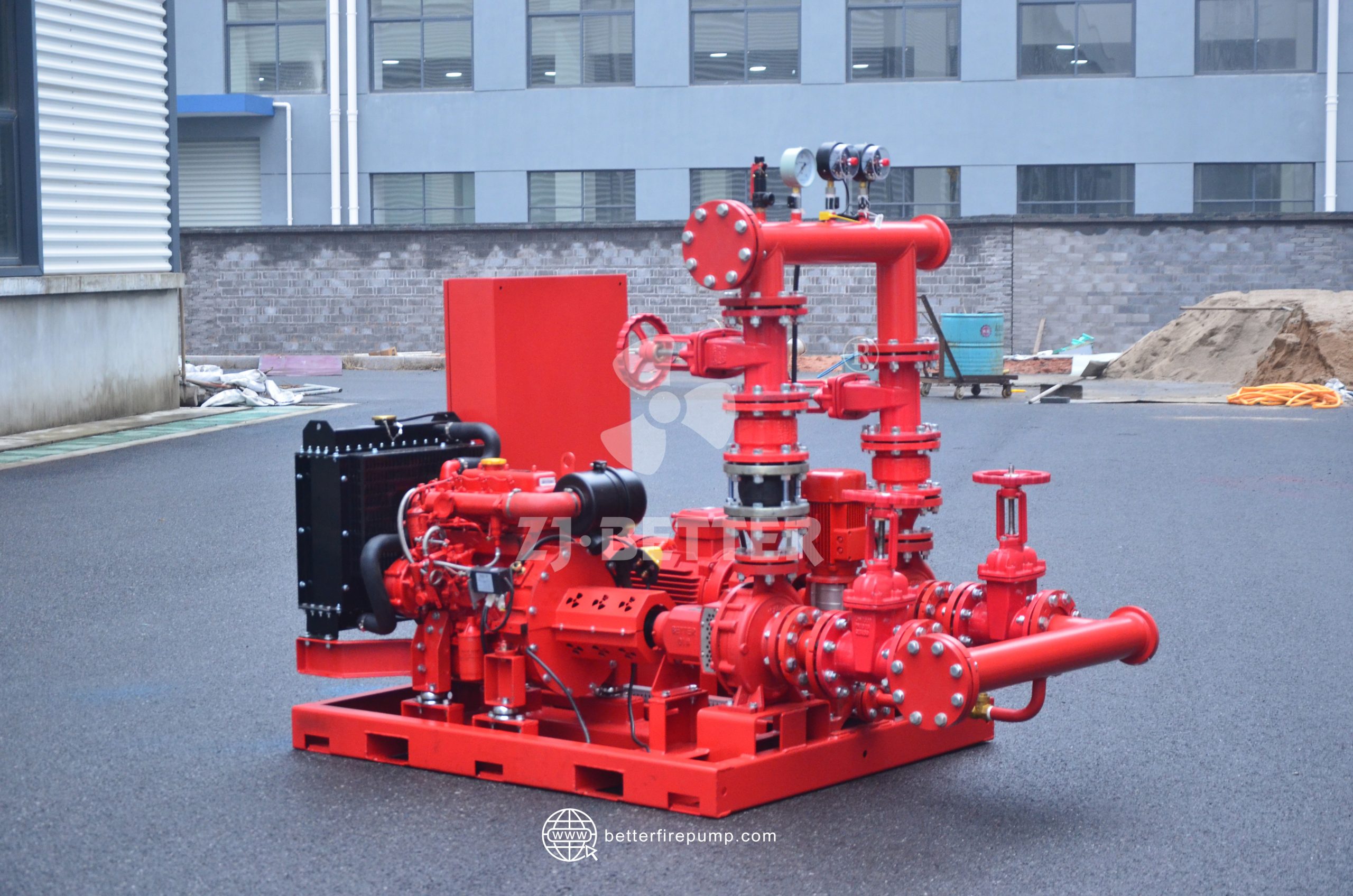
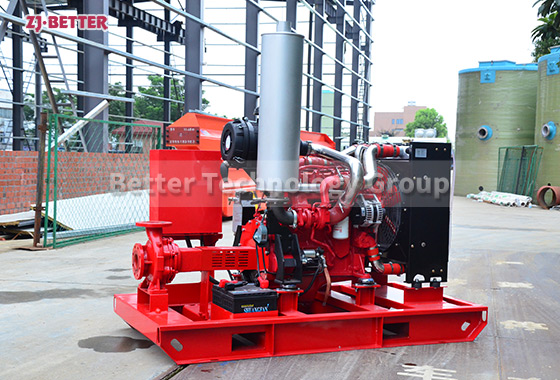
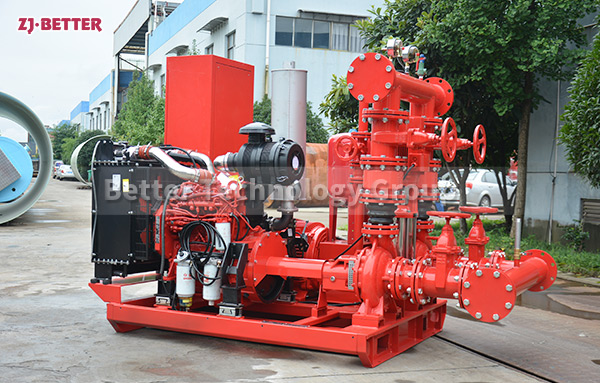
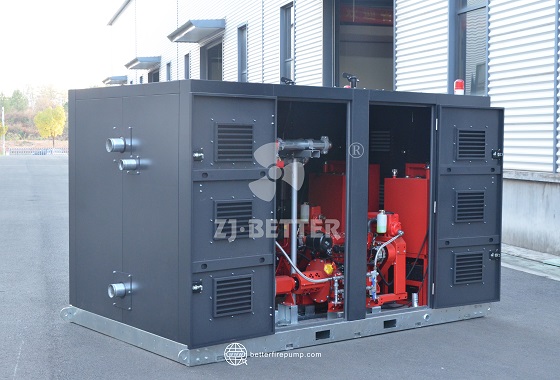
    Diesel-Driven Fire Pumps: Diesel-driven fire pumps are powered by diesel engines, providing a reliable source of power in situations where electricity may be unavailable or unreliable. These pumps are commonly used in remote locations, off-grid areas, and critical infrastructure where continuous operation is essential. Diesel-driven fire pumps are known for their durability and ability to deliver high flow rates and pressures.

    It’s important to note that these classifications are not exhaustive, and variations of fire pumps exist within each category. The choice of fire pump classification depends on factors such as system requirements, available space, flow rates, pressure requirements, and power sources. Consulting with fire protection experts or system designers can help determine the most suitable fire pump classification for a specific application.