Electric Fire Pump Set with Automatic Pressure Regulation for Improved Fire System Operation
The electric fire pump unit features an automatic pressure regulation design and integrates a fire pump, jockey pump, pressure tank, control cabinet, and pressure sensing components, providing stable, efficient pressure management and water supply support for building and industrial fire protection systems.
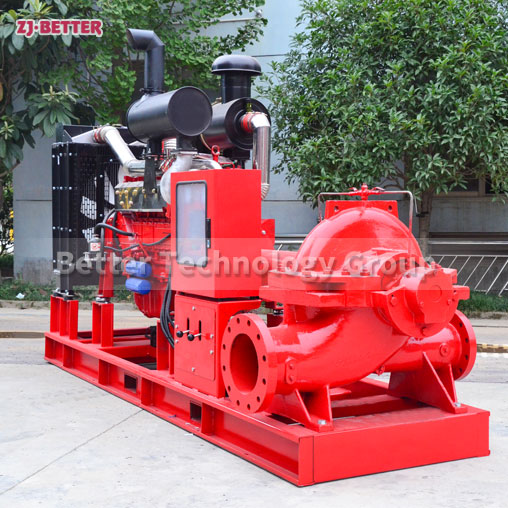
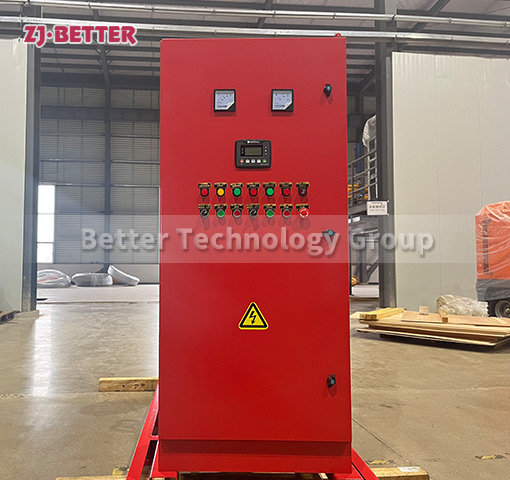
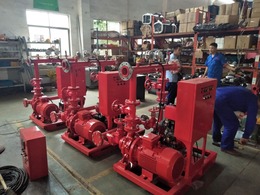
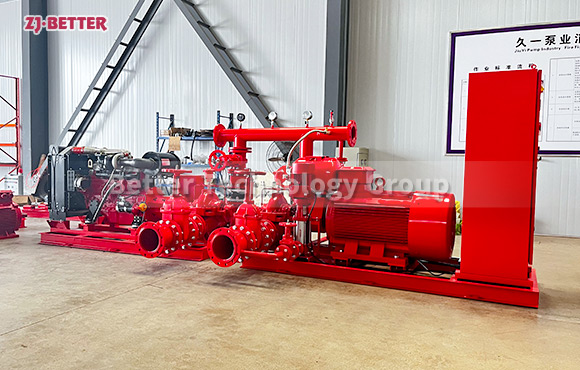
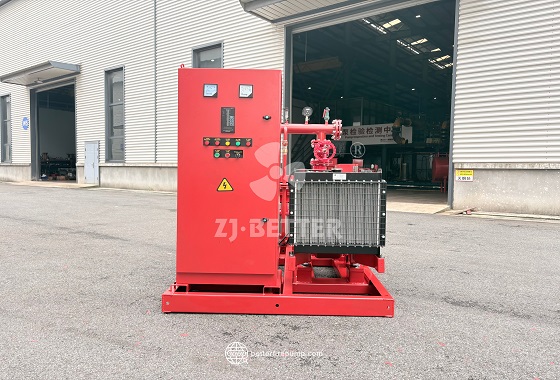
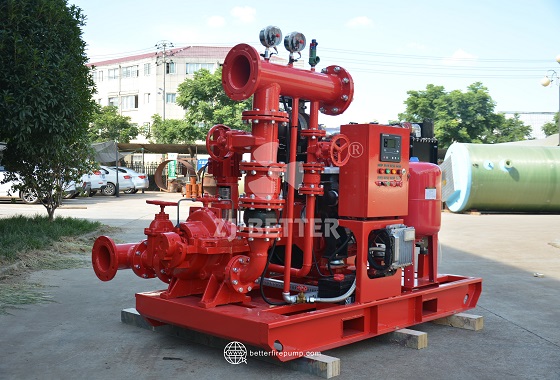
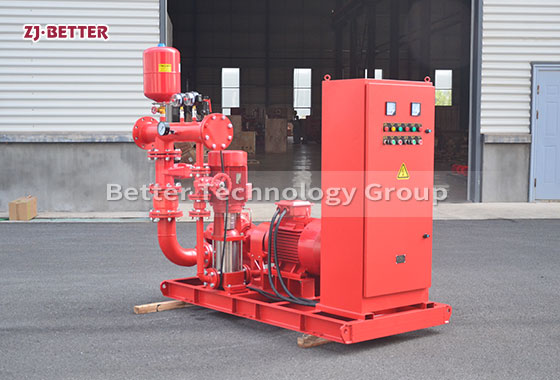
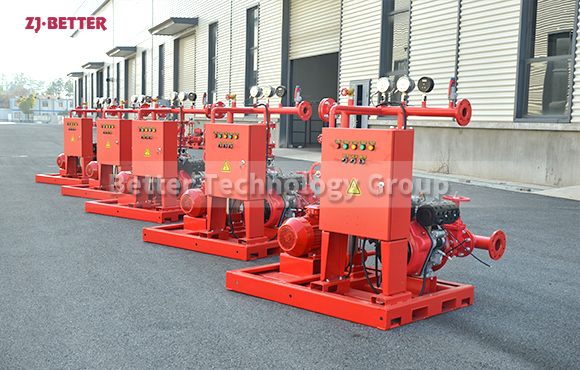
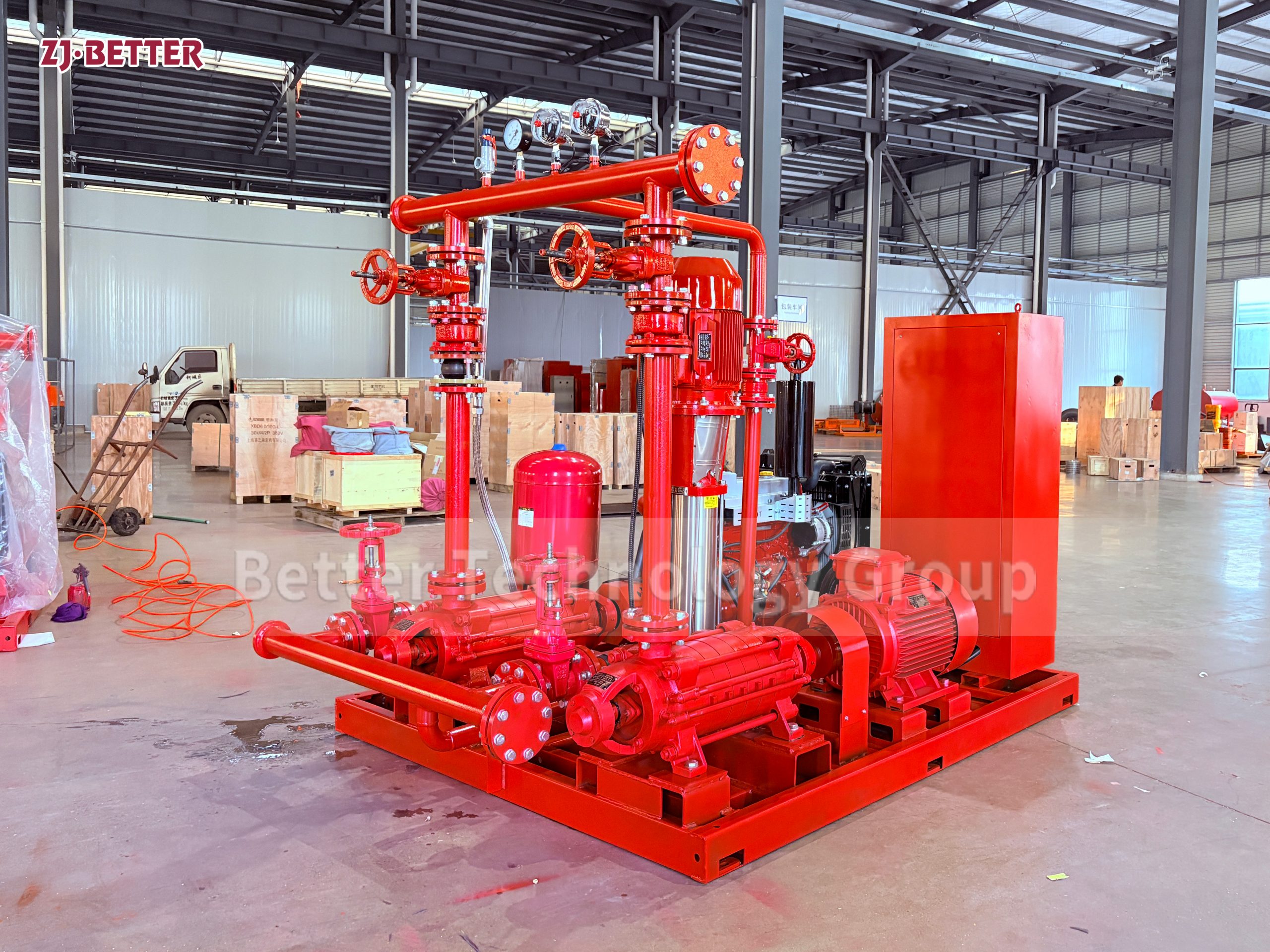
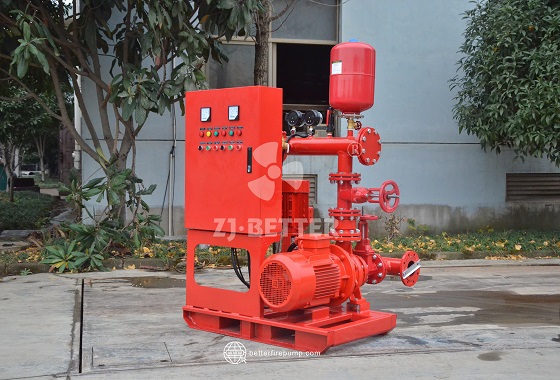
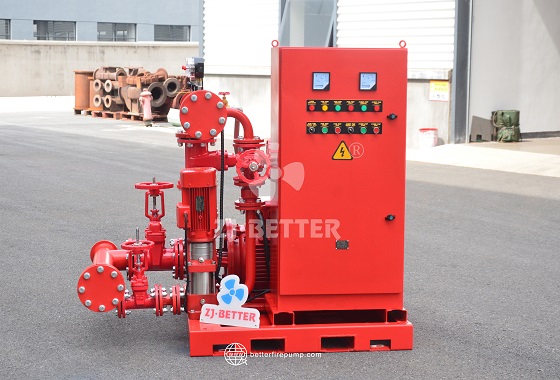
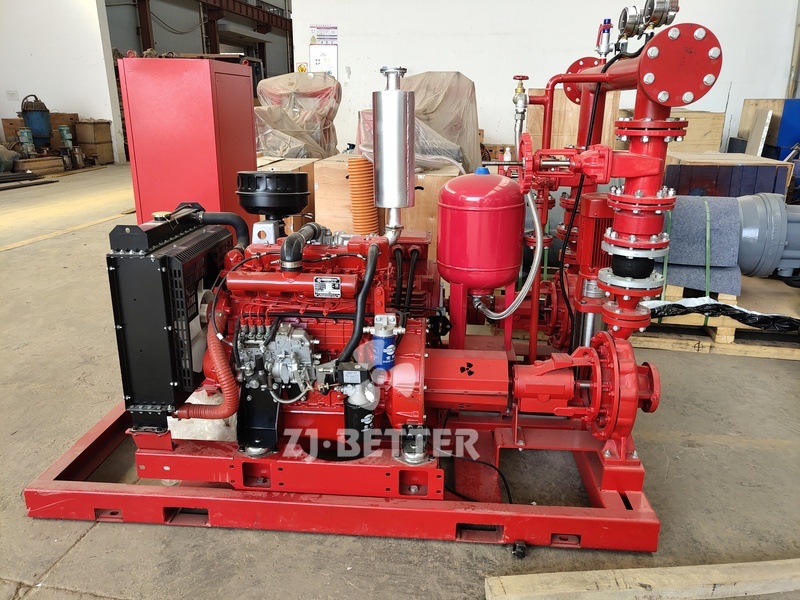
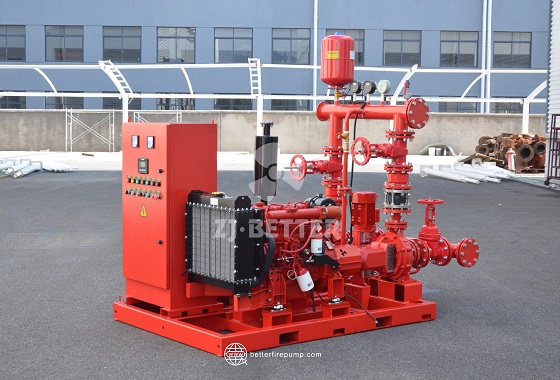
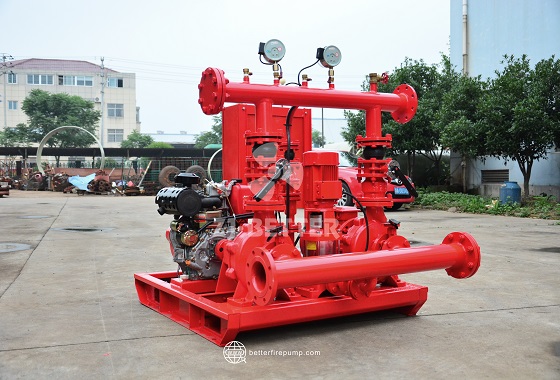
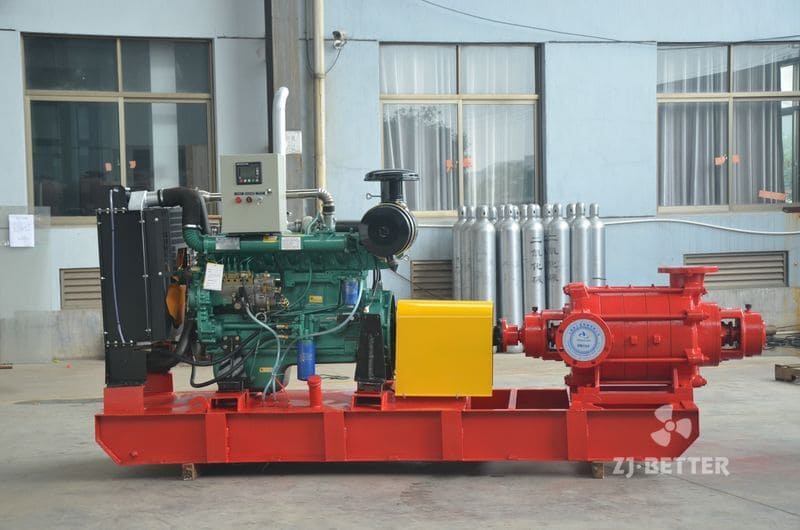
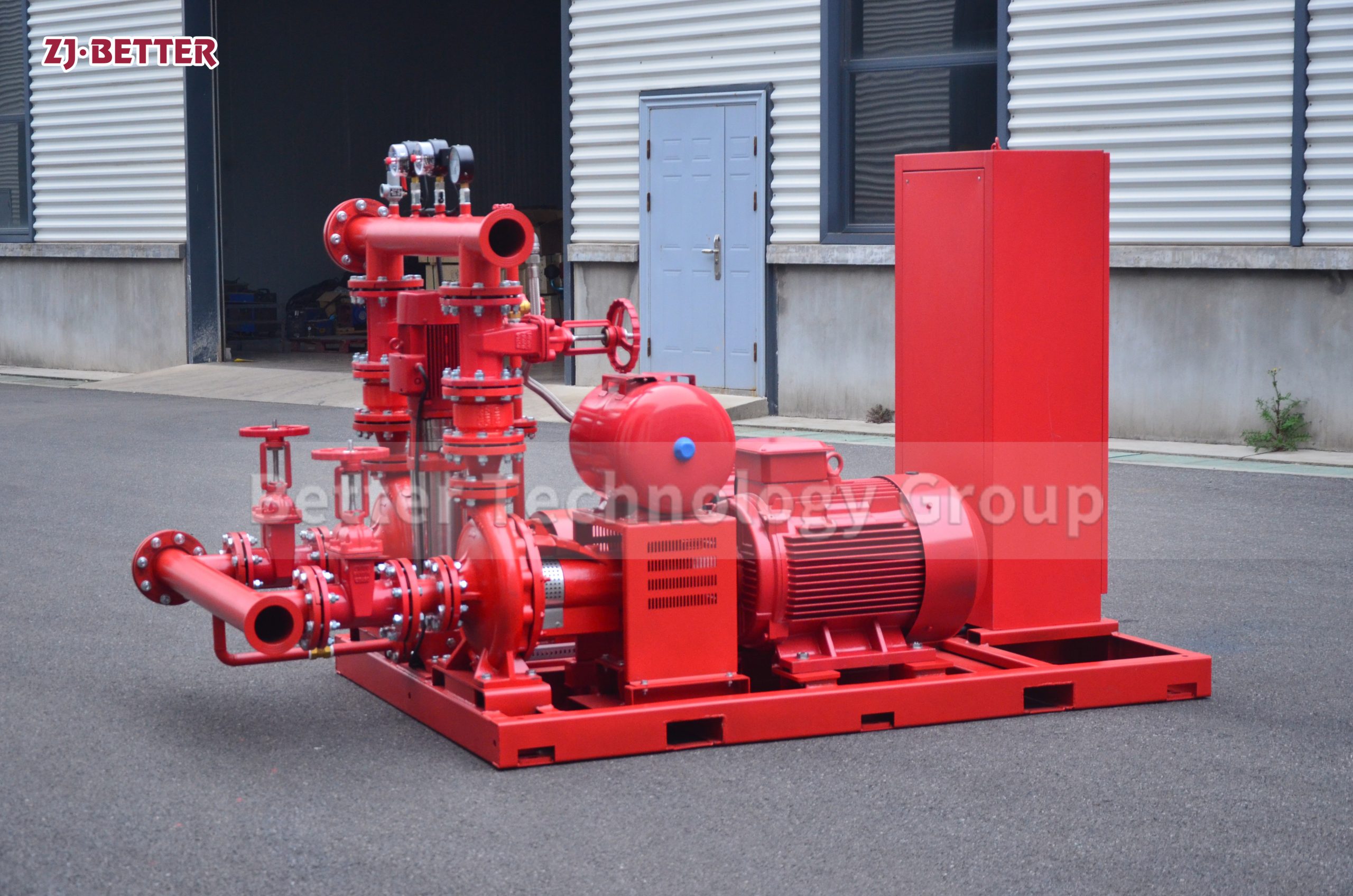
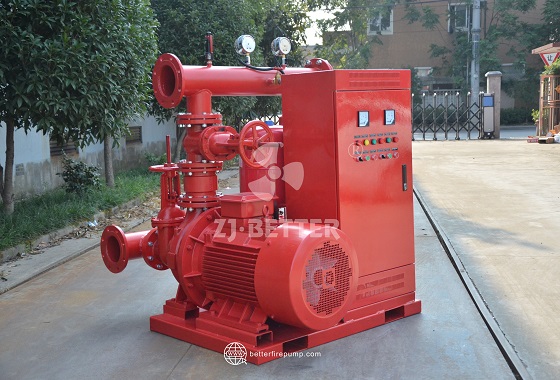
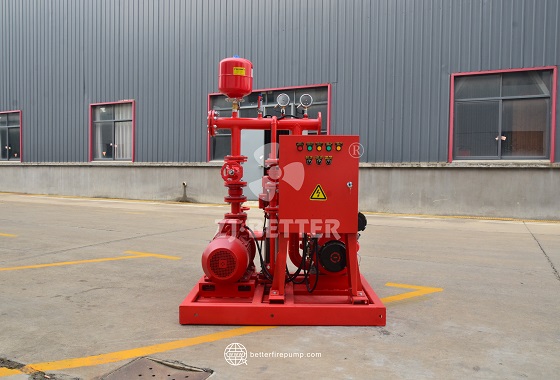
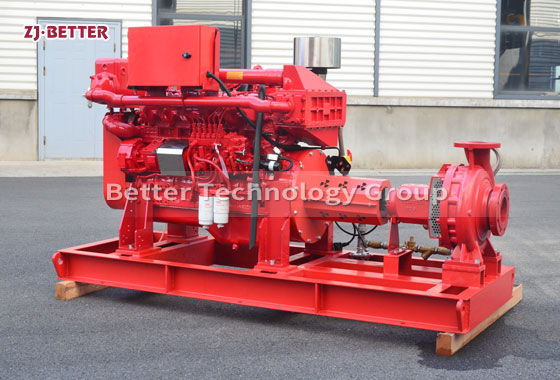
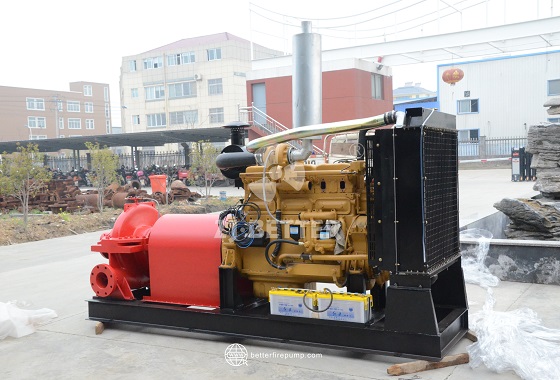
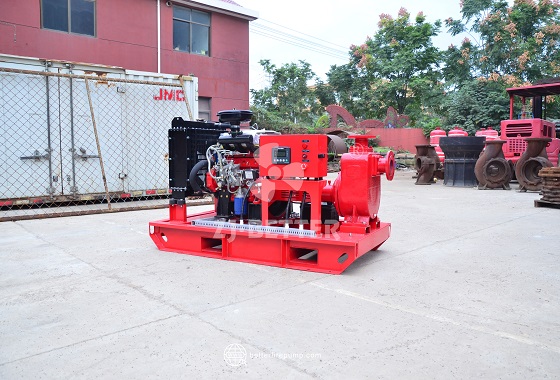
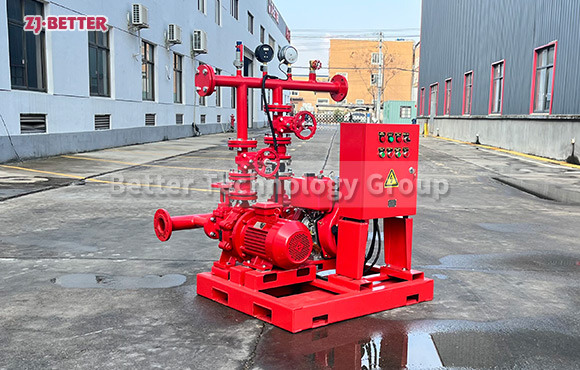
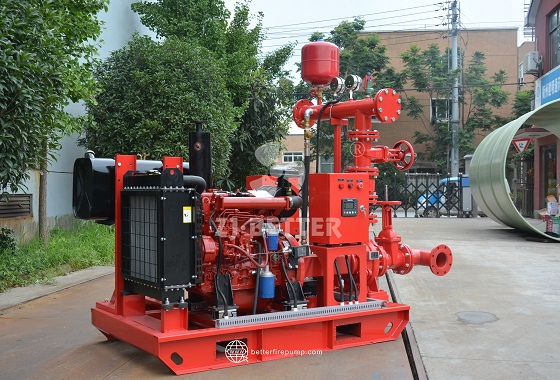
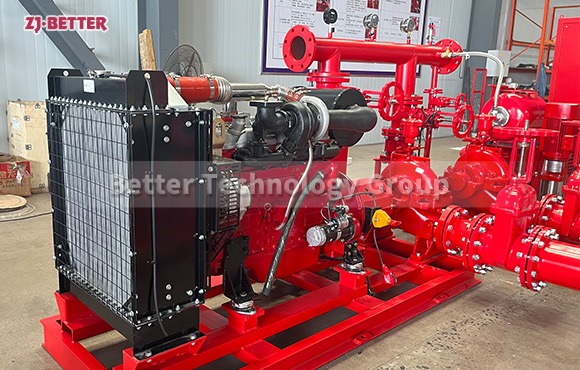
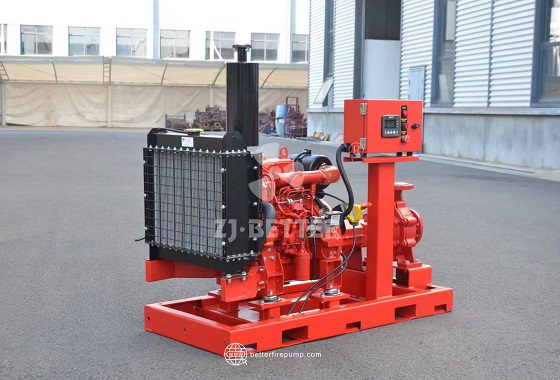
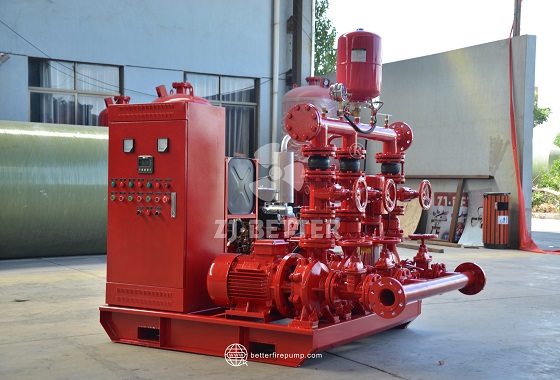
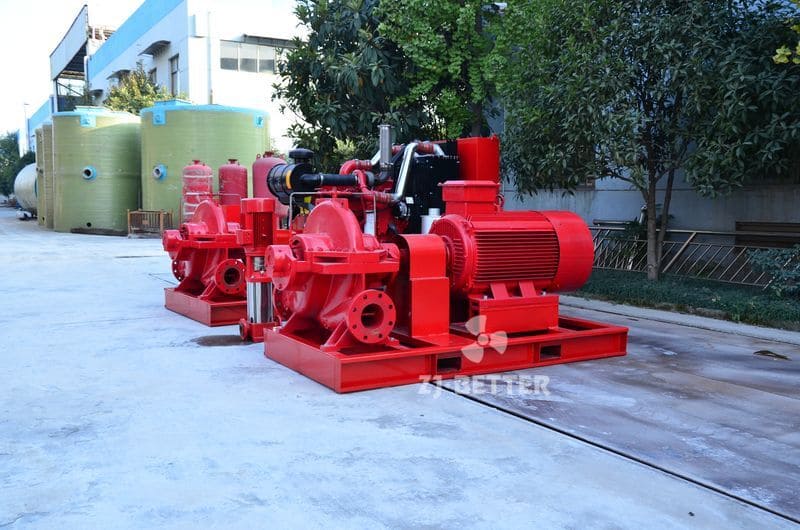
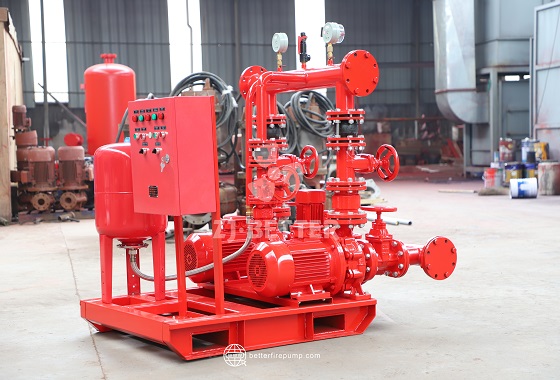
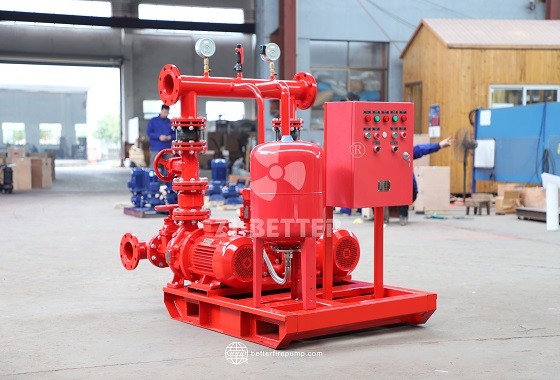
The electric fire pump assembly is an integrated fire water supply system comprising a main fire pump, a jockey pump (pressure-maintaining pump), a pressure tank, a control cabinet, pressure monitoring instruments, and valve/piping components. The unit shown in the image utilizes a skid-mounted common base that consolidates the pump bodies, motors, control systems, and pressure components into a compact, highly integrated package that facilitates easy on-site installation. Its core advantage lies in the dynamic maintenance of fire pipeline network pressure through pressure monitoring and automatic control; when network pressure drops, the control system activates the jockey pump based on preset pressure signals to restore pressure, keeping the system within an optimal standby pressure range and thereby reducing frequent starts of the main fire pump caused by minor daily leaks or pressure fluctuations. According to product specifications, these assemblies can utilize various pump types—such as single-stage, end-suction, horizontal split-case (double-suction), or multi-stage pumps—with flow rates, heads, and power ratings tailored to specific project requirements (e.g., flow rates ranging from 30 to 9,000 GPM and heads from 3 to 20 bar). The unit in the image also features a pressure tank and pressure gauges; the pressure storage device acts as a buffer against network pressure fluctuations, working in tandem with the jockey pump and pressure monitoring devices to create a comprehensive pressure management system. Jockey pumps typically feature low flow rates and relatively high heads, serving to maintain daily pipeline pressure, whereas main fire pumps handle the primary water supply during fire emergencies; their coordinated operation ensures efficient water delivery across various system states. The control cabinet is a critical component that centrally manages the operation of both the main fire pump and the jockey pump, enabling automatic control based on configuration while providing protections against overloads and overcurrents to streamline equipment management. Accessories such as pressure sensors, pressure gauges, and pipeline valves allow personnel to monitor system pressure and provide essential data for commissioning, operational checks, and routine maintenance. In terms of hydraulic performance, electric fire pumps can be configured to meet the specific flow rate and head requirements of various fire protection projects; product specifications cover a wide range of inlet/outlet diameters, flow rates, heads, and power ratings, with vertical or horizontal models available for combined use based on project needs, making them suitable for fixed fire water supply applications in buildings, industrial plants, warehouses, and commercial facilities. Utilizing an integrated package design allows the pump unit, control cabinet, pressure tank, piping, and valves to be matched and assembled according to engineering parameters prior to shipment; this minimizes the on-site work associated with sourcing and connecting multiple components, while a common baseplate facilitates overall positioning and installation. For fixed fire protection systems requiring constant pressure maintenance in the piping network, these electric fire pump units establish a comprehensive operating system through functions such as pressure monitoring, automatic pressure replenishment, pressure storage, and centralized control; this not only meets flow and head requirements but also optimizes pressure management during standby, ensuring a stable water supply for fire hydrants, sprinkler systems, and other fire protection facilities.