Enclosed Fire Pump Unit — Integrated Ventilation, Heat Dissipation and Equipment Protection
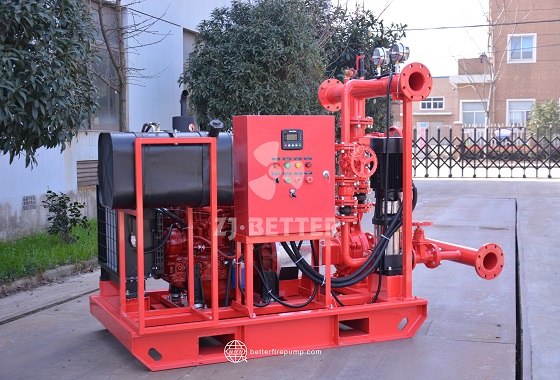
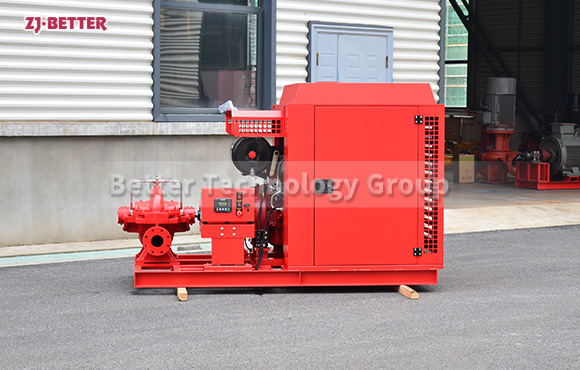
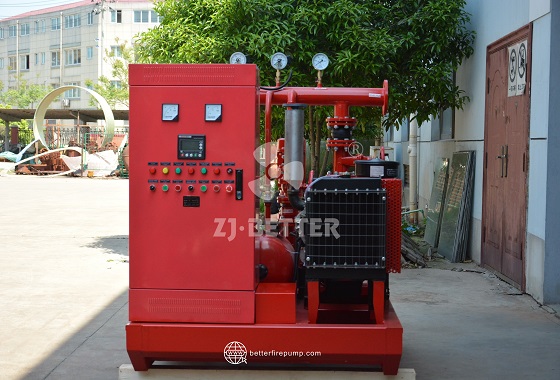
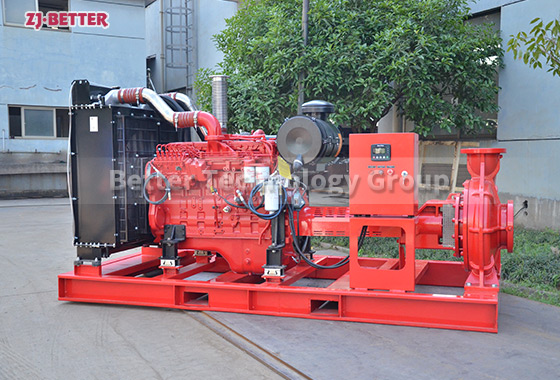
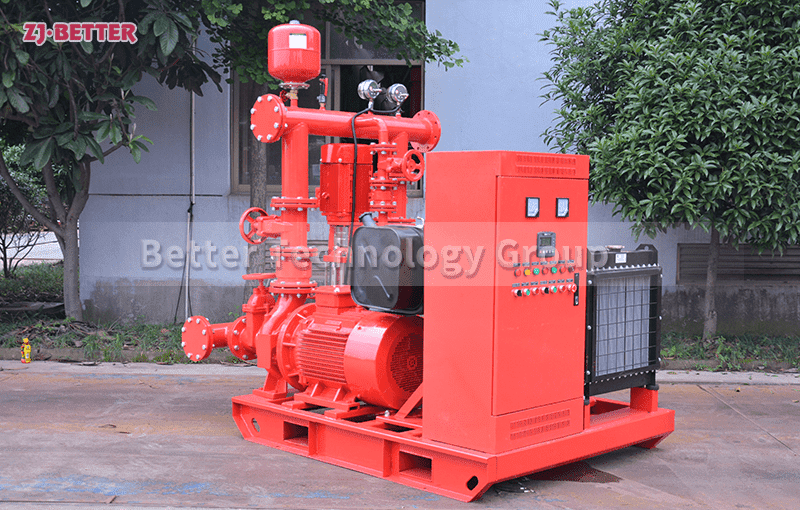
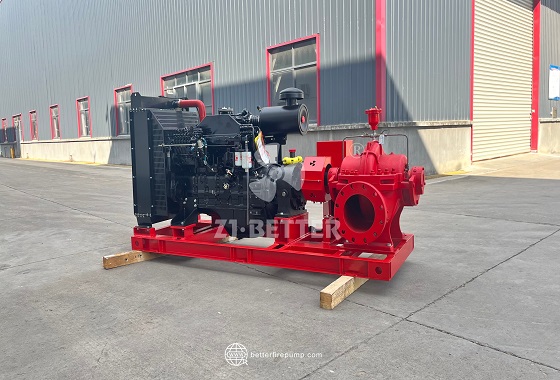
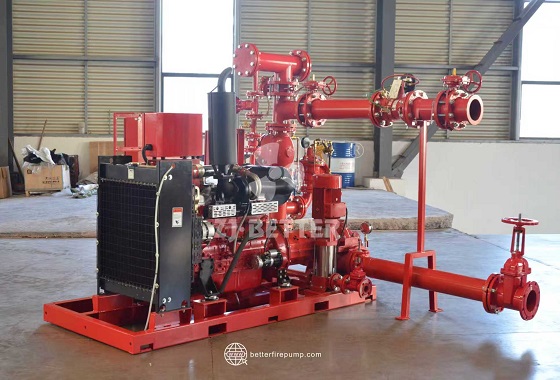
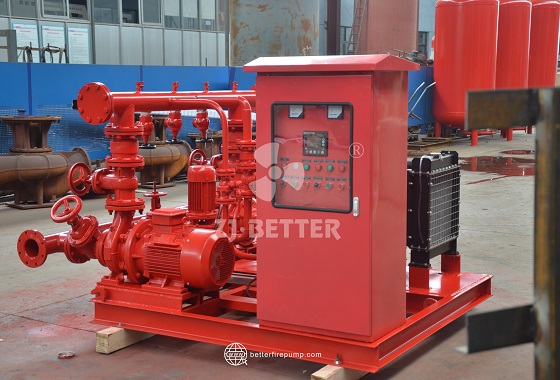
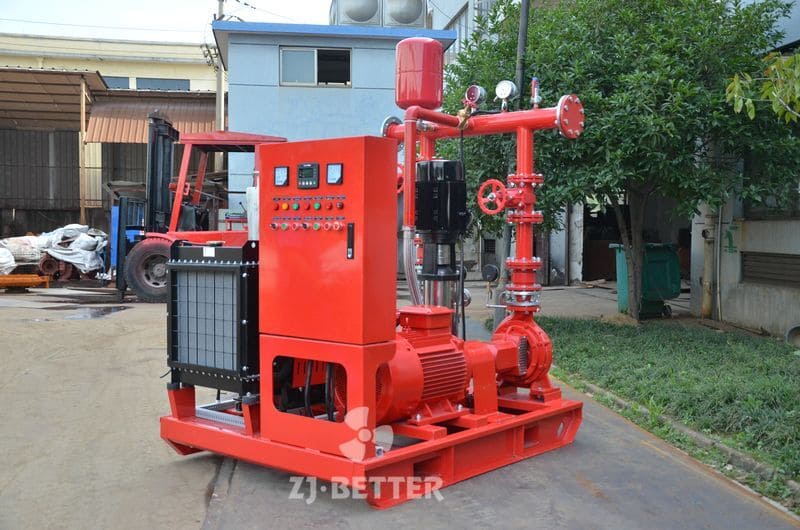
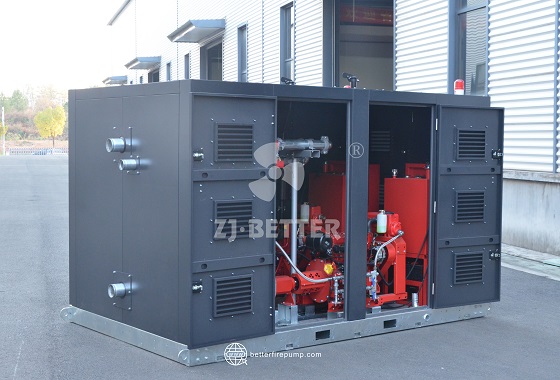
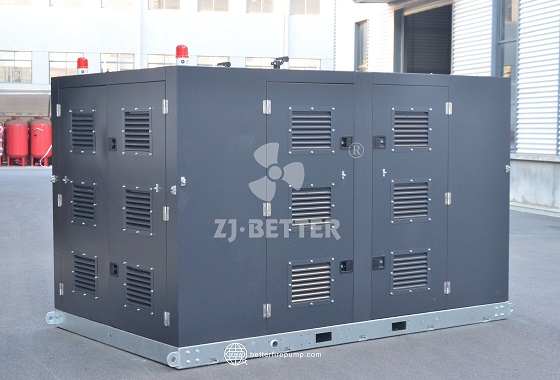
The enclosed fire pump unit features a diesel-powered design that integrates the fire pump with its control components. Housed within an enclosed enclosure equipped with ventilation, heat dissipation, and maintenance access, this unit is suitable for fire-suppression water supply systems in industrial facilities, logistics warehouses, energy infrastructure, and large-scale buildings.
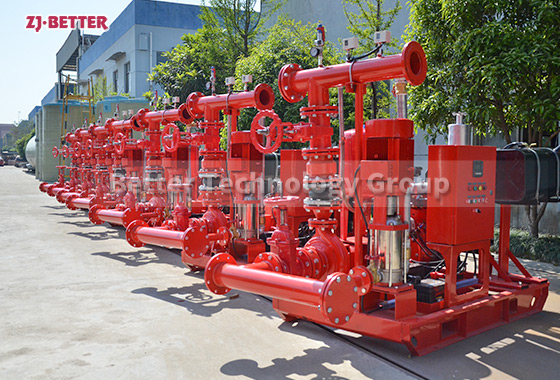
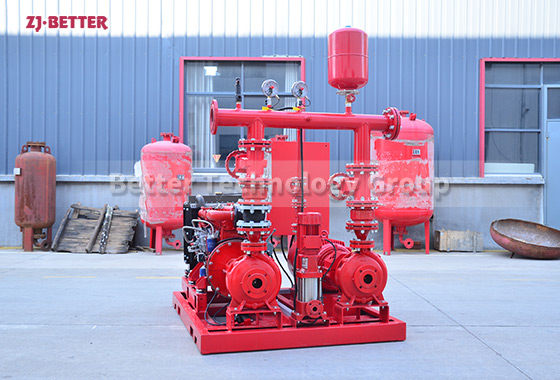
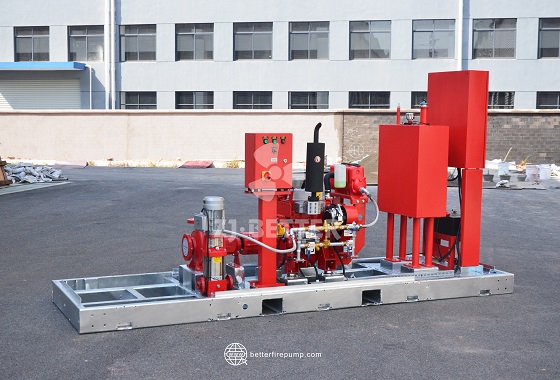
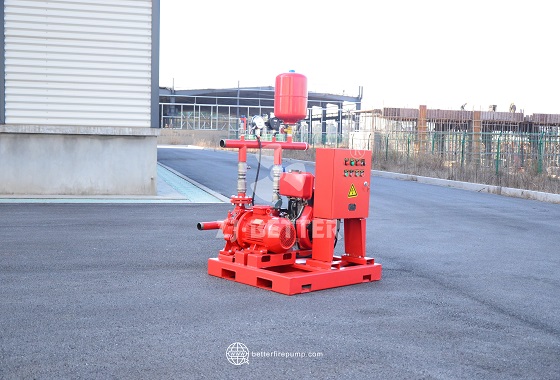
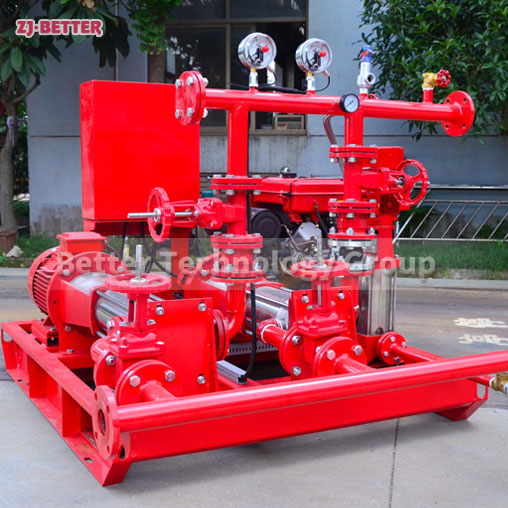
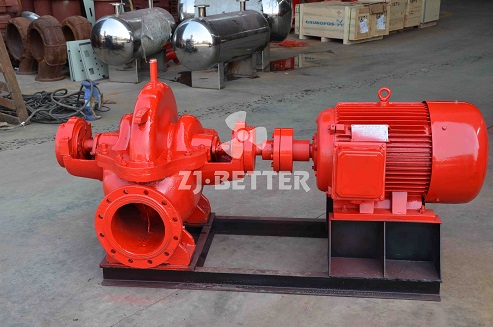
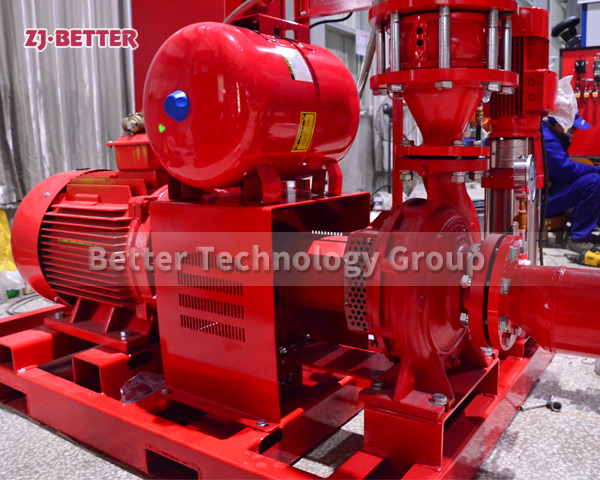
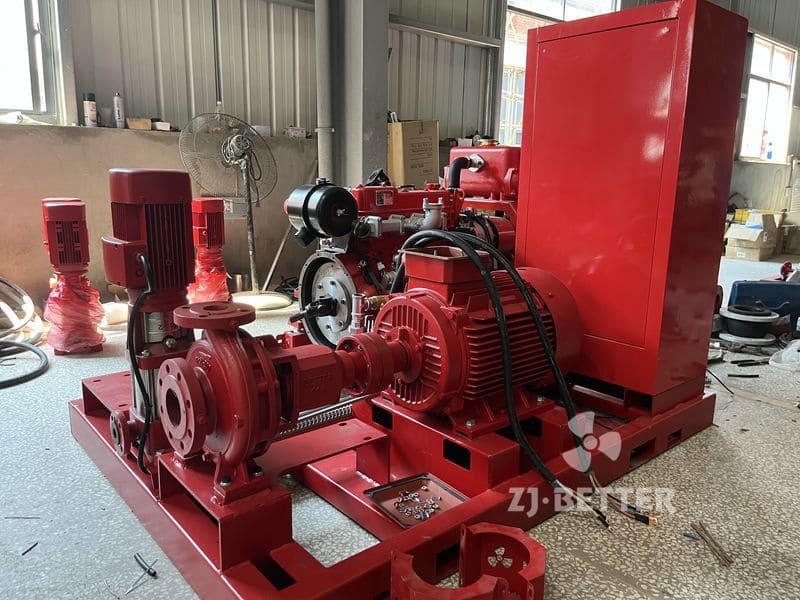
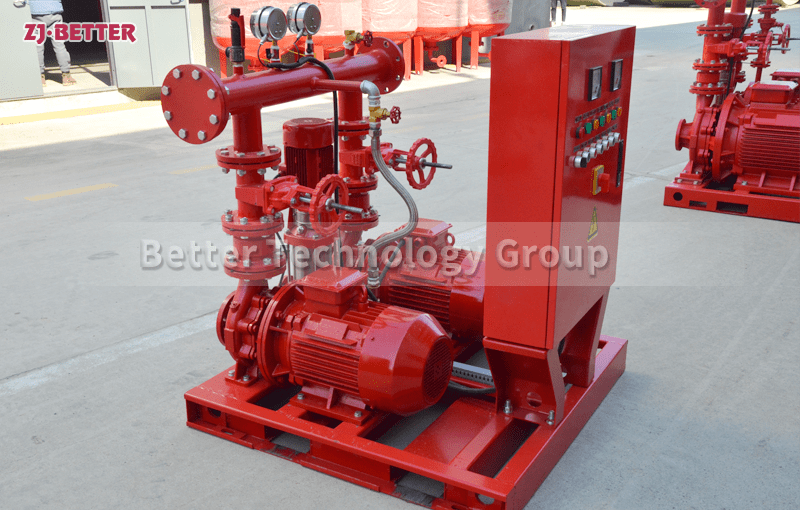
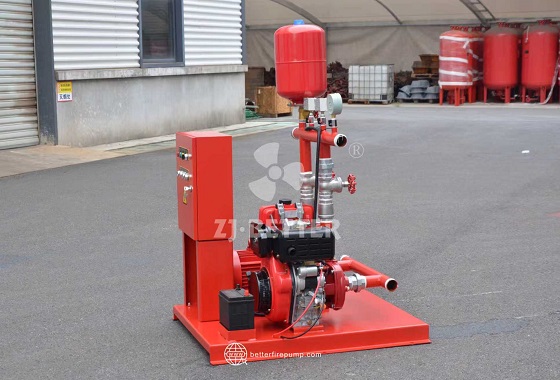
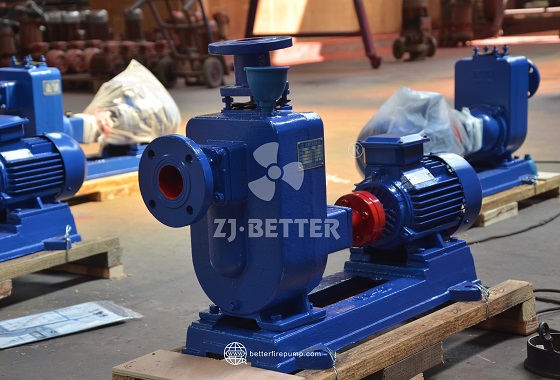
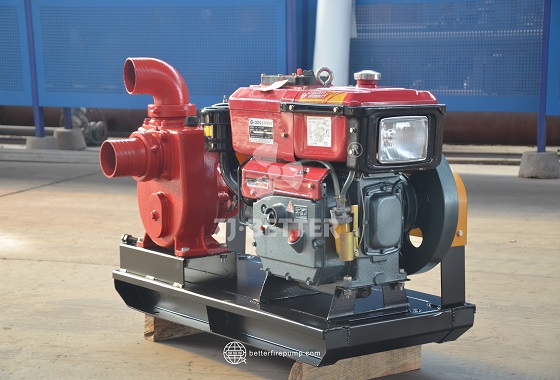
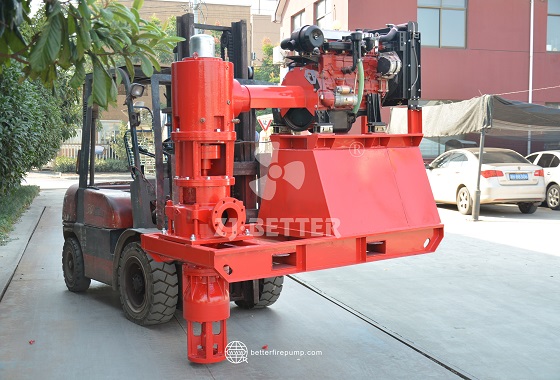
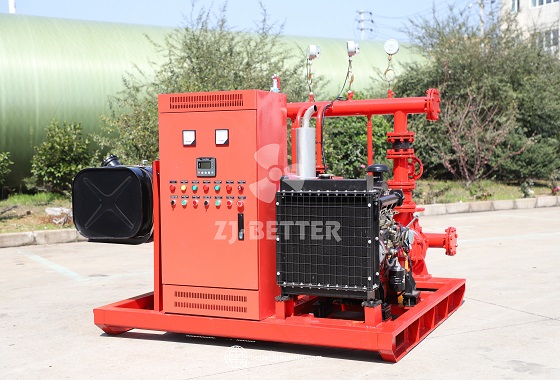
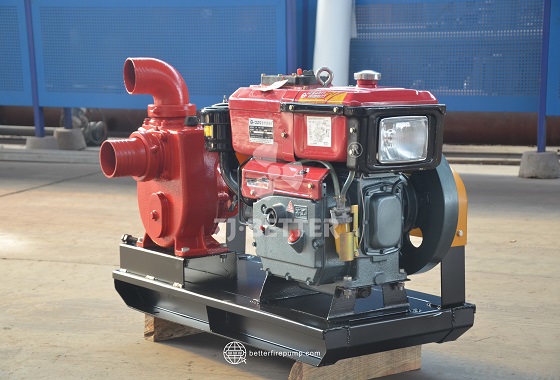
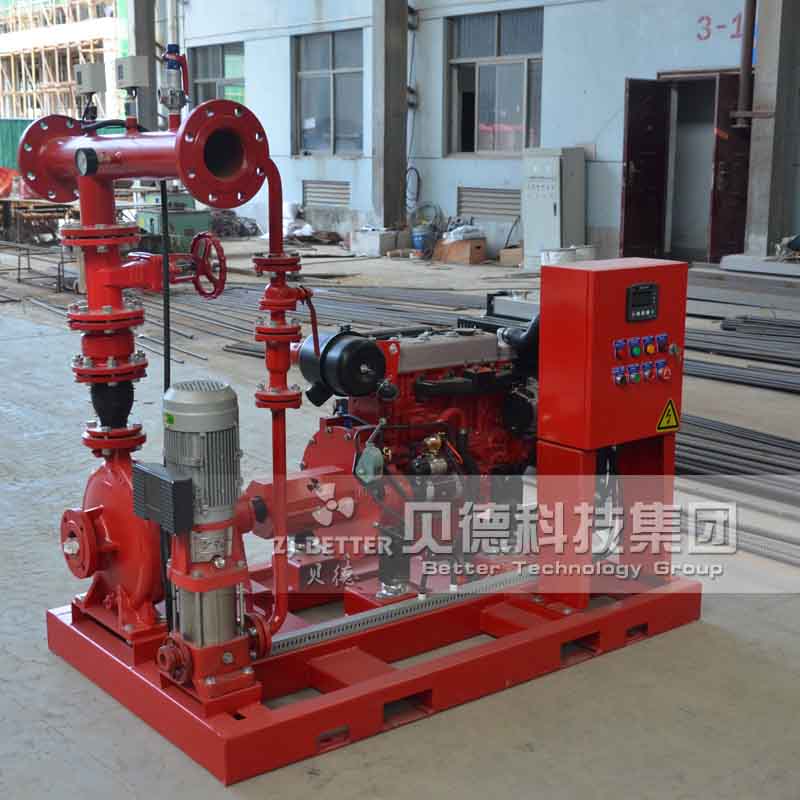
An enclosed fire pump unit is a fire-fighting water supply system in which a diesel engine, a fire pump, control components, and related auxiliary systems are integrated within a self-contained enclosure. This enclosed design creates a distinct, separate space for the power and pumping systems, while incorporating ventilation grilles, heat dissipation channels, and access points to facilitate operation and maintenance. Such units are suitable for industrial facilities, logistics warehouses, energy infrastructure, large-scale buildings, and other projects requiring reliable fire-fighting water supply. Powered by a diesel engine, the unit drives the fire pump via a mechanical transmission; it serves as an independent power source in scenarios where a stable mains power supply is unavailable or where project specifications mandate the use of diesel-powered fire-fighting equipment. The power rating of the diesel engine must be carefully matched to the fire pump’s flow rate, head, rotational speed, and actual operating conditions to ensure a balance between power output and hydraulic performance, thereby avoiding issues such as insufficient power or over-specification. According to official product documentation, these diesel fire pump units can be configured with various pump types—such as end-suction pumps, horizontal split-case pumps, or multi-stage pumps—tailored to the specific flow, head, pressure, and piping network requirements of the fire-fighting system. A key feature of this design is the enclosure itself; by housing the diesel engine, pump, and auxiliary components together, the system minimizes the footprint required for scattered equipment and results in a more organized, compact assembly, which simplifies on-site installation and management. Ventilation grilles on the exterior of the enclosure work in tandem with the engine’s cooling system to facilitate airflow, ensuring the necessary heat dissipation for the diesel engine during operation. Since cooling capacity is closely linked to engine power, ambient temperature, ventilation conditions, and equipment layout, it is essential during installation to keep air intake, exhaust, and hot-air discharge paths clear, ensuring that the cooling airflow remains unobstructed. Product documentation further emphasizes the critical importance of proper ventilation in the fire pump room, specifically noting that equipment such as control cabinets must not interfere with the operation of the diesel engine’s radiator. This product features a centralized equipment layout, in which the fire pump, diesel engine, cooling system, control unit, and associated piping components are optimally integrated to form a complete fire-fighting water supply unit. Compared to the traditional approach of installing components separately, this integrated design reduces the need for on-site interconnections and coordination, while also facilitating unified inspection and maintenance of key components. The enclosure is equipped with multiple access doors and openable sections, providing sufficient space for the maintenance of the engine, pump, control unit, and auxiliary systems. During routine operation, the fuel system, cooling system, lubrication system, starting mechanism, piping connections, and the overall operational status of the pump unit can be monitored, allowing for the timely detection and resolution of any irregularities. The actual water supply performance of a fire pump depends on factors such as the pump type, impeller configuration, flow rate, head, rotational speed, and power parameters. Therefore, the specific model should be selected based on the design requirements of the fire-fighting system, rather than being judged solely by the equipment’s external appearance. Diesel-driven fire pump series can be configured to meet specific project requirements; some models offer flow rates ranging from 30 to 9,000 GPM and heads from 3 to 20 bar—though exact specifications depend on the specific model and project design parameters. These enclosed fire pump units offer excellent flexibility for integration; they can incorporate control cabinets, pressure-sensing devices, valves, pressure gauges, and necessary piping accessories, enabling the unit to function as a complete water supply system when connected to the fire-fighting piping network. For fire protection projects in industrial facilities, warehouses, ports, energy projects, or large-scale buildings, the appropriate pump type and power configuration can be selected based on the design flow rate, system head, water source conditions, available installation space, and power requirements. During installation, it is essential to ensure that the foundation has sufficient load-bearing capacity. Furthermore, the inlet and outlet pipes must be connected properly—ensuring that the weight of the piping does not exert direct force on the pump body—and adequate space must be reserved for diesel engine heat dissipation, equipment maintenance, and daily operation. Featuring an enclosed housing, an independent diesel power source, a centralized equipment layout, and an integrated ventilation and heat-dissipation design, this fire pump unit effectively combines power, pumping, and control functions. It provides a comprehensive equipment configuration for fire protection systems in industrial facilities, warehouses, and large-scale buildings, fully meeting the design requirements for fire-fighting water supply. In practical application, the unit should be selected based on specific fire-protection design parameters. Furthermore, the site environment must be taken into account to ensure proper configuration of ventilation, heat dissipation, piping, electrical systems, and maintenance access, thereby guaranteeing that the equipment operates reliably under the specified working conditions.