Fire Pressure Maintenance Pump Sets Respond to Pipeline Pressure Changes Through Automatic Start and Stop
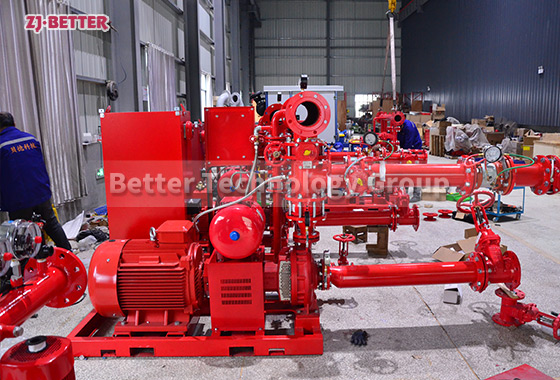
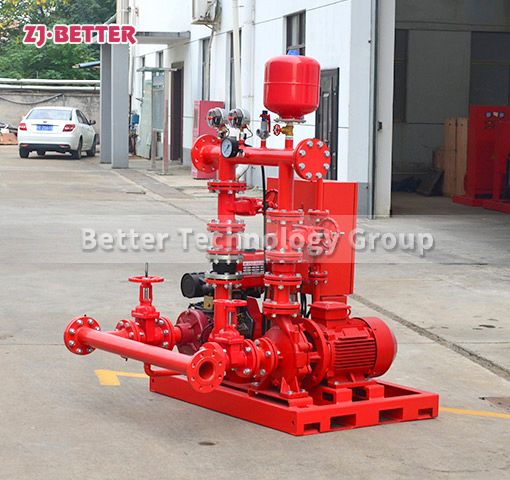
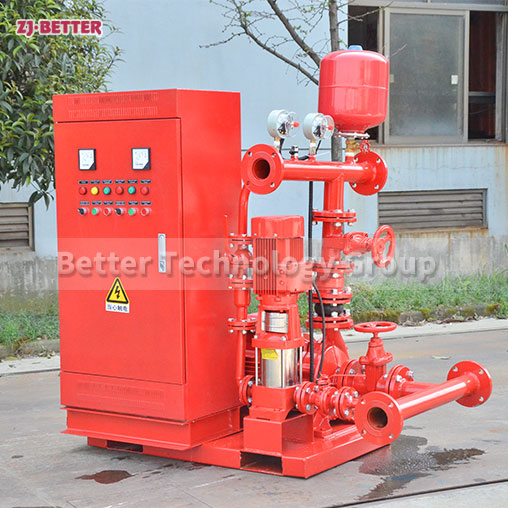
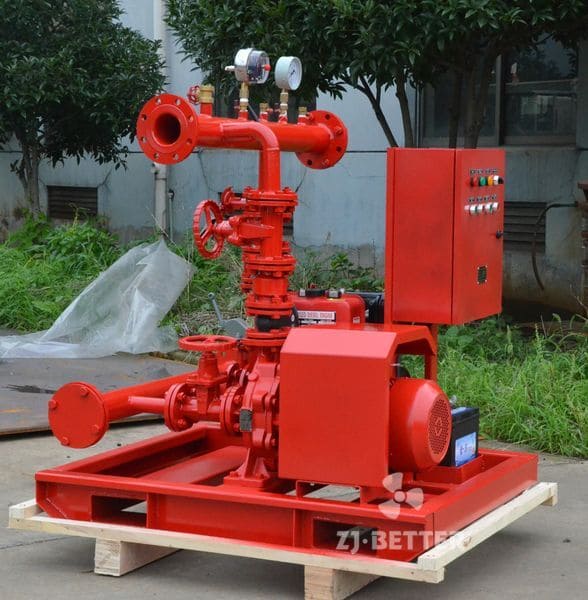
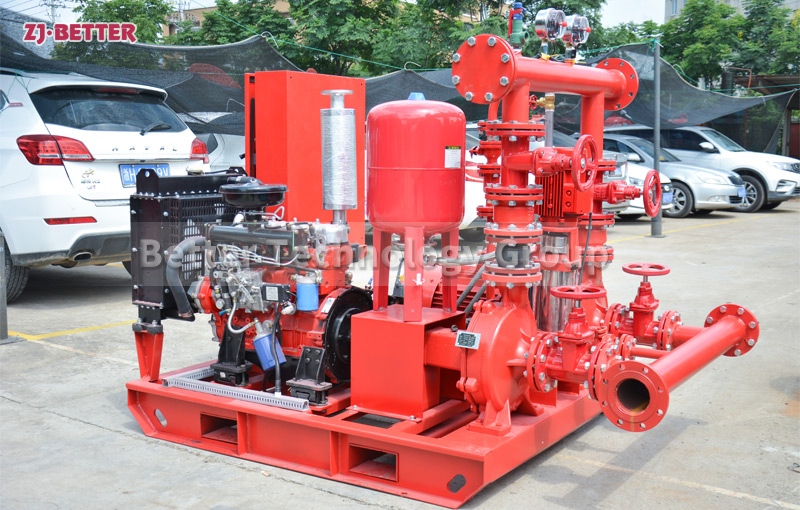
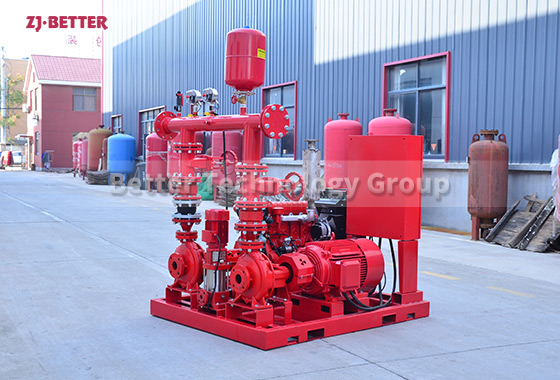
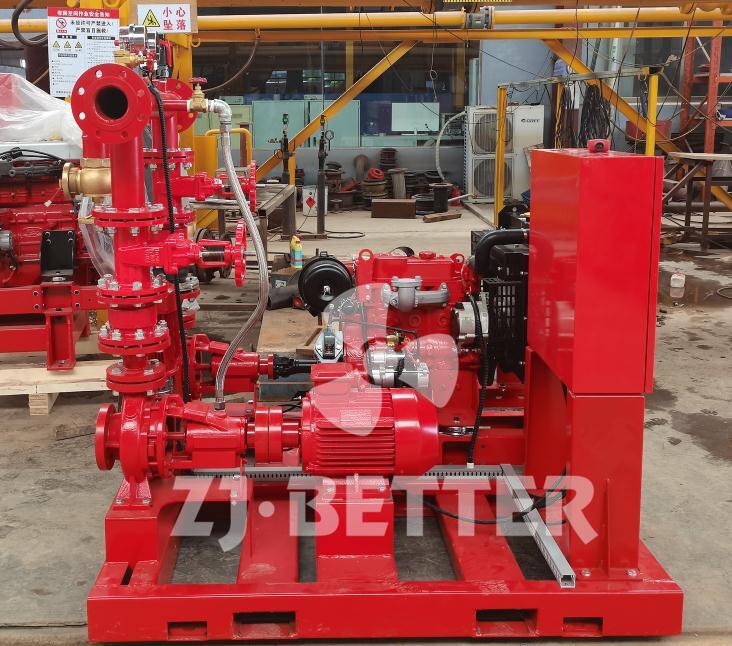
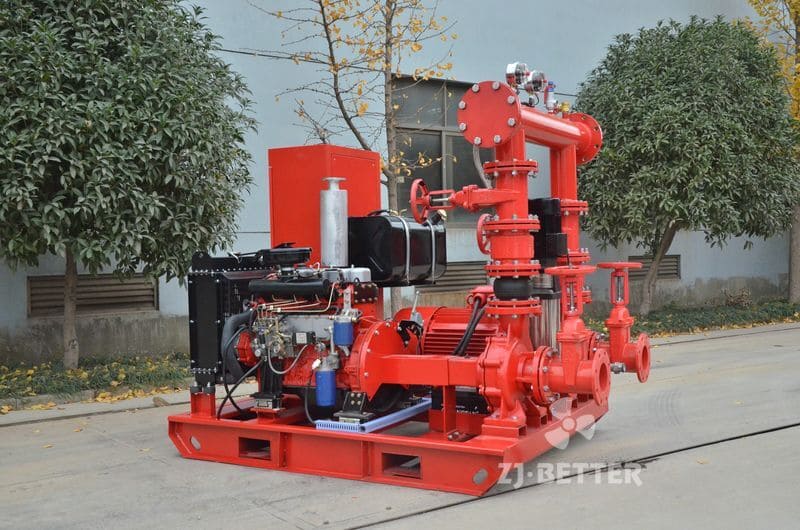
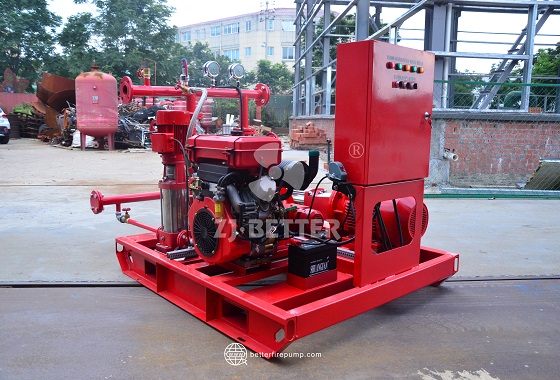
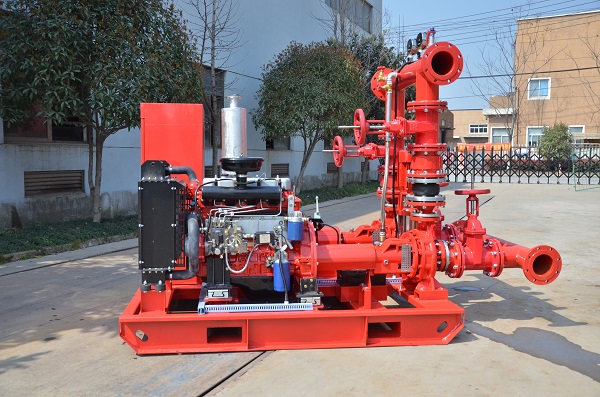
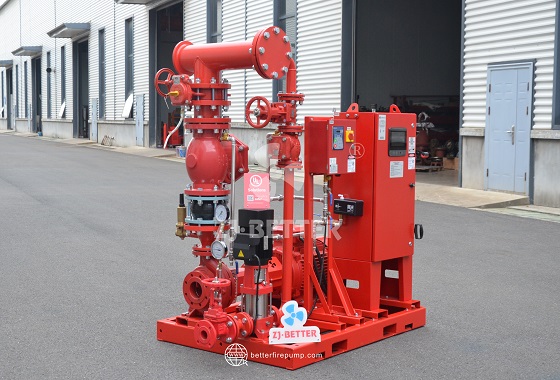
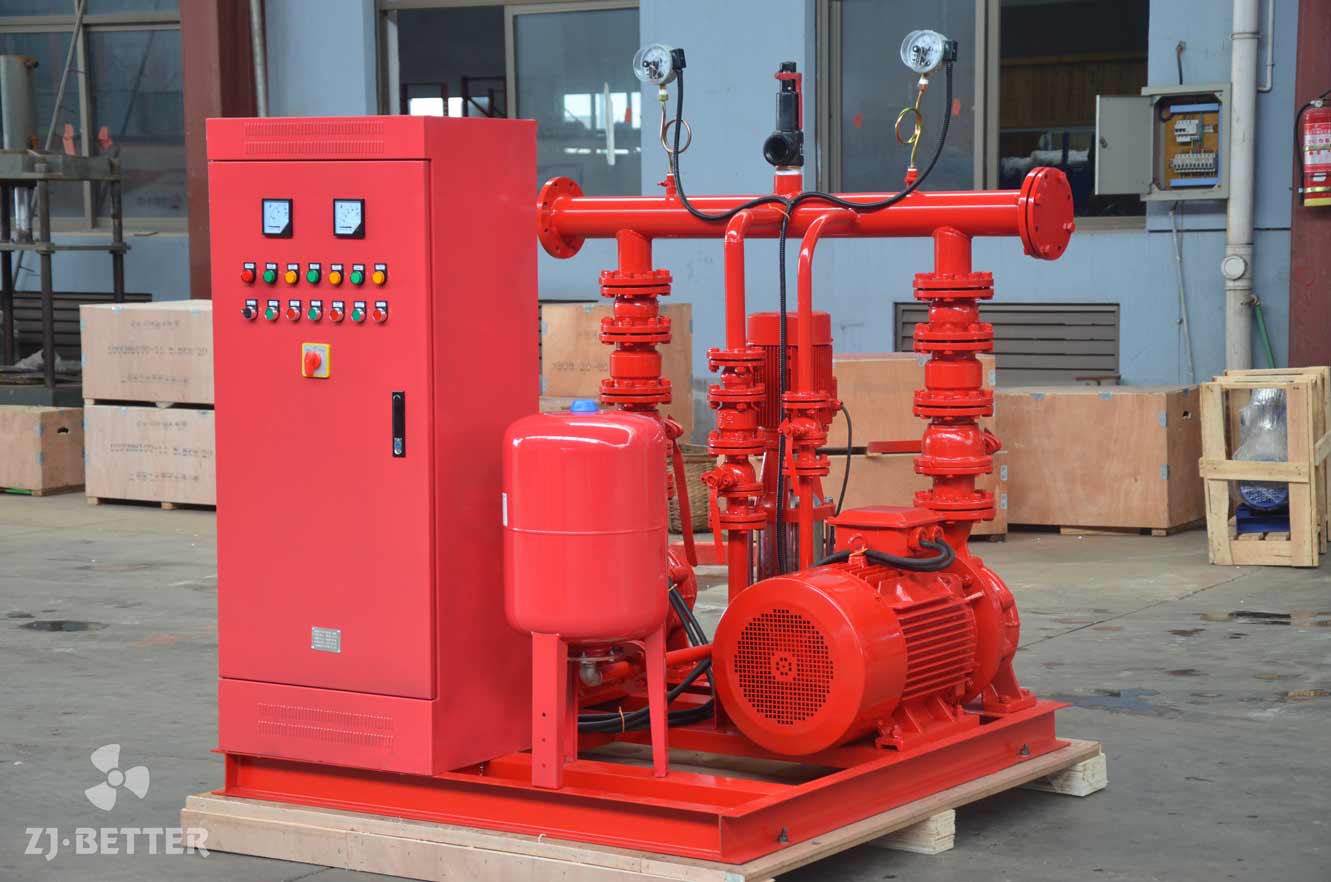
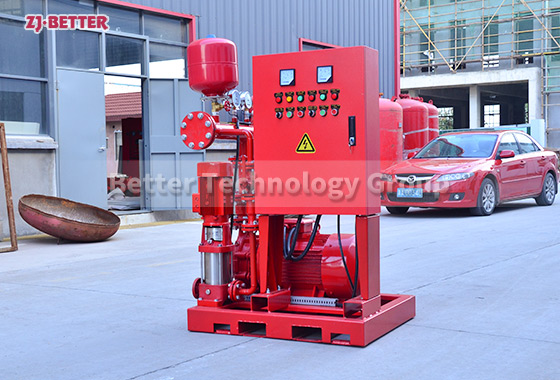
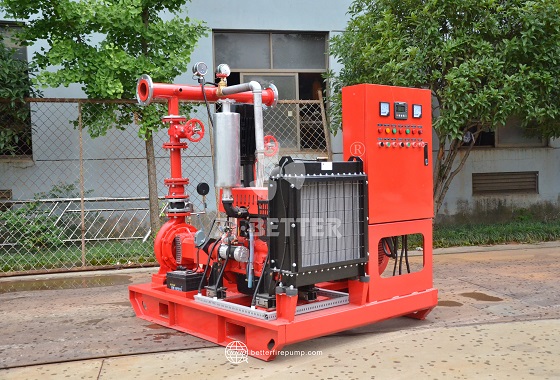
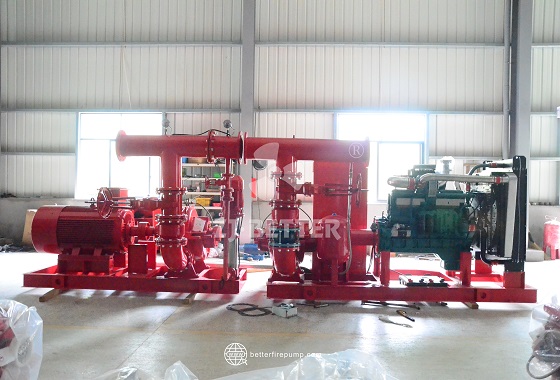
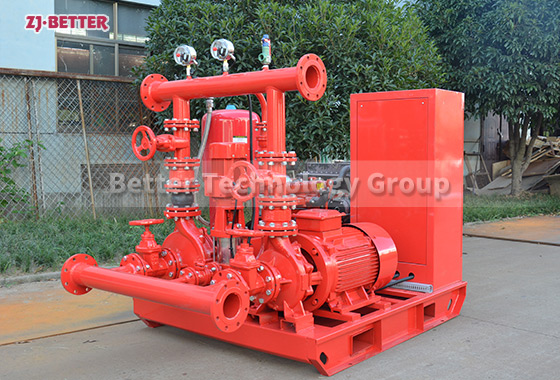
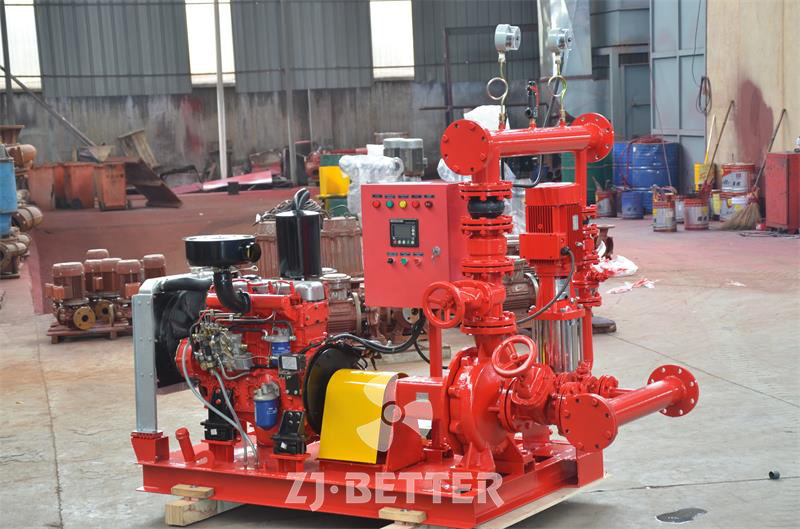
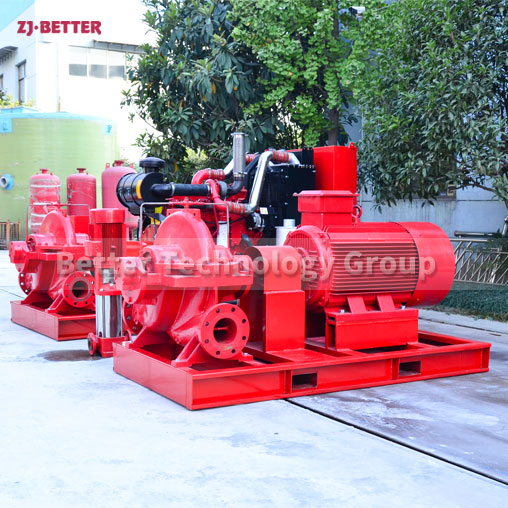
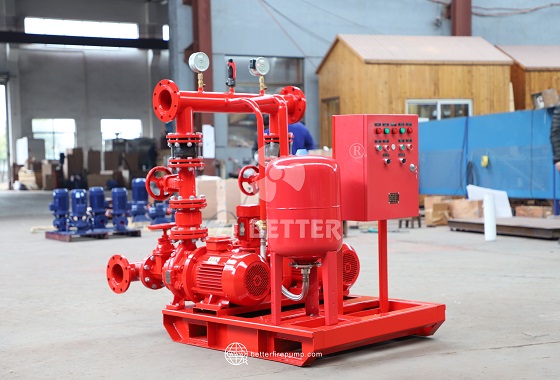
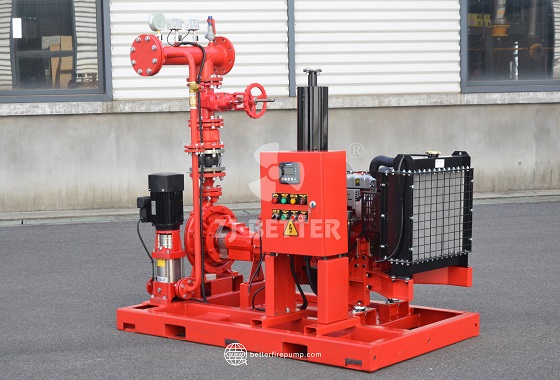
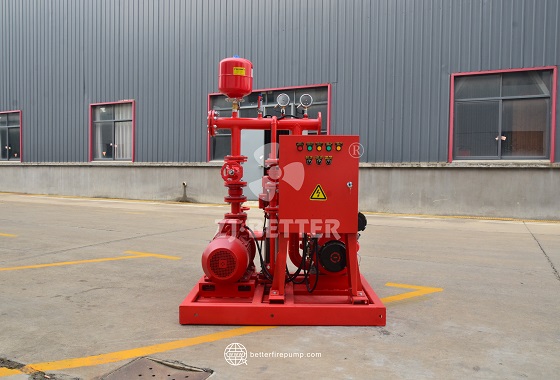
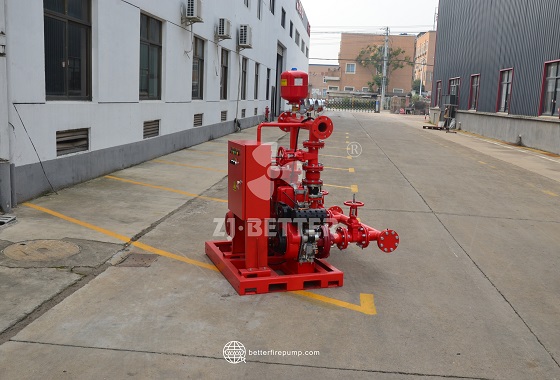
The fire-fighting pressure-stabilizing pump set responds to changes in fire-fighting pipeline pressure by automatically starting and stopping. It integrates an electric pressure-stabilizing pump, control cabinet, pressure tank, and pressure detection device. It features automatic pressure compensation, reduces frequent starts of the main fire pump, compact structure, and flexible configuration, and is suitable for various fixed fire-fighting water supply systems.
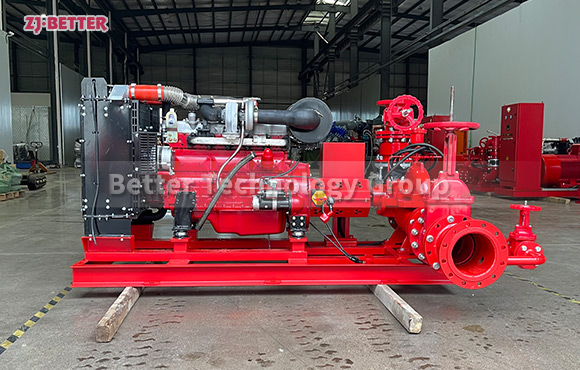
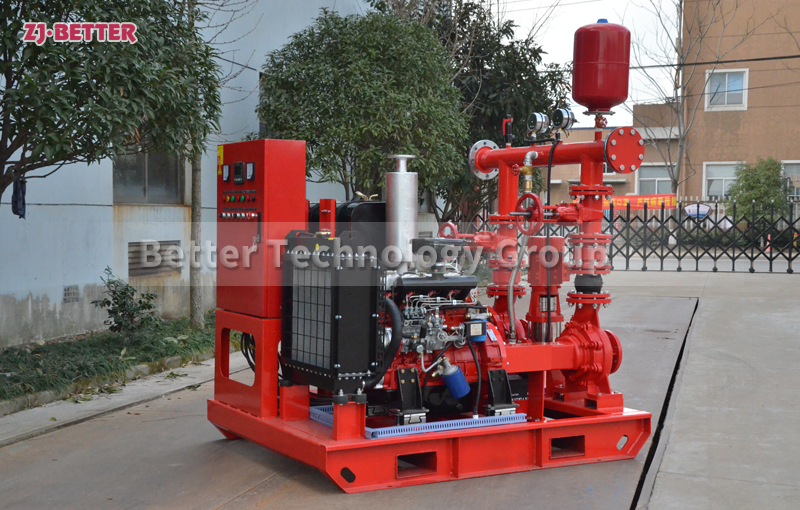
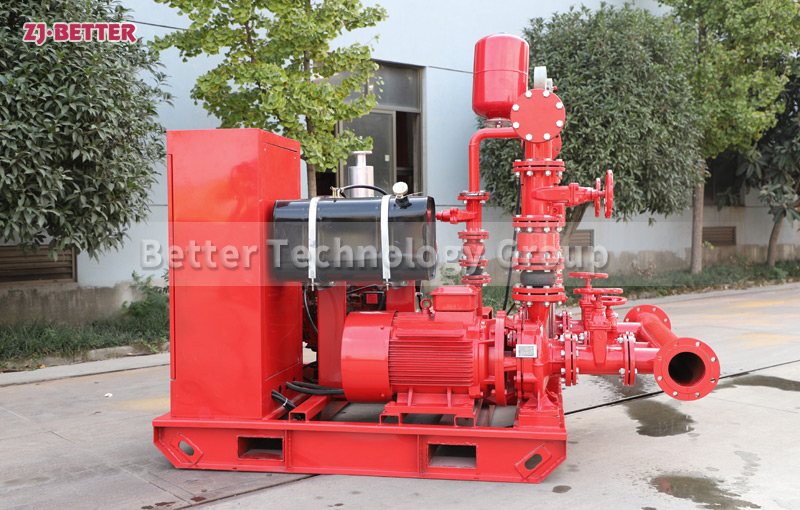
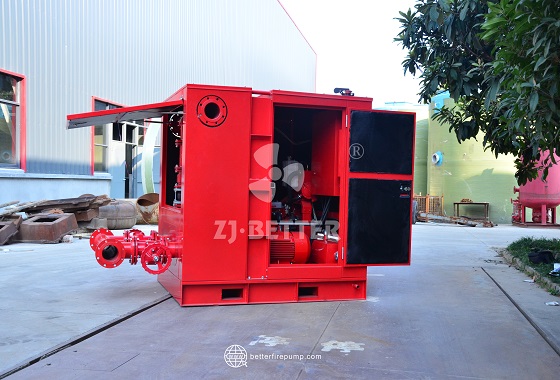
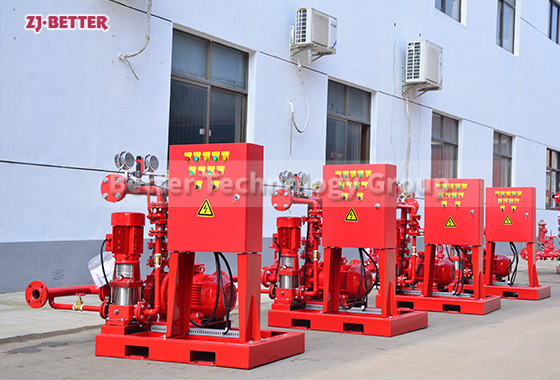
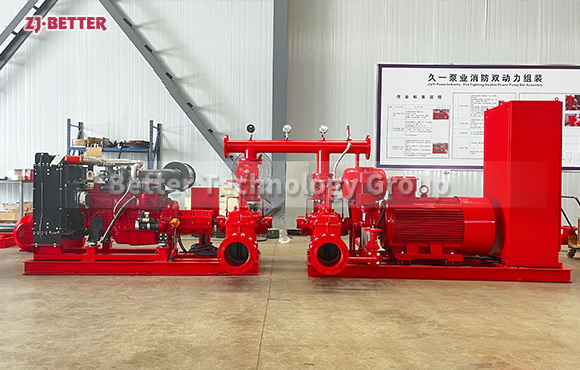
Fire-fighting pressure-stabilizing pump sets are important auxiliary equipment in fixed fire-fighting water supply systems, mainly used for maintaining pressure and providing minor pressure compensation during routine standby periods. This product typically consists of an electric pressure-stabilizing pump, control cabinet, pressure detection device, pressure tank, valves, and related piping accessories. By continuously monitoring the pressure of the fire-fighting pipeline network, it automatically starts and stops the equipment according to preset pressure parameters, ensuring a relatively stable pressure in the fire-fighting system during non-fire conditions. Compared to the main fire-fighting pump directly handling all pressure changes, the pressure-stabilizing pump set can promptly compensate for minor pressure drops in the pipeline network, helping to reduce frequent starts of the main fire-fighting pump due to small pressure fluctuations and providing more rational equipment coordination for the daily operation of the fire-fighting water supply system. Automatic start-stop functionality is a crucial performance characteristic of fire-fighting pressure-stabilizing pump sets. During system operation, the pressure detection device acquires information on pipeline pressure changes. When the pressure drops to the set start value, the control system sends an operating signal to the pressure-stabilizing pump, which begins to replenish pressure to the fire-fighting pipeline network. When the system pressure returns to the set range, the control system can control the equipment to stop operating according to the corresponding stop conditions. This automatic pressure response method allows the equipment to operate according to the actual pipeline network status, eliminating the need for frequent manual operation. It is suitable for fixed fire protection systems that require long-term standby. Electric pressure-stabilizing pumps typically employ pump models suitable for low-flow, high-head pressure compensation needs, and their flow rate, head, and power can be selected based on the fire protection system’s design parameters. The main task of the pressure-stabilizing pump is to compensate for small pressure losses during normal pipeline operation; therefore, its performance configuration needs to be coordinated with the main fire pump and pipeline network parameters. Under reasonable selection conditions, the pressure-stabilizing pump can handle daily pressure maintenance tasks. When actual fire water supply demand occurs and the main pump’s start-up conditions are met, the main fire pump is then put into operation, providing the system’s required main fire flow and pressure. The coordination of different devices according to their respective functions helps to clarify the operating logic of the fire water supply system. The pressure tank is also an important component of the complete pressure-stabilizing equipment, providing a certain amount of pressure storage and buffer space. When small pressure changes occur in the pipeline network, the pressure tank can participate in system pressure regulation together with the pressure-stabilizing pump, buffering short-term pressure fluctuations and helping to improve the operating status of the pressure-stabilizing pump. The pressure tank capacity and working pressure can be selected according to specific engineering parameters and matched with the pressure stabilizing pump, pressure control device, and fire protection piping network. Through reasonable configuration of related equipment, the entire pressure stabilizing system can better adapt to the pressure maintenance needs of different building and industrial fire protection projects. A modular structure is another advantage of this product; the pump, control cabinet, pressure tank, and main piping accessories can be centrally installed on a unified base or support structure, making the equipment layout more compact and reducing the need for combining dispersed equipment during on-site installation. A clear piping and equipment layout also facilitates daily inspections, pressure parameter confirmation, and subsequent maintenance by staff. For fire pump rooms with limited space or projects requiring centralized equipment configuration, appropriate installation methods and product specifications can be selected according to site conditions. The control cabinet can be configured with corresponding control and protection functions according to equipment operating requirements, and combined with pressure gauges, pressure switches, or pressure sensors to achieve pressure status monitoring, enabling staff to promptly understand the basic operating status of the equipment and piping network. Fire pressure stabilizing pump sets are suitable for commercial buildings, residential projects, industrial plants, storage facilities, public buildings, and other locations requiring fixed fire water supply systems. Different projects have varying requirements for fire protection network pressure, equipment flow rate, installation space, and control. Therefore, the product’s parameters can be configured according to actual design conditions. Overall, the fire protection pressure-stabilizing pump set responds to changes in network pressure through automatic start-stop, featuring automatic pressure compensation, reduced unnecessary startup of the main fire pump, clear division of equipment functions, compact structure, and good project adaptability. By rationally selecting the pressure-stabilizing pump performance, pressure tank capacity, control parameters, and related piping accessories, this product can provide stable equipment support for maintaining pressure during the long-term service life of the fire protection system, and facilitates installation, operation management, and daily maintenance in engineering projects.