Independent Power Diesel Fire Pump for Fire Water Supply in Power-Limited Environments
The independent diesel-driven fire pump utilizes a diesel engine, meeting fire-fighting water supply requirements in environments with limited power availability. It supports various pump types and configurations for flow rate and head, making it suitable for industrial facilities, warehouses, ports, and large-scale fire protection systems.
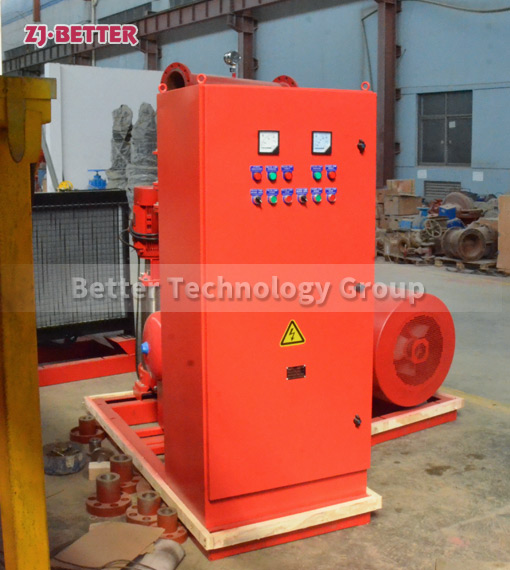
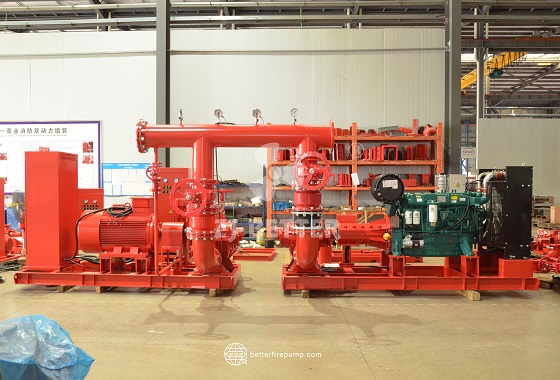
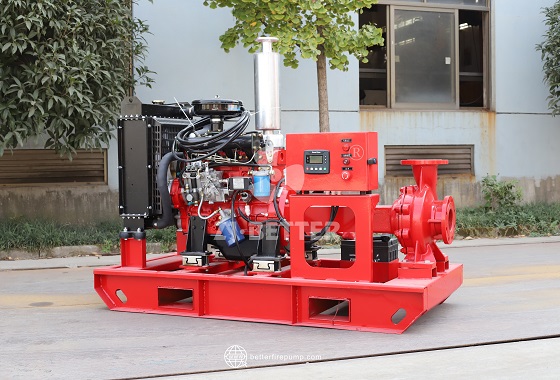
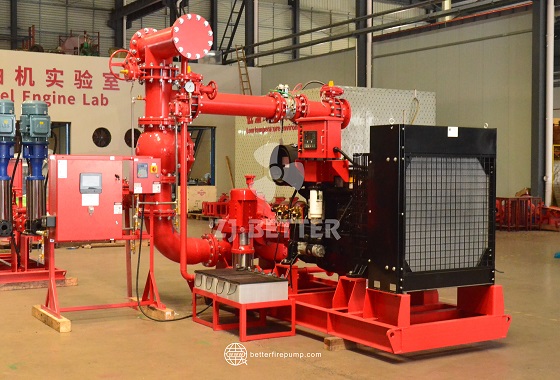
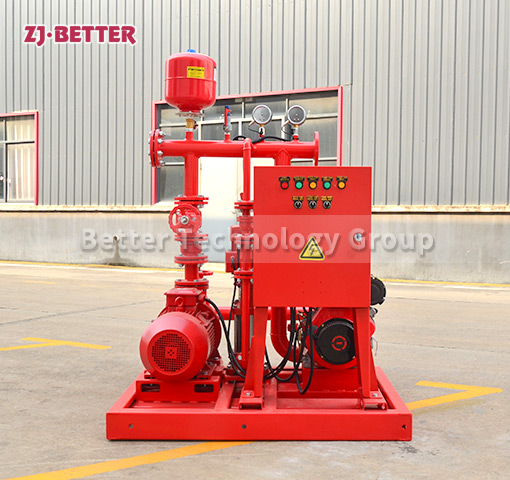
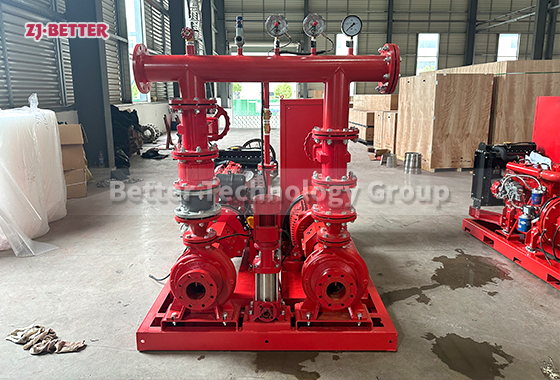
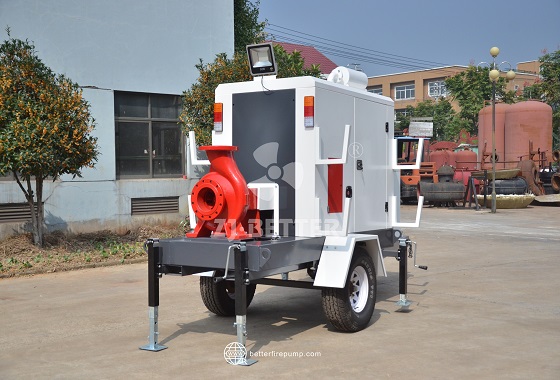
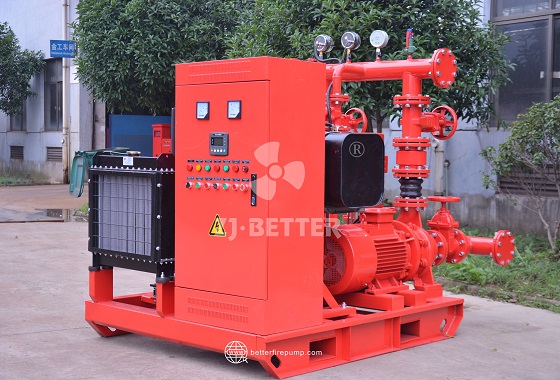
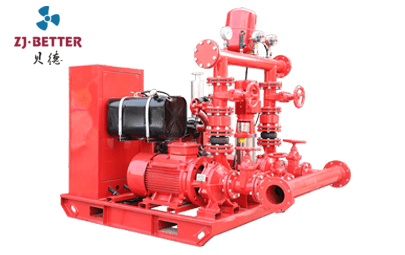
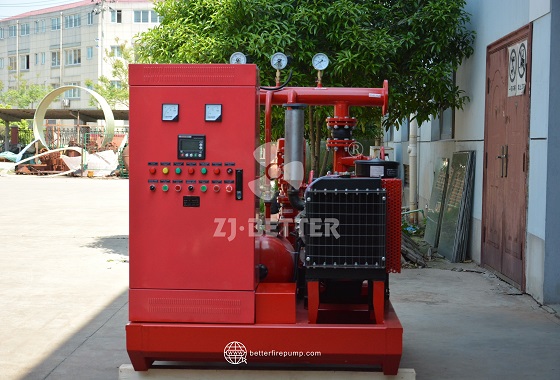
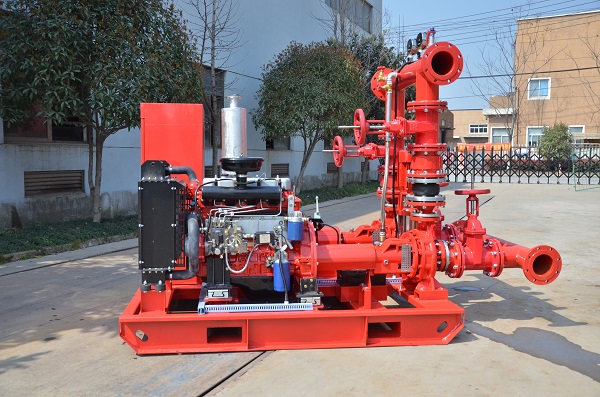
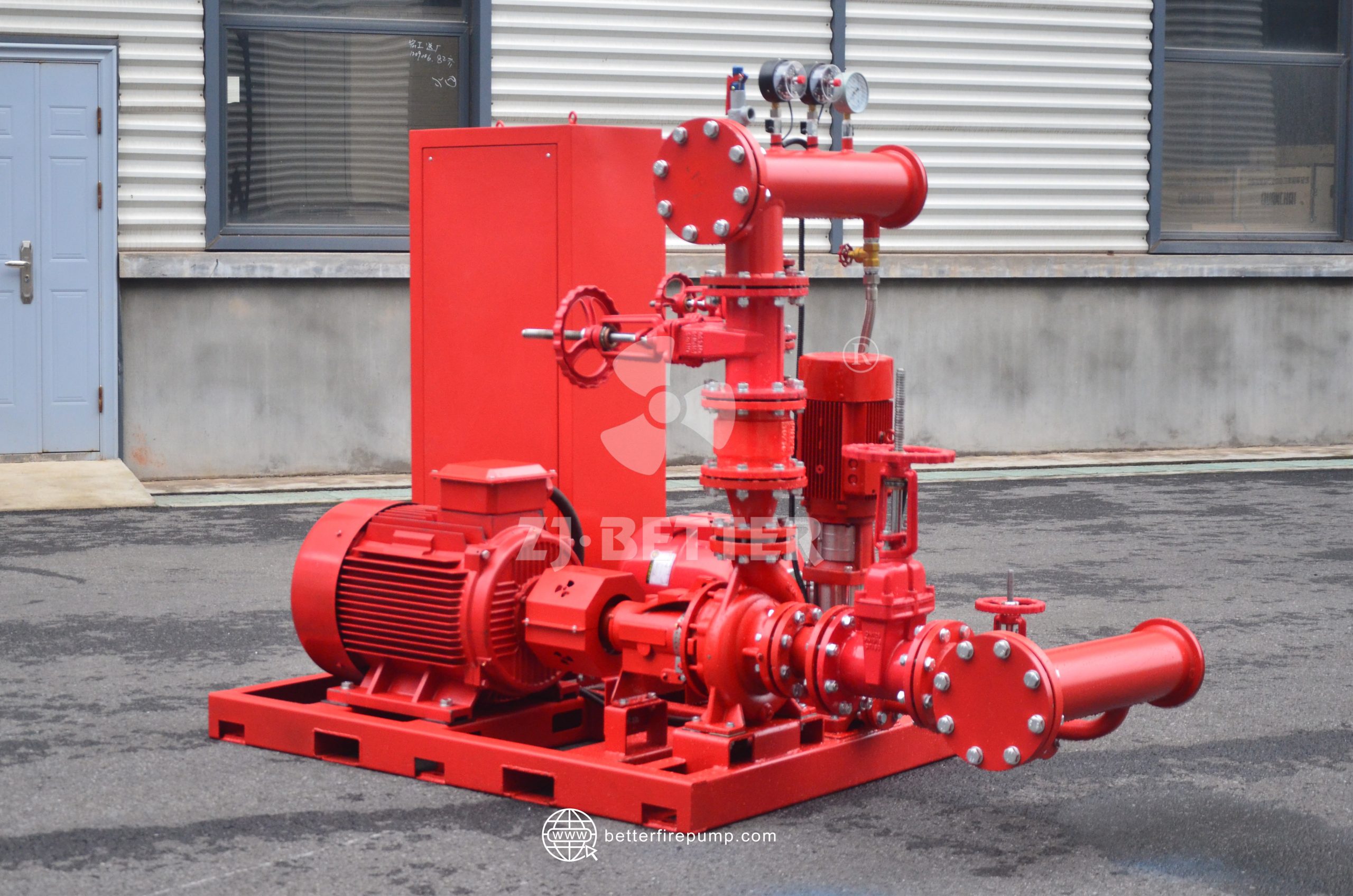
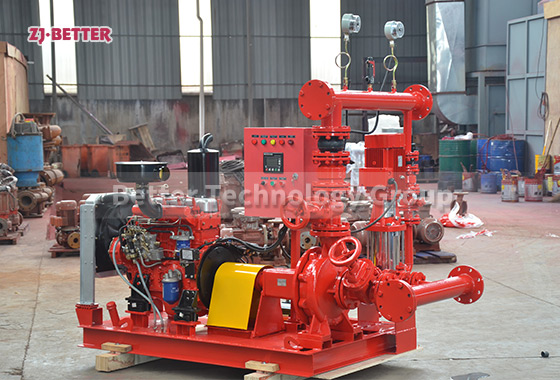
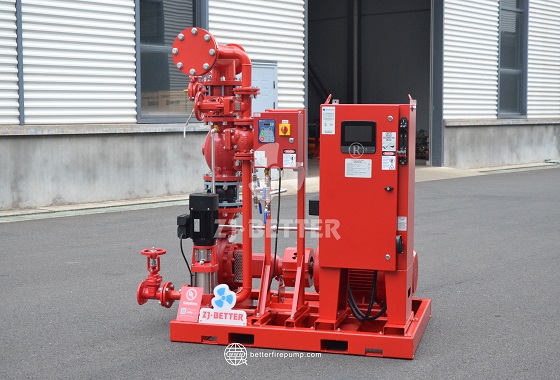
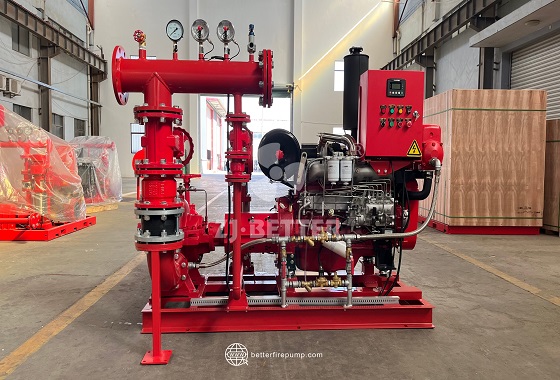
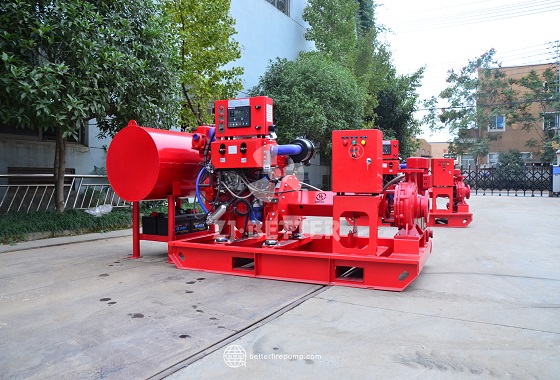
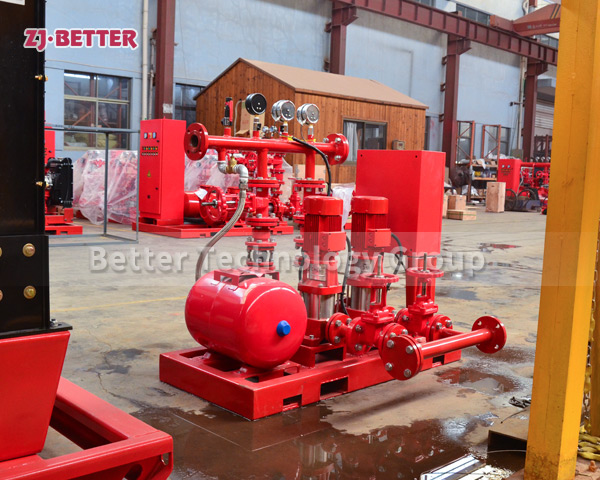
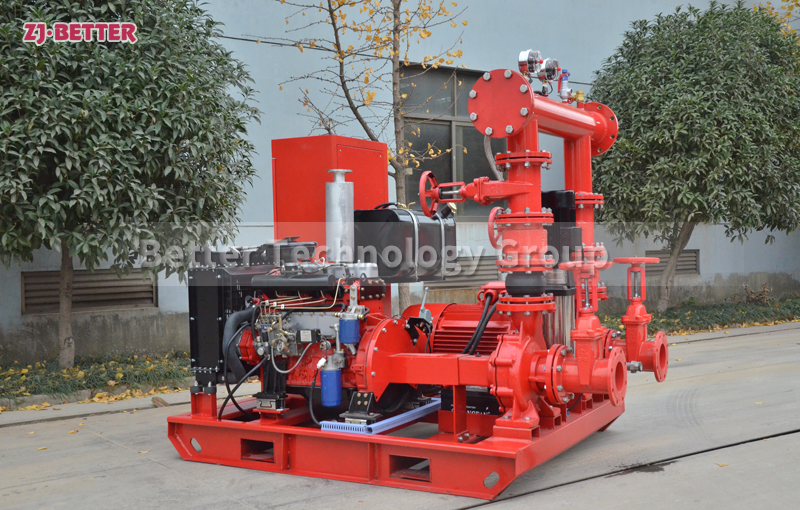
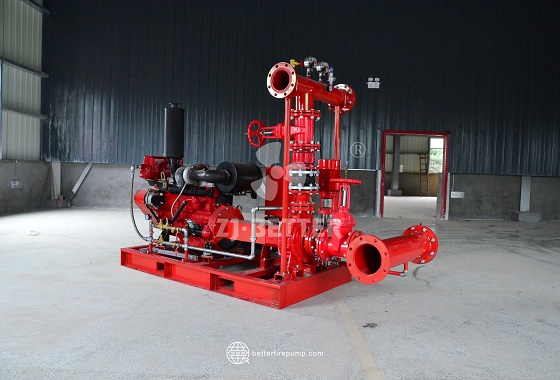
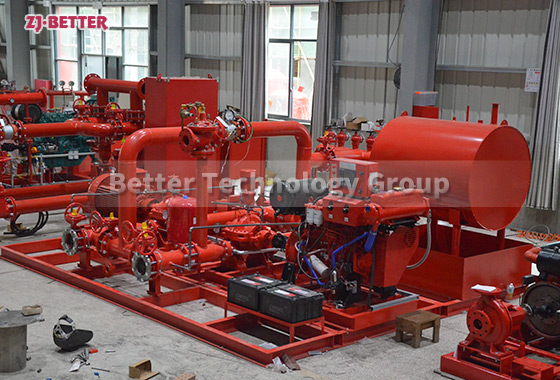
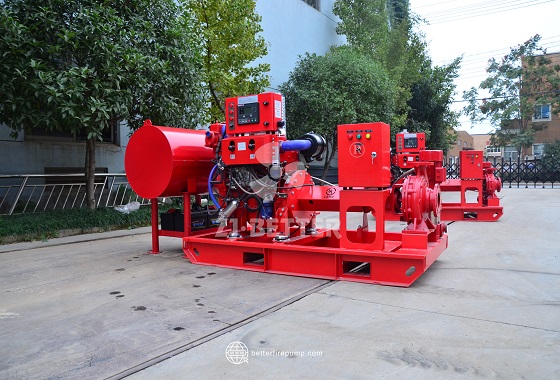
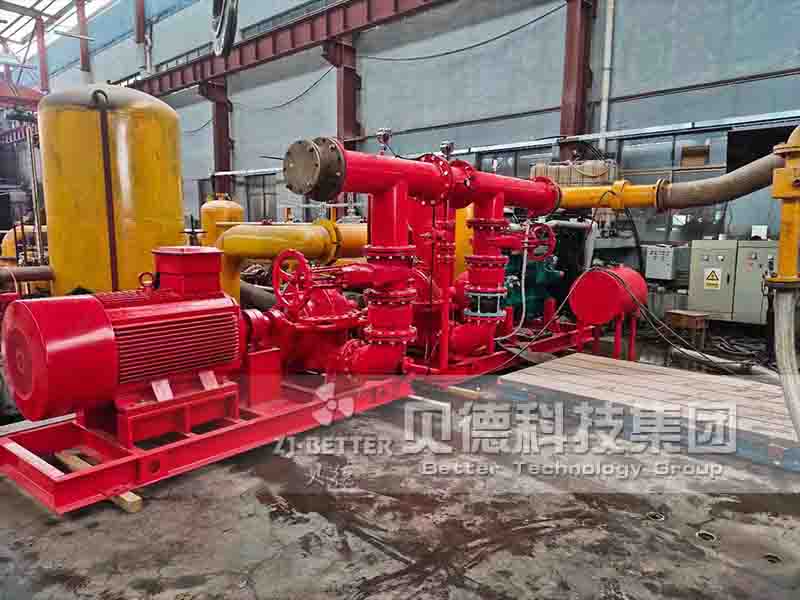
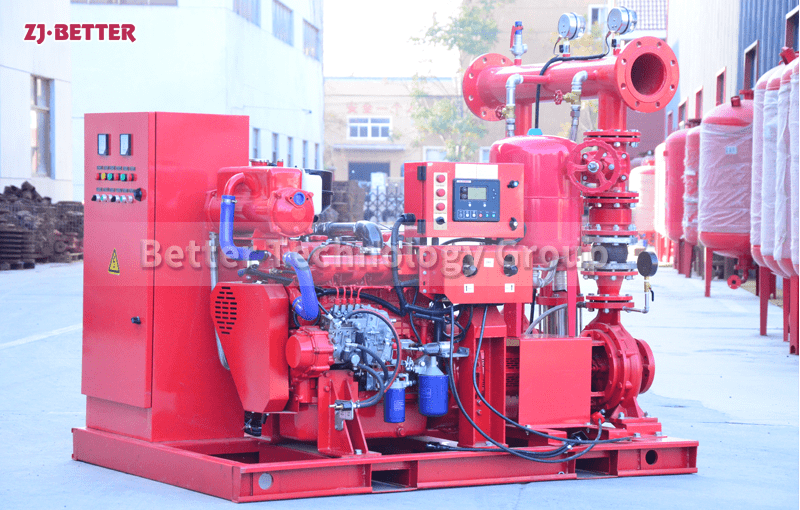
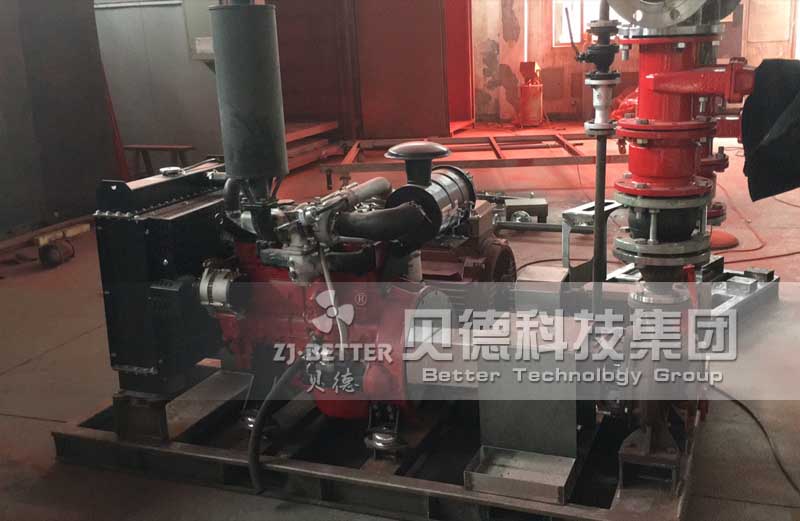
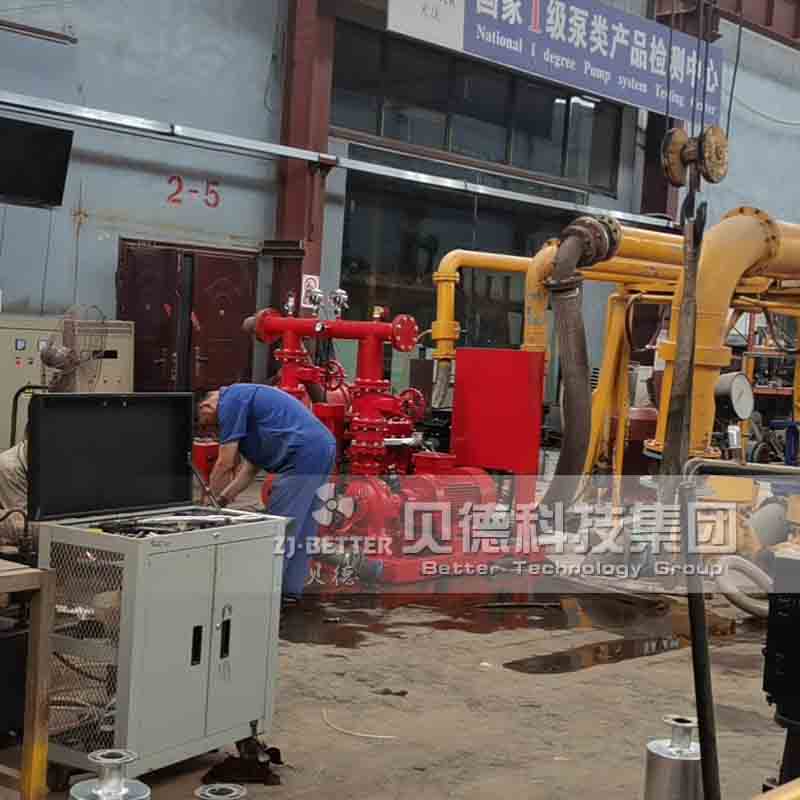
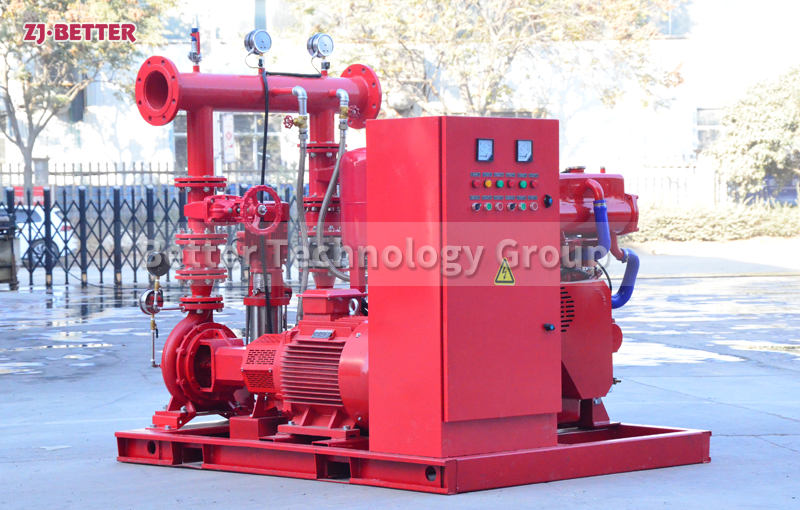
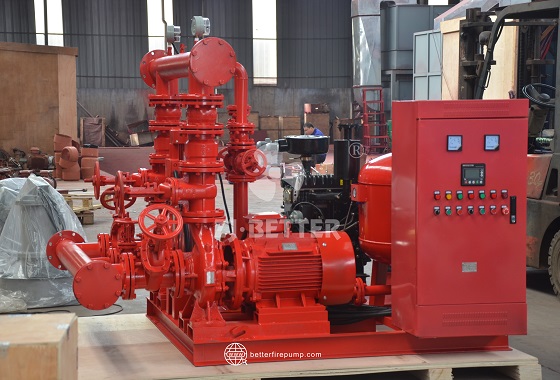
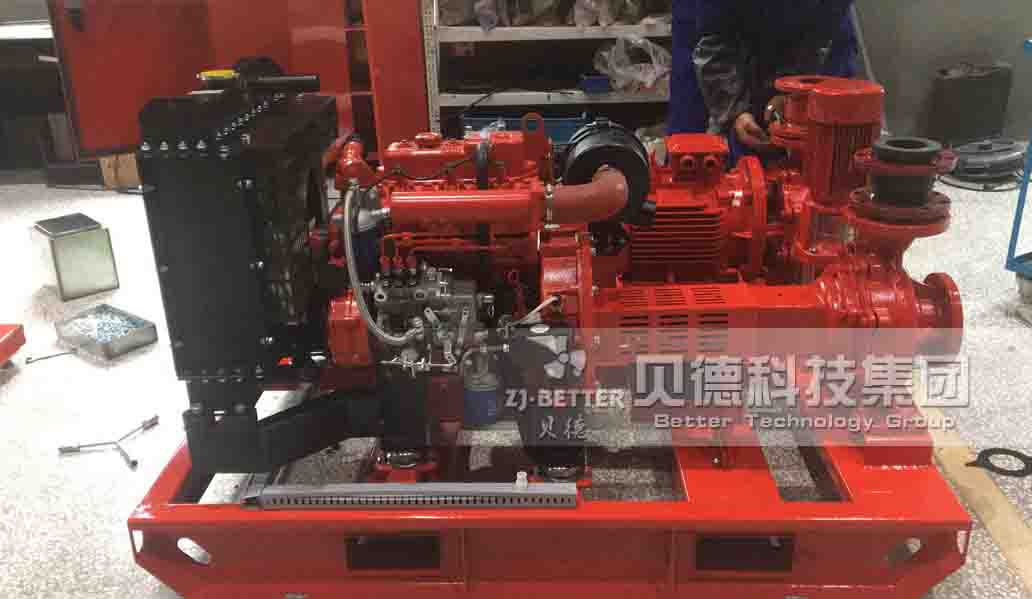
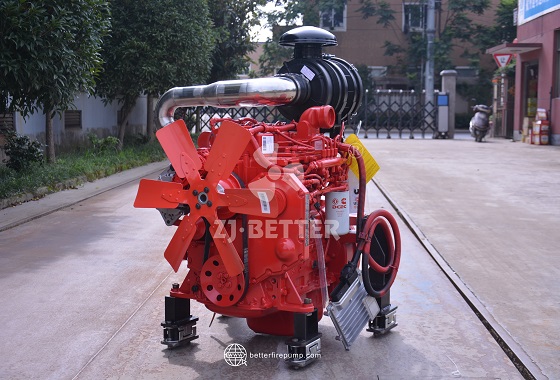
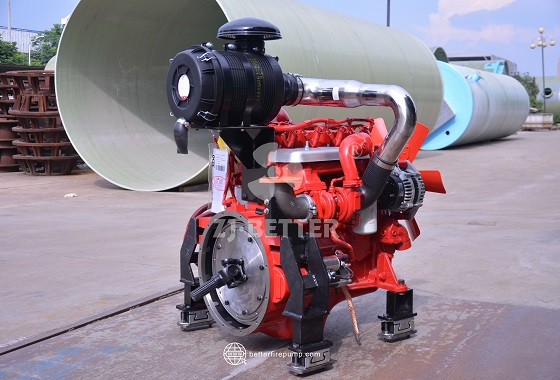
These independent diesel-driven fire pumps utilize a diesel engine as the prime mover; through the optimal matching of the engine and the pump, mechanical energy is converted into water pressure to supply firefighting water for industrial facilities, logistics warehouses, ports, and large-scale buildings. Unlike fire pumps that rely solely on electric motors, diesel-powered units function effectively in environments with limited grid access or where independent backup power is required, ensuring a reliable water supply. Featuring a compact design with a rational layout of the engine, cooling fan, pump body, and auxiliary components, the unit minimizes space requirements and facilitates installation and routine maintenance. The equipment shown is equipped with a diesel engine and cooling fan; the engine cooling system regulates operating temperatures, ensuring the power unit operates under optimal conditions. Depending on project specifications, the pump configuration—such as single-stage, horizontal split-case, end-suction, or multi-stage—can be selected to meet specific flow rate, head, and pipeline pressure requirements. Materials for the pump casing and impeller (e.g., cast iron, stainless steel, or bronze) can be chosen based on the pumped medium and operating conditions to satisfy diverse project needs. The complete system can also include a control cabinet, fuel tank, pressure sensors, pressure gauges, check valves, gate valves, and connecting piping, enabling coordinated operation of the drive system, controls, and water delivery. According to product specifications, the flow rate ranges from 30 to 9,000 GPM, the head ranges from 3 to 20 bar, and the rotational speed ranges from 740 to 2,900 rpm; exact parameters are determined by the specific project design and pump model. Regarding operation and management, proper engine power matching harmonizes power output with the pump’s hydraulic performance, minimizing mismatches between the power configuration and actual operating conditions; the integrated control system enables operational control and status monitoring, thereby enhancing the management efficiency of the fire pump unit. Diesel fire pumps are suitable for fire water supply projects that require backup power or independent power configurations—particularly in settings such as industrial plants, petrochemical facilities, power plants, warehouses, airports, and ports—where the power supply may be unstable. By selecting the appropriate pump model, engine power, flow rate, and head, and configuring the system based on the on-site water source, piping layout, and installation conditions, the equipment delivers the water volume and pressure required by the engineering design, thereby enhancing the fire water supply system’s adaptability to specific power supply constraints.